The Sister Guardian Initiative (SGI) is a South Saharan Social Development Organization’s flagship on reducing violence against women at the community level. The Sister Guardian Initiative, which is currently implemented in 19 communities in Enugu and Anambra State taps into existing community-based women groups to identify women, referred to as Sister Guardians (SG), who are willing to stand in the gap and advocate for other women facing different kinds of abuse. They are majorly drawn from the circle of influential women in the community for instance: the Traditional rulers’ wives, Political women leaders, Religious women leaders, Umuada women leaders, Market women leaders etc.
These SGs provide the immediate support to female victims of violence – safety, counseling, mediation with the husband and family members and when it is necessary for the cases to be referred to the police and other relevant agencies for the women, they support the women in prosecuting their case either at the community level with the extended family and village authorities, or the police and courts as the case may be, ensuring the women are never alone. In addition, they advocate against violence against women (VAW) at the community level and also educate women and the community at large on their civic responsibilities.
Beyond combating gender-based violence, one goal of the Sister Guardian Initiative is to build a strong women executive that wields enough influence to advocate and adjudicate for women’s rights in the community.
To achieve unity and cohesion among the team members, it is important to also support each other in their grieving times.
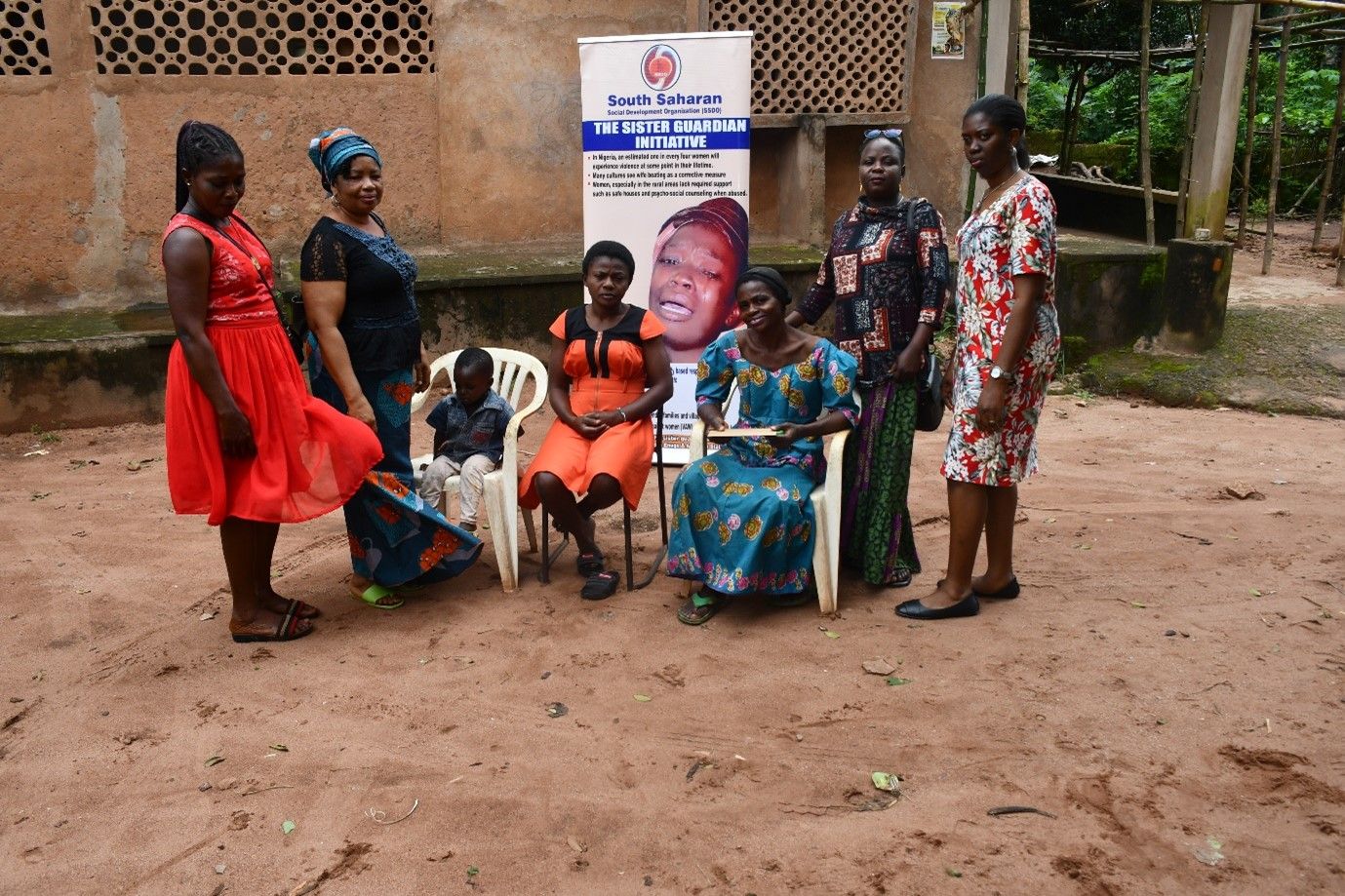
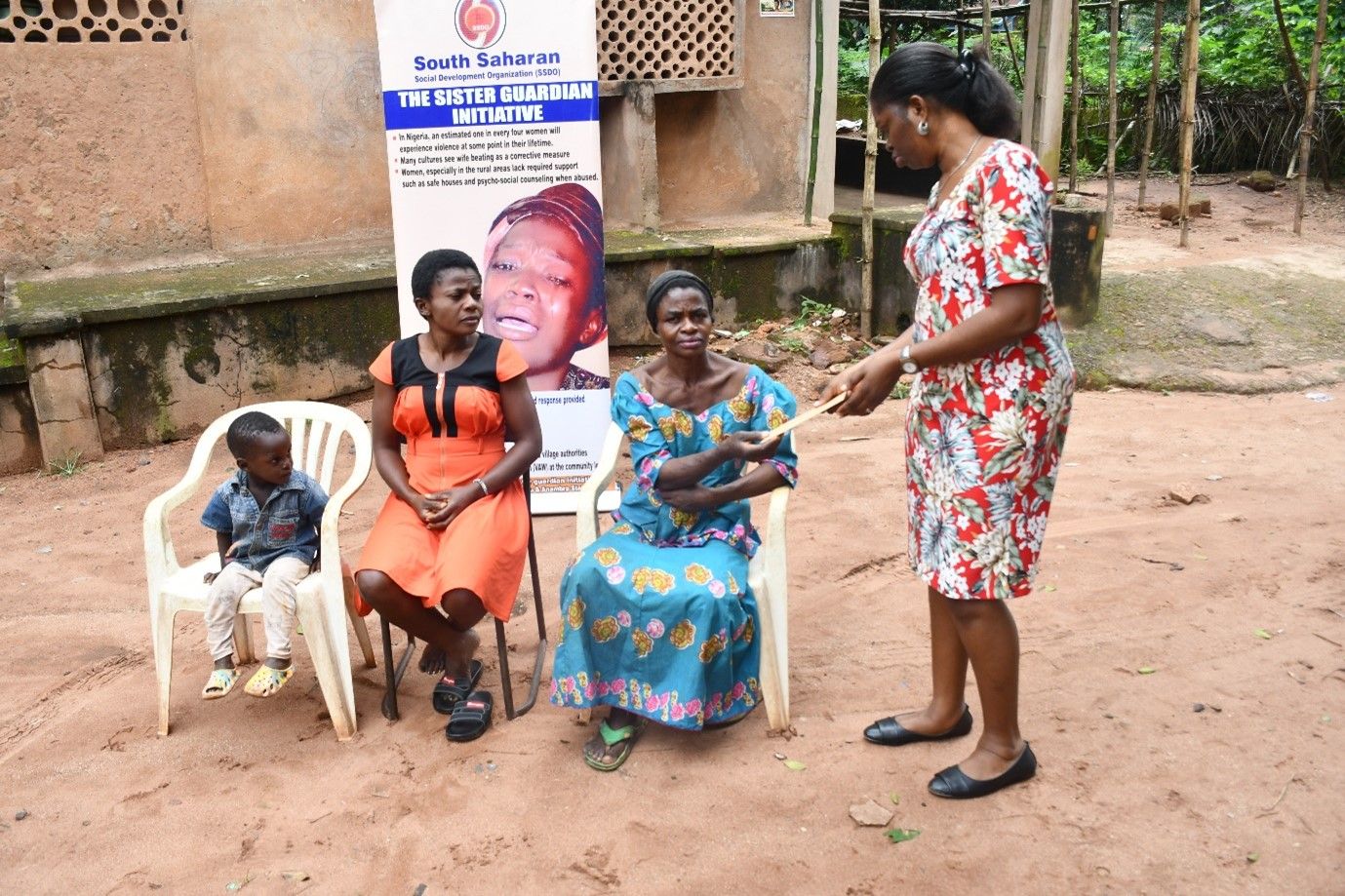
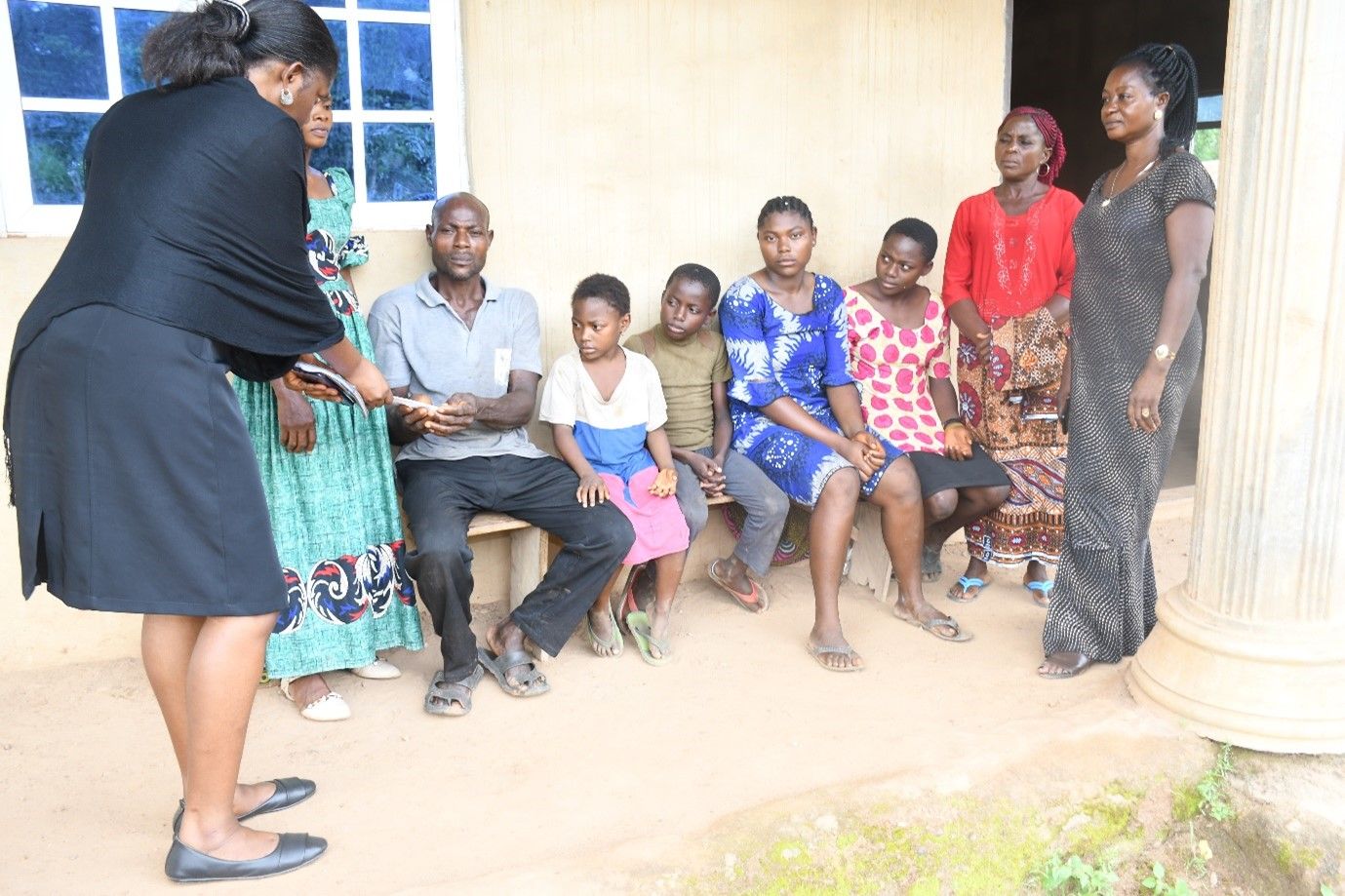
South Saharan Social Development Organization financially supported the members of a bereaved family who lost their wife and mother, who is a member of the Sister Guardian community in Orokoro community. The initiative was also able to support a family in Eke community as well.
Our thoughts and prayers are with the families in this trying time.
We understand the place of advocacy in seeing a behavioral change in communities. Particularly concerning the reduction of gender-based violence. It helps to promote human rights, social inclusion, equality, and social justice.
Understanding its importance in executing the Sister Guardian Initiative, South Saharan Social Development Organization, SSDO places a premium on advocacy to bring about the much-needed change of reducing violence against women.
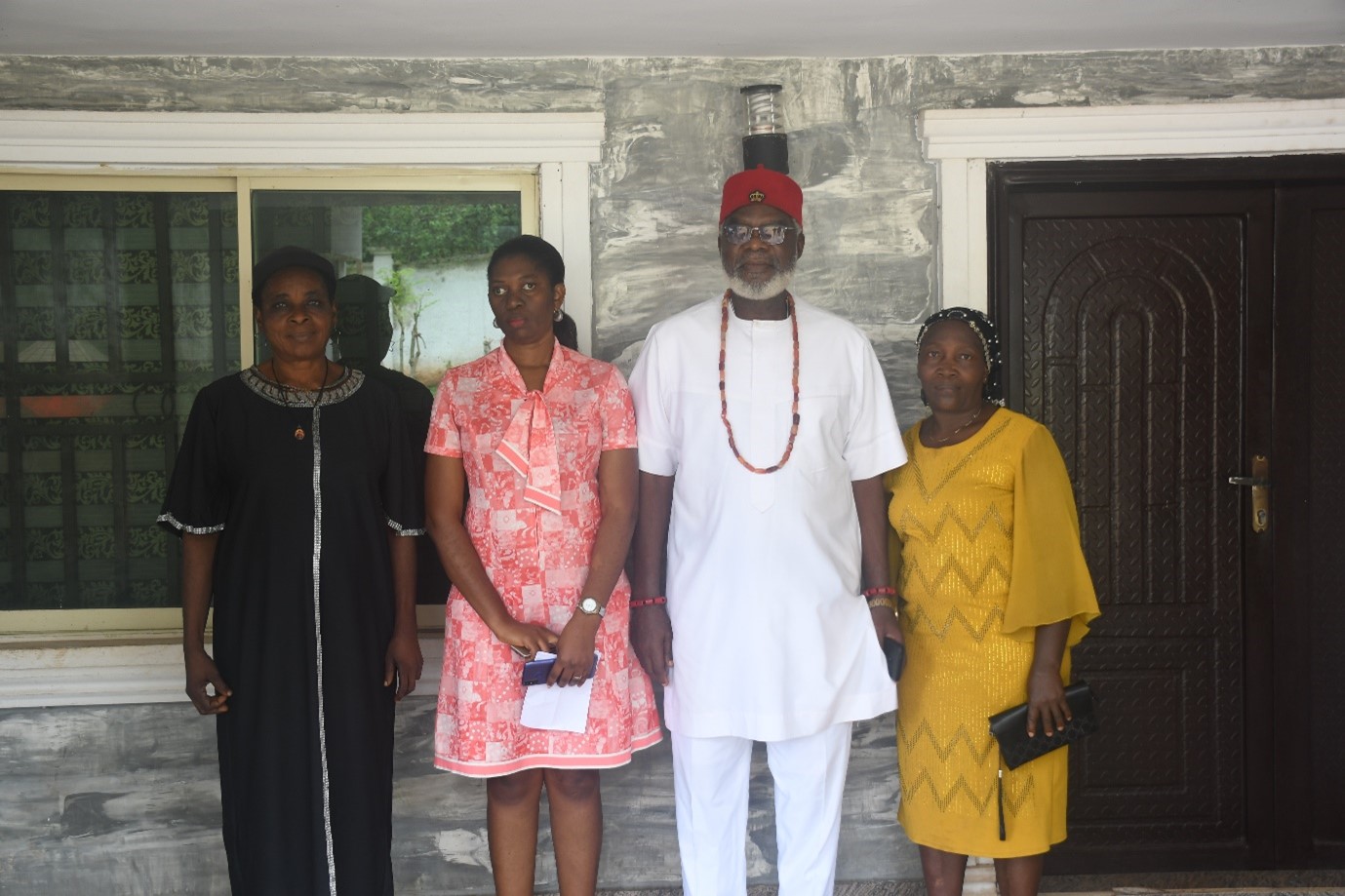
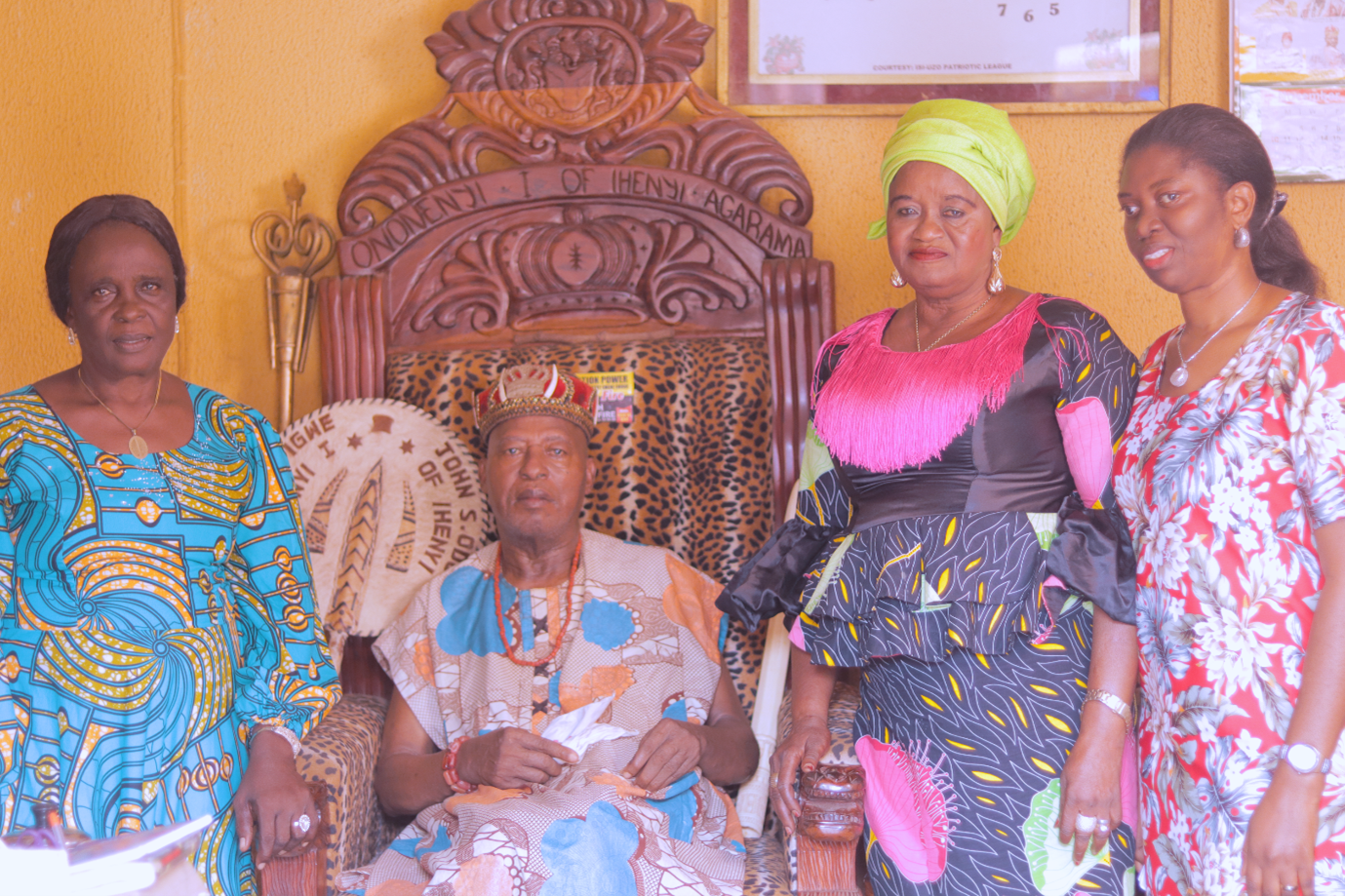
SSDO’s Gender Officer, Blessing Uchendu, embarked on an advocacy visit to the traditional rulers of Aduachi and Ihenyi communities to ascertain the level of inclusion and participation of women in their cabinet. The traditional rulers confirmed that the women are actively involved in the decision-making processes of the traditional ruling council.
We appreciate the efforts of these traditional rulers for being forward-minded. Women’s involvement in the traditional council will provide a unique perspective that the leaders would have otherwise not seen.
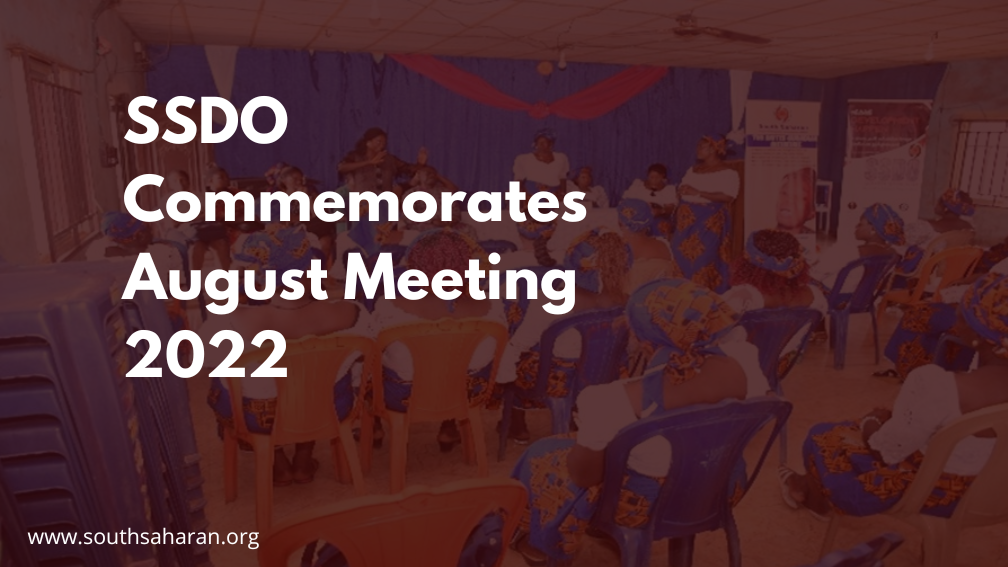
The mother’s congress, popularly known as August Meeting in Igbo land, is a time where Igbo women from the cities and diaspora return to lend helping hands to their communities. They embark on projects to improve healthcare, peacebuilding and educate the community.
To show solidarity in projecting and supporting the roles women play in family and community development, South Saharan Social Development Organization, through her Sister Guardian Initiative project, visited two communities to commemorate this year’s August meeting with them. They include; Obinagu in Enugu East LGA and Ihenyi in Isiuzo LGA both in Enugu state.
SSDO Gender and Protection Programme Lead built the capacity of the women on causes and effects of domestic violence against women and girls, how to report it, where to report it and how to follow it up. The event aims to create and intensify awareness of women’s rights and the law.
Other pressing issues discussed during the capacity-building event include economic empowerment, political inclusion, violence against women, female genital mutilation, and advocacy.
Through years of working on projects at the community level, we realize that women and girls are hugely disadvantaged. They have often been marginalized and segregated to the background on so many fronts in society. Especially politically and economically. We also observe that this marginalization has created a false consciousness in most women.
Women are now satisfied with the status quo of swallowing their thoughts and ideas when it is clear that their input will make the difference. One of the primary reasons for marginalization is the inequality between men and women in accessing and controlling resources. But even more shocking is that in many communities, women don’t even have control over reproduction.
The goal is to create an equal society where men and women can speak, and their voices matter. To see a world where women, youth, and children can develop in a politically and socioeconomically correct environment. Where gender equality is prioritized, and women have complete control over their resources and time.
And as such South Saharan Social Development Organization, SSDO, in partnership with ActionAid Nigeria, seeks to foster women’s empowerment through peer education. This initiative aims to advocate for women’s rights and bridge women’s capacity deficiency at the community level. As well as meet the political, social, and economic needs of women.
Peer Education Program
A peer education program is a scheme that involves people being taught by facilitators of similar backgrounds. This way, the message is easily absorbed, and the facilitator can communicate clearly on the same wavelength as the participant.
The program was facilitated by Osamudiamen Owens-Akinwale, Advisor Local Rights Programme, ActionAid Nigeria. The training was executed using the Women Peer Education Resource Kit. It covered essential areas such as personal development, health, livelihood and survival, and inclusion. The women were taught the importance of body image, self-esteem, time management, hygiene, skill acquisition, and the dangers of gender-based violence.
The women’s peer education program was organized in Isiama Community, Oduma Achara, Aninri LGA, Enugu state. The intention is for the training to be cascaded down to other women in the community through the trained representatives.
Correcting Wrong Notions
“I learned about how to care for the elderly and the importance of child spacing. I also learned that we have the right to stand and contest for election.” – Obodo Victoria.
Women were better informed of their rights and responsibilities after the training. They were taught valuable life and soft skills to help them be more efficient in their homes and businesses.
“Before, we believed that if a woman is not circumcised, she would be very promiscuous. I also didn’t see the need for a woman to undergo a cesarean section. But now, I know that female genital mutilation is dangerous to the sexual health of a woman. And that if a woman has labor difficulties that last too long without help, it can be really dangerous.” A woman from Isiama Community.
Importantly, we see that beyond the women learning about their rights, wrong notions which have been held on to for a long time were corrected. Now, the women have the right foundation to build on and groom young girls.
South Saharan Social Development Organization (SSDO) Organizes a Workshop through its Sister Guardian Initiative (SGI) to Commemorate the 2022 International Women’s Day
THEME: Strengthening Local Institutions’ Capacity to Combat Gender-based Violence(GBV).
A report on the Sister Guardian Initiative Workshop held on the 8th of March 2022 on “Strengthening Local Institutions’ Capacity to Combat Gender-Based Violence”.
Introduction
The Sister Guardian Initiative (SGI) is a South Saharan Social Development Organization‘s flagship project on reducing violence against women at the community level. The initiative provides the immediate support that female victims of violence require— safety, counseling, mediation, and referrals to other relevant agencies as the case may demand. The SGI is presently in 17 communities across Enugu and Anambra states.
International Women’s Day is a global day to celebrate women’s socioeconomic, cultural, and political achievement. It is also a unique opportunity for women to rally and advocate for equal treatment and representation. Since the inception of the SGI in 2016, SSDO has organised an educational event geared towards women’s empowerment. This year was no different as a workshop was held to create more awareness on the effect of gender-based violence and rally relevant stakeholders on the need to enforce GBV laws.
The workshop featured participants drawn from 15 communities where the initiative has been executed. They include traditional rulers, President Generals, women leaders, government representatives and a representative of the Gender Unit Desk Officer of the Enugu State Police Headquarters.
Objectives
Highlight the effect of gender-based violence on women and the community.
Educating the audience on GBV laws.
Developing actionable steps and strategies for better synergy between the Sister Guardian leaders and relevant stakeholders—traditional rulers and Police.
The project lead, Blessing Uchendu, was on the ground to detail the project’s journey thus far. “Since its inception, the chapters have supported over 1300 victims with counselling, conflict mitigation, temporary shelter and referrals to law enforcement or health facilities.”
Going forward, she also explained the plans of the project. “To achieve more with the project, we have to keep advocating for community leaders to understand the effect of GBV and partner with the Sister Guardians to resolve cases efficiently as well as capacity building.”
“It is also important that by-laws are enforced. This would dissuade perpetrators from abusing victims. We also believe that a working synergy between the Sister Guardians and the Police will give more credence to the effort of the women leaders.”
A documentary that captures the success of the initiative was also viewed. Helping the audience better understand the effects of gender-based violence on the victims and the community. It also showed victims sharing their stories and how the initiative helped them. It detailed the project’s successes across different communities and its plans going forward.
Mr Larry Oguego, National Coordinator, Human Rights Volunteer Corps of Nigeria, the lead speaker of the event, presented a paper on “Preventing Sexual and Gender-based Violence: How Community Leaders and Stakeholders Can Leverage the Law to Drive Change.” He analysed the various laws that address GBV issues, the roles of community leaders and stakeholders, and how they can be the voice of advocacy.
Recommendations
The following recommendations were proposed during the workshop to reduce GBV:
Schools should include Gender equality and other gender-related issues in the school curriculum.
Cascading the workshop to town hall meetings in various communities, the message reaches the grassroots.
Conclusion
In conclusion, the highlight of the conference emphasized the importance and the role of local institutions in combating gender-based violence. When laws are upheld by the community leaders and enforced by the Police, there will be a drastic reduction in GBV cases. Perpetrators will be dissuaded from continuing the atrocious acts of violence against women.
The outcome of this conference saw a more enlightened audience know their rights, know the effect of GBV on victims and the community. It also created a linkage and opportunities for collaboration between sister guardian leaders and relevant stakeholders.