SSDO

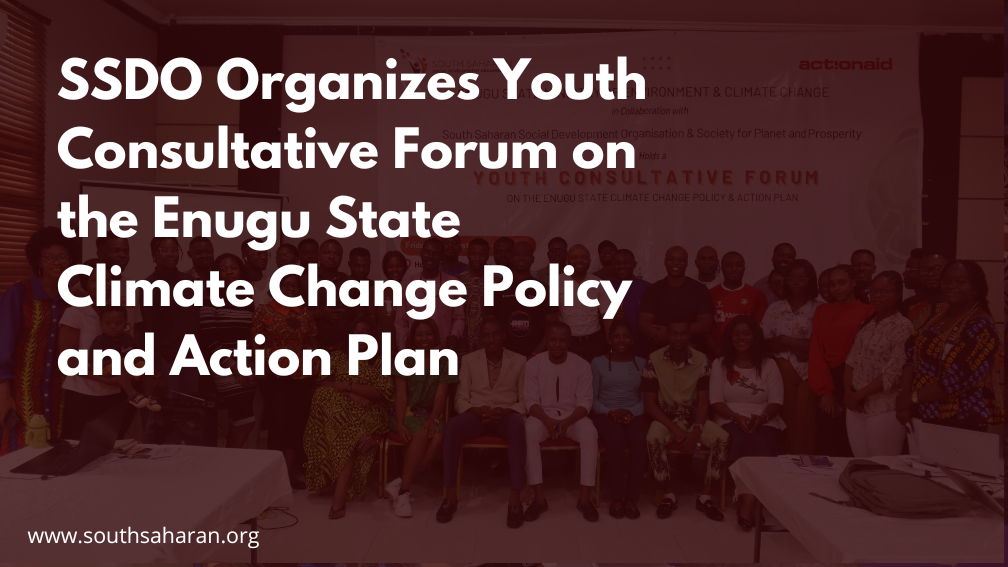
SSDO Organizes Youth Consultative Forum on the Enugu State Climate Change Policy and Action Plan 

In the face of growing climate challenges, the need for proactive, sustainable solutions has never been more urgent. Climate change, driven by human activities like deforestation, fossil fuel use, and industrial emissions, is no longer a distant threat. Its impacts are already manifesting in altered rainfall patterns, rising temperatures, and increased flooding, which severely affect food security, public health, and livelihoods, particularly in vulnerable regions like Enugu State.

Enugu, like many other regions in Nigeria, is experiencing the harsh realities of climate change. The state has been plagued by unpredictable rainfall, worsening heatwaves, and flooding, which have disrupted agriculture, reduced crop productivity, and degraded the environment. These challenges not only threaten the livelihoods of many but also jeopardize the long-term sustainability of the region.

Recognizing these pressing issues, South Saharan Social Development Organization (SSDO) has taken a pivotal step by organizing a Youth Consultative Forum on the Enugu State Climate Change Policy & Action Plan. This event, held on August 30th, 2024, in collaboration with the Enugu State Ministry of Environment & Climate Change, ActionAid Nigeria, and Society for Planet and Prosperity, is a strategic initiative to engage the youth in the fight against climate change.

Why Youth Engagement Matters

Young people are the most affected by the long-term consequences of climate change. They are also the most invested in ensuring that policies aimed at mitigating and adapting to climate impacts are effective and equitable. However, their voices are often underrepresented in policy-making processes. The Youth Consultative Forum aims to change that by providing a platform for young people to engage in meaningful discussions on climate policy, share their knowledge and experiences, and contribute to the development of the Enugu State Climate Change Policy and Action Plan.

The forum is not just a discussion platform; it is a catalyst for action. By bringing together youth leaders, civil society organizations, private sector actors, and government officials, the event fosters partnerships that will support the implementation of the climate policy. This collaborative approach ensures that the policy is not only reflective of the concerns of the youth but also responsive to the needs and aspirations of the wider community.

A Structured Approach to Problem-Solving

The event’s agenda was meticulously designed to maximize impact. Group sessions were organized with youth representatives from various sectors, allowing for focused discussions on specific climate-related challenges. These sessions provided a space for participants to delve deep into issues, share insights, and propose actionable solutions. Following the group discussions, representatives presented their findings during a panel session, ensuring that the diverse perspectives of the youth were brought to the forefront.

The outcome of this forum will be a comprehensive set of youth-driven recommendations and contributions that will be integrated into the Enugu State Climate Change Policy and Action Plan. These recommendations will focus on enhancing climate resilience, promoting sustainable practices, and ensuring the policy’s effectiveness in addressing the unique challenges faced by Enugu State.

Building a Sustainable Future Together

The Youth Consultative Forum aligns with the strategic objectives of the Strategic Partnership Agreement (SPA II) project, funded by the Danish International Development Agency (DANIDA). The project aims to achieve improved realization of basic human and democratic rights, sustainable livelihoods, and resilience for young people, especially young women living in marginalization, including in disaster and protracted crises contexts in Nigeria. By engaging youth in the policy development process, SSDO and its partners are empowering the next generation of climate leaders and ensuring that the Enugu State Climate Change Policy is not only robust but also sustainable.

As the effects of climate change continue to escalate, the importance of youth engagement cannot be overstated. The Youth Consultative Forum is a testament to the power of collective action and the pivotal role that young people play in shaping a sustainable future. Through this initiative, SSDO and its partners are not only addressing the immediate challenges posed by climate change but also laying the foundation for a resilient and prosperous Enugu State.

Conclusion

The Youth Consultative Forum is more than just an event; it is a movement towards a greener, more sustainable Enugu State. By empowering young people to take the lead in climate action, SSDO and its partners are ensuring that the fight against climate change is not only inclusive but also effective. The recommendations and insights gathered from this forum will play a critical role in shaping a climate-resilient policy that addresses the unique needs of Enugu State and sets a precedent for other regions to follow.

As we look to the future, it is clear that the fight against climate change will require the concerted efforts of all stakeholders. But with the youth at the forefront, there is hope that we can build a sustainable and resilient future for generations to come. Together, we can make a difference.
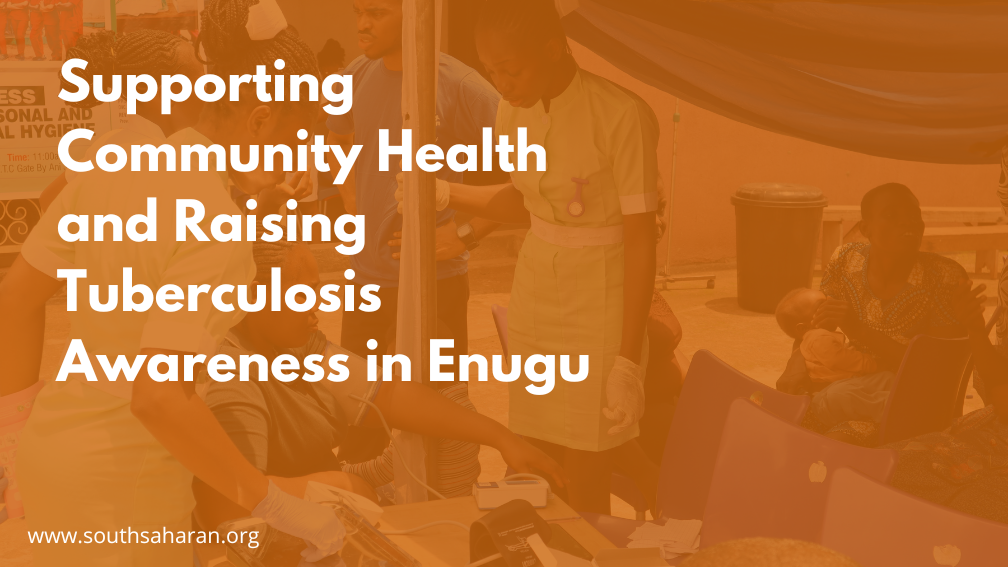
Supporting Community Health and Raising Tuberculosis Awareness in Enugu

At South Saharan Social Development Organization (SSDO), our mission has always been to improve the quality of life for communities in southeastern Nigeria through targeted initiatives that address critical health, education, and governance challenges. Our recent involvement in the Ogui Nike Health Day is a testament to this commitment, as we partnered with the Department of Nursing Sciences at the University of Nigeria, Enugu Campus, to enhance the well-being of the Enugu community.

A Collaborative Effort for Health and Wellness

The Ogui Nike Health Day, organized by the nursing students, was centered around the theme: “Wellness Through Personal and Environmental Hygiene.” This theme resonates deeply with SSDO’s health initiatives, which aim to equip communities with the knowledge and resources needed to live healthier lives. Recognizing the importance of this event, SSDO eagerly joined hands with these future healthcare professionals to make a meaningful impact.

Addressing Tuberculosis and Promoting Hygiene

As part of our contribution, SSDO provided essential tuberculosis (TB) testing services. Tuberculosis remains a significant health challenge in Nigeria, and early detection is crucial in managing and controlling its spread. Our team was on the ground to ensure that community members received accurate testing and that those who required further care were directed to appropriate health facilities.

Beyond TB testing, SSDO led sensitization sessions on tuberculosis awareness and general hygiene practices. These sessions were designed to educate community members on the importance of maintaining both personal and environmental hygiene, which is vital for preventing not only TB but a host of other communicable diseases. Our health educators used engaging methods to ensure that the information was accessible and actionable, empowering individuals to take control of their health.

The Impact of Health Education

Health education is a cornerstone of our work at SSDO because we believe that informed communities are healthier communities. By participating in events like the Ogui Nike Health Day, we can directly engage with people, share vital information, and provide the services they need to improve their health outcomes. The feedback we received from the community during this outreach was overwhelmingly positive, with many participants expressing gratitude for the valuable insights and services provided.

Continued Commitment to Community Health

SSDO remains steadfast in our commitment to enhancing public health across Enugu State and beyond. We understand that sustainable development begins with healthy, informed citizens, and we will continue to support initiatives that align with this vision. Our collaboration with the University of Nigeria’s nursing students is just one example of how we are working towards a healthier, more empowered society.

As we reflect on the success of the Ogui Nike Health Day, we are reminded of the power of collaboration. By bringing together different stakeholders—students, healthcare professionals, and community members—we can create lasting change that benefits everyone.

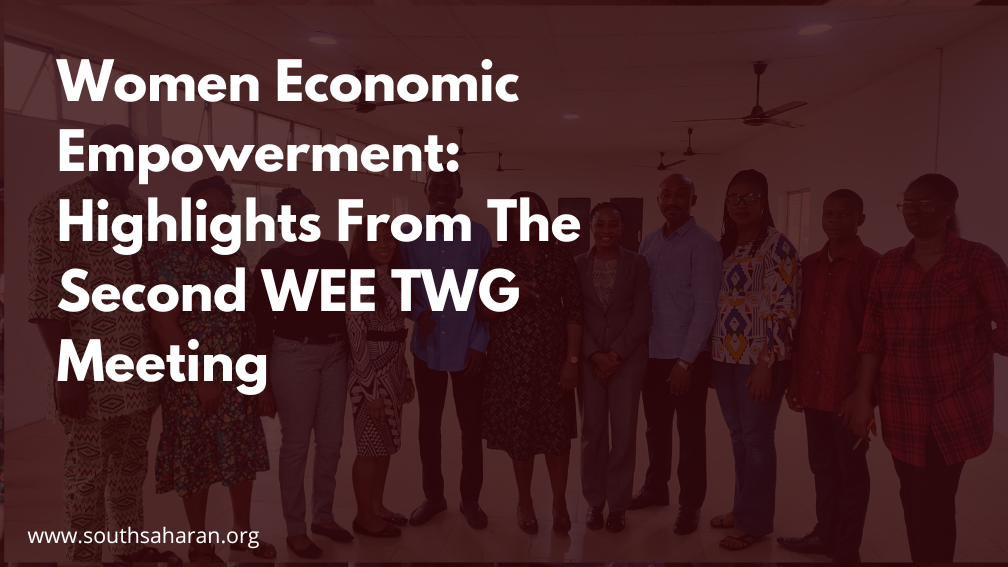
Advancing Women’s Economic Empowerment: Highlights from the Second Enugu Technical Working Group Meeting

The journey toward gender equality and women’s economic empowerment is a continuous process that requires dedicated effort, strategic planning, and collaboration among key stakeholders. In Enugu State, this journey took a significant step forward with the successful convening of the second meeting of the Technical Working Group (TWG) for the domestication of the National Women Economic Empowerment (WEE) Policy. 

This policy, designed to address the unique challenges faced by women in Nigeria, provides a comprehensive framework to ensure that women have equal access to resources, opportunities, and the support they need to thrive in all sectors of society. The South Saharan Social Development Organization (SSDO), in partnership with the development Research and Projects Centre (dRPC) and the Enugu State Government, has been at the forefront of facilitating this crucial process for Enugu State.

Addressing Key Challenges Across Sectors

The second meeting of the TWG was marked by a robust discussion on the various gaps that persist across different sectors as they relate to women’s empowerment. The group, which includes representatives from the Ministry of Child, Gender, and Social Development, the Enugu State Bureau of Statistics, Ministry of Trade and Investment, and Labour among others, took a deep dive into these challenges and began charting a course for practical solutions.

Health Sector: Overcoming Infrastructure Deficiencies

One of the primary concerns raised was the inadequate facilities in primary healthcare centers, particularly in rural communities. These centers are crucial in providing essential health services to women and children, yet many struggle with a lack of equipment and resources. The TWG identified the need for adequate power supply as a critical solution to improving healthcare delivery in these areas. Ensuring that rural health centers are well-equipped and functional is a vital step toward improving health outcomes for women.

Education: Breaking Down Barriers to Learning

Education is a powerful tool for empowerment, but women in Enugu State still face significant barriers, including financial constraints and gender inequality. The TWG discussed the importance of addressing these issues by implementing targeted skill development programs, particularly in the Information Technology (IT) sector. By equipping women with the skills needed to thrive in a rapidly evolving digital economy, the state can help close the gender gap in education and create new opportunities for economic participation.

Agriculture and Rural Development: Enhancing Access and Security

Agriculture remains a key sector for many women in Enugu State, yet they continue to face challenges such as limited access to resources, security concerns, and issues related to migration. The TWG emphasized the need for training programs tailored to women in agriculture, ensuring they have the knowledge and tools to succeed. Addressing these issues is critical for the economic stability of women in rural areas and for the broader development of the state’s agricultural sector.

The TWG also identified land ownership as a significant barrier for women, particularly those involved in subsistence agriculture. Despite being responsible for a large portion of agricultural production, only a few women own land. This disparity not only affects their economic empowerment but also limits their ability to invest in and innovate within their businesses. The TWG is committed to addressing these land ownership issues, advocating for policies that ensure women have equal rights to land and property. 

Business and Entrepreneurship: Fostering Growth and Support

The discussions also highlighted the barriers women entrepreneurs face in accessing finance and mentorship. These challenges limit the growth of women-owned businesses, which are vital contributors to the local economy. The TWG proposed several solutions, including improving financial access for women, establishing a robust support system for women-led businesses, and advocating for tax incentives that would make it easier for women to start and sustain their enterprises. These measures aim to create a more enabling environment for women entrepreneurs, allowing them to thrive and contribute more significantly to the economy.

Political and Corporate Inclusion: Expanding Opportunities

Another critical area of discussion was the limited opportunities for women in political offices and the corporate world. The TWG recognized that increasing women’s representation in these spheres is essential for achieving gender equality and ensuring that women’s voices are heard in decision-making processes. The group will continue to advocate for greater inclusion of women in politics and leadership roles, creating a more diverse and equitable landscape in Enugu State.

A Collective Commitment to Women’s Empowerment 

The second meeting of the Enugu Technical Working Group for the domestication of the National WEE Policy was a resounding success, with key stakeholders demonstrating a strong commitment to addressing the challenges facing women in the state. The discussions were not just about identifying problems but were focused on finding actionable solutions that can be implemented to make a tangible difference in the lives of women across Enugu State.

As the process moves forward, the TWG will continue to work collaboratively to ensure that the domesticated WEE Policy reflects the needs and aspirations of women in Enugu. By bringing together women-focused programs, projects, and activities under one coordinated framework, the state is poised to create a more inclusive and supportive environment for women’s economic empowerment.

The work of the TWG is a crucial part of a broader movement toward gender equality in Nigeria. As the group continues to meet and develop strategies, there is hope that the outcomes will not only benefit the women of Enugu State but will also serve as a model for other states across the country. With continued dedication and collaboration, the vision of a more equitable and empowered society for all women is within reach.

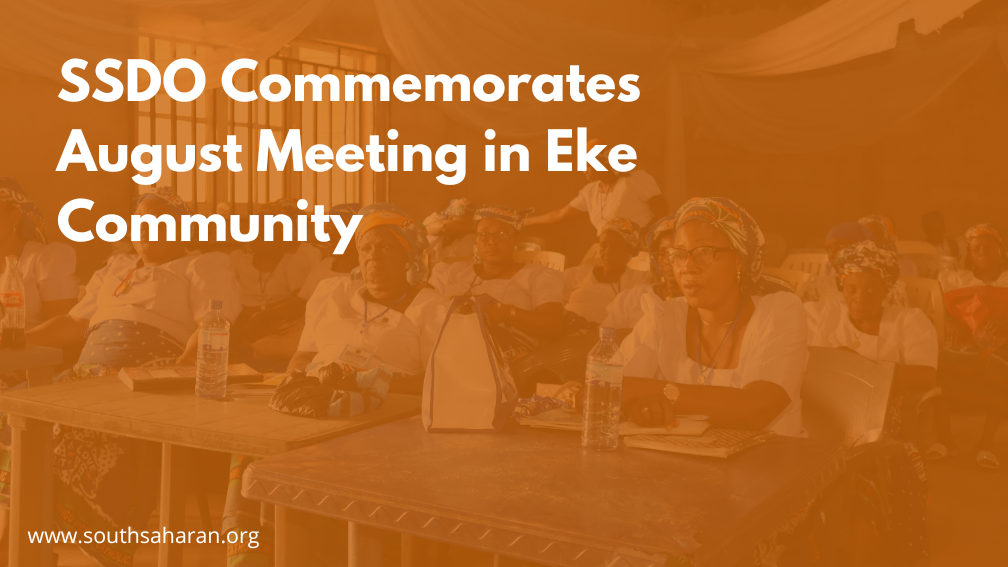
SSDO Commemorates August Meeting in Eke Community

In the heart of Igbo land, the annual “August Meeting” is a cherished tradition, often referred to as the Mother’s Congress. During this time, Igbo women from across the cities and diaspora return to their hometowns to reconnect, strengthen bonds, and most importantly, contribute to the growth and development of their communities. These gatherings are not only social in nature but are also a powerful vehicle for collective action, where women unite to embark on projects that enhance healthcare, peacebuilding, education, and overall community well-being.

Recognizing the significance of this tradition and the critical role that women play in family and community development, the South Saharan Social Development Organization (SSDO) took active steps to commemorate this year’s August Meeting with the women of Eke community in Udi Local Government Area (LGA). This initiative was driven by SSDO’s ongoing commitment to gender equality and the empowerment of women through its Sister Guardian Initiative project.

Empowering Women to Combat Domestic Violence

One of the highlights of SSDO’s participation in the August Meeting was the capacity-building session led by Blessing Uchendu, SSDO’s Gender and Protection Programme Lead. The session focused on a critical issue affecting women and girls globally: domestic violence. Domestic violence remains a pervasive problem that undermines the safety, health, and dignity of women. Recognizing this, the training provided the women of Eke community with essential knowledge on the causes and effects of domestic violence, equipping them with the tools to recognize abuse, and most importantly, how to take action against it.

The training emphasized the importance of reporting domestic violence, guiding the women on where and how to report incidents and ensuring they understand the necessary steps to follow up on these reports. By empowering women with this knowledge, SSDO aims to create a safer environment where women and girls can live free from fear and violence.

Raising Awareness on Women’s Rights and Legal Protections

In addition to addressing domestic violence, SSDO’s team utilized the August Meeting as a platform to raise awareness about women’s rights and the laws that protect them. This effort was part of SSDO’s broader goal to ensure that women are not only aware of their rights but are also empowered to demand and defend them. By fostering a deep understanding of legal protections, SSDO hopes to inspire more women to advocate for themselves and others within their communities.

Addressing Broader Issues

Beyond the immediate concerns of domestic violence and legal awareness, the August Meeting provided an opportunity to discuss other pressing issues that affect women in Eke community and beyond. These included:

– Economic Empowerment: The women were educated on various strategies to improve their economic standing, with a focus on leveraging opportunities for growth and financial independence.

– Political Inclusion: SSDO emphasized the importance of women’s participation in politics, encouraging them to take on leadership roles and engage actively in decision-making processes that affect their lives and communities.

– Violence Against Women: The discussion extended to other forms of violence that women face, highlighting the need for continuous advocacy and community-based interventions to protect women and girls.

– Female Genital Mutilation (FGM): FGM remains a deeply entrenched practice in some communities, posing serious health risks and violating the rights of girls and women. SSDO reinforced its stance against FGM and encouraged the women of Eke to join in the fight to end this harmful practice.

– Advocacy: The importance of advocacy was underscored, with SSDO encouraging the women to become advocates for change in their communities, particularly in areas related to gender equality and women’s rights.

Leveraging Jacob’s Well for Business Growth

A unique aspect of the capacity-building session was the introduction of Jacob’s Well, a project designed to support women in growing their businesses. The SSDO team sensitized the women on how to effectively leverage the project to acquire credit to grow their businesses, providing them with a valuable tool to achieve greater financial independence and success in their entrepreneurial endeavors.

Looking Ahead: Strengthening Community Development through Women’s Empowerment

The August Meeting in Eke community was more than just a gathering; it was a testament to the power of collective action and the impact that women can have when they are empowered with knowledge and resources. SSDO’s participation in this year’s event through the Sister Guardian Initiative highlights the organization’s commitment to supporting women in their roles as community builders and leaders.

As SSDO continues its work in Eke and other communities, the focus will remain on empowering women, addressing the challenges they face, and ensuring that they have the tools and support needed to drive sustainable development. By standing with these women and providing them with the capacity to overcome obstacles, SSDO is helping to build stronger, more resilient communities where everyone can thrive. 

The journey towards gender equality and women’s empowerment is ongoing, but with initiatives like this, we are moving closer to a future where every woman is empowered to contribute fully to the development of her family, community, and society at large.

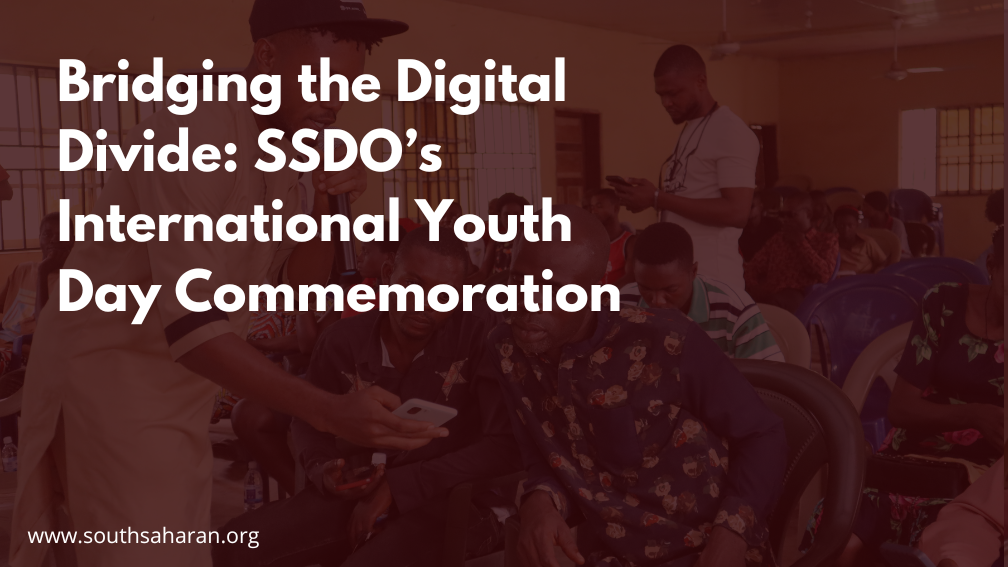
Bridging the Digital Divide: SSDO’s International Youth Day Commemoration

In a rapidly digitalizing world, access to technology and digital skills is no longer a luxury—it’s a necessity. Yet, in many low-income countries, particularly in Africa, over 63% of young people lack the essential resources needed to thrive in a digital environment, such as internet access, digital devices, and relevant skills. In Nigeria, the situation is equally alarming. According to the World Bank, 50% of Nigeria’s population lacks digital skills, with a significant majority residing in rural areas. This digital divide significantly impedes their ability to engage with and benefit from technological advancements, reinforcing existing inequalities.

Recognizing the urgent need to address this issue, South Saharan Social Development Organization (SSDO) took decisive action by organizing a comprehensive one-day Peer Learning Session themed “Empowering Youth Through Digital Innovation” in Ihenyi Community, Isi-Uzo Local Government Area. This event was held in partnership with ActionAid Nigeria as part of the 2024 International Youth Day commemoration.

Understanding the Challenge

The digital divide in Nigeria is not just a technological issue—it’s a socio-economic challenge that exacerbates existing inequalities. While approximately half of Nigeria’s population has access to the internet, this connectivity is predominantly concentrated in urban areas, leaving rural regions at a significant disadvantage. Young people in these underserved communities are often cut off from the opportunities that digital tools and platforms offer, limiting their potential for economic and social advancement.

Bridging this gap requires more than just improving access to technology; it demands a concerted effort to enhance digital literacy and skills, empowering young people to navigate and excel in an increasingly digital world. It was this understanding that informed the structure and objectives of SSDO’s International Youth Day event.

Empowering Youth Through Digital Innovation

The Peer Learning Session in Ihenyi Community was designed to equip young people with the knowledge and skills necessary to leverage digital tools for sustainable development. The event brought together young tech innovators and experts who facilitated sessions on e-commerce, social media marketing, and WhatsApp Business—areas identified as critical for youth empowerment in today’s digital economy.

Session Highlights

– Harnessing the Power of E-Commerce: Facilitated by Dickson Emmanuel, this session focused on how digital tools can help small businesses reach a wider audience, increase sales, and enhance customer engagement. Participants learned about successful e-commerce strategies and how platforms like Jumia and Facebook Marketplace can be used to promote products.

– Mastering WhatsApp Business for Marketing: Victor Emedem led a session on the use of WhatsApp Business as a powerful tool for marketing and customer engagement. He provided practical insights into setting up a WhatsApp Business account, using its features for communication, and integrating it with other digital tools for seamless sales and marketing.

– Effective Online Advertisement Techniques: Ernest Shedrach’s session covered various online advertisement techniques, focusing on Google Ads and display advertising. He discussed how businesses can optimize their online presence and increase visibility through strategic ad campaigns.

Impact and Outcomes

The event was a resounding success, significantly contributing to the goal of bridging the digital knowledge gap among youth in Ihenyi Community. Participants left with a deeper understanding of how digital innovation can be leveraged to address and solve sustainable development and business challenges. The inclusion of young tech innovators as facilitators ensured that participants received a holistic understanding of digital pathways and their potential to drive progress toward the Sustainable Development Goals (SDGs).

By focusing on enhancing digital skills and literacy, particularly in rural areas, SSDO is helping to level the playing field for young people in Nigeria. The event not only provided immediate benefits in terms of knowledge and skills but also laid the groundwork for long-term socio-economic empowerment.

Looking Ahead

The successful outcome of the International Youth Day event in Ihenyi Community is a testament to what can be achieved when we focus on inclusive development. However, the journey doesn’t end here. SSDO remains committed to continuing its efforts to bridge the digital divide in Nigeria, ensuring that all young people, regardless of their location, have the opportunity to succeed in the digital age.

As we look to the future, it’s clear that digital innovation will play a key role in shaping the socio-economic landscape of our communities. By empowering our youth today, we are not only addressing the challenges of the present but also paving the way for a more equitable and prosperous tomorrow.