SSDO

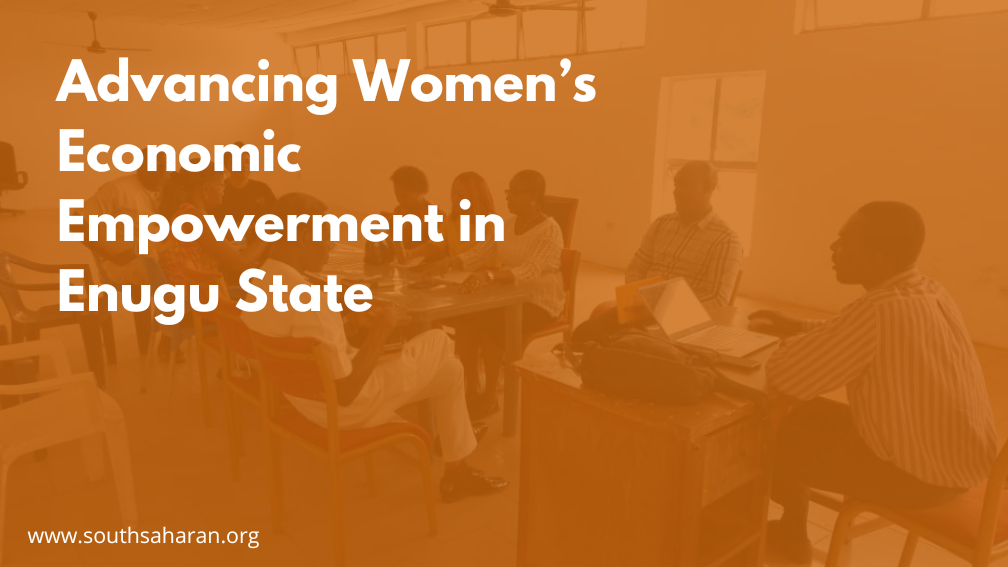
Advancing Women’s Economic Empowerment in Enugu State: Insights from the First Meeting of the Technical Working Group

The journey towards the economic empowerment of women in Enugu State took another significant step forward today, as the Technical Working Group (TWG) convened for its second meeting. This group, a collaborative effort between the South Saharan Social Development Organization (SSDO), the development Research and Projects Centre (dRPC), and the Enugu State Government, is dedicated to domesticating the National Women Economic Empowerment (WEE) Policy for Enugu State.

Setting the Stage: The Importance of Domestication

Nigeria’s position on the Global Gender Gap index, as reported by the World Economic Forum, highlights the pressing need for targeted interventions. With Nigeria ranking 130th and women’s economic participation still significantly lower than men’s, the WEE Policy serves as a crucial framework. The policy aims to address gender disparities by providing a comprehensive plan for empowering women economically, particularly those who are most vulnerable.

The process of domesticating this policy for Enugu State involves tailoring it to address the unique challenges faced by women in the state while aligning with national objectives. This domestication process ensures that the policy is not just a document but a living, actionable plan that addresses real issues faced by women at the grassroots level.

Today’s Focus: Identifying Pressing Issues

The second meeting of the TWG was a pivotal moment in the policy’s development process. Stakeholders from various sectors, including the Ministry of Child, Gender, and Social Development, Enugu State Bureau of Statistics, and the Ministry of Trade and Investment, came together to identify and discuss the most pressing issues affecting women in the state.

This meeting was not just about listing problems; it was about understanding the root causes of these challenges. The discussions were data-driven, informed by statistics and real-world observations, ensuring that the policy will be grounded in reality. Among the key issues identified were:

1. Access to Financial Resources: Many women in Enugu State still face significant barriers in accessing financial services and resources, which limits their ability to start or expand businesses.

2. Education and Skills Development: The gap in access to education and vocational training for women was highlighted as a critical area that needs urgent attention. Without the necessary skills, women are often confined to low-paying jobs, perpetuating the cycle of poverty.

3. Legal and Cultural Barriers: The TWG discussed the legal and cultural obstacles that hinder women’s economic participation, including issues related to inheritance rights and societal norms that limit women’s roles in the economy.

4. Healthcare Access: Women’s health is directly linked to their economic productivity. The lack of accessible healthcare services, particularly in rural areas, was identified as a barrier that needs to be addressed to ensure women can fully participate in economic activities.

Moving Forward: Next Steps for the TWG

With these challenges identified, the TWG is now better positioned to develop a policy that is not only comprehensive but also actionable. The next steps involve developing strategies and interventions that will directly address these issues, ensuring that the WEE policy is tailored to meet the needs of women in Enugu State.

The TWG will continue to engage with a broad range of stakeholders, including local communities, civil society organizations, and international partners, to ensure that the policy development process is inclusive and participatory. This approach will help to build broad-based support for the policy and ensure its successful implementation.

Conclusion: A Collective Effort for Sustainable Change

The second meeting of the TWG marks a critical milestone in the journey towards achieving economic empowerment for women in Enugu State. By focusing on the real challenges faced by women and developing targeted interventions, the TWG is laying the groundwork for a policy that will make a tangible difference in the lives of women across the state.

As the process moves forward, the commitment and collaboration of all stakeholders will be crucial in ensuring that the WEE policy is not just a document, but a catalyst for sustainable, inclusive growth. Together, we are building a future where every woman in Enugu State has the opportunity to thrive, contribute to her community, and achieve her full potential.
Enugu State Youth Policy: A Collaborative Step Forward

In a bid to address the pressing challenges faced by the youth of Enugu State, the South Saharan Social Development Organization (SSDO), in partnership with ActionAid Nigeria, has been working closely with the Enugu State Government to develop a comprehensive Youth Policy. This initiative is designed to place young people at the center of the state’s development process, creating an enabling environment for their growth and empowerment. 

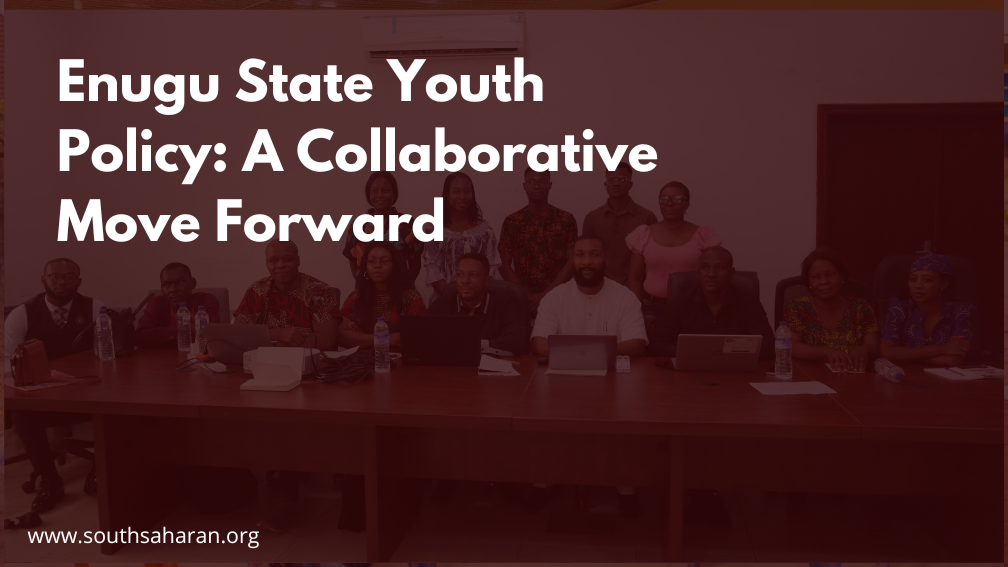
Following the successful completion of the first draft of the Enugu State Youth Policy, a second review meeting of the Technical Working Group (TWG) was convened on August 9, 2024. This meeting brought together key stakeholders from various sectors, all committed to refining the policy to better address the needs of Enugu’s burgeoning youth population.

The Second Review Meeting: An Overview

The second review meeting took place in the Conference Room of the Enugu State Ministry of Youth and Sports. It was a pivotal moment in the policy development process, as stakeholders gathered to review and provide input on the first draft of the Enugu State Youth Policy. The meeting was attended by a diverse group of participants, including:

– Barr. Lloyd Ekweremadu, the Honorable Commissioner for Youths and Sports

– Technical Adviser to the Enugu State Commissioner for Youth and Sports Development

– Director, Planning, Research and Statistics from the Ministry of Youth and Sports

– Representatives from civil society organizations working in youth development, climate change, and disability advocacy

This diverse representation ensured that the review process was comprehensive and inclusive, reflecting the various needs and aspirations of the youth in Enugu State.

Key Highlights of the Meeting

1. Review of the First Draft

   The meeting began with a thorough review of the first draft of the Youth Policy. Participants examined the document’s strengths and identified areas where improvements could be made. The discussion was robust, with stakeholders sharing insights on how the policy could be more inclusive, equitable, and aligned with the specific challenges faced by young people in Enugu State.

2. Incorporating Diverse Perspectives

   A significant focus of the meeting was on ensuring that the policy would be inclusive of all youth demographics, including those with disabilities. The presence of representatives from disability advocacy groups added a crucial perspective to the discussion, ensuring that the policy would not only cater to the general youth population but also address the unique challenges faced by disabled youth in the state.

3. Stakeholder Collaboration

   The collaborative nature of the meeting was a testament to the commitment of all involved parties. Government officials, civil society organizations, and technical advisers worked hand-in-hand to refine the policy. The contributions from each stakeholder were invaluable, ensuring that the policy would be both practical and impactful.

4. Next Steps

   With the second review meeting successfully concluded, the next step involves incorporating the inputs received into a revised draft of the policy. This revised draft will then be presented at the final Stakeholder’s Engagement Meeting, where it will undergo further scrutiny before being finalized.

The Importance of the Enugu State Youth Policy

The Enugu State Youth Policy is not just a document; it is a roadmap for the future of the state’s young population. With 60% of Enugu’s population under the age of 30, and 23% specifically aged 15 to 29, the youth demographic represents both an opportunity and a challenge for the state. 

The policy aims to address critical issues such as unemployment, poor access to education, insecurity, and inequality. By placing the youth at the center of development processes, the policy seeks to create an enabling environment that will allow young people to thrive, contribute to the state’s growth, and build a prosperous future for themselves and their communities.

Conclusion

The second review meeting of the Enugu State Youth Policy was a significant step forward in the journey towards a comprehensive and inclusive policy. The collaborative efforts of all stakeholders involved have brought the policy closer to completion, ensuring that it will be a document that truly reflects the needs and aspirations of Enugu’s youth.

As we move towards the final Stakeholder’s Engagement Meeting, there is a renewed sense of optimism and determination among all involved. The Enugu State Youth Policy promises to be a transformative tool for youth development, paving the way for a brighter and more inclusive future for the state.

Stay tuned for more updates as we approach the final stages of this important initiative. Together, we are shaping the future of Enugu State, one step at a time.

Inauguration Ceremony of the Enugu Technical Working Group for the Development of the Women’s Economic Empowerment Policy

The disparity between men and women in economic participation remains a significant global challenge. Research from the World Economic Forum’s Global Gender Gap Report positions Nigeria at 130th on the Global Gap index, highlighting the pressing need for enhanced gender equality. Furthermore, World Bank statistics reveal a stark contrast in entrepreneurial participation, with women owning only 34% of businesses compared to 66% owned by men. 

Recognizing these challenges, South Saharan Social Development Organization (SSDO), in collaboration with the Development Research and Projects Centre (dRPC) and the Enugu State Government, has embarked on a crucial initiative to domesticate the National Women Economic Empowerment (WEE) Policy for Enugu State. This policy is designed to provide a comprehensive framework to address the needs of vulnerable women, serving as a vital planning tool for coordinating women-focused programs, projects, and activities under a unified umbrella.

The Significance of Women Economic Empowerment Policy

The National Women Economic Empowerment Policy offers a robust template to meet the diverse needs of women, particularly those in vulnerable situations. Its domestication in Enugu State is a significant step towards creating a more inclusive and supportive environment for women entrepreneurs. The policy aims to streamline efforts, ensuring that all initiatives aimed at empowering women are cohesive and efficiently managed.

By bringing various women-focused programs under one roof, the policy facilitates better planning, coordination, and implementation. This holistic approach is essential in addressing the multifaceted challenges that women face in the economic landscape, ranging from access to finance and markets to skills development and legal support.

The Inauguration Ceremony: A Key Chapter for Women Empowerment

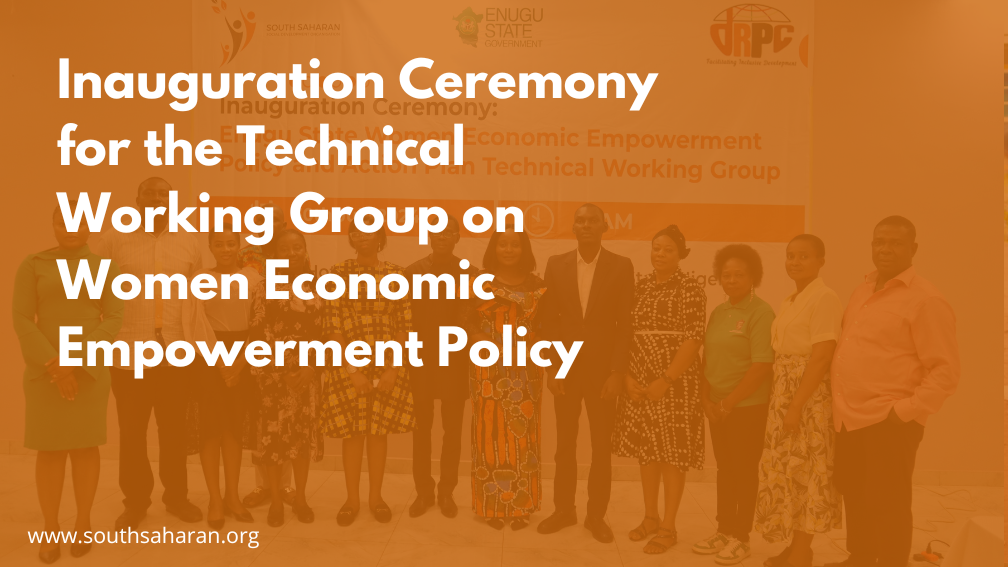
The journey to domesticate the WEE Policy in Enugu State began with the inauguration ceremony of the Technical Working Group (TWG) on July 30th, 2024. This event marked the commencement of a pivotal chapter in women empowerment in the region. The ceremony was attended by key stakeholders, including representatives from the Ministry of Child, Gender, and Social Development, the Enugu State Bureau of Statistics, and the Ministry of Trade and Investment, among others.

The formation of the TWG is a strategic move to ensure that the domestication process is inclusive, comprehensive, and well-coordinated. The group comprises experts and stakeholders from various sectors, all dedicated to developing and implementing policies that will significantly enhance the economic empowerment of women in Enugu State.

Moving Forward: Expectations and Impact

The inauguration of the TWG sets the stage for a series of strategic actions aimed at tailoring the national policy to fit the unique context of Enugu State. This includes conducting thorough assessments of the current economic landscape for women, identifying key areas of intervention, and developing actionable plans that address the identified gaps.

The impact of a successfully domesticated WEE Policy cannot be overstated. It promises to create a more enabling environment for women entrepreneurs, boost their economic participation, and ultimately contribute to closing the gender gap in the region. Enhanced economic empowerment for women leads to broader societal benefits, including improved family welfare, increased community development, and overall economic growth.

Conclusion

The inauguration of the Enugu Technical Working Group for the development of the Women Economic Empowerment Policy represents a significant milestone in the quest for gender equality and economic empowerment in Nigeria. The collaborative efforts of SSDO, dRPC, and the Enugu State Government underscore the importance of partnerships in driving meaningful change.

As the TWG embarks on this transformative journey, the anticipation is high for the positive outcomes that will emerge. Through dedicated efforts and strategic planning, Enugu State is poised to become a beacon of women economic empowerment, setting an example for other regions to follow.

WASHCOMS Peer Review Exercise: Strengthening Water, Sanitation, and Hygiene Committees in Igbo-Eze North LGA

At South Saharan Social Development Organization (SSDO), we are committed to enhancing the well-being of our communities through sustainable water, sanitation, and hygiene (WASH) initiatives. We are thrilled to share the success of the recent WASHCOMS Peer Review Exercise held on the 18th and 19th of July 2024 in Igbo-Eze North Local Government Area (LGA).

Background

In 2019, WaterAid, in partnership with SSDO, initiated a project funded by the Global Environment & Technology Foundation (GETF) to construct a motorized generator-powered borehole. This project also established a Water Consumers Association (WCA) trained to manage the facility, which has been functioning optimally for over four years. Building on this success, similar projects were commissioned in the Amufie and Ukwuinyi communities under the LDSC year one phase, with an additional generator-powered borehole currently under construction in the Mboshi-Aji community.

Objective

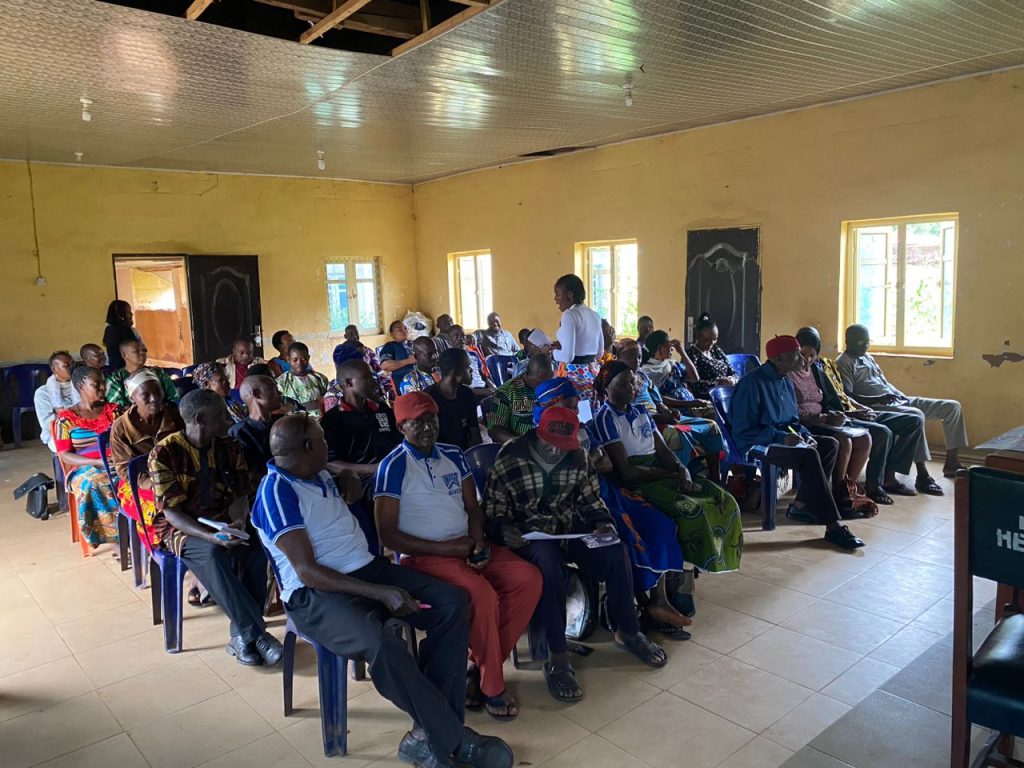
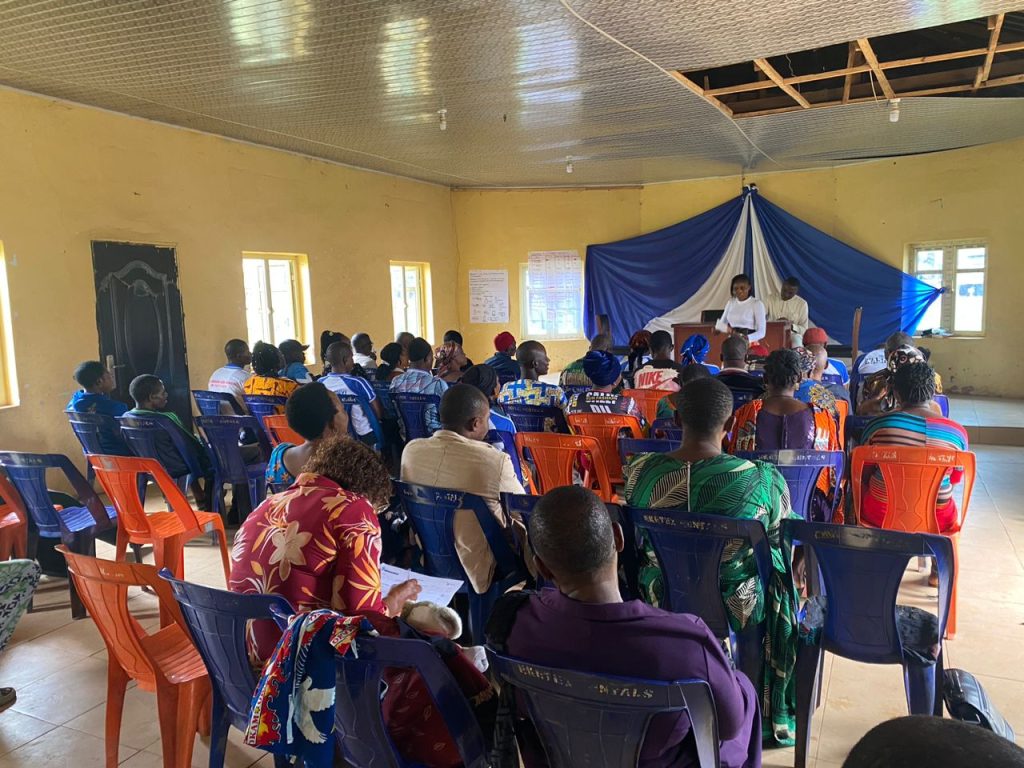
The primary objective of the WASHCOMS Peer Review Exercise was to ensure the sustainability and proper functioning of the water schemes in the Amufie, Umuabor, Ukwuinyi, and Mboshi-Aji communities. WaterAid, in partnership with SSDO and the State Ministry of Water Resources, organized this two-day exercise to evaluate and enhance the effectiveness and efficiency of Water, Sanitation, and Hygiene Committees (WASHCOMs) through peer review. The event aimed to foster knowledge exchange, identify best practices, and recommend improvements for sustainable management and community engagement in WASH initiatives.

Participants

The peer review exercise saw the active participation of representatives from WASHCOMs in Umuabor, Amufie, Ukwuinyi, and Mboshi-Aji communities, along with officials from ENSTOWA-Enugu State Ministry of Water Resources, Igbo-eze North WASH unit staff, WOSCONET, WaterAid, and SSDO.

Day 1 Highlights

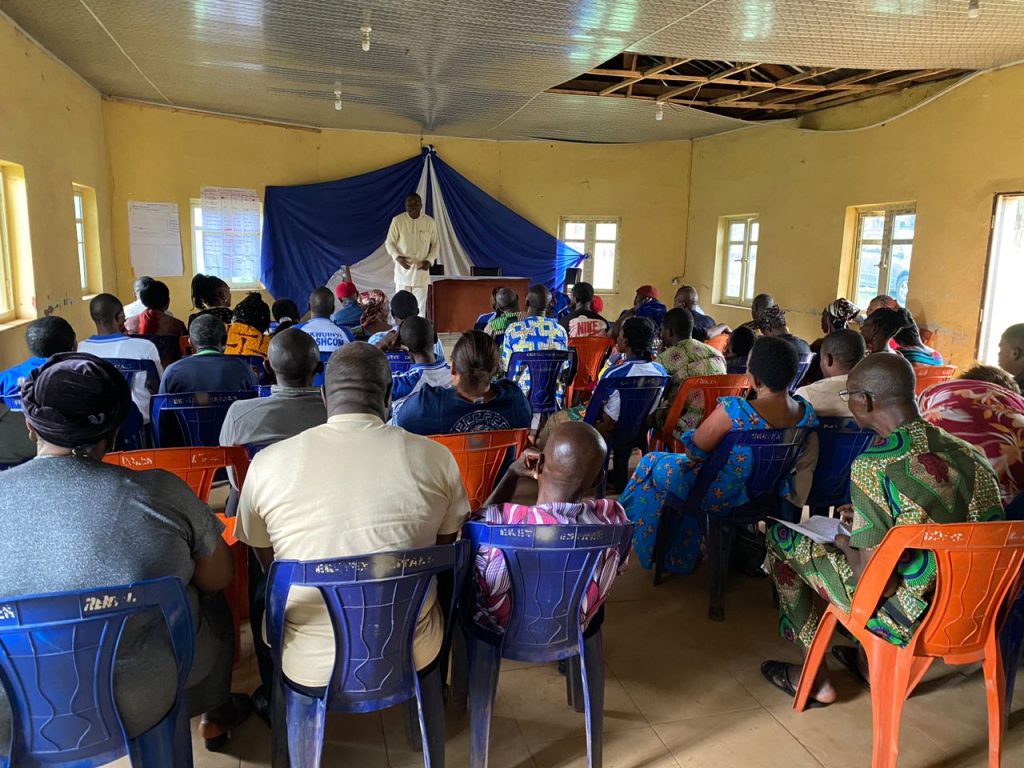
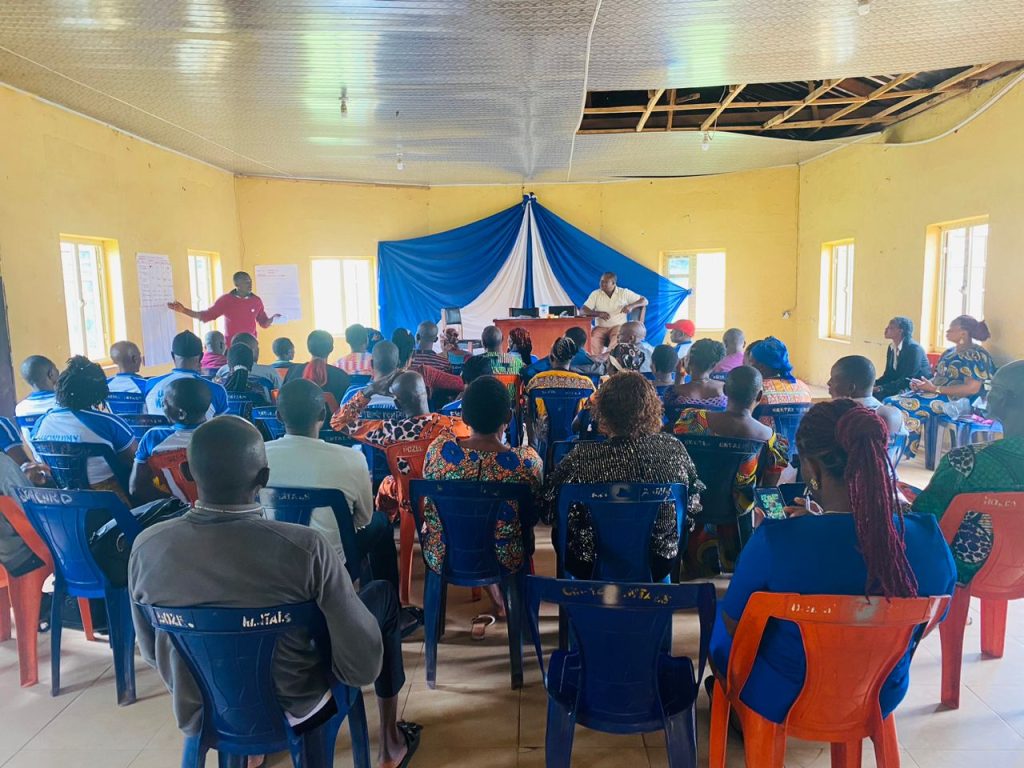
The first day commenced with an opening prayer, followed by introductions. Miss Ijeoma Okugo, SSDO WASH Staff, outlined the meeting’s objective, while Mr. Emmanuel Obuna, Sanitation Officer-ENSTOWA, provided an overview of the financial aspects of facility management and maintenance. Discussions covered various topics such as water user fees, diesel prices, tank capacity, pumping hours, fuel usage, generator capacity, profit, expenses, utility repairs, and stipends.

Mr. Levi, Igbo-eze North WASH HOD, emphasized the importance of teamwork, collaboration, role clarity, and effective communication among committee members. Participants from different WASHCOMs shared their experiences, challenges, and solutions.

Day 2 Highlights

The second day began with a recap session led by the sanitation officer, followed by a comprehensive hygiene session conducted by Mrs. Juliet, Sanitation Assistant-ENSTOWA. She covered crucial domains of hygiene, including water hygiene, food hygiene, menstrual/personal hygiene, and hand hygiene, teaching participants proper handwashing techniques and the critical times for handwashing.

Mr. Emmanuel facilitated a session on sanitation, explaining various sanitation kits, hygiene kits, sanitation and hygiene-related diseases, and the importance of good hygiene and sanitation. Participants’ questions were addressed comprehensively, and WASHCOMs received notebooks for financial recording and visitor logging.

Action Plans

WASHCOMs developed action and sustainability plans with timelines and assigned responsibilities, guided by the sanitation officer. Key activities included training of scheme operators, reviewing stipends, advocacy visits, recruitment of new committee members, and awareness creation. The comprehensive action plan aims to ensure the continued effectiveness and sustainability of the water schemes in these communities.

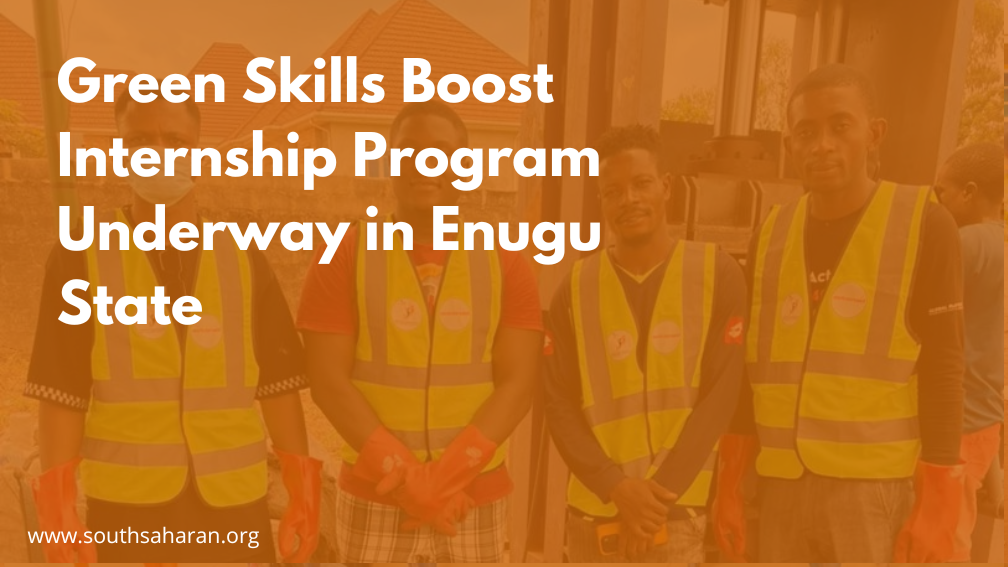
Green Skills Boost Internship Program Underway in Enugu State

Plastic waste is a growing global concern, with millions of tons of plastic ending up in landfills, oceans, and the environment annually. With an estimated 300 million tons of plastic produced each year, half of which is designed for single use, the urgency to address this issue cannot be overstated. In Nigeria, 32 million tons of waste are generated annually, of which 2.5 million tons are plastic. Specifically, in Enugu State, plastic waste is a significant contributor to environmental pollution, clogging waterways and posing health risks to communities.

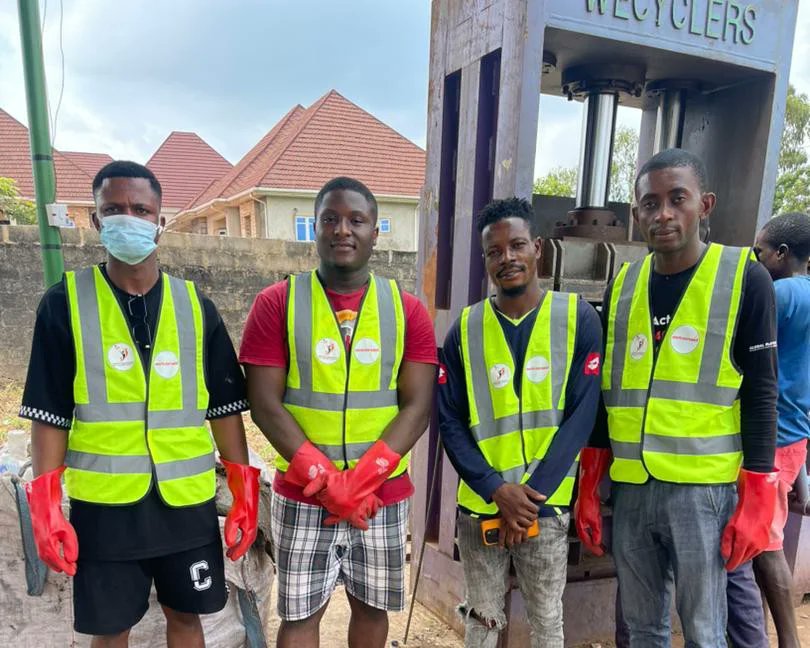
In response to this pressing challenge, the South Saharan Social Development Organization (SSDO), in partnership with ActionAid Nigeria, organized the Green Skills Boost Workshop and Internship program. This initiative addresses the dual challenges of youth unemployment and environmental degradation by equipping young people with the knowledge and skills to venture into the plastic recycling and upcycling sector.

The Workshop: Equipping Youth for Change

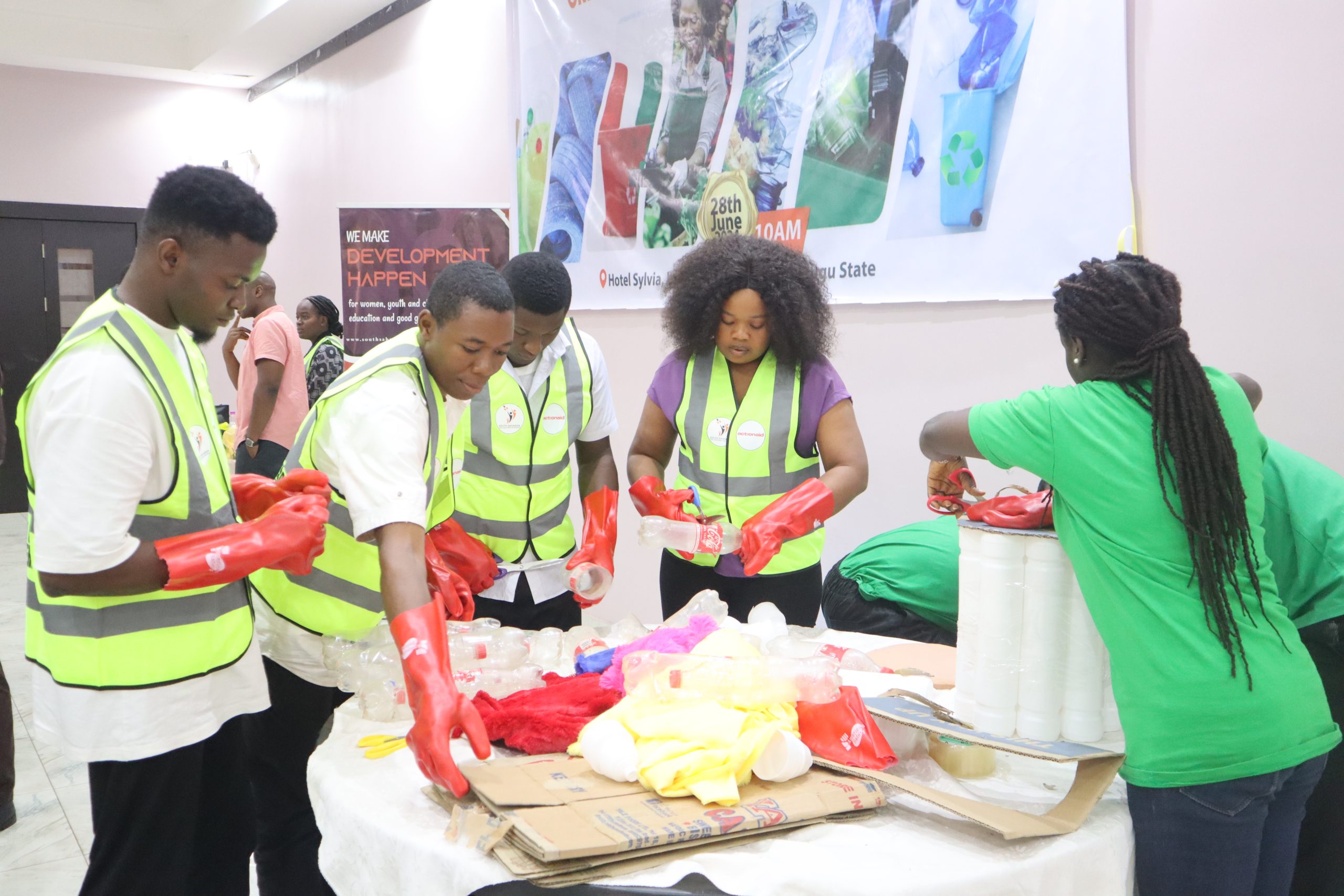
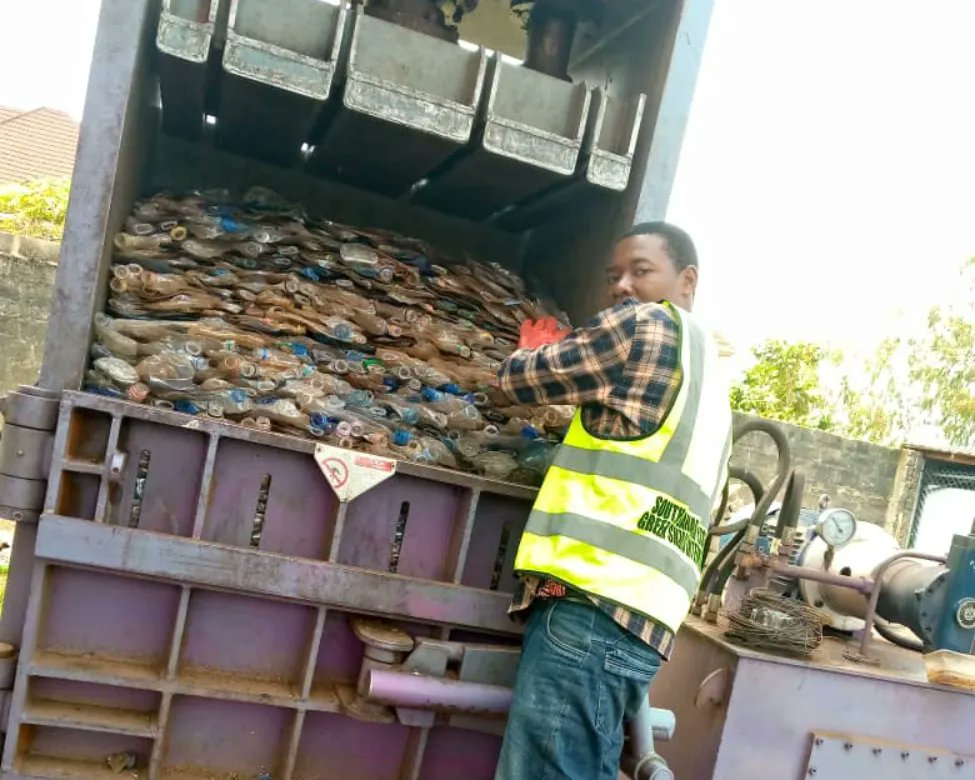
The Green Skills Boost Workshop provided participants with an in-depth understanding of the entire plastic waste-to-wealth value chain. The training aimed to empower youths with the skills to identify where they fit in this value chain and how they can turn plastic waste into viable economic opportunities. By focusing on the plastics and rubber recycling and upcycling value chain, the program contributes to reducing plastic waste in Enugu State while providing sustainable economic opportunities for the youth.

The workshop featured a series of lectures, practical sessions, and interactive activities facilitated by experts in the field:

– Ogechi Nwonye-Bernard, a plastic waste-to-wealth practitioner and founder of Eco Cyclers.

– Mr. Nnamdi Arum, Director of Climate Change, Ministry of Environment.

– Udochukwu Egwim, SSDO Head of Programs.

Participants engaged in hands-on learning, using the DIY method to understand practical applications of their training.

The Internship: Turning Knowledge into Action

To ensure the sustainability and impact of the initiative, participants are now placed on a one-month internship program with leading recycling and upcycling companies in Enugu State. This hands-on experience allows the youth to apply their newly acquired skills in real-world settings, further reinforcing their training and empowering them to make a tangible impact in their communities.

These young individuals are not only learning the technical aspects of recycling and upcycling but are also gaining insights into the business and sustainability aspects of the industry.

Building a Sustainable Future Together

The Green Skills Boost Workshop and Internship program is a significant step towards creating a sustainable future in Enugu State. By addressing environmental challenges and providing economic opportunities, SSDO and ActionAid Nigeria are empowering the next generation of environmental champions.

We are proud of the progress our participants have made and look forward to continuing this journey towards a greener and more sustainable future. Let’s support and inspire these young leaders as they make a lasting impact on our communities and the environment.

Together, we can build a better, more sustainable world. 🌍💚