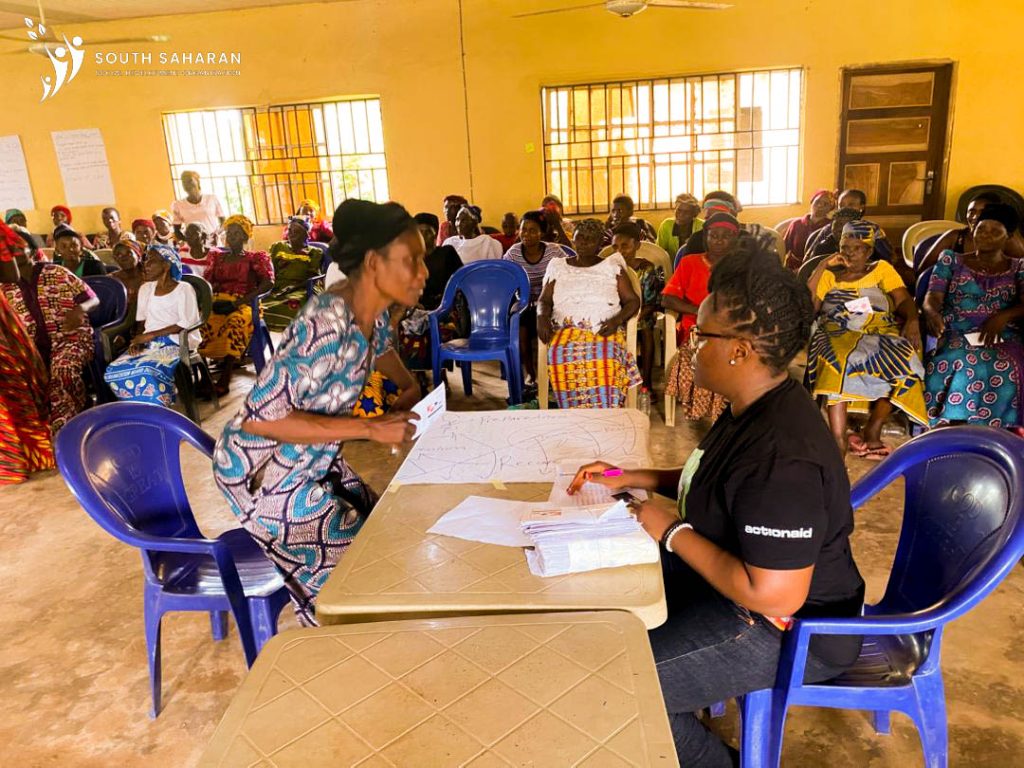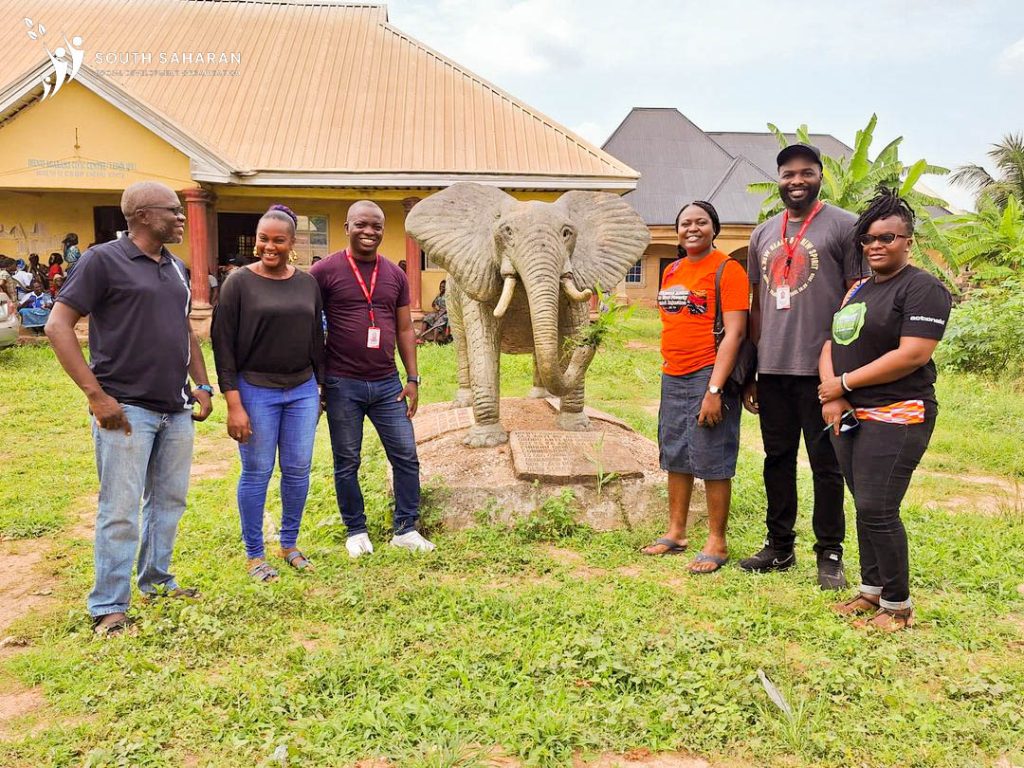
What happens when young farmers take charge of their own financial growth? In Isi Uzo and Aninri LGAs, the answer is clear transformation.
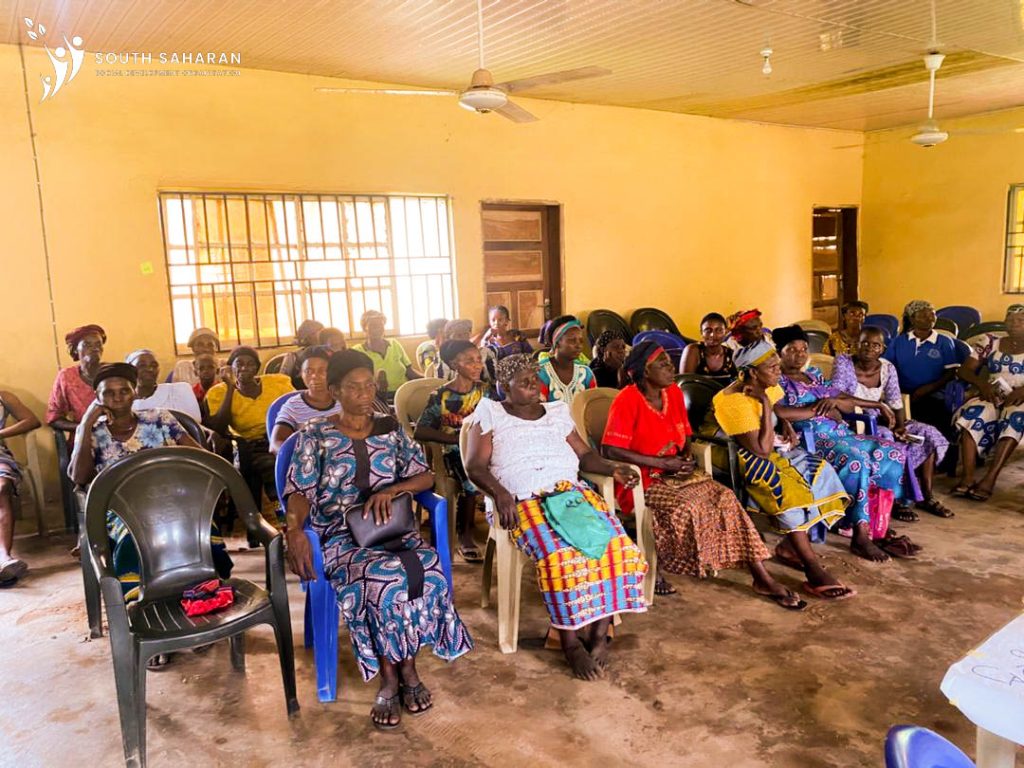
In 2024, with support from ActionAid Nigeria under the SPA II Project, we helped establish Village Savings and Loans Associations (VSLAs) led by young people. These aren’t just savings groups. They are small, self-managed banks built on trust, community, and a shared vision of economic empowerment.
And now, one year later, it’s time to count the impact.
Why the Share-Out Matters
The VSLA share-out is more than a financial event. It’s the moment when months of disciplined saving and borrowing come full circle. Members get back their contributions, plus interest, and pour it back into their farms, shops, or family needs.
It’s a reflection of what’s working. It’s a chance to learn, grow, and scale.
What We are Seeing
From Isi Uzo to Aninri, the VSLA groups are:
Supporting one another with access to interest-friendly loans
Investing in farming inputs, trade, and even education
Building economic resilience where banks don’t reach
Our team is currently monitoring this process to gather stories, numbers, and lessons that can help scale the model to more communities..
Looking Ahead
Through this monitoring, we hope to:
Understand how youth are using these funds to change their lives
Document challenges and breakthroughs
Make smarter, community-driven decisions for future rollouts
This is what sustainable change looks like – young people saving together, lifting each other up, and proving that with the right tools, they can fund their own future.
Across six Local Government Areas in Enugu State: Aninri, Isi Uzo, Igbo Eze North, Enugu East, Enugu North, and Enugu South, young people are stepping up to make a difference in how healthcare services are delivered in their communities.
Thanks to a capacity-building initiative supported by ActionAid Nigeria through the Strategic Partnership Agreement (SPA II) project, youths have been trained to carry out assessments of Primary Health Centres (PHCs) using a mobile-based tool built on national standards.
A New Generation of Health Advocates
With mobile devices in hand and knowledge of the key performance indicators that define quality health care, these young leaders are conducting real-time audits of local PHCs. From checking drug availability and equipment condition to assessing staff presence and community engagement, their goal is clear: to ensure health facilities truly serve the people.
This initiative empowers young people not just to demand better services but to actively track and report gaps, creating a feedback loop that communities and health authorities can act on.
Driving Accountability from the Ground Up
The audits are more than just data collection. They are a powerful step toward building a health system that listens, learns, and improves. Through their engagement, these youths are helping shine a light on the day-to-day realities of primary healthcare delivery, and pushing for improvements that can save lives.
This approach aligns with SSDO’s vision for inclusive development where community members, especially young people, are not just recipients of services, but active players in shaping and strengthening them.
Powered by Partnership
This success story would not be possible without the consistent support of ActionAid Nigeria, whose backing through the SPA II project continues to foster youth-led development, social accountability, and community transformation.
Together, we are laying the foundation for a future where every voice counts, every health centre is functional, and young people lead the way in holding systems accountable.
At South Saharan Social Development Organisation (SSDO), we believe that empowering young people is essential for building inclusive and sustainable communities.
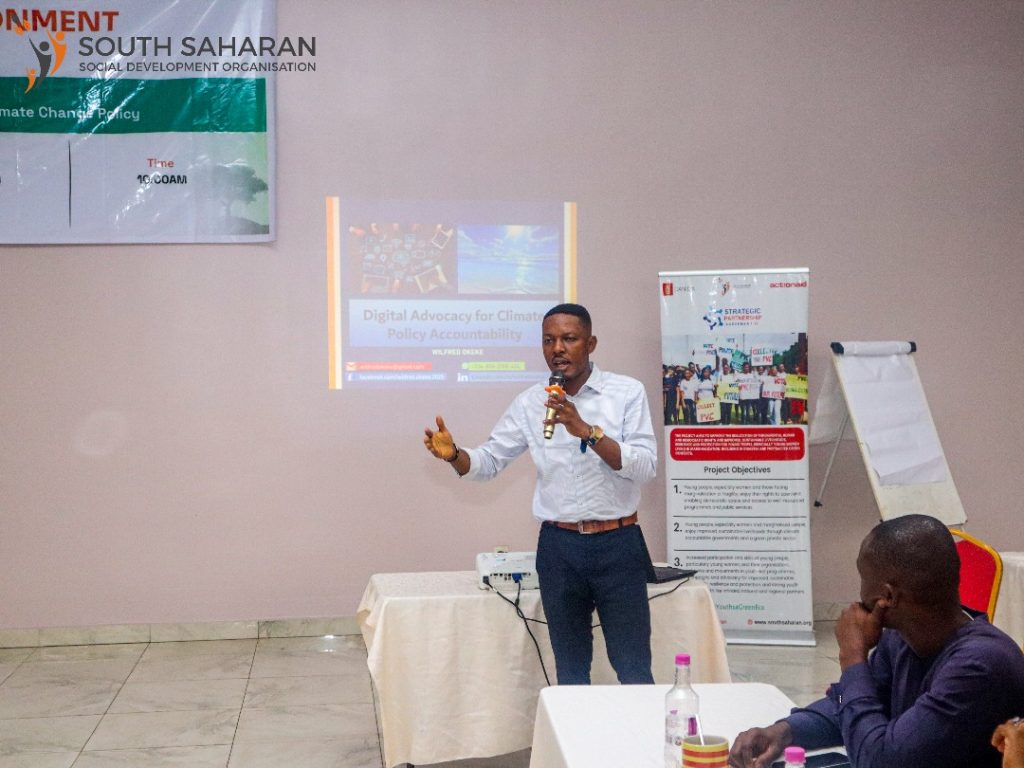
In line with this vision, 51 youths from the 17 Local Government Areas (LGAs) in Enugu State came together to develop a Youth Demand Charter focused on inclusive governance and youth development.
This initiative was made possible through our partnership with ActionAid Nigeria under the SPA II project, with the aim of enhancing youth participation in governance and decision-making processes.
The Youth Demand Charter serves as a roadmap for integrating youth perspectives into local governance structures. It outlines key areas where young people seek greater involvement, including education, employment, healthcare, and civic participation.
By articulating their collective aspirations, the youths aim to influence policy decisions and ensure that their voices are heard in matters that affect their lives and communities.
Fostering Collaboration and Shared Vision
The development of the charter was a collaborative process that encouraged dialogue, mutual understanding, and a shared commitment to positive change. Participants expressed their enthusiasm for being actively involved in shaping their future.
Next Steps: Advocacy and Implementation
With the Youth Demand Charter in place, the next phase involves engaging with local authorities to advocate for the adoption and implementation of the charter’s recommendations. The goal is to institutionalize youth participation in governance and ensure that their contributions lead to tangible improvements in their communities.
SSDO remains committed to supporting these young leaders as they take proactive steps toward inclusive governance and sustainable development in Enugu State.
Enugu State has taken a significant step towards environmental sustainability with the unveiling of its Climate Policy and Action Plan, alongside the introduction of the Climate Manual for Schools. This initiative highlights the state’s commitment to addressing climate change and fostering a culture of environmental responsibility among its citizens.
A Strategic Framework for Climate Resilience
The newly launched Climate Policy and Action Plan serves as a comprehensive roadmap for Enugu State’s efforts to mitigate greenhouse gas emissions and adapt to the evolving challenges posed by climate change. By outlining strategic actions and setting clear objectives, the plan aims to build resilience within communities, safeguard natural resources, and promote sustainable development practices across the state.
Empowering the Next Generation through Education
Complementing the policy framework, the Climate Manual for Schools is designed to integrate climate education into the academic curriculum. This manual seeks to equip students with the knowledge and skills necessary to understand climate issues, advocate for sustainable practices, and actively participate in environmental stewardship. By targeting young learners, Enugu State is investing in a future where environmental consciousness is ingrained from an early age.
Collaborative Efforts Driving Change
The successful development and launch of these climate initiatives are the result of collaborative efforts among various stakeholders. Civil society organizations, notably the South Saharan Social Development Organisation (SSDO) and ActionAid Nigeria, played instrumental roles in this process. Their contributions ranged from providing technical expertise to engaging communities and advocating for inclusive policy development. This partnership exemplifies the power of collective action in addressing global challenges at the local level.
SSDO’s Commitment to Sustainable Development
As an organization dedicated to promoting sustainable development through education and good governance, SSDO’s involvement in Enugu State’s climate initiatives aligns with its mission to empower communities and foster resilience. By participating in the formulation of the Climate Policy and Action Plan and supporting the creation of the Climate Manual for Schools, SSDO continues to demonstrate its commitment to creating a more sustainable and equitable future.
The launch of the Climate Policy and Action Plan, along with the Climate Manual for Schools, marks a pivotal moment in Enugu State’s journey towards environmental sustainability. It sets a precedent for other states to follow and highlights the importance of proactive measures in combating climate change. As these initiatives are implemented, continuous collaboration among government agencies, civil society organizations, educational institutions, and the broader community will be essential to achieve the desired outcomes.
Congratulations to Enugu State for this remarkable achievement. Together, through sustained effort and shared responsibility, we can build a resilient and sustainable environment for present and future generations.
In a world where agricultural practices are increasingly industrialized, the recent Agroecology & Food Systems Summit in Enugu has been a vital reminder of the importance of sustainable, community-driven food systems. Hosted by South Saharan Social Development Organization (SSDO) in collaboration with ActionAid Nigeria, this gathering brought together a dynamic array of farmers, policymakers, researchers, and youth leaders dedicated to promoting agroecology. The summit highlighted the pressing need to shift away from chemical-intensive farming practices to more sustainable, organic approaches that prioritize food security, biodiversity, and human health.
Why Agroecology Matters
Nigeria, like many countries worldwide, faces significant challenges in sustaining its agricultural sector while also protecting its natural environment. The summit explored why agroecology—a practice that integrates traditional farming methods with environmental science—can be the key to securing resilient, local food systems. Embracing agroecology means nurturing the land, reducing dependency on chemical fertilizers and pesticides, and improving the overall health of crops, soils, and the communities that depend on them. For Enugu State farmers, particularly, agroecology offers a sustainable approach to farming that helps safeguard their livelihoods in the face of economic and environmental challenges.
SSDO’s Role in Supporting Enugu Farmers
Recognizing these challenges, SSDO and ActionAid Nigeria organized the summit as part of their broader commitment to supporting sustainable agriculture and community resilience in Enugu State. Over the years, SSDO has provided farmers—especially women—with training and resources to adopt eco-friendly farming practices that promote soil health, conserve biodiversity, and reduce harmful environmental impacts. During the summit, Mr. Udochukwu Egwim presented a video showcasing SSDO’s impactful work, featuring farmers who have adopted agroecology principles. Women farmers shared testimonials of their transition to sustainable farming practices, such as utilizing livestock waste and organic materials as compost and natural pesticides. Through these shifts, they are seeing improved crop yields, economic savings, and stronger community bonds.
Core Takeaways from the Summit
A few key insights and discussions emerged from the summit, underscoring the importance of agroecology and sustainable farming practices:
1. The Power of Growing with Nature: “Agroecology is about growing food with nature, not against it,” said Prof. Dickson Musa, a respected voice on sustainable agriculture. His presentation emphasized how native seeds and livestock contribute to a resilient agricultural ecosystem, underscoring the adaptability and value of indigenous species for local food systems.
2. Empowering Women and Youth in Agriculture: One of the central themes was the empowerment of youth and women, who often face barriers to accessing resources and land ownership. Panelists discussed programs to support young farmers through training in agroecology and the development of sustainable enterprises, encouraging a new generation of agroecology-driven businesses that foster economic growth while preserving natural resources.
3. Policy Advocacy and Funding for Sustainable Agriculture: To make agroecology a reality, there is an urgent need for supportive policies and funding. Speakers highlighted the importance of harmonizing pesticide standards, providing financial incentives for biopesticides, and creating policies that protect local agriculture. A call was made to government and private sector partners to fund organic farming inputs and foster a more supportive environment for smallholder farmers.
Outcomes and Next Steps
The Agroecology & Food Systems Summit has laid a robust foundation for ongoing collaboration and action among stakeholders. Attendees left with a renewed sense of purpose, encouraged by the achievements and commitment demonstrated during the event. The summit set out to inspire farmers to integrate agroecological practices in their farming and successfully fostered a greater awareness of the environmental and economic benefits of sustainable agriculture.
SSDO is deeply grateful to all panelists, partners, and participants whose insights and passion made this summit a milestone for sustainable agriculture in Nigeria. Through such partnerships and initiatives, SSDO remains committed to empowering farmers, advocating for agroecological policies, and cultivating a more resilient food system across Nigeria. Together, we can build a sustainable, food-secure future.