Since the inception of democracy in Nigeria in 1999, voter apathy has continued to rise, with a dwindling number of voters at the polls. This has led to massive disenfranchisement, especially in rural areas.
Nigeria’s rural population makes up 48 percent (99 million) of the nation’s size. Still, the rural community is nowhere to be found when it comes to citizen participation and its resultant effect on governance.
These communities are characterized by high population density, poor infrastructure, high levels of illiteracy, and extreme poverty. These factors have negatively impacted the ability of the rural population to participate in nation-building. If about half of the country’s population is shut out from the dividends of democracy and its processes, it is safe to say policies and government implementation will have an urbanized rather than a truly national impact.
However, for any of these pitiful circumstances to change, it starts with citizens’ active participation in the electoral process in rural communities. Understanding the challenge, South Saharan Social Development Organization, SSDO, launched Project 100- Rural Election Drive. The project aims to sensitize and educate rural voters in 100 communities in nine LGAs in Enugu state on the need to exercise their franchise.
The goal is to increase PVC collection and voter turnout in Enugu state by engaging community town criers to disseminate information. Their proximity and constant access to the people make them an excellent information dissemination channel to reach rural communities.
On the 11th of November, SSDO organized an engagement meeting with stakeholders to commence the project. SSDO’s Executive Director, Dr. Stanley Ilechukwu, explained, “Nigeria’s socio-economic situation has served a toxic mix of unemployment and a loss of livelihood, impacting harder on those living in impoverished communities. These inadequacies have led them to turn a blind eye to the electoral process, which is the best way they can advocate for a better future.”
“We understand that change starts by voting, hence the project’s need. To reawaken the consciousness that the economic situation has stifled in the people.”
The overall objective of the project is to:
• To educate and sensitize the rural populace on the need to vote.
• To improve the expression and participation of the rural populace in the electoral process.
• To increase PVC collection throughout the month in sensitized communities.
• To increase voter turnout in the sensitized communities.
• To provide technical support to rural communities through radio jingles and IEC materials.
THEME: INTERGENERATIONAL SOLIDARITY: CREATING A WORLD FOR ALL AGES
BACKGROUND
Nigeria has a population of over 200 million people, making it the most populated country in Africa. It is the biggest economy on the continent but has 43% of the population living in extreme poverty. For women in particular, income is significantly lower than men’s as restrictive gender norms and traditional harmful practices, such as early and forced marriage but also early school dropout negatively impact women’s employment opportunities. Nigeria has the highest number of extremely poor people in the world. The population is among the youngest in the world, young Nigerians, aged, 30 and below constitute 70% of the country’s population.
Nigeria’s socio-economic and security situation, COVID-19, and climate change impact have served a toxic mix of unemployment, loss of livelihood, and despondency for young Nigerians, impacting harder on those living in impoverished communities. Other factors underpinning poverty and unemployment for young people and particularly young rural women include skills gaps, limited economic opportunities, restrictive and discriminatory economic policies, a hostile business environment, and a worsening security situation due to several conflicts.
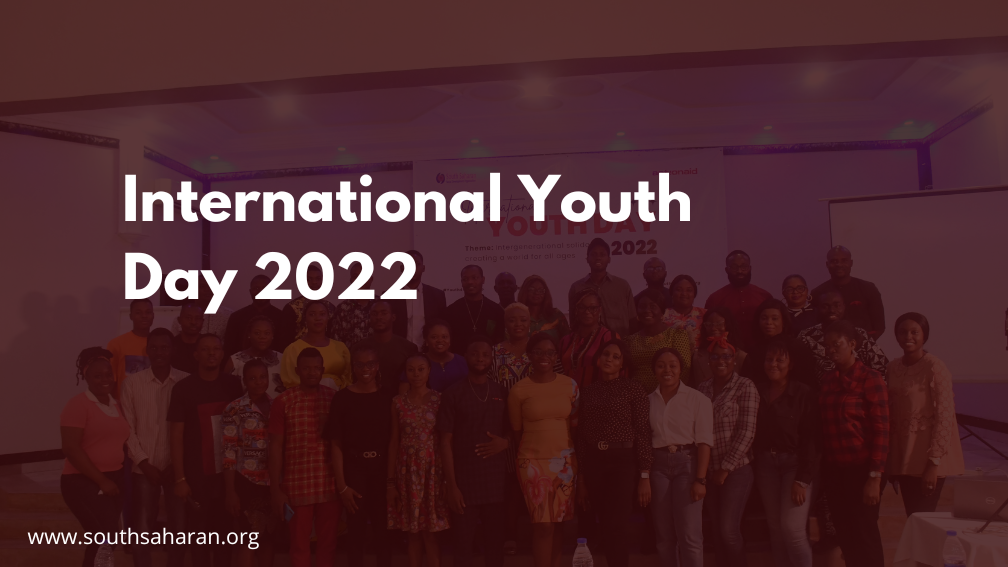
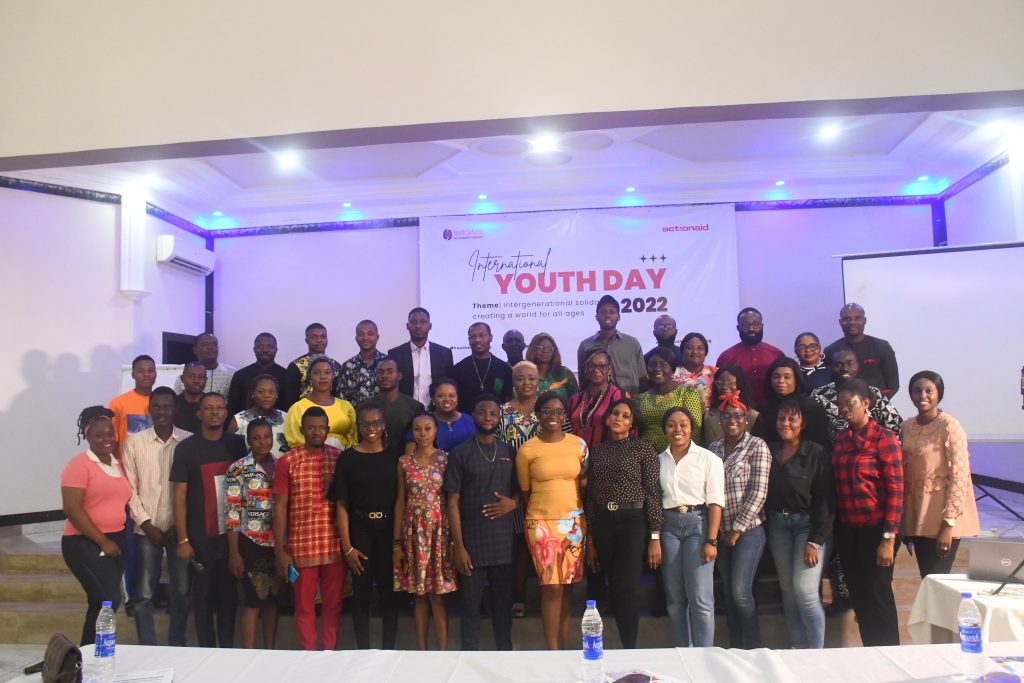
Bearing in mind that the SPA II project is focused on the empowerment of women and youths, the project commemorated the International Youth Day 2022 with an event.
The theme for the year is “Intergenerational Solidarity: Creating a World for all Ages”, as the United Nations recognizes that solidarity across generations is key for sustainable development.
Ageism continues to present a significant – yet, not sufficiently discussed – challenge to fostering collaboration and solidarity across age groups. The World Health Organization defines ageism as “the stereotypes (how we think), prejudice (how we feel) and discrimination (how we act) directed towards others or oneself, based on age”. Ageism is an insidious and often an unaddressed issue in health, human rights and development, and has bearings on both older and younger populations around the world. In addition, ageism regularly intersects with other forms of bias (such as racism and sexism) and impacts people in ways that prevent them to reach their full potential and comprehensively contribute to their community.
The Global Report on Ageism launched by the United Nations in March 2021 highlights the many data gaps that exist with regards to ageism against youth. Despite this lack of research, young people continue to report age-related barriers in various spheres of their lives such as employment, political participation, health and justice. On an individual level, these age-related obstacles can deeply impact wellbeing and livelihoods not only during the youth years, but also in adulthood. On a societal level, ageism prevents us from thinking and designing policies and social services that adopt a life-course approach and are fair for all ages.
In line with the year’s theme and the strategic objectives of the project, our International Youth Day event focused on bridging gap of anti-youth ageism in political participation by holding a symposium for achieving youth empowerment through inter-generational collaboration.
OBJECTIVES OF THE EVENT
The overall objective of this activity is to:
Discuss and brainstorm the best strategies for achieving youth empowerment through inter-generational collaboration
Harness existing strategies and approaches by youth groups for shared learning and building solidarity for social change.
To produce a demand charter as an advocacy instrument for youth empowerment
Build a network of youths motivated and capable of carrying out effective advocacy
PARTICIPANTS’ PROFILE
The 1-Day symposium to commemorate International Youth Day 2022 was characterized by effective discourse and dialogue among participants which enabled them to listen to each other, welcome diverse perspectives and seek out new connections. The success of the event was hinged largely on the quality and motivation of the participants. Participants included youth leaders from different groups, communities and organisations; media, and representatives from government MDAs.
METHODOLOGY
Discourses were facilitated and achieved through presentations by experienced speakers. There were four different speakers who spoke on the following topics:
Youths and Advocacy: Bridging the Gap with the Internet and Social Media
Achieving Youth Empowerment through Intergenerational Collaboration
How Youths in Politics Leadership Can Bring Positive Change
Women in Politics: the Importance of Equal Representation in Modern Leadership
After each presentation, other participants were given ample opportunity to air their views on the topic at hand.
After the presentation and ensuing conversations, a strategy session for youth empowerment followed, and participants aired their views and made their suggestions. These suggestions and recommendations will be fine-tuned and form the basis for follow-up advocacy visits which will happen after the event.
EVENT OVERVIEW
SESSION 1: Introduction/Background of SSDO and the SPA II Project (Mr. Udochukwu Egwim / Barr. Nkem Awachie).
The event began at 10:00 am with a welcome statement by the SSDO Head of Programs, Mr. Udochukwu Egwim. He gave a brief overview of the vision and mission of the organisation by stating that South Saharan Social Development Organization (SSDO)is a duly registered non-profit organization in Nigeria, with a primary focus on equipping women, youth, and children with the social, health, economic, educational, and political skills needed to survive and compete favorably in a vastly changing and urbanizing sub-Saharan Africa.
Thereafter, the SSDO Project Lead for the Strategic Partnership Agreement (SPA II), Barr. Nkem Awachie also introduced the project to the participants. In summary, the Strategic Partnership Agreement (SPA II) is a four-year project funded by the Danish International Development Agency (DANIDA) to achieve improved realisation of basic human and democratic rights and improved, sustainable livelihoods, resilience and protection for young people, especially young women living in marginalisation, including in disaster and protracted crises contexts in Nigeria.
The project intends to achieve the following outcomes:
Active and informed youth groups engaging and demanding socially responsible gender responsive public services for young people especially young women living in marginalisation or distressed situations such as displaced communities.
Young people build their resilience and power to respond to crisis and are key actors in creating communities and societies that are just and green.
Policy reviews, legislations, and youth empowerment frameworks are based on evidence generated by young people.
Young people and their allies hold duty bearers to account for a fair tax system and propose sustainable, climate just, and resilient solutions that are scalable or replicable, including in conflict ridden contexts.
Young people and their allies lead collective action to reduce vulnerabilities and build resilience in their communities.
ActionAid Nigeria (AAN) is working with ActionAid Denmark (AADK) in the implementation the Strategic Partnership Agreement (SPA II) project and is being implemented in the following states: Akwa Ibom, Borno, Adamawa, Yobe, Enugu, Lagos and the FCT. Enugu State was considered for the implementation of this project because of its youth demographics characterized by a high number of tertiary institutions in the State. Also considered is the growing level of insecurity in the State that must be curtailed.
SESSION 2: Youths Advocacy: Bridging the Gap with the Internet and Social Media (by Chibuzo Ngwu).
Digital media, particularly social media (Facebook, Twitter, Instagram, Youtube, WhatsApp, etc) is continually associated with youths, which is something that they have utilised to their advantage. Social media is arguably the platform with the largest potential, with endless possibilities for youth advocacy. The internet provides everyone with a platform where they can partake in advocacy and have access to free information regardless of age, gender, religion and so forth. The rise in social media usage and the age of globalisation provides a more connected world than ever before, and today we hear the news of the world not only from the angle of news anchors, but live from ‘ordinary people”, whether it is in the form of live-streaming a protest or sharing experiences regarding a trending topic.
It is this global connection that allows us to bring forth subjects into the light that may otherwise be unknown. Twitter is an incredibly powerful tool with its hashtag system and ability to instantly allow all users to view the trending topics of the world. This includes social, economic, political and humanitarian topics including the End SARS protest, International Youth Day, the ongoing ASUU Strike, INEC PVC registration and collection, Electoral campaigns, Electoral monitoring, Voters sensitization and so on. According to global digital reports, a large percentage of social media users are young people.
A large selection of the best performing hashtags relate to advocacy issues, showing the level of influence these platforms can and have had to raise awareness around the globe. There are several links and resources such as youth advocacy toolkits that can aid youths in promoting causes they believe in.
It is clear that Nigeria and the world at large is paying more attention to youth advocacy and more and more youths are participating in tackling youth related issues. Though undoubtedly this is a positive change, this raises some questions such as ‘Are youths engaging because the world has failed to address their issues?’, ‘Is society empathetic towards these issues or simply forced to pay attention?’ in order to better improve the process of youth advocacy, address and break down potential obstacles.
QUESTIONS AND CONTRIBUTIONS
How do we begin to take our message beyond social media to the grass roots?
According to a participant, Ebube Okafor, social convergence is the fasted way of getting social and economic development. A centric environment like social media affords us the environment unlike the coffee house culture in the olden days. He is also of the view that convergence leads to inter-subjectivity which brings social and economic development. For Florence Nene Ugwu of the Initiative for Girls and Women and Enlightenment Initiative (IGWE) Africa, the social media remains our biggest tool for advocacy.
Intergenerational collaboration is integral to the development and achieving the aims and goals of youth empowerment – bringing together different stakeholders, power holders and decision makers to ensure the alignment of their agendas meet the demands, priorities, and issues of the youth agenda. It is important to create synergies, to make sure there is inclusive leadership and power redistribution.
According to the speaker, there are various categories of empowerment and that it goes beyond the scope of cash gifts. Youth empowerment is the process of helping young people to become self-determining and resourceful individuals who are able to take control of their lives. Youth empowerment specifically develops sociopolitical awareness in young people, enhancing their skills to be community change agents. Youth empowerment facilitates young people in constructing meaningful community change, with the goal of enhancing the wellbeing of all individuals. A youth empowerment approach utilizes young people as resources rather than a “collection of problems” in establishing community change. By emphasizing collective participation and contribution, young people gain skills and competencies that cultivate their own positive development, while also promoting the healthy development of others.
Empowerment could either be social, educational, economic, political, psychological or cultural. The human race is classified under four broad generations. Namely:
Children
Youths
Adults
Senior
QUESTIONS AND CONTRIBUTIONS
Nebo Collins of the New Century Initiative opined that the elderly in the communities are fast losing the trust reposed in them. He asked how do we bridge the gap?
Genevieve Ifeoma Chukwurah of the Enugu State Economic Planning Commission asked for the reasons why the speaker failed to report or prosecute her case of sexual harassment to prevent further recurrence.
SESSION 4: How Youths in Politics Leadership Can Bring Positive Change (by Ajuluchukwu Edechiene).
Nigeria is a country which has an abundance of youth resources. Majority of the Nigerian population is below 35 years. Nigeria’s development to a larger extent, depends on these human resources working efficiently. But Nigeria is suffering from improper governance, youth unemployment, violence, inefficient services and high level of insecurity. When it comes to politics in Nigeria, youngsters are considered to be incapable by the senior leaders and the elderly citizens. The current Nigerian politicians who have been elected are majorly above 55 years. Being citizens, one should understand to what extent youths are happy and satisfied with the present development, quality of infrastructure and the system of administration.
For a developing country like Nigeria or for any country as a matter of fact, there is the need to have majority of the leaders corresponding to the majority population of the age group. Nigeria needs to have leaders who are young, energetic, enthusiastic, morally sound and diligent. Having such leaders can have an impact on development and for development to proceed much faster and in a better way.
A critical analysis of Nigerian politics showcases that young people are neither participating nor showing their interest in politics. Reasons might be that they are either happy or totally dissatisfied with the present governance culture. On the other hand, youngsters lack opportunities to showcase and prove themselves. They are avoided for a mere reason that they are immature and incapable to participate in administration and governance of the country. Experienced political leaders should understand the change that a country needs and the importance of youths in the development and positive changes of a nation. Almost all the political parties in Nigerian work with a common myth and “ideologies” and are dominated by the experienced leaders.
Why youth should be a part of the political process?
Present generation youngsters understand the issues and consequences that the society is facing with respect to the present governing methods. The best example to support this, is the unhappiness shown by the youngsters towards issues like police brutality, voters’ sensitization, PVC registration, political and economic maladministration etc. This shows their concern towards the society and the country.
Youth in Nigeria are involved in areas like Research, Education, Modernization, Tech, creating awareness etc. Hence they have greater ability to contribute towards the development of the country. Youth are more practical and they try to achieve impossible things for which the results can be seen in the coming years.
Significant advantages of having young leaders in politics:
They are open to changes and are more practical.
Young leaders are positive in their approach and know how to inspire, excite and energize others to achieve goals.
They welcome feedback about their performance, activity etc and are ready to seek opinions from others.
Youngsters are more dedicated towards continuous improvements because young leaders are more willing to challenge the status-quo.
The younger leaders are more willing to set stretch goals.
Community groups and political parties should be encouraged to provide the platform for young leaders. They need to discover their abilities, strength and courage to leverage these for higher productivity and bigger opportunity. This will be helpful for the country’s development. Understanding weaknesses and rectification is also as important as providing them the opportunity. With experience and the right guidance young leaders will understand and rectify themselves.
Experienced leaders should start supporting and guide young leaders for the betterment of the country. Let us all work toward this goal that in the near future, all political parties will give young people a chance to participate in the elections, encourage and support them to make our nation a better one.
It is important we start having an honest conversation for the next generation. Identity crisis issues. It is failure in leadership, if we do not know when to leave the stage for the next generation to take over. Mentorship and successorship is a key challenge. There is no new idea coming in and zero old idea going out.
Why are we not failing in tech, startups afro beats music and in areas where young people hold sway? This is because the older generation are not the key stakeholders there.
The speaker suggested that SSDO should draft and send a bill to the Enugu State House of Assembly that will mandate every secondary school student to complete a one year of voluntary service in any establishment of their related field of endeavour. We must have a policy document that will make it compulsory for a child to have the needed career mentorship.
In line with above, every tertiary education student in Enugu must do a 6 months to 1year voluntary service in any establishment before being qualified to be awarded a certificate. This is because place of volunteering in moulding the next generation of leaders can never be over emphasized.
QUESTIONS AND CONTRIBUTIONS
What can we do to give back power to the younger generation?
Mark Onuoha of the National Youth Assembly of Nigeria, National Speaker is of the view that we need to create a strategy that will let them leave. Rather than saying “they do not want to leave”. He further stated that we all advocate for young people to enter into politics but once they get there, we abandon them and leave them to themselves. It is high time that we bring our strategies into main stream politics.
Kenneth Eze is of the view that age is a number and we should not factor age when looking for leaders.
While according to Nwankwo Favour, quality mentorship of the next generation is the way forward.
Izuchukwu Epueke of Solid FM frowned at the culture whereby political leaders and elites intentionally exclude the youth. He opined that financial muscle will be needed to wrestle power from the current political class.
For Chidinma Ibemere (Lead Volunteer, Chidinm Ibemere Foundation), youth must be knowledgeable about the system they want to overtake. Equipping ourselves with knowledge should be the way forward.
SESSION 5: Women in Politics: The Importance of Equal Representation in Modern Leadership (by Onyinye Mamah).
The role of women in politics and public offices is one of the current burning governance issues because of the perceived and acknowledged potential and contribution of women to governance processes. Participating effectively and meaningfully in order to have an impact is a process of empowerment that enhances the self-worth of individuals and groups.
There is sufficiently reasonable evidence supporting the assertion that women have potentials, which can be tapped to meaningfully enhance social, economic and political development of nations. This awareness has led to efforts by governments complemented by civil society organizations (CSOs), non-governmental organizations (NGOs), multilateral institutions and individuals at the micro, meso and macro levels to actualize these potentials. While such efforts by recognized groups and entities have, in some cases, yielded positive results, there is still much to be done to ensure that women in fact, contribute their part to the political, social and economic enhancement of the nation and their communities. This is because figures available with regard to the number of women in politics and public offices are still below expectation.
The expectation can be achieved through a variety of identified means. Nonetheless, if efforts at addressing the problem of women’s meaningful involvement in politics and public life are to be successful, then there is the need for factual information about current trends of participation in terms of numbers and impact. This will help to have a focused and systematic approach towards addressing the problems with a potentially higher degree for a win-win situation due to the factual foundation of efforts.
There have been argument that women are too emotional and youths do not have control of character. Women are characterized as being too emotional. This is far from the truth. Feminism is not link to weakness. We live in a terrain that has really entrenched and polished patriarchy. Are we ready to make a difference? It is pertinent to know that nobody will include you if you don’t include yourself. As a matter of fact, women tend to do more when they are given the space.
SESSION 6: Stakeholder identification and advocacy strategy session for youth empowerment through governance (by Wilfred Okeke)
What is the biggest problem of not empowering young people in Enugu?
Intergenerational gap and vacuum
Insecurity
Unemployment
Crime
How do we solve this problem?
KEY LEARNINGS
Young people are awakened and ready to fight for change. There is also a need to involve the younger generation of youths in our activities, in order to build their experience, learn from them, and ensure real intergenerational collaboration.
NEXT STEP
– Develop an action plan for advocacy based on the participants’ contributions and recommendations
To ensure a holistic and cross-cutting intervention, beneficiaries and stakeholders must be involved. They should have their say in evaluating the most pressing needs they have.
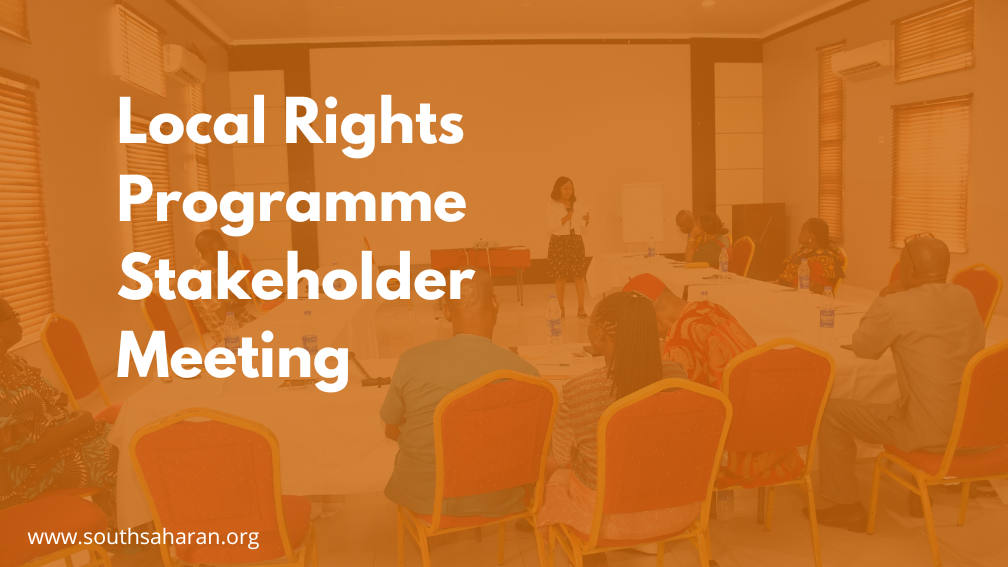
South Saharan Social Development Organization in partnership with ActionAid Nigeria organized a Local Rights Programme stakeholder meeting with representatives from the communities where the project is being implemented.
The meeting aimed to conduct a community appraisal for the involved communities. A pair-wise ranking system was used to determine the most pressing issues in the communities. This would help inform the approach the project takes in the communities.
Stakeholders present include traditional rulers, president-generals, women leaders, and a representative from the Enugu State Ministry of Rural Development.
A community charter document was also provided to the stakeholders to help guide them in upholding the rights of the local residents.
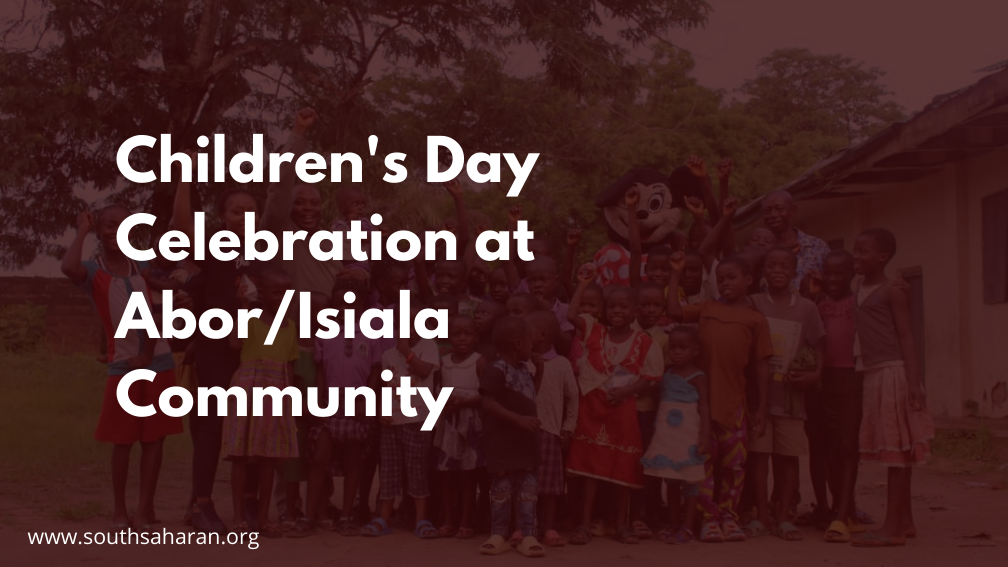
To celebrate Children’s Day, South Saharan Social Development Organization, SSDO in partnership with ActionAid Nigeria, visited Abor/Isiala community to continue its child message collection activity. There were gift and food items to engage and keep the kids entertained. There was also a session dedicated to teaching the children the importance of hygiene.
The Local Rights Programme is an initiative that aims to reduce poverty by engaging with the poor and marginalized in selected communities through its child sponsorship mechanisms.
Some of the issues identified in the communities include the poverty, lack of education and poor access to healthcare, which are indicators of a deficient system, of which the biggest victims are children.
Having identified this problem, ActionAid Nigeria has partnered with SSDO to find ways to remediate the situation, particularly in Enugu state, through the implementation of the Local Rights Programme (LRP).
This initiative identifies vulnerable children aged 3 – 8 years and attaches them to sponsors. Selected communities include Oduma Achara in Aninri LGA, Igga and Nkume in Uzo Uwani LGA and Abor/Isiala in Isi Uzo LGA.
So far, since the start of the programme, over 500 children have been identified and the sponsorship mechanism initiated.
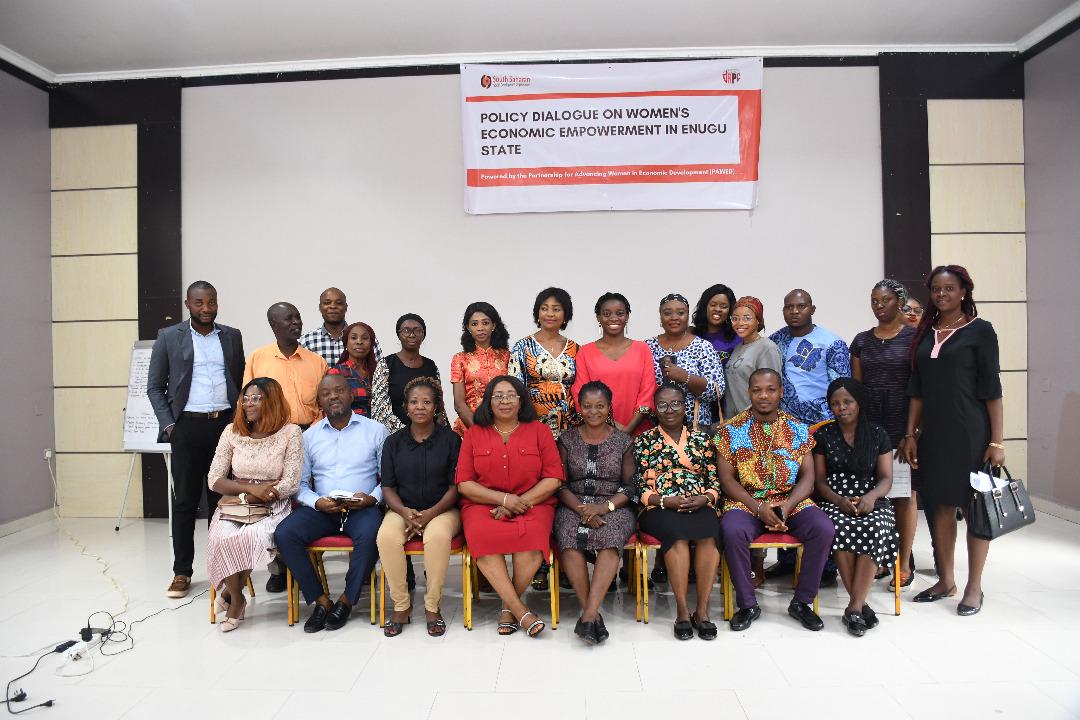
Research shows a 6.3 percent unemployment gap between men and women in Nigeria. This highlights a rather obscure fact that is holding the nation back. Understanding the importance and necessity of women’s empowerment in this time and era, the Development Research and Project Center, (dRPC) in partnership with South Saharan Social Development Organization, (SSDO) is implementing the Partnership for the Advancement of Women’s Economic Development (PAWED) project.
The PAWED project was formed to strengthen the capacity of women’s economic collectives in Enugu state to conduct high-impact evidence-informed advocacy to improve the livelihood of economically active women and girls in the state.
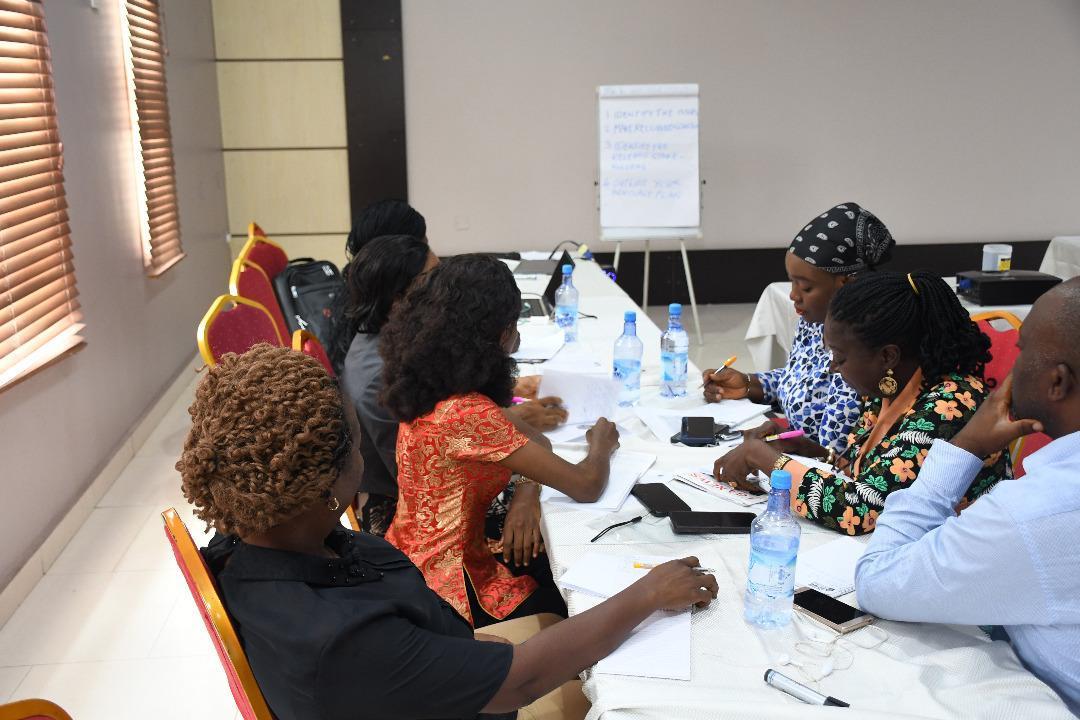
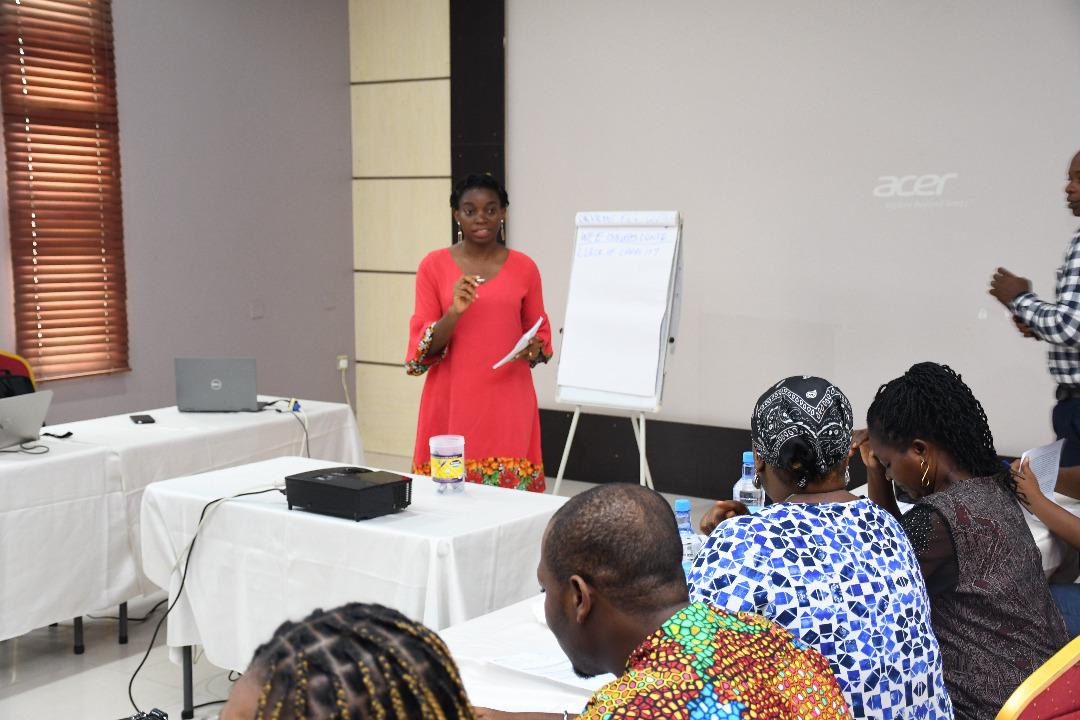
In April 2022, the PAWED project held a Policy Dialogue Session to provide a platform for synergy between stakeholders in Enugu State for effective advocacy for Women’s Economic Empowerment (WEE). The stakeholders included:
Women-led, women-focused Civil Society Organizations
Women’s Economic Empowerment Cooperatives
Representatives from relevant government ministries.
Academia – University of Nigeria (UNN) Gender and Development Centre.
Media representatives
Specifically, the policy dialogue session aimed to achieve the following:
Achieve a consensus on the most pressing WEE issues in the state
Identify key policy and regulatory frameworks that will facilitate and accelerate the delivery of WEE projects
Proffer solutions and recommendations for the furtherance of Women’s Economic Empowerment (WEE) in the state
Produce policy brief documents for succinct and effective advocacy
Come up with an effective advocacy strategy based on synergy amongst the different stakeholder groups.
The session started with an overview of the Comparative Analysis of the Subnational 2022 WEE Budgetary Allocation. After which they reached a consensus on pressing WEE issues in Enugu their specific causal factors. Some issues identified were:
Poor prioritization of WEE funding.
Lack of WEE project coordination.
Duplication of WEE budget lines.
Lack of availability of WEE projects.
Poor monitoring and evaluation culture.
Participants discussed and proposed several recommendations to tackle issues relating to women’s economic empowerment in Enugu State. Proposed solutions include:
Improving access to quality education for women.
Providing better healthcare and social protection.
Strengthen the digital skills of women to bridge the digital gender gap
Promoting policies that enhance human capital development.
Eliminating all forms of violence and discrimination against women.
Strengthening active policies to build a more inclusive labor market targeting gender wage gap, integration, and advancement of women of diverse backgrounds
Advancing multi-stakeholder partnership to update new initiatives for promoting women’s empowerment.
Finally, the participants also devised advocacy strategies to improve the WEE situation in the state, with the government representatives pledging to facilitate advocacy visits to the senior management teams of government agencies responsible for WEE.