SSDO

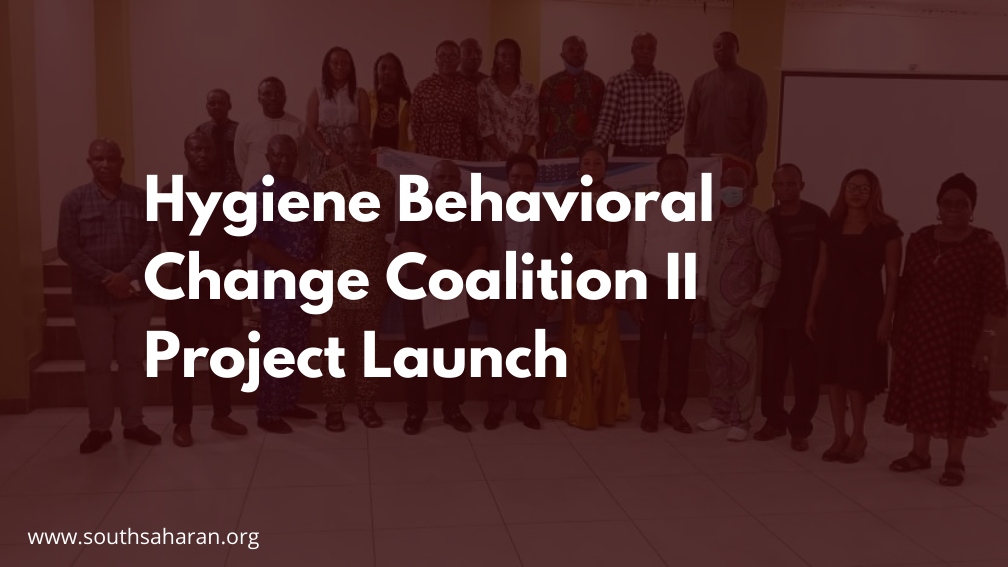
Hygiene Behavior Change Coalition II Project Launch

From all indications, Nigeria, like most low and middle-income countries, is not adequately prepared to manage the devastating viral impact of the coronavirus disease. It poses a danger to the population’s health and exacerbates poverty and inequality, especially with the discovery of new variants. 

About 60 million people in Nigeria lack access to basic water supply services, and 167 million people lack basic handwashing facilities. Worse still, 70,000 children under five die yearly from diseases caused by poor access to water, decent toilets, and good hygiene services. These figures show that Nigeria is still a long way from achieving Sustainable Development Goal 6 (clean water and sanitation).

There’s been a huge covid-19 vaccine hesitancy in Nigeria. It has been attributed to several factors, such as the efficacy of the vaccines, side effects, and negative sociocultural norms. The National Primary Health Care Development Agency notes that only 10 million people have been fully vaccinated, representing 9 percent of the population.   

This situation exposes the populace to new and more aggressive variants of the Covid-19 variant. Against this background, WaterAid Nigeria and South Saharan Social Development Organization, SSDO, are intervening to curb the spread of the virus.

This birth the Hygiene Behavior Change Coalition II Project. The project is designed to complement the Clean Nigeria Campaign to promote hygiene using a behavior-centered approach. The project will be implemented in Enugu and Bauchi states and was launched today in Enugu state. It aims to combat new Covid-19 variants, increase vaccine uptake, and improve personal hygiene.

The project will undertake its intervention, emphasizing hygiene education that focuses on key hygiene behaviors—respiratory hygiene, handwashing, physical distancing, food hygiene, water storage, and vaccine uptake. In partnership with key government institutions, our approach to improving hygiene behavior and vaccine uptake in urban and rural communities includes a mix of hygiene education and vaccine uptake promotion.
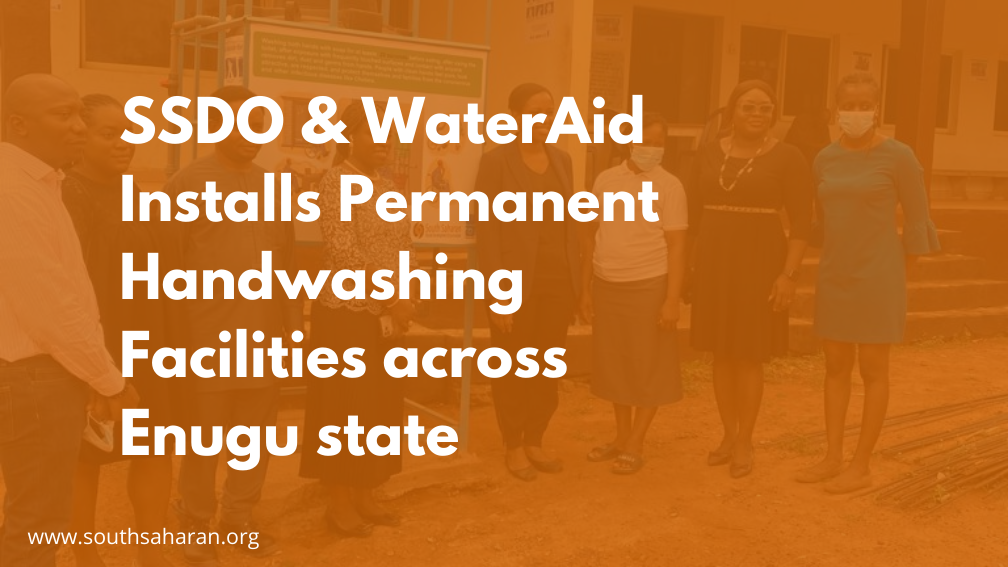
SSDO and WaterAid Installs Handwashing Stations across Enugu state

Water is an essential commodity for survival and remains a top priority for people. Its importance cuts across all spheres of life from agriculture, livelihood, health, and more. About 50 percent of Nigerians still lack access to potable water. Enugu’s topography has even further complicated this challenge. 

In partnership with WaterAid Nigeria, South Saharan Social Development Organization, SSDO is working tirelessly to improve access to water In Enugu state. We have installed 20 permanent handwashing facilities across the state in strategic locations. These include primary health centers and schools. 

Constant access to water reduces health challenges, helps keep the girl child in school, and in the long run, improves the economy. We’d continue to do our best to improve access.

The supervisory team includes the Heineken African Foundation Board Chairman, the Corporate Affairs Director for Nigerian Breweries, and the Sustainability Manager from the Headquarters of Nigerian Breweries. Also present were representatives from Ama Breweries Enugu, the Enugu State Team Lead, the Monitoring and Evaluating Officer of WaterAid Nigeria, and the WASH Program Lead for SSDO.

Children’s Day Celebration at Abor/Isiala Community

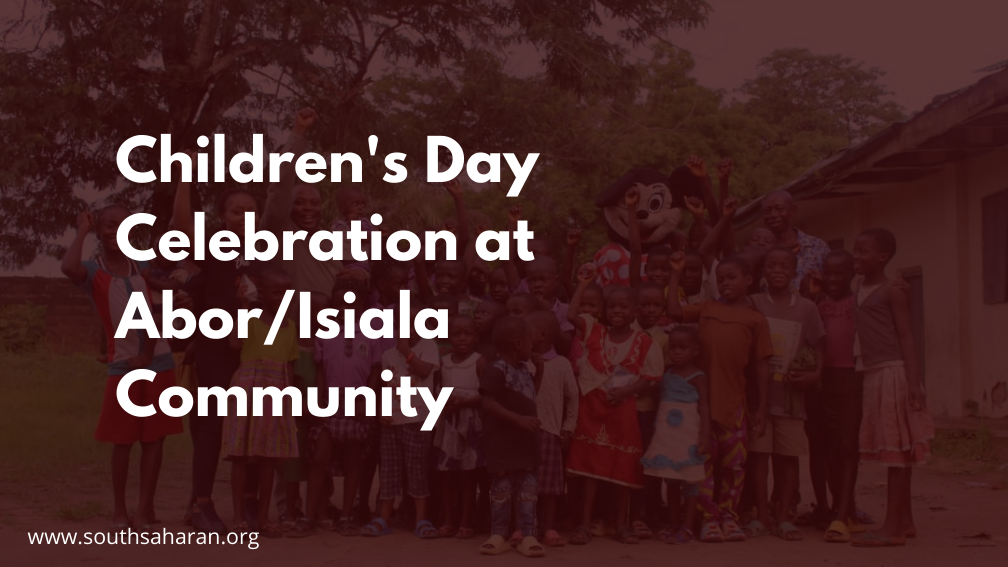
To celebrate Children’s Day, South Saharan Social Development Organization, SSDO in partnership with ActionAid Nigeria, visited Abor/Isiala community to continue its child message collection activity. There were gift and food items to engage and keep the kids entertained. There was also a session dedicated to teaching the children the importance of hygiene.

The Local Rights Programme is an initiative that aims to reduce poverty by engaging with the poor and marginalized in selected communities through its child sponsorship mechanisms. 

Some of the issues identified in the communities include the poverty, lack of education and poor access to healthcare, which are indicators of a deficient system, of which the biggest victims are children.

Having identified this problem, ActionAid Nigeria has partnered with SSDO to find ways to remediate the situation, particularly in Enugu state, through the implementation of the Local Rights Programme (LRP).

This initiative identifies vulnerable children aged 3 – 8 years and attaches them to sponsors. Selected communities include Oduma Achara in Aninri LGA, Igga and Nkume in Uzo Uwani LGA and Abor/Isiala in Isi Uzo LGA.

So far, since the start of the programme, over 500 children have been identified and the sponsorship mechanism initiated. 

PAWED Policy Dialogue Session

Research shows a 6.3 percent unemployment gap between men and women in Nigeria. This highlights a rather obscure fact that is holding the nation back. Understanding the importance and necessity of women’s empowerment in this time and era, the Development Research and Project Center, (dRPC) in partnership with South Saharan Social Development Organization, (SSDO) is implementing the Partnership for the Advancement of Women’s Economic Development (PAWED) project.  

The PAWED project was formed to strengthen the capacity of women’s economic collectives in Enugu state to conduct high-impact evidence-informed advocacy to improve the livelihood of economically active women and girls in the state.

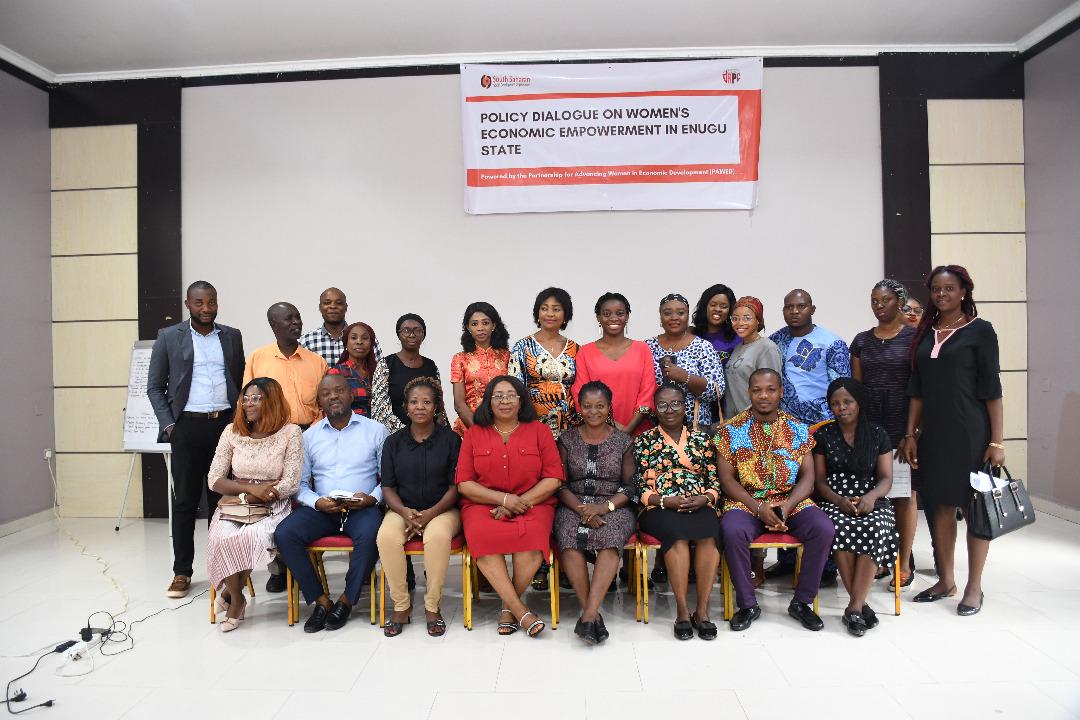
In April 2022, the PAWED project held a Policy Dialogue Session to provide a platform for synergy between stakeholders in Enugu State for effective advocacy for Women’s Economic Empowerment (WEE). The stakeholders included:

  • Women-led, women-focused Civil Society Organizations
  • Women’s Economic Empowerment Cooperatives
  • Representatives from relevant government ministries.
  • Academia – University of Nigeria (UNN) Gender and Development Centre.
  • Media representatives

Specifically, the policy dialogue session aimed to achieve the following:

  • Achieve a consensus on the most pressing WEE issues in the state
  • Identify key policy and regulatory frameworks that will facilitate and accelerate the delivery of WEE projects
  • Proffer solutions and recommendations for the furtherance of Women’s Economic Empowerment (WEE) in the state
  • Produce policy brief documents for succinct and effective advocacy
  • Come up with an effective advocacy strategy based on synergy amongst the different stakeholder groups.
     
https://lh4.googleusercontent.com/aF1wfjtEJ8Q06XJyvAsZ4LAryoM9neJRDTfvXEO8kJApwdNyDUx1Vz5lELPzdmw7nh1G5Pviwuvrx04mV-G9B0Q54o1QL6_GIIMOdz_HRvQ8uo3DCmDoiR6LpGNJmlI09q--mv6e5jHJ5xwqRg

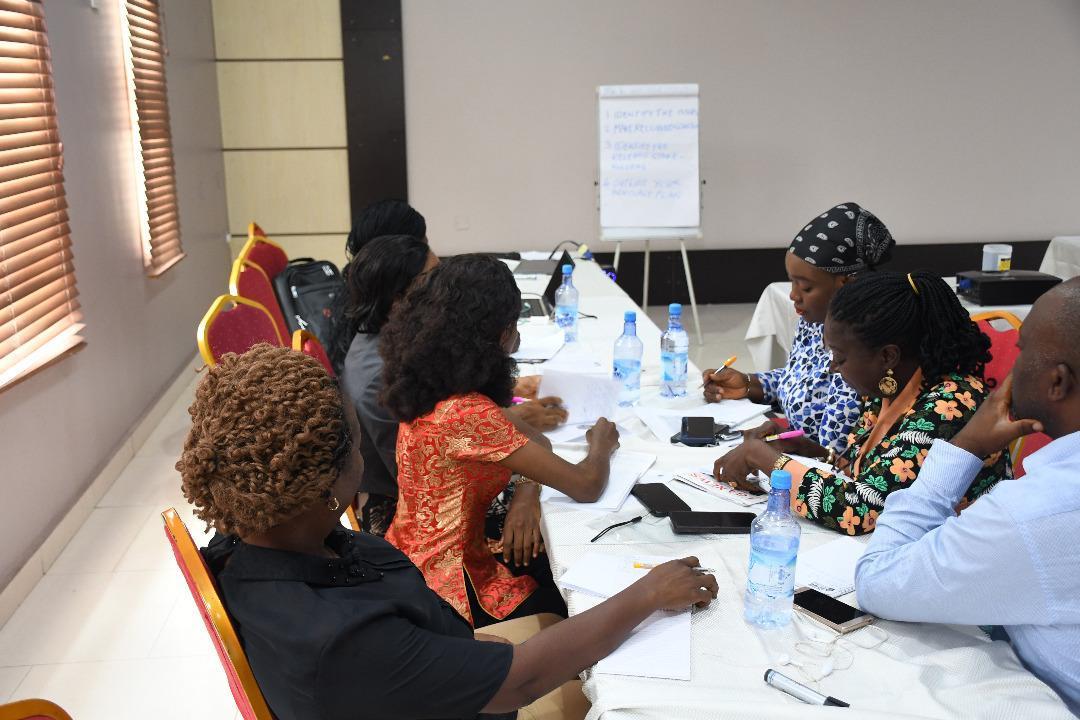
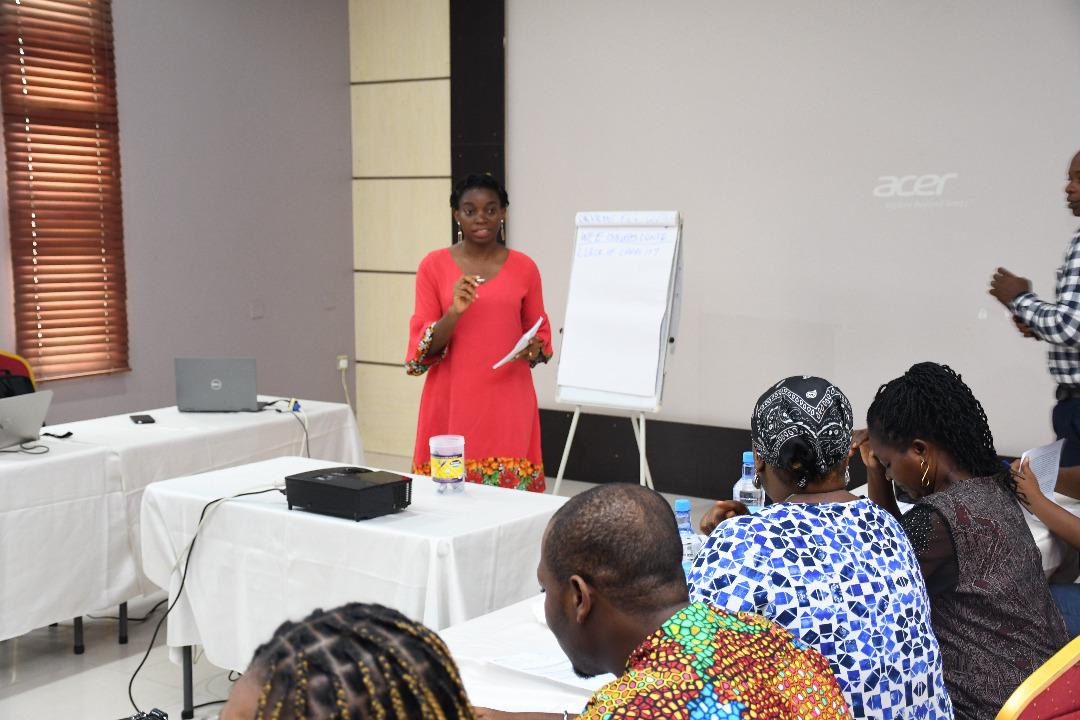
The session started with an overview of the Comparative Analysis of the Subnational 2022 WEE Budgetary Allocation. After which they reached a consensus on pressing WEE issues in Enugu their specific causal factors. Some issues identified were:

  • Poor prioritization of WEE funding.
  • Lack of WEE project coordination. 
  • Duplication of WEE budget lines.
  • Lack of availability of WEE projects.
  • Poor monitoring and evaluation culture.

Participants discussed and proposed several recommendations to tackle issues relating to women’s economic empowerment in Enugu State. Proposed solutions include:

  • Improving access to quality education for women.
  • Providing better healthcare and social protection.
  • Strengthen the digital skills of women to bridge the digital gender gap
  • Promoting policies that enhance human capital development.
  • Eliminating all forms of violence and discrimination against women.
  • Strengthening active policies to build a more inclusive labor market targeting gender wage gap, integration, and advancement of women of diverse backgrounds
  • Advancing multi-stakeholder partnership to update new initiatives for promoting women’s empowerment.

Finally, the participants also devised advocacy strategies to improve the WEE situation in the state, with the government representatives pledging to facilitate advocacy visits to the senior management teams of government agencies responsible for WEE. 

Hygiene Behavior Change Campaign

The Hygiene Behavior Change Campaign is a sensitization program earmarked for 10 communities in Igbo-Eze LGA. The goal is to improve hygiene in the targeted locations by raising awareness on the dangers of a lackadaisical attitude to hygiene practices. Radio jingles were aired on three radio stations -Solid FM, Voice FM, and Lion FM to increase the span of influence. Also, television skits/jingles were used to drive home messages. 

These activities were executed over a three-month period to further drive the hygiene messages in the communities, local government, and state. Though, the campaign continued over a longer period. To ensure the continuity of the campaign, 40 volunteers were trained on the process of engaging households. These Voluntary Hygiene Promoters (VHP), also distribute hygiene packs during the period of sensitization. 

They reached a total of 2,720 households across the LGA. All the households were being educated on the three key behaviors- the use of facemask, handwashing, and social distancing. their various assigned location on safe hygiene practices like proper handwashing amongst others. Also, the HBC Campaign market dissemination continued in three markets namely; Nkwo Aji, Eke Oji and Eke Amufie.