SSDO

SGI Impact; Beyond GBV Advocacy to Conflict Resolution

The Sister Guardian Initiative (SGI) is a South Saharan Social Development Organization’s flagship on reducing violence against women at the community level. The Sister Guardian Initiative, which is currently implemented in 19 communities in Enugu and Anambra State, taps into existing community-based women groups to identify women, referred to as Sister Guardians (SG), who are willing to stand in the gap and advocate for other women facing different kinds of abuse. They are majorly drawn from the circle of influential women in the community for instance: the Traditional rulers wives, Political women leaders, Religious women leaders, Umuada women leaders, Market women leaders  

The initiative provides immediate support to female victims of violence – safety, counseling, and mediation with the husband and family members and when it is necessary for the cases to be referred to the police and other relevant agencies for the women, they support the women in prosecuting their case either at the community level with the extended family and village authorities, or the police and courts as the case may be, ensuring the women are never alone. In addition, they advocate against violence against women (VAW) at the community level and also educate women and the community at large on their civic responsibilities. 

It also advocates against violence against women at the community level and educates women and the community on their civic rights and responsibilities.

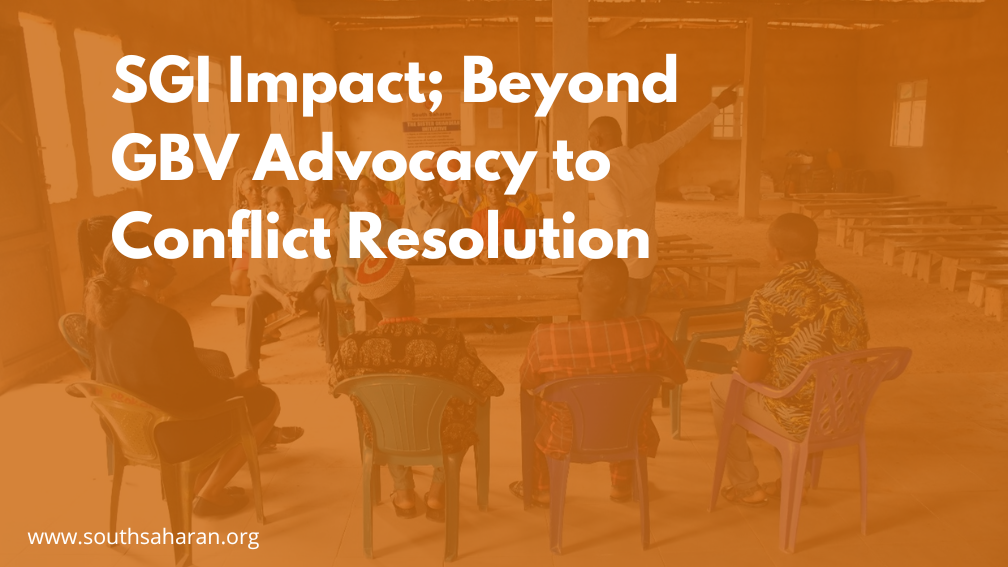
Beyond this, the initiative also helps with conflict resolution among community members. In September, the SGI Project lead mediated between a contractor and Orokoro community over equipment supply. Ultimately, an agreement was brokered on the way forward between both parties.

The project lead had a series of meetings with the contractor and community separately and then organized a meeting between both parties to reach a truce and proffer a solution that would lead to the electrification of the community.

The community engaged a contractor to help as an expert to liaise with EEDC on how to power Orokoro community. The contractor was paid and was not heard from for a long time. During this period, the community assumed that the contractor had eloped with their money. And sought the help of the Sister Guardian Initiative. 

After a series of inquiries, the project lead reached the contractor and met with him to find out his side of the story. He stated he has been executing the task for which he was paid. Having heard his side of the story, the project lead arranged a meeting with the community members and the Igwe to resolve the issue and broker a way forward peacefully. 

The contractor showed documents of payment to the EEDC and explained how far he had gone with the job. He promised to complete the job in a few weeks and deliver on the agreement with the community. 

The community members were happy with the outcome of the meeting, and a member of the community echoed this. “I am happy that Sister Guardian was able to intervene. Because for a long time we didn’t hear from him and it seemed like we had been cheated. SSDO, through the Sister Guardian, was able to arrange a meeting and help us know what was happening to the project.”  

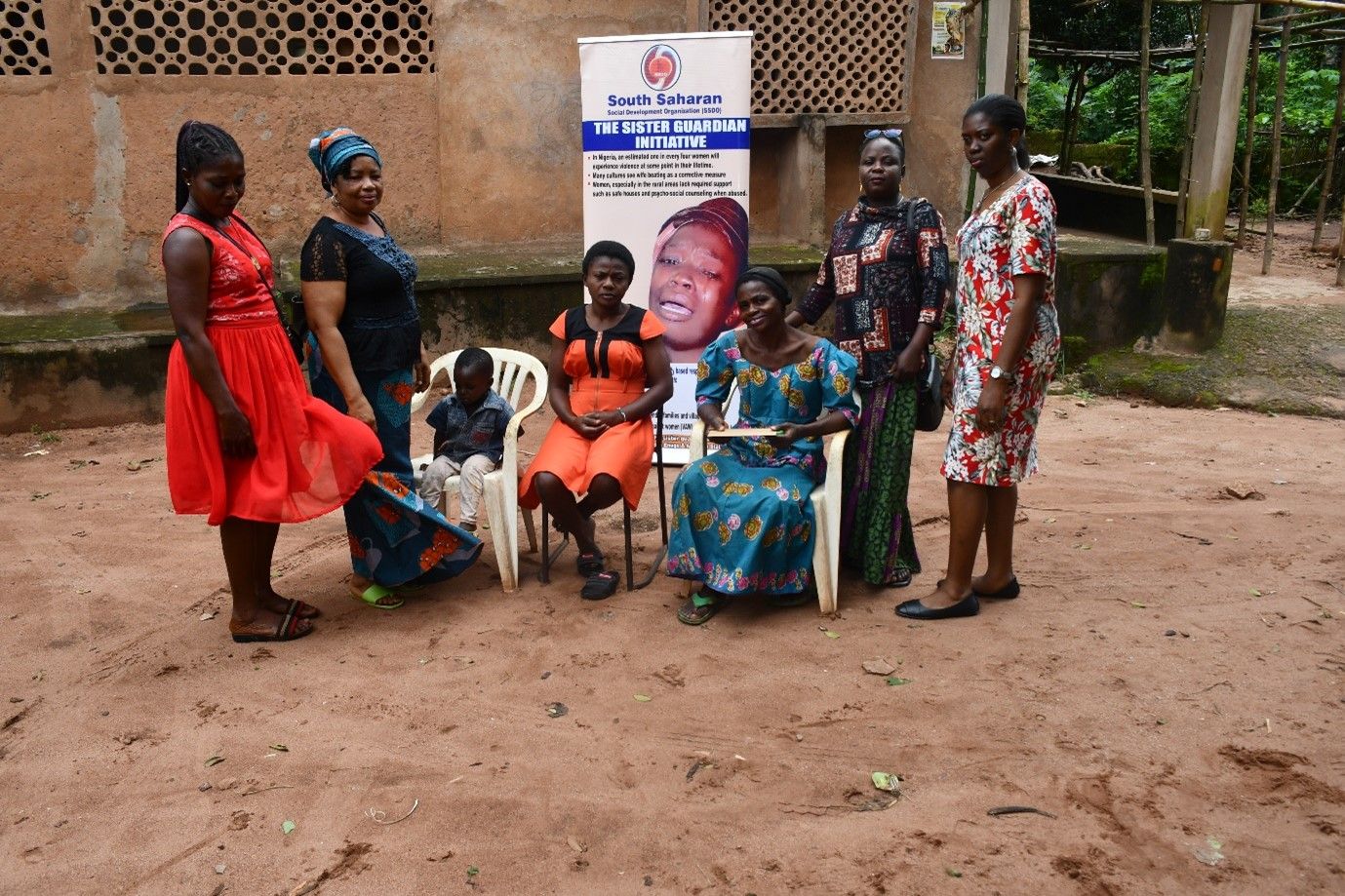
Sister Guardian Initiative Supports Bereaved Members

The Sister Guardian Initiative (SGI) is a South Saharan Social Development Organization’s flagship on reducing violence against women at the community level. The Sister Guardian Initiative, which is currently implemented in 19 communities in Enugu and Anambra State taps into existing community-based women groups to identify women, referred to as Sister Guardians (SG), who are willing to stand in the gap and advocate for other women facing different kinds of abuse. They are majorly drawn from the circle of influential women in the community for instance: the Traditional rulers’ wives, Political women leaders, Religious women leaders, Umuada women leaders, Market women leaders etc.

These SGs provide the immediate support to female victims of violence – safety, counseling, mediation with the husband and family members and when it is necessary for the cases to be referred to the police and other relevant agencies for the women, they support the women in prosecuting their case either at the community level with the extended family and village authorities, or the police and courts as the case may be, ensuring the women are never alone. In addition, they advocate against violence against women (VAW) at the community level and also educate women and the community at large on their civic responsibilities. 

Beyond combating gender-based violence, one goal of the Sister Guardian Initiative is to build a strong women executive that wields enough influence to advocate and adjudicate for women’s rights in the community.

To achieve unity and cohesion among the team members, it is important to also support each other in their grieving times.

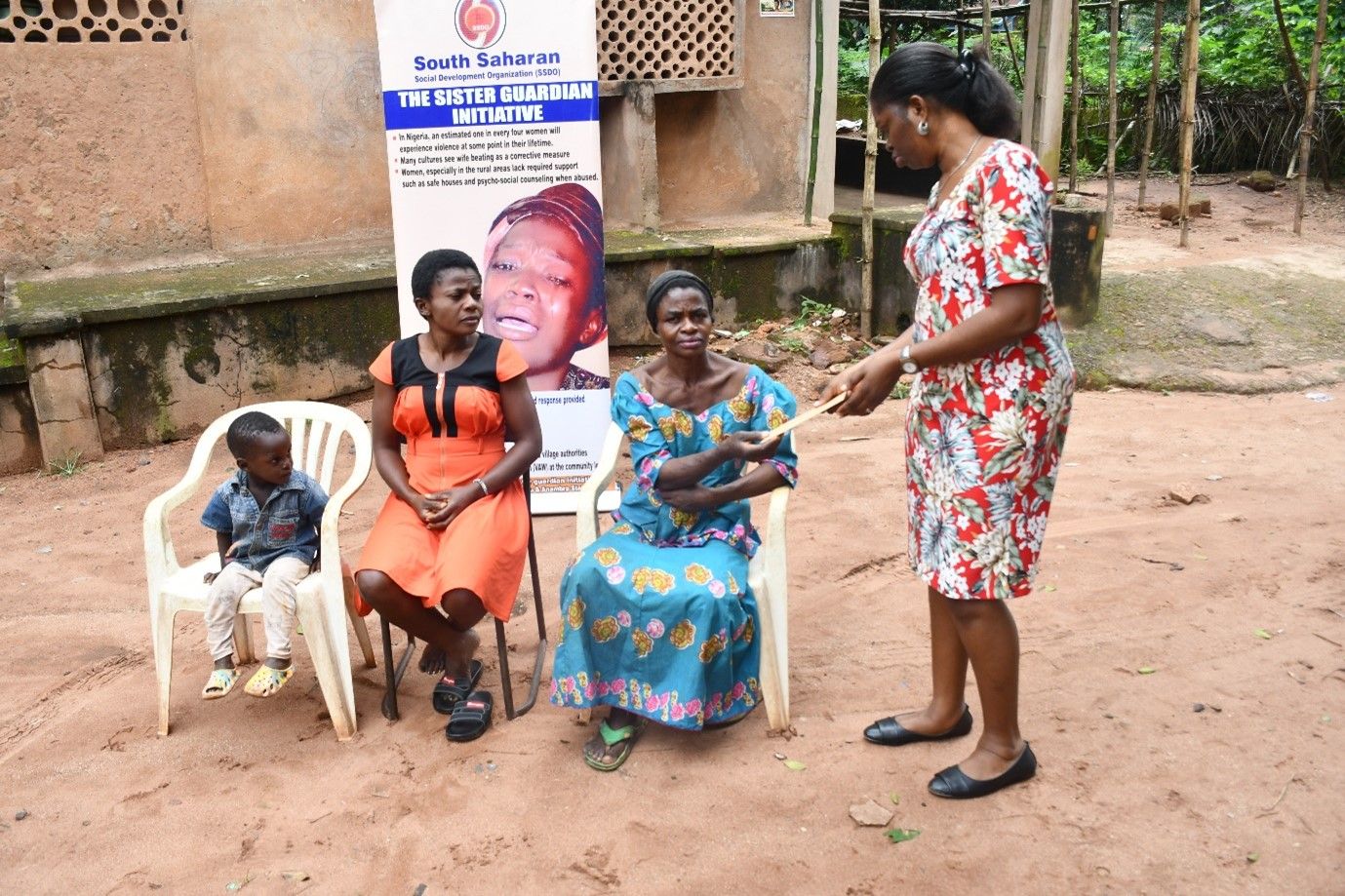
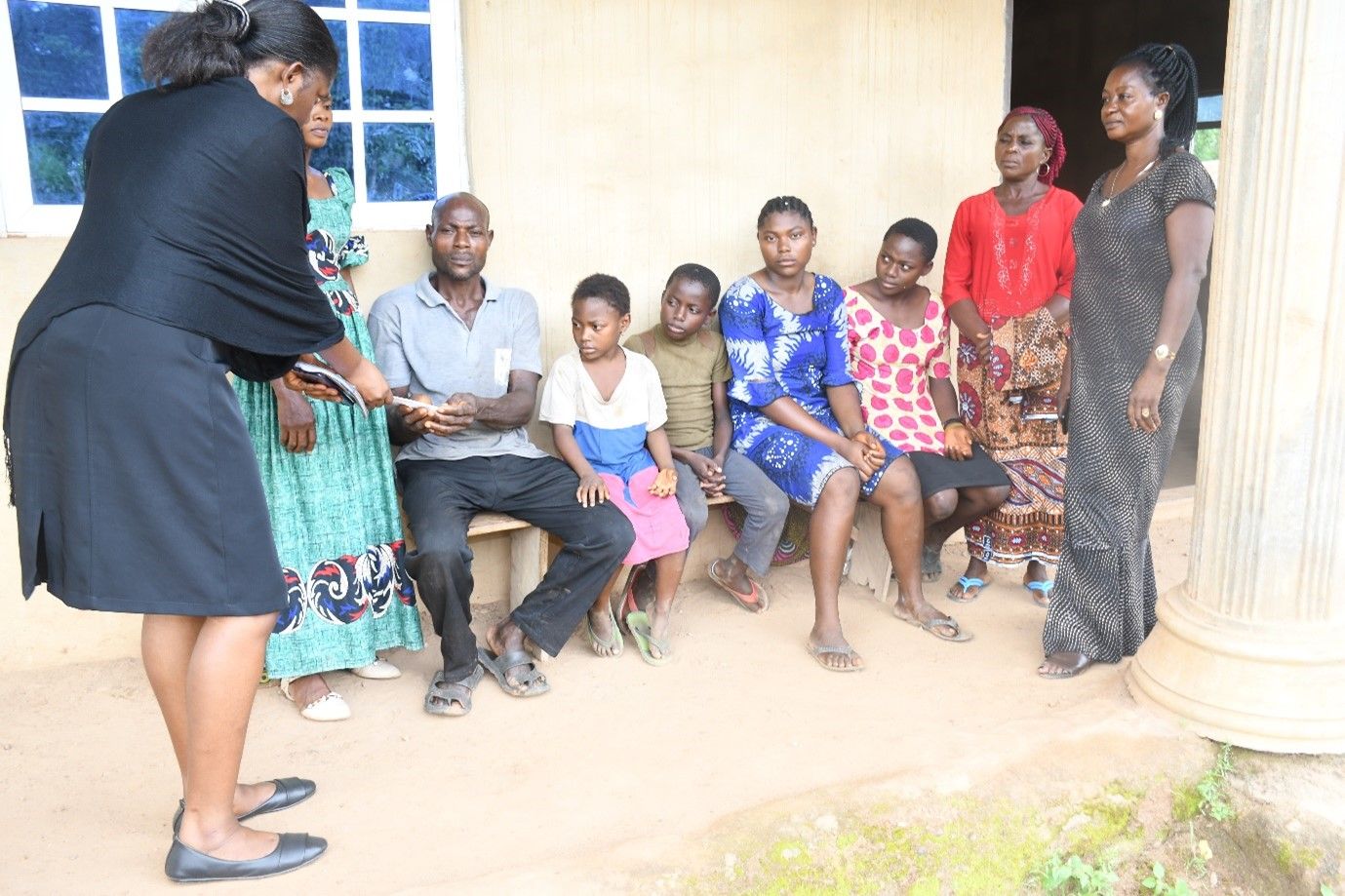
South Saharan Social Development Organization financially supported the members of a bereaved family who lost their wife and mother, who is a member of the Sister Guardian community in Orokoro community. The initiative was also able to support a family in Eke community as well.

Our thoughts and prayers are with the families in this trying time.

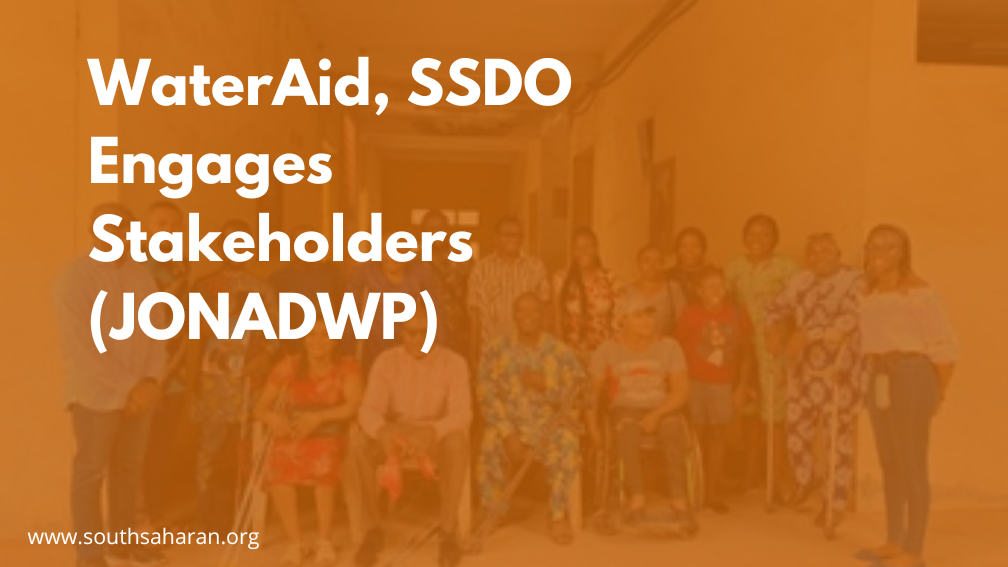
WaterAid, SSDO Engages Stakeholders (JONADWP)

To ensure a holistic and cross-cutting project intervention, beneficiaries and stakeholders must be involved. They should have their say in evaluating the most pressing needs they have.

South Saharan Social Development Organization, SSDO, in partnership with WaterAid Nigeria, organized a stakeholder meeting with the Joint National Association of Persons with Disability (JONAPWD) at the Ministry of Gender Affairs and Social Development.

The meeting aimed to strengthen the relationship between WaterAid, SSDO, and JONAPWD by including them in project implementation and monitoring. And also to continue facilitating disability-friendly facilities going forward.

Stakeholders present include executive members of JONAPWD, WaterAid Monitoring Evaluation Accountability and Learning Officer, SSDO WASH Program Lead and Associate, WASH media, and a sign translator.

Sister Guardian Initiative Embarks on Advocacy Visit to Traditional Rulers

We understand the place of advocacy in seeing a behavioral change in communities. Particularly concerning the reduction of gender-based violence. It helps to promote human rights, social inclusion, equality, and social justice.

Understanding its importance in executing the Sister Guardian Initiative, South Saharan Social Development Organization, SSDO places a premium on advocacy to bring about the much-needed change of reducing violence against women.

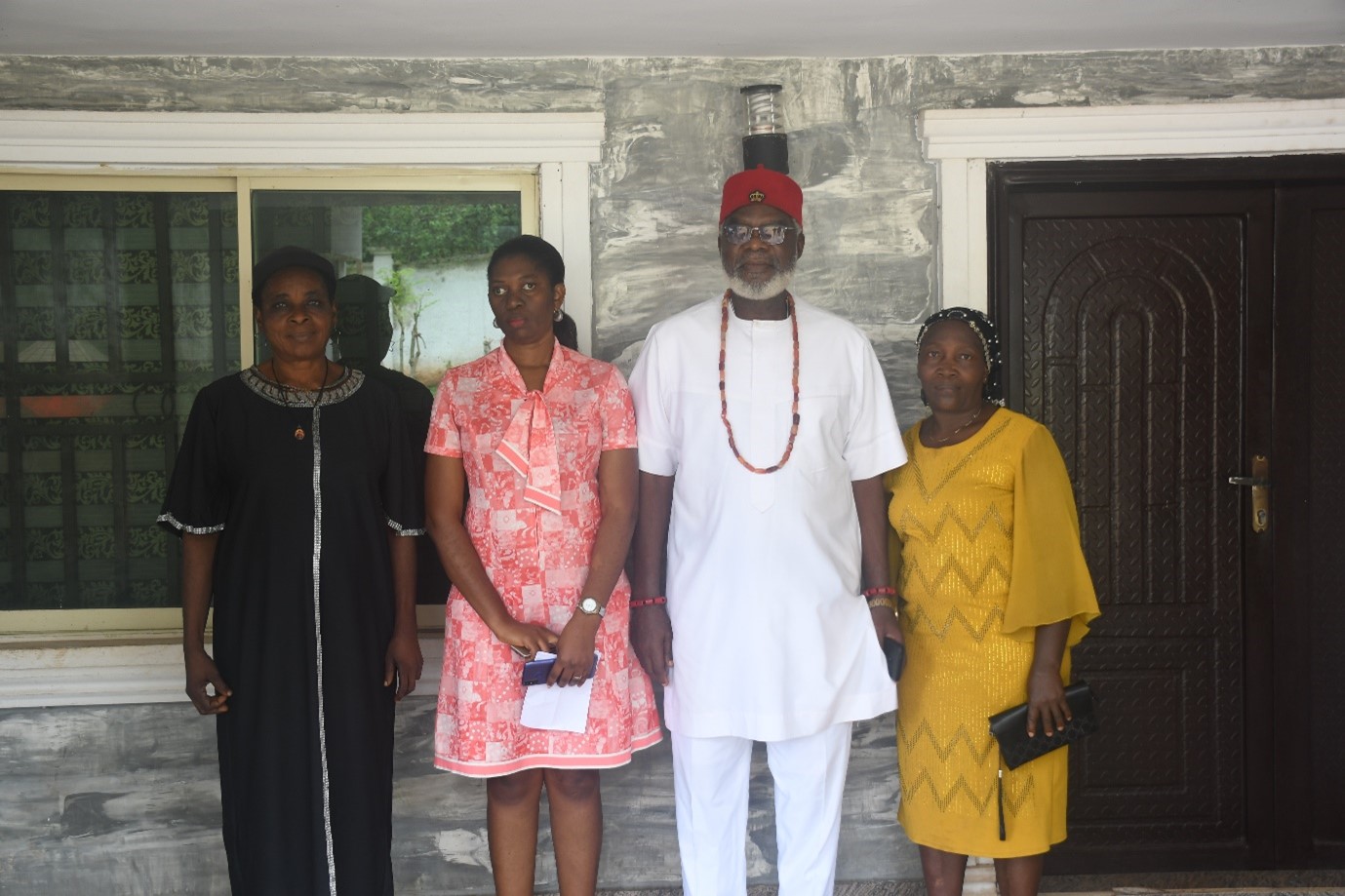
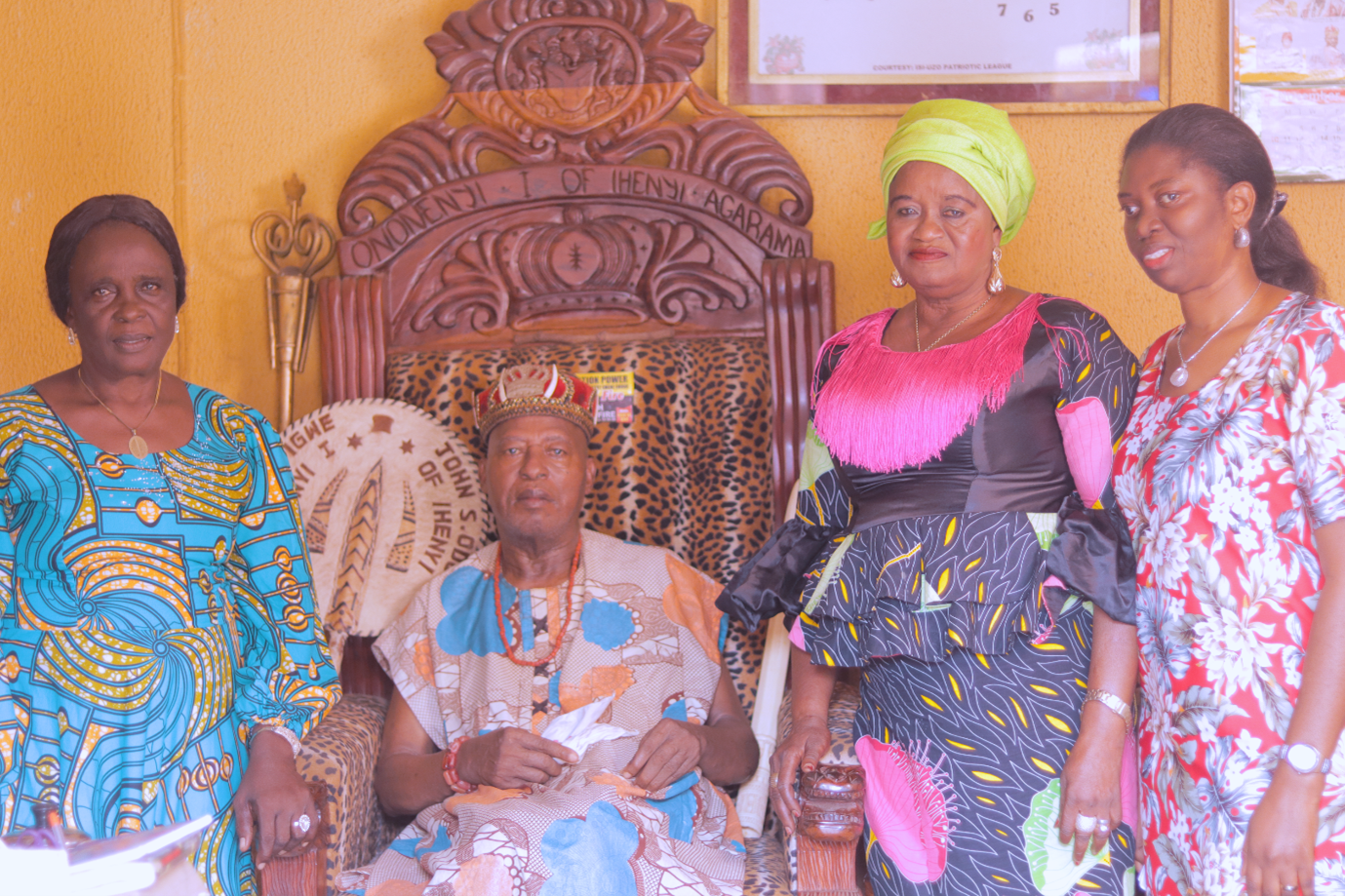
SSDO’s Gender Officer, Blessing Uchendu, embarked on an advocacy visit to the traditional rulers of Aduachi and Ihenyi communities to ascertain the level of inclusion and participation of women in their cabinet. The traditional rulers confirmed that the women are actively involved in the decision-making processes of the traditional ruling council.

We appreciate the efforts of these traditional rulers for being forward-minded. Women’s involvement in the traditional council will provide a unique perspective that the leaders would have otherwise not seen.

Heineken Africa Foundation Phase III Project Launch

WaterAid Nigeria, in partnership with South Saharan Social Development Organization, will implement the third phase of the Heineken Africa Foundation Project. 

The project will complement the results of the first and second phases to drive hygiene promotion in response to COVID-19 using a behavior-centered design approach leveraging the mass media, advocacy, and community-based approach to reach its target audience. It will also see the installation and rehabilitation of water facilities across Enugu state. 

The project was officially launched on the 22nd of September 2022 and offered a unique opportunity to enlighten stakeholders, raise media awareness, and develop a suitable implementation strategy across the state. 

Stakeholders present include the Permanent Secretary Ministry of Water Resources, ENRUWASSA, ENSUBEB, Bureau of Statistics, Economic Planning, Representative from the Ministry of Health, Permanent Secretary Ministry of Environment Represented, The STU Coordinator, Ministry of Rural Development, Primary HealthCare, LGA WASH Coordinator, WASH Media.