SSDO

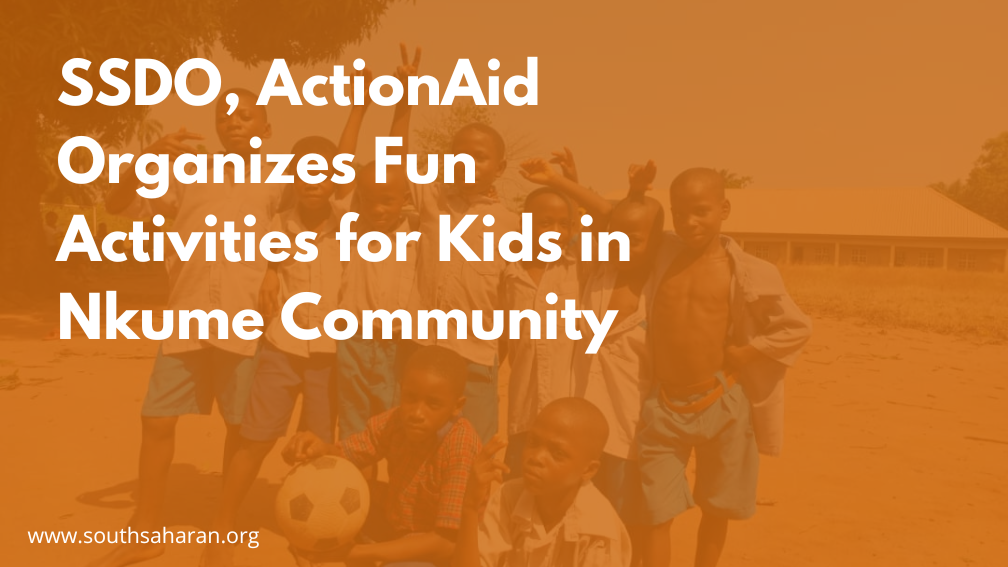
SSDO, ActionAid Organizes Fun Activities for Kids in Nkume Community

School-age children learn through creative activities like music, visual arts, dance, drama, storytelling, and sports. Creative arts and sports activities engage children across all cognitive, language, social, emotional, and physical domains. It helps improve their motor skills, build emotional intelligence, and stimulates creativity and problem-solving. 

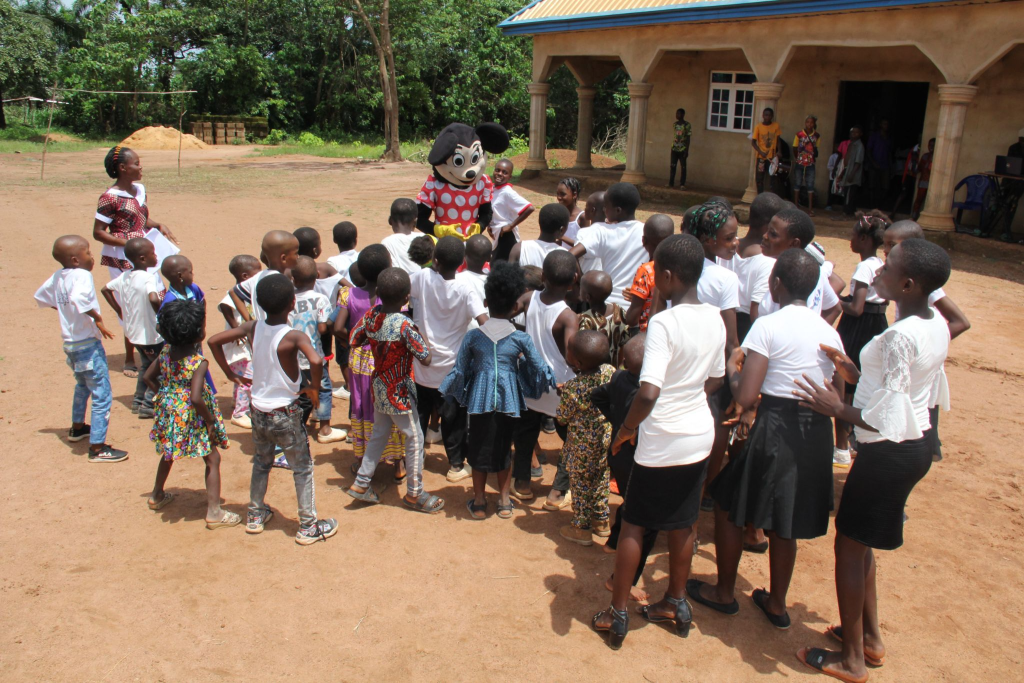
Understanding this, South Saharan Social Development Organization, in partnership with ActionAid Nigeria under the Local Rights Programme, organized fun activities for kids to promote physical health and well-being for children in Nkume community. For maximum participation, the kids choose the activities they want to engage in.

The children participated in football, running games, egg-spoon, ball toss, freeze tag, and dancing competitions for the children. The activities helped the kids bond better and improved the kids’ team spirit.

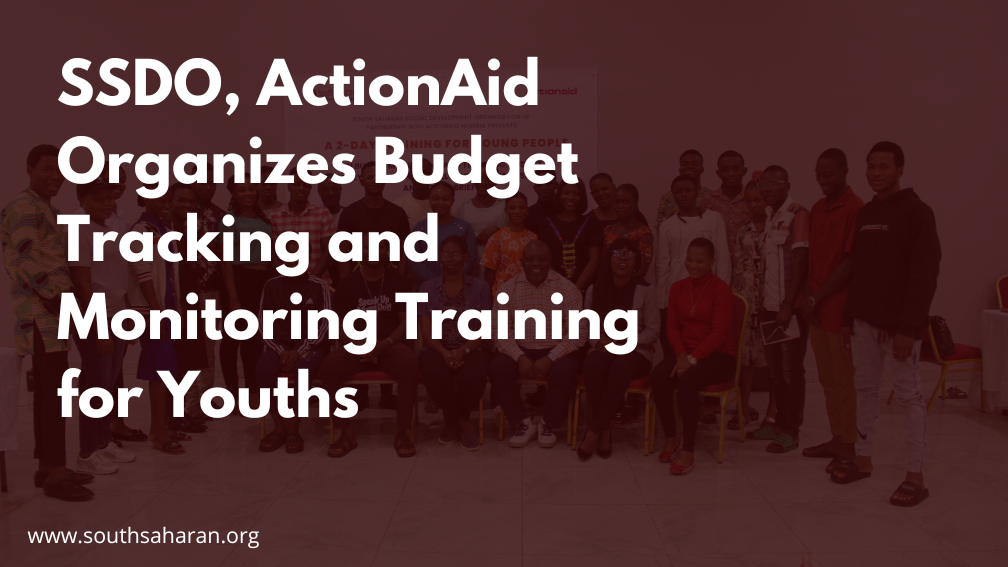
SSDO, ActionAid Organize Budget Tracking and Monitoring Training

South Saharan Social Development Organization, in partnership with ActionAid Nigeria, organized a 2-day capacity building on Budget monitoring and tracking under the Strategic Partnership Agreement Phase II project in Enugu State.

This training equipped participants with the relevant knowledge needed to follow budget proceedings in a more proactive rather than a reactive manner. Youths were empowered on the best approaches for evidence-based advocacy and community engagement at various levels.

The training was facilitated by ActionAid’s Governance Manager, Celestine Odo, Youth Development and Governance Expert, Nebo Collins, and Public Affairs Analyst, Wilfred Okeke. It covered topics such as public budget and budget process, identifying youth-focused expenditures, budget advocacy and strategy, budget analysis, and skills among others.

Participants were engaged using a combination of lectures, interactive sessions, and group discussions. They also developed fact sheets and policy briefs, which will be used to drive advocacy campaigns subsequently.

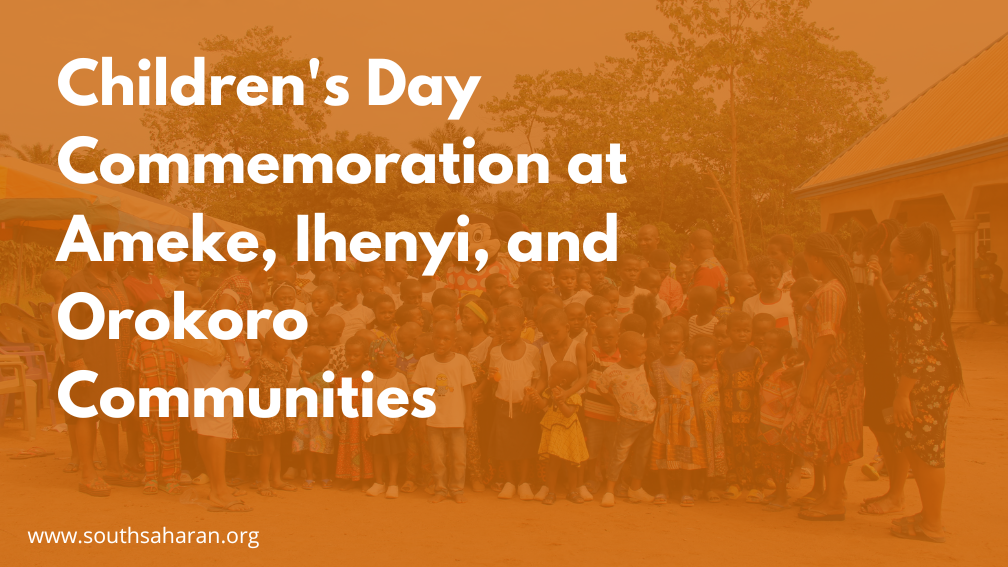
COMMEMORATION OF CHILDREN’S DAY AT AMEKE, IHENYI, AND OROKORO COMMUNITIES

“It is easier to build strong children than to repair broken men.” – Frederick Douglass. 

Children’s Day is recognized worldwide as a day dedicated to fostering cooperative exchange and understanding among children and taking actionable steps to promote their welfare globally. It’s an annual event that allows children to express themselves and experience happiness during their formative years. 

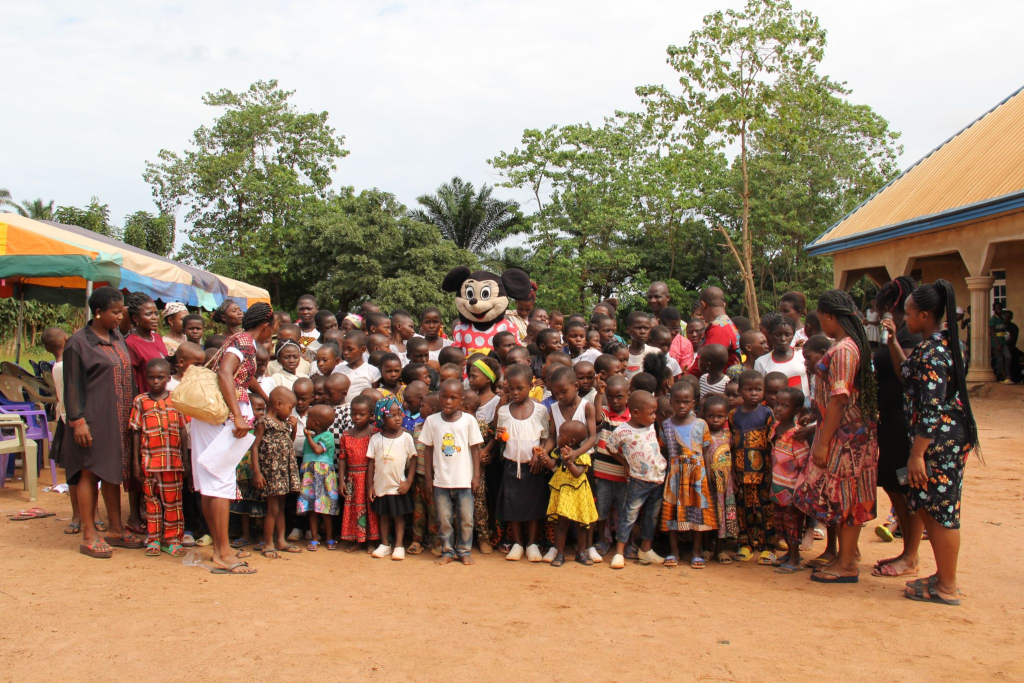
South Saharan Social Development Organization, in partnership with ActionAid Nigeria, commemorated this year’s event, themed “Celebrating Creativity – The Power of Imagination” with community outreaches to Ihenyi and Orokoro communities in Isi-Uzo LGA and Ameke community in Aninri LGA. Stakeholders present include the LGA representative, President-General. Youth community leaders, parents, and teachers.

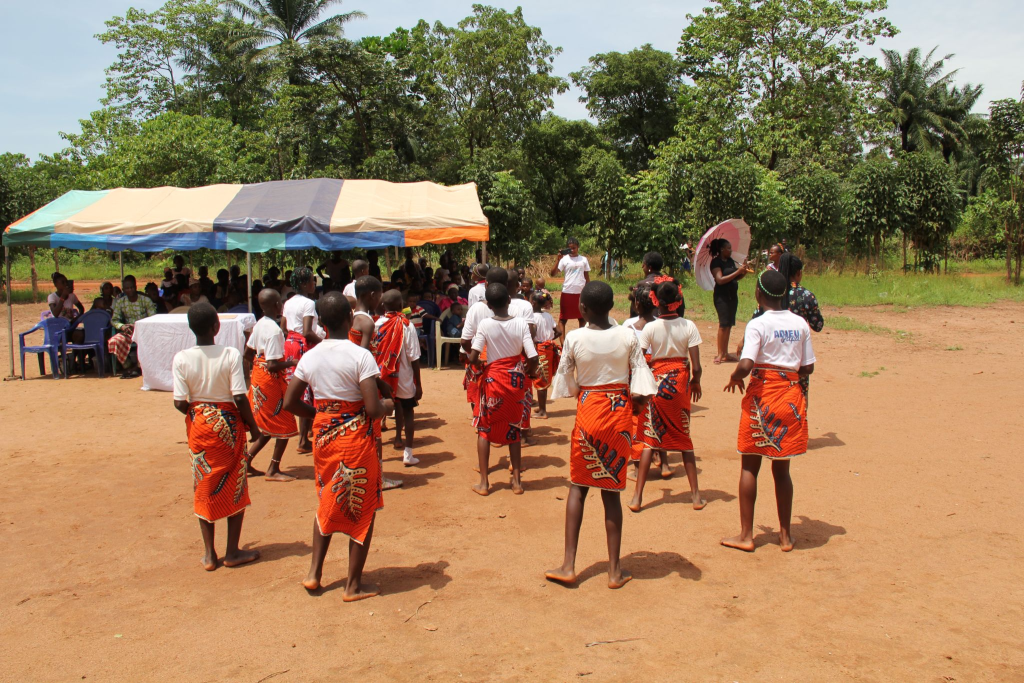
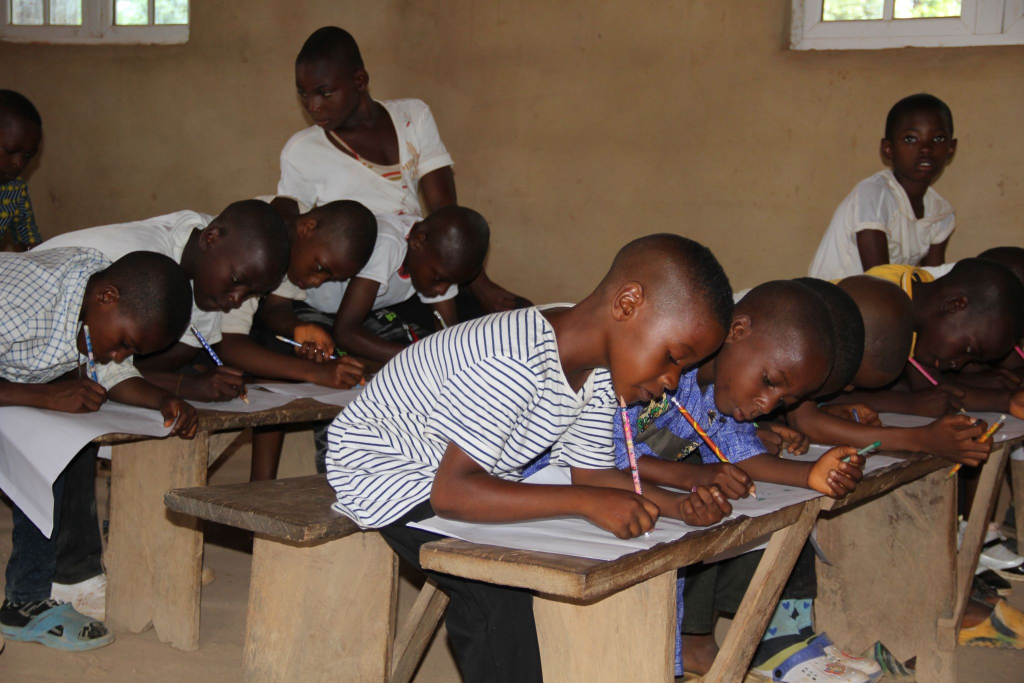
The children were educated about their rights and encouraged to report any incidents of abuse. Parents were urged to remain vigilant, especially when children exhibit signs of withdrawal or complain about abuse-related issues. The LRP program officer educated the children and parents on the importance of practising good hygiene behaviours and spoke about good environmental hygiene. The children participated in a marching parade, quiz competition, sack race, dance competition and a cultural display.  

The team also used the medium to sensitize parents and children on the importance of keeping a clean environment in line with World Environment Day. In a participatory approach, participants identified environmental issues affecting the community. Everyone vowed to keep their environment clean and desist from open defecation, littering, and indiscriminate waste disposal.  

Breaking the Stigma and Myth Around Menstruation

Did you know that over 37 million women and girls of reproductive age in Nigeria lack access to menstrual hygiene products due to a lack of funds? Period poverty is a global problem but is more prevalent in developing countries. Today, girls are still stigmatized and excluded because of a normal bodily function. 

Menstrual Hygiene Day (MHD) is held annually on the 28th of May to highlight the importance of menstrual care and raise awareness about the issues faced by those who don’t have access to sanitary products.

Understanding this challenge, South Saharan Social Development Organization, in partnership with WaterAid Nigeria, is playing its part in changing the narrative. To commemorate Menstrual Hygiene Day this year under the theme, “Making Menstruation a Normal Fact of Life by 2030”, the team organized a menstrual hygiene management education program at Government Secondary School Abakaliki Road, Enugu.

The introduction and overview of menstruation were facilitated by Mrs. Cheta the Adolescent focal person at UNTH. She started by asking the students questions on menstruation and then stated the meaning of menstruation, also known as a woman’s period, as a natural process that occurs in the reproductive system of females which is also a regular part of a woman’s life, typically starting during puberty and continuing until menopause. While menstruation is a normal biological phenomenon, it is often accompanied by a range of physical and emotional experiences that can vary from person to person.

She went further to explain that menstruation has been both a topic of curiosity and a subject shrouded in stigma and taboo. Cultural beliefs, religious practices, and societal attitudes have influenced the way menstruation is perceived and discussed. However, in recent years, there has been a growing movement, such as sensitizing both males and females to break the silence surrounding menstruation and promote open conversations about this natural bodily function. Therefore, she encouraged the students, especially the girls, to embrace their womanhood and have open conversations when needed.

The school outreach was an opportunity to raise awareness and promote proper menstrual hygiene practices among female students. Male students were also sensitized as brothers, future fathers and uncles so they know what to do to help out. They were taught not to stigmatize or mock their female counterpart. The engagement increased knowledge and understanding of menstrual hygiene, debunked myths and misconceptions, and challenged stigmas surrounding menstruation.

Students were engaged in a participatory and inclusive approach as they demonstrated how to use sanitary pads properly, and wrong notions were corrected. Sanitary pads were shared among the female students, ensuring they had access to essential menstrual hygiene products.

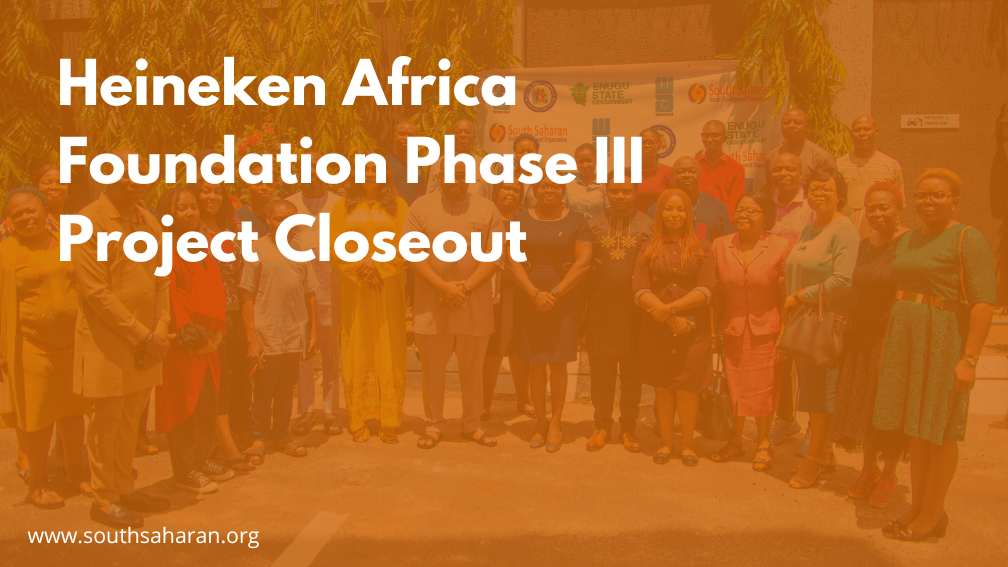
HEINEKEN AFRICA FOUNDATION (HAF) PHASE III PROJECT CLOSEOUT

South Saharan Social Development Organization, in partnership with WaterAid Nigeria, successfully completed the implementation of the HAF III project and closed out the project.

The project complemented the results of the first and second phases to drive hygiene promotion in response to COVID-19 using a behaviour-centered design approach leveraging the mass media, advocacy, and community-based approach to reach its target audience. As well as advocating for Water, Sanitation and Hygiene (WASH) prioritization.

The project successfully installed five handwashing facilities in schools across the state, established health clubs in 30 schools, and organized sensitization programs, radio and TV jingles, and a hygiene behavior campaign in Igbo-Eze North LGA that reached over 5,000 people.

Certificates and awards were presented to the following stakeholders: Nigeria Breweries, JONAPWD, GHARF, Heroine Women Foundation, Ministry of Water Resources, Ministry of Health, Ministry of Education, and the Igbo Eze North LGA WASH unit.

Dignitaries present include Special Adviser to the Governor on Water Resources, Hon. Dubem Onyia, Corporate Affairs Manager (East Region) Nigerian Breweries, Joy Egolum, and Permanent Secretary Ministry of Health Enugu, Dr. Ifeanyi Agujiobi.