SSDO

07/18/2024 – Driving Positive Change Through Engagement

Welcome to the latest edition of South Saharan Social Development Organization’s (SSDO) quarterly newsletter. As we reflect on the second quarter of 2024, it is clear that our communities are at a pivotal moment in addressing some of the most pressing social issues. This newsletter highlights our ongoing efforts and unwavering commitment to fostering sustainable development, empowering vulnerable groups, and promoting a more equitable society.

In this edition, we emphasize the critical importance of focusing on youth empowerment, climate action, and the acquisition of green skills. Our initiatives are designed to equip the younger generation with the tools and opportunities they need to thrive in a rapidly changing world. By prioritizing environmental sustainability, we aim to combat climate change and promote practices that will ensure a healthier planet for future generations.

Additionally, gender equality and economic empowerment remain at the forefront of our mission. We continue to champion the rights of women and children, striving to create safe and inclusive communities where everyone has the opportunity to succeed. Through strategic partnerships, advocacy, and community engagement, we are making significant strides in tackling issues such as gender-based violence, poverty, and educational disparities. We invite you to explore this edition and join us in celebrating the remarkable progress we have achieved together.
SSDO Implementing Families Matters Program in Enugu and Imo State
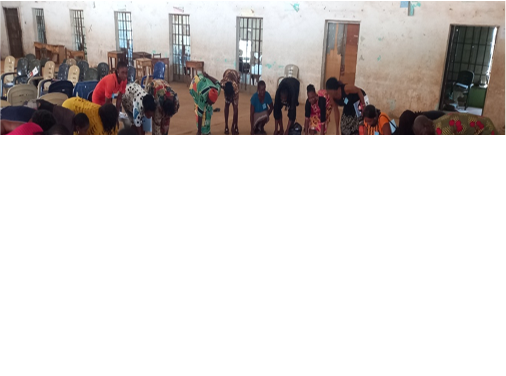
Many parents and caregivers need support to effectively define and convey theirvalues and expectations about sexual behavior and to communicate to their children important messages about HIV, sexually transmitted infections (STIs), and pregnancy prevention.

Understanding this challenge, South Saharan Social Development Organization in partnership with Caritas Nigeria is implementing the Families Matter! Program (FMP). The program is an evidence-based intervention for parents and caregivers of 9-12-year-olds that promotes positive parenting practices and effective parent-child communication about sex-related issues and sexual risk reduction.

It is a community-based, group-level intervention that raises awareness about the sexual risks teens face today. The project improves parents’ ability to effectively communicate with their children about sexuality and sexual risk reduction.

Over the last quarter, the implementation of a new session has commenced in Imo and Enugu states. The teams conducted advocacy visits and mobilized five cohorts in each of the assigned Local Government Areas (LGAs). They also reached out to various community and religious leaders and stakeholders to emphasize the program’s impact and sensitize them to its importance.

SSDO Partners With the Enugu State Ministry of Child, Gender, and Social Development
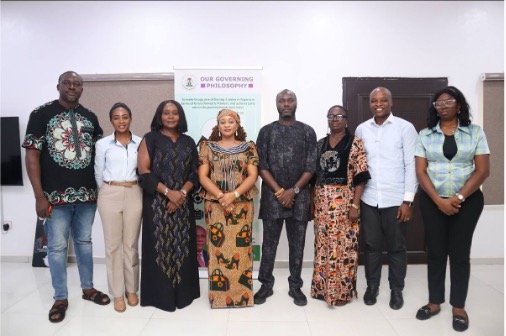
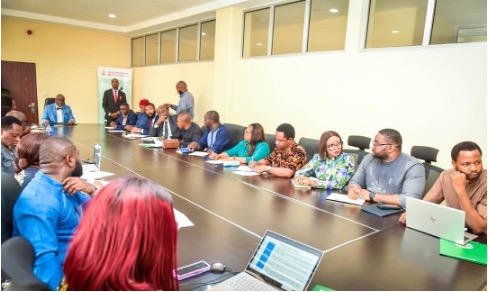
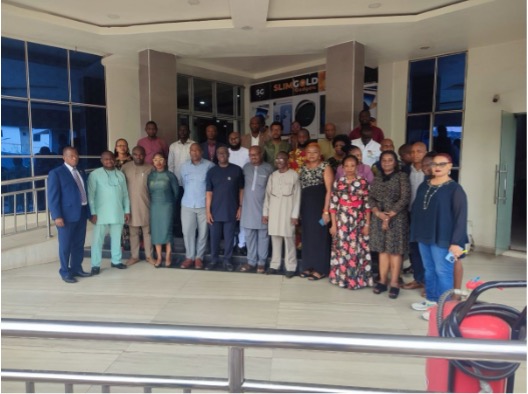
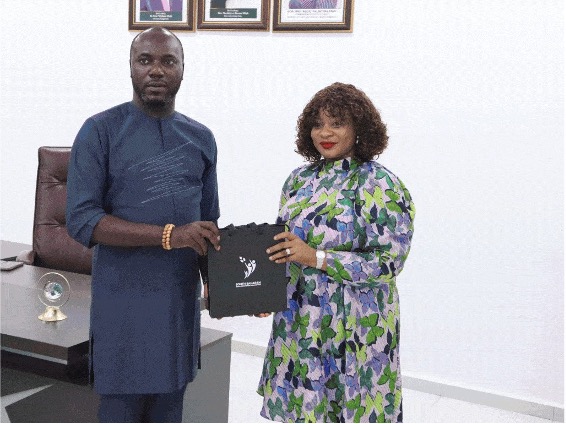
South Saharan Social Development Organization is collaborating with the State Ministry of Child, Gender, and Social Development. This partnership has formed the building block of tackling issues around areas of shared interest – gender-based violence, empowering women, and protecting the rights of vulnerable groups, especially children. SSDO’s team led by the Executive Director, Dr. Stanley Ilechukwu, had a planning meeting with the Commissioner of the Enugu State Ministry of Children, Gender Affairs, and Social Development, Hon Mrs. Ngozi Enih.

Key areas for deliberations were:

                        – Gender-based Violence in rural communities

                         – Women’s Economic Empowerment

– Exploitative Child Domestic Work (CDW)

Other stakeholders present include the ministry’s heads of department, SSDO’s Head of Programs, Udochukwu Egwim, and the Gender Programme Lead, Blessing Uchendu.

Jacob’s Well Empowers Women Entrepreneurs to Combat GBV and Poverty
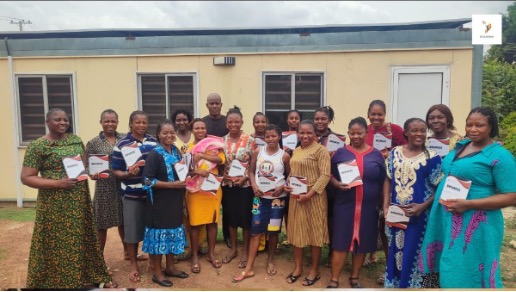
We understand that poverty lies at the heart of unreported cases of Gender-based violence (GBV) and women’s empowerment is one of the practical solutions to reducing the cases of violence against women. Understanding this, South Saharan Social Development Organization, through its Jacob’s Well program is providing micro-credit to female-owned small businesses. This will help women achieve financial independence and reduce poverty.

So far in 2024, 33 beneficiaries across four registered cooperatives got loans to grow their businesses. As part of our commitment to financial literacy, they were trained in risk management, savings culture, business record keeping, and cooperative management using the GIZ Nigeria & ECOWAS resource manual to help sustain and grow the venture. In addition, we’ve printed and commenced distribution of 1000 copies of our Business Record Book to enhance record-keeping practices among loan collectors, ensuring efficient management of finances and resources.

A sum of 8.3 million naira was disbursed to these women with no collateral required leveraging the social trust within the cooperative mechanism to ensure compliance across the board. We are happy to report that the various businesses are thriving and the beneficiaries are doing tremendously well.

    Technical Session and Stakeholder Engagement With Enugu State Government

South Saharan Social Development Organization participated in a technical session and stakeholder engagement with the Enugu State Government organized by ActionAid Nigeria. This 2-day event helped parties discuss areas of shared interest in tackling poverty and improving socioeconomic opportunities in the state, map out new areas of collaboration, and action plans to improve partnership with the state government.

SSDO’s Executive Director, Dr. Stanley Ilechukwu highlighted the need for policies addressing the need of specific demographics like youth, women, and children to be drafted and legalized. In the long run, subsequent governments can run with it. Thus, guaranteeing the security and sustainability of interventions.

Key stakeholders present include the Commissioner for Finance, Hon. Dr. Nathaniel

E. Urama, Commissioner for Children, Gender Affairs, and Social Development, Hon. Mrs. Ngozi Enih, Commissioner for Human Development and Poverty Eradication, Hon. Dr. Malachy Agbo, Special Adviser on Donor Relations, Hon. Dubem Onyia. After the technical session, the team proceeded on a courtesy visit to the Enugu State Deputy Governor, Hon. Barr. Ifeanyi Ossai to intimate him on the plan and get his assurances on the state’s support.

SSDO Establishes VSLA in Three Communities

Research shows that agriculture contributes about 25 percent to Nigeria’s GDP and employs nearly 70 percent of the country’s population. However, farmers still struggle with low productivity, the adverse effects of climate change, and limited financial access for smallholder farmers. This isn’t any different in Enugu state as farmers are plagued by limited resources and access to financial services, making it even more challenging for farmers to adopt sustainable farming practices.

Understanding this need, South Saharan Social Development Organization in partnership with ActionAid Nigeria, through the Strategic Partnership Agreement II program established three Village Savings and Loans Associations (VSLA ) in its project communities: Umuogili, Oduma Achara, and Ihenyi to help with the financial constraint.

VSLA is a self-select savings group that uses members’ savings to lend to each other so they can grow their businesses. VSLAs offer a community-based financial platform that empowers farmers to invest in sustainable agricultural practices. Through these community-driven financial solutions, farmers can secure the necessary funds to implement sustainable farming techniques, thereby contributing to the resilience and prosperity of agricultural communities in the region. The VSLAs has been successfully set up and farmers trained in financial literacy and entrepreneurship. The group has selected its executives and is fully operational. The group  will  be  monitored  to  proffer  technical  assistance  and  guarantee  theMapping out Strategies to Eradicate GBV, Child Abuse, and Trafficking in Enugu State

South Saharan Social Development Organization participated in a stakeholder meeting and sensitization visit organized by The Ministry of Children, Gender Affairs and Social Development Enugu for Enugu West Senatorial District to deliberate and map out ways to eliminate Gender Base Violence, Child Abuse and Trafficking and Promotion of Child Education in Enugu State.

SSDO’s Executive Director, Dr. Stanley Ilechukwu, at the stakeholder meeting, highlighted the need to engage the local government more on policy reform and formulation as they’re the closest governing body to the people. He emphasized the need to domesticate gender policies by tailoring them for better applicability to suit the needs of rural communities.

The sensitization visit to Udi LGA was an opportunity to build the capacity of the community on rape, child defilement, Female Genital Mutilation (FGM), and how to report cases of abuse. SSDO’s Gender Programme Lead, Blessing Uchendu, facilitated a session to educate the community on Female Genital Mutilation, its effects, how to report it, and the need for it to be clamped out in its totality.

SSDO Partners With Enugu State Ministry of Youth and Sports

South Saharan Social Development Organization is collaborating with the State Ministry of Youth and Sports. This partnership has formed the building block for tackling issues around areas of shared interest – youth empowerment, skill acquisition, and development.

During the past quarter, SSDO’s Executive Director, Dr. Stanley Ilechukwu, and the Head of Programs, Udochukwu Egwim, paid a courtesy visit to the Commissioner for Youth and Sports, Barr. Lloyd Ike Ekweremadu Jr.

The visit helped both parties discuss shared interests in youth development and empowerment. As well as strategize on areas where SSDO can support the ministry, especially as regards policy development and framework formulation.

The Honorable Commissioner assured the team of a sustained partnership and the Executive Director guaranteed the organization’s support to help improve youth empowerment and skill development in the state.

Sister Guardian Initiative Establishes VSLA In Awha-Ndi Agu and Ibute-Nze Communities

We understand that poverty lies at the heart of unreported cases of Gender-based violence (GBV). Most women are often afraid they will lose their economic support if they report. Women have a huge role to play in nation-building. Gender inequality, unpaid care, and a largely unskilled women’s group are some issues to name a few that hold them back.

Women’s empowerment is one of the practical solutions to reducing violence against women. Understanding this, South Saharan Social Development Organization, through its Sister Guardian Initiative is empowering women in both communities by establishing a Village Savings and Loans Association.

VSLA is a self-select savings group that uses members’ savings to lend to each other so they can grow their businesses. VSLAs offer a community-based financial platform that empowers women to invest in sustainable businesses. Through these community-driven financial solutions, women can secure the necessary funds to grow their enterprises.

The VSLAs have been successfully set up and women trained in financial literacy and entrepreneurship. The group has selected its executives and is fully operational. The group will be monitored to proffer technical assistance and guarantee the sustainability and effectiveness of the VSLA operations.

SSDO, WaterAid Conducts In-Program Evaluation and Monitoring Exercise

South Saharan Social Development Organization, in partnership with WaterAid Nigeria conducted a monitoring visit and assessment of the ongoing construction site in Mboshi-Aji community, and Ukwuinyi water scheme in Igbo-Eze North Local Government Area.

WaterAid’s Country Director, Evelyn Mere, was on the ground to assess the project facilities and visited stakeholders encouraging them to see WASH as not just a developmental issue but an opportunity to create job opportunities.

The team also conducted an in-program evaluation of the hygiene behavior change campaign to assess the progress, challenges, and outcomes of the campaign among community members in Mboshi-Aji community, Igbo-Eze LGA.

This helped the team to identify key knowledge gaps and understand how targeted hygiene behaviors have been adopted and sustained within the community. As well as to identify key barriers in areas where the hygiene behaviors have not been adopted.

SSDO Supporting Enugu State to Develop the Enugu State Youth Policy

Research shows that about 60% of Enugu state population is under 30 with 23% specifically aged 15 to 29. This burgeoning demographic presents an opportunity and a challenge for the state. Currently, youths struggle with unemployment, poor

access to education, insecurity, and inequality. This highlights the urgent need for aframework that puts the youth at the center of development processes.

Understanding this challenge, South Saharan Social Development Organization in partnership with ActionAid Nigeria is facilitating the development of the Enugu State Youth Policy. The proposed Enugu State Youth Policy aims to address critical issues the youth face and create an enabling environment for their growth and development.

Members of the Technical Working Group include Technical Adviser to the Enugu State Commissioner for Youth and Sports Development, Director, Planning, Research and Statistics, Ministry of Youth and Sports, Technical Adviser, Enugu State Economic Planning Commission, civil society organizations, and media.

SSDO Commemorates World Environment Day at The University of Nigeria

Climate change, driven by greenhouse gas emissions from human activities, is a global crisis manifesting in rising temperatures, altered precipitation patterns, severe weather events, and sea level rise. These changes pose significant risks to ecosystems, human health, food security, water resources, and economic stability.

In Nigeria, the impacts of climate change are evident in desertification, land degradation, increased flooding, and reduced agricultural productivity. Enugu State faces challenges such as disrupted agricultural activities, soil erosion, land degradation, and an increased prevalence of waterborne diseases due to altered rainfall patterns and rising temperatures.

South Saharan Social Development Organization with support from ActionAid understanding this challenge took the initiative to implement a one-day sensitization outreach and climate policy dialogue session at the Faculty of Environmental Studies, University of Nigeria, Enugu Campus.

The aim of the event was to enhance environmental sustainability, raise awareness, and encourage proactive environmental stewardship among students. This is crucial for promoting sustainable development and building resilience against the adverse impacts of climate change. Continue Reading.

SSDO Commemorates Menstrual Hygiene Day 2024

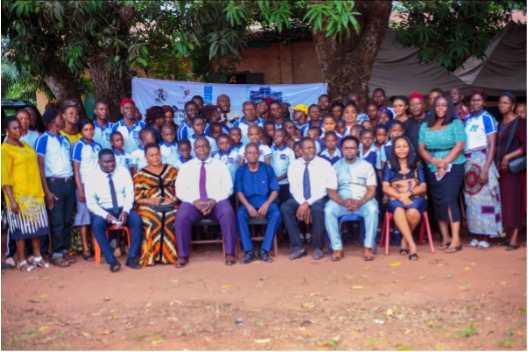
South Saharan Social Development Organization, in partnership with WaterAid Nigeria , commemorated Menstrual Hygiene Day under the theme, “Together for a Period Friendly World.” The team organized a 2-day menstrual hygiene management education and sanitary pad-making program at Community Secondary School, Iva Valley, Enugu.

Stakeholders present include Commissioner for Water Resources, Dr. Felix Nnamani, Commissioner for Children, Gender, and Social Development, Hon. Mrs. Ngozi Enih, Special Adviser on Donor Relations, Hon. Dubem Onyia, Senior Special Assistant on Social Culture, Dera Okenwa, WaterAid Country Director, Evelyn Mere represented by the Enugu State Team Lead, Mr. Solomon Akpanufot among other dignitaries.

The event was an opportunity to trigger the government and secure their buy-in onmenstrual hygiene policy and guidelines. The engagement increased knowledge and

understanding of menstrual hygiene, debunked myths and misconceptions, and challenged stigmas surrounding menstruation.

Students were taught in a participatory and inclusive approach how to make reusable sanitary pads. The school outreach was an opportunity to raise awareness and promote proper menstrual hygiene practices among female students. Male students were also sensitized as brothers, future fathers, and uncles so they knew how to help out.

SSDO Organizes a Green Skills Boost Workshop and Internship Program

Plastic waste is a growing global concern, with millions of tons of plastic ending up in landfills, oceans, and the environment annually, with an estimated 300 million tons of plastic produced annually, half of which is designed for single use.

In Nigeria, 32 million tons of waste are generated annually, of which 2.5 million tons are plastic. In Enugu State, plastic waste is a significant contributor to environmental pollution, clogging waterways, and posing health risks to communities.

Understanding this challenge and the need to remediate it, South Saharan Social Development Organization in partnership with ActionAid Nigeria organized a Green Skills Boost Workshop and Internship program. The initiative aims to address the dual challenge of youth unemployment and environmental degradation. Continue Reading.

Upcoming Event

Tax audit management and compliance are crucial aspects for NGOs to ensure transparency, accountability, and adherence to legal requirements. Effective tax audit management and compliance help NGOs avoid legal penalties and build trust with donors and stakeholders, thereby supporting their mission and operational sustainability.

Join us to find out how to navigate these waters better.
06/19/2024 – A Mother’s Resilience

Gender-based violence (GBV) remains a pervasive issue in Nigeria, affecting countless women and girls across the country. Despite ongoing efforts to combat this scourge, many continue to suffer in silence, enduring physical, emotional, and

psychological abuse. The effects of GBV on victims are profound, often leading to long-term trauma, health complications, and a pervasive sense of fear and helplessness. In addition to the immediate harm inflicted, victims frequently face societal stigmatization, further isolating them and complicating their paths to recovery and justice.

In the face of such adversity, the story of Juliet Ngene stands out as a poignant example of resilience and the transformative power of dedicated support systems. Juliet, a mother of five, endured relentless abuse and unfounded accusations from her husband. Her journey, marked by separation from her children and prolonged suffering, highlights the critical role that organizations like the South Saharan Social Development Organization (SSDO) and the National Agency for the Prohibition of

Trafficking in Persons (NAPTIP) play in supporting victims of GBV.

Through their efforts, Juliet was ultimately reunited with her children, showcasing a powerful narrative of hope and recovery amidst the pervasive issue of gender-based violence in Nigeria.

Juliet Ngene is a devoted mother of five and a tailor. Her husband who is supposed to be the family’s breadwinner is a bricklayer, whose job is seasonal. To make ends meet and support her family, she travels to Onitsha to buy materials which she resells in Enugu. From her proceeds, she caters to feeding and also pays the house rent. Sometimes, she also loans her husband money to help him sort out other bills.

Things took a harrowing turn when Juliet’s husband’s attitude changed towards her. He became abusive and leveled unfounded accusations against her.

Due to the nature of her job, she had to make several trips to purchase materials. And as a result on some occasions won’t be able to make it back home. On those occasions, she’d stay with her sister in Onitsha.

“He kept accusing me of sleeping with other people. And he knows I have to make those trips to support the family. I will explain myself to him and that in itself will be a precursor for slaps and heavy beatings,”

“I have told him that anytime I can’t make it home I’d stay at my sister’s, then come to Enugu the next day. That didn’t seem to help. If I come home late due to the distance, he would insult me that I have gone out with my lovers. I couldn’t do anything right in his eyes,”

“No matter what I said, he never believed me. Going home after work became a nightmare,” she shared. His accusations were a pretext for driving Juliet out of their home in Enugu.

The husband reported the case to the kinsmen who summoned the wife and her sister to the meeting. She gave her side of the story which the elders fact-checked with the sister. Despite her honest explanations and the corroboration from her sister, who confirmed she stayed with her during late returns from business trips, her husband remained unyielding.

Desperate to sever ties, Juliet’s husband took drastic measures. He seized control of the properties, most of which Juliet had purchased, and took their children away. He dispersed the children among his relatives, sending three to Abuja and the two girls, Blessing, 16, and Divine, 11, to his sister in Ngwo, Enugu. For months, Juliet was cut off from her children, unable to contact them or ensure their well-being. Lost and confused, she decided to visit her husband’s village to complain about his actions. And to also make inquiries and find out where are kids are But this yielded no results.

were malnourished and poorly cared for. When she attempted to take them with her, her husband threatened her, stating, “If I ever see you close to this place, I will deal with you.”

To worsen matters, she realized that her husband’s sister who had custody of the girls sent one to go and live with someone else in Anambra. SSDO’s Gender Officer discovered this while interviewing the older girl Blessing, “I would have run away from my aunt’s house, but I couldn’t because I didn’t know where my sister was taken to. I was scared and worried for her.”

Despite the threats, Juliet persisted. Her search for assistance led her to SSDO. The Gender Protection Lead at SSDO connected her with NAPTIP, and together they began the arduous process of reuniting Juliet with her children. By May 23, their relentless efforts bore fruit, and custody of her children was restored to Juliet.

Juliet’s prolonged struggle was exacerbated by her health issues, which left her bedridden and unable to search for her children sooner. “I was very ill and couldn’t move for days. It was only after my recovery that I could start looking for my children,” she explained.

After two grueling years of separation, malnourishment, and emotional pain, Juliet was finally reunited with her daughters, thanks to the unwavering support of SSDO and NAPTIP. Overwhelmed with gratitude, Juliet expressed, “I cannot appreciate SSDO enough for their efforts. Only God can repay you back. I am very happy and grateful.”

Juliet Ngene’s story underscores the critical role of organizations like SSDO in combating gender-based violence and advocating for the rights and well-being of vulnerable individuals. Her journey from despair to reunion is a powerful reminder of the resilience of the human spirit and the profound impact of compassion and advocacy in transforming lives.

06/04/2024 – The National Anthem Bill; A Facade?

On the 29th of May, 2024, the President of the Federal Republic of Nigeria, Bola Tinubu, passed the National Anthem Bill, a proposition to revert to the 1960 National Anthem into law. This means effective from now for official purposes, the “Nigeria We Hail Thee” tune will rent the airwaves in place of “Arise, O Compatriots.”

Many questions come to mind as to the purpose of this reversal. Why now? To what end? What will it achieve?

The “Nigeria We Hail Thee” anthem was written by Lilian Jean Williams and composed by Frances Berda, and one of the numerous criticisms it received before it was replaced was that foreigners created it. But 48 years after its change, it has now been passed into law as the newly recognized National Anthem.

Senator Bamidele Opeyemi proposed the bill on the floor of the Senate while Hon. Julius Ihonbvere did same on the floor of the House of Representatives. Part of the reasons for the new bills is that it’s a better reflection of national unity and a better representation of the President’s vision. Some say the old anthem (Nigeria We Hail Thee) evokes a better sense of patriotism and that the new anthem somewhatreinforces the pain and struggles associated with the military era.

However, amidst the present country’s economic woes and struggles, it begs the question if this is the right move. Inflation is eating deep into the country’s fabric. The purchasing power of the people is ever so drastically diminishing, and the elected officials who have the power to influence decisions choose to prioritize a matter that has little or no importance to the lives of Nigerians. With the pressing insecurity, you can’t help but wonder if this should be taking precedence in the country’s highest legislative body.

Interestingly, it is worth noting that this bill passed the first, second, and third reading on the same day, Thursday, last week. If the legislative arm can swing into action on a matter with such speed, precision, and emphasis, why then do more pressing bills that have a direct bearing on the people take weeks or months before being passed?

Case in point, The Not Too Young Too Run Bill was proposed to the Senate in 2016, approved in 2017, and signed into law in 2018. The Petroleum Industry Bill has been in and out since 2008 before being passed in 2019. The Electoral Amendment Bill was passed in 2022 since 2010 after three major elections in between. The Police Reform Bill has also been proposed to the legislative arms at different times but finally got approved in 2019.

On the other hand, one can say this move shows zero consideration for the public. With how quickly it was proposed and passed, there was little to no consultation and zero regard for public opinion. If there is anything that Nigerians have a sentimental bias for, and for right reason, it is the National Anthem. Over 50 percent of the country’s current population was born into the dispensation of the “Arise O Compatriots” anthem. To take that away from them on the grounds that the older one has more appeal and signifies better national unity doesn’t seem a good enough reason.

But more concerning is that seeing how little to no regard is given to the public’s input in matters of such sentimental weight, how much more when it comes to more pressing issues? The legislative arm is supposed to give enough time for the public to opine their view on bills before they are passed. But with the way this was expedited and passed, what will be the hope of the masses for more weightier matters?

Then you can’t help but wonder if there isn’t a flaw in the legislative process and room for public hearings. The National Assembly is at the FCT and when there are public hearings, how many people can attend? Should the legislative bodies not look to leverage technology to improve inclusivity in its process? Surely they’ve been selected to be the mouthpiece of the people on critical matters, but one man cannot Some other schools of thought see this move by the government as a grand PR scheme to deviate and take the people’s attention from a holistic evaluation of the performance of this government in the past year in office. The country’s inflation rate rose to 33 percent in April 2024 and the food inflation rate jumped to 40 percent. A major cause of food inflation is the insecurity the country has been facing. Farmers are scared to go to the farms as there’s been a rise in killings, abductions, and kidnappings, especially in the hinterlands.

Major multinational corporations have stopped operations in the country due to the high cost of operations and difficulties in breaking even caused by the current foreign exchange and devaluation of the naira. Nigerians’ purchasing power has been reduced. People earn the same but can buy less. The country’s production level is shrinking on a daily and something needs to be done about this quickly. Maybe if the current government is taking strides to actively solve these issues and the legislative bodies are not pandering to pass the National Anthem Bill, then Nigerians would have little worry about a sentimental bill.

04/16/2024 – Empowering Communities for Resilience and Development

Dearest Gentle Reader,

We are delighted to present you with the first edition of our quarterly newsletter for the year 2024. This newsletter serves as a window into the impactful projects, collaborations, and initiatives that have shaped our efforts toward sustainable development and positive change.

At the heart of our endeavors lies a deep-rooted belief that meaningful participation in governance and development can only be realized through economic, political, and social empowerment. With this vision steering our actions, SSDO diligently provides platforms, services, and skill sets that empower marginalized groups to excel, ensuring an improved quality of life for all.

As we navigate through the stories and achievements showcased in this newsletter, we invite you to join us in our mission to make development happen for women, youth, and children through good governance and education. Thus creating lasting social impact, fostering environmental sustainability, and empowering communities toward a brighter and more resilient future. Thank you for your continued support and partnership in advancing positive change.

Without further ado, let’s delve in.

Climate Advocacy Forum and Press Conference

We conducted key informant interviews with relevant Ministries, Departments, and Agencies (MDAs) to further assess the government’s commitment to combating climate change and the implementation of climate-related activities within the state budget.

This will increase stakeholder awareness and facilitate dialogue and collaboration. More importantly, this will trigger positive actions to be taken to improve the state’s proactiveness to climate change matters.

For more details on the press conference: https://youtu.be/8XJ7XiRKn3A

Community Accountability Committee Budget Tracking and Monitoring Report

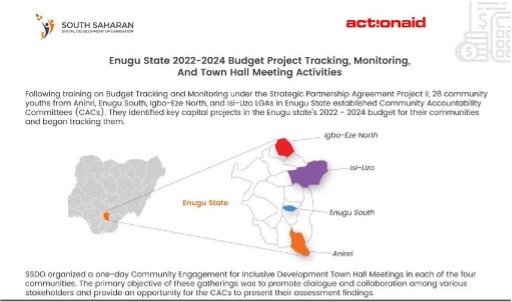
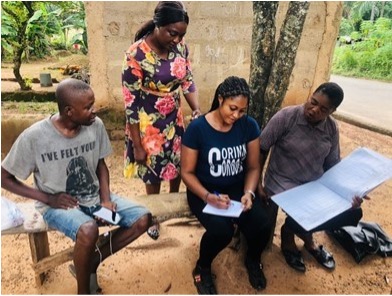
Following the training on budget tracking and monitoring under the Strategic Partnership Agreement Project Phase II, 28 community youths from four LGAs established Community Accountability Committees (CAC). They identified key capital projects earmarked for their communities and tracked their progress.

The youths embarked on the capital project monitoring and successfully identified these projects and their current states. The committees have also sent their monitoring reports to their respective LGA Chairmen. After the CAC completed the project tracking and monitoring, they proceeded to present their findings to the community members and stakeholders during the LGA town hall meeting.

The team also identified major needs to be considered in subsequent allocations. Here are the findings and state of projects in these communities. You can download the report here: https://southsaharan.org/resources/

Studies show that 60.3% of Enugu State’s population are farmers. However, traditional farming practices face imminent threats from land degradation, erosion, flooding, and the adverse impacts of climate change. Land degradation, stemming from soil erosion and deforestation, has decreased soil fertility and reduced agricultural productivity.

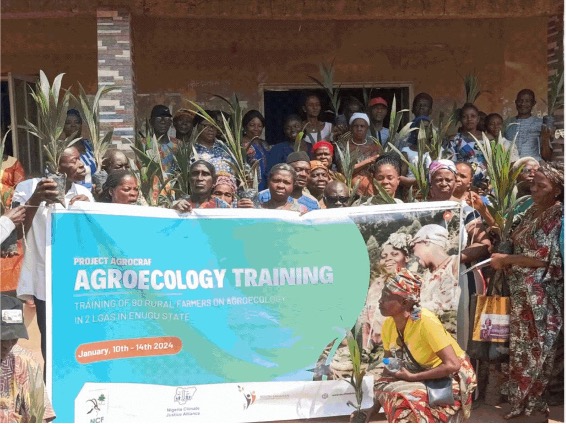
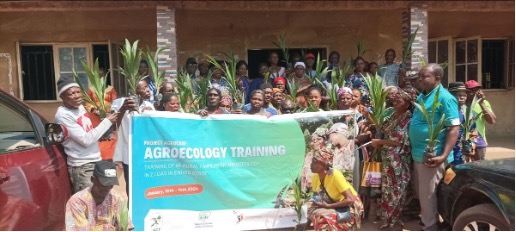
Understanding this challenge, South Saharan Social Development Organization in partnership with NCF Nigeria, and the Nigeria Climate Justice Alliance implemented the Agroecology for Climate Resilience and Food Security (AGROCRAF) project. The project aims to enhance farmers’ resilience and sustainability in Enugu state’s rural communities.

The team organized a workshop over a four-day period from January 10th to 13th, 2024, in two communities: Eke in Udi Local Government Area (LGA) and Amagu Oduma in Aninri LGA, Enugu State. Ninety farmers from both communities participated in the training and were provided with improved seedlings to help improve their yields. The training covered topics such as soil conservation, sustainable water management, reduction in the use of agrochemicals and composting, pest control, multiple cropping, rotation, intercropping, guiding farmers through establishing cooperatives and securing grants and loans.

Enugu State Wash Sector Coordination Meeting

The success of any project is hinged on the ability of the stakeholders to liaise effectively to deliver cross-cutting solutions that will ultimately improve the lives of beneficiaries.

Understanding the importance of partnership to the growth of the Water, Sanitation, and Hygiene (WASH) sector in Enugu state, South Saharan Social Development Organization, in partnership with WaterAid Nigeria, organized a WASH sector coordination stakeholder engagement in collaboration with the Society for Water and Sanitation (NEWSAN) Enugu State chapter, and the Enugu State Small Town Water Agency (ENSTOWA) –Ministry of Water Resources.

The meeting’s objective was to remove sectional barriers in WASH-related interventions across the state and to promote multi-sectoral, structured, operationalized, measured, and evaluated WASH services in the state. Stakeholders present include the Commissioner for Water Resources, Dr. Felix Nnamani, Special Adviser to the Governor on Donor Relations, Hon. Dubem Onyia, Permanent Secretary – Ministry of Water Resources, Dr. Ada Nwoye, civil society organizations, government agencies, and media agencies.

Going forward, the group hopes to integrate the various organizational work plans into the government’s plan, identify schools lacking sanitation facilities, and provide the infrastructure. Ultimately, improving access to water and sanitation facilities in the state.

Commissioning of the Karonmajigi Water Project for the Persons With Disability Settlement

In Nigeria, more than 60 million people do not have access to basic water supply. Over 12 million people lack access to toilet facilities. 29 percent of children do not have water to meet their daily needs. Thus affecting their ability to attend school and wash their hands properly to fight off diseases. For people living with disabilities, the impact is even more severe.

The lack of access to water increases open defecation in communities. This pollutes the environment, contaminates water sources, and exposes the community to diseases like cholera, diarrhea, and dysentery.

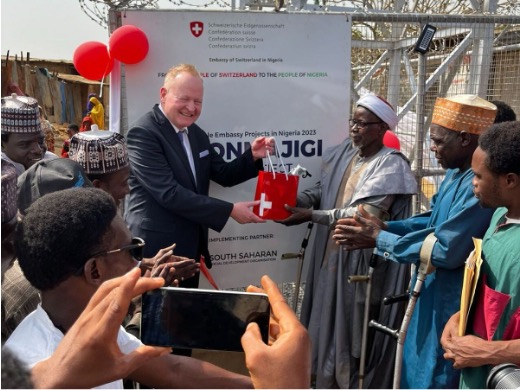
Understanding this problem, South Saharan Social Development Organization, in partnership with the Embassy of Switzerland in Nigeria, constructed a 10,000-liter solar-powered borehole for the Persons with Disabilities Settlement in Karonmajigi, Abuja. The project was commissioned on the 13th of February 2024 with the Deputy Head of Mission at Embassy of Switzerland in Nigeria, Mr. Lukas Schifferle, in attendance to open the project.

The team also constructed a 380-meter drainage to help channel out wastewater and prevent stagnation. Thus improving sanitation and hygiene in the community. The project looks to provide water to over 5,000 residents of the community. The intervention will reduce the incidence of water-borne diseases like cholera and diarrhea. Continue Reading.

SSDO, WaterAid Nigeria Organize Hygiene Behavior Change Campaign

South Saharan Social Development Organization, in partnership with WaterAid Nigeria, organized a community engagement event under the Latter-Day Saints Charity Project (LDSC) III. The project’s goal is to improve access to clean water and hygienic sanitation in communities of Enugu state.

This event marked the initiation of the Hygiene Behavioral Change (HBC) campaign, a crucial component of the larger LDSC III project. The campaign took place at the Community Primary School Mboshi-Aji, with active participation from various demographics within the Mboshi community.

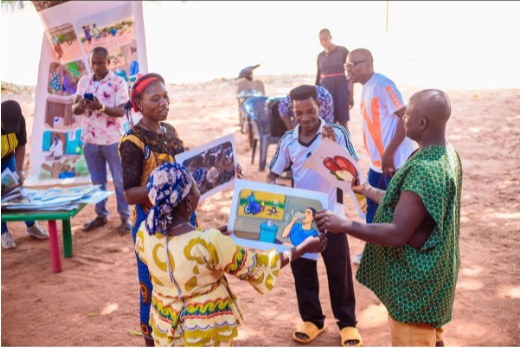
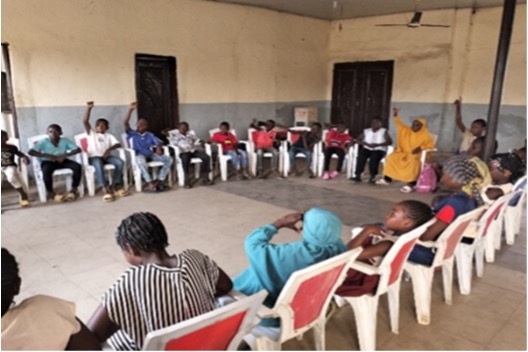
The community engagement event was strategically divided into two groups, fostering effective interaction and engagement. It was an avenue to teach hygiene education. This encompassed proper handwashing techniques, practices, and sanitation and waste management. Men, women, and children were well represented and contributed to the success of the event.

SSDO Becomes a Founding Member of the Enugu State Donor Coordination Committee

South Saharan Social Development Organization, SSDO, was nominated as a worthy member of the Enugu State Donor Coordination Committee. At the inaugural meeting, Dr. Stanley Ilechukwu, SSDO’s Executive Director reiterated the organization’s commitment to align its key projects with the state’s priorities in an effort to optimize resource allocation. This will help limit overlaps, waste, and underutilization of resources, and enhance desired development outcomes set forth by each of the donor agencies.

The committee would help to provide strategic guidance and oversight for donor- funded initiatives, and ensure alignment of donor activities with the state’s development priorities and plans. The committee will also foster synergy and avoid duplication of efforts among donor agencies and partners, and assist in monitoring and evaluating the effectiveness and impact of donor-funded projects.

SSDO Commemorates International Women’s Day 2024

Studies have shown that increased women’s representation in leadership positions has helped to reduce marginalization and discrimination as women in power can better advocate and present the needs of other women. SSDO organized a radio sensitization program to celebrate the wins of Sister Guardians and to share their stories, challenges, and journeys since they were elected to the traditional ruling councils in their communities. Also to advocate for more diversity in leadership opportunities for women.

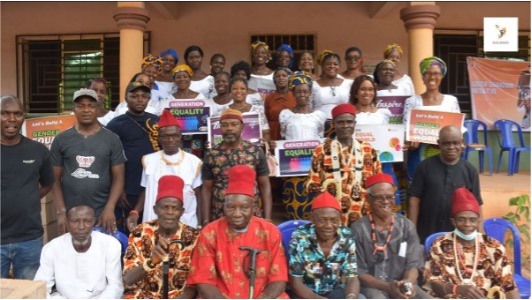
To further see better women inclusion in more communities, SSDO organized a stakeholder engagement workshop in Udi LGA, Enugu state. The workshop was an avenue to highlight the importance of women’s inclusion and women empowerment at the community level. The workshop had traditional rulers, president generals, women leaders, and community members in attendance. Continue Reading.

SSDO, Caritas Nigeria to Implement the Global Fund Grant Cycle 7 Tuberculosis Project

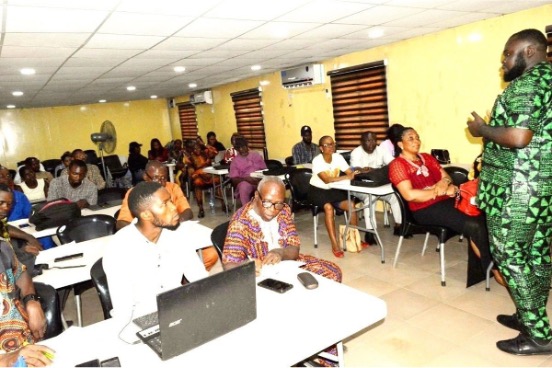
South Saharan Social Development Organization in partnership with Caritas Nigeria, will be implementing the Global Fund Grant Cycle 7 Tuberculosis (TB) project in Enugu State. To successfully deliver on this project, the team had an onboarding meeting for community-based organizations that will help in the implementation.

During the meeting, participants were intimated on the project’s objectives which include focusing on increasing TB and HIV testing coverage, mapping traditional birth attendants’ sites, enhancing TB/HIV prevention and treatment services, expanding HIV testing for pregnant women, and scheduling TB testing activities.

Furthermore, participants were trained in using the Comm Care Application software, which aids client tracking and support through registration forms and checklists.

SSDO, WaterAid Nigeria Commemorates World Water Day 2024

To commemorate World Water Day 2024, South Saharan Social Development Organization in partnership with WaterAid Nigeria and the Enugu State Ministry of Water Resources through the Small Town Unit commenced the construction of a 20,000-gallon water scheme in Mboshi-Aji community, Igbo-Eze LGA funded by Latter Day-Saints Charity Project.

The foundation-laying ceremony signifies the outset of a transformative endeavor aimed at enhancing water accessibility and fostering community development. The water scheme will help to reduce open defecation and keep Enugu on course to achieve an open defecation-free status by 2030.

The project will help combat poor sanitation, infectious diseases, malnutrition, and help community children focus more on their education as the distraction of going long distances to draw water will be eliminated.

Tackling and Insecurity and Human Rights Violations in SouthEast Nigeria

South Saharan Social Development Organization participated in the launch of the report “Unveiling the Roots of Insecurity, Healing the Wounds of Human Rights Violations in Southeast Nigeria: A Path Towards Peace, Open Democratic Space, and a Prosperous Future”

The report was published by the Rule of Law and Accountability Advocacy Centre (RULAAC) in partnership with the Action Group on Free Civic Space (AGFCS). Some of the recommendations of the report include:

  • The government should shift focus from using the military to the police force to maintain law and order in civilian areas.
  • High priority should be given to Police reform.
  • A robust security plan should be developed.
  • The government should uphold the socioeconomic and cultural rights of people in the southeast.
  • Improve investigation of human rights abuse in communities by leveraging vigilante groups.
  • Hold vigilante groups accountable and ensure they operate within the confines of the law.
  • Incorporate human rights training for all levels of policing.

Reducing Sexual Risk in Children by Improving Parent-Child Communication

Many parents and caregivers need support to effectively define and convey their values and expectations about sexual behavior and to communicate to their children important messages about HIV, sexually transmitted infections (STIs), and pregnancy prevention.

Understanding this challenge, South Saharan Social Development Organization in partnership with Caritas Nigeria is implementing the Families Matter! Program (FMP). The program is an evidence-based intervention for parents and caregivers of 9-12-year-olds that promotes positive parenting practices and effective parent-child communication about sex-related issues and sexual risk reduction.

It is a community-based, group-level intervention that raises awareness about the sexual risks teens face today. The project improves parents’ ability to effectively communicate with their children about sexuality and sexual risk reduction.

Over the last quarter, the implementation of a new session has commenced in Imo and Enugu states. The teams conducted advocacy visits and mobilized five cohorts in each of the assigned Local Government Areas (LGAs). They also reached out to various community and religious leaders and stakeholders to emphasize the program’s impact and sensitize them on its importance.

01/09/2024 – Empowering Lives, Transforming Communities

Happy New Year!

As we step into the promising dawn of a new year, South Saharan Social

Development Organization (SSDO) extends heartfelt gratitude for your continued support in our mission to make development happen for women, youth, and children through good governance and education. As we reflect on the transformative year that was, we are thrilled to share a glimpse into the profound impact of our initiatives in our latest quarterly newsletter.

Throughout 2023, SSDO, in collaboration with our esteemed partners, ActionAid Nigeria, WaterAid Nigeria, and Latter Day Saints Charity, spearheaded a range of projects addressing crucial aspects of community development. From empowering women through peer education to revolutionizing agriculture with agroecology, our endeavors have touched the lives of individuals and communities, fostering resilience, sustainability, and empowerment.

This newsletter encapsulates the stories of empowerment, resilience, and progress that unfolded in Enugu state. As we delve into the narratives of empowered women, thriving businesses, improved education infrastructure, and sustainable health

initiatives, we hope this newsletter serves as a testament to the collective impact we have achieved. Together, we are rewriting the narrative of communities, ensuring a future where equality, justice, and opportunity are accessible to all.

Thank you for being an integral part of our journey. We look forward to another year of collaboration, resilience, and positive change.

Commemoration of the International Day of the Girl Child 2023

The International Day of the Girl Child is a global observance dedicated to highlighting the challenges faced by girls worldwide and promoting their empowerment and rights. This year’s theme is “Digital Generation; Our Generation” emphasizing the role of digital technology in empowering and shaping the lives of

The event commenced with a debate on the Pros and Cons of Internet Usage for Schoolchildren. The girls engaged in a meaningful discussion that encouraged them to think critically and make informed decisions when navigating the digital world. Dr. Celestina Aga, Director, Enugu State Ministry of Agriculture, led the session on climate change and educated the pupils on climate change adaptation through agroecology.

Following the climate change session, an environmental health club was inaugurated. The team then proceeded to conduct a tree-planting exercise. The girls were provided with a three-month supply of sanitary pads to help ensure they continued their education without disruptions. Barrister Ubok Ameh facilitated a career talk session highlighting the vast possibilities and opportunities in science, technology, engineering, and mathematics.

Transformative Empowerment: A Tale of Resilience and Progress

This piece delves into the poignant narrative of a community grappling with the multifaceted impact of poverty on its women. It unfolds the pressing need for empowerment, as the women yearned for opportunities that would break the shackles of financial deprivation and dismantle the barriers restricting their potential.

In the face of these challenges, the community found an unexpected ally in South Saharan Social Development Organization, SSDO, an organization that became a beacon of hope, introducing the transformative Sister Guardian Initiative and Economic Empowerment. This is a tale of dreams taking flight, a community transcending adversity, and the remarkable journey toward empowerment that has forever altered the landscape of the community.

“In our community, women are not given land to farm like the men. This was a huge challenge to my goal of becoming a rice farmer. And this worsened an already dire

Stakeholders present include Hon. Commissioner of the Ministry of Water Resources, Health, Education, and Gender, the Special Adviser to the Governor on Donor Relations, the Chairperson of the House Committee on Water Resources, the Special Adviser of Enugu State Water Corporation, the Executive Chairman of Igbo Eze North LGA, and the Executive Chairman of Enugu State Universal Basic Education Board, and representatives from Joint Association of People with Disability (JONAPWD).

The project was officially launched on the 14th of November 2023, and offered a unique opportunity to enlighten stakeholders, raise media awareness, and develop a suitable implementation strategy across the state. This was also a medium for public stakeholders to reemphasize the government’s commitment to initiate the provision of potable water in the first 180 days in office.

leveraging avenues to improve socioeconomic and human rights benefits for our project beneficiaries.

To this end, South Saharan Social Development Organization, SSDO, is expanding the Sister Guardian Initiative, SGI, to SGI-Plus. This new initiative will pursue additional rights issues affecting women at the community level, as we understand that for behavioral change to be effective it must be holistic. The Sister Guardians at the community level will identify, prioritize, and advocate to public and private partners for resolution.

While not neglecting the importance of a livelihood component from which women draw income to pursue their social transformative interventions, the SGI-Plus will introduce the Village Savings and Loans Association, VSLA, component to achieve this aim. The SGI-Plus will kickstart in nine communities in Enugu state and will scale up from there.

On the 12th of December, SSDO organized a workshop to unveil and introduce SGI- Plus to the Sister Guardian executives and communities. The workshop was an avenue for the SGI executives to give a progress report. They were tasked to identify three most pressing problems in their communities that will be tackled going forward. This participatory measure will guarantee a human rights-based approach and form the crux of issues that will be addressed.

Building the Climate Capacity of Communities in Enugu State

Climate change is a pressing global issue that particularly endangers the well-being of individuals worldwide, particularly women and youth. Today, young people face consistent exposure to the consequences of climate change, which makes them vulnerable due to factors like limited ownership of productive assets, unemployment, and various other challenges.

To address these knowledge gaps and empower the youth and communities in Enugu State, South Saharan Social Development Organization, in partnership with ActionAid Nigeria under the Strategic Partnership Agreement II Project, organized a one-day Capacity Building Workshop in Oduma Achara in Aninri LGA and Umuogili in Igbo Eze North LGA, Enugu state.

Recognizing the global importance of engaging youth in the fight against climate change, both in policymaking and implementation, the training equipped participants with insights into the impact of climate change on the livelihoods of young people in these regions. It also empowered youths for climate action, fostered local solutions and engagement, and identified mitigation and adaptation measures.

SSDO, ActionAid Presents Thirty Desks to Three Schools in Enugu State

victims are children. Unfortunately, many public primary schools in rural communities of Enugu State lack sufficient classroom furniture, forcing students to sit on the floor or share limited seating arrangements. This situation hampers students’ ability to concentrate, participate actively, and achieve their full potential.

Understanding this need, South Saharan Social Development Organization, in partnership with ActionAid Nigeria through the Local Rights Programme, is doing its part to improve education in marginalized communities. The project provided ten 6- seater desks each for Igga Community Primary School, Uzo-Uwani LGA, Unity Community Primary School, Ameke-Ani, Ani-nri LGA and Ihenyi Community Primary School, Isi-Uzo LGA.

In a ceremony on the school premises on Thursday, 2nd of November 2023, the Igga Community Primary School headmaster expressed his gratitude by thanking the organizations for their effort. “We extend our heartfelt appreciation for the desk delivery. Previously, 35 students had to share 10-15 single desks or two or three desks, severely impacting their learning experiences. The scarcity created intense competition among students, hindering educational progress. We anticipate a significant enhancement in the school’s educational quality and expect increased student retention.”

Empowering Women Through Peer Education

Monitoring and evaluation is critical to the success of any intervention. It helps improve evidence-based decision-making, improved performance, better resource allocation, quality assurance, real-time learning, and long-term sustainability. Understanding this need, South Saharan Social Development Organization, in partnership with ActionAid Nigeria, conducted monitoring and evaluation visits to various project sites under the Local Rights Programme to ascertain the progress made on the project. The monitoring evaluated the progress of the women’s peer education groups.

The impact of the women peer education group was analyzed using the women’s peer resource checklist. The women have adopted new sanitation practices, they are more aware of the effects of child marriage, and more women are now included in decision-making processes at the community level. The women have successfully integrated the women peer education teachings to their women’s monthly village meetings thus reaching more women.

One woman happily shared, “I learned personal hygiene, and I am grateful for this meeting. Before now, I wear my farm cloth for days because I believed that it’s work cloth. At times I can wear it for a week with all the dirt and sweat on it, even when I come back from work I don’t bathe in the night. I noticed I used to have rashes and I always get angry, my body was always peppering me, and I hardly sleep well at night. But after these lessons, I started bathing two times a day and washing my clothes every day, the rashes stopped appearing, I am more relaxed because I am sleeping better and my life is better in general.”

World Toilet Day

World Toilet Day is recognized worldwide as a day to raise awareness about sanitation and hygiene and to advocate for an Open Defecation-Free society. This year’s theme, “Accelerate Change,” underscores the journey towards achieving SDG 6 – Clean Water and Sanitation for everyone.

To mark World Toilet Day 2023, South Saharan Social Development Organization (SSDO), in partnership with WaterAid Nigeria, constructed and officially launched male and female WET toilets at Community Primary School (CPS) Ukwuinyi, Igbo Eze North LGA, Enugu State. Other stakeholders that facilitated the development include Enugu State Universal Basic Education Board (ENSUBEB), Enugu State Ministry of Water Resources (STU), and Igbo Eze North LGA WASH unit.

Additionally, hygiene behavioral change exercises were conducted for pupils and teachers helping to reduce risk factors and promote healthy behaviors and practices. The pupils were taught the six critical times to wash their hands, alongside the techniques for handwashing among other things. Community stakeholders thanked the project partners for the intervention and promised to manage the facility properly.

“I want to thank WaterAid and other partners. This project will be very beneficial to the children. It will help eliminate the dangers associated with defecating in the bush. The kids will also be able to wash their hands more frequently, thus improving their hygiene,” a community elder shared.

SSDO Working on the Frontline to Eliminate Violence Against Women

In our society, cultural beliefs often perpetuate barriers that treat women as unequal to their male counterparts. These norms and practices have created a gap that subjects women to unending violence. Recent times have exacerbated risk factors for Violence Against Women and Girls (VAWG). Issues such as food shortages, unemployment, economic insecurity, and social unrest have contributed to an alarming increase in various forms of violence.

We recognize the urgency to address these challenges and work collectively to eliminate gender-based violence. To commemorate the International Day for the Elimination of Violence Against Women and contribute its quota to eliminating gender-based violence, South Saharan Social Development Organization, through its Sister Guardian Initiative, organized a workshop in Eke community, Udi LGA, to sensitize stakeholders and the community at large on GBV, including how to prevent and report it.

The event seeks to address and dismantle these harmful cultural norms, hence the need to involve key community figures such as the traditional ruler, President Generals, SGI chapter members, community members, the police, religious leaders, security outfits, and town union leaders. This will help guarantee sustainable

SSDO, WaterAid Nigeria Organizes Hygiene Behavior Change Campaign

South Saharan Social Development Organization, in partnership with WaterAid Nigeria, organized a community engagement event under the Latter-Day Saints Charity Project (LDSC) III. The project’s goal is to improve access to clean water and hygienic sanitation in communities of Enugu state.

This event marked the initiation of the Hygiene Behavioral Change (HBC) campaign, a crucial component of the larger LDSC III project. The campaign took place at the Community Primary School Mboshi-Aji, with active participation from various demographics within the Mboshi community.

The community engagement event was strategically divided into two groups, fostering effective interaction and engagement. It was an avenue to teach hygiene education. This encompassed proper handwashing techniques, practices, and sanitation and waste management. Men, women, and children were well represented and contributed to the success of the event.

SSDO, ActionAid Organizes Climate Advocacy Forum

The Enugu State Multi-Year Budget for 2022-2024 allocates funds for Agricultural and Climate initiatives within the State Ministry of Agriculture, the Ministry of Environment, and the State Forestry Commission’s 2022 budget. These provisions cover diverse activities, with a specific focus on Climate Change Mitigation and Adaptation. This includes planting teak tree seedlings in forest reserves, planting economic trees to combat climate change, and upgrading the Akwuke water scheme.

Understanding this South Saharan Social Development Organization in partnership with ActionAid Nigeria under the Strategic Partnership Agreement II organized a climate advocacy forum bringing together key climate stakeholders from relevant government ministries, development partners, and private partners. The forum’s aim was to evaluate climate-related projects allocated in the Enugu State 2022 budget and assess their implementation and overall effectiveness.

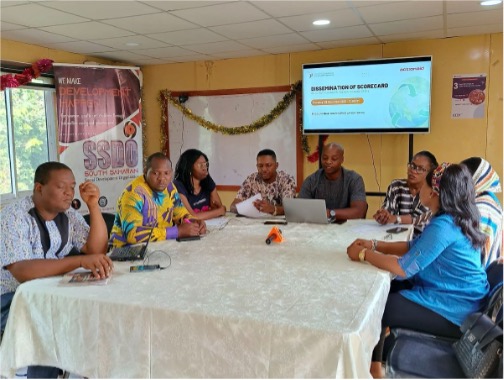
The forum was an opportunity for stakeholders to assess the state’s dedication to climate change using specific parameters. Participants also identified challenges the state had to fix as well as proffered action plans that included partnership with climate change decision-makers. The findings from this assessment will be utilized in the creation of scorecards, with the overarching goal of improving the quality of the state’s budget planning process and pro-activeness to climate change matters.

For any project to be successful, beneficiaries must be fully involved from the planning phase through implementation, and feedback gotten even after project execution. This participatory approach helps to build trust, sustainability, and real- time learning. It guarantees evidence-based decision-making and ensures better resource allocation.

Understanding the importance of a good feedback mechanism, South Saharan Social Development Organization in partnership with WaterAid Nigeria conducted a Community voices event across project communities in Enugu state. This event helped gather the perspectives, opinions, and experiences of community members on the impact of project activities, thus guaranteeing inclusion and addressing local needs.

Since the construction of the water facilities in the communities, there’s been a reduction in infectious diseases, children attend school early, and hygiene practices have improved.

A woman from Umuabor community shared, “Before the construction of the borehole, my kids and I used to trek 5km to Ibede to fetch water. This affected their education as they went late to school. They also fell ill frequently because we didn’t have the luxury to use water to clean up at critical times. But now they go to school early and their hygiene and health have improved too.”

Revolutionizing Agriculture With Agroecology and Sustainable Inventions

Orokoro is a community situated in Ehe Amufu, Isi Uzo LGA Enugu state. Most indigenes of the Orokoro community are farmers. They are blessed with a fertile ground. Their main crop for cultivation is Palm seed. They also plant cassava, rice, corn, and okra. Most community members are farmers, but their agricultural practices are outdated.

They spend the majority of their capital during planting season on procuring chemical fertilizers and pesticides. They also struggled with sustainable water supply for their farms. This reduces the yield of produce post-harvest and affects their profit margin negatively due to the cost incurred pre-harvest. They work tirelessly during the farming season and have little to show for it.

“Before they came, we had been having challenges with how we were going to culture our crops, we produced rice cassava, yam, tree crops like palms, and fruit crops like oranges and coconut. We had issues with the chemicals we use for our crops; instead of helping the crops they damage the farmland.”

Find out how SSDO intervened to help change their fortune. Read on.

We understand that poverty lies at the heart of unreported cases of Gender-based violence (GBV). Most women are often afraid they will lose their economic support if they report. Statistics show domestic violence has increased in the wake of the COVID-19 pandemic. Women have a huge role to play in nation-building. Gender inequality, unpaid care, and a largely unskilled women’s group are some issues to name a few that hold them back.

Women’s empowerment is one of the practical solutions to reducing the cases of violence against women. South Saharan Social Development Organization, through its Jacob’s Well program is providing micro-credit to female-owned small businesses. This will help women achieve financial independence and reduce poverty.

In 2023, 42 beneficiaries across five registered cooperatives got loans to grow their businesses. They were trained in financial literacy, risk management, savings culture, business, and cooperative management using the GIZ Nigeria & ECOWAS resource manual to help sustain and grow the venture.

A sum of 9.5 million naira was disbursed to these women with no collateral required leveraging the social trust within the cooperative mechanism to ensure compliance across the board. We are happy to report that the various businesses are thriving and the beneficiaries are doing tremendously well.

Transforming Lives Through Gender Equality and Sustainable Health Initiatives

Igga is a community located in Isi Uzo LGA in Enugu state. It shares a boundary with Anambra state. It is a tropical savanna environment. Most indigenes of Igga community are farmers, their main crop for cultivation is Rice. Their access to education is limited due to the insecurities of Herdsmen. The Insecurity in Igga community destabilized the community at large. Lots of youths left the community in search of greener pastures and young girls were married off before they could get basic education.

Although there’s been little or no occurrence of harmful traditional practices, women were marginalized in this community. They experience economic abuse and issues associated with early marriages. The community also struggled with hygiene practices, which affected their health adversely; they battled with typhoid and malaria. The community has also had a few cases of gender abuse.

“In the past, we had over twenty young girls that were being married off. In some cases the dowry isn’t even paid. But recently the number has really dropped and there’s barely even five. We hope that in the near future, we will totally eliminate it.” Read on