SSDO

International Women’s Day 2025: Empowering Women and Girls at Affa-Amaozalla Community

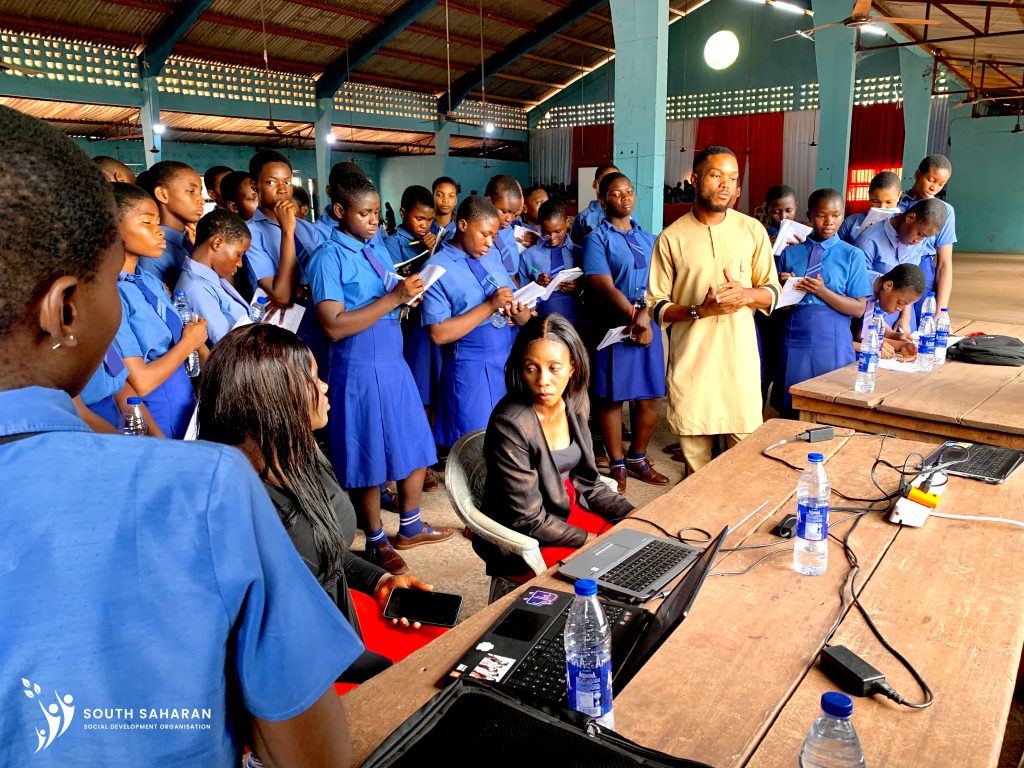
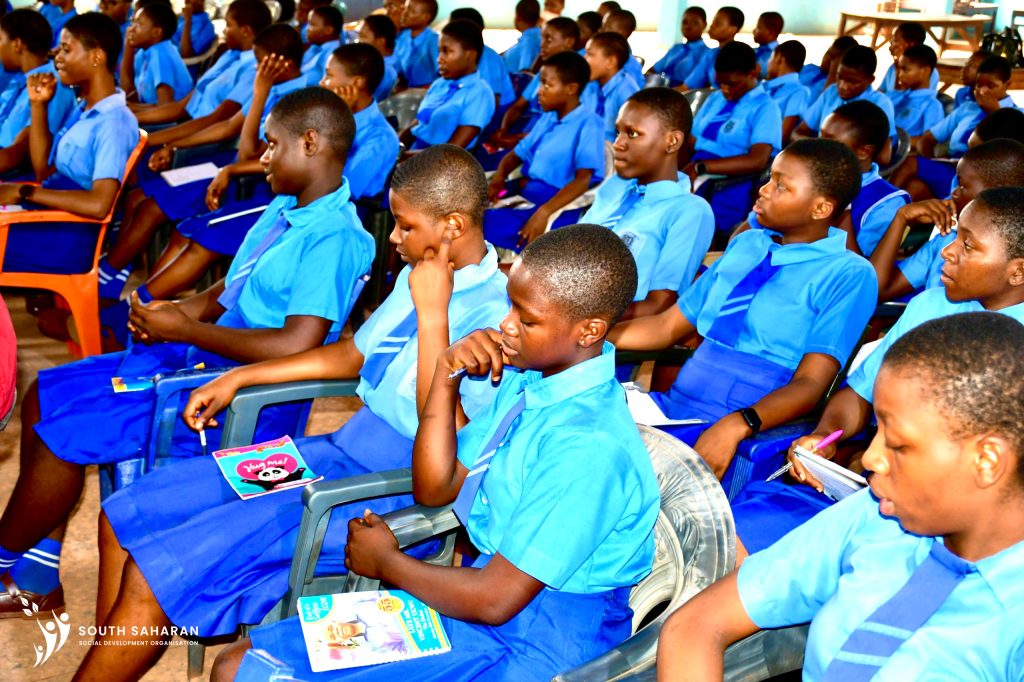
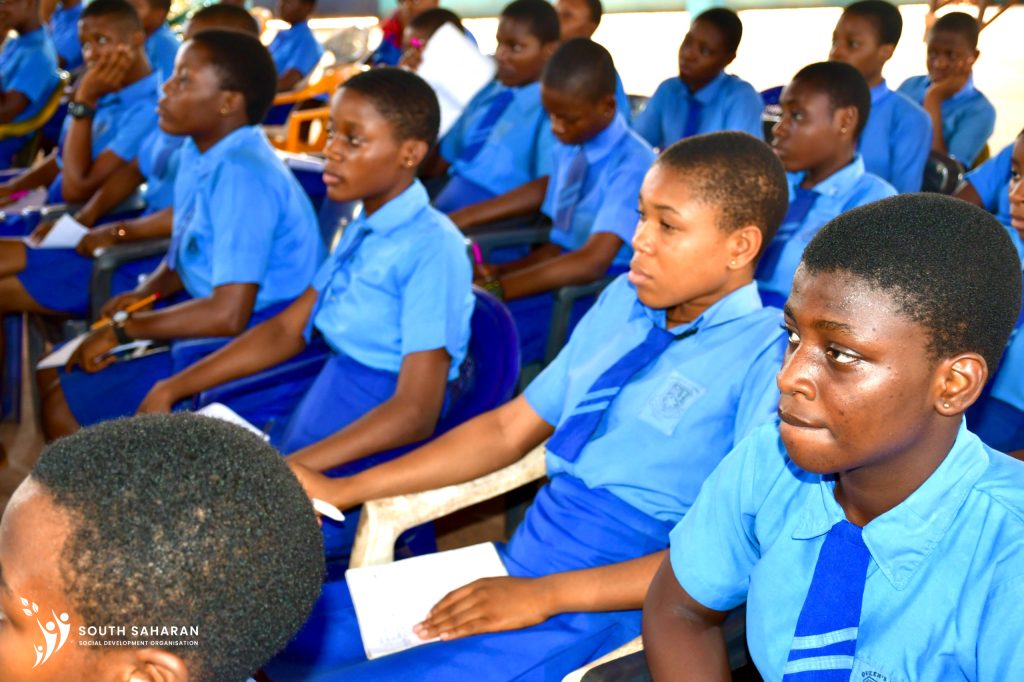
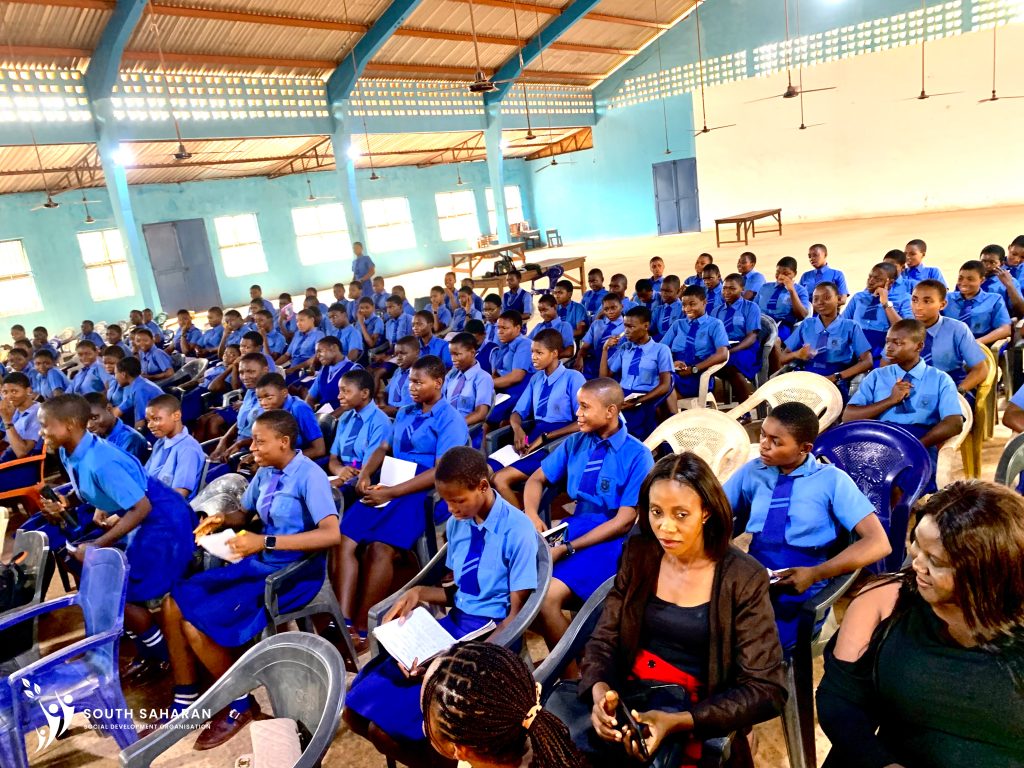
Women and girls play a crucial role in shaping communities, yet they continue to face barriers that limit their opportunities and rights. Recognizing the need to address these challenges, South Saharan Social Development Organization (SSDO), in partnership with ActionAid Nigeria, marked International Women’s Day on March 13, 2025, at Affa Amaozalla Community School. The event was dedicated to educating women and girls about their legal rights and equipping them with the knowledge to combat gender-based violence (GBV).

Understanding Legal Rights and Protections

A key component of the workshop was educating participants on their legal rights. A Lawyer provided comprehensive insights into women’s rights as enshrined in the Nigerian Constitution, various gender policies, and the Violence Against Persons (Prohibition) Act (VAPP). She emphasized the importance of robust enforcement of these laws to safeguard women and girls from violence and discrimination. By understanding their legal protections, participants are better equipped to assert their rights and seek justice when violations occur.

Identifying and Addressing Gender-Based Violence

GBV remains a pervasive issue affecting many communities. A representative from TARMA-SARC led an informative session on recognizing the various forms of GBV, including physical, emotional, sexual, and economic abuse. The discussion also addressed harmful traditional practices such as Female Genital Mutilation (FGM) and early marriage, highlighting their detrimental impact on individuals and society. Participants were educated on the appropriate channels and mechanisms for reporting GBV incidents, ensuring they know how to seek help and support.

Engagement with Law Enforcement

To reinforce the community’s understanding of the role of security agencies in combating GBV, the Divisional Police Officer (DPO) and the Gender Desk Officer from Ezi-Nze Police Station engaged with participants. The enforcement of the VAPP Law and the state’s commitment to addressing GBV was reiterated. The DPO highlighted that under the law, offenses such as rape are punishable by life imprisonment, underscoring the seriousness with which these crimes are treated.

A Commitment to Sustainable Livelihoods and Inclusive Societies

Our overarching goal is to create a world where young people, especially women and marginalized groups, have access to democratic spaces, public services, and economic opportunities that promote sustainable livelihoods. By empowering women and girls through education and awareness, we lay the foundation for communities where everyone can thrive.

SSDO remains dedicated to advocating for the rights and well-being of women and girls. Through continuous collaboration with partners like ActionAid Nigeria and engagement with local communities, we strive to dismantle the barriers that perpetuate inequality and violence. Together, we can build a future where every individual, regardless of gender, can live free from violence and discrimination, and have the opportunity to reach their full potential.
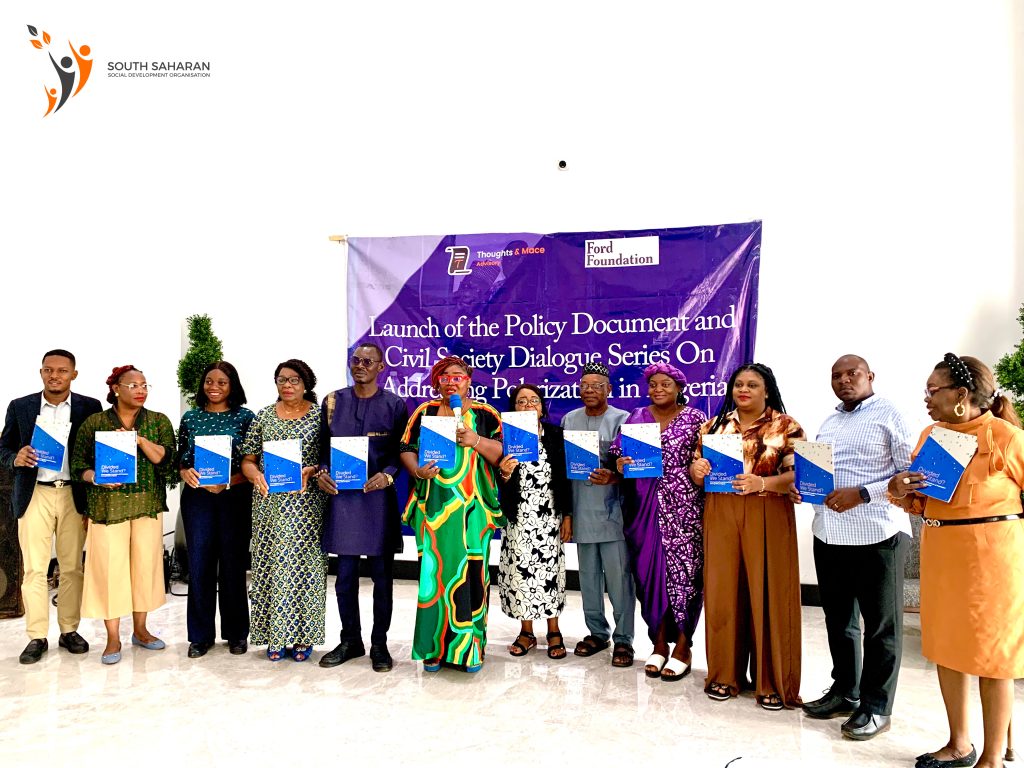
Launch of the Policy Paper on Addressing Polarization in Nigeria’s Civil Society Sector

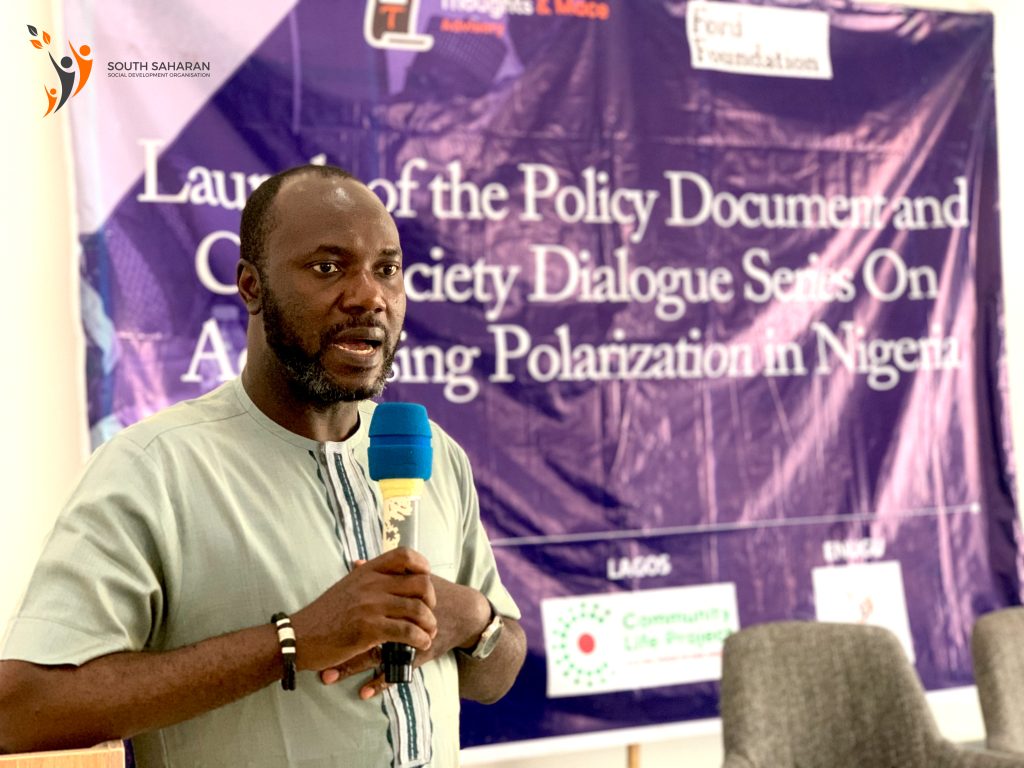
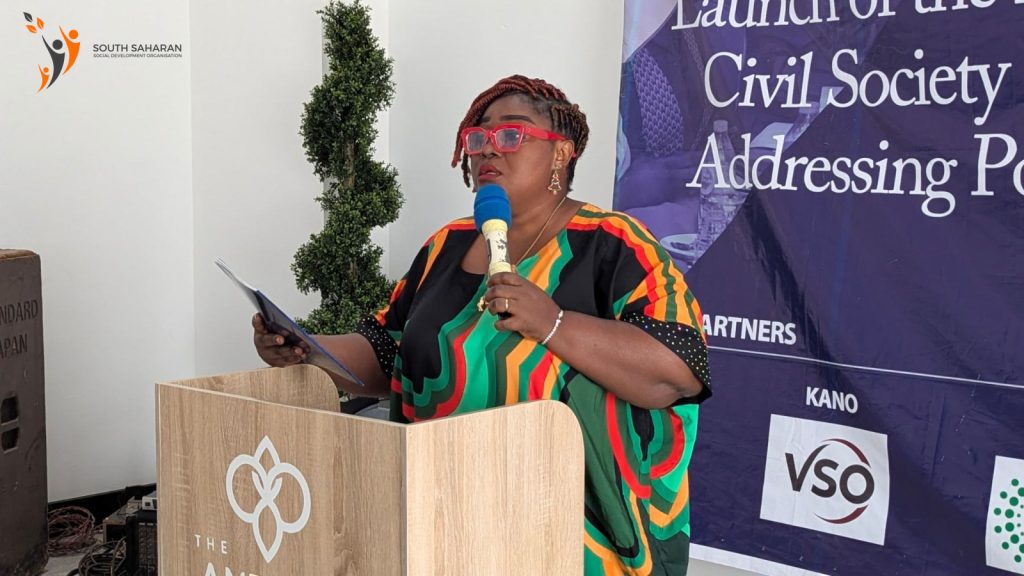
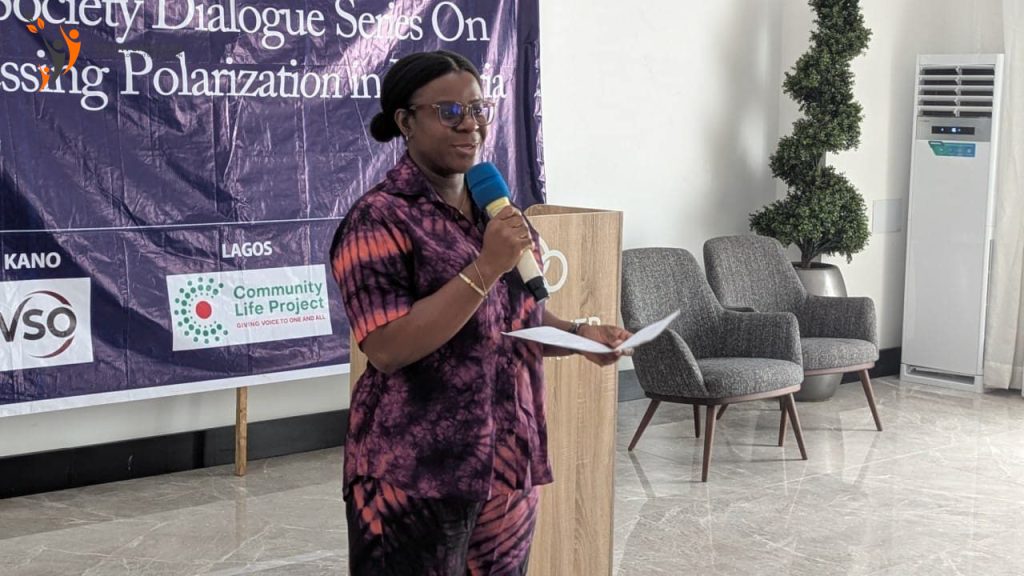
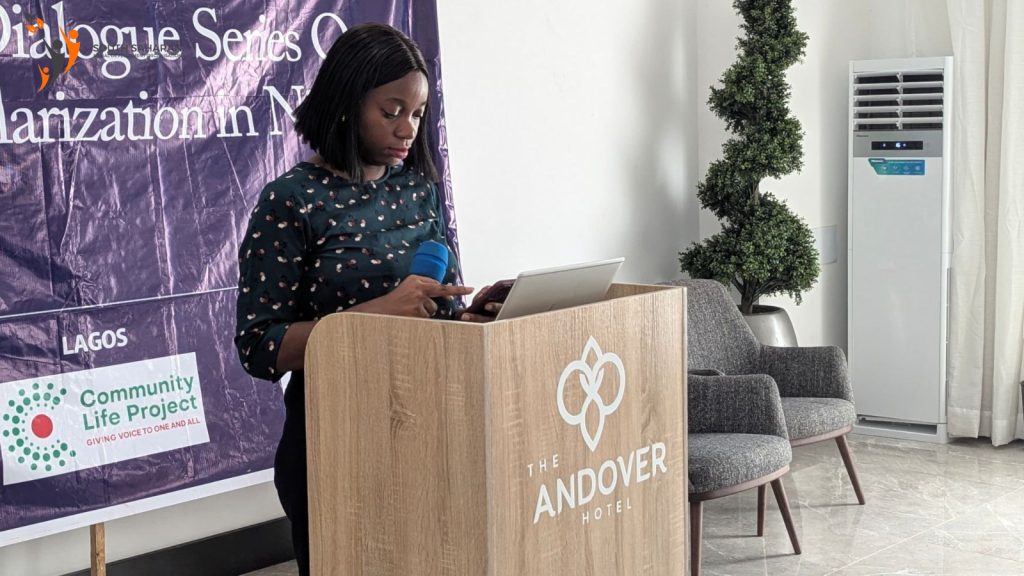
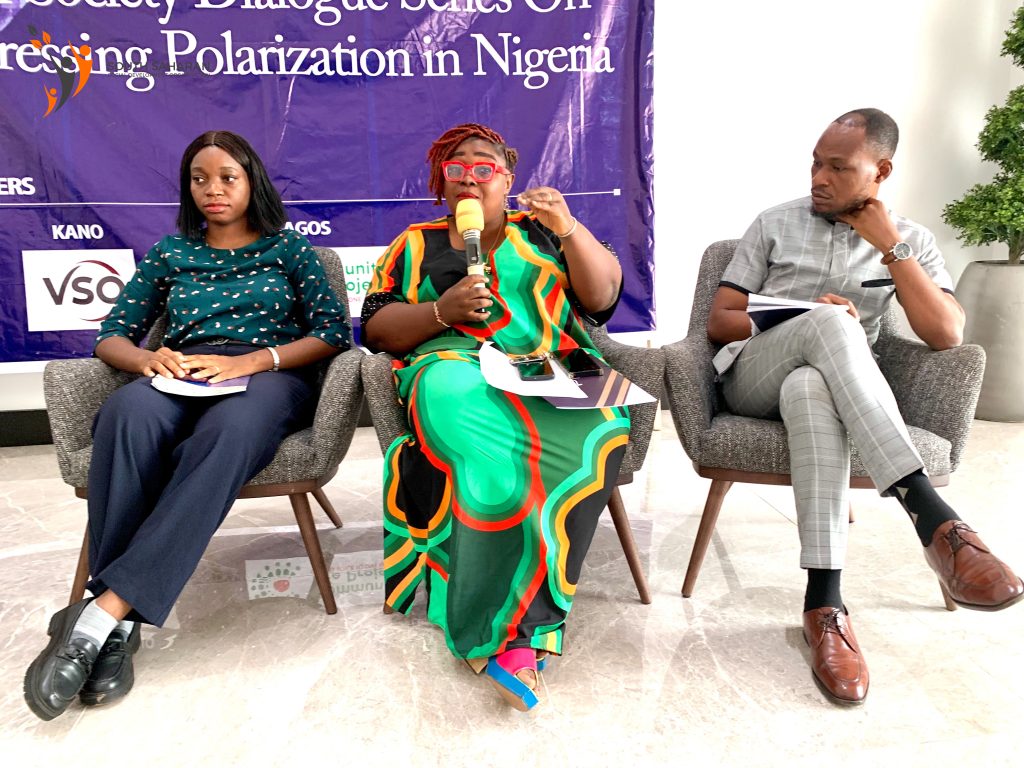
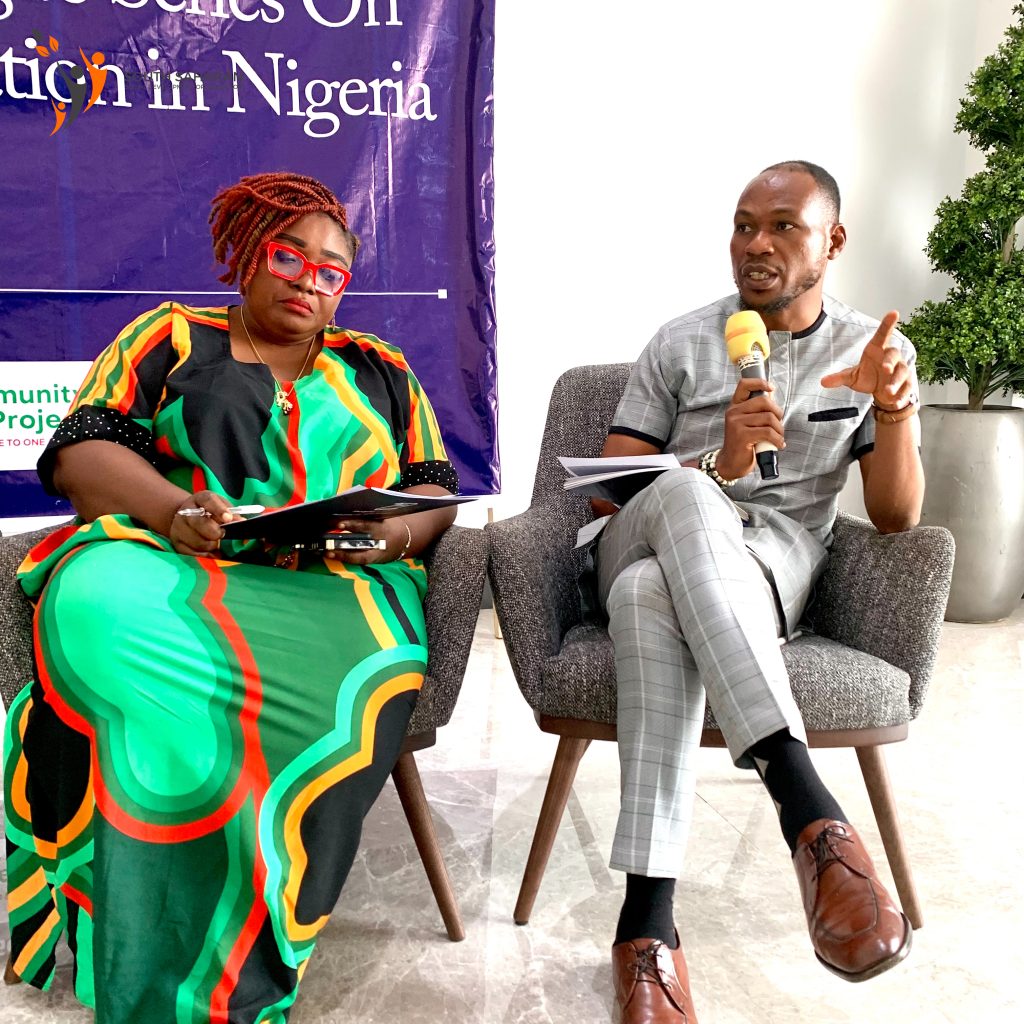
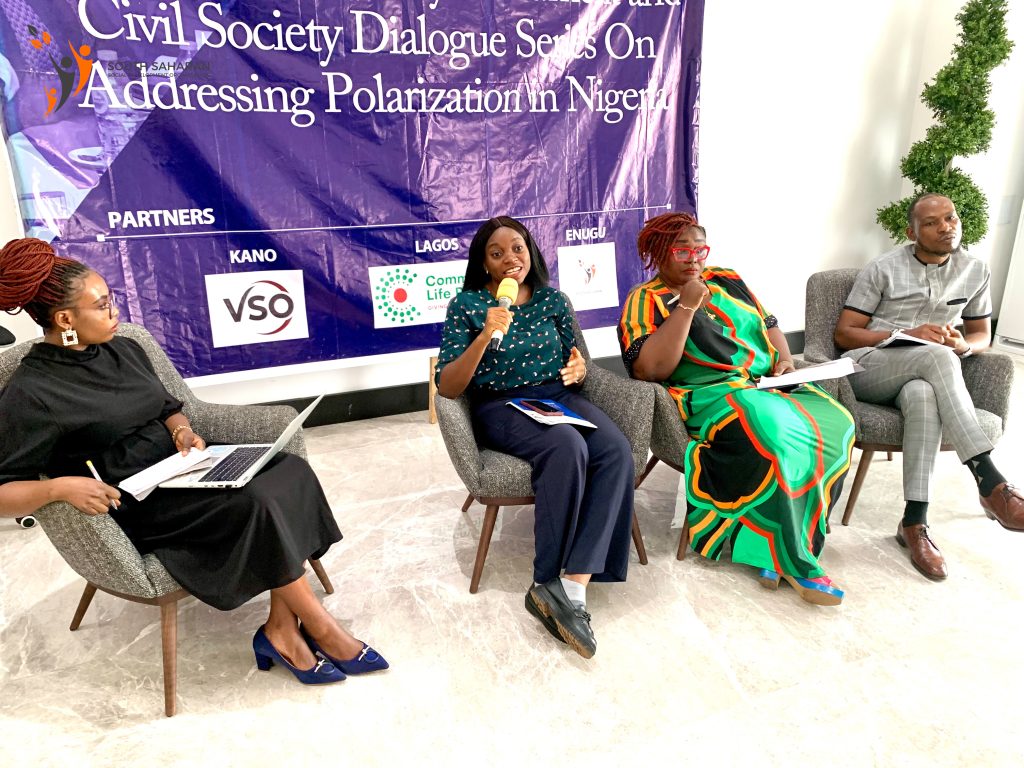
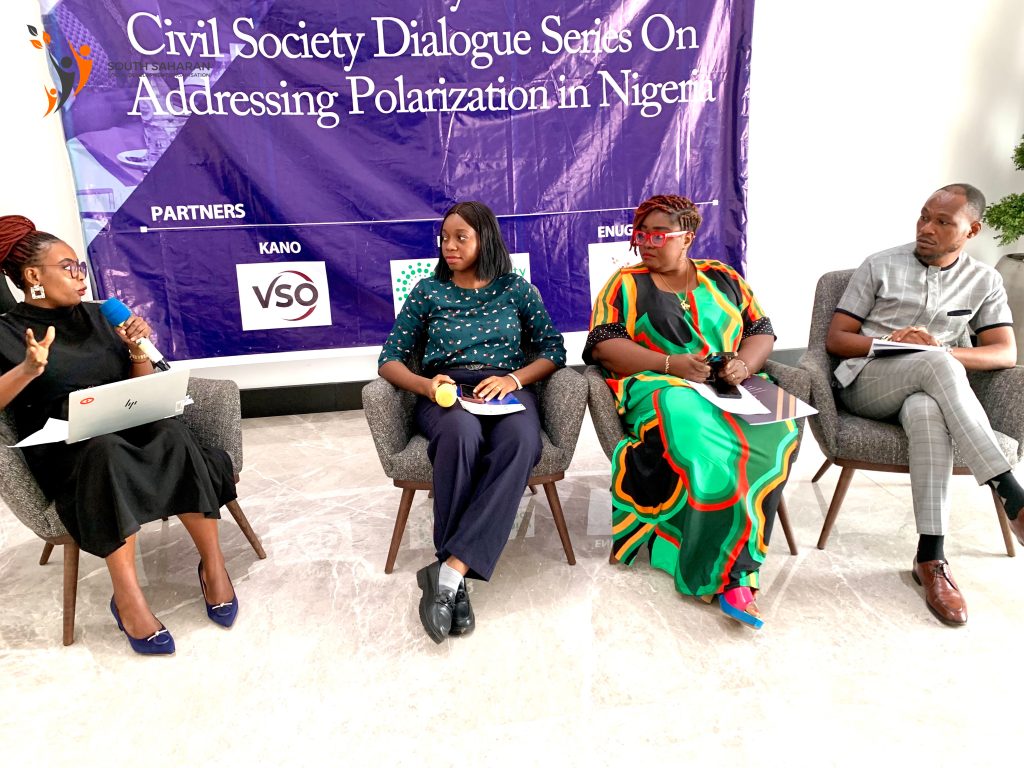
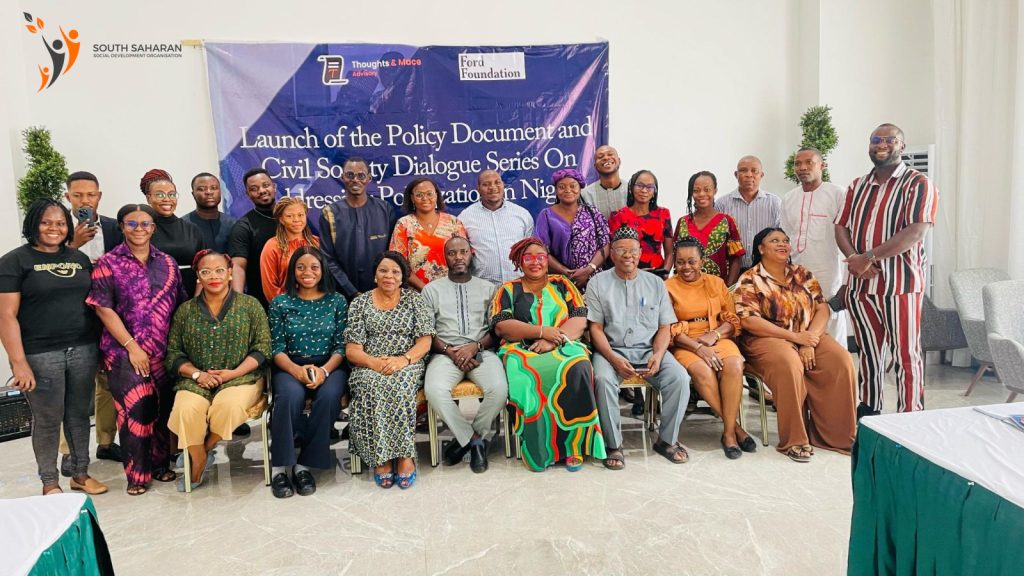
In a significant step towards enhancing unity and collaboration within Nigeria’s civil society sector, South Saharan Social Development Organization (SSDO) partnered with Thoughts and Mace to launch the Policy Paper on Addressing Polarization in Nigeria’s Civil Society Sector. This event highlighted the pressing need to tackle divisions that hinder collective progress and emphasized strategies to promote cohesion among civil society organizations (CSOs).

Understanding the Challenge of Polarization

Polarization within Nigeria’s civil society is both a symptom and a driver of societal divisions. Factors such as competition for funding, ideological differences, and generational gaps contribute to fragmentation among CSOs. This disunity weakens advocacy efforts and diminishes the sector’s ability to serve communities effectively and hold the government accountable. Recognizing these challenges, the policy paper provides a roadmap for bridging divides and strengthening collaboration within the sector.

Insights from Experts and Stakeholders

The launch event featured insightful discussions from esteemed panelists who shared their perspectives on mitigating polarization. Ambassador Onyinye Joy Mamah of the Heroine Women Foundation highlighted the dual role of polarization as both a consequence and catalyst of societal division. She advocated for donor flexibility in funding and emphasized the importance of solution-based dialogues to dismantle existing divides. Chimezie Elekwachi addressed the critical need to rectify funding disparities by promoting resource sharing and optimizing available opportunities. He stressed that equitable distribution of resources is vital for fostering unity among CSOs. Barrister Nkem Awachie emphasized that strengthening collaboration and building organizational capacity are essential for sustaining long-term impact in civil society. She pointed out that cohesive efforts and robust institutions are fundamental to achieving collective goals.

SSDO’s Commitment to a Stronger Civil Society

SSDO remains committed to creating an enabling environment for sustainable development. By partnering in the launch of this policy paper, SSDO reaffirms its dedication to strengthening unity within Nigeria’s civil society. We recognize that a cohesive civil society is better equipped to advocate for democratic principles, protect human rights, and drive social progress.

Key Recommendations from the Policy Paper

The policy paper outlines several recommendations to address polarization, including promoting inclusive dialogues to encourage open and inclusive conversations among CSOs, ensuring equitable resource distribution to prevent competition-induced fragmentation, and investing in capacity-building initiatives to enhance collaboration and collective impact. By adopting these strategies, CSOs can work towards a more unified and effective civil society sector, capable of driving meaningful change and contributing to national development.

The launch of the Policy Paper on Addressing Polarization in Nigeria’s Civil Society Sector marks a pivotal moment in the quest for unity and effectiveness among CSOs. SSDO’s collaboration with Thoughts and Maces reflects a shared commitment to overcoming divisions and enhancing the collective impact of civil society. As these recommendations are implemented, there is optimism that Nigeria’s civil society will emerge stronger, more cohesive, and better positioned to serve the communities and causes they represent.

Empowering the Next Generation: Celebrating Women and Girls in STEM

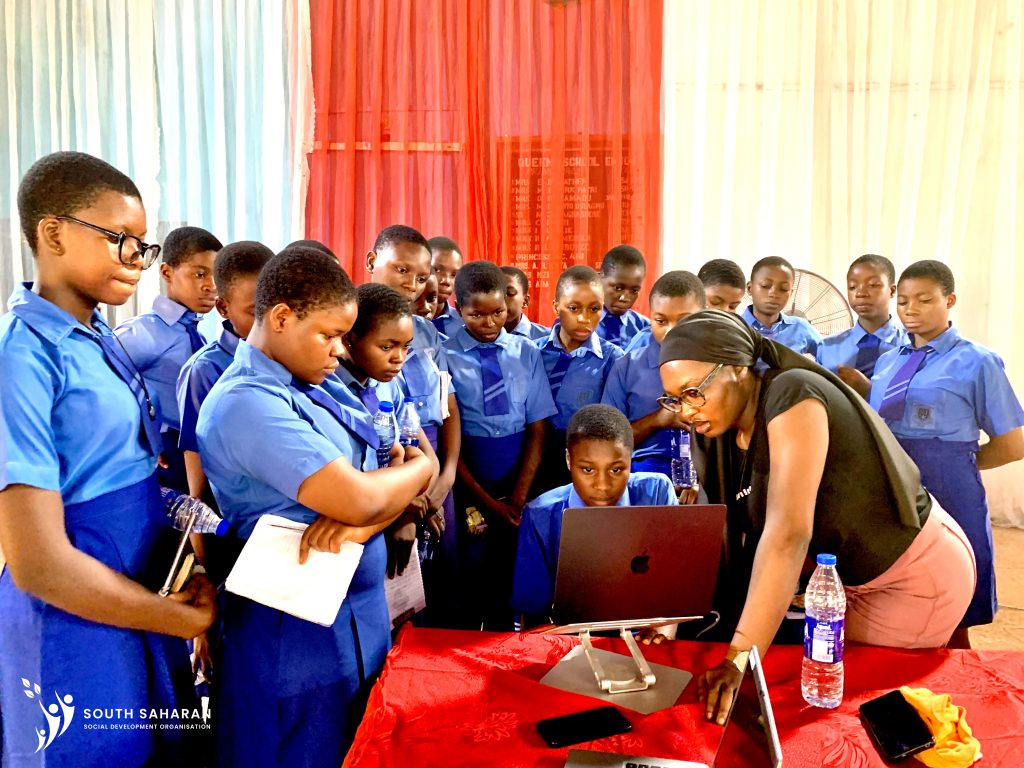
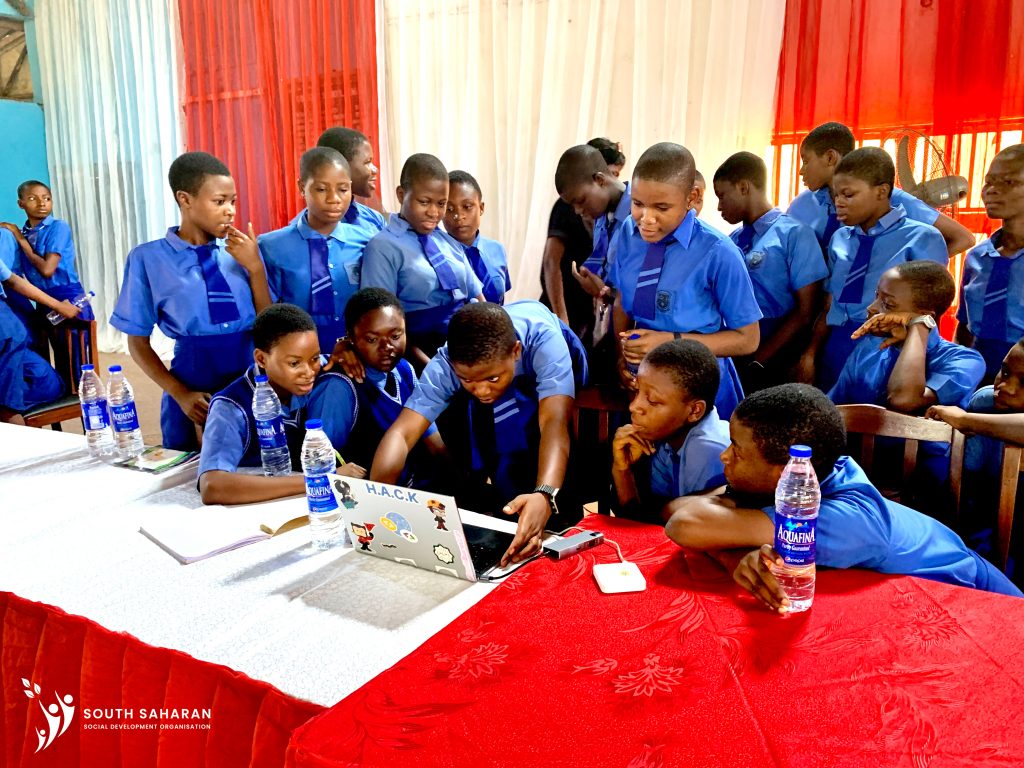
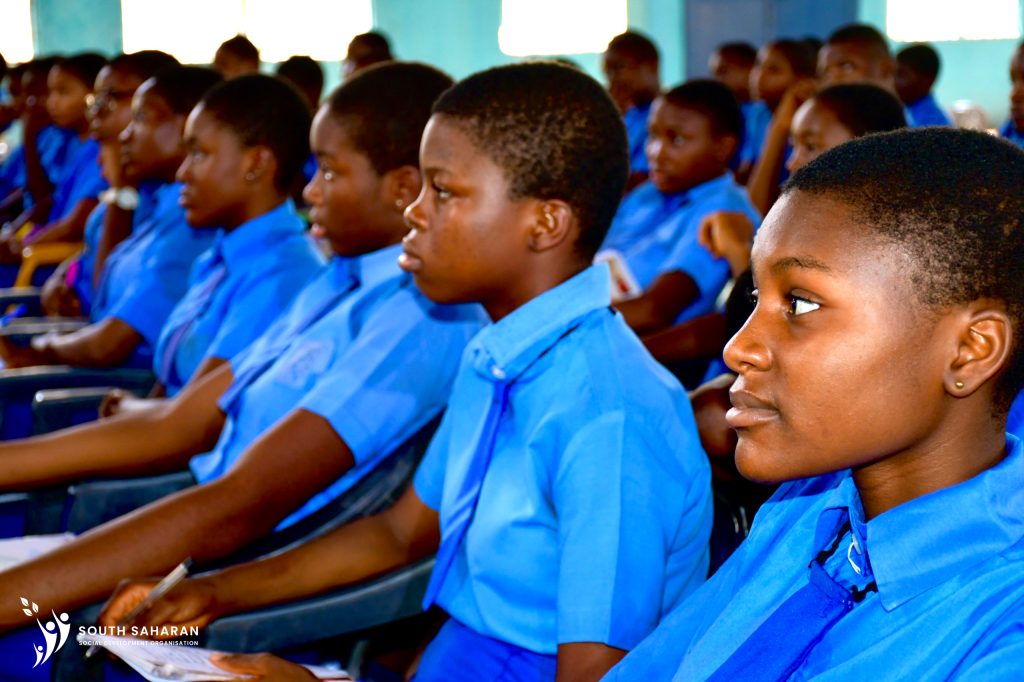
At South Saharan Social Development Organization (SSDO), we are dedicated to creating an enabling environment for sustainable development, particularly focusing on women, youth, and children. Our mission is to make development happen through education and good governance, fostering a society where every individual can realize their full potential. In line with this commitment, we recently collaborated with GIZ and the Enugu State Ministry of Science & Technology to inspire young minds at Queens School, Enugu, in celebration of the International Day for Women and Girls in Science, Technology, Engineering, and Mathematics (STEM).
Inspiring Innovation: The ‘Her Science, Her Future’ Initiative

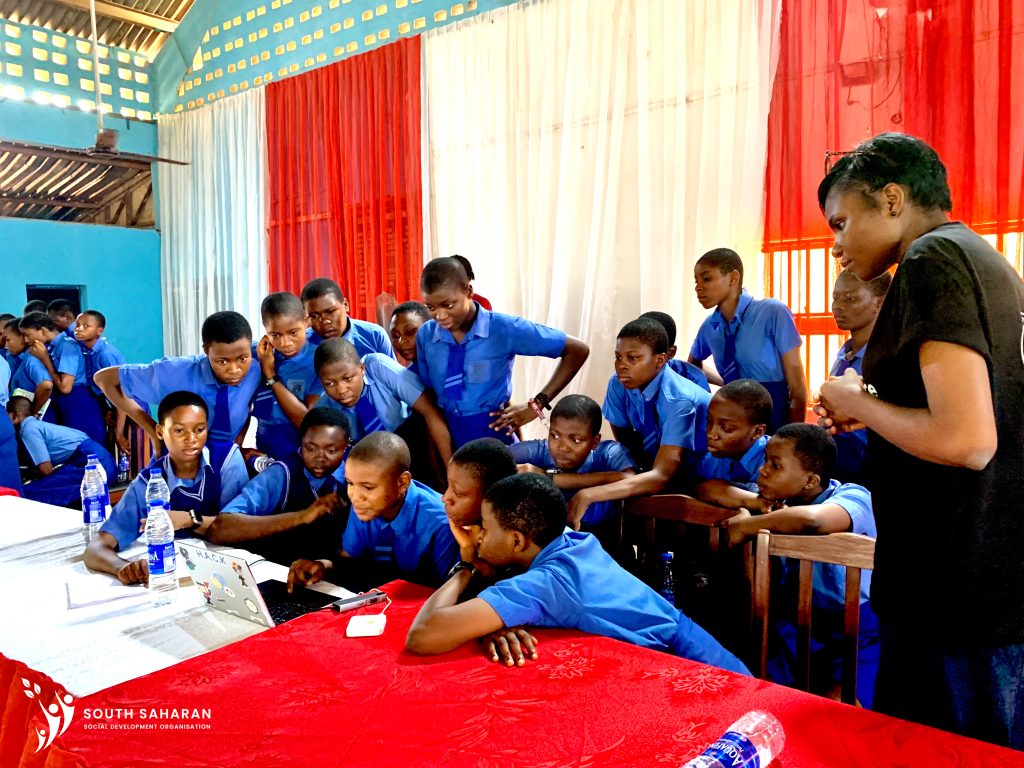
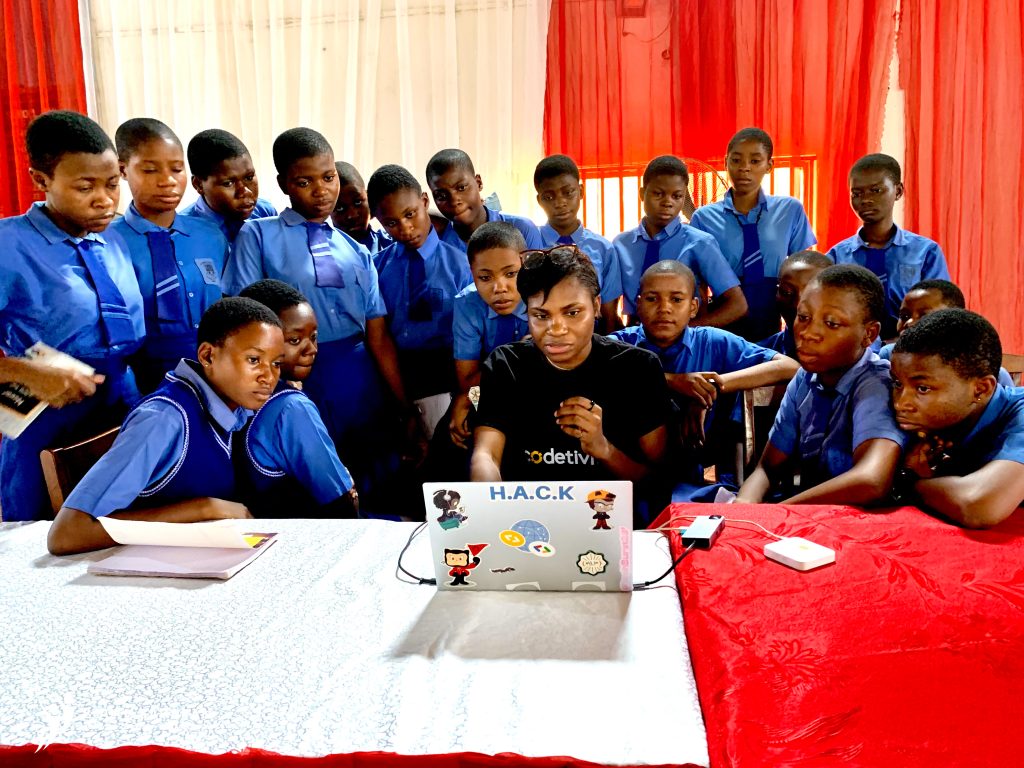
Under the theme “Her Science, Her Future,” this initiative aimed to ignite a passion for STEM subjects among female students, encouraging them to envision and pursue careers in these critical fields. The event provided a platform for students to explore various STEM disciplines, including Digital Marketing, Coding, and Design Thinking. Through interactive sessions and hands-on activities, the girls were not only introduced to theoretical concepts but also had the opportunity to apply their knowledge by building mini projects. This experiential learning approach fosters creativity, critical thinking, and problem-solving skills – essential competencies for future innovators.

Breaking Barriers: Encouraging Female Participation in STEM

Despite the increasing recognition of the importance of diversity in STEM fields, women and girls remain underrepresented globally. Cultural norms, lack of role models, and limited access to resources often deter young women from pursuing STEM careers. Initiatives like “Her Science, Her Future” are crucial in breaking these barriers by providing mentorship, exposure, and hands-on experience. By showcasing successful female figures in STEM and creating supportive learning environments, we can challenge stereotypes and inspire more girls to explore these fields.

Empowering women and girls in STEM is not just about achieving gender equality; it is about harnessing the full potential of our human capital to drive innovation and sustainable development. At SSDO, we believe that when girls are given the tools, knowledge, and opportunities to excel in STEM, they become catalysts for change, driving progress within their communities and beyond. While the event at Queens School, Enugu, marks a significant step towards promoting female participation in STEM, it is only the beginning. SSDO remains committed to sustaining this momentum by implementing ongoing programs that support girls’ education and empowerment. Through continued collaboration, advocacy, and targeted interventions, we can create a future where every girl has the opportunity to change the game in STEM.

Presentation of Final Draft: Enugu State Women’s Economic Empowerment (WEE) Policy & Action Plan

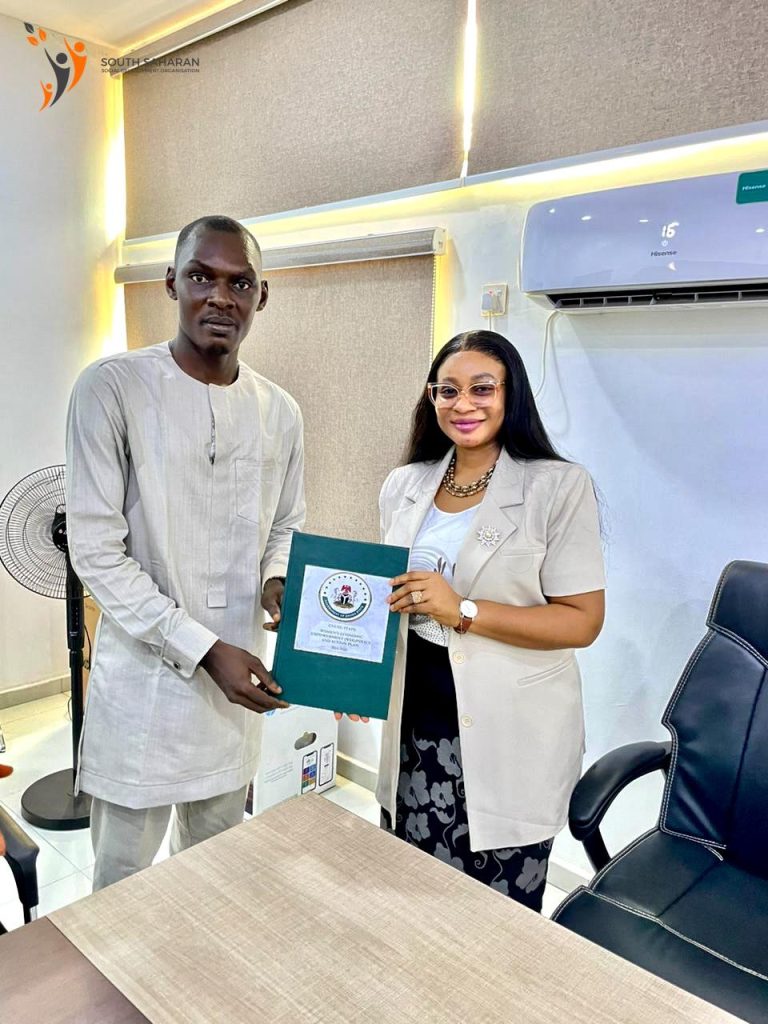
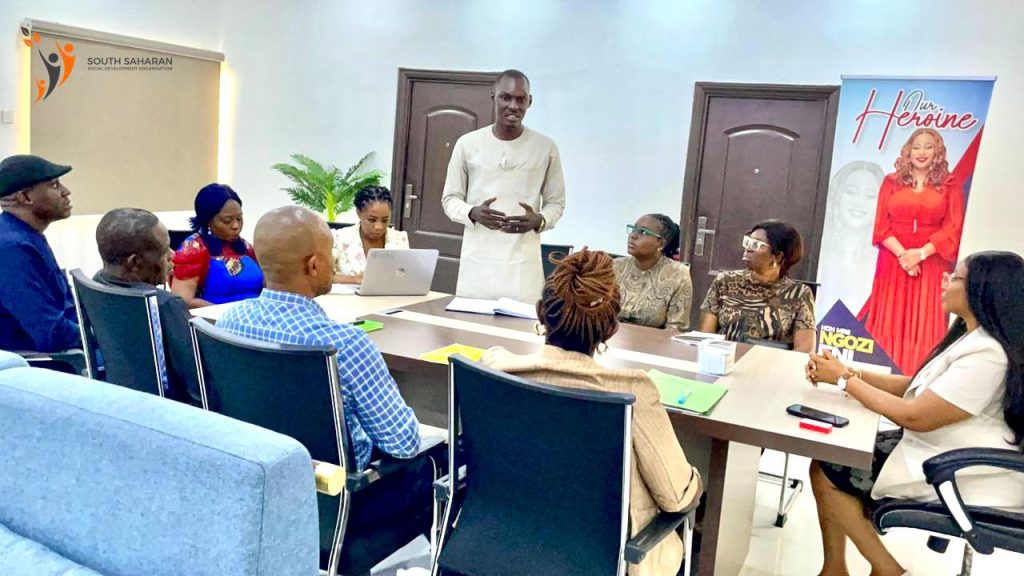
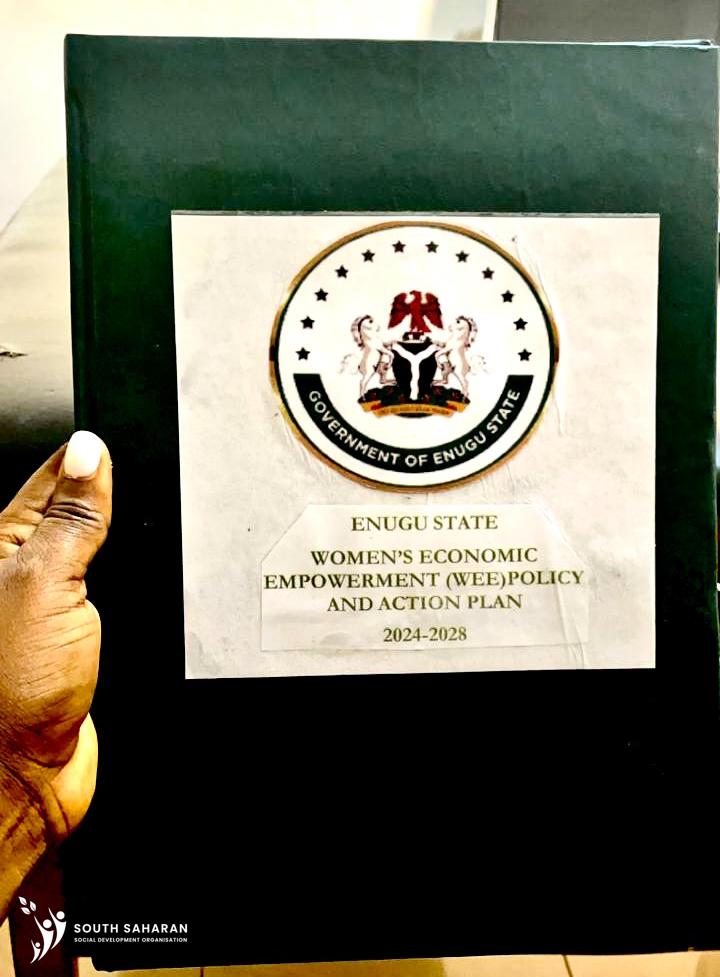
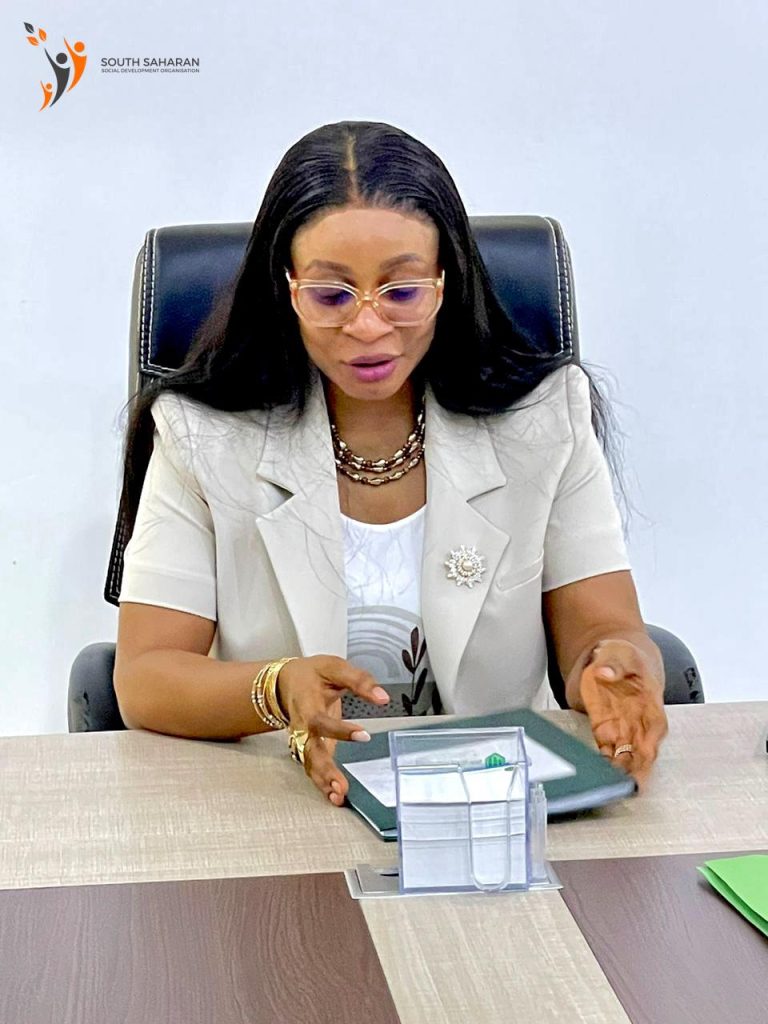
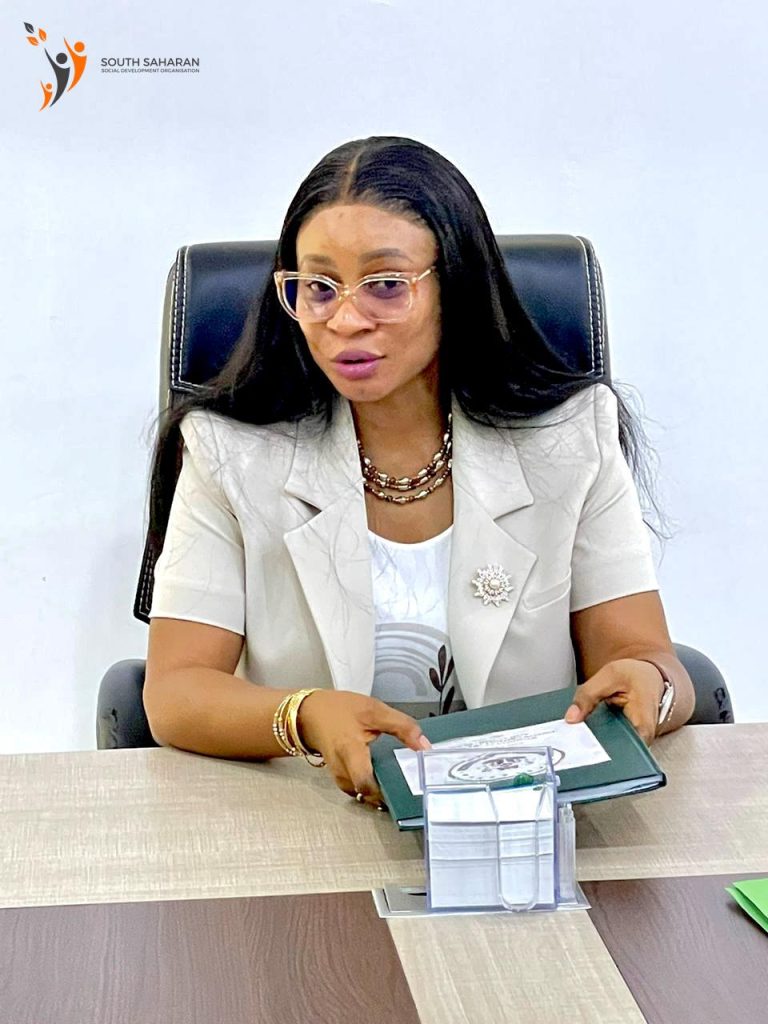
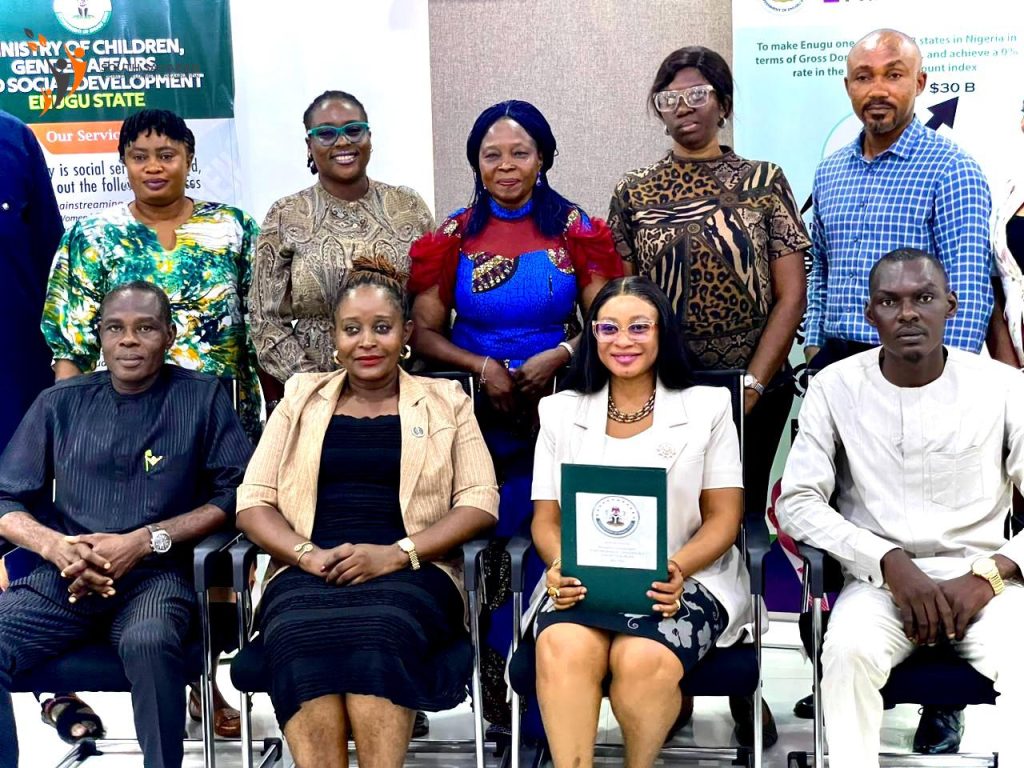
At South Saharan Social Development Organization (SSDO), we firmly believe that when women thrive, communities prosper. This conviction has driven our relentless pursuit of initiatives that dismantle socio-economic barriers and promote gender equity. We are thrilled to announce a significant milestone in this journey: the successful completion and presentation of the Enugu State Women’s Economic Empowerment (WEE) Policy & Action Plan to the Honourable Commissioner for Children, Gender Affairs, and Social Development.

A Collaborative Effort for Gender Equity

The development of the WEE Policy & Action Plan was a collaborative endeavor, made possible through the unwavering support of the development Research and Projects Centre (dRPC), South Saharan Social Development Organisation, and dedicated members of the WEE Policy Technical Working Group (TWG). This policy is poised to be a game-changer, meticulously designed to address the multifaceted challenges that women in Enugu State face, thereby fostering an environment where they can fully participate in and benefit from economic activities.

Key Highlights of the WEE Policy

The WEE Policy & Action Plan outlines strategic interventions aimed at:

Legal and Institutional Frameworks: Strengthening policies and laws that protect women’s economic rights and promote gender equality in the workplace.

Enhancing Access to Resources: Ensuring that women have equitable access to financial services, land, and other productive resources necessary for economic engagement.

Capacity Building: Providing training and skill development programs tailored to empower women with the competencies required in various economic sectors.

Market Opportunities: Facilitating access to local and international markets for women entrepreneurs, thereby expanding their business horizons.

Next Steps: Approval and Implementation

With the policy document now in the hands of the Honourable Commissioner, the next steps involve securing final approval and orchestrating an official launch. These forthcoming phases are critical, as they will set the stage for the implementation of the policy’s provisions, translating the articulated strategies into tangible benefits for women across Enugu State.

Continuing the Advocacy for Women’s Empowerment

While the completion of the WEE Policy & Action Plan marks a significant achievement, our work is far from over. SSDO remains steadfast in its commitment to advocating for the empowerment of women in Enugu State and beyond. We recognize that policies alone are not enough; their effective implementation, continuous monitoring, and periodic evaluation are essential to ensure that the envisioned outcomes are realized.

We invite all stakeholders – government agencies, civil society organizations, the private sector, and the general public – to join us in this ongoing advocacy. Together, we can create an enabling environment where women are not only participants but also leaders in economic development, thereby driving broader societal progress.

The Enugu State Women’s Economic Empowerment Policy & Action Plan represents a pivotal step towards achieving gender equity and promoting inclusive economic growth. At SSDO, we are proud to have played a role in this transformative initiative and remain committed to supporting its implementation. By empowering women, we unlock the full potential of our communities, paving the way for a more prosperous and equitable society.

Kastina WASH Project – Access to Clean Water: A Fundamental Human Right

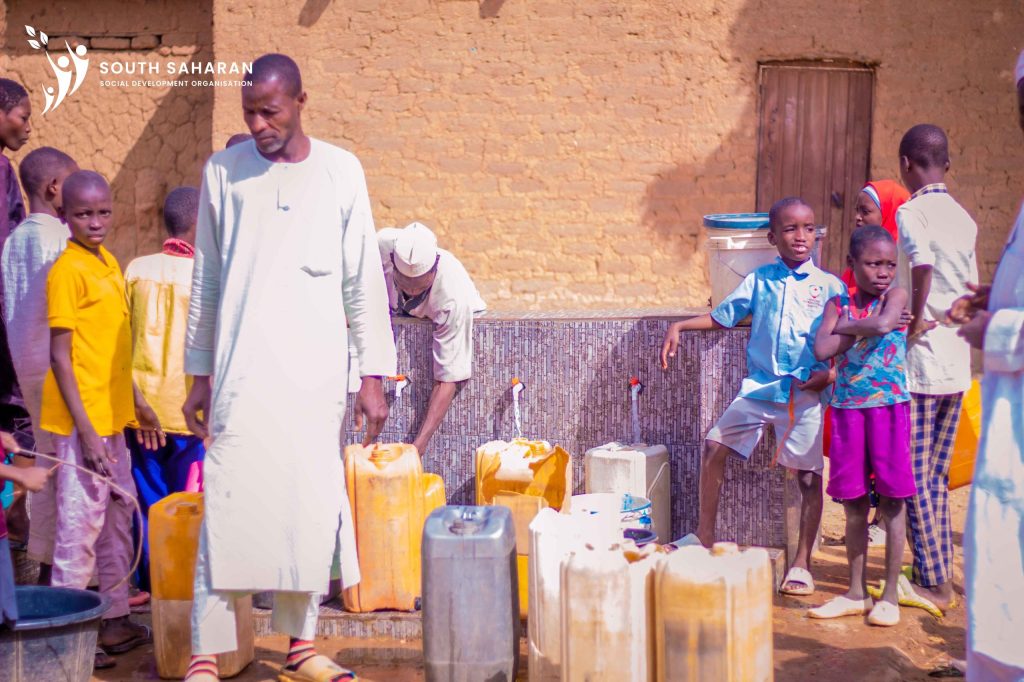
At South Saharan Social Development Organization (SSDO), we firmly believe that access to clean water is not merely a necessity but an inherent human right. Our unwavering commitment to this principle has driven us to initiate transformative projects aimed at providing sustainable water solutions to underserved communities. One such endeavor is the Katsina WASH Project, a collaborative effort designed to bring clean water and improved sanitation to the people of Katsina State.

Introducing the Katsina WASH Project

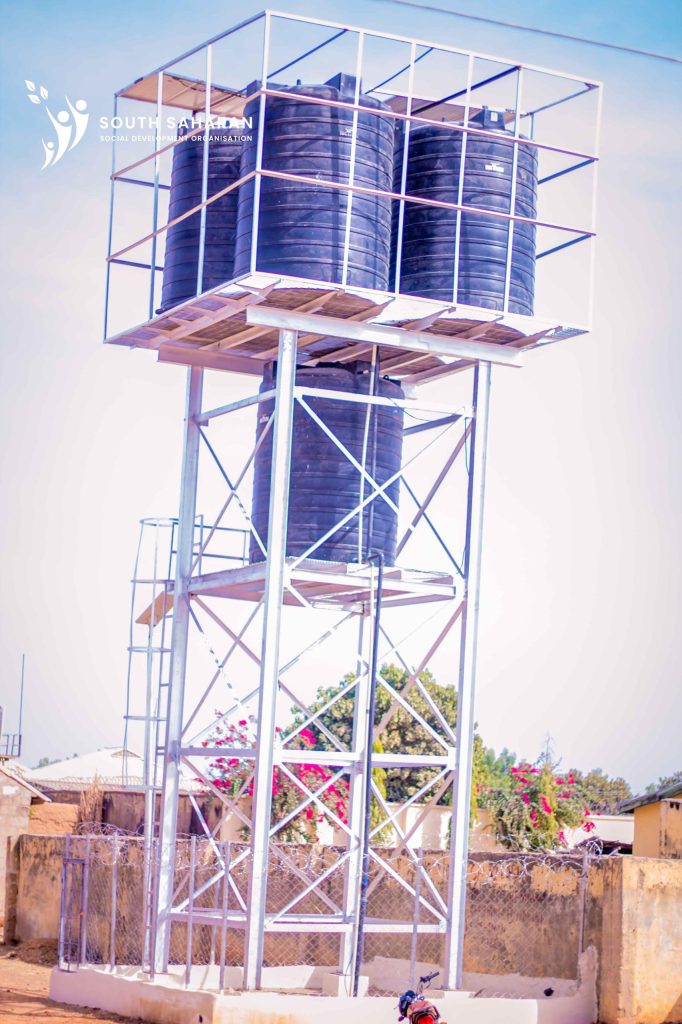
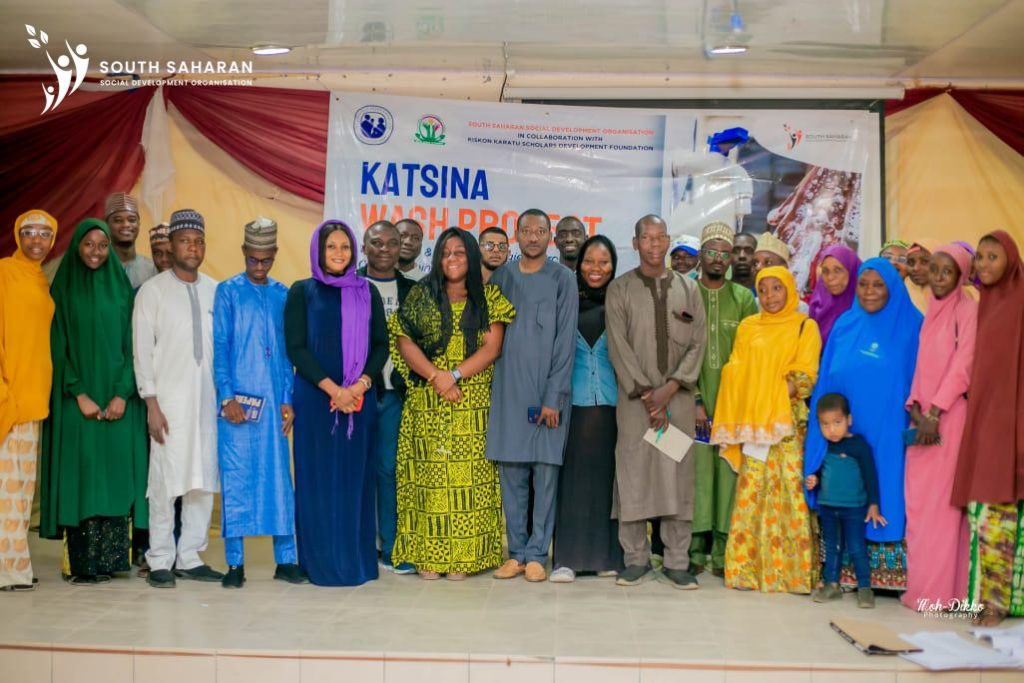
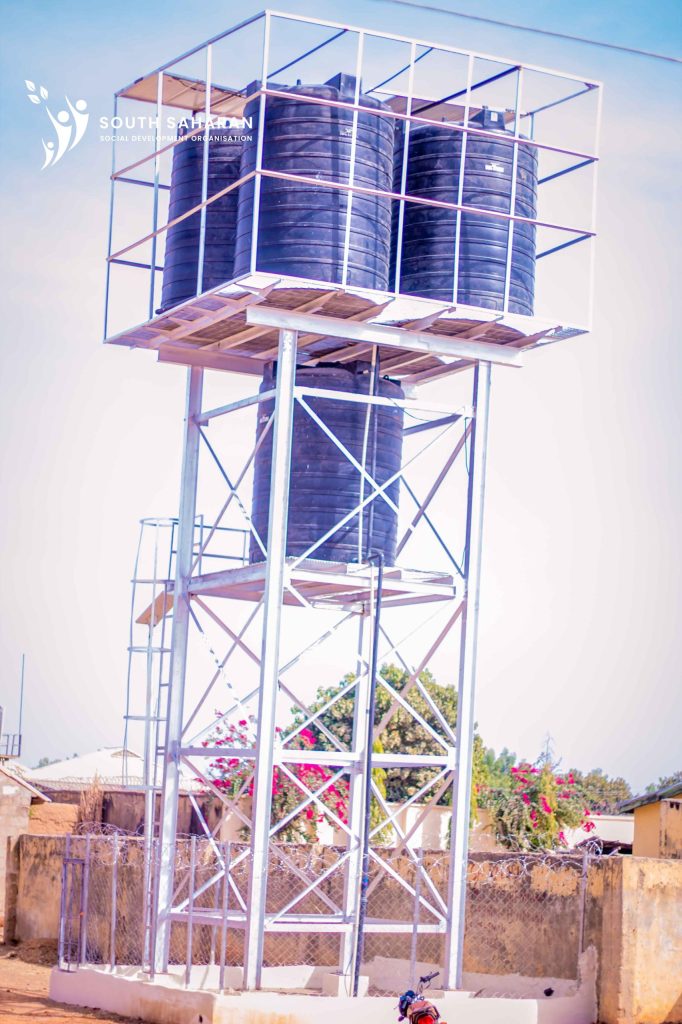
In partnership with Kiskon Karatu Scholars Development and with generous funding from The Church of Jesus Christ of Latter-day Saints, SSDO has launched the Katsina WASH Project. This initiative focuses on delivering reliable access to safe water in two communities within Katsina State: Kankia and Bindawa Local Government Areas (LGAs). By constructing 40,000-litre solar-powered boreholes in these locations, we aim to ensure that residents have a dependable source of clean water, thereby enhancing their overall health and well-being.

Engaging with Government and Community Leaders

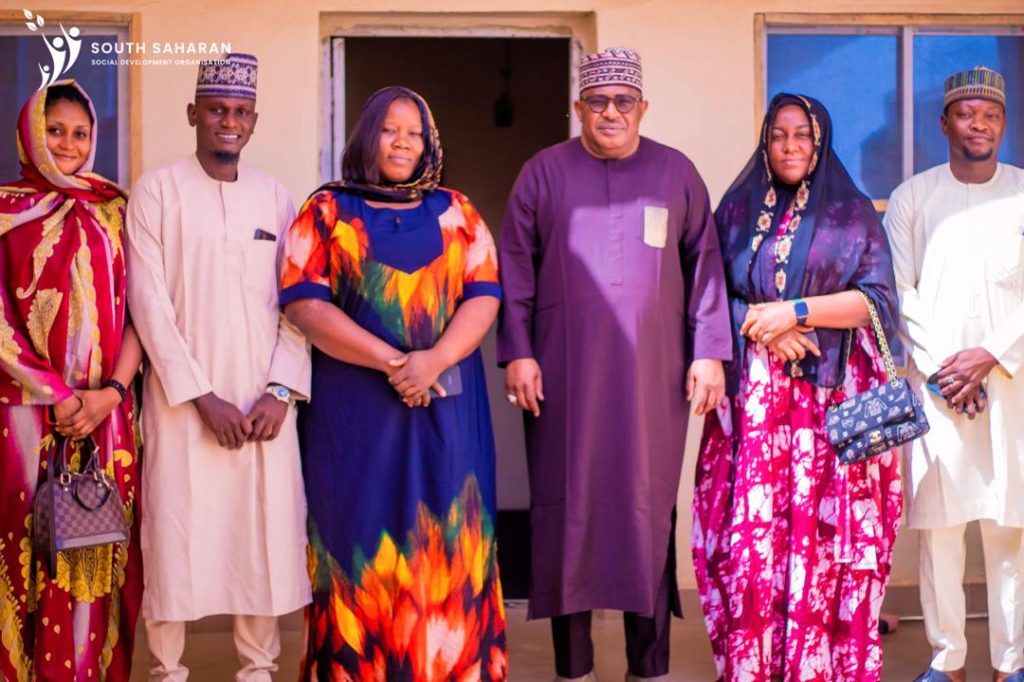
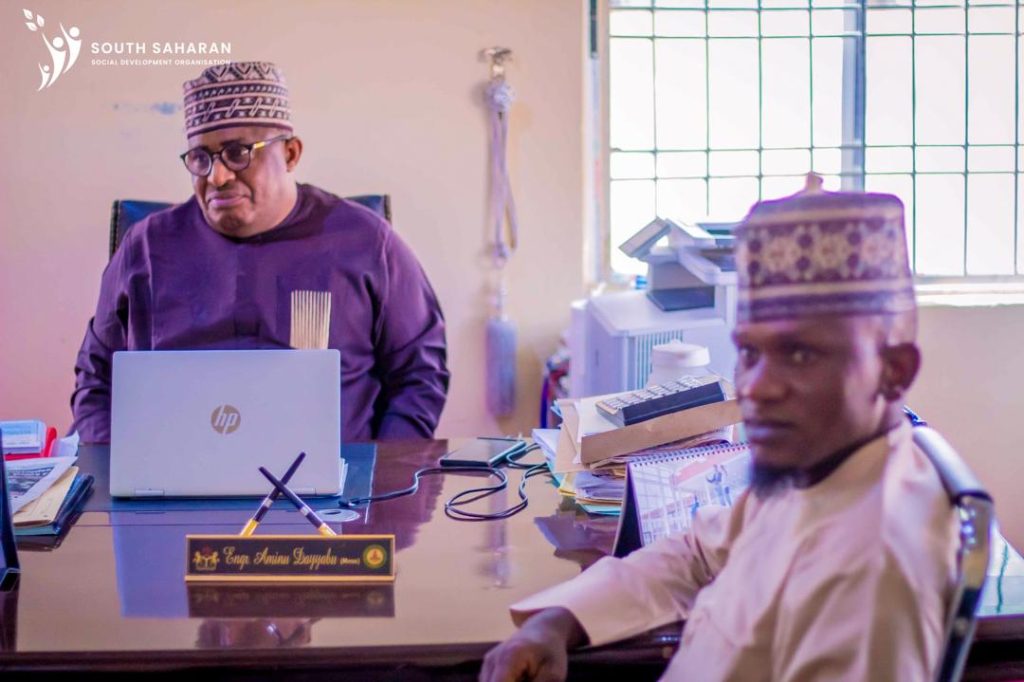
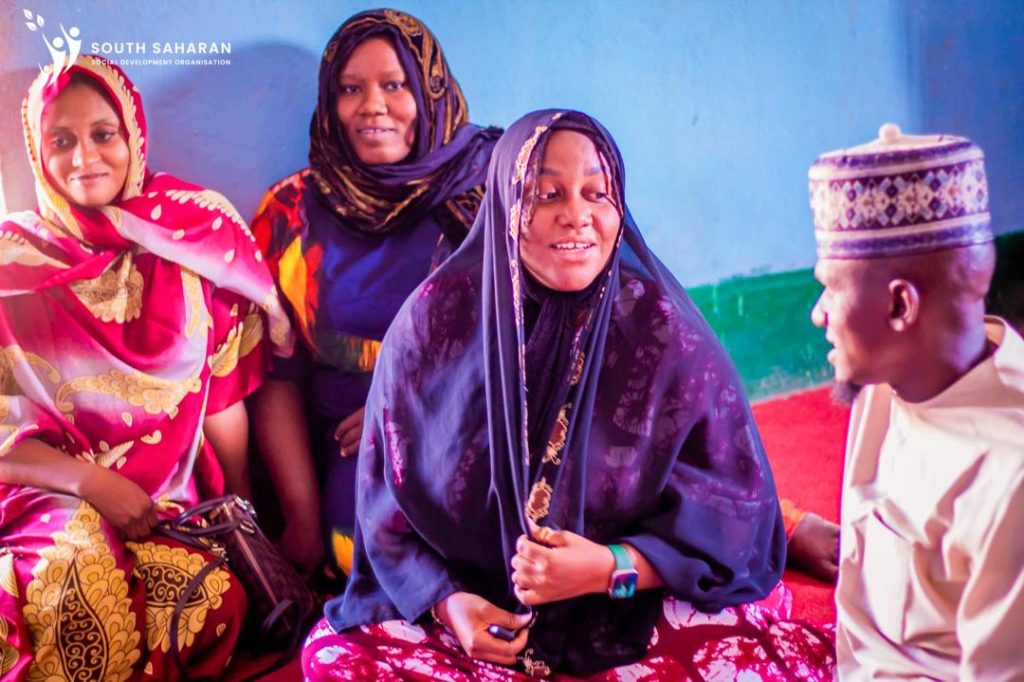
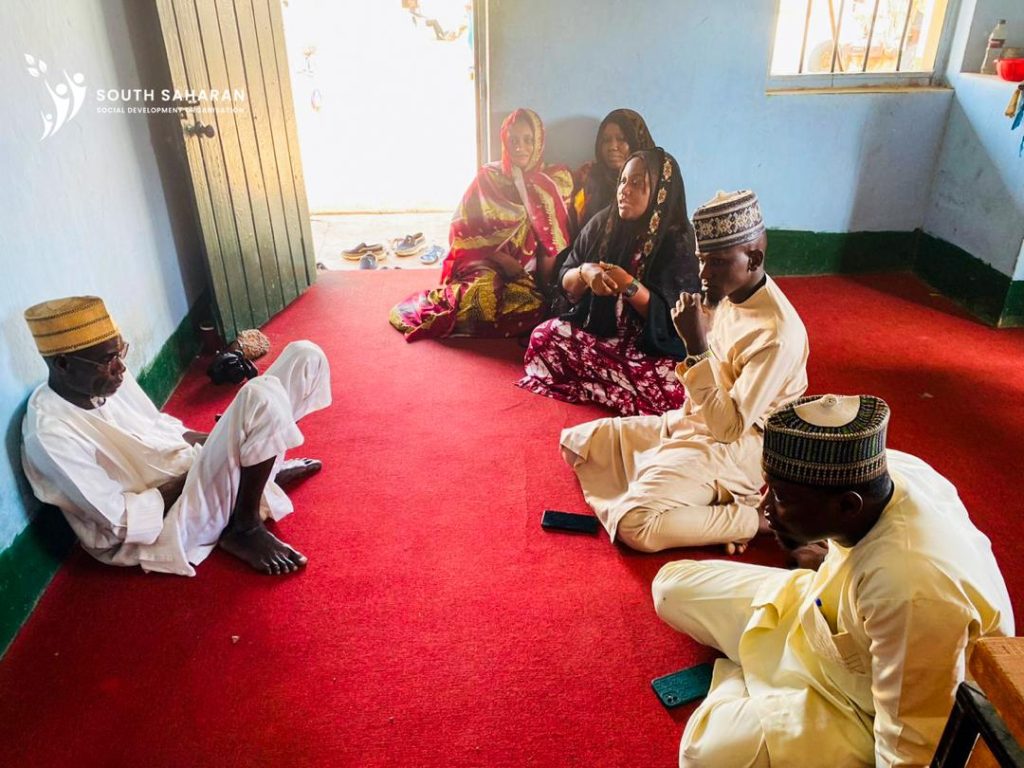
Collaboration with governmental bodies and community leaders is pivotal to the success and sustainability of our projects. Our team met with the Honourable Commissioner for Water Resources in Katsina State to introduce the Katsina WASH Project and discuss avenues for synergy. Additionally, we engaged with key community figures, including the Village Head of Ringin Baushe, Yusuf Gona, to advance the project’s objectives and ensure that the interventions align with the specific needs of the communities.

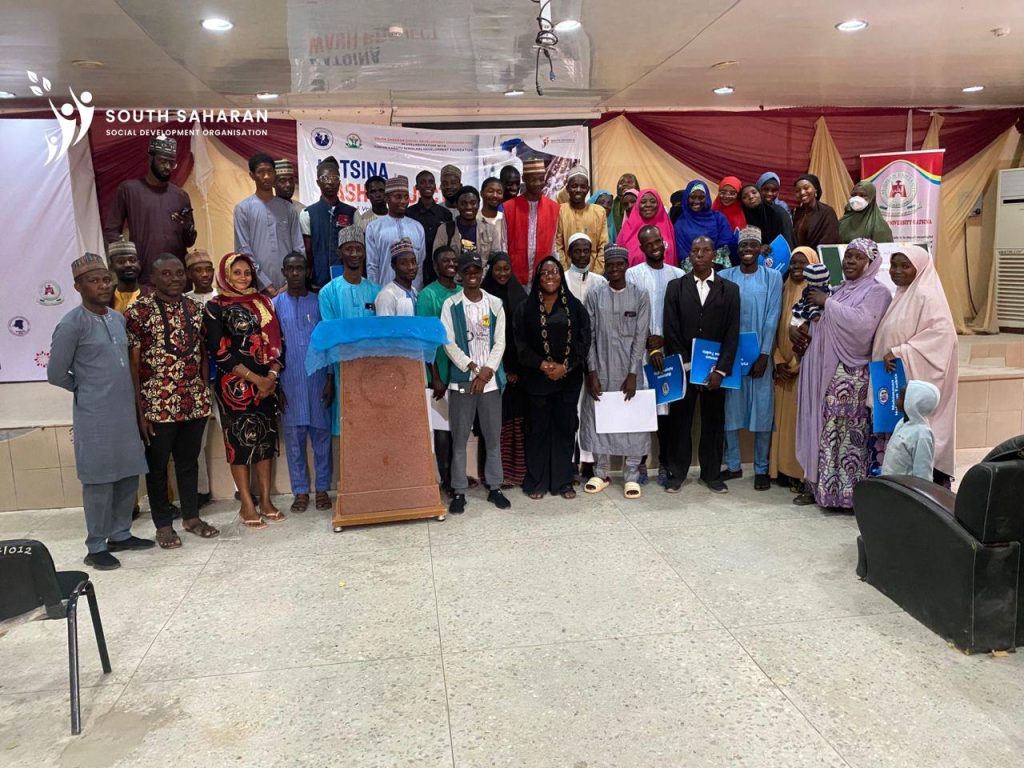
Our commitment to empowering communities extends beyond infrastructure development. We paid a courtesy visit to the Project Director of the Nigeria Sustainable Urban and Rural Water Supply, Sanitation, and Hygiene (NG-SURWASH) in Katsina State. During this meeting, we discussed our ongoing efforts to improve access to clean water and sanitation in rural areas and shared plans for training Water, Sanitation, and Hygiene Committees (WASHCOM) and Volunteer Hygiene Promoters (VHPs). These initiatives are designed to promote better hygiene practices and ensure the long-term sustainability of the facilities.

Empowering Communities Through Training

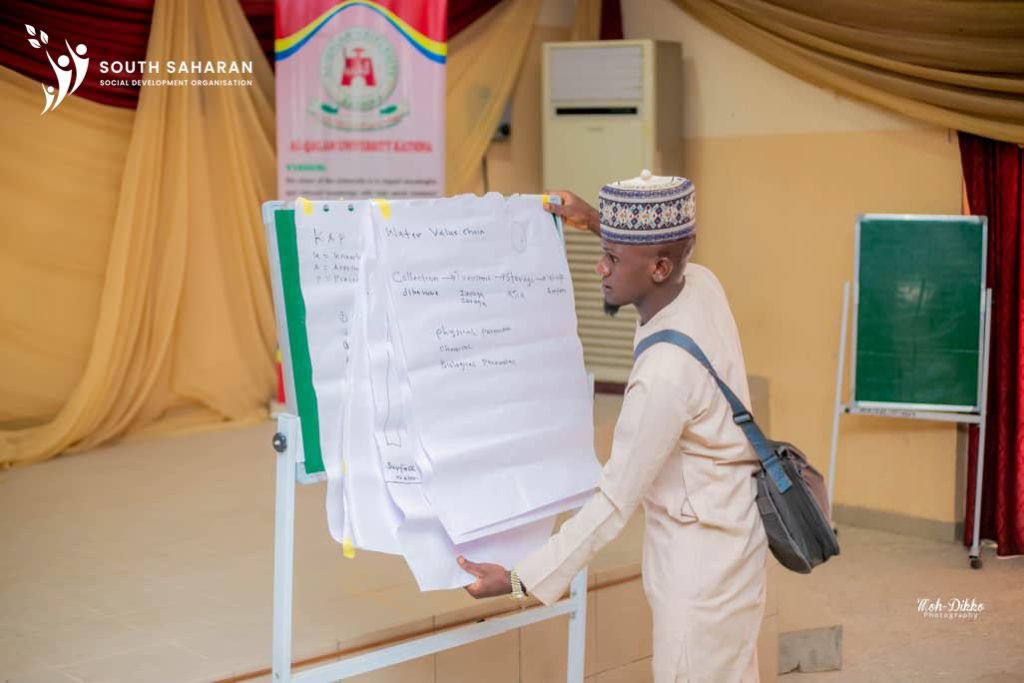
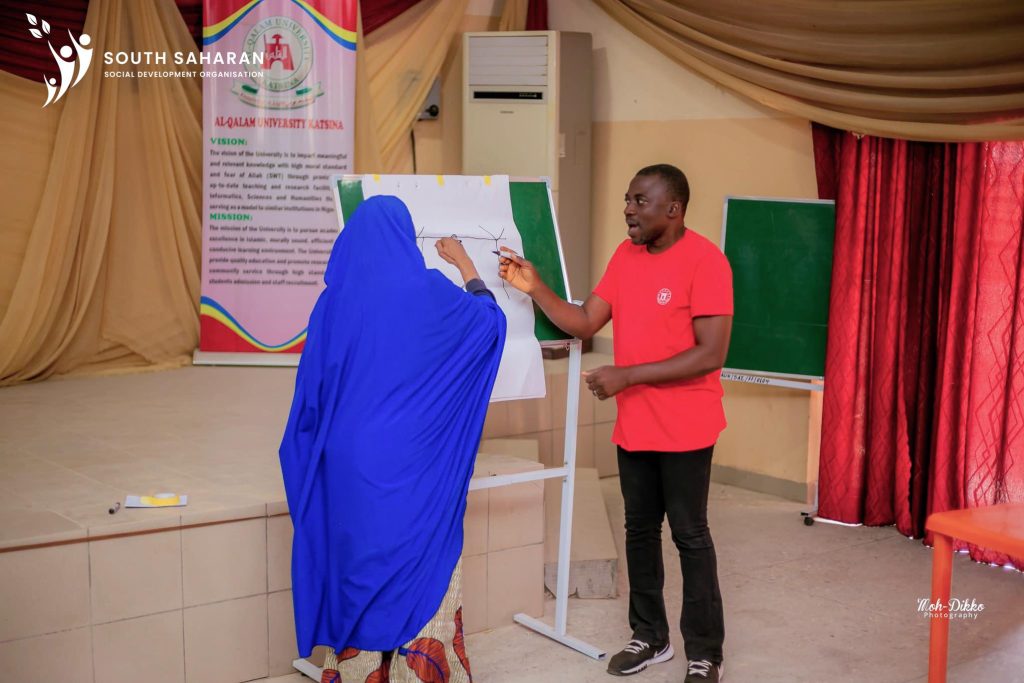
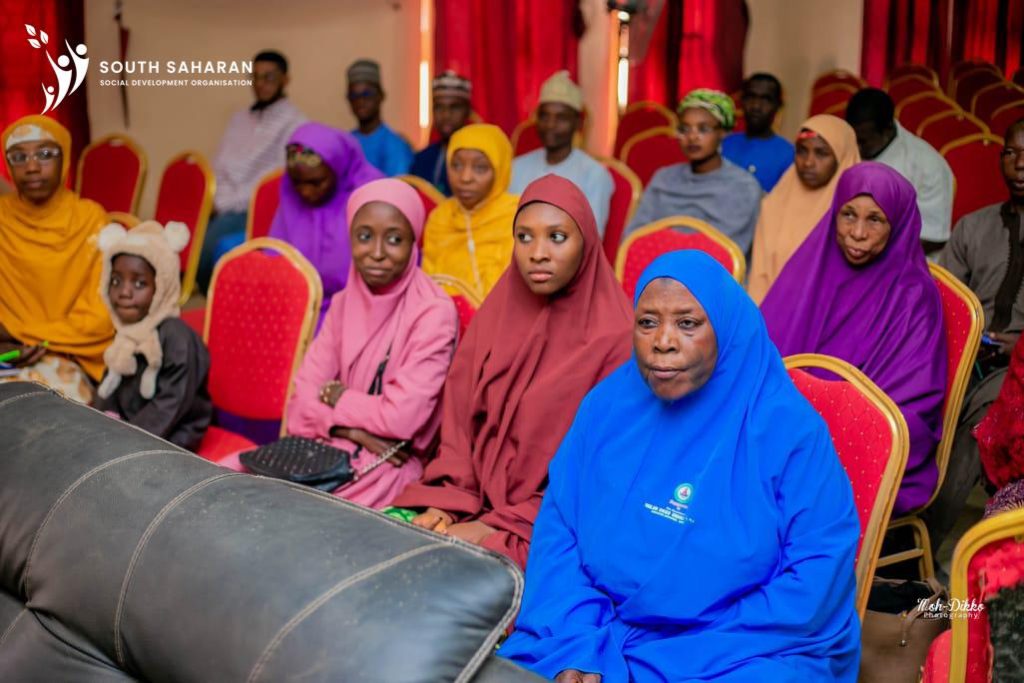
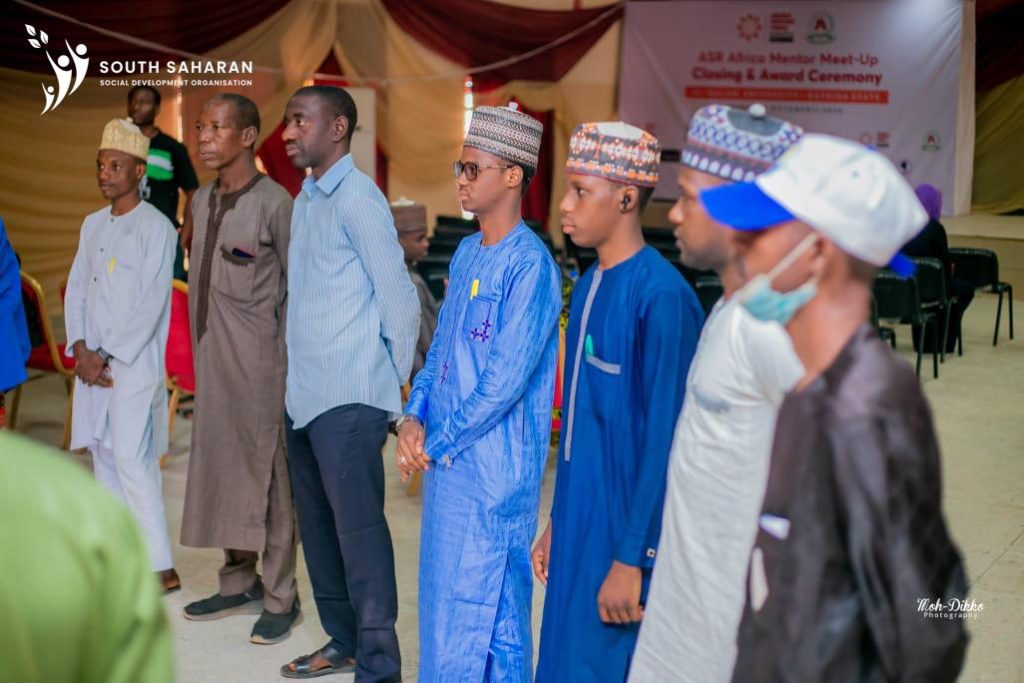
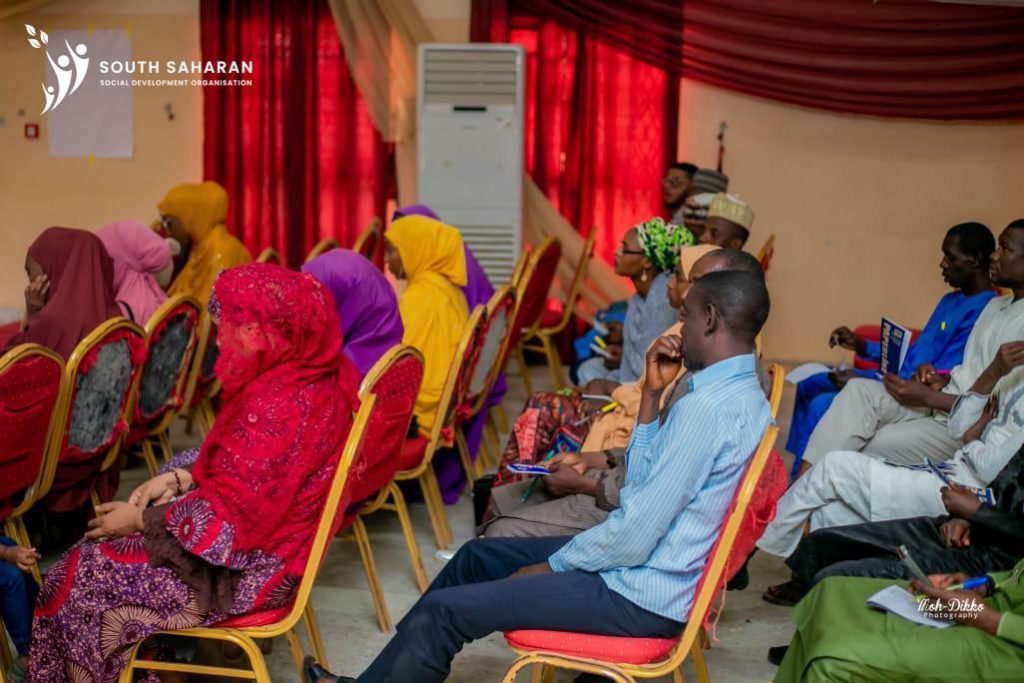
A cornerstone of the Katsina WASH Project is community empowerment through education and capacity building. We equipped 24 WASHCOM members from Bindawa and Kankia LGAs with the skills necessary to manage water schemes, uphold hygiene standards, and sustain access to clean water. These community champions are now empowered to maintain the boreholes and drive lasting change within their communities, fostering stronger, healthier environments.

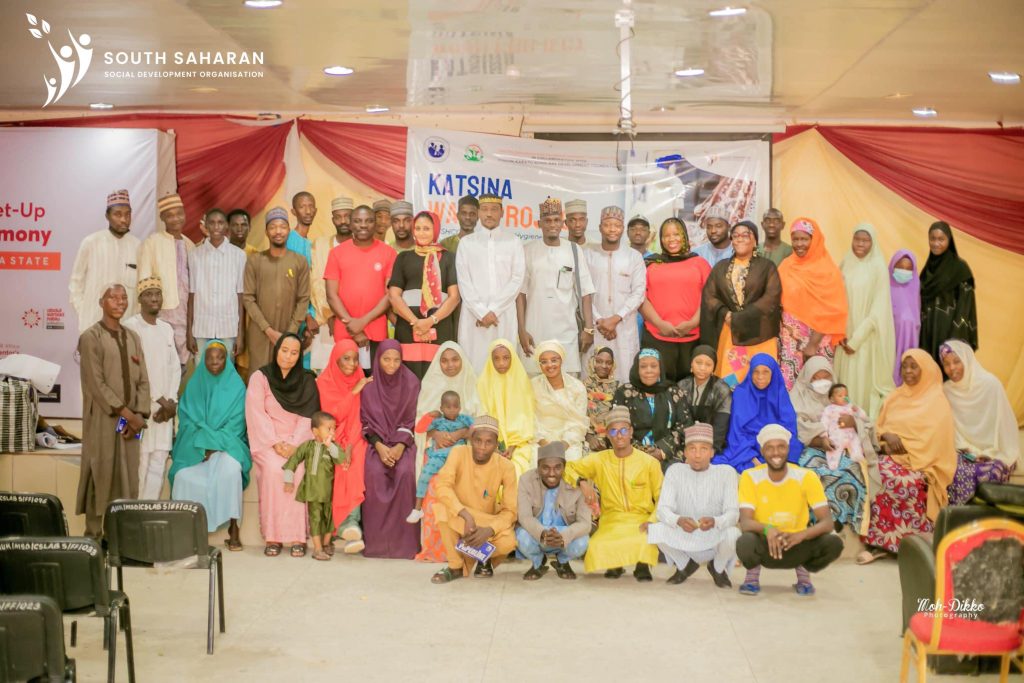
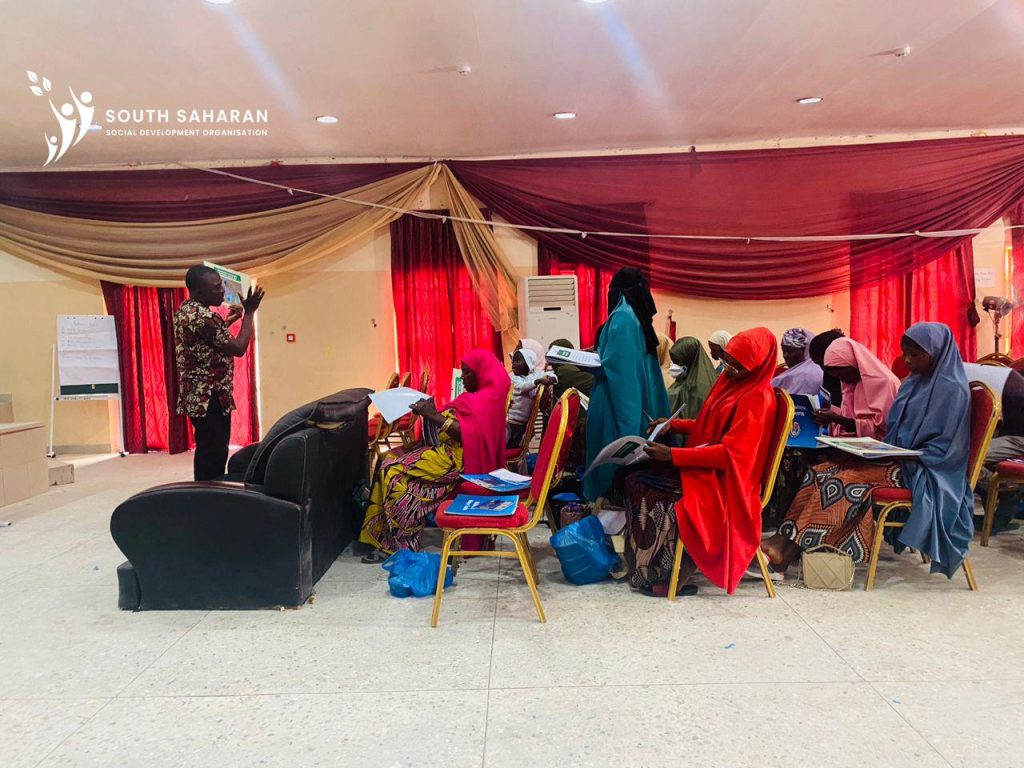
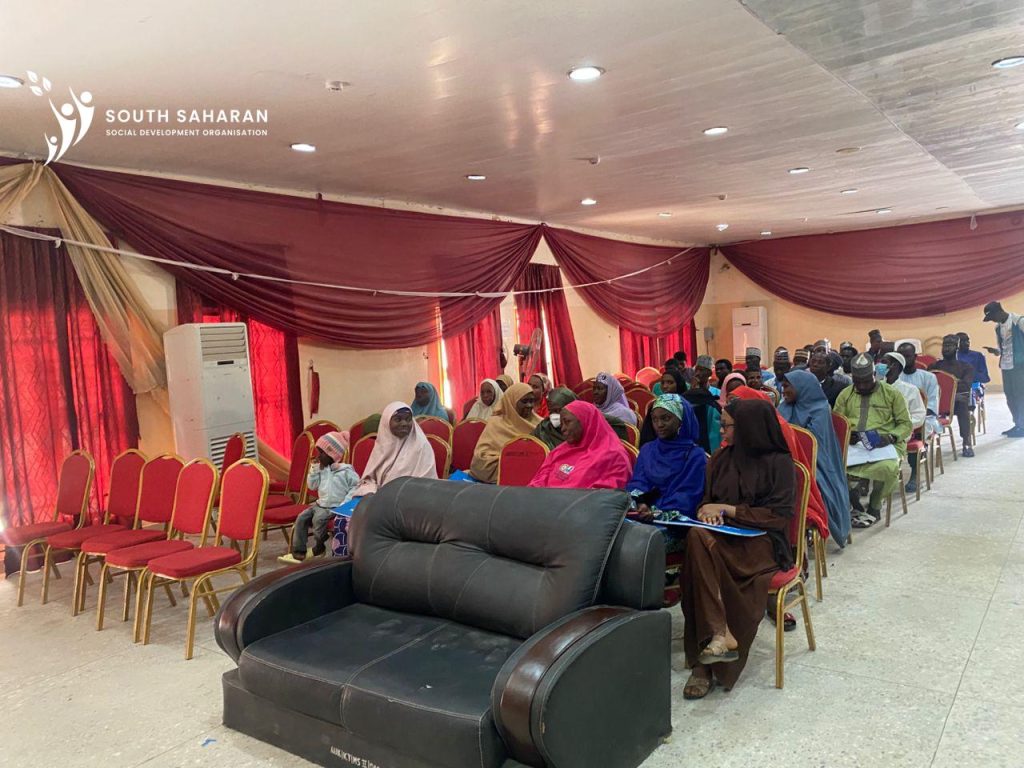
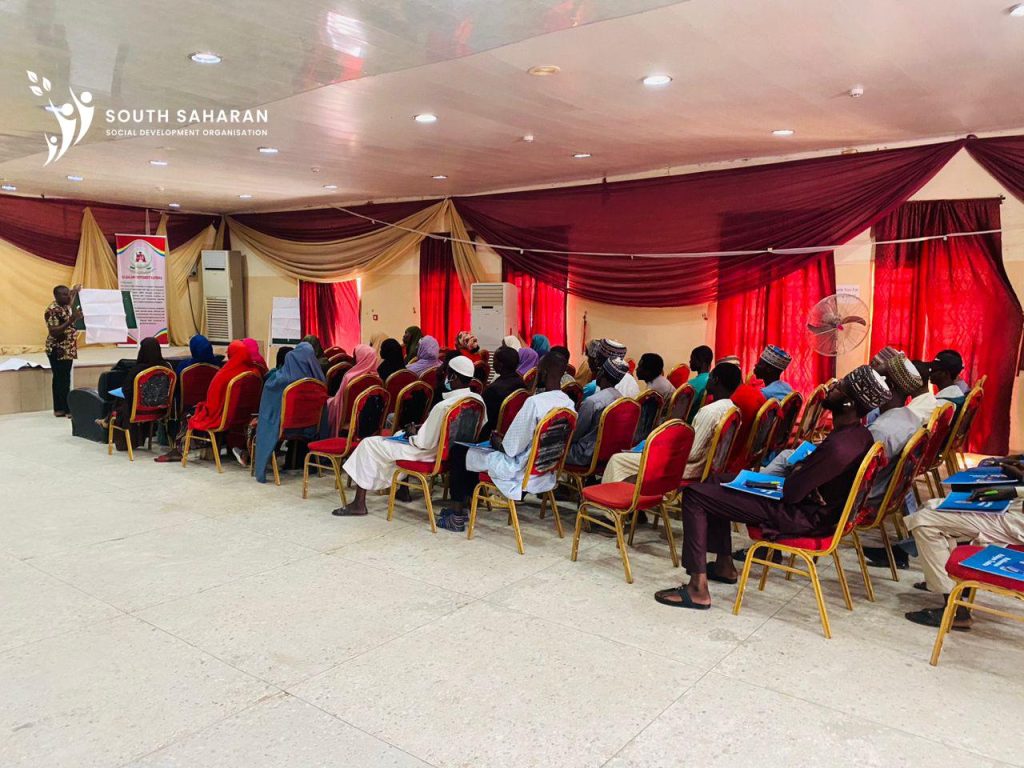
In addition to WASHCOM training, we conducted an intensive two-day training for 50 Volunteer Hygiene Promoters from the two LGAs. This training provided participants with hands-on skills to promote hygiene awareness and improve public health. Through interactive sessions, these volunteers are now equipped to advocate for and implement improved hygiene practices, contributing to the overall well-being of their communities.

Through our comprehensive training programs for WASHCOM members and Volunteer Hygiene Promoters, locals are gaining the knowledge and skills necessary to sustain clean water access and embrace healthier hygiene habits. These efforts ensure that the benefits of the Katsina WASH Project extend far beyond the immediate provision of infrastructure, fostering a culture of sustainability and health consciousness within the communities.

Celebrating Milestones: Completion of the Bindawa Borehole

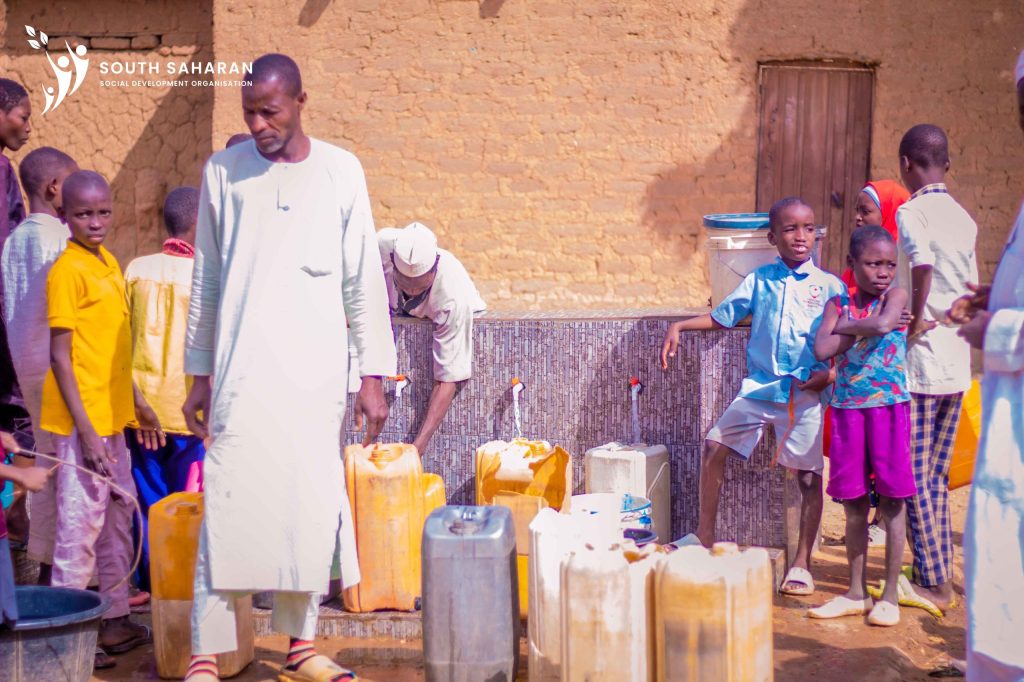
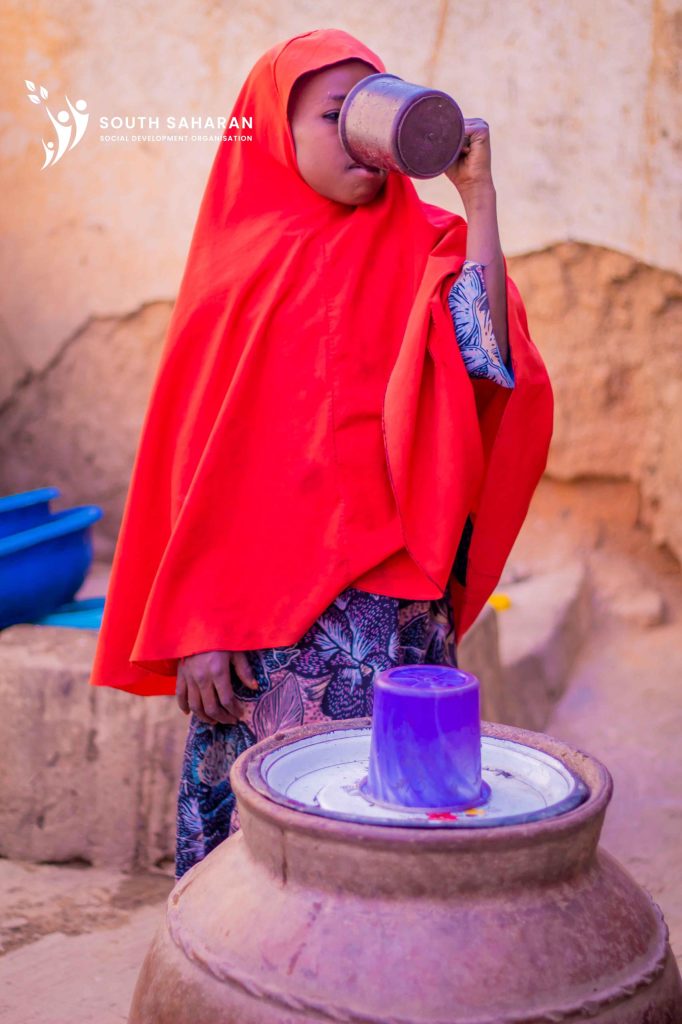
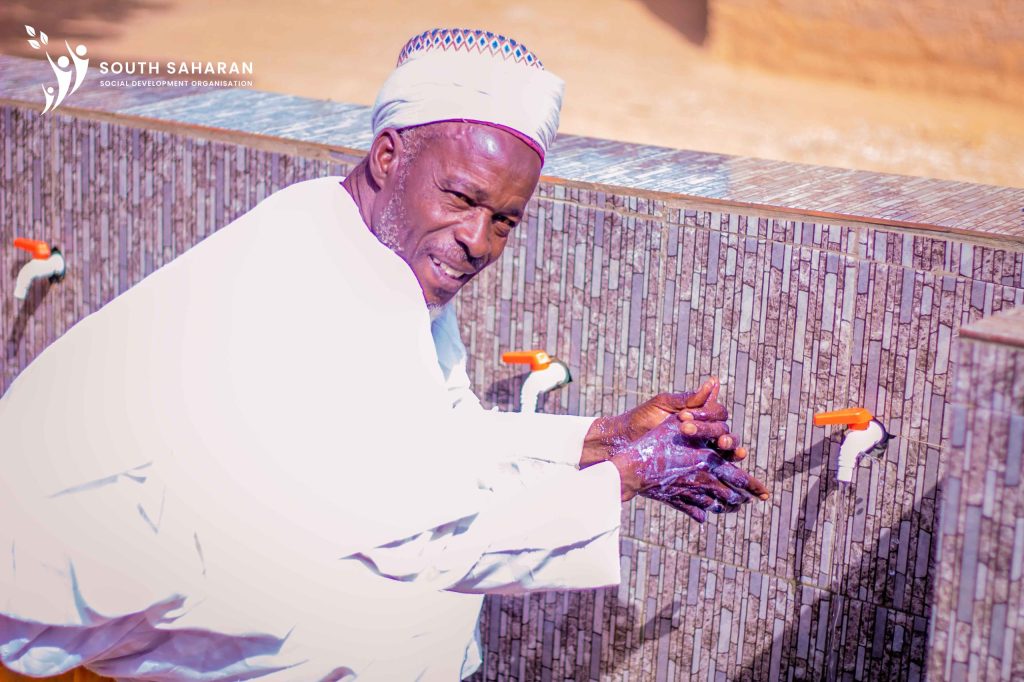
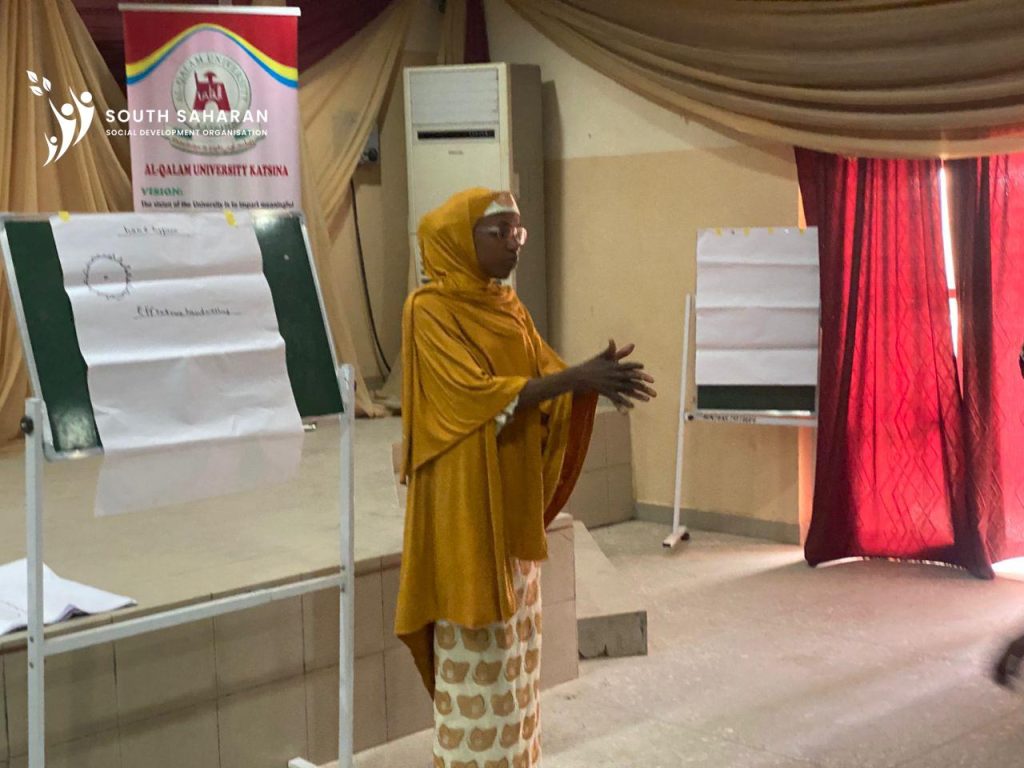
We successfully completed the borehole in the Bindawa community, a development that has brought immense joy and relief to residents. This life-changing project provides improved access to clean water for daily use, significantly enhancing the quality of life for community members. The success of this initiative would not have been possible without the generous support of The Church of Jesus Christ of Latter-day Saints, whose contributions have been instrumental in turning our vision into reality.

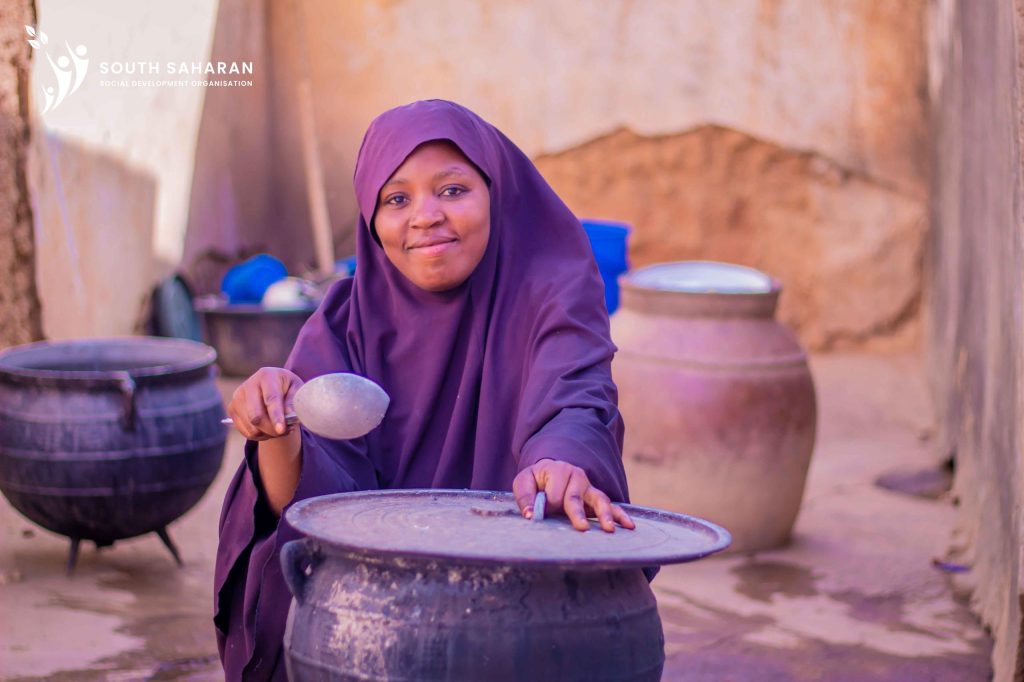
Access to clean water is a fundamental human right that serves as the foundation for health, dignity, and prosperity. The Katsina WASH Project exemplifies SSDO’s commitment to upholding this right by providing sustainable water solutions and empowering communities through education and collaboration. Our dedication to making development happen through education and good governance continues to drive our initiatives, as we strive to create a society where sustainable development is achieved for women, youth, and children.