At South Saharan Social Development Organisation (SSDO), we believe that empowering young people is essential for building inclusive and sustainable communities.
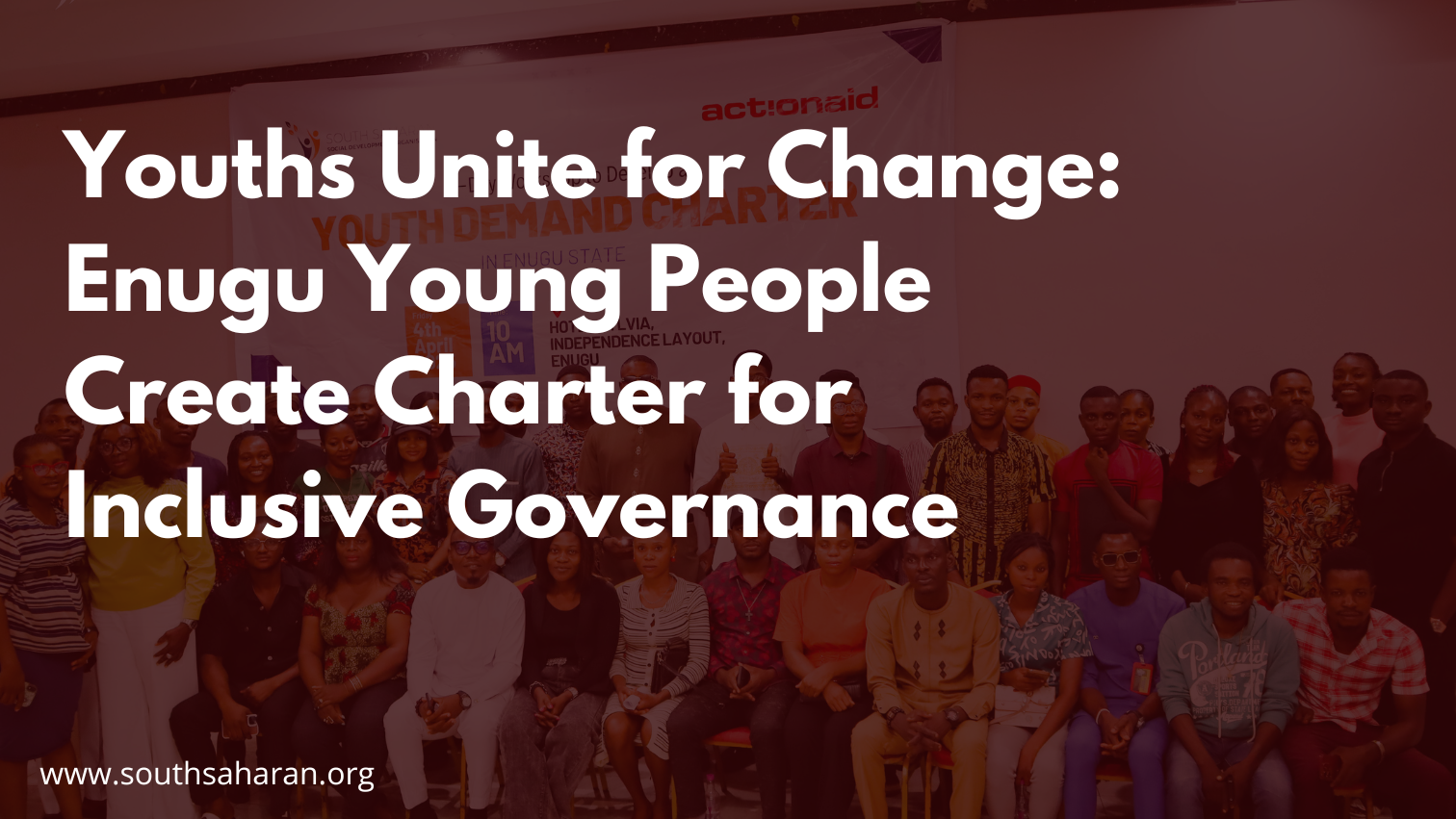
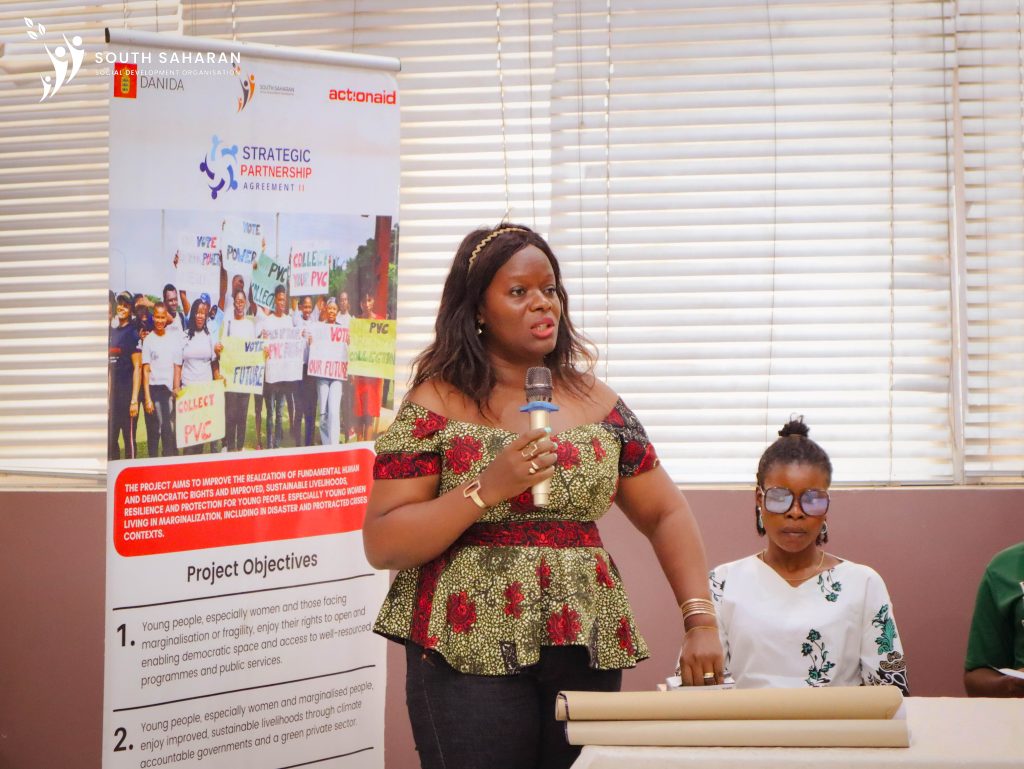
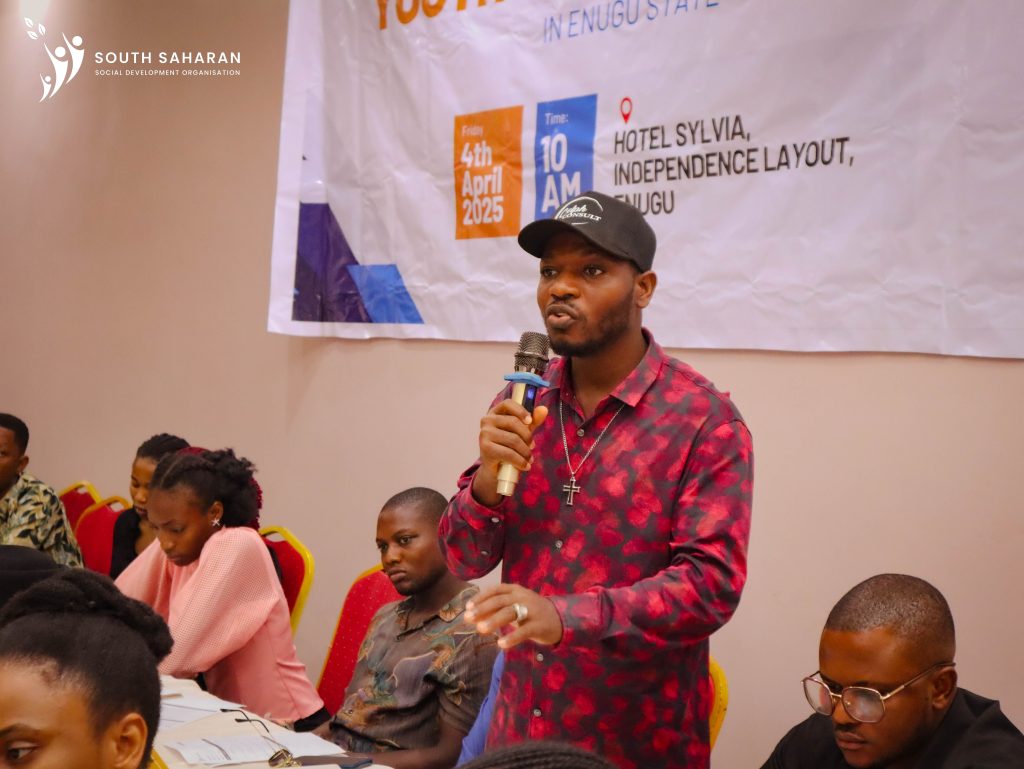
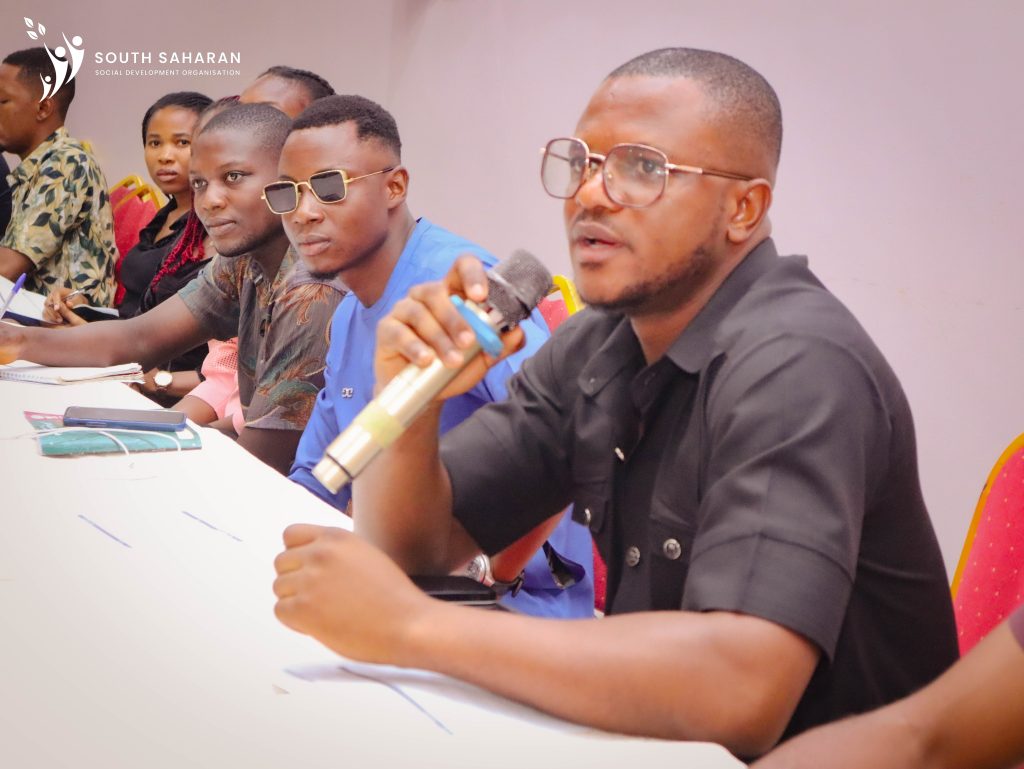
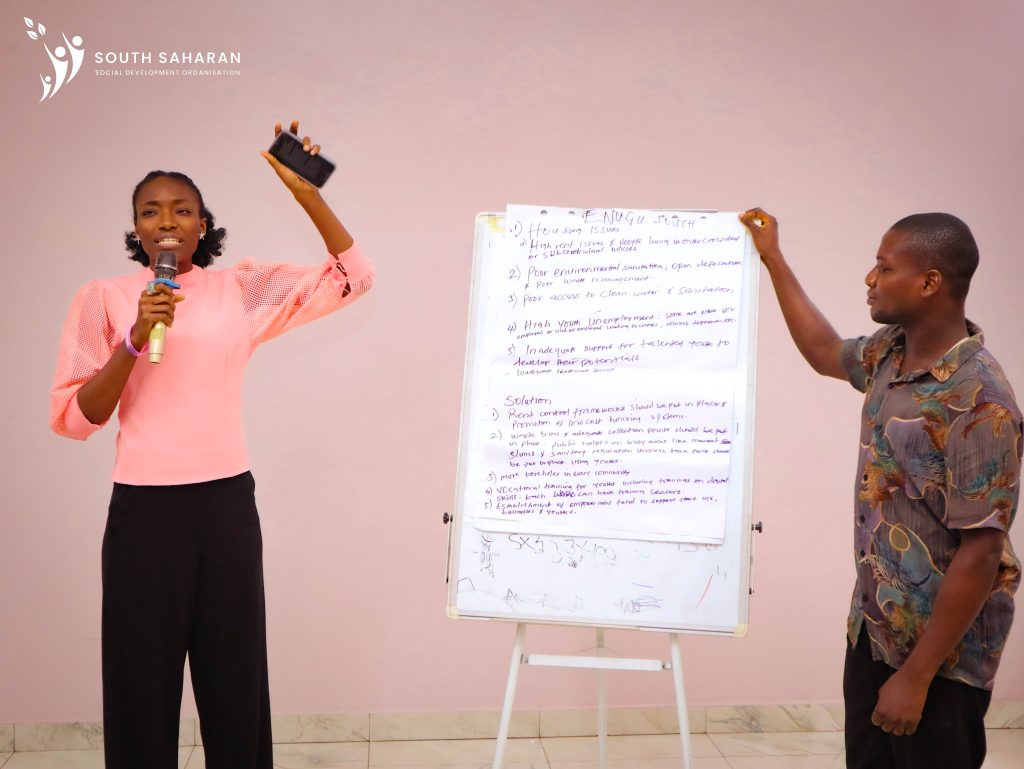
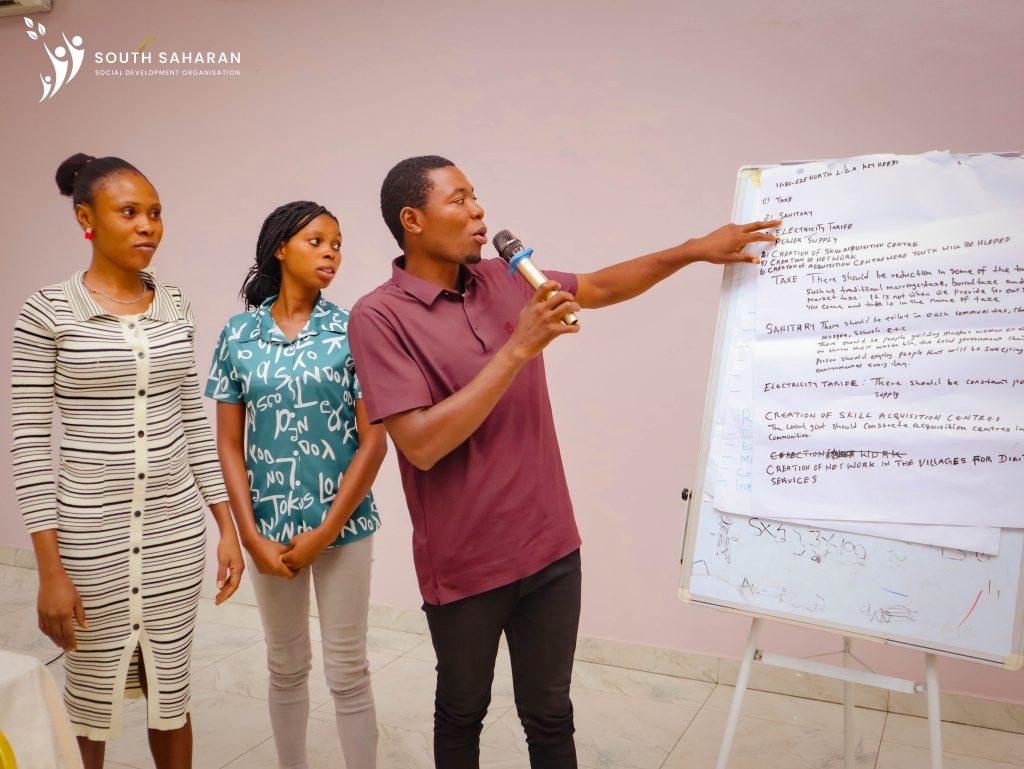
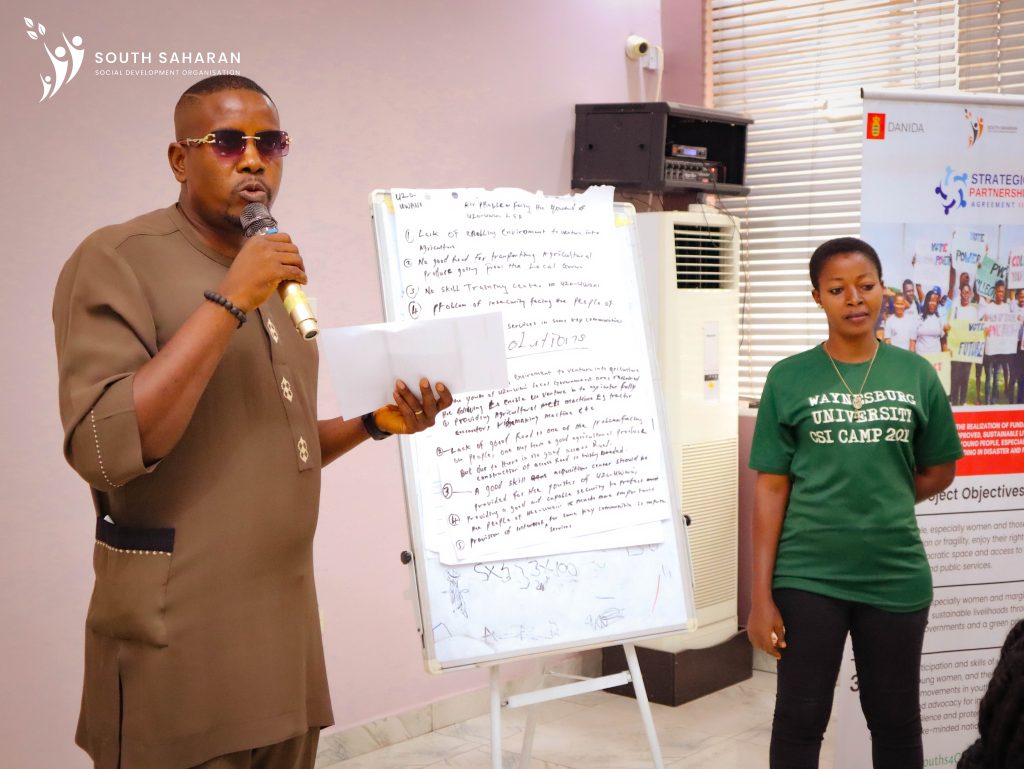
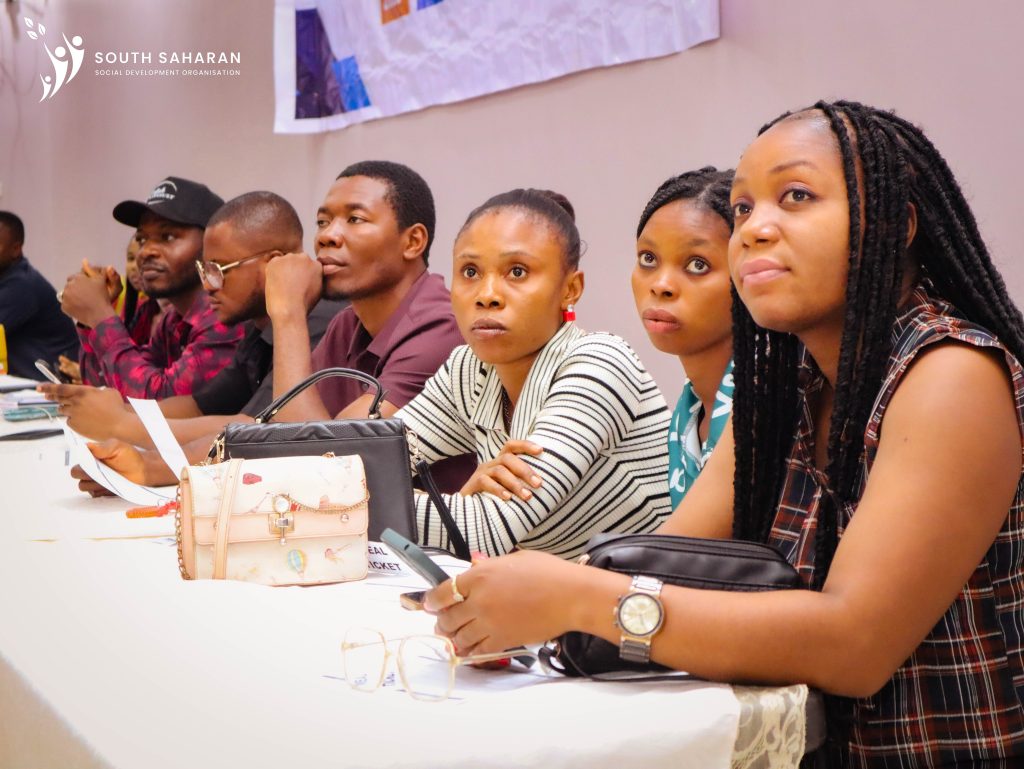
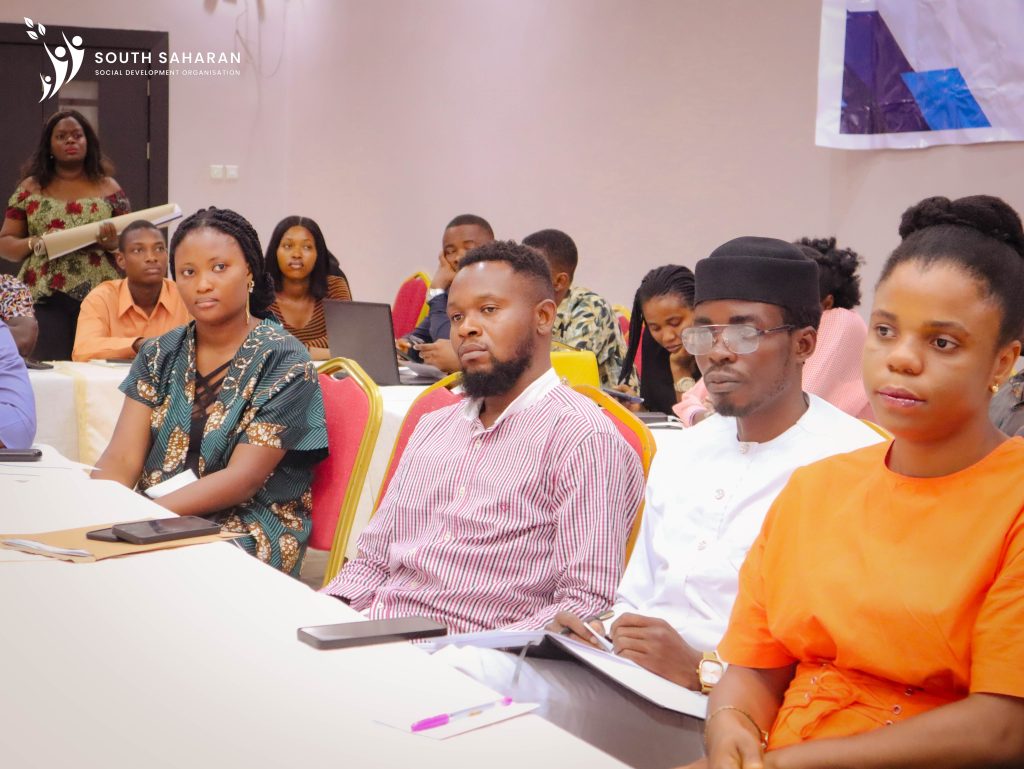
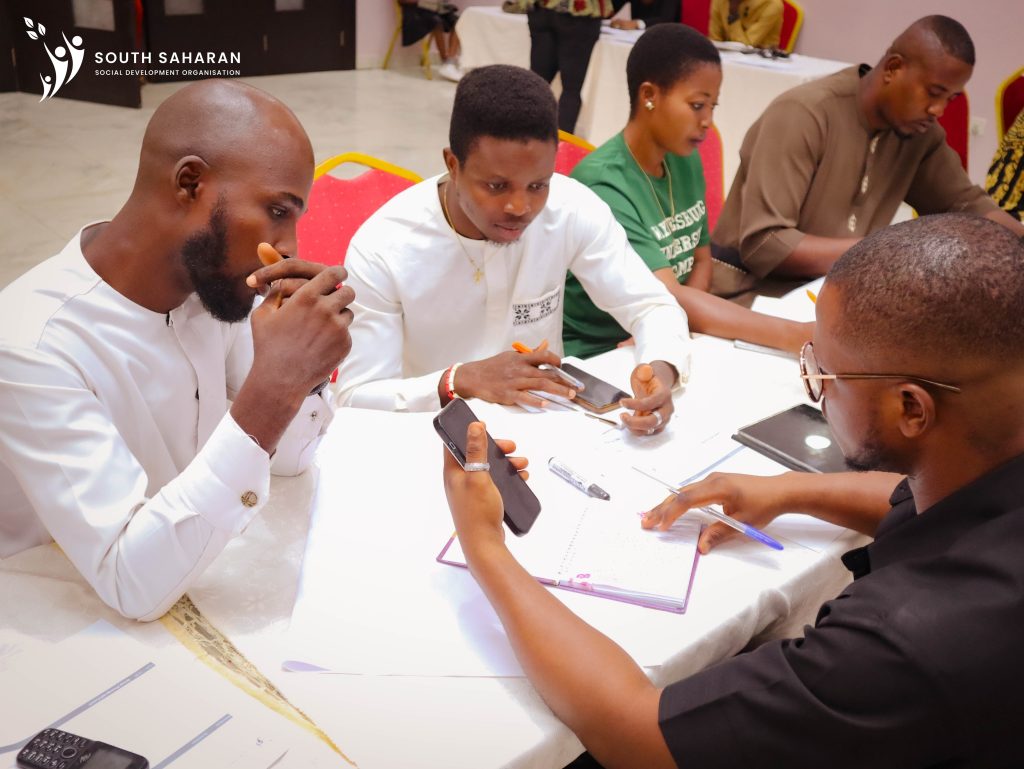
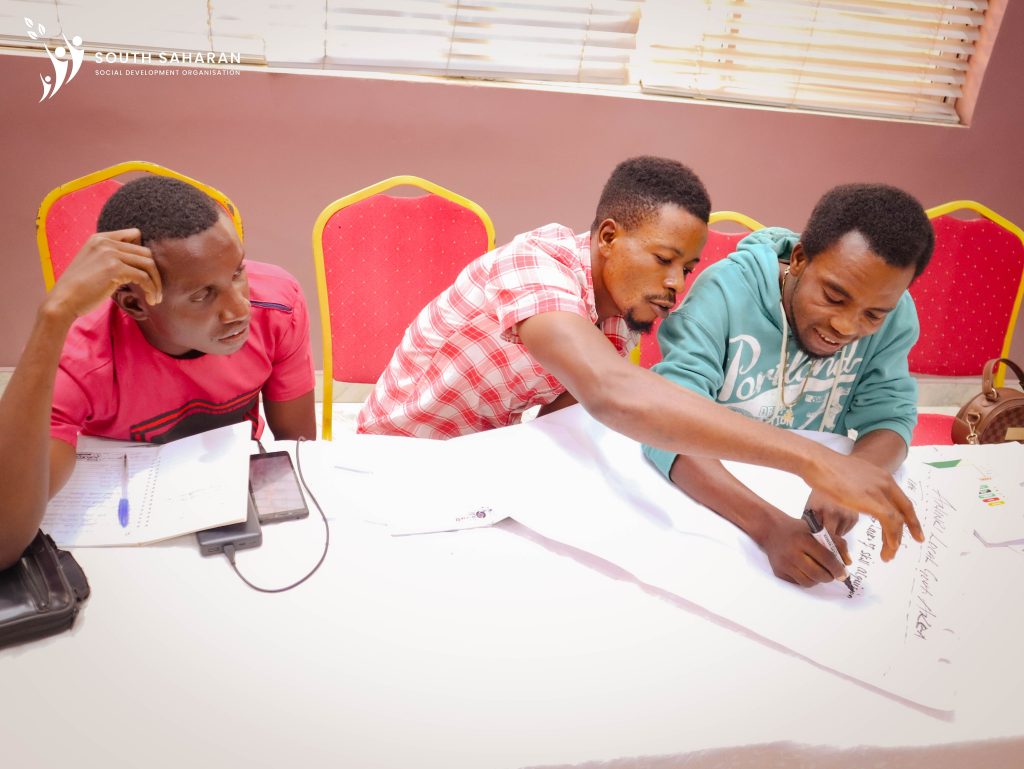
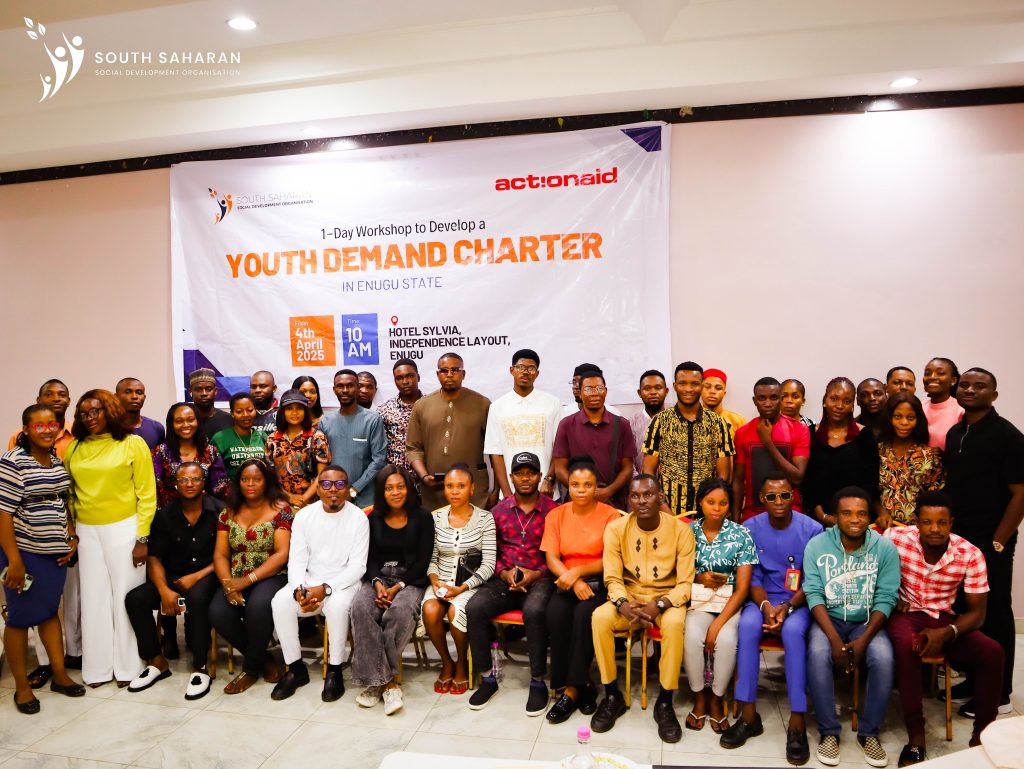
In line with this vision, 51 youths from the 17 Local Government Areas (LGAs) in Enugu State came together to develop a Youth Demand Charter focused on inclusive governance and youth development.
This initiative was made possible through our partnership with ActionAid Nigeria under the SPA II project, with the aim of enhancing youth participation in governance and decision-making processes.
The Youth Demand Charter serves as a roadmap for integrating youth perspectives into local governance structures. It outlines key areas where young people seek greater involvement, including education, employment, healthcare, and civic participation.
By articulating their collective aspirations, the youths aim to influence policy decisions and ensure that their voices are heard in matters that affect their lives and communities.
Fostering Collaboration and Shared Vision
The development of the charter was a collaborative process that encouraged dialogue, mutual understanding, and a shared commitment to positive change. Participants expressed their enthusiasm for being actively involved in shaping their future.
Next Steps: Advocacy and Implementation
With the Youth Demand Charter in place, the next phase involves engaging with local authorities to advocate for the adoption and implementation of the charter’s recommendations. The goal is to institutionalize youth participation in governance and ensure that their contributions lead to tangible improvements in their communities.
SSDO remains committed to supporting these young leaders as they take proactive steps toward inclusive governance and sustainable development in Enugu State.
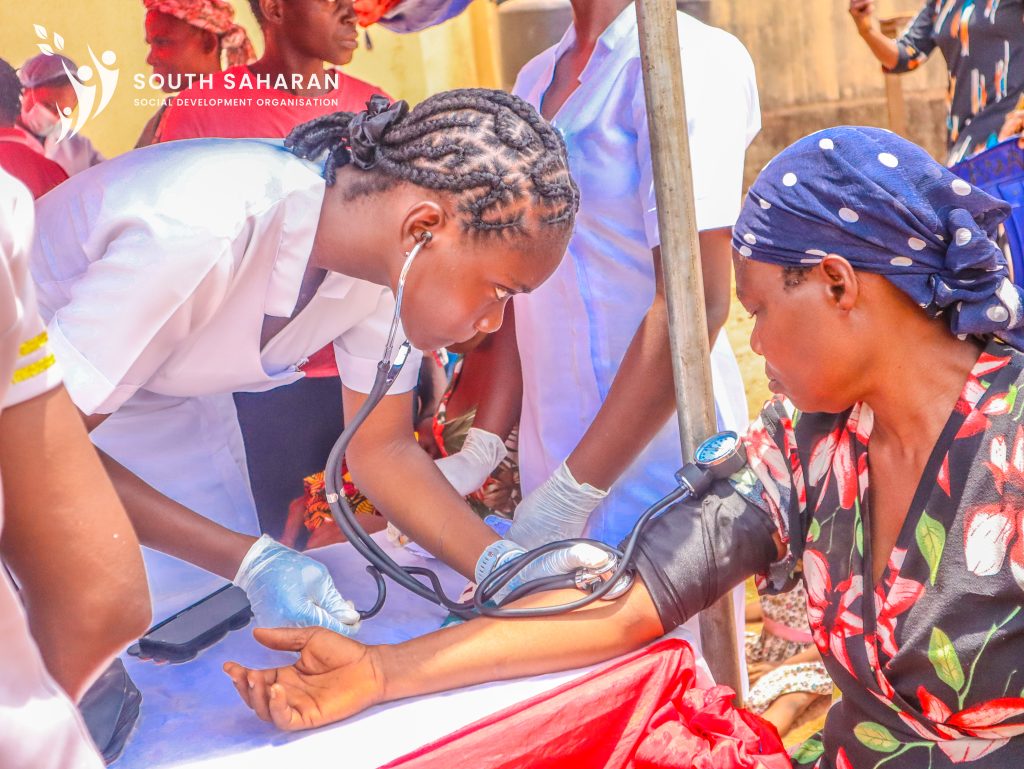
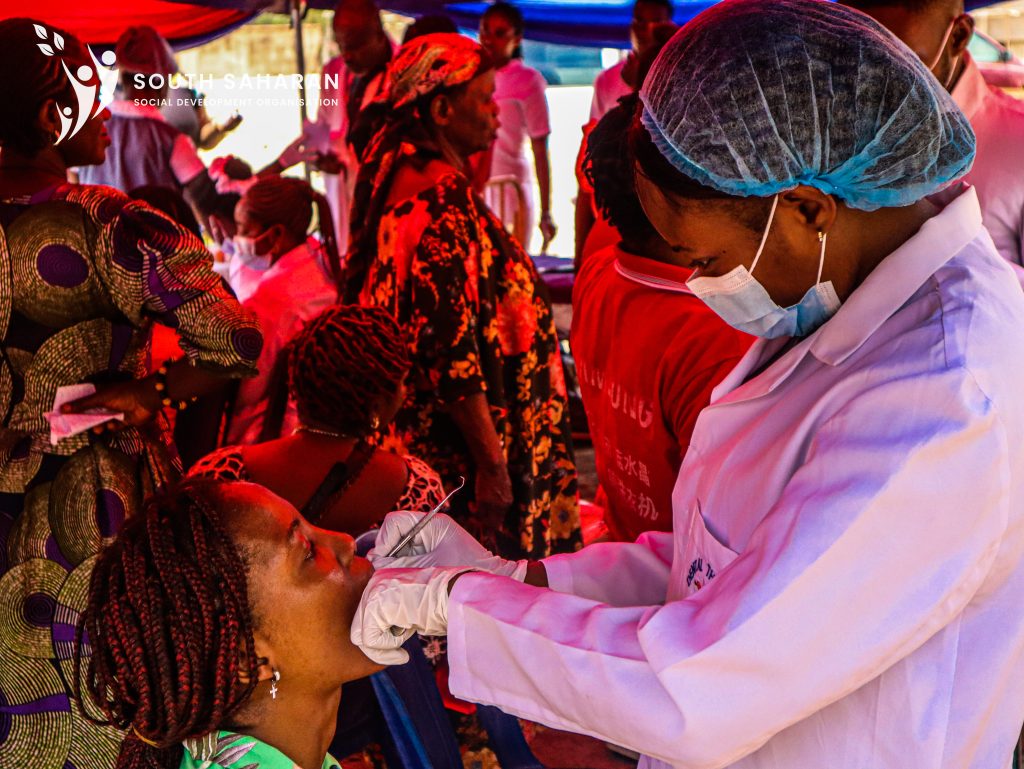
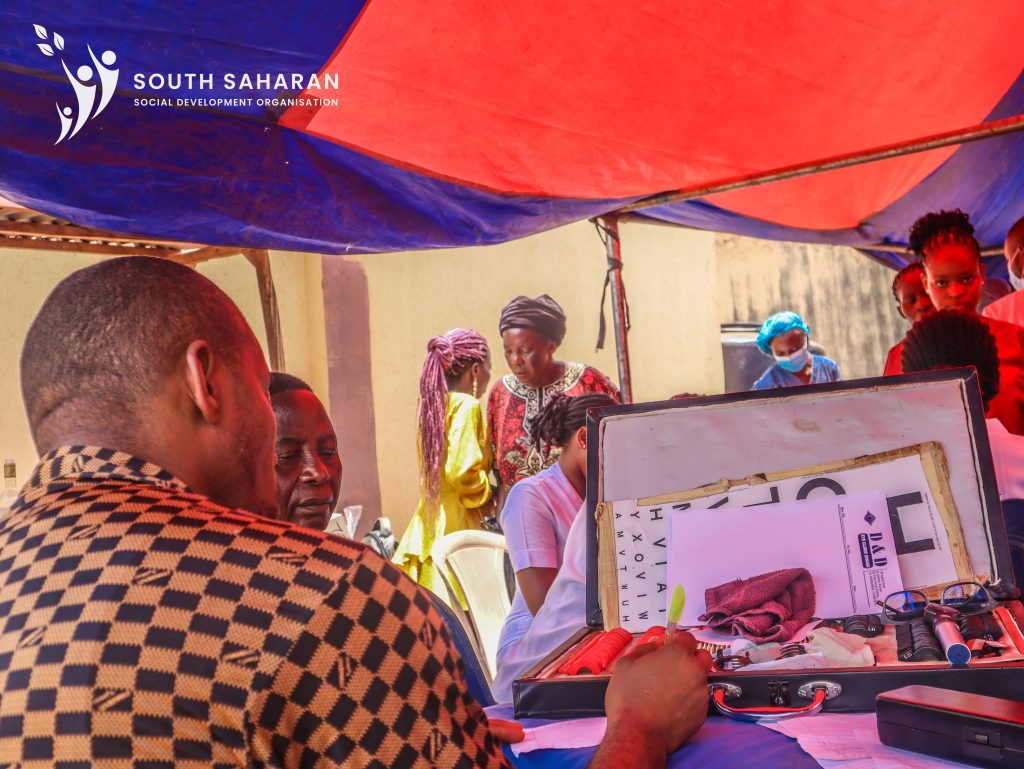
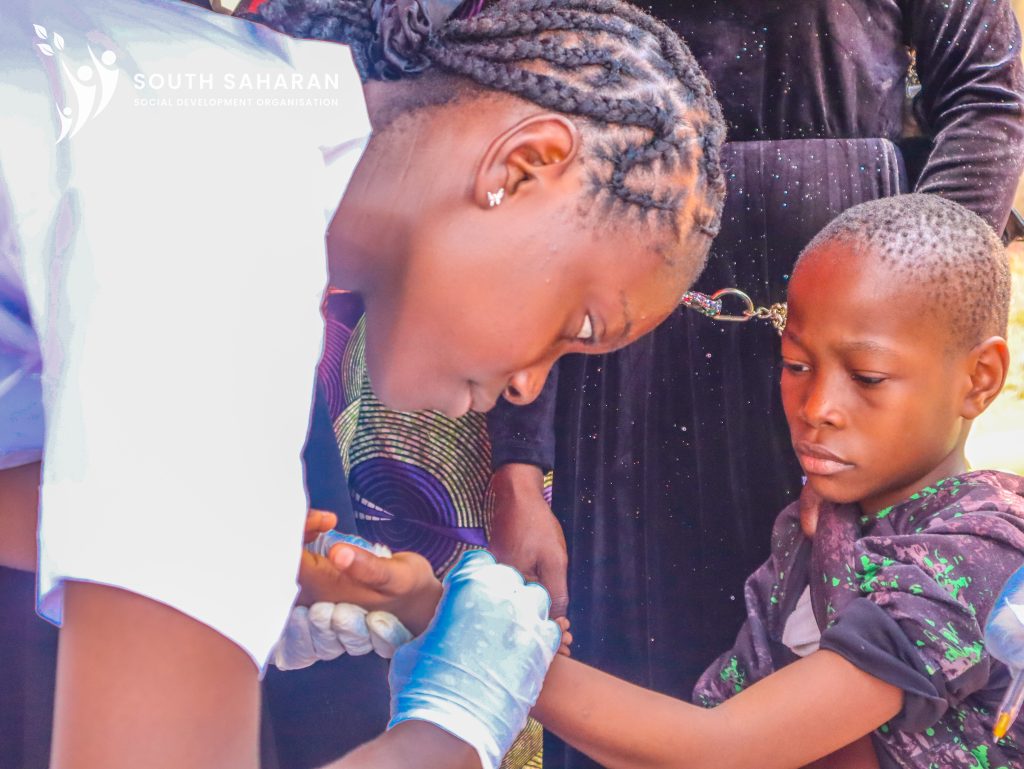
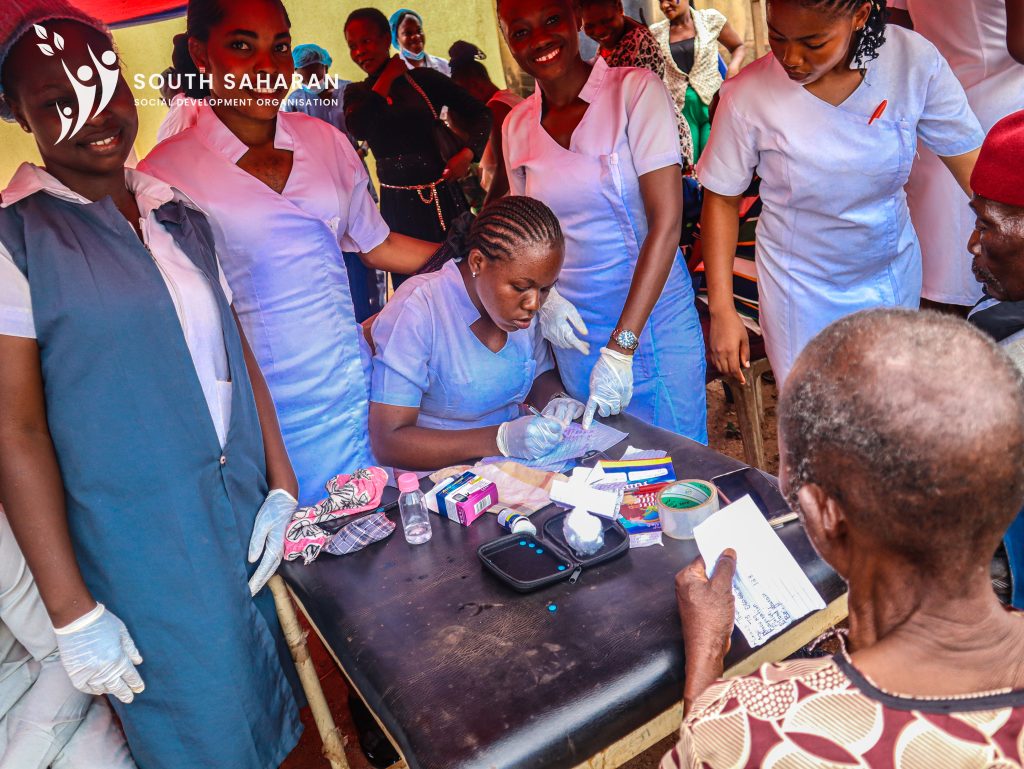
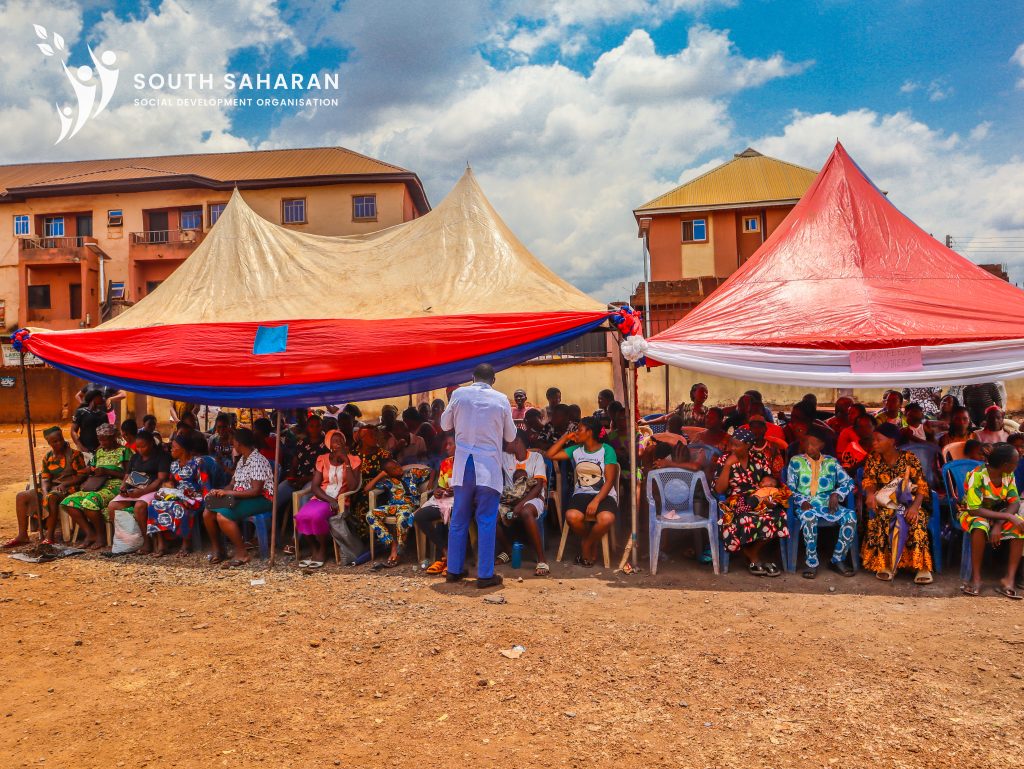
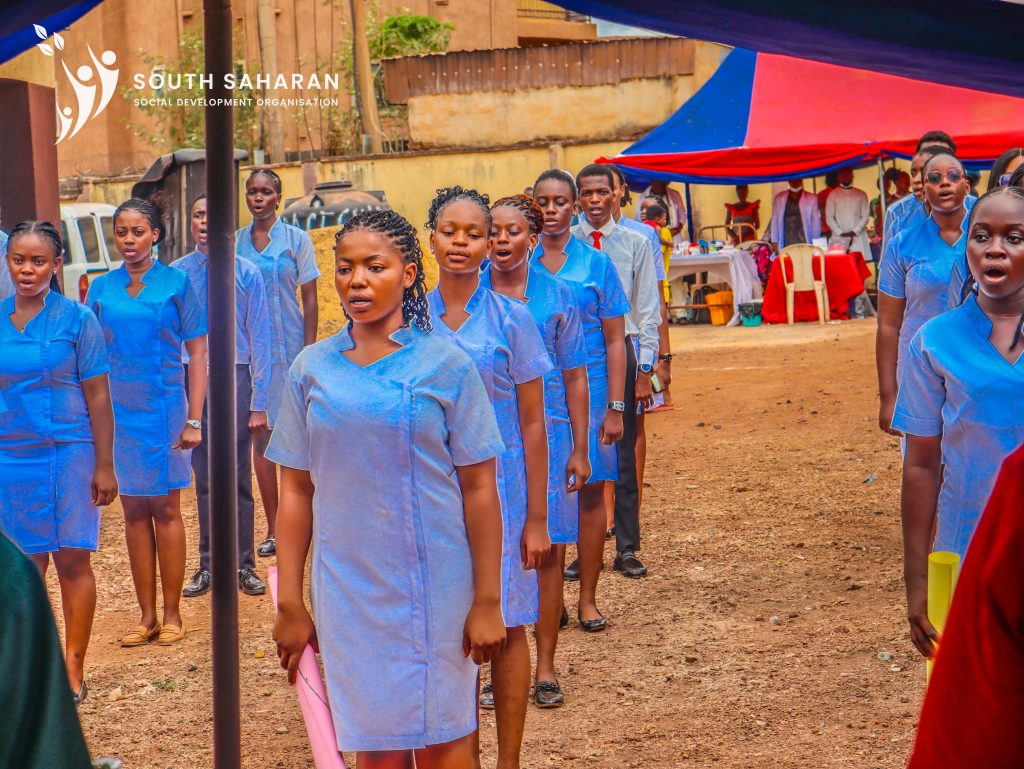
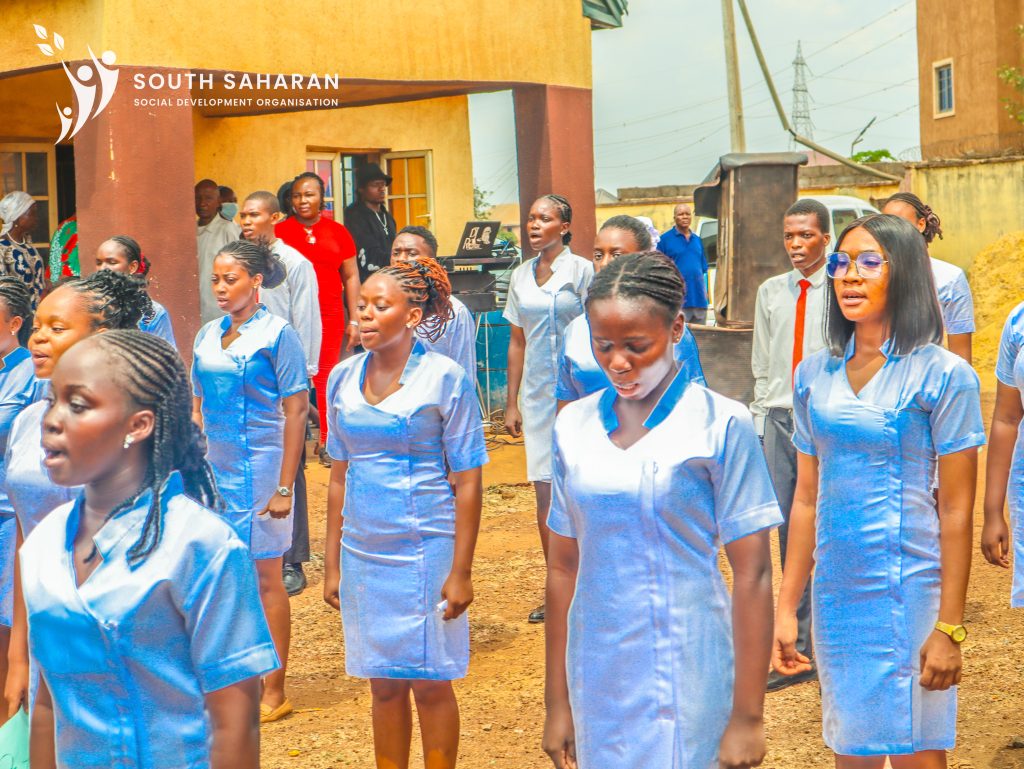
At South Saharan Social Development Organisation (SSDO), we recognize that the foundation of empowered communities lies in their health and well-being. In line with this belief, we partnered with nursing students from the University of Nigeria, Enugu Campus (UNN), to host the Ugboezeji Annual Health Day. This event, held in celebration of World Tuberculosis (TB) Day 2025, was a significant step toward combating infectious diseases and promoting community health.
Addressing Tuberculosis: A Community-Centered Approach
World TB Day serves as a reminder of the persistent threat tuberculosis poses globally, particularly in communities with limited access to healthcare resources. Our outreach in Ugboezeji was strategically planned to raise awareness about TB, provide free testing services, and educate residents on prevention and treatment options. By bringing these services directly to the community, we aimed to reduce barriers to healthcare access and encourage proactive health-seeking behaviors.
Interactive Health Education: Empowering Through Knowledge
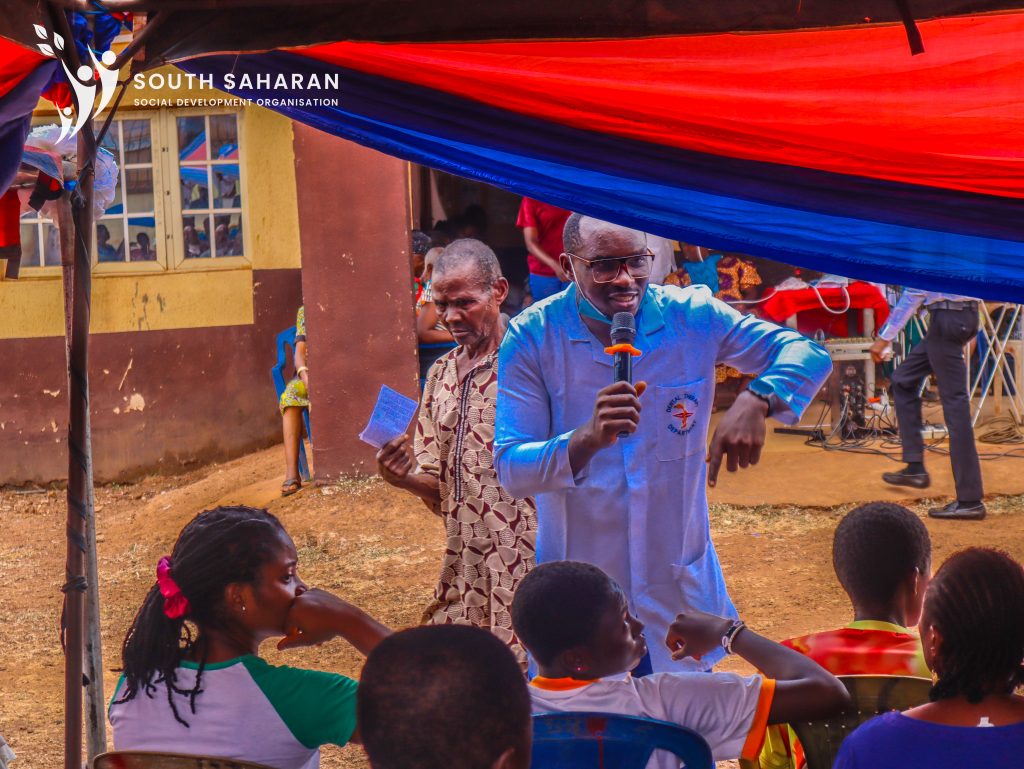
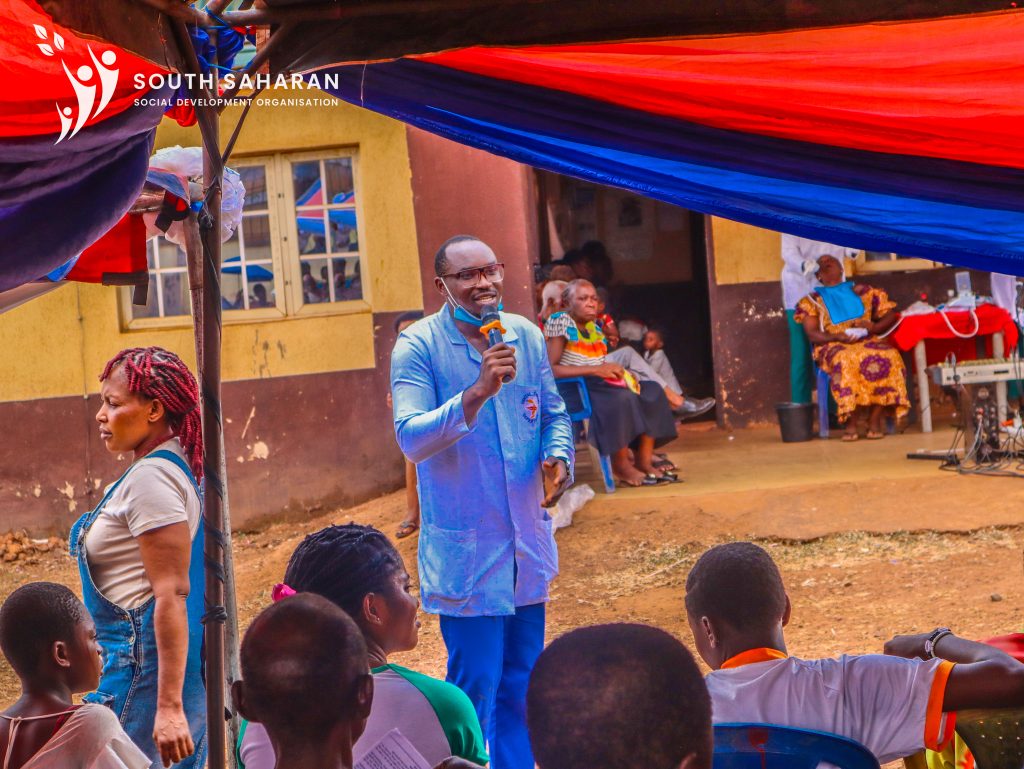
Beyond TB testing, the event featured interactive sessions on various infectious diseases. Our collaborative team emphasized the importance of simple yet effective practices, such as regular handwashing and maintaining clean environments, in preventing disease transmission. These discussions were designed to be engaging and informative, fostering an environment where community members felt comfortable asking questions and sharing experiences.
Building Trust and Inspiring Action
This collaboration extended beyond the provision of health services; it was about cultivating trust within the community and empowering individuals with the knowledge to take control of their health. By involving nursing students from UNN, we bridged the gap between academic knowledge and real-world application, demonstrating the tangible impact of community engagement. The presence of these passionate future healthcare professionals served as an inspiration, highlighting the role of education and service in driving societal change.
A Vision for a Healthier Enugu
Our efforts in Ugboezeji are part of a broader vision to build healthier communities across Enugu State. We understand that sustainable development is rooted in the well-being of the people. Through initiatives like the Annual Health Day, SSDO remains committed to addressing health disparities, promoting preventive care, and fostering environments where every individual has the opportunity to thrive.
As we reflect on the success of this event, we extend our gratitude to the UNN nursing students, community leaders, and residents of Ugboezeji for their enthusiastic participation. Together, we are making strides toward a future where empowered communities lead the charge in safeguarding their health and well-being.
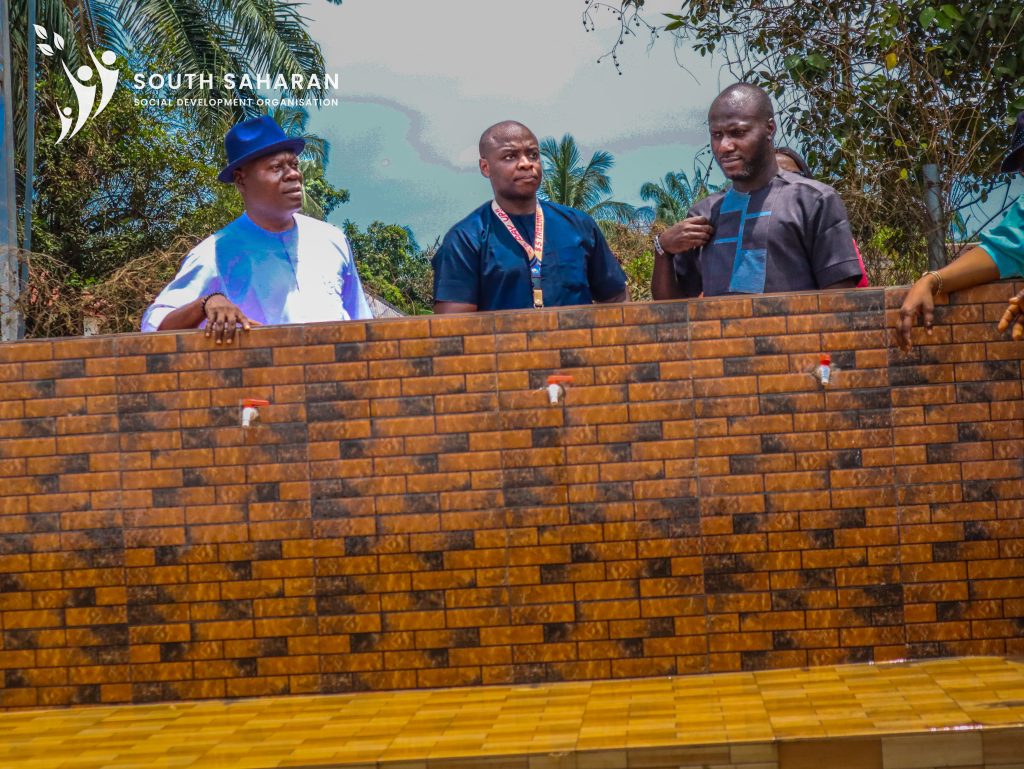
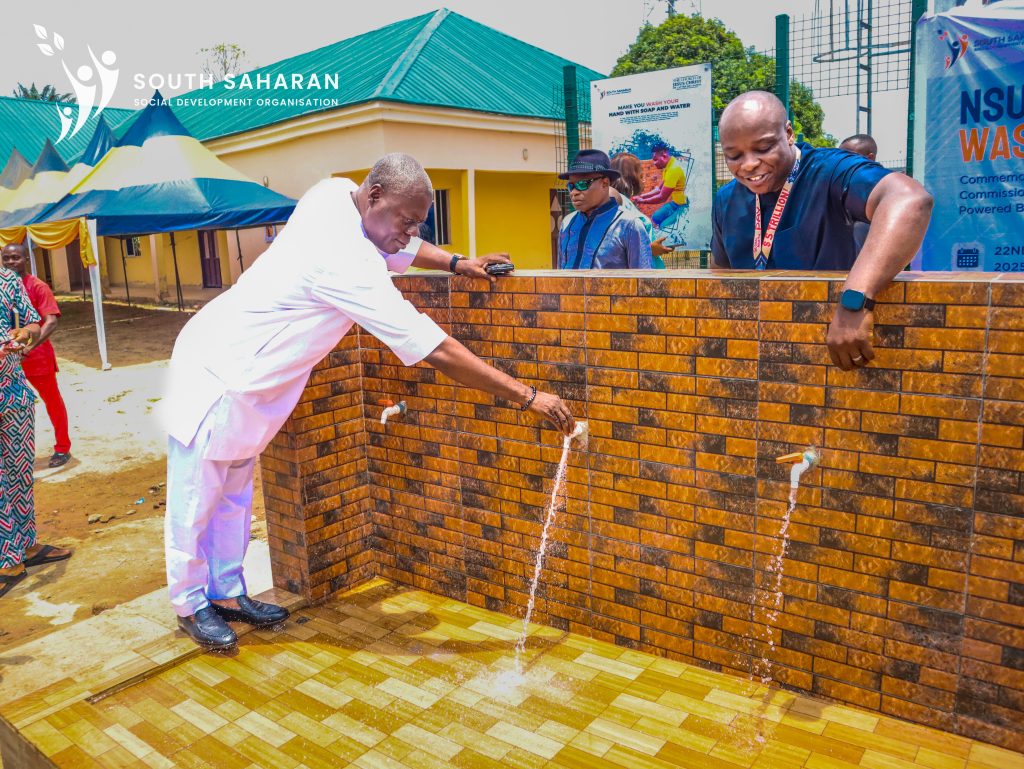
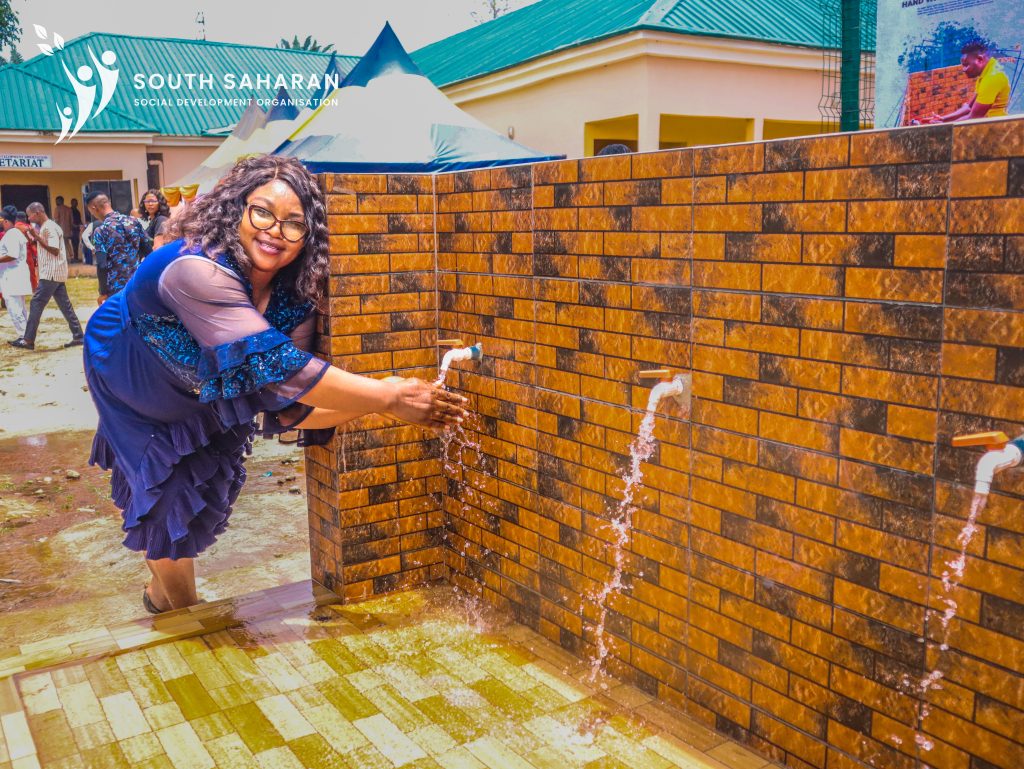
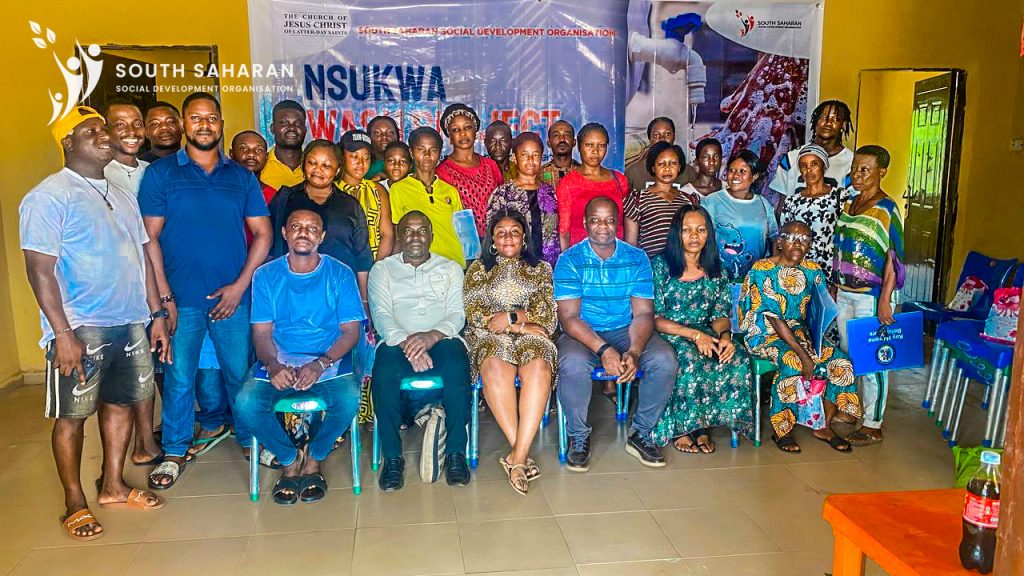
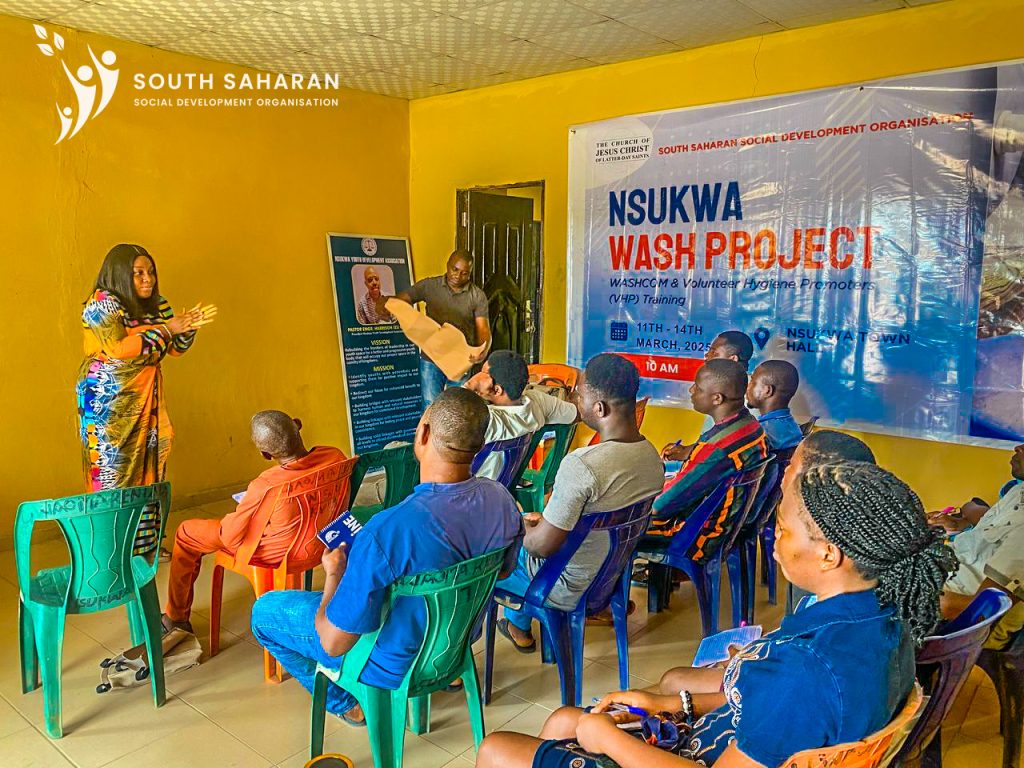
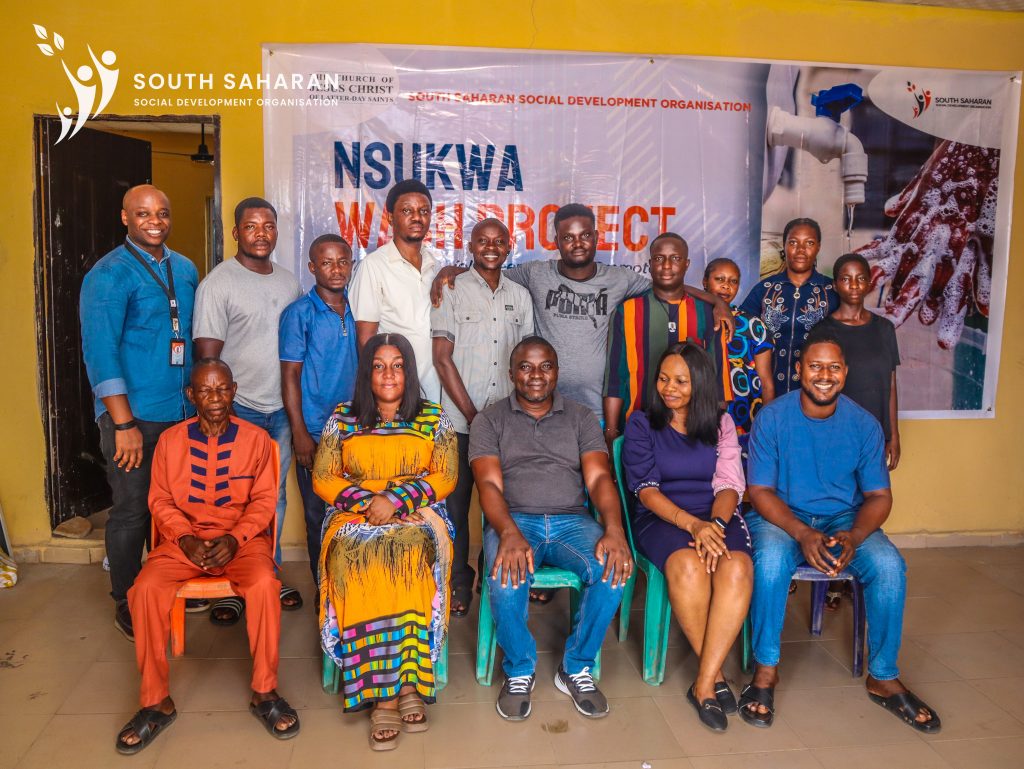
At South Saharan Social Development Organisation (SSDO), we recognize that access to safe water is more than just a necessity – it is a fundamental right. Our dedication to creating healthier communities has driven us to implement sustainable water, sanitation, and hygiene (WASH) solutions in underserved areas. One of our latest initiatives, the Nsukwa WASH Project, is making a lasting impact by improving water access and promoting better hygiene practices in Nsukwa, Delta State.
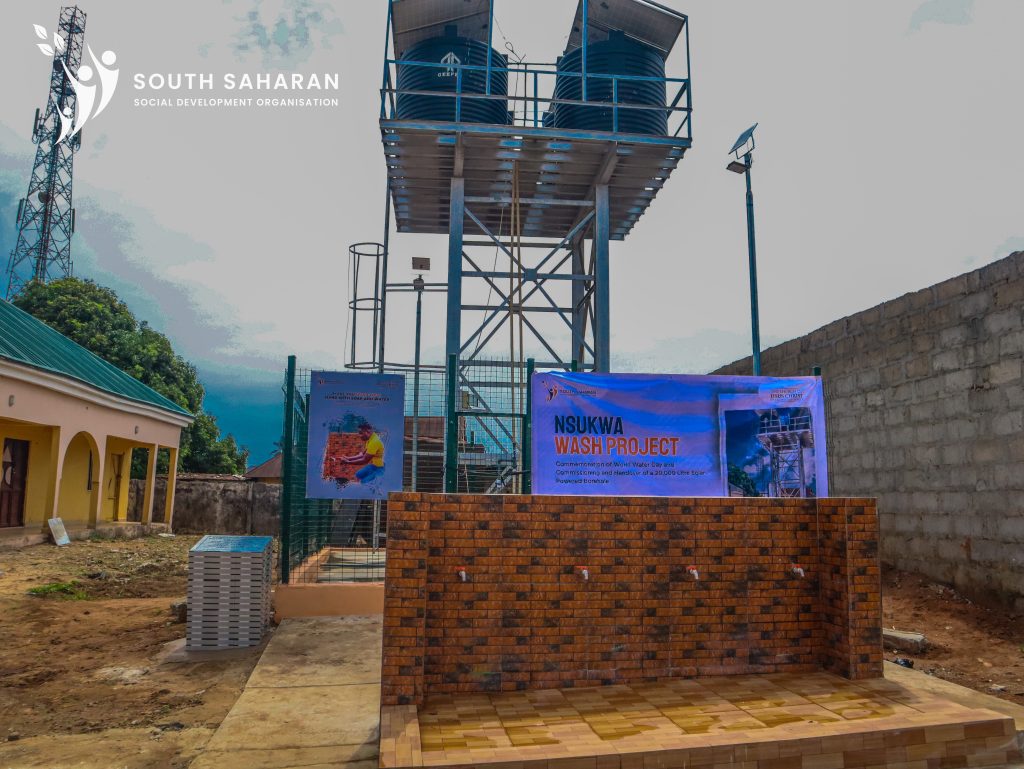
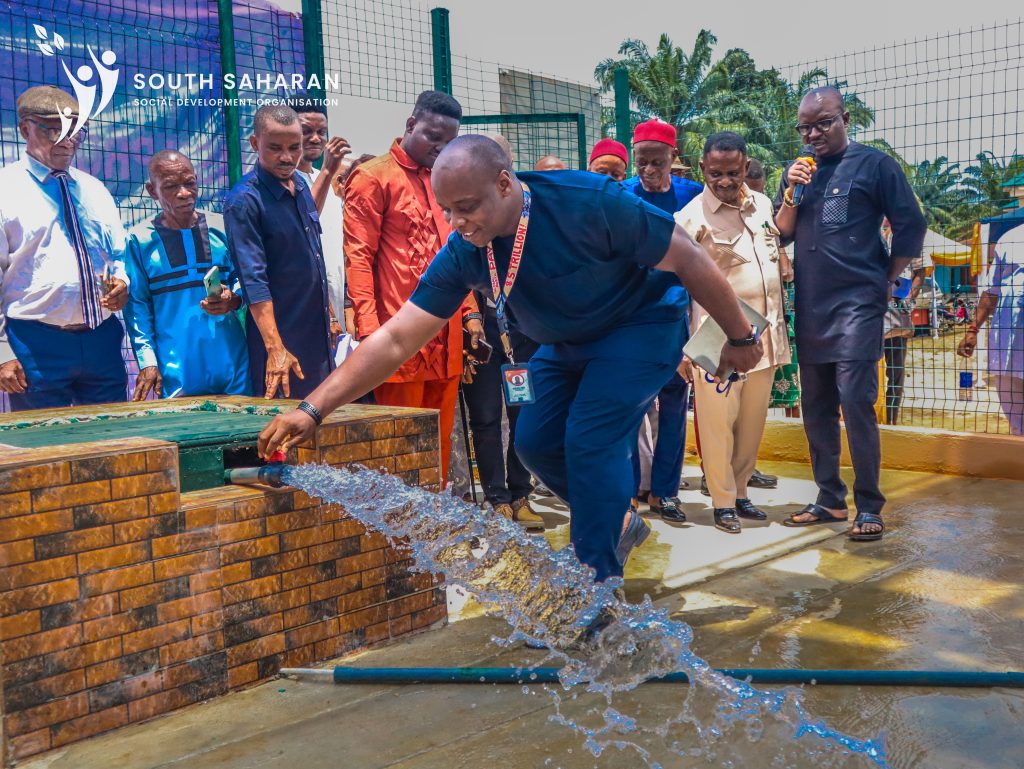
With support from The Church of Jesus Christ of Latter-day Saints, SSDO launched the Nsukwa WASH Project to ensure clean water availability while promoting long-term sanitation and hygiene improvements. This project is designed to empower the community with the resources and knowledge needed to sustain healthy living conditions. A key achievement under this initiative is the installation of a 20,000-litre solar-powered borehole, which now provides residents with a reliable supply of clean water for daily use.
Engaging Traditional Leaders for Sustainable Impact
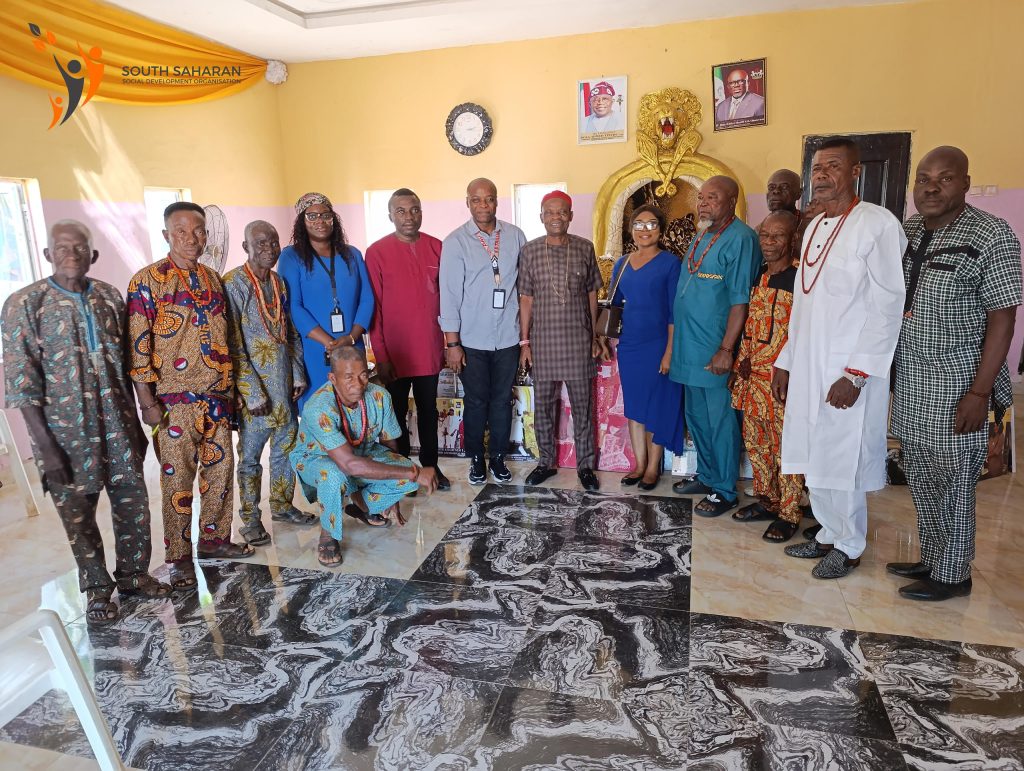
Community leadership plays a crucial role in driving development and ensuring long-term sustainability. Before initiating the WASH Triggering Session in Nsukwa, SSDO met with the Obi of Nsukwa, along with his council members. This engagement helped raise awareness about the importance of proper sanitation and hygiene while securing their commitment to supporting the project. By involving community leaders from the outset, SSDO is fostering local ownership and ensuring that the initiative remains effective for years to come.
Training Volunteer Hygiene Promoters to Champion Health
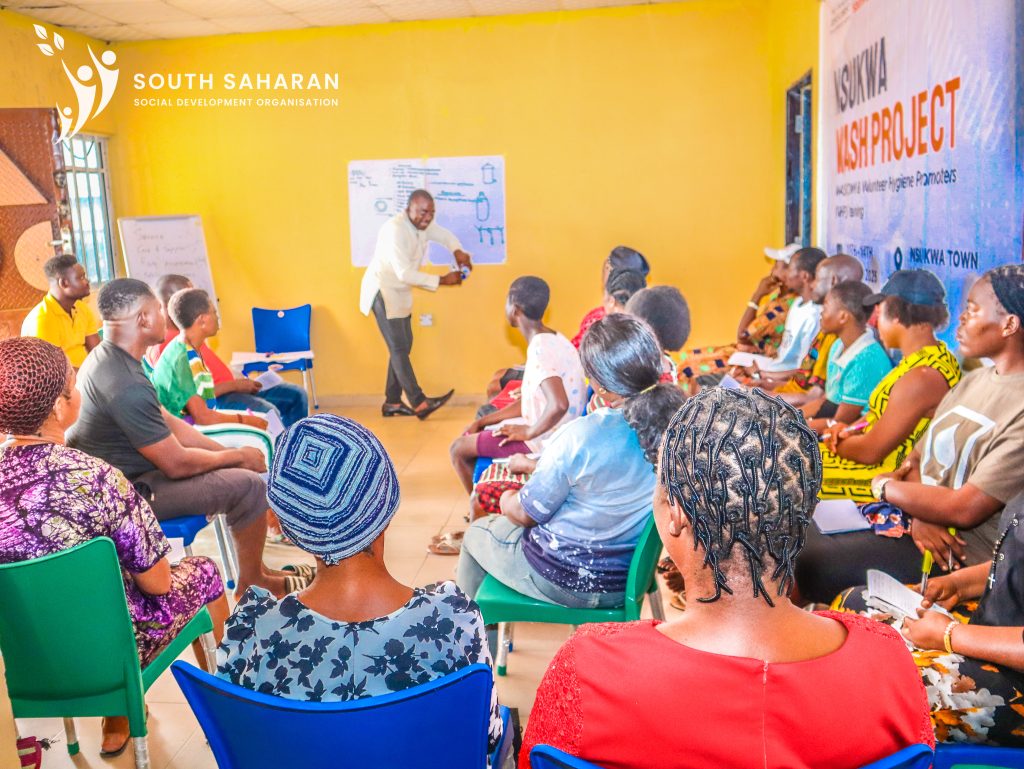
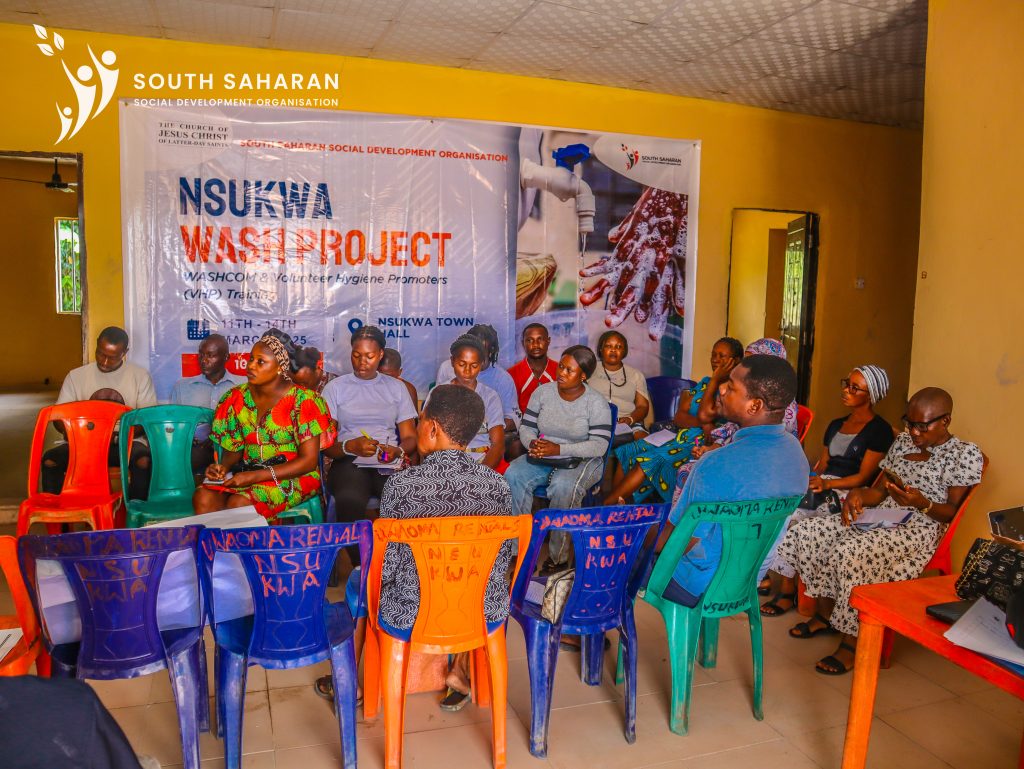
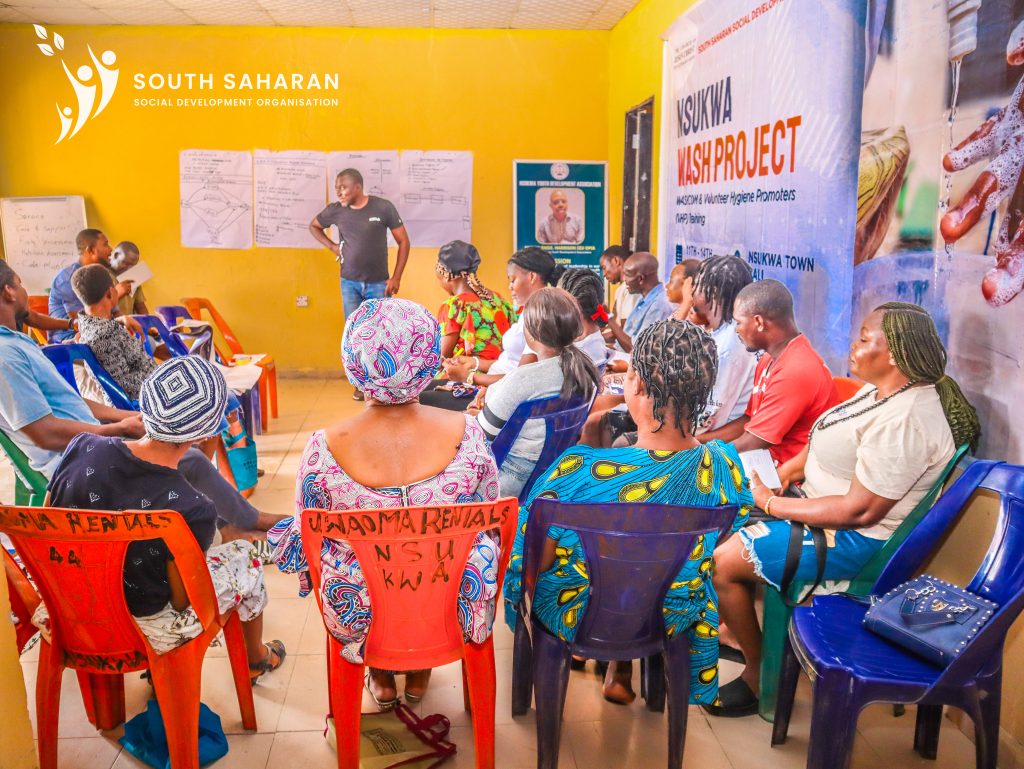
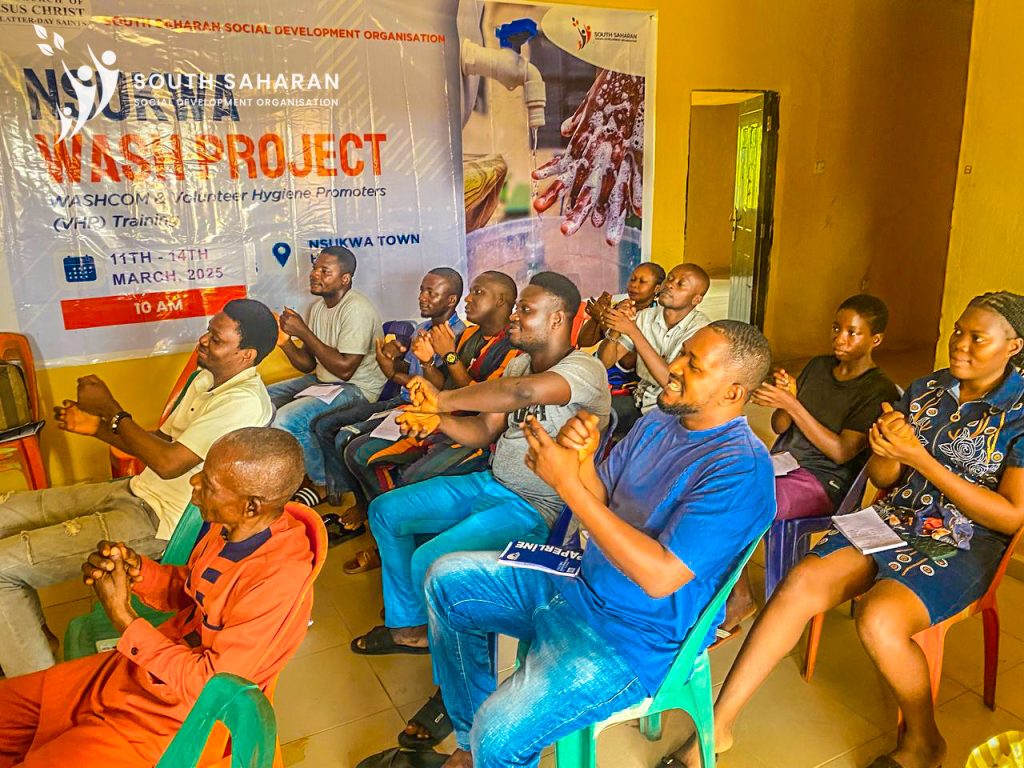
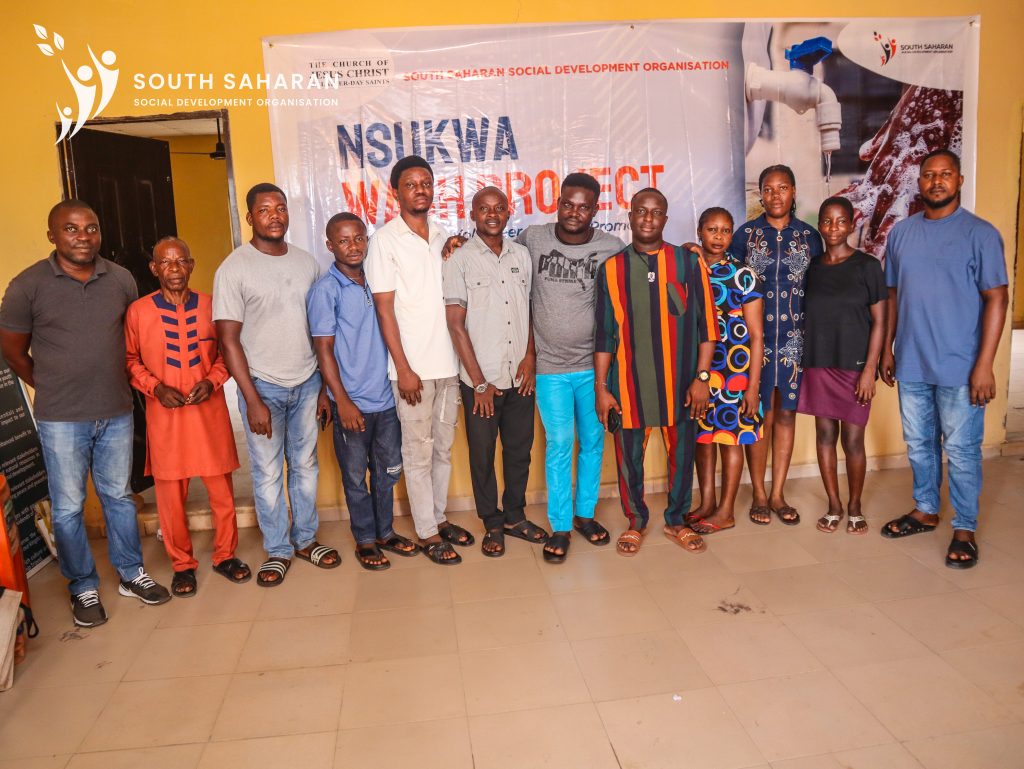
Community participation is essential in creating lasting change, which is why SSDO trained 25 Volunteer Hygiene Promoters (VHPs) from Nsukwa. These individuals received hands-on training in hygiene education, disease prevention, and sanitation management. Now equipped with vital knowledge, they are actively teaching residents about safe handwashing, proper waste disposal, and measures to prevent waterborne diseases.
Through their outreach efforts, these VHPs are helping to instill positive hygiene habits, reducing the risk of illnesses, and improving overall community health. By investing in people, SSDO is ensuring that the benefits of this initiative extend far beyond infrastructure.
Strengthening Community WASH Committees for Sustainability
Maintaining access to clean water requires long-term planning and management. To achieve this, SSDO trained 12 members of the Nsukwa Water, Sanitation, and Hygiene Committee (WASHCOM), providing them with the skills to oversee and maintain the community’s water system. These committee members are now responsible for borehole maintenance, ensuring water quality, and promoting best sanitation practices.
By empowering community-led WASH committees, SSDO is creating a self-sustaining system that guarantees continued water access and better hygiene for future generations.
Celebrating World Water Day with a Life-Changing Borehole
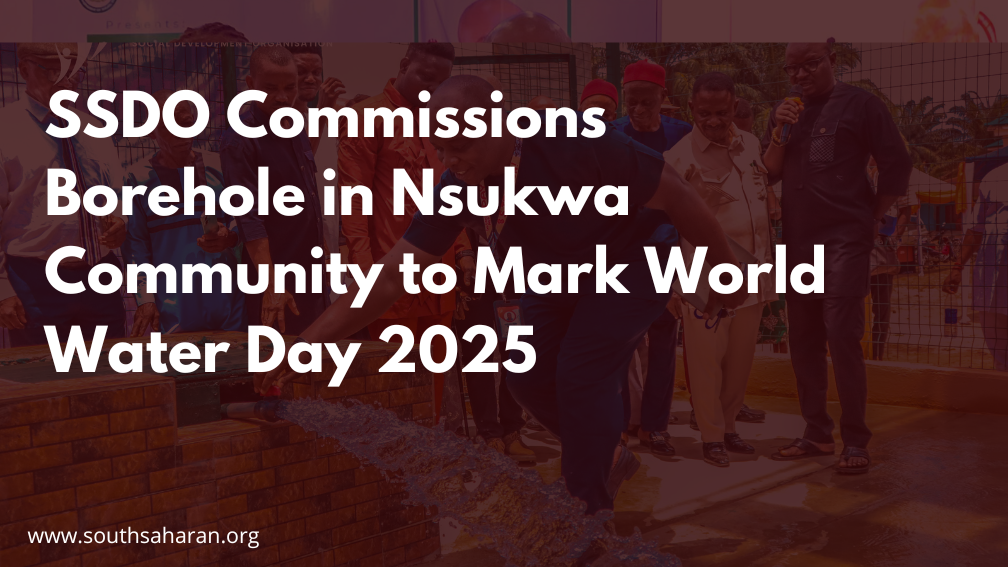
In commemoration of World Water Day 2025, SSDO, with support from The Church of Jesus Christ of Latter-day Saints, constructed a 20,000-litre solar-powered borehole in Nsukwa. Strategically reticulated to key locations within the community, this project has significantly improved access to clean water, benefiting hundreds of residents.
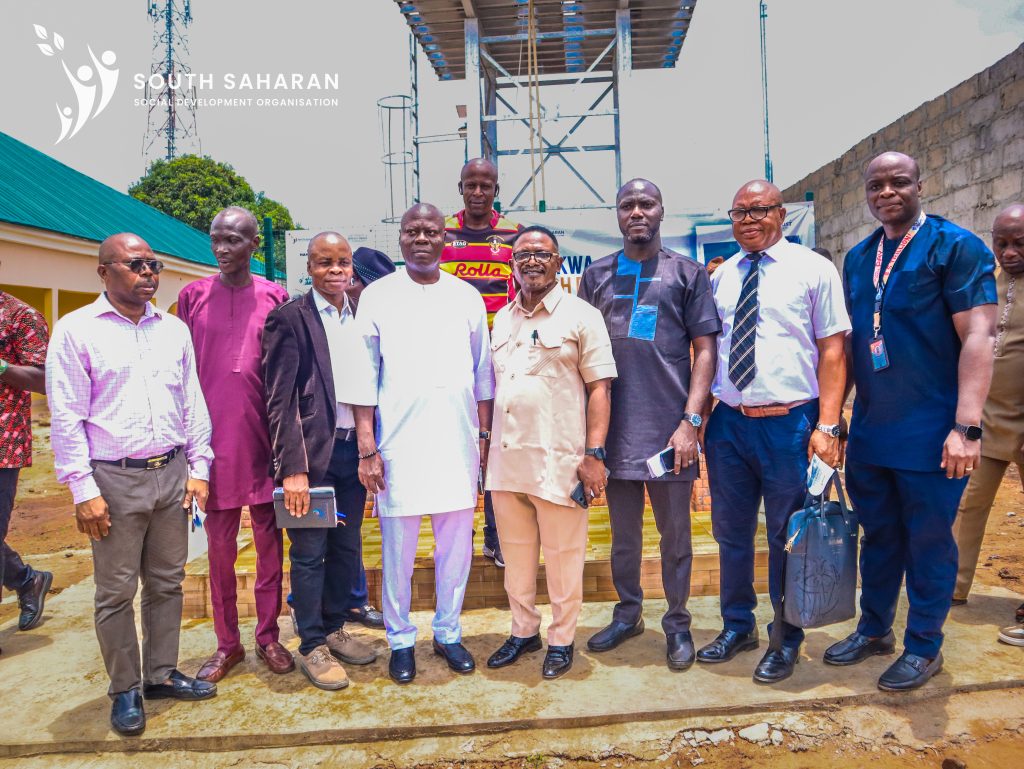
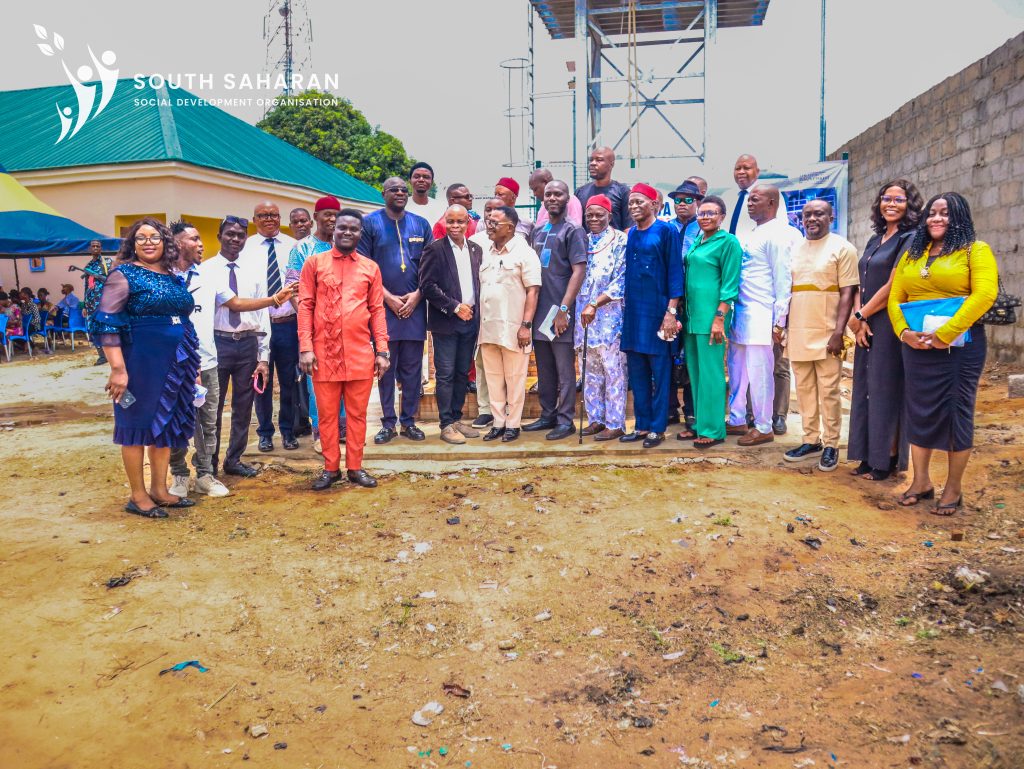
The commissioning ceremony was attended by key government officials, including the Honourable Commissioner for Technical Education, the Honourable Commissioner for Water Resources, and the Leader of the 7th Assembly of Aniocha South LGA. Their presence highlighted the importance of partnerships in addressing critical development challenges and ensuring long-term solutions for water access.
A Future Built on Clean Water and Good Health
The Nsukwa WASH Project is more than just an intervention—it is a movement towards a healthier, more resilient community. Through leadership engagement, hygiene training, and sustainable water infrastructure, SSDO and its partners are paving the way for long-term transformation in Nsukwa.
This milestone would not have been possible without the generous support of The Church of Jesus Christ of Latter-day Saints, as well as the dedication of the Nsukwa community. As we look ahead, SSDO remains committed to expanding our impact, ensuring that more communities gain access to clean water, improved hygiene, and sustainable sanitation systems.
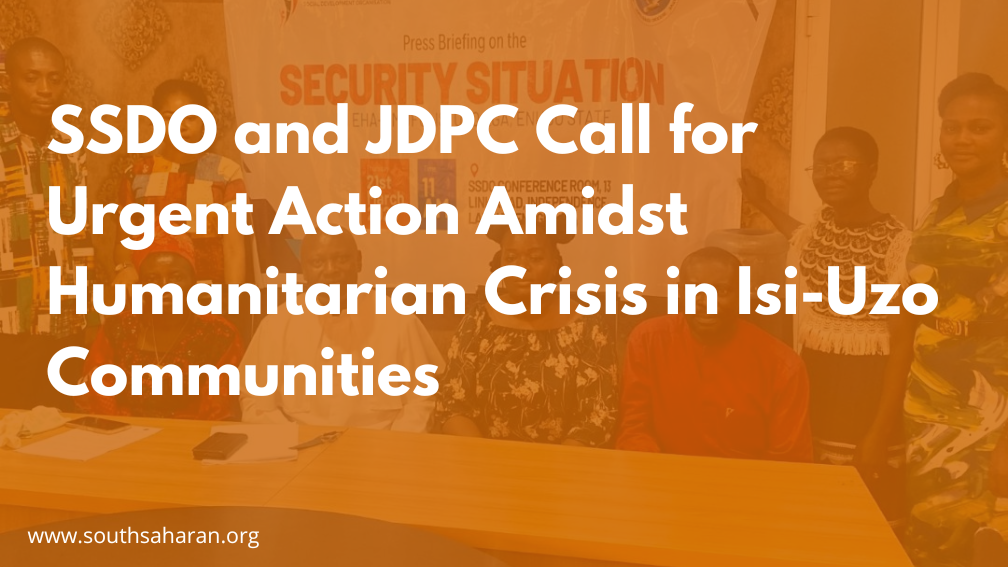
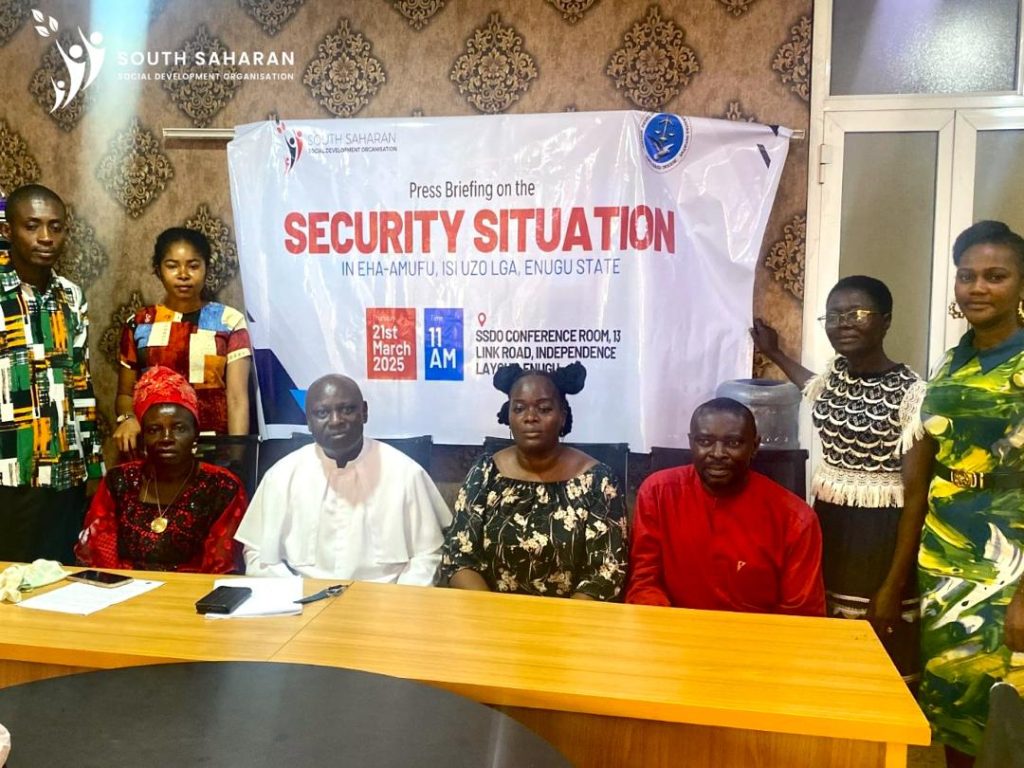
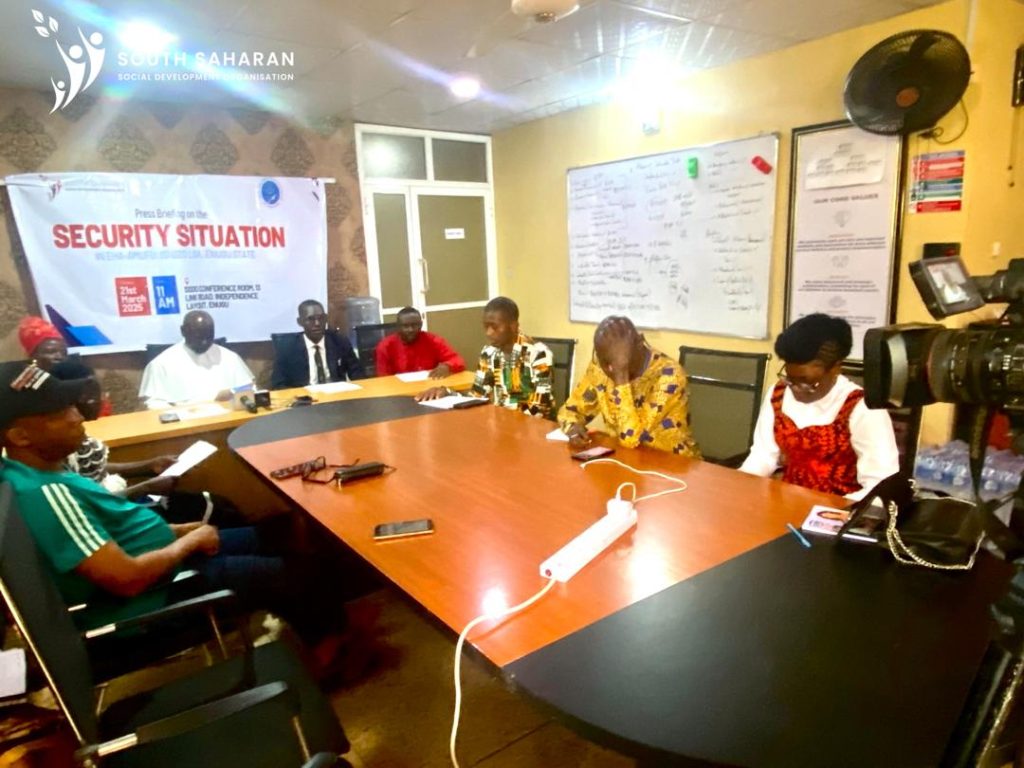
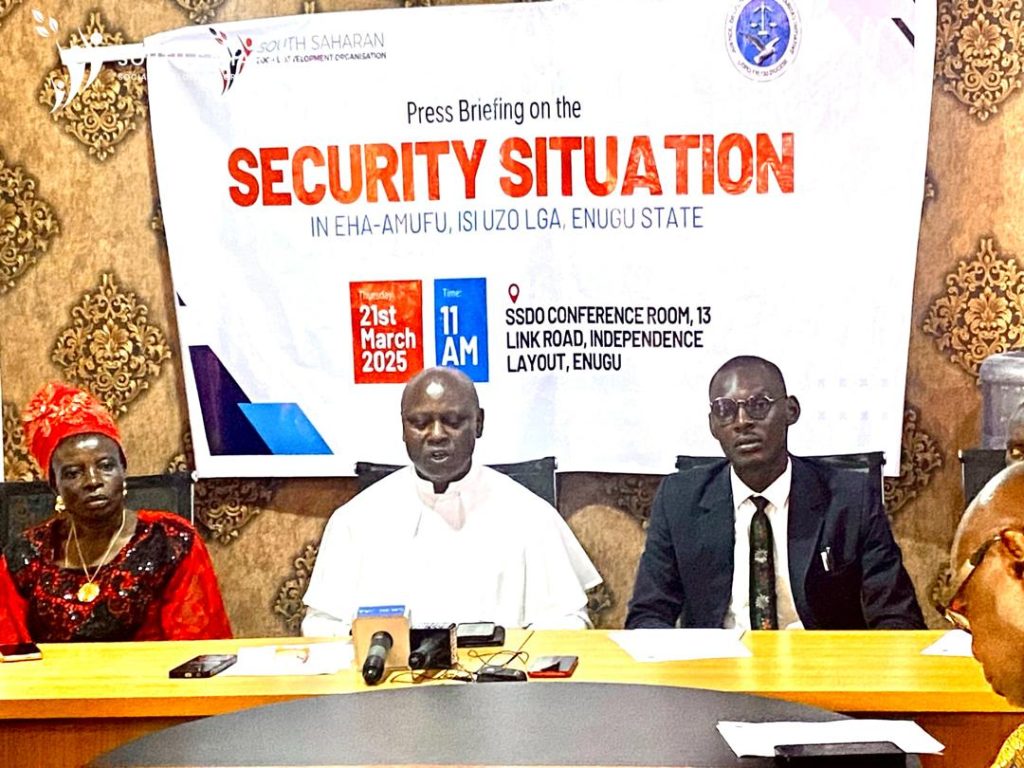
In response to the escalating crisis in the Abor Isiala and Ihenyi communities of Isi-Uzo Local Government Area, Enugu State, the South Saharan Social Development Organisation (SSDO) and the Justice Development and Peace Commission (JDPC) convened a joint press conference to shed light on the dire situation and appeal for immediate intervention.
A Deepening Humanitarian Crisis
The recent surge in violence has had devastating consequences for the residents of these communities. Reports indicate that over 300 individuals have been directly affected, with 20 lives tragically lost. The disruption has forced 1,064 children out of school, depriving them of their right to education and a stable future. Furthermore, numerous women have suffered brutal assaults, exacerbating the already critical humanitarian situation.
Voices from the Ground
Dr. Stanley Ilechukwu, Executive Director of SSDO, emphasized the severity of the situation, stating, “The continued violence in Eha-Amufu is not just a security issue; it is a humanitarian crisis affecting women and children the most.” His remarks underscore the profound impact on the most vulnerable segments of the population, highlighting the urgent need for comprehensive support and protection.
A Pattern of Recurrent Violence
This crisis is not an isolated incident but part of a troubling pattern of recurrent violence in these communities. Both SSDO and JDPC have documented multiple instances where residents have faced similar hardships, indicating a systemic issue that demands sustained attention. The organizations are calling upon the government to implement lasting solutions that address the root causes of the conflict and prevent future occurrences.
A Call to Action
In solidarity with the affected communities, SSDO and JDPC are committed to amplifying their voices and advocating for justice. They urge the government, civil society organizations, and international partners to:
Promote Community Dialogue: Engage local leaders and stakeholders in dialogue aimed at fostering peace and reconciliation.
Provide Immediate Relief: Deliver essential aid, including food, medical care, and psychological support to those affected.
Ensure Security: Deploy adequate security personnel to protect residents and prevent further attacks.
Facilitate Education Continuity: Implement measures to enable displaced children to continue their education without undue disruption.
The crisis in Isi-Uzo Local Government Area is a poignant reminder of the urgent need for collaborative efforts in addressing humanitarian emergencies. It is imperative that all stakeholders come together to restore peace, provide relief, and work towards sustainable solutions that will prevent such tragedies in the future.
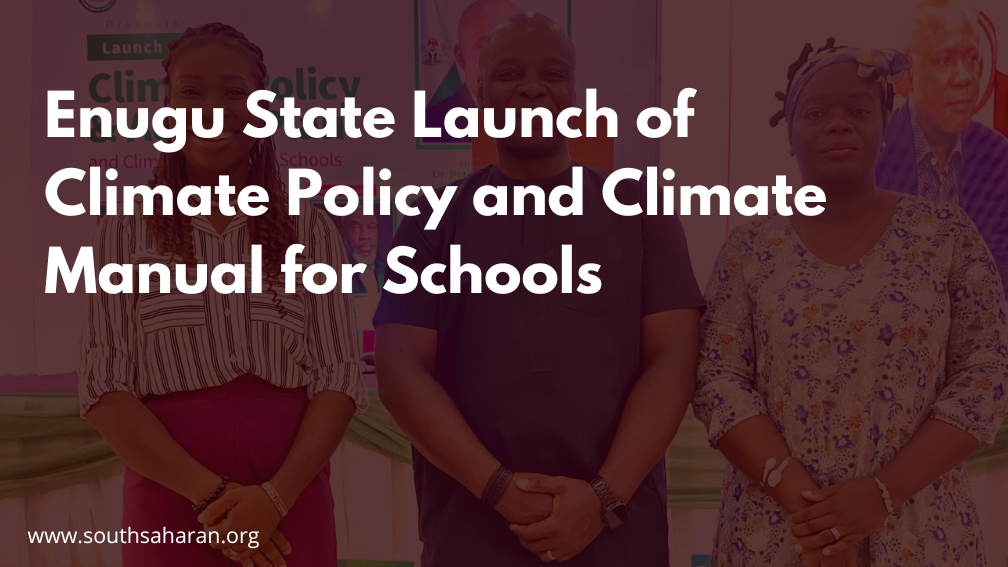
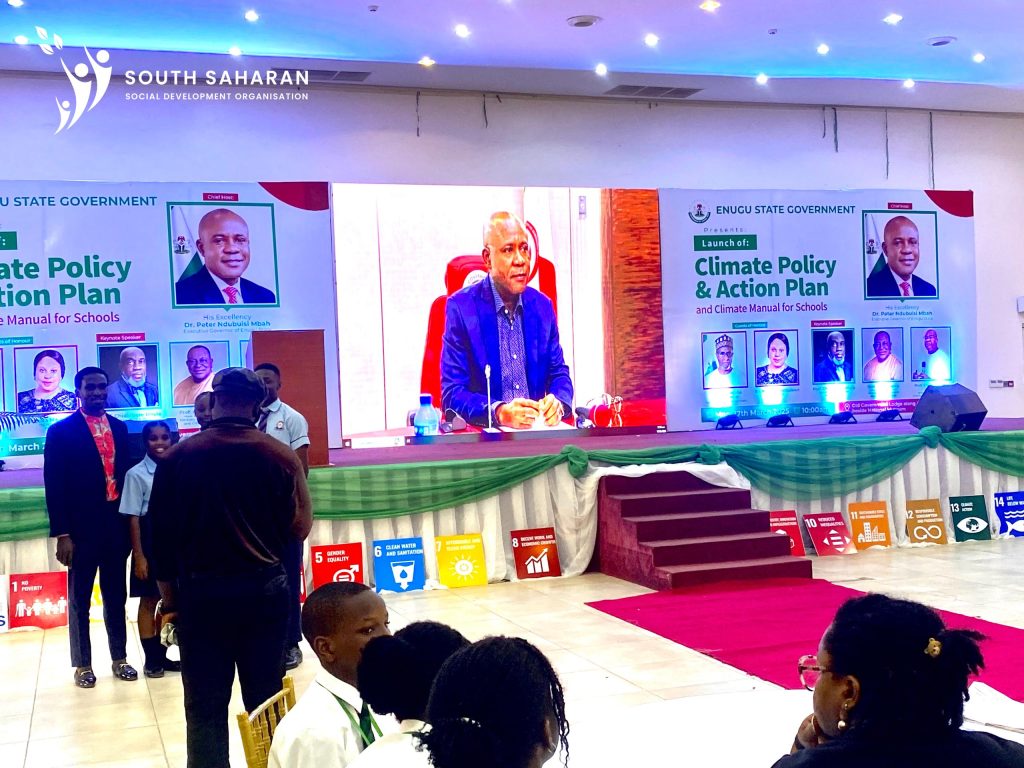
Enugu State has taken a significant step towards environmental sustainability with the unveiling of its Climate Policy and Action Plan, alongside the introduction of the Climate Manual for Schools. This initiative highlights the state’s commitment to addressing climate change and fostering a culture of environmental responsibility among its citizens.
A Strategic Framework for Climate Resilience
The newly launched Climate Policy and Action Plan serves as a comprehensive roadmap for Enugu State’s efforts to mitigate greenhouse gas emissions and adapt to the evolving challenges posed by climate change. By outlining strategic actions and setting clear objectives, the plan aims to build resilience within communities, safeguard natural resources, and promote sustainable development practices across the state.
Empowering the Next Generation through Education
Complementing the policy framework, the Climate Manual for Schools is designed to integrate climate education into the academic curriculum. This manual seeks to equip students with the knowledge and skills necessary to understand climate issues, advocate for sustainable practices, and actively participate in environmental stewardship. By targeting young learners, Enugu State is investing in a future where environmental consciousness is ingrained from an early age.
Collaborative Efforts Driving Change
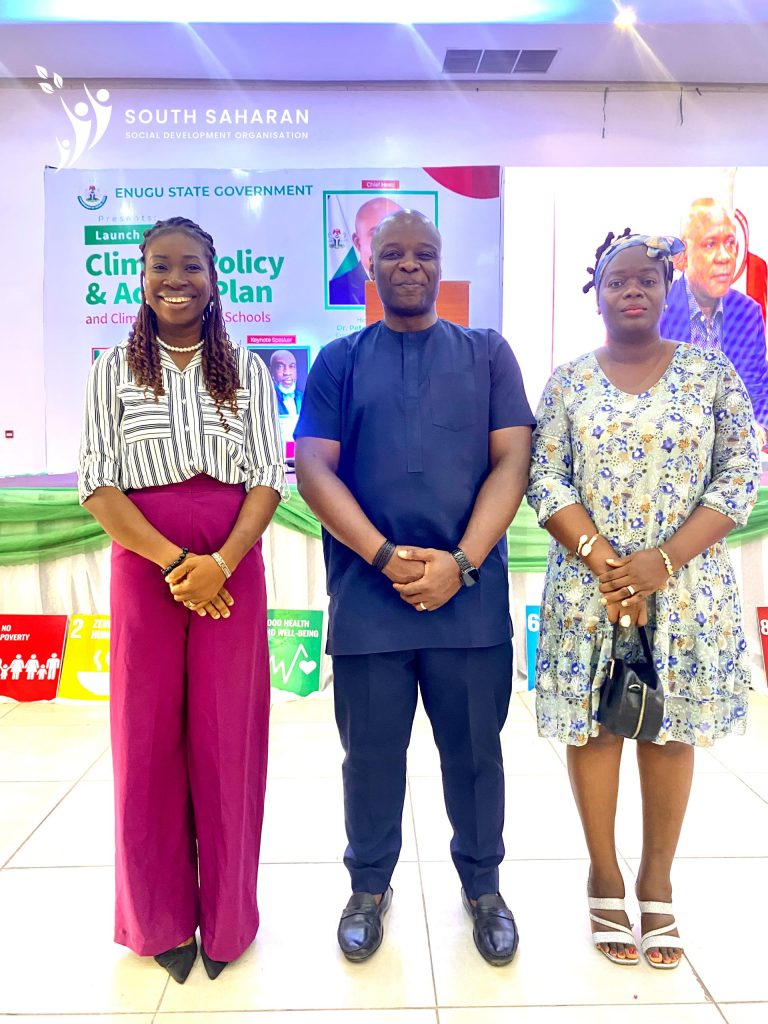
The successful development and launch of these climate initiatives are the result of collaborative efforts among various stakeholders. Civil society organizations, notably the South Saharan Social Development Organisation (SSDO) and ActionAid Nigeria, played instrumental roles in this process. Their contributions ranged from providing technical expertise to engaging communities and advocating for inclusive policy development. This partnership exemplifies the power of collective action in addressing global challenges at the local level.
SSDO’s Commitment to Sustainable Development
As an organization dedicated to promoting sustainable development through education and good governance, SSDO’s involvement in Enugu State’s climate initiatives aligns with its mission to empower communities and foster resilience. By participating in the formulation of the Climate Policy and Action Plan and supporting the creation of the Climate Manual for Schools, SSDO continues to demonstrate its commitment to creating a more sustainable and equitable future.
The launch of the Climate Policy and Action Plan, along with the Climate Manual for Schools, marks a pivotal moment in Enugu State’s journey towards environmental sustainability. It sets a precedent for other states to follow and highlights the importance of proactive measures in combating climate change. As these initiatives are implemented, continuous collaboration among government agencies, civil society organizations, educational institutions, and the broader community will be essential to achieve the desired outcomes.
Congratulations to Enugu State for this remarkable achievement. Together, through sustained effort and shared responsibility, we can build a resilient and sustainable environment for present and future generations.