Water of Life Project
Introduction According to the World Health Organisation (WHO) Water is essential for life. The amount of fresh water on earth is limited, and its quantity
WASHCOM Trained
Motorized Boreholes Rehabilitated
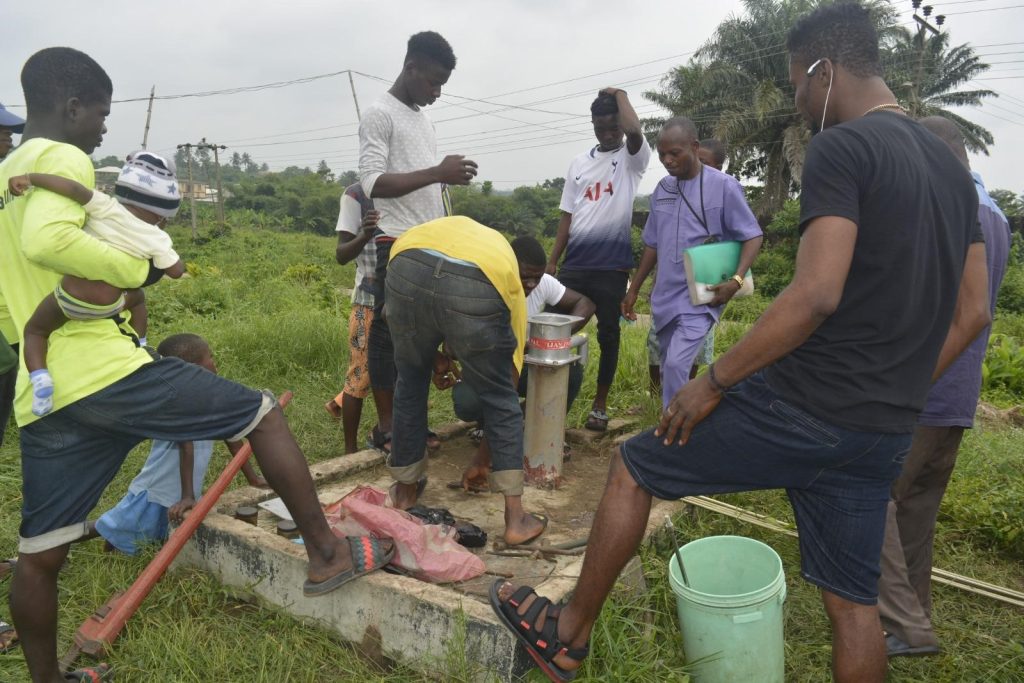
Handpumps Boreholes Rehabilitated
Poor access to improved water and sanitation in Nigeria remains a major contributing factor to high morbidity and mortality rates among children under five. The use of contaminated drinking water and poor sanitary conditions result in increased vulnerability to water-borne diseases, including diarrhea facilities. Also, 23.5 percent of the population in the country defecate in the open
The Water of Life (WOL) project was conceptualized due to the integral role water access, plays in several human development spheres including education, nutrition, food security, housing and urban planning, good health and women’s empowerment.
The challenges of the project remain the sustainability of the water source and this is further hindered by a poor maintenance and management culture of the host communities. This culture have led a neglect of the water sources and their subsequent fall to ruin. To forestall this scenario, the project decided to support the institution of a functional Water, Sanitation and Hygiene (WASH) Committee whose deliverable is to ensure that the water infrastructure is continually maintained post-rehabilitation and can serve its function of providing safe, quality water to the inhabitants of the community for a very long time. South Saharan Social Development Organization handled the rehabilitation of water facilities and the training of water facilities caretaker committees.
The main objective of the Water of Life Project is to ensure access to safe drinking water for more than one million residents of various local communities across multiple states in Nigeria, including Abia, Rivers, Lagos, Ogun, Niger, Nasarawa, Edo, Benue, Oyo, Delta, Imo, Ondo, Enugu, Ekiti, Kwara, and Anambra. This initiative places a strong emphasis on community ownership as a means to promote sustainability. The South Saharan Social Development Organization (SSDO) has played a pivotal role in implementing this project, focusing on eight communities spanning three states: Lagos, Nasarawa, and Niger.
Advocacy Visits: The team conducted advocacy visits to stakeholders in the project communities to get their buy-in and guarantee the project’s sustainability. This helped to obtain permission for entry and also to identify and select community members to be trained as WASH committee.
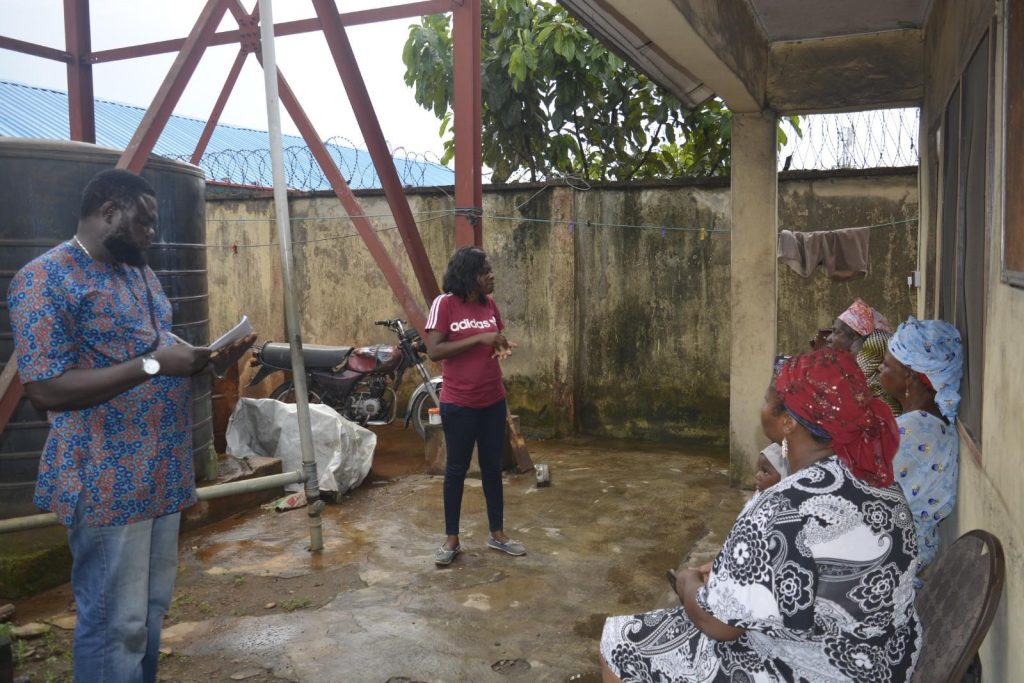
Training of WASH Committee: Five (5) members of each intervention community were selected and trained on best practices to manage the facilities to ensure sustainability. The trained members were inaugurated as the WASH committee members for the facilities.
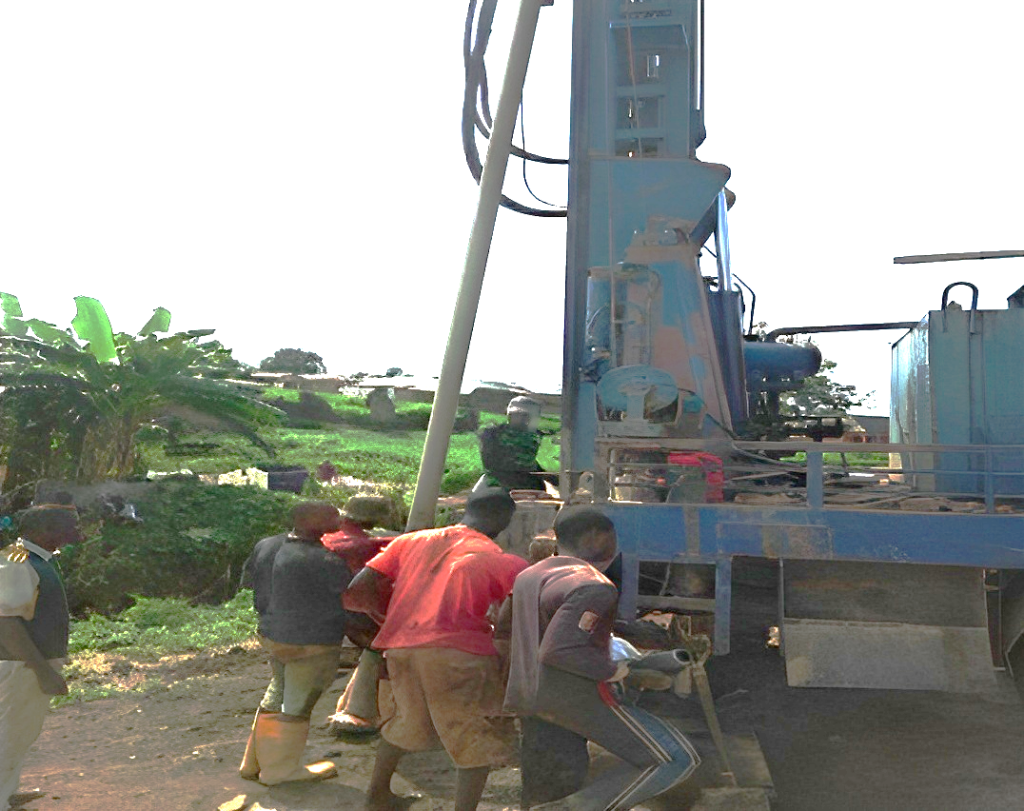
Rehabilitation of Motorized Boreholes: The borehole was serviced and re-developed to open the pores of the aquifer for optimum performance. Prior to rehabilitation, a pumping test was conducted to determine aquifer parameters/borehole data such as yield, drawdown, static water level.


Rehabilitation of Water Pumps: A complete set of Indian Mark III and its accessories were procured and installed at Noforija1 according to the specifications of the Bill of Quantities (BOQ). Riser pipes were subsequently installed to ensure optimal functionality and the borehole opened to the public thereafter.

Introduction According to the World Health Organisation (WHO) Water is essential for life. The amount of fresh water on earth is limited, and its quantity