Climate change is a pressing global issue that particularly endangers the well-being of individuals worldwide, particularly women and youth. Today, young people face consistent exposure to the consequences of climate change, which makes them vulnerable due to factors like limited ownership of productive assets, unemployment, and various other challenges.
To address these knowledge gaps and empower the youth and communities in Enugu State, South Saharan Social Development Organization, in partnership with ActionAid Nigeria under the Strategic Partnership Agreement II Project, organized a one-day Capacity Building Workshop in Oduma Achara in Aninri LGA and Umuogili in Igbo Eze North LGA, Enugu state.
Recognizing the global importance of engaging youth in the fight against climate change, both in policymaking and implementation, the training equipped participants with insights into the impact of climate change on the livelihoods of young people in these regions. It also empowered youths for climate action, fostered local solutions and engagement, and identified mitigation and adaptation measures.
This workshop was facilitated by a seasoned climate researcher, Mr. Okechuku Ajah, who provided participants with valuable insights into climate change resilience, coping strategies, and technologies for harnessing renewable energy sources like solar, wind, and water. The workshop covered a range of essential topics, including an understanding of climate change and its direct impact on Enugu State’s communities.
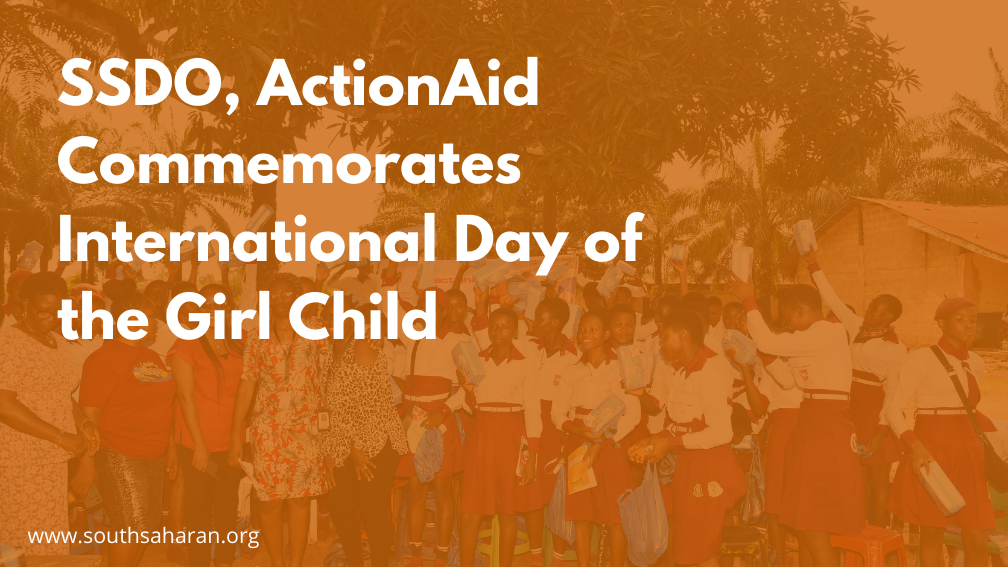
The International Day of the Girl Child is a global observance dedicated to highlighting the challenges faced by girls worldwide and promoting their empowerment and rights. This year’s theme is “Digital Generation; Our Generation” emphasizing the role of digital technology in empowering and shaping the lives of girls globally and reflecting on the advancements and obstacles that girls encounter in our increasingly digitalized world.
To commemorate the celebration, South Saharan Social Development Organization, in partnership with ActionAid Nigeria, under the Strategic Partnership Agreement II, organized a 1-day educational event at Union Secondary School, Eha Amufu in Isi Uzo LGA. The event incorporated a debate competition, a career talk, and a climate change seminar.
The event commenced with a debate on the Pros and Cons of Internet Usage for Schoolchildren. The girls engaged in a meaningful discussion that encouraged them to think critically and make informed decisions when navigating the digital world. Dr. Celestina Aga, Director, Enugu State Ministry of Agriculture, led the session on climate change and educated the pupils on climate change adaptation through agroecology.
Following the climate change session, an environmental health club was inaugurated. The team then proceeded to conduct a tree-planting exercise. The girls were provided with a three-month supply of sanitary pads to help ensure they continued their education without disruptions. Barrister Ubok Ameh facilitated a career talk session highlighting the vast possibilities and opportunities in science, technology, engineering, and mathematics.
The goals of the Strategic Partnership Agreement Phase II include engaging youth groups in demanding socially responsible gender-responsive public services, enhancing youth resilience and their role in crisis response, influencing policy and legislation through evidence-based advocacy, leading collective actions to reduce vulnerabilities and build resilience.
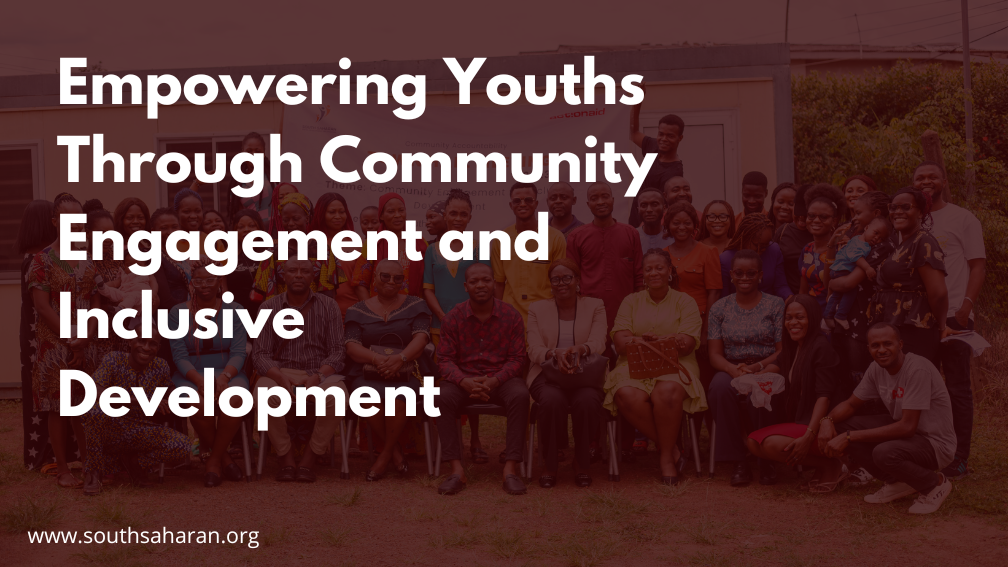
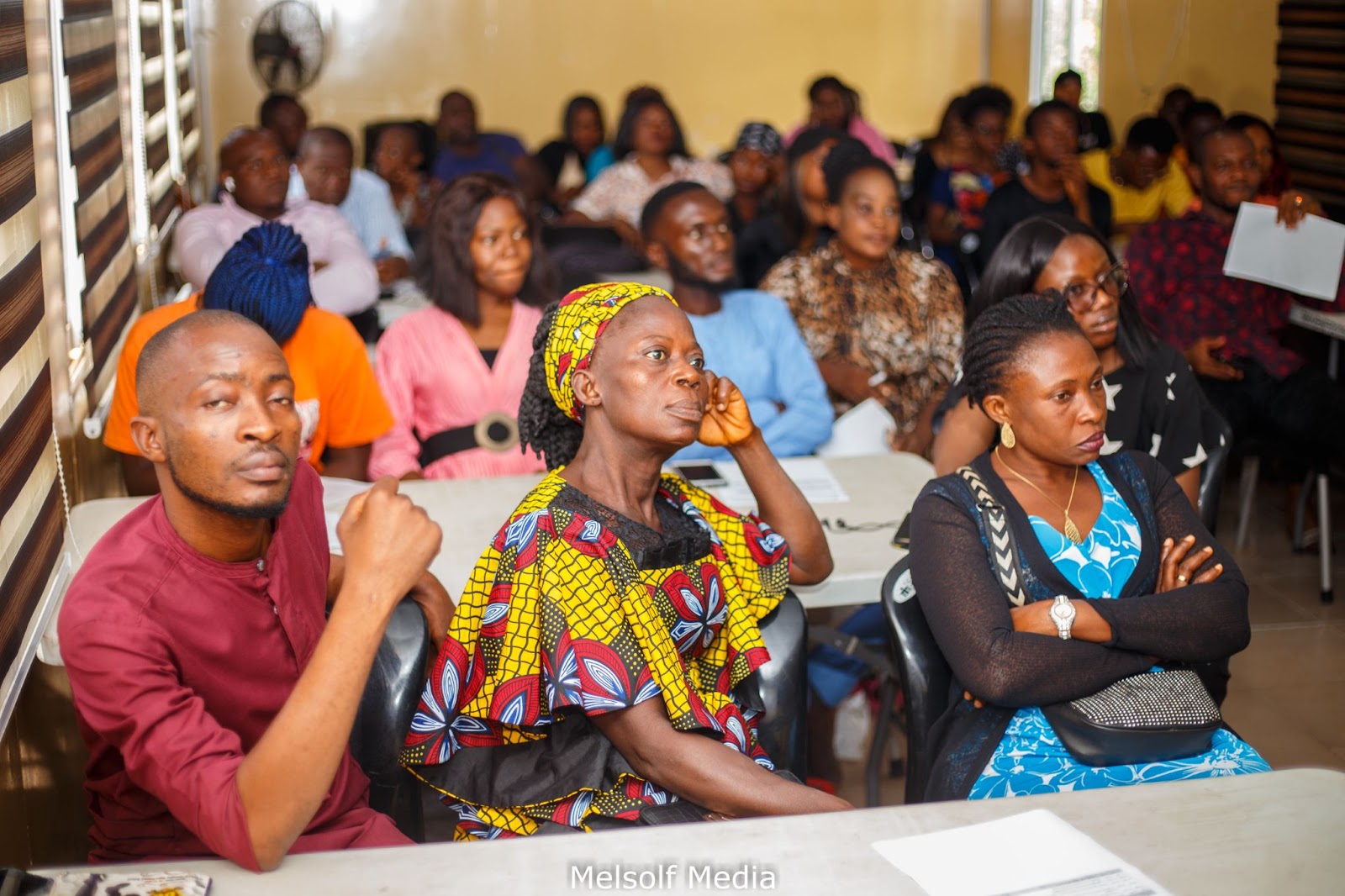
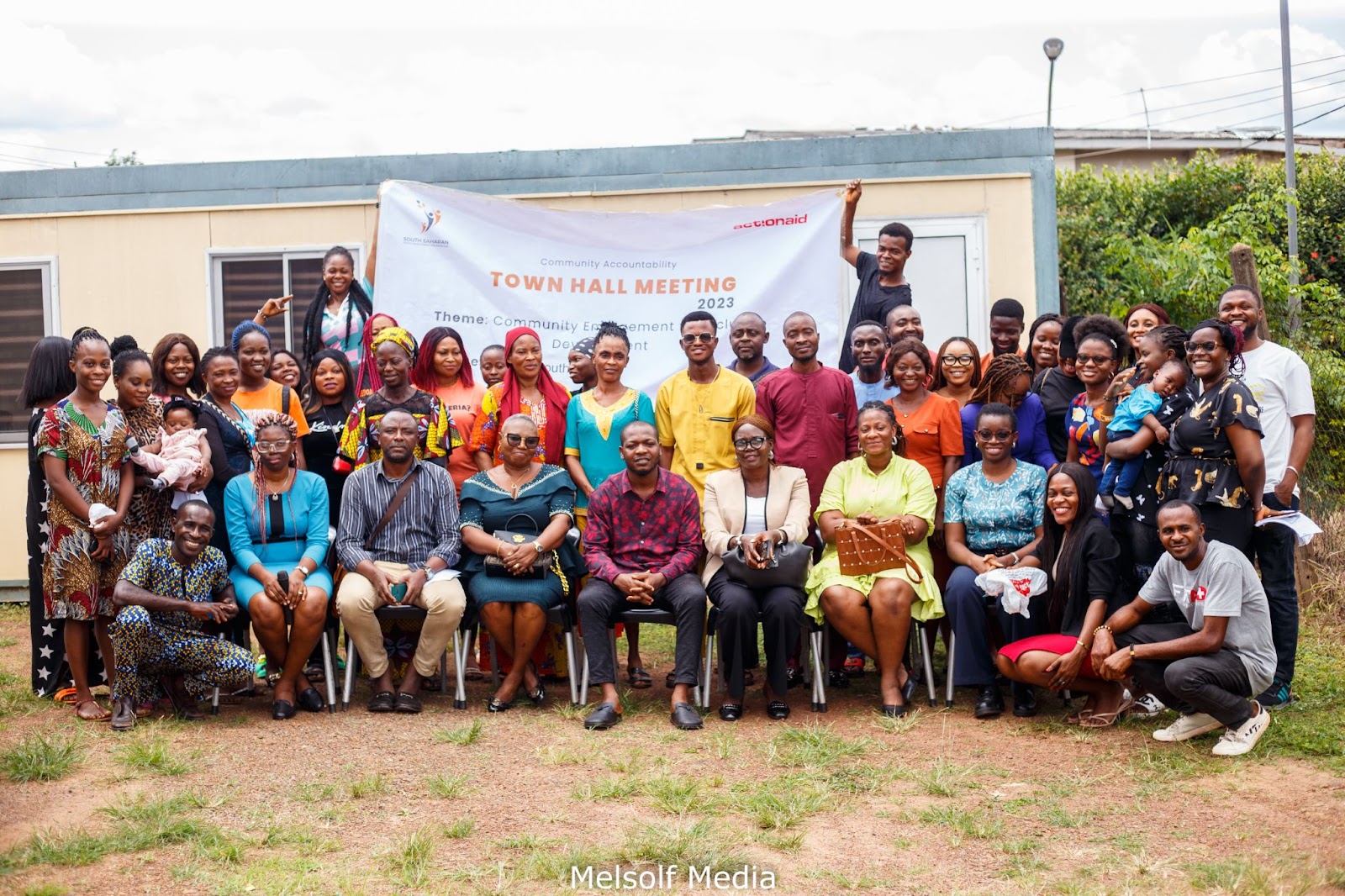
After the Community Accountability Committees completed the project tracking and monitoring, they proceeded to present their findings to their various LGAs in a town hall meeting. SSDO organized a 1-day Community Engagement for Inclusive Development Town Hall Meetings in each community, aimed at fostering dialogue and collaboration among stakeholders in the four communities.
The community town hall meetings employed a participatory approach, featuring presentations of assessment findings, discussions, interactive sessions, and group deliberations. Stakeholders present included traditional rulers, women, men, youth, LGA representatives, Community-Based Organizations, and officials from the Enugu State Ministries of Budget and Planning, Youth and Sports Development, Education, Health & the Enugu State Economic Planning Commission.
The town hall meetings were an avenue for:
1. The committees to present and discuss the findings from the youth-led budget tracking/monitoring assessment.
2. The committees to engage in dialogue with community and government stakeholders to determine the way forward based on the assessment results.
3. The SSDO team to conduct a community needs assessment to identify priority projects for inclusion in the next budget cycle.
4. The committees to document and present the meeting outcomes as an advocacy brief to the respective Local Government Areas (LGAs), Enugu State Ministry of Budget and Planning, and the Enugu State Economic Planning Commission.
The SSDO team guided the needs assessment process using a pair-wise ranking to determine the most pressing needs after the men, women, and youth identified their needs. Here’s a rundown of the needs assessment prioritized by the LGAs for the next budget cycle:
NEEDS ASSESSMENT FOR ANINRI LGA
1. Construction of Community secondary school
2. Allocation of Farm machinery and Farm inputs.
3. Skills Acquisition centres with starter packs
NEEDS ASSESSMENT FOR IGBO EZE NORTH LGA
1. Rural Electrification (Transformer) for Umuogili
2. Women and Youth Skills Acquisition Center.
3. Establishment and construction of Community Primary school Umuogili.
NEEDS ASSESSMENT FOR ISI UZO LGA
1. Construction of Ogbuzor Farm Road/ improved road access
2. Skill Acquisition Centres
3. Agricultural support for farmers (Farm Implements/ machines and inputs).
NEEDS ASSESSMENT FOR ENUGU SOUTH
1. Construction of roads (Achara Layout, Idaw River)
2. Construction of display slabs/ tables for petty traders.
3. Provision of instruction materials, teaching aids, training and retraining of teachers and effective monitoring and supervision of teachers in Enugu South L.G.A
On the pathway to behavior change, it is not enough to implement project activities and hope for the best. It is important to monitor and evaluate implementation at all stages. This helps improve evidence-based decision-making, improved performance, better resource allocation, quality assurance, real-time learning, and long-term sustainability.
Following the budget tracking and monitoring training conducted under the Strategic Partnership Agreement Project II, the youths have identified key capital projects in the Enugu state 2022 – 2024 budget earmarked for their respective LGAs (Aninri, Enugu South, Igbo-Eze North, and Isi-Uzo).
The youths who are members of the Community Accountability Committees from the four LGAs have embarked on the capital project monitoring and successfully identified these projects and their current states. The committees have also proceeded to send their monitoring reports to their respective LGA Chairmen. The report findings will also be presented to the community members and stakeholders during the LGA town hall meeting.
Here’s a breakdown of the capital projects and their current status:
ANINRI
Okpanku Market Stall and Oduma Achara Culvert:
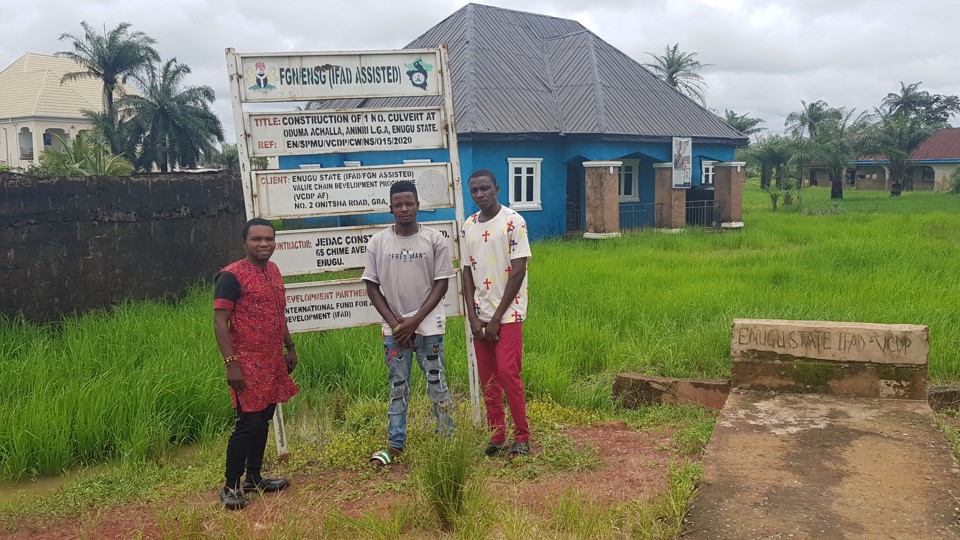
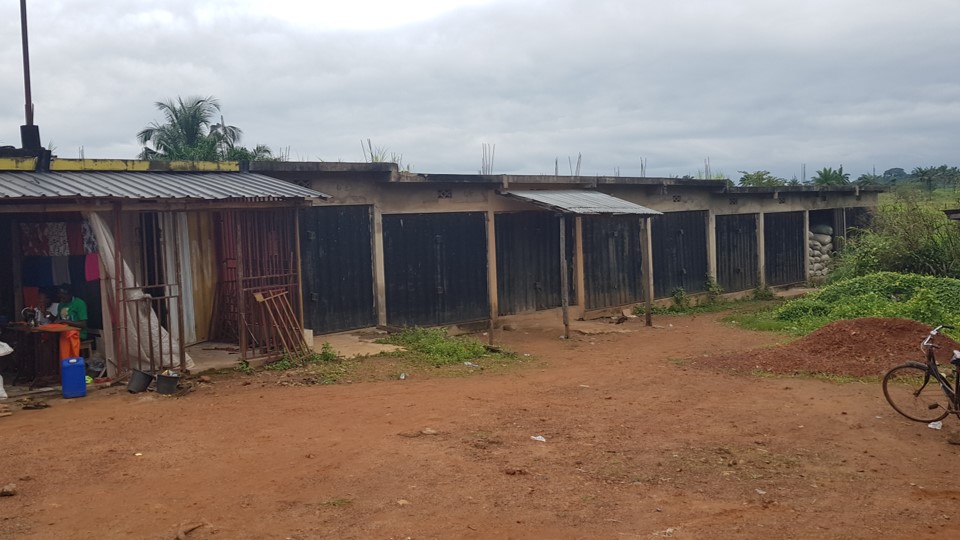
The Okpanku market has a long building with 16 shops. The culvert leads to farm clusters in Oduma Achara community.
It was observed that only four market stall at Okpanku is functional. The culvert leading to farm clusters at Oduma Achara is incomplete.
Ike River Bridge in Aninri LGA:
The Ike River bridge in Aninri LGA has been completed.
Type III Primary Health Care Facilities:
Construction of type III Primary Health Care facilities in Oji River, Awgu, and Aninri LGAs has commenced but is incomplete. The buildings lack doors and gates.
FGN/IFAD Value Chain Development Programme:
Support for the FGN/IFAD Value Chain Development Programme (VCDP) for rice and cassava in Udenu, Isi Uzo, Nkanu East, Enugu East, and Aninri LGAs has been completed. However, the machinery is non-functional due to a lack of maintenance.
3-Span Bridge Across Ike River:
The construction of the 3-span Bridge across Ike River at Amegbu, Agbada Nenwe, Aninri LGA, Enugu State, has been completed.
Command Technical School, Mpu:
The upgrading and equipping of the Command Technical School in Mpu has been completed.
IGBO-EZE NORTH LGA
a. Construction of Cottage Hospital with Isolation Wing
The Cottage Hospital with an Isolation Wing is incomplete. It lacks electrical wiring, rendering it non-functional for medical purposes.
b. Construction of Amenity Building in Enugu Ezike General Hospital
Some of the construction materials used in both projects appear to be substandard. This could compromise the longevity and safety of the structures.
ISI-UZO LGA
a. Completion of the construction of reinforced concrete culverts and drainage channels – spot improvement/connectivity at Eha-Amufu – Ikem road, Isi-uzo LGA
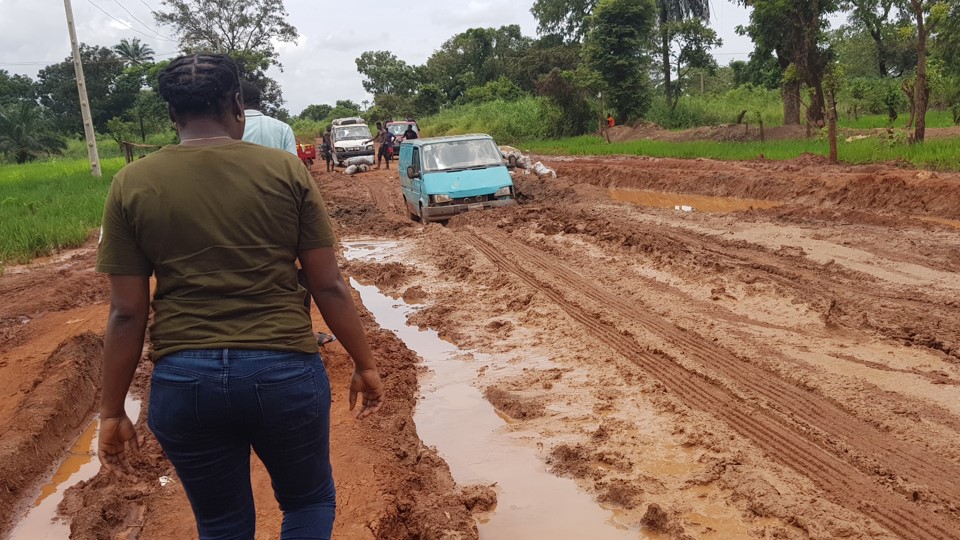
The concrete and drainage channels earmarked for the road have been abandoned. It’s difficult for motorists to ply the Ikem – Eha-Amufu road during the rainy season, thereby discouraging farmers from engaging in commercial agriculture. FCE Eha-Amufu staff are forced to work late, especially during the rainy season. Vehicles are often trapped due to the bad road.
b. Completion of the construction of type 3 primary health care center in Isi-Uzo LGA
This project has been completed.
c. Construction of rice market with stores/aggregation centres at Adani rice market and Isu cassava market of Uzo Uwani and Isi-Uzo LGA respectively
The project is yet to commence.
d. Fund for agricultural development (FGN/IFAD) of the value chain (VCDP) for rice and cassava in Udenu, Isi-Uzo, Nkanu East, Enugu East, Aninri LGA.
The project is yet to commence.
ENUGU SOUTH
a.Completion of the perimeter fence and landscaping construction at Eze and Onwudiwe parks, Uwani, Enugu South LGA, Enugu state.
The foundation of the perimeter fence and landscaping at Eze and Onwudiwe parks, Uwani, has been completed, and 3 trips of sand were sighted in the vicinity, but no work was ongoing. It is currently uncompleted.
b.Completion of the reconstruction of a section of Awkunanaw street-Etudo Achara layout, Enugu South LGA.
This project has been completed.
c.Rehabilitation of Agbani road-police college -Gariki flyover (By Port Harcourt expressway).
This project has been completed.
d.Furnishing of the Magistrate Court Building, 1×8 courtrooms block A and B at Enugu South.
This project has been completed.
This initiative aimed to promote youth participation, transparency, and accountability in budgetary allocations and project implementation. SSDO team also embarked on monitoring and advocacy visits to the community stakeholders and LGA Chairmen. An LGA focal person was part of the monitoring exercise to ensure transparency. This project monitoring will help trigger duty bearers and decision-makers to take action on uncompleted or abandoned projects.
Nigeria’s youth make up about 60 percent of the country’s populace. Making it one of the world’s youngest populations. With such a vibrant demographic, you’d expect a thriving economy, innovation, creativity, accelerated human capital development, and long-term stability. But this is not directly the case. And the difference between where we are and where we ought to be as a nation is skills.
Understanding this challenge, South Saharan Social Development Organization, SSDO, in partnership with ActionAid Nigeria, under the Strategic Partnership Agreement Phase II, is playing its part in increasing the participation and skills of young people to thrive in a green economy.
The International Labour Organization (ILO) projected that green transition could create 8.4 million jobs for young individuals by 2030. To seize these opportunities, young people must be equipped with green skills to navigate the changing landscape effectively.
Recognizing the urgent need to address these issues, and in line with our commitment to empowering women and youths, SSDO commemorates International Youth Day 2023, tagged Green Skills for Youth: Towards a Sustainable World with a 1-day symposium.
Participants are now more knowledgeable about green skills and empowered to take action. Sessions covered waste management, recycling, agribusiness, agroecology, renewable energy, and using social media as an advocacy tool for sustainability.
Speakers and panelists at the event include Executive Director of Eco Cycler, Ogechi Nwoye, Special Adviser to the Enugu State Government on Agriculture, Hon. Mike Ogbuekwe, Director, Enugu State Ministry of Agriculture, Dr. Celestine Aga, Convener of Vibrant Generation Leadership Initiative, Wilfred Okeke, and Director of Cupid Motions, Daniel Okechukwu.