SSDO

Policy Draft Finalized: A Step Closer to Women’s Economic Empowerment in Enugu State

South Saharan Social Development Organization (SSDO), in collaboration with the development Research and Projects Centre (dRPC) and the Enugu State Government, is proud to announce the successful conclusion of the final meeting of the Enugu Technical Working Group (TWG) for the domestication of the National Women Economic Empowerment (WEE) Policy.

This milestone marks the completion of the policy draft, which was meticulously developed through collaborative efforts across various sectors. During the final meeting, stakeholders brainstormed extensively, ensuring that the draft adequately addresses the unique challenges and needs of women in Enugu State. The finalized document is now ready for the next phase: a broader stakeholder validation meeting.

Preparing for Broader Stakeholder Validation

With the draft policy prepared, the next step is to engage a larger group of experts and stakeholders in a comprehensive review process. This broader validation will ensure that the policy captures the realities of women in Enugu State across key sectors such as education, healthcare, agriculture, and business. The goal is to create a robust, actionable policy that can bring about meaningful and sustainable change for women across the state.

Addressing Key Challenges for Women in Enugu State

Throughout the TWG meetings, various gaps in women’s economic empowerment were identified. The policy is designed to address these gaps and provide practical solutions to enhance women’s participation in the economy. The finalized draft focuses on:

– Access to Finance: Breaking down barriers that prevent women entrepreneurs from accessing financial services, including credit and loans.

– Education and Skills Development: Enhancing opportunities for women to access education and vocational training, ensuring they can acquire the skills necessary to succeed.

– Healthcare Access: Ensuring that women, especially those in vulnerable communities, have improved access to quality healthcare services.

– Land and Resource Ownership: Addressing gender inequality in land and property ownership, which continues to limit women’s economic participation.

A Collective Commitment to Women’s Empowerment

The final TWG meeting was a testament to the collective commitment of all partners involved in this initiative. Together with dRPC and the Enugu State Government, SSDO is dedicated to empowering women by providing them with the tools, resources, and opportunities they need to thrive.

As the policy moves toward stakeholder validation, we look forward to the invaluable insights that experts will bring to the table. Their input will help refine the document, ensuring that it is both comprehensive and practical in addressing the specific needs of women in Enugu State.

Moving Forward

With the policy draft now complete, we are one step closer to realizing the vision of a more inclusive and equitable society for women in Enugu State. The broader stakeholder validation will not only strengthen the policy but also ensure that it is aligned with the realities on the ground.

South Saharan Social Development Organization, dRPC, and the Enugu State Government remain committed to driving impactful change for women across the state. Together, we are shaping a future where every woman has the opportunity to succeed, contribute to the economy, and live a life of dignity.

Refining the Path to Women’s Economic Empowerment 

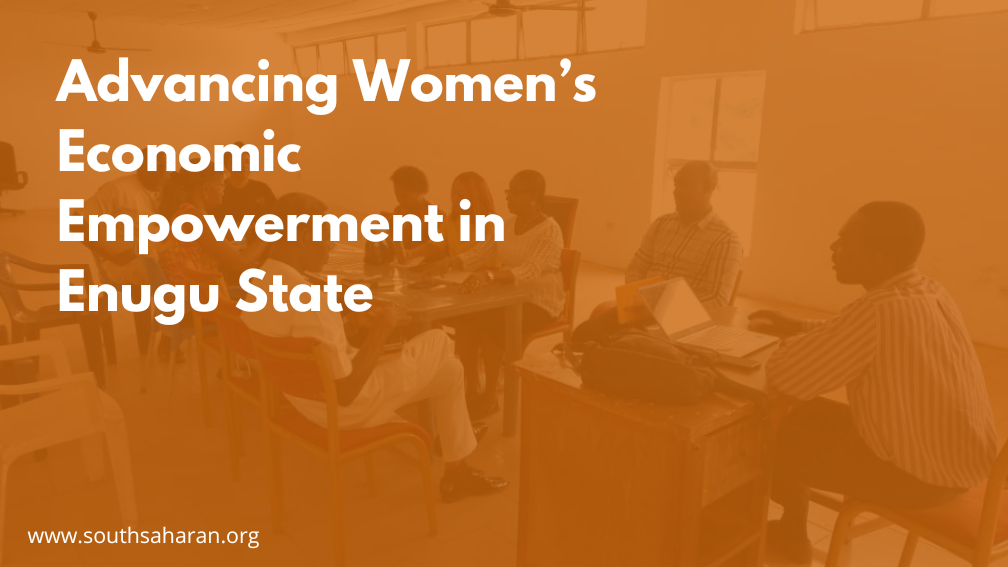
The ongoing effort to improve the economic empowerment of women in Enugu State reached another significant milestone yesterday with the successful third meeting of the Technical Working Group (TWG) for the domestication of the National Women Economic Empowerment (WEE) Policy. This meeting, hosted by the South Saharan Social Development Organization (SSDO) in partnership with the development Research and Projects Centre (dRPC) and the Enugu State Government, served as a critical step in the policy development process. 

Reviewing the First Draft: A Collaborative Effort

The focus of the third meeting was the review of the first draft of the WEE policy document. Members of the TWG, drawn from key sectors such as the Ministry of Child, Gender, and Social Development, the Enugu State Bureau of Statistics, and the Ministry of Trade and Investment, came together to offer valuable input, refining the draft to ensure it addresses the most pressing needs of women in the state.

The review process was not just about making edits; it was an avenue for stakeholders to share their expertise and insights, ensuring that the policy remains practical and actionable. The document was carefully fine-tuned to align with the socio-economic realities of women in Enugu, with the ultimate goal of creating a policy that is both inclusive and transformative.

Key Areas of Focus

During the meeting, the TWG discussed several key areas that the policy must address in order to effectively empower women in Enugu State:

1. Education and Skills Development: Women’s access to education and vocational training remains a cornerstone of economic empowerment. The policy aims to enhance opportunities for women to gain the skills needed to participate fully in the economy.

2. Healthcare Access: Women’s health, particularly maternal and reproductive health, plays a significant role in their ability to contribute economically. The policy draft includes provisions to improve access to quality healthcare for women across the state.

3. Financial Inclusion: The group emphasized the need to break down barriers that prevent women from accessing financial services. This includes better access to credit, loans, and financial literacy programs for women entrepreneurs.

4. Legal and Cultural Reforms: To ensure women’s full participation in the economy, the policy must address legal and cultural barriers that limit their rights to own land and property, access resources, and participate in decision-making.

Moving Forward: A Policy with Purpose

The third meeting of the TWG marks significant progress in the policy development process. With the first draft now reviewed and refined, the group is closer to finalizing a document that will serve as a powerful tool for empowering women across Enugu State.

As the process advances, the TWG remains committed to ensuring that the policy is not only well-crafted but also effectively implemented. The next steps involve further consultations with local communities, civil society organizations, and government officials to ensure that the policy reflects the voices and needs of the people it is designed to serve.

A Collective Commitment to Change

The work being done by the TWG for the domestication of the WEE Policy in Enugu State is more than just policy development—it is a collective commitment to creating a future where every woman has the opportunity to thrive. The collaborative nature of the group ensures that the policy will be holistic, addressing the unique challenges women face in various sectors of the economy.

As we move closer to the final stages of policy development, the South Saharan Social Development Organization, dRPC, and the Enugu State Government are confident that this policy will be a catalyst for positive, sustainable change.

The empowerment of women is not just an economic necessity—it is the key to building a more inclusive and prosperous society. Together, we are shaping the future.

Advancing Women’s Economic Empowerment: Highlights from the Second Enugu Technical Working Group Meeting

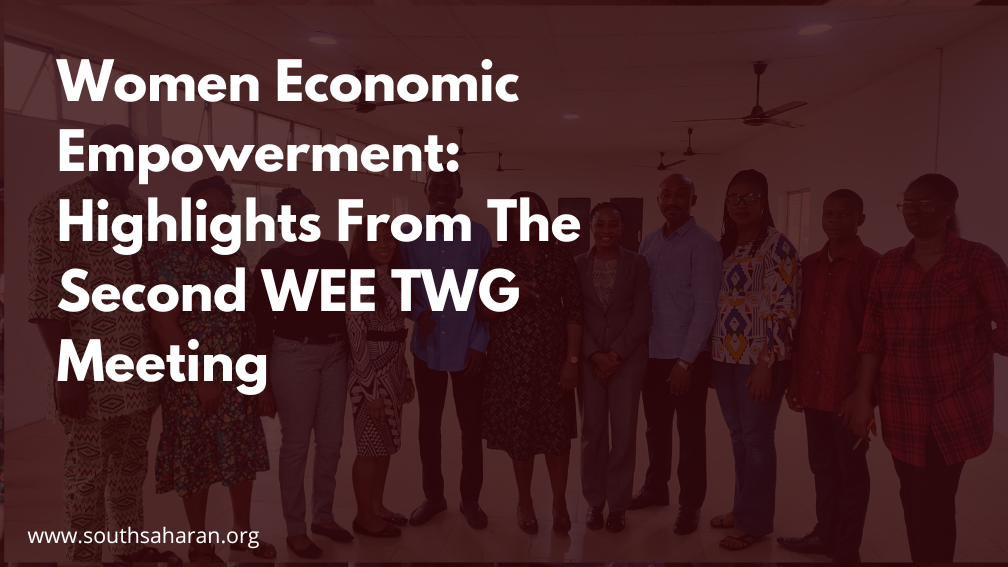
The journey toward gender equality and women’s economic empowerment is a continuous process that requires dedicated effort, strategic planning, and collaboration among key stakeholders. In Enugu State, this journey took a significant step forward with the successful convening of the second meeting of the Technical Working Group (TWG) for the domestication of the National Women Economic Empowerment (WEE) Policy. 

This policy, designed to address the unique challenges faced by women in Nigeria, provides a comprehensive framework to ensure that women have equal access to resources, opportunities, and the support they need to thrive in all sectors of society. The South Saharan Social Development Organization (SSDO), in partnership with the development Research and Projects Centre (dRPC) and the Enugu State Government, has been at the forefront of facilitating this crucial process for Enugu State.

Addressing Key Challenges Across Sectors

The second meeting of the TWG was marked by a robust discussion on the various gaps that persist across different sectors as they relate to women’s empowerment. The group, which includes representatives from the Ministry of Child, Gender, and Social Development, the Enugu State Bureau of Statistics, Ministry of Trade and Investment, and Labour among others, took a deep dive into these challenges and began charting a course for practical solutions.

Health Sector: Overcoming Infrastructure Deficiencies

One of the primary concerns raised was the inadequate facilities in primary healthcare centers, particularly in rural communities. These centers are crucial in providing essential health services to women and children, yet many struggle with a lack of equipment and resources. The TWG identified the need for adequate power supply as a critical solution to improving healthcare delivery in these areas. Ensuring that rural health centers are well-equipped and functional is a vital step toward improving health outcomes for women.

Education: Breaking Down Barriers to Learning

Education is a powerful tool for empowerment, but women in Enugu State still face significant barriers, including financial constraints and gender inequality. The TWG discussed the importance of addressing these issues by implementing targeted skill development programs, particularly in the Information Technology (IT) sector. By equipping women with the skills needed to thrive in a rapidly evolving digital economy, the state can help close the gender gap in education and create new opportunities for economic participation.

Agriculture and Rural Development: Enhancing Access and Security

Agriculture remains a key sector for many women in Enugu State, yet they continue to face challenges such as limited access to resources, security concerns, and issues related to migration. The TWG emphasized the need for training programs tailored to women in agriculture, ensuring they have the knowledge and tools to succeed. Addressing these issues is critical for the economic stability of women in rural areas and for the broader development of the state’s agricultural sector.

The TWG also identified land ownership as a significant barrier for women, particularly those involved in subsistence agriculture. Despite being responsible for a large portion of agricultural production, only a few women own land. This disparity not only affects their economic empowerment but also limits their ability to invest in and innovate within their businesses. The TWG is committed to addressing these land ownership issues, advocating for policies that ensure women have equal rights to land and property. 

Business and Entrepreneurship: Fostering Growth and Support

The discussions also highlighted the barriers women entrepreneurs face in accessing finance and mentorship. These challenges limit the growth of women-owned businesses, which are vital contributors to the local economy. The TWG proposed several solutions, including improving financial access for women, establishing a robust support system for women-led businesses, and advocating for tax incentives that would make it easier for women to start and sustain their enterprises. These measures aim to create a more enabling environment for women entrepreneurs, allowing them to thrive and contribute more significantly to the economy.

Political and Corporate Inclusion: Expanding Opportunities

Another critical area of discussion was the limited opportunities for women in political offices and the corporate world. The TWG recognized that increasing women’s representation in these spheres is essential for achieving gender equality and ensuring that women’s voices are heard in decision-making processes. The group will continue to advocate for greater inclusion of women in politics and leadership roles, creating a more diverse and equitable landscape in Enugu State.

A Collective Commitment to Women’s Empowerment 

The second meeting of the Enugu Technical Working Group for the domestication of the National WEE Policy was a resounding success, with key stakeholders demonstrating a strong commitment to addressing the challenges facing women in the state. The discussions were not just about identifying problems but were focused on finding actionable solutions that can be implemented to make a tangible difference in the lives of women across Enugu State.

As the process moves forward, the TWG will continue to work collaboratively to ensure that the domesticated WEE Policy reflects the needs and aspirations of women in Enugu. By bringing together women-focused programs, projects, and activities under one coordinated framework, the state is poised to create a more inclusive and supportive environment for women’s economic empowerment.

The work of the TWG is a crucial part of a broader movement toward gender equality in Nigeria. As the group continues to meet and develop strategies, there is hope that the outcomes will not only benefit the women of Enugu State but will also serve as a model for other states across the country. With continued dedication and collaboration, the vision of a more equitable and empowered society for all women is within reach.

Advancing Women’s Economic Empowerment in Enugu State: Insights from the First Meeting of the Technical Working Group

The journey towards the economic empowerment of women in Enugu State took another significant step forward today, as the Technical Working Group (TWG) convened for its second meeting. This group, a collaborative effort between the South Saharan Social Development Organization (SSDO), the development Research and Projects Centre (dRPC), and the Enugu State Government, is dedicated to domesticating the National Women Economic Empowerment (WEE) Policy for Enugu State.

Setting the Stage: The Importance of Domestication

Nigeria’s position on the Global Gender Gap index, as reported by the World Economic Forum, highlights the pressing need for targeted interventions. With Nigeria ranking 130th and women’s economic participation still significantly lower than men’s, the WEE Policy serves as a crucial framework. The policy aims to address gender disparities by providing a comprehensive plan for empowering women economically, particularly those who are most vulnerable.

The process of domesticating this policy for Enugu State involves tailoring it to address the unique challenges faced by women in the state while aligning with national objectives. This domestication process ensures that the policy is not just a document but a living, actionable plan that addresses real issues faced by women at the grassroots level.

Today’s Focus: Identifying Pressing Issues

The second meeting of the TWG was a pivotal moment in the policy’s development process. Stakeholders from various sectors, including the Ministry of Child, Gender, and Social Development, Enugu State Bureau of Statistics, and the Ministry of Trade and Investment, came together to identify and discuss the most pressing issues affecting women in the state.

This meeting was not just about listing problems; it was about understanding the root causes of these challenges. The discussions were data-driven, informed by statistics and real-world observations, ensuring that the policy will be grounded in reality. Among the key issues identified were:

1. Access to Financial Resources: Many women in Enugu State still face significant barriers in accessing financial services and resources, which limits their ability to start or expand businesses.

2. Education and Skills Development: The gap in access to education and vocational training for women was highlighted as a critical area that needs urgent attention. Without the necessary skills, women are often confined to low-paying jobs, perpetuating the cycle of poverty.

3. Legal and Cultural Barriers: The TWG discussed the legal and cultural obstacles that hinder women’s economic participation, including issues related to inheritance rights and societal norms that limit women’s roles in the economy.

4. Healthcare Access: Women’s health is directly linked to their economic productivity. The lack of accessible healthcare services, particularly in rural areas, was identified as a barrier that needs to be addressed to ensure women can fully participate in economic activities.

Moving Forward: Next Steps for the TWG

With these challenges identified, the TWG is now better positioned to develop a policy that is not only comprehensive but also actionable. The next steps involve developing strategies and interventions that will directly address these issues, ensuring that the WEE policy is tailored to meet the needs of women in Enugu State.

The TWG will continue to engage with a broad range of stakeholders, including local communities, civil society organizations, and international partners, to ensure that the policy development process is inclusive and participatory. This approach will help to build broad-based support for the policy and ensure its successful implementation.

Conclusion: A Collective Effort for Sustainable Change

The second meeting of the TWG marks a critical milestone in the journey towards achieving economic empowerment for women in Enugu State. By focusing on the real challenges faced by women and developing targeted interventions, the TWG is laying the groundwork for a policy that will make a tangible difference in the lives of women across the state.

As the process moves forward, the commitment and collaboration of all stakeholders will be crucial in ensuring that the WEE policy is not just a document, but a catalyst for sustainable, inclusive growth. Together, we are building a future where every woman in Enugu State has the opportunity to thrive, contribute to her community, and achieve her full potential.

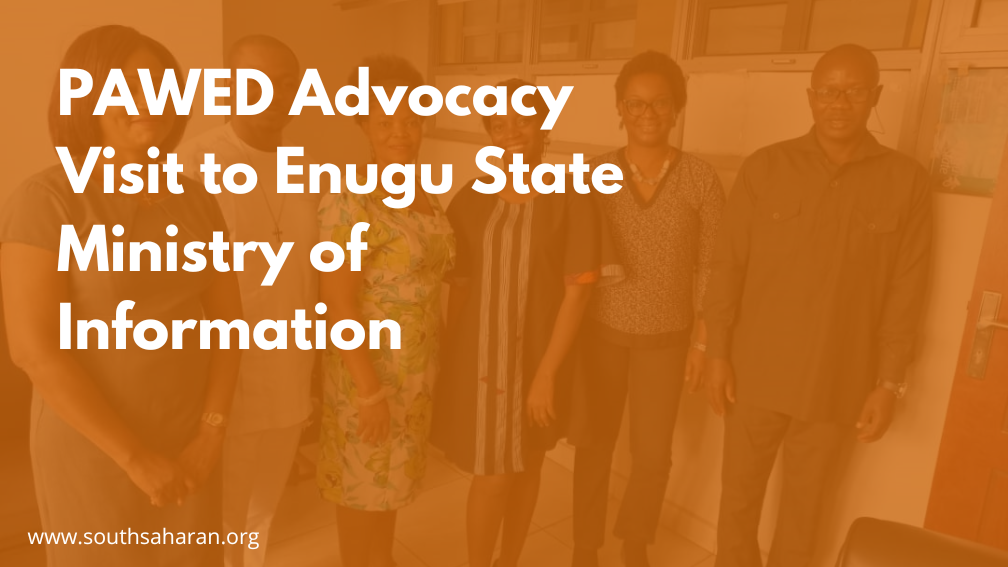
PAWED ADVOCACY VISIT TO THE ENUGU STATE MINISTRY OF INFORMATION

On Wednesday, 3rd August 2022, members of the PAWED coalition embarked on an advocacy visit to the Enugu State Ministry of Information.

Participating in the advocacy visit were:

  • Nkem Awachie (South Saharan)
  • Ozor Modesta (AWITA)
  • Nebo Collins (New Century Initiative)
  • Chinyere Otuonye (Empowered to Empower Multipurpose Cooperative Society)

The participants were welcomed into the office of the Commissioner and sat down to have a meeting with the following officials present:

  • Mrs.Ugochukwu Adimora (Head of Department)
  • Ugwu Joe (Principal Executive Officer)

The participants introduced the PAWED project to the HOD, and explained that the advocacy visit came as a follow-up to a recently-concluded policy dialogue session on Women’s Economic Empowerment, to which various WEE stakeholders had been invited.

At the policy dialogue session, several issues surrounding WEE had been discussed, and after deliberations by stakeholders from different sectors, it was decided that the most urgent issue was “low public awareness of existing economic empowerment opportunities.”

The solution to this issue is threefold:

  • to create a publicly-accessible online database of current economic empowerment opportunities
  • to have a robust awareness campaign (especially through radio) for each economic empowerment opportunity created by the government
  • to build the capacity of women in rural areas to be able to apply and partake in available economic empowerment opportunities.

The participants explained to the HOD that the Ministry of Information had been picked for this advocacy because they would be best positioned to receive data and information from all the state MDAs, and they are already in charge of disseminating information about Enugu state government activities.

The HOD thanked the participants for visiting and making recommendations but pointed out that Enugu state government already has an active website where they report news of all government activities and projects.

The participants explained that this advocacy request was not for the establishment of a general government website, but rather a separate website focused on economic empowerment where women and youths could go look for government-sponsored economic opportunities, without having to sift through tons of news reports about other government activities.

The HOD was open to the suggestion and asked for further ideas for the website. The participants suggested that the website should be searchable via different filters including type of opportunity, location, and responsible MDA. They also suggested that the website should have a section for non-governmental opportunities.

The HOD said she was on board with the suggestion and would raise it with other government officials, but was not making any promises, as the approval process could be very long and convoluted.

The participants thanked her and expressed the willingness of the PAWED coalition to provide partnership and support in the project creation and implementation.