The Jacob’s Well Microcredit Scheme provides women with access to financial support to start, strengthen, or expand income-generating activities.
South Saharan Social Development Organisation (SSDO) also follows up with beneficiaries to understand how the support is being used and the progress women are making with their businesses.
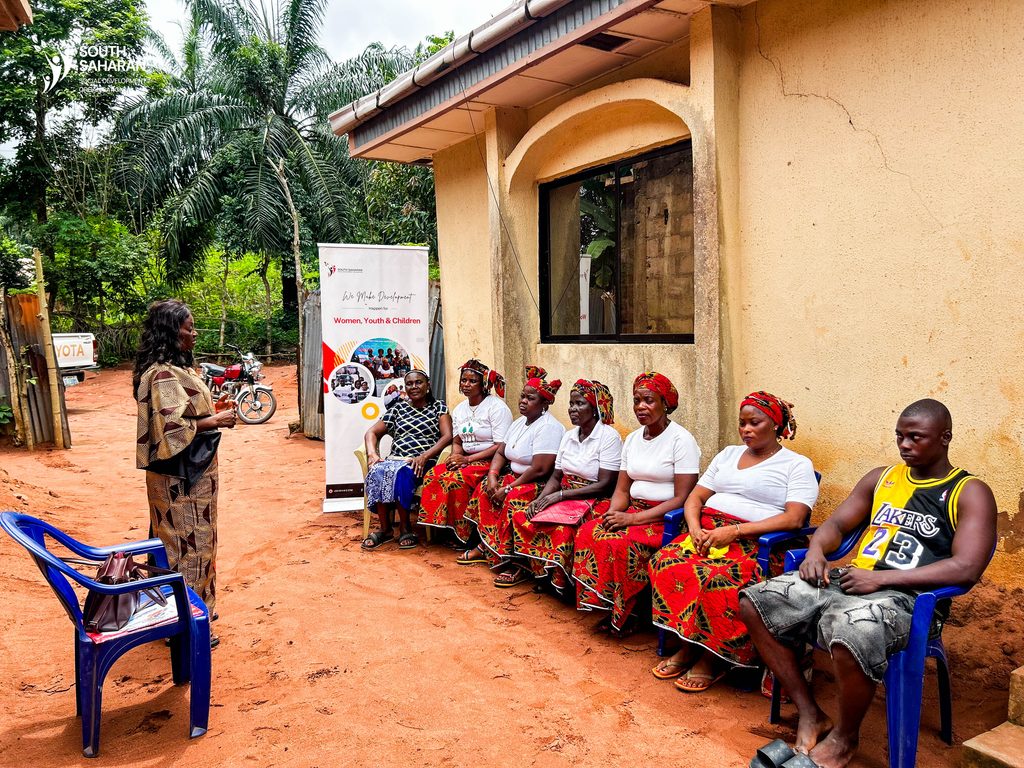
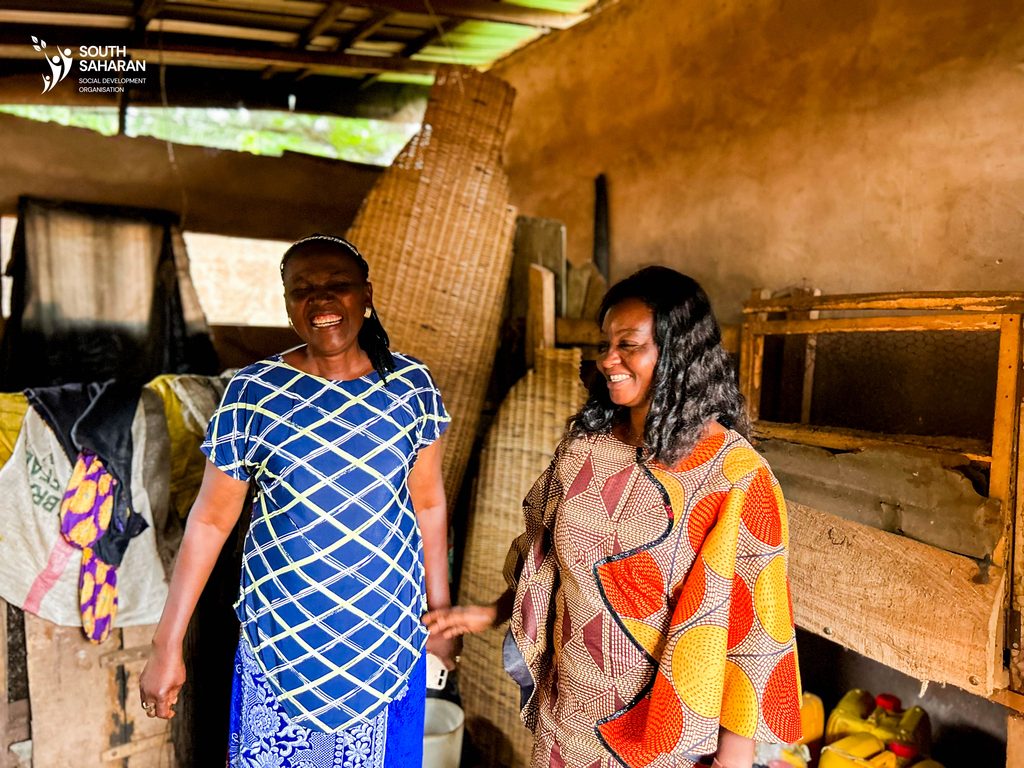
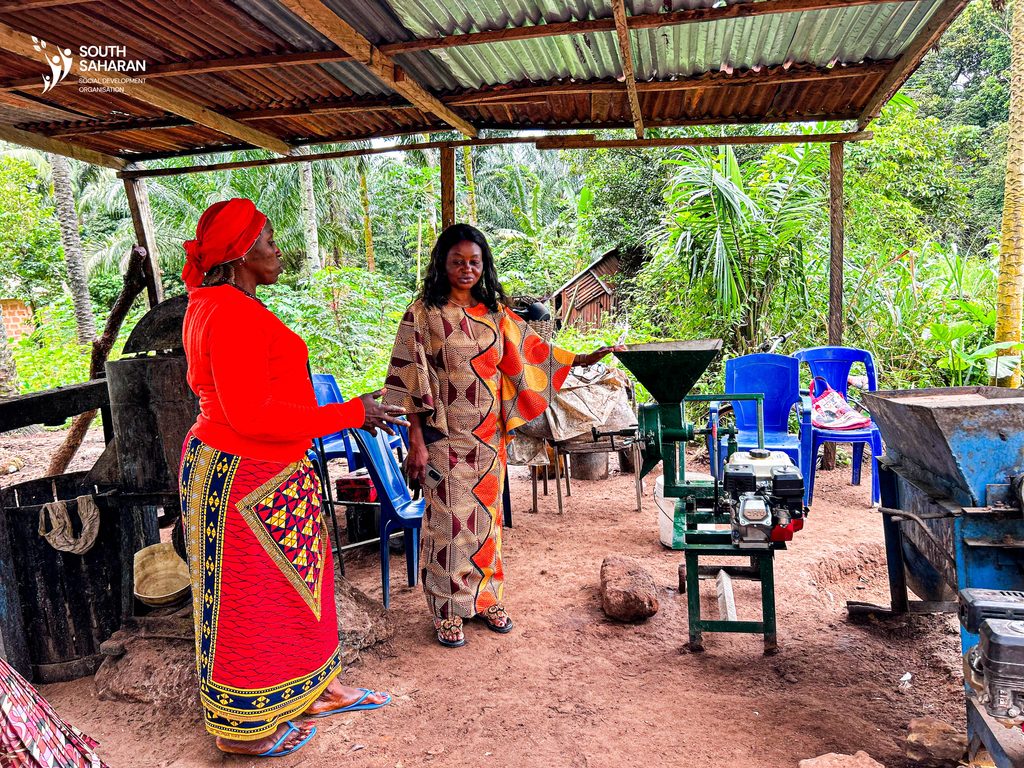
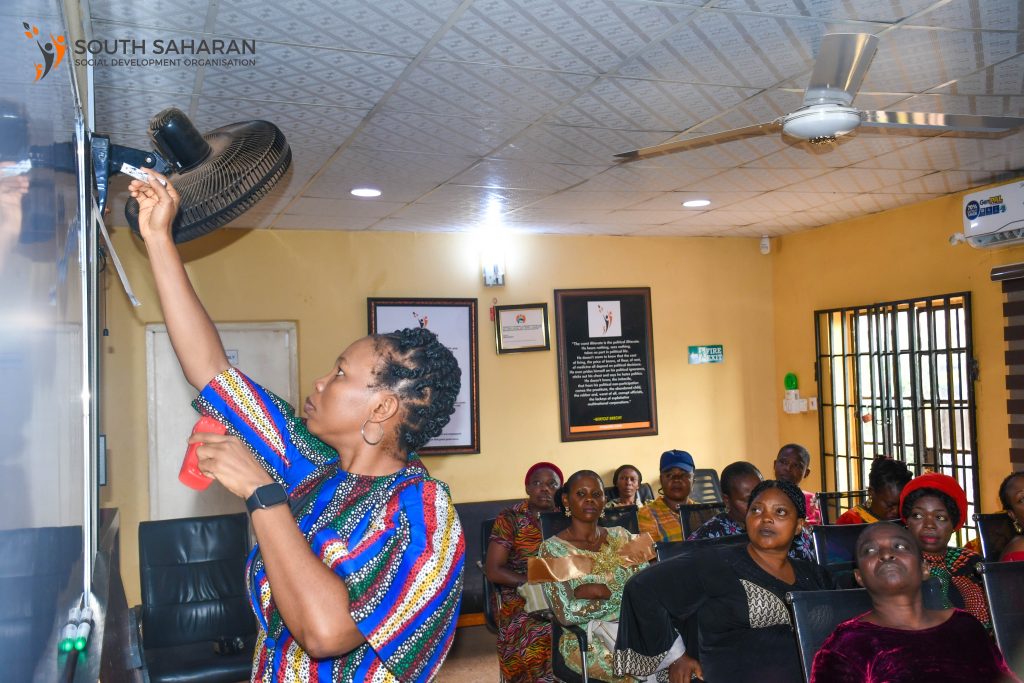
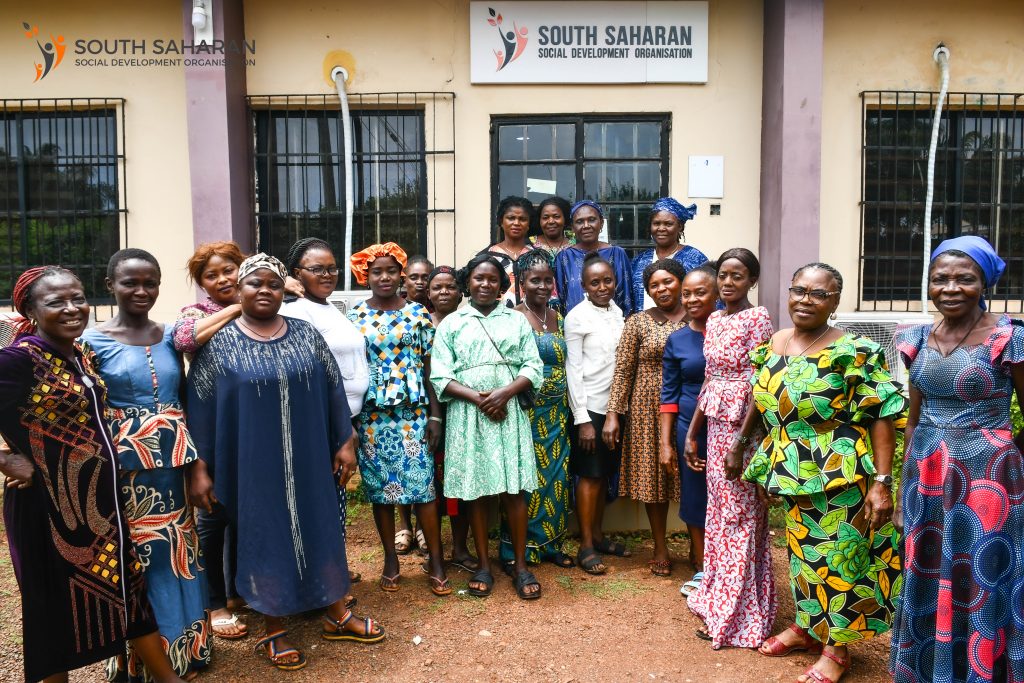
As part of this process, the SSDO team recently visited Affa-Amaozalla for a monitoring, verification, and evaluation exercise involving women who have received or are newly accessing microcredit support.
Monitoring Progress Under Jacob’s Well
The exercise focused on understanding what happens after women receive financial support through the scheme.
For new beneficiaries, the team verified their information and discussed how they planned to use their loans.
For women who had previously received microcredit, the team reviewed the progress of their businesses and how the support had contributed to their activities.
This follow-up gives SSDO a clearer understanding of how beneficiaries are applying the financial support and the progress being made within their businesses.
Listening to Women and Their Experiences
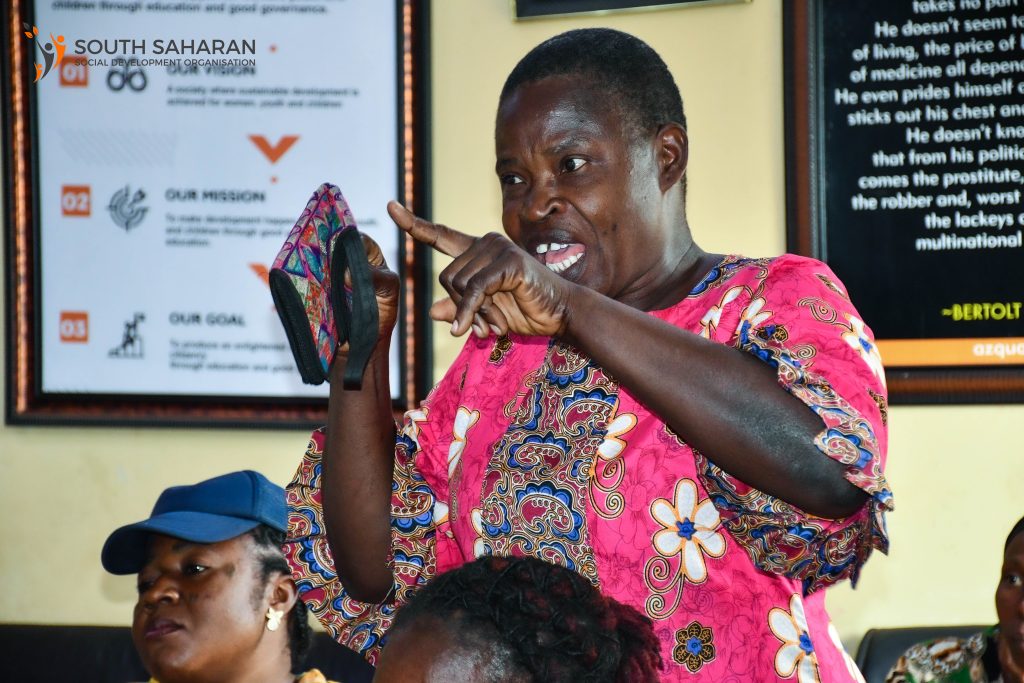
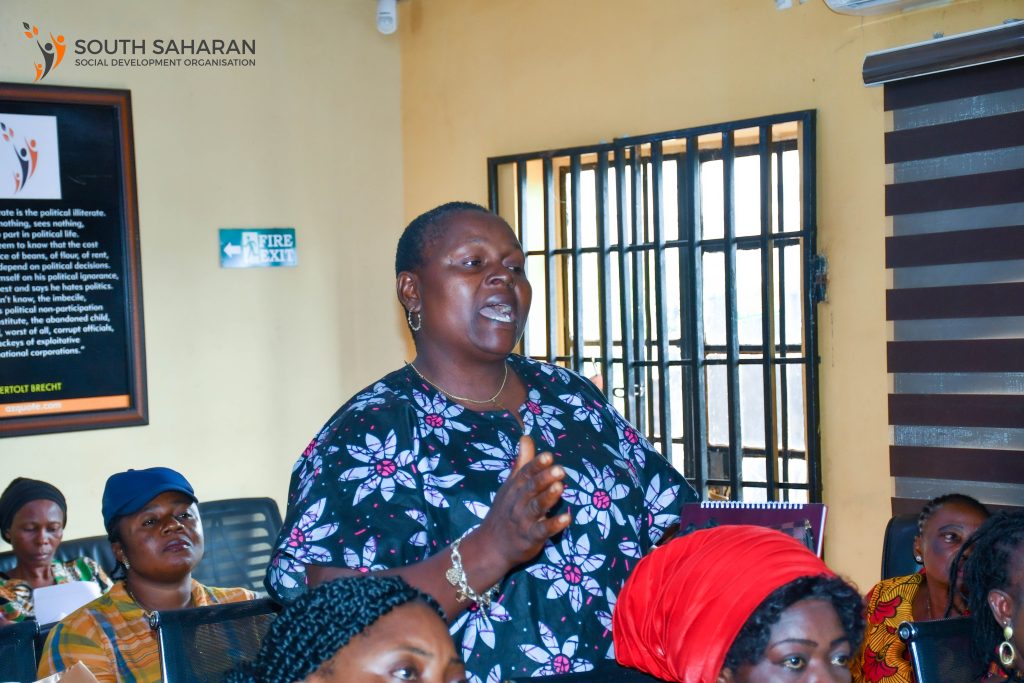
The monitoring exercise also provided an opportunity for the team to engage directly with the women.
Discussions focused on their experiences running their businesses, the challenges they face, and the support they may need to strengthen their livelihoods.
These conversations provide important context around the progress being recorded.
They also help SSDO identify challenges that may affect business growth and understand where additional guidance or support could be useful
Why Monitoring Matters
Financial support is only one part of helping women build sustainable livelihoods.
Regular monitoring allows SSDO to follow up with beneficiaries after disbursement and understand how the loans are being used.
It also helps track business progress and provides information that can guide future support under the Jacob’s Well Microcredit Scheme.
Through this process, the project team can learn from the experiences of beneficiaries and identify areas that may require further attention.
Supporting Women to Strengthen Their Livelihoods
The monitoring visit to Affa-Amaozalla forms part of the ongoing implementation of Jacob’s Well.
By providing microcredit and maintaining engagement with beneficiaries, SSDO is able to support women while also learning from how the financial assistance is being applied.
For the women involved, the scheme provides access to capital that can support their businesses and income-generating activities.
For SSDO, continued monitoring helps ensure that the Jacob’s Well Microcredit Scheme remains connected to the experiences, progress, and needs of the women it supports.
Behind every thriving business is a woman who dares to believe in her dreams. South Saharan Social Development Organisation (SSDO) believes those dreams deserve more than hope they deserve the skills and support to stand strong. Without financial knowledge, even the best ideas can falter, which is why financial literacy is at the core of building lasting empowerment.
Learning by Doing
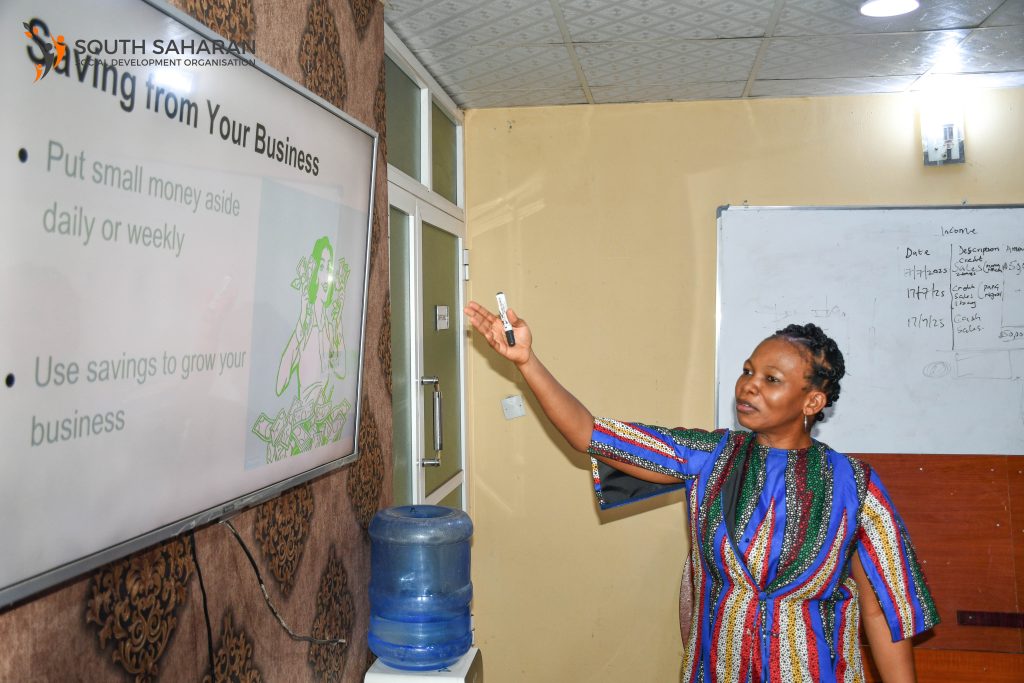
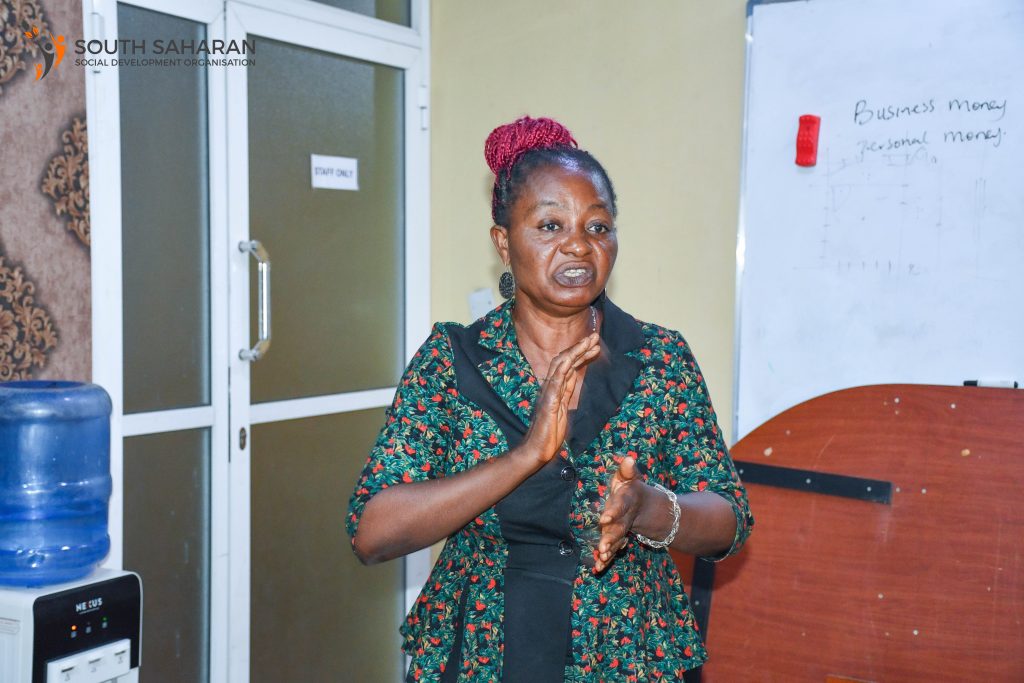
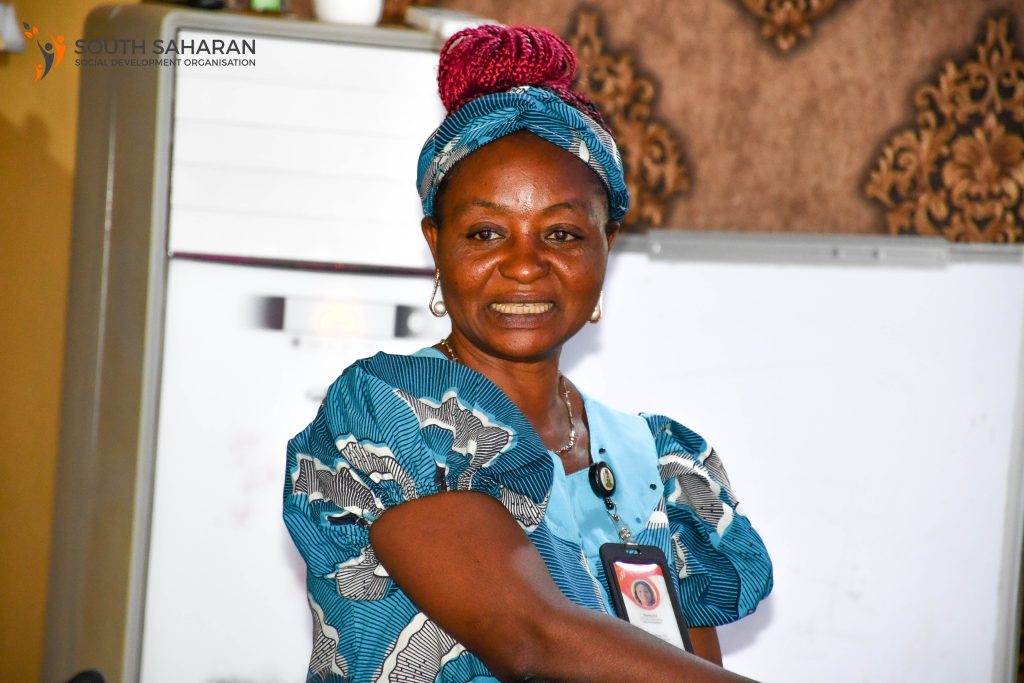
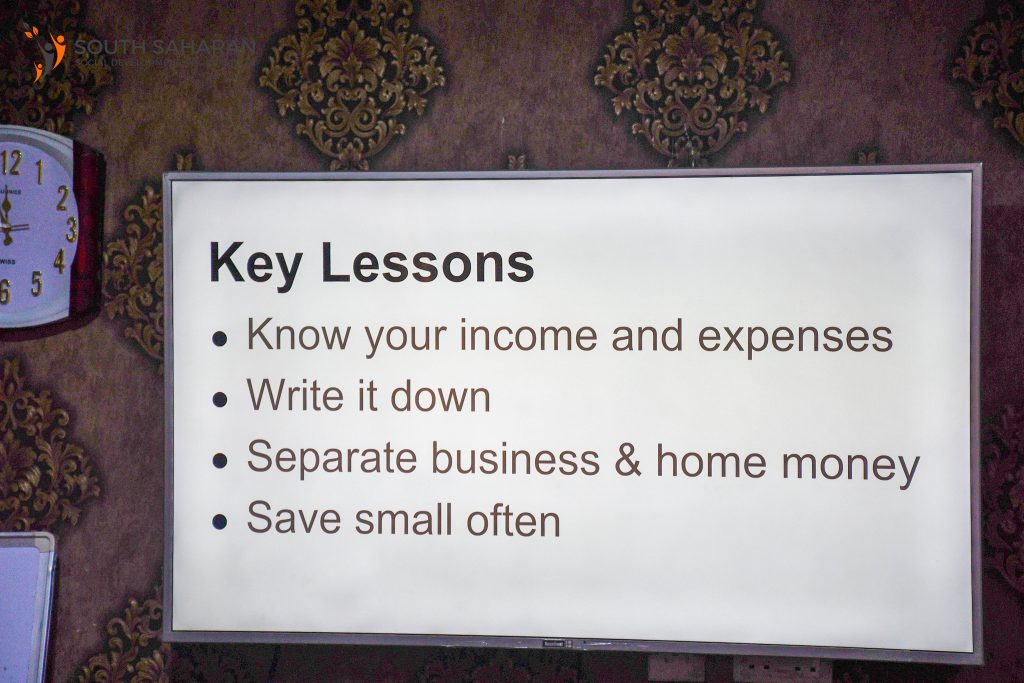
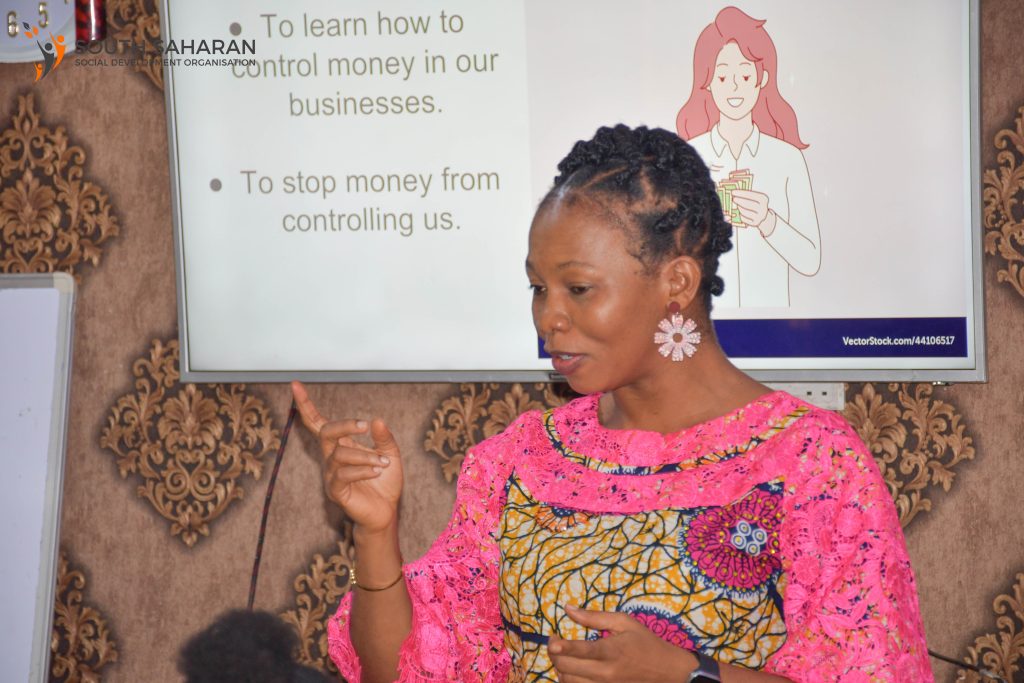
Through our Jacobs Well livelihood project, women entrepreneurs came together for a practical, hands-on session on Money Management and Basic Bookkeeping. The training, led by Stella Ani, gave participants a simple yet powerful roadmap to managing their businesses better. Our Finance Manager, Udoamaka Okoye (PMD Pro, ACA), also shared insights on how to track expenses, manage income, and make smart financial choices. The room was filled not just with lessons, but with renewed confidence.
From Knowledge to Opportunity
This wasn’t training for its own sake it was preparation for something bigger. The session served as a foundation for the disbursement of ₦10.8 Million in business support funds, ensuring beneficiaries are not only financially supported but also financially prepared. Because SSDO believes access to funds without the skills to sustain them is a missed opportunity.
Beyond Building Numbers
Financial literacy is about more than balance sheets and bookkeeping. It’s about dignity, independence, and the ability for women to write their own success stories. By equipping women with both knowledge and resources, we are not just strengthening businesses we are nurturing families, lifting communities, and planting seeds of lasting change.
In many communities, women remain financially dependent on their spouses, often limiting their autonomy and ability to escape situations like gender-based violence. This dependence, compounded by poverty, leaves them vulnerable and trapped in cycles of inequality. At South Saharan Social Development Organization (SSDO), we believe that empowering women economically is a powerful way to break these chains, fostering independence, confidence, and long-term sustainability.
One of the initiatives SSDO employs to achieve this is the Jacob’s Well Micro-Credit Scheme. This program provides low-interest loans to women in cooperatives, enabling them to start or expand their businesses. By leveraging social trust within these cooperatives, women can access financial support without the burden of collateral, making it accessible to those who need it most.
The Role of Business Verification
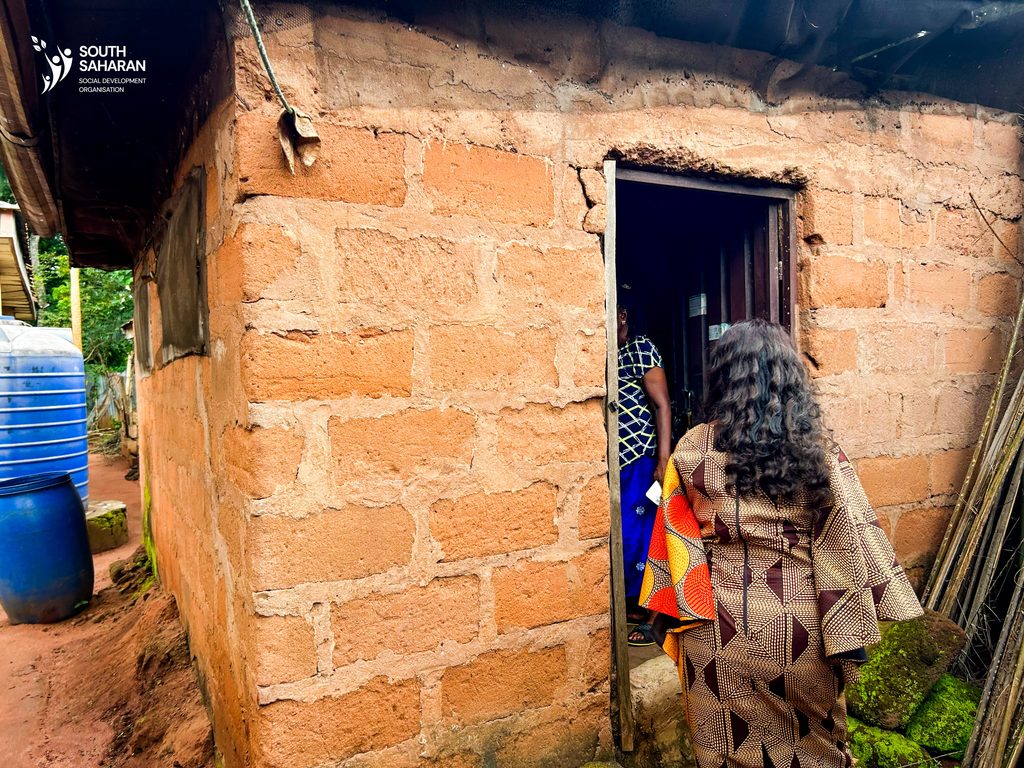
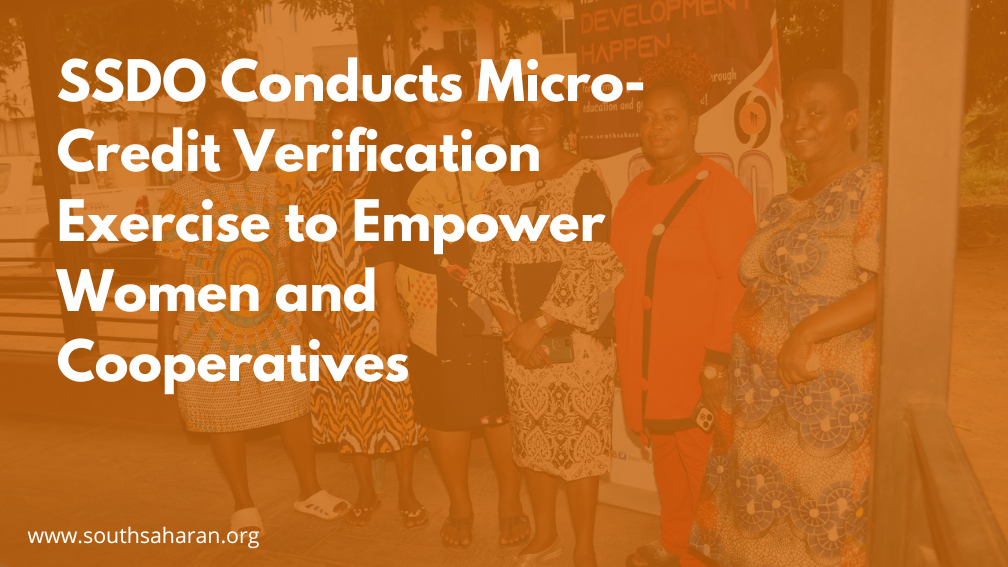
A key component of ensuring the success and integrity of this program is the verification and evaluation exercise. Before loans are approved, SSDO’s micro-credit officers conduct a thorough verification process, visiting applicants’ businesses to assess their structure, credibility, and potential for growth. This step is essential in determining eligibility for a loan and deciding how much each applicant should receive.
In August and September 2024, SSDO’s Micro Credit Officer, Stella Ani, embarked on a verification exercise, visiting 71 business locations across communities in Enugu State. This process allowed SSDO to better understand the applicants’ businesses, verify their legitimacy, and assess the progress of previous loan recipients.
Building Trust Through Transparency
The verification exercise is more than just an administrative procedure—it builds trust between SSDO and the women who rely on these loans to secure their futures. By taking the time to visit each business, our team can ensure that the loans are being used effectively, promoting accountability and encouraging responsible borrowing. It also helps SSDO gain insights into the challenges these women face in running their businesses, informing future improvements to the micro-credit scheme.
Fostering Women’s Financial Independence
At its core, Jacob’s Well is about more than just providing financial assistance; it’s about fostering independence. By supporting women-owned businesses, SSDO is helping women take control of their financial future, reducing dependency on spouses or other family members, and allowing them to achieve self-sufficiency. For many of these women, a successful business means not only supporting their families but also being able to reinvest in their communities, contributing to the broader goal of poverty alleviation.
Going Forward
SSDO’s commitment to empowering women through initiatives like Jacob’s Well is stronger than ever. We will continue to provide resources and support for women to succeed in business, ultimately transforming their lives and communities. The recent verification exercise serves as a reminder of the tangible impact of micro-credit programs in helping women build sustainable livelihoods.
As SSDO moves forward, we remain dedicated to providing innovative and inclusive solutions that address the unique challenges women face, particularly in economically disadvantaged communities. Through financial empowerment, we can help women break the cycle of poverty and dependency, unlocking their full potential to lead, grow, and thrive.
We understand that poverty lies at the heart of unreported cases of Gender-based violence (GBV). Most women are often afraid they will lose their economic support if they report. Statistics show domestic violence has increased in the wake of the hashtag#COVID19 pandemic. Women have a huge role to play in nation-building. Gender inequality, unpaid care, and a largely unskilled women’s group are some issues to name a few that hold them back.
Women’s empowerment is one of the practical solutions to reducing the cases of violence against women. Understanding this, South Saharan Social Development Organization, through its Jacob’s Well program is providing micro-credit to female-owned small businesses. This will help women achieve financial independence and reduce poverty.
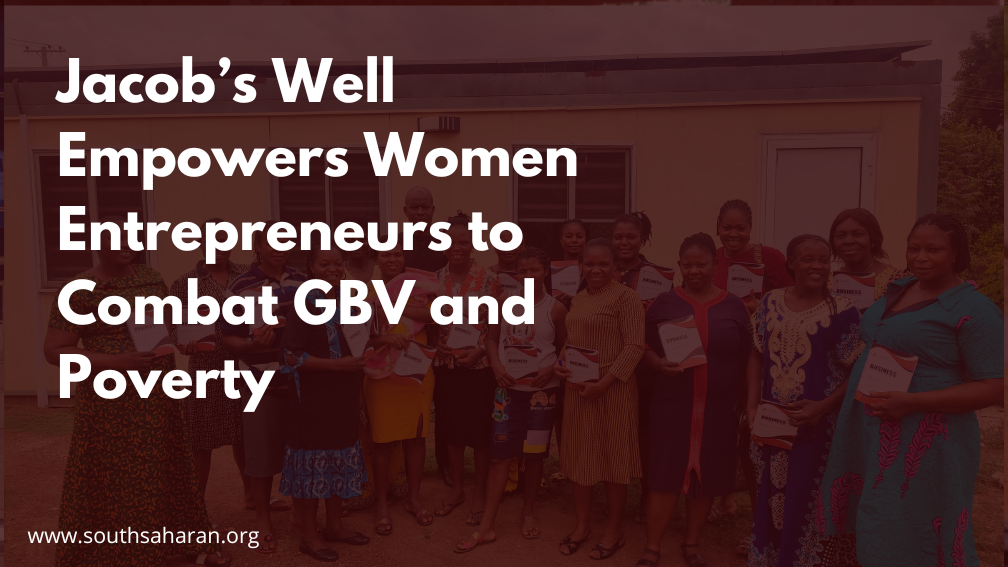
So far in 2024, 31 beneficiaries across four registered cooperatives got loans to grow their businesses. As part of our commitment to financial literacy, they were trained in risk management, savings culture, business record keeping, and cooperative management using the GIZ Nigeria & ECOWAS resource manual to help sustain and grow the venture. In addition, we’ve printed and commenced distribution of 1000 copies of our Business Record Book to enhance record-keeping practices among loan collectors, ensuring efficient management of finances and resources.
A sum of 9.5 million naira was disbursed to these women with no collateral required leveraging the social trust within the cooperative mechanism to ensure compliance across the board. We are happy to report that the various businesses are thriving and the beneficiaries are doing tremendously well.
The Sister Guardian Initiative (SGI) is a South Saharan Social Development Organization‘s flagship project on reducing violence against women at the community level. The initiative provides the immediate support that female victims of violence require— safety, counseling, mediation, and referrals to other relevant agencies as the case may demand. The SGI is presently in 19 communities across Enugu and Anambra states.
International Women’s Day is a global day to celebrate women’s socioeconomic, cultural, and political achievement. It is also a unique opportunity for women to rally and advocate for equal treatment and representation. Since the inception of the SGI in 2016, SSDO has organized an educational event geared towards women’s empowerment. This year’s theme is “Inspire Inclusion” and “Invest in Women: Accelerate Progress.”
To commemorate the IWD celebration, South Saharan Social Development Organisation organized a radio sensitization program to celebrate the wins of Sister Guardians, to share their stories, challenges, and journey since they were elected to the traditional ruling councils in their communities. As well as to create awareness on the need for this to become the norm in other communities. The guest on the show were Mrs Roseline Egwuatu from Ihenyi community in IsiUzo LGA and Mrs Anthonia Anike from Umuode community in Nkanu East LGA, who are both part of the traditional ruling councils in their communities as a result of the efforts of SSDO through the Sister Guardian Inititaive project.
The women discussed how challenging it was before SSDO came in, how they struggled to be heard, and how women didn’t have an opinion on matters that affected their wellbeing.
“Women were always subjugated and relegated to the backgrounds through bad stereotypes and cultural norms that affected them. During disagreements, men take advantage of norms to ban women out of the home for as long as they want by barricading their kitchen with palm fronds which is a taboo in my community. This was put to a stop when women became elected to the traditional ruling council.” Mrs Roseline shared.
Mrs Anthonia explained, “Before now, we could not assess our palm kernel farm or either use the proceeds, the men would always collect it from us, but through the advocacy of the Sister Guardian Initiative this has stopped.”
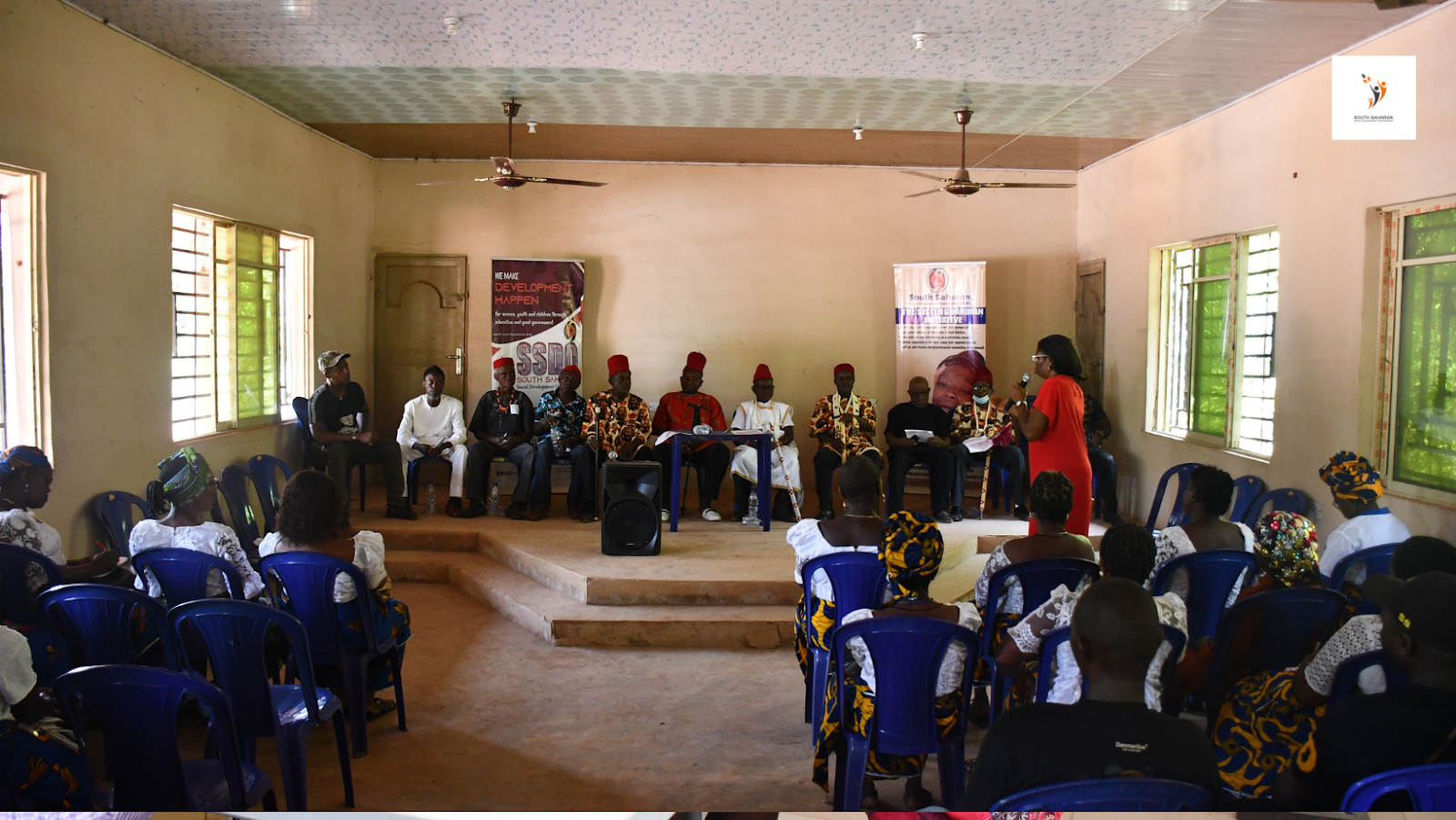
This year’s commemoration also served as an avenue to create more awareness on the year’s theme, on the need to increase women’s participation and diversify leadership, and rally relevant stakeholders on the need to enforce GBV laws.This was done through a community stakeholder engagement workshop held in Ezi-Nze community in Udi LGA. The workshop featured participants drawn from three communities– Ibute-Nze, Ezi-Nze, and Akpakwume community, Udi LGA Enugu State–where the initiative has been executed. They include traditional rulers, President Generals, women leaders, and community members.
Blessing Uchendu, Gender Protection Lead explained the importance and the need for increased inclusion and investment in women, particularly in the promotion of diversity in leadership and decision-making positions. “Women, especially those belonging to underrepresented groups, continue to face barriers when seeking leadership roles. By championing inclusion, organizations and communities can harness the full potential of diverse perspectives, leading to better decision-making and innovation.”
Studies have shown that increased women’s representation in leadership positions as helped to reduce marginalization and discrimination as women in power can better advocate and present the needs of other women. Understanding this fact, SSDO, has been working tirelessly to increase the number of women in the traditional ruling councils in project communities. So far, nine communities have included women in their traditional ruling councils. While not resting on our oars, the team is striving to see improved inclusion and women empowerment, hence the need for this workshop.
“Women face discrimination, harassment, inequality, and oppression. SSDO addresses all these and more through the guardians instituted in the communities. SSDO also strengthens these established institutions by building their capacity and financing them to carry out their programmatic activities. With more women in the cabinet in these communities, these incidences will be further ameliorated”
Jacob’s Well Project Officer, Stella Ani, also highlighted the importance of access to opportunities such as financial instruments as a viable way to invest in women. “We realize that marginalization and oppression lie at the heart of women’s poverty. This is why we introduced the micro-credit facility. To help women access loans, accelerate progress, and achieve financial independence.”
Having sensitized participants and stakeholders on the need for increased women’s participation and increased inclusion in decision-making processes at the community level, the team facilitated a breakout session where traditional rulers and Sister Guardians (women leaders) from the same community discussed and chose the three most pressing challenges that have plagued women the most in their communities.
Esther Ani, a participant shared, “I am excited about this workshop. The fact that we could sit with our traditional rulers and tell them our struggles and needs was important. Now we can plan and implement the solutions identified.”
These identified problems will be form the basis for intervention in the communities going forward. The women will advocate to public and private partners for speedy resolutions.