SSDO

Youth Taking Charge: Health Facility Audits Led by Young People in Enugu

Across six Local Government Areas in Enugu State: Aninri, Isi Uzo, Igbo Eze North, Enugu East, Enugu North, and Enugu South, young people are stepping up to make a difference in how healthcare services are delivered in their communities.

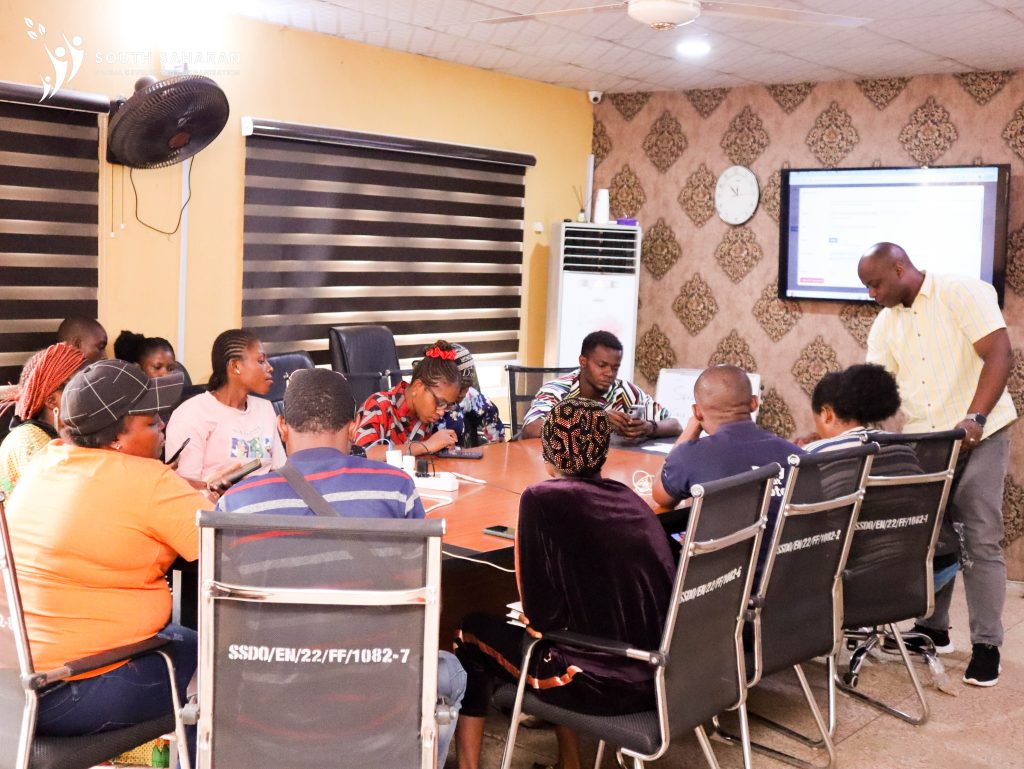
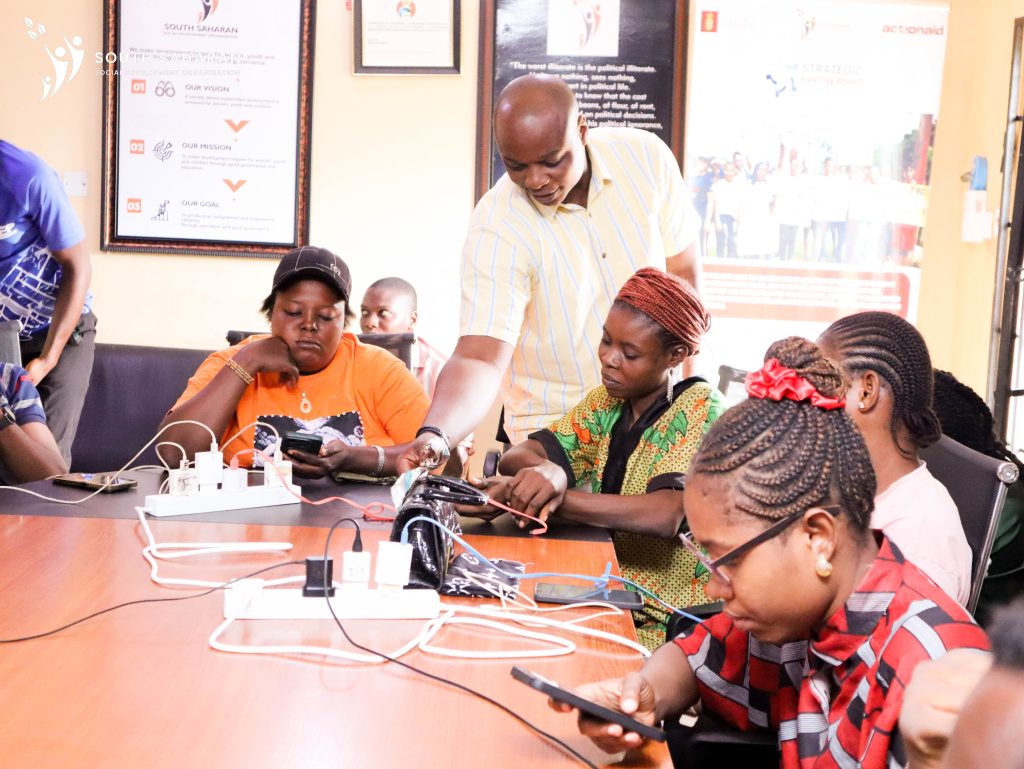
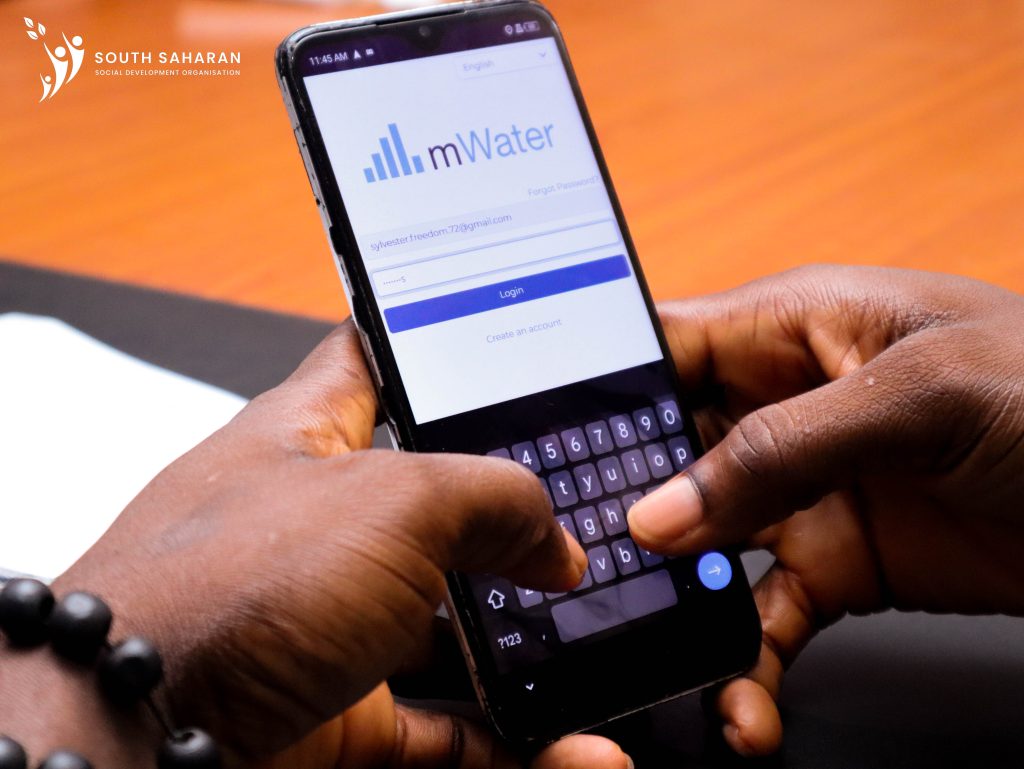
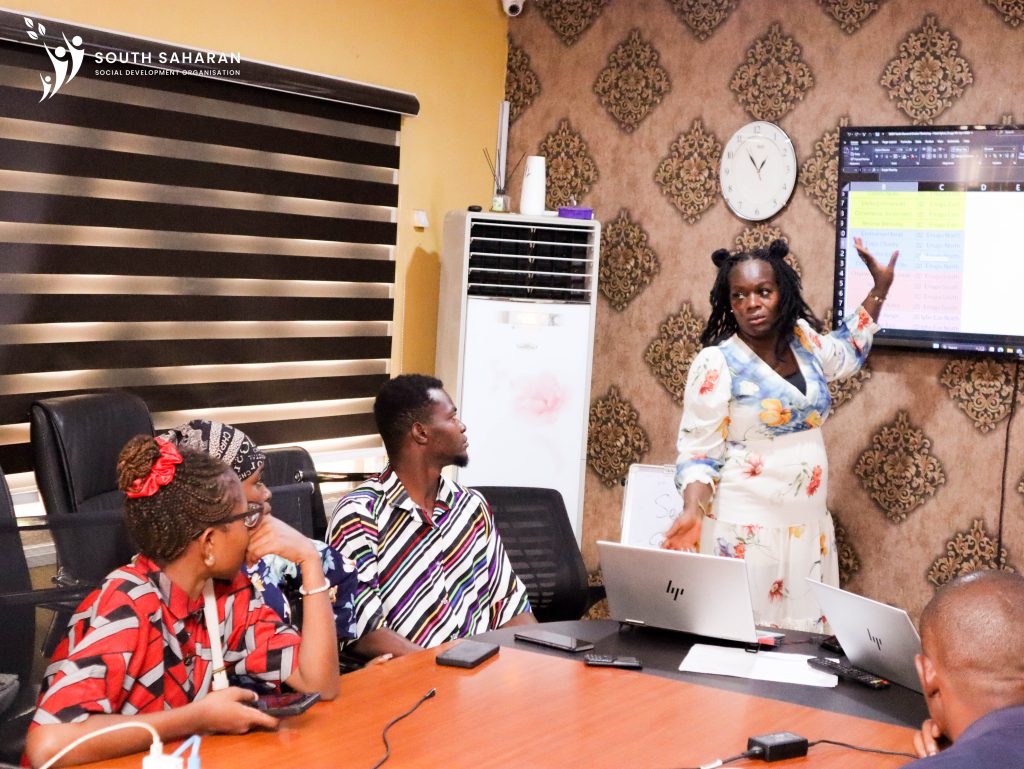
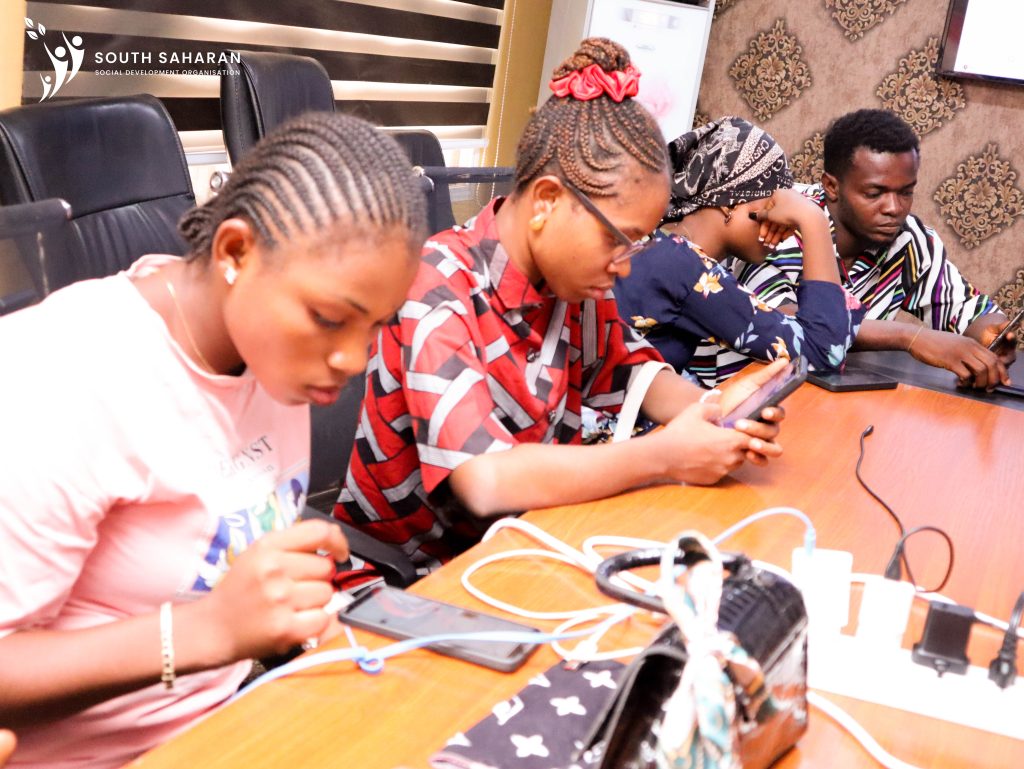
Thanks to a capacity-building initiative supported by ActionAid Nigeria through the Strategic Partnership Agreement (SPA II) project, youths have been trained to carry out assessments of Primary Health Centres (PHCs) using a mobile-based tool built on national standards.

A New Generation of Health Advocates

With mobile devices in hand and knowledge of the key performance indicators that define quality health care, these young leaders are conducting real-time audits of local PHCs. From checking drug availability and equipment condition to assessing staff presence and community engagement, their goal is clear: to ensure health facilities truly serve the people.


This initiative empowers young people not just to demand better services but to actively track and report gaps, creating a feedback loop that communities and health authorities can act on.

Driving Accountability from the Ground Up

The audits are more than just data collection. They are a powerful step toward building a health system that listens, learns, and improves. Through their engagement, these youths are helping shine a light on the day-to-day realities of primary healthcare delivery, and pushing for improvements that can save lives.

This approach aligns with SSDO’s vision for inclusive development where community members, especially young people, are not just recipients of services, but active players in shaping and strengthening them.

Powered by Partnership

This success story would not be possible without the consistent support of ActionAid Nigeria, whose backing through the SPA II project continues to foster youth-led development, social accountability, and community transformation.

Together, we are laying the foundation for a future where every voice counts, every health centre is functional, and young people lead the way in holding systems accountable.

Youths Unite for Change: Enugu Young People Create Charter for Inclusive Governance

At South Saharan Social Development Organisation (SSDO), we believe that empowering young people is essential for building inclusive and sustainable communities.

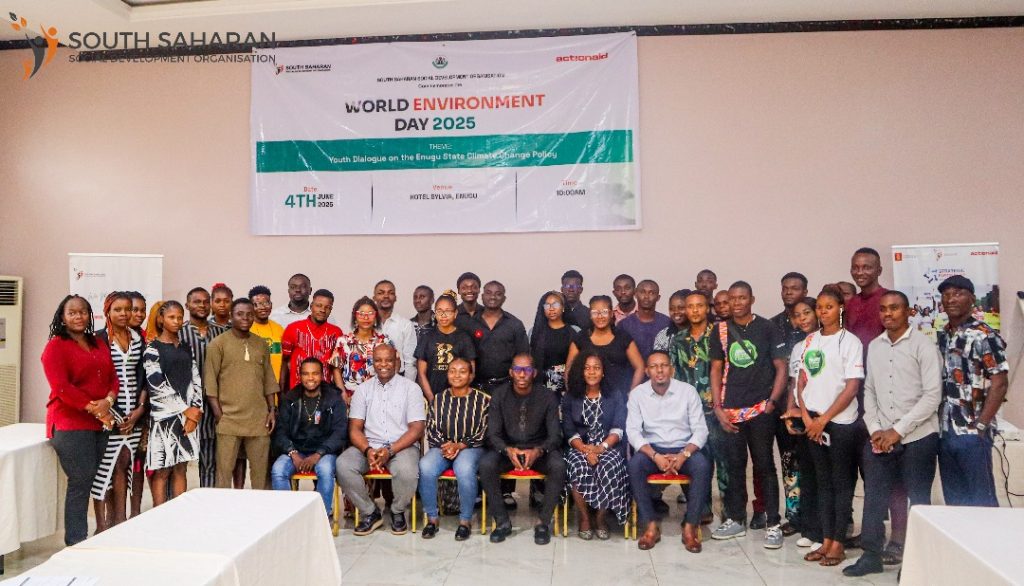
In line with this vision, 51 youths from the 17 Local Government Areas (LGAs) in Enugu State came together to develop a Youth Demand Charter focused on inclusive governance and youth development.

This initiative was made possible through our partnership with ActionAid Nigeria under the SPA II project, with the aim of enhancing youth participation in governance and decision-making processes.

The Youth Demand Charter serves as a roadmap for integrating youth perspectives into local governance structures. It outlines key areas where young people seek greater involvement, including education, employment, healthcare, and civic participation.

By articulating their collective aspirations, the youths aim to influence policy decisions and ensure that their voices are heard in matters that affect their lives and communities.

Fostering Collaboration and Shared Vision

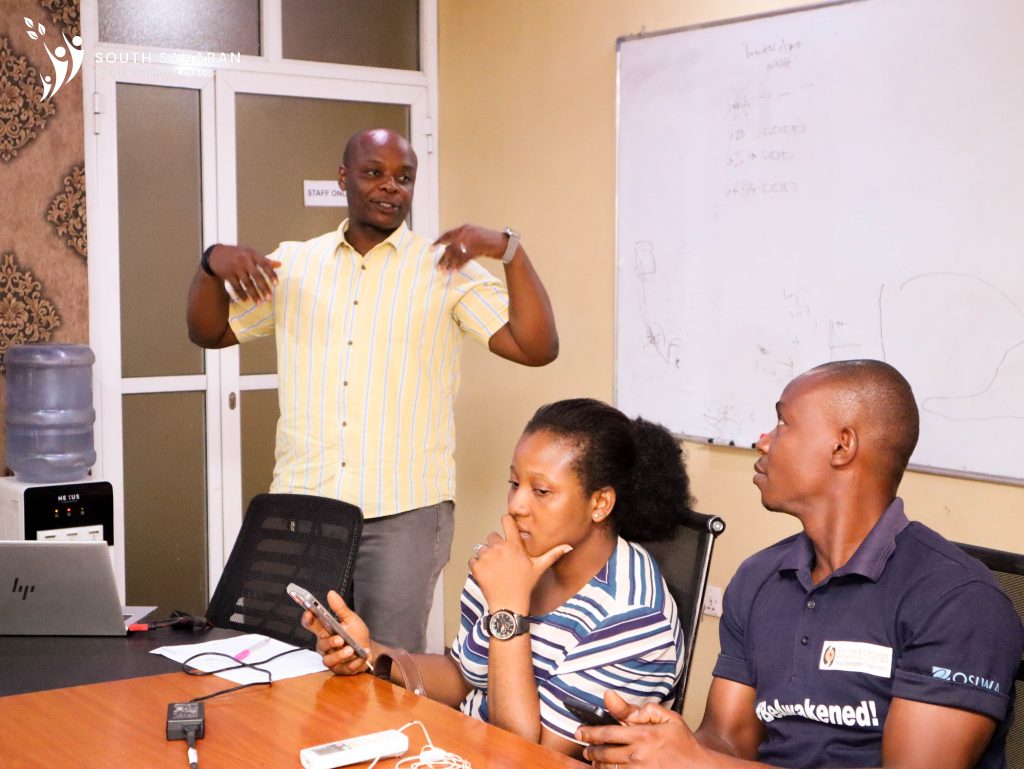
The development of the charter was a collaborative process that encouraged dialogue, mutual understanding, and a shared commitment to positive change. Participants expressed their enthusiasm for being actively involved in shaping their future.

Next Steps: Advocacy and Implementation

With the Youth Demand Charter in place, the next phase involves engaging with local authorities to advocate for the adoption and implementation of the charter’s recommendations. The goal is to institutionalize youth participation in governance and ensure that their contributions lead to tangible improvements in their communities.

SSDO remains committed to supporting these young leaders as they take proactive steps toward inclusive governance and sustainable development in Enugu State.

SSDO and JDPC Call for Urgent Action Amidst Humanitarian Crisis in Isi-Uzo Communities

In response to the escalating crisis in the Abor Isiala and Ihenyi communities of Isi-Uzo Local Government Area, Enugu State, the South Saharan Social Development Organisation (SSDO) and the Justice Development and Peace Commission (JDPC) convened a joint press conference to shed light on the dire situation and appeal for immediate intervention.

A Deepening Humanitarian Crisis

The recent surge in violence has had devastating consequences for the residents of these communities. Reports indicate that over 300 individuals have been directly affected, with 20 lives tragically lost. The disruption has forced 1,064 children out of school, depriving them of their right to education and a stable future. Furthermore, numerous women have suffered brutal assaults, exacerbating the already critical humanitarian situation.​

Voices from the Ground

Dr. Stanley Ilechukwu, Executive Director of SSDO, emphasized the severity of the situation, stating, “The continued violence in Eha-Amufu is not just a security issue; it is a humanitarian crisis affecting women and children the most.” His remarks underscore the profound impact on the most vulnerable segments of the population, highlighting the urgent need for comprehensive support and protection.​

A Pattern of Recurrent Violence

This crisis is not an isolated incident but part of a troubling pattern of recurrent violence in these communities. Both SSDO and JDPC have documented multiple instances where residents have faced similar hardships, indicating a systemic issue that demands sustained attention. The organizations are calling upon the government to implement lasting solutions that address the root causes of the conflict and prevent future occurrences.

A Call to Action

In solidarity with the affected communities, SSDO and JDPC are committed to amplifying their voices and advocating for justice. They urge the government, civil society organizations, and international partners to:​

Promote Community Dialogue: Engage local leaders and stakeholders in dialogue aimed at fostering peace and reconciliation.

Provide Immediate Relief: Deliver essential aid, including food, medical care, and psychological support to those affected.​

Ensure Security: Deploy adequate security personnel to protect residents and prevent further attacks.​

Facilitate Education Continuity: Implement measures to enable displaced children to continue their education without undue disruption.​

The crisis in Isi-Uzo Local Government Area is a poignant reminder of the urgent need for collaborative efforts in addressing humanitarian emergencies. It is imperative that all stakeholders come together to restore peace, provide relief, and work towards sustainable solutions that will prevent such tragedies in the future.

Launch of the Policy Paper on Addressing Polarization in Nigeria’s Civil Society Sector

In a significant step towards enhancing unity and collaboration within Nigeria’s civil society sector, South Saharan Social Development Organization (SSDO) partnered with Thoughts and Mace to launch the Policy Paper on Addressing Polarization in Nigeria’s Civil Society Sector. This event highlighted the pressing need to tackle divisions that hinder collective progress and emphasized strategies to promote cohesion among civil society organizations (CSOs).

Understanding the Challenge of Polarization

Polarization within Nigeria’s civil society is both a symptom and a driver of societal divisions. Factors such as competition for funding, ideological differences, and generational gaps contribute to fragmentation among CSOs. This disunity weakens advocacy efforts and diminishes the sector’s ability to serve communities effectively and hold the government accountable. Recognizing these challenges, the policy paper provides a roadmap for bridging divides and strengthening collaboration within the sector.

Insights from Experts and Stakeholders

The launch event featured insightful discussions from esteemed panelists who shared their perspectives on mitigating polarization. Ambassador Onyinye Joy Mamah of the Heroine Women Foundation highlighted the dual role of polarization as both a consequence and catalyst of societal division. She advocated for donor flexibility in funding and emphasized the importance of solution-based dialogues to dismantle existing divides. Chimezie Elekwachi addressed the critical need to rectify funding disparities by promoting resource sharing and optimizing available opportunities. He stressed that equitable distribution of resources is vital for fostering unity among CSOs. Barrister Nkem Awachie emphasized that strengthening collaboration and building organizational capacity are essential for sustaining long-term impact in civil society. She pointed out that cohesive efforts and robust institutions are fundamental to achieving collective goals.

SSDO’s Commitment to a Stronger Civil Society

SSDO remains committed to creating an enabling environment for sustainable development. By partnering in the launch of this policy paper, SSDO reaffirms its dedication to strengthening unity within Nigeria’s civil society. We recognize that a cohesive civil society is better equipped to advocate for democratic principles, protect human rights, and drive social progress.

Key Recommendations from the Policy Paper

The policy paper outlines several recommendations to address polarization, including promoting inclusive dialogues to encourage open and inclusive conversations among CSOs, ensuring equitable resource distribution to prevent competition-induced fragmentation, and investing in capacity-building initiatives to enhance collaboration and collective impact. By adopting these strategies, CSOs can work towards a more unified and effective civil society sector, capable of driving meaningful change and contributing to national development.

The launch of the Policy Paper on Addressing Polarization in Nigeria’s Civil Society Sector marks a pivotal moment in the quest for unity and effectiveness among CSOs. SSDO’s collaboration with Thoughts and Maces reflects a shared commitment to overcoming divisions and enhancing the collective impact of civil society. As these recommendations are implemented, there is optimism that Nigeria’s civil society will emerge stronger, more cohesive, and better positioned to serve the communities and causes they represent.

Presentation of Final Draft: Enugu State Women’s Economic Empowerment (WEE) Policy & Action Plan

At South Saharan Social Development Organization (SSDO), we firmly believe that when women thrive, communities prosper. This conviction has driven our relentless pursuit of initiatives that dismantle socio-economic barriers and promote gender equity. We are thrilled to announce a significant milestone in this journey: the successful completion and presentation of the Enugu State Women’s Economic Empowerment (WEE) Policy & Action Plan to the Honourable Commissioner for Children, Gender Affairs, and Social Development.

A Collaborative Effort for Gender Equity

The development of the WEE Policy & Action Plan was a collaborative endeavor, made possible through the unwavering support of the development Research and Projects Centre (dRPC), South Saharan Social Development Organisation, and dedicated members of the WEE Policy Technical Working Group (TWG). This policy is poised to be a game-changer, meticulously designed to address the multifaceted challenges that women in Enugu State face, thereby fostering an environment where they can fully participate in and benefit from economic activities.

Key Highlights of the WEE Policy

The WEE Policy & Action Plan outlines strategic interventions aimed at:

Legal and Institutional Frameworks: Strengthening policies and laws that protect women’s economic rights and promote gender equality in the workplace.

Enhancing Access to Resources: Ensuring that women have equitable access to financial services, land, and other productive resources necessary for economic engagement.

Capacity Building: Providing training and skill development programs tailored to empower women with the competencies required in various economic sectors.

Market Opportunities: Facilitating access to local and international markets for women entrepreneurs, thereby expanding their business horizons.

Next Steps: Approval and Implementation

With the policy document now in the hands of the Honourable Commissioner, the next steps involve securing final approval and orchestrating an official launch. These forthcoming phases are critical, as they will set the stage for the implementation of the policy’s provisions, translating the articulated strategies into tangible benefits for women across Enugu State.

Continuing the Advocacy for Women’s Empowerment

While the completion of the WEE Policy & Action Plan marks a significant achievement, our work is far from over. SSDO remains steadfast in its commitment to advocating for the empowerment of women in Enugu State and beyond. We recognize that policies alone are not enough; their effective implementation, continuous monitoring, and periodic evaluation are essential to ensure that the envisioned outcomes are realized.

We invite all stakeholders – government agencies, civil society organizations, the private sector, and the general public – to join us in this ongoing advocacy. Together, we can create an enabling environment where women are not only participants but also leaders in economic development, thereby driving broader societal progress.

The Enugu State Women’s Economic Empowerment Policy & Action Plan represents a pivotal step towards achieving gender equity and promoting inclusive economic growth. At SSDO, we are proud to have played a role in this transformative initiative and remain committed to supporting its implementation. By empowering women, we unlock the full potential of our communities, paving the way for a more prosperous and equitable society.