Poverty is more than the absence of income. It is the absence of dignity, opportunity, and choice.
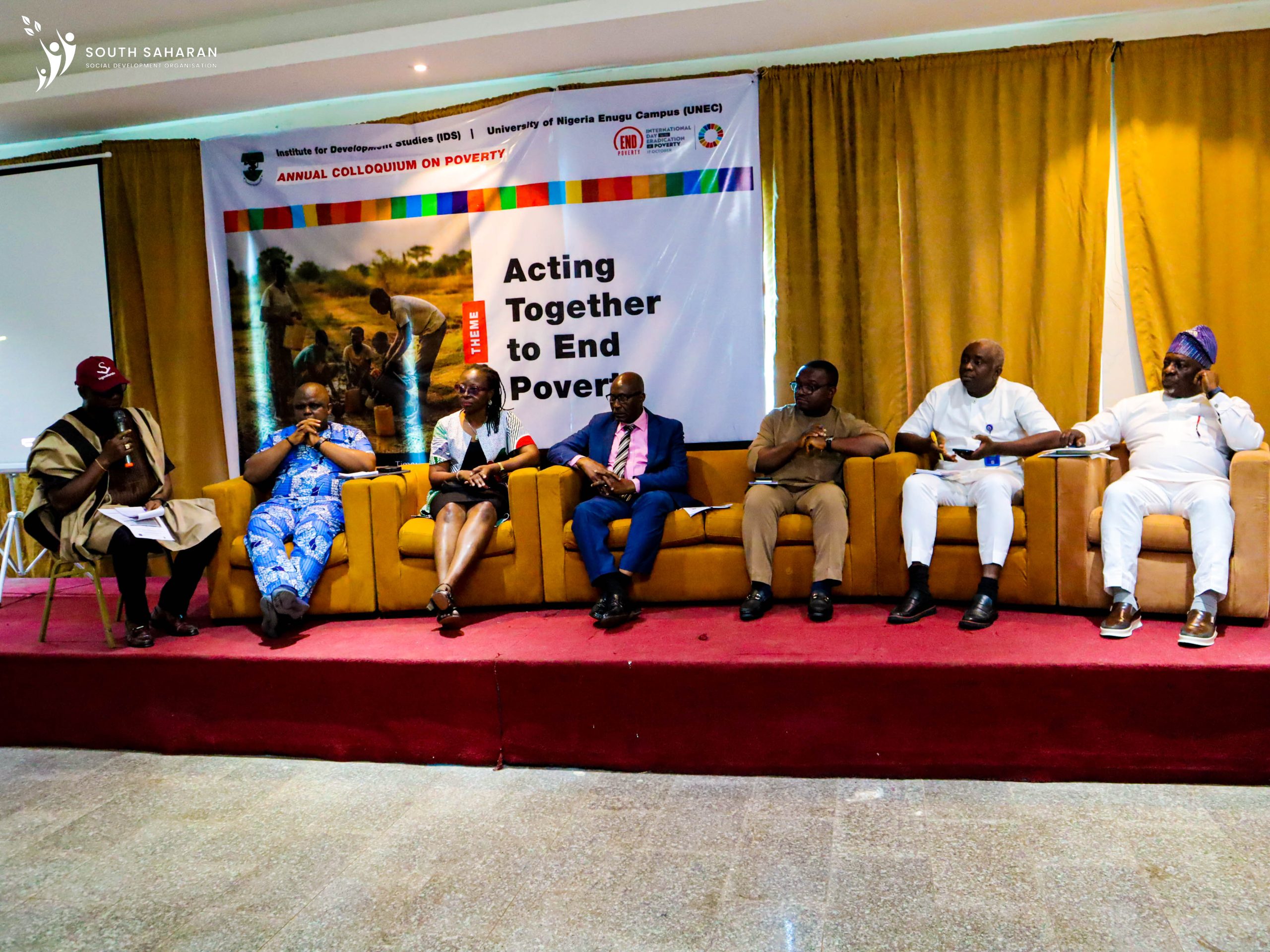
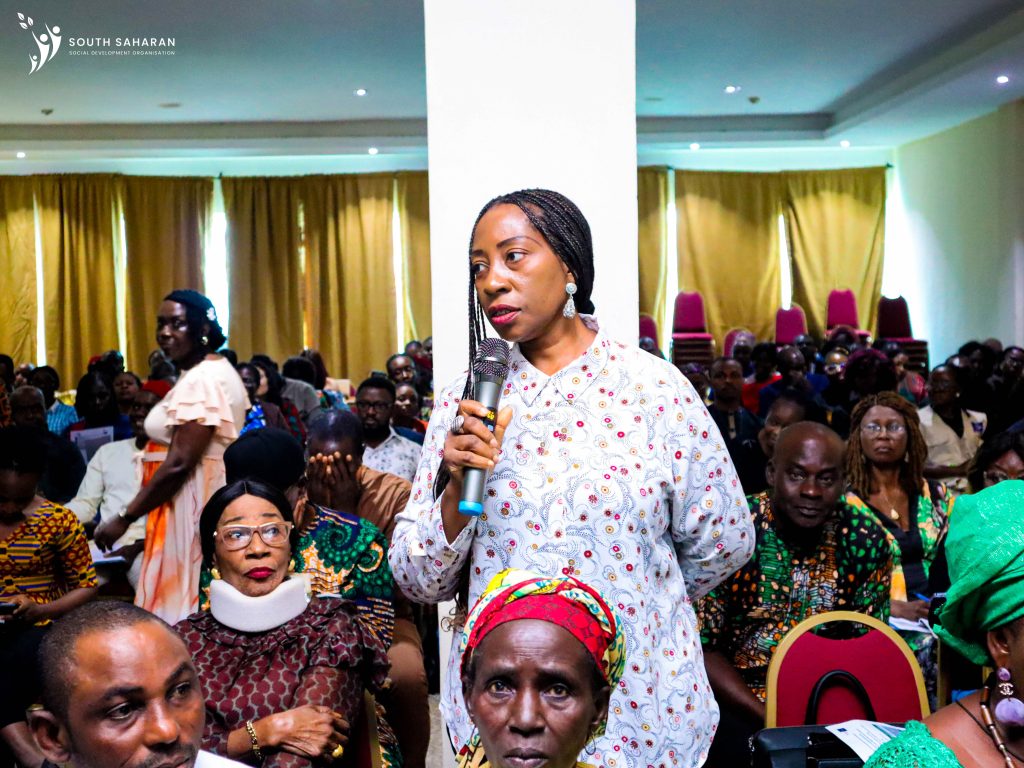
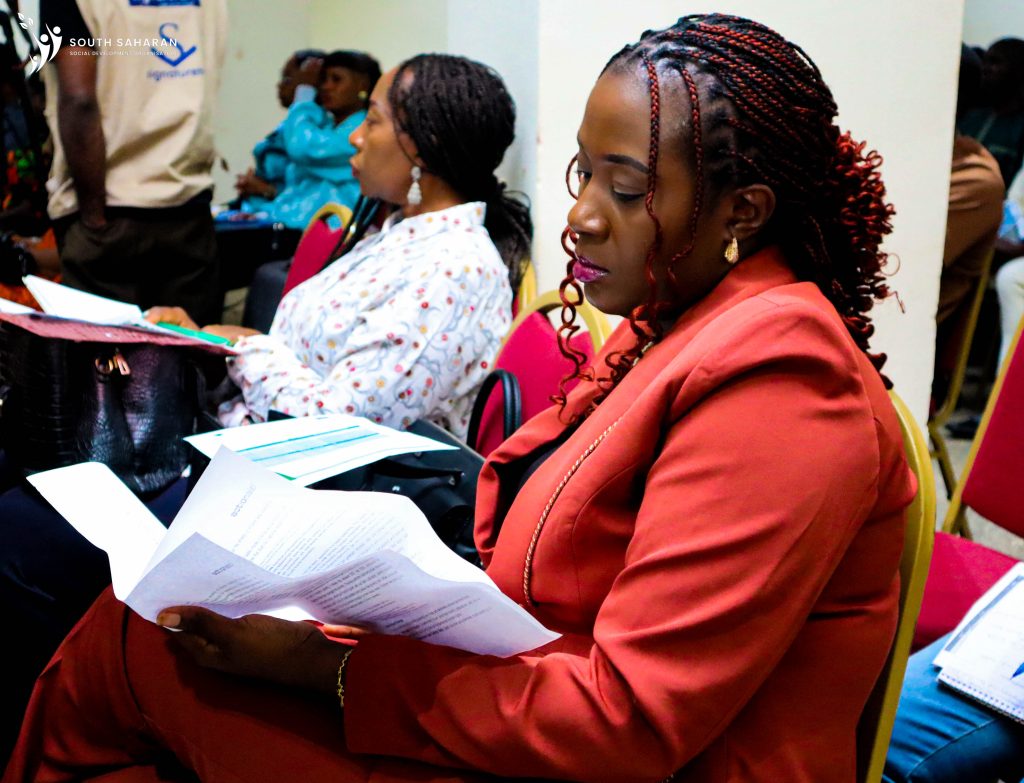
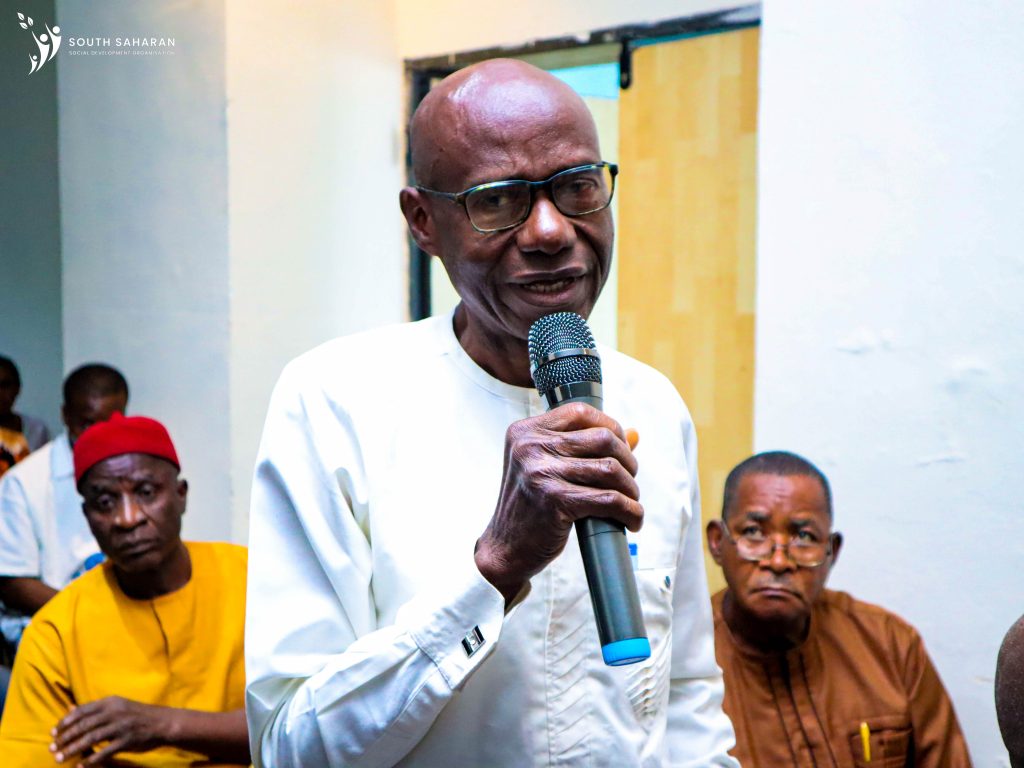
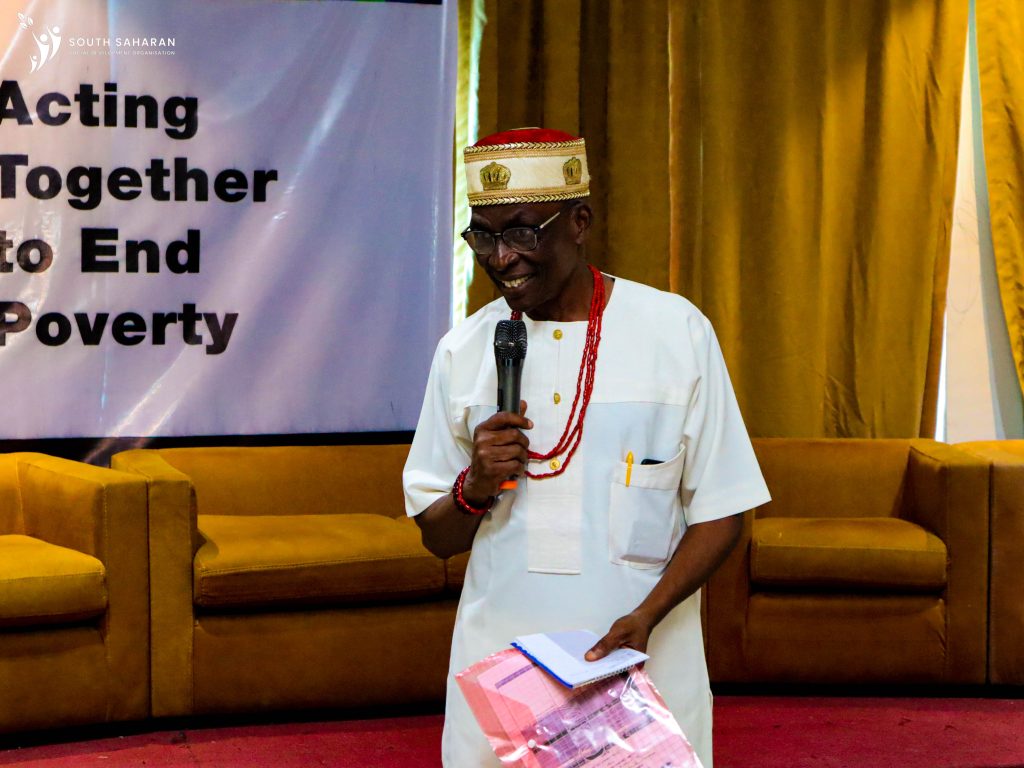
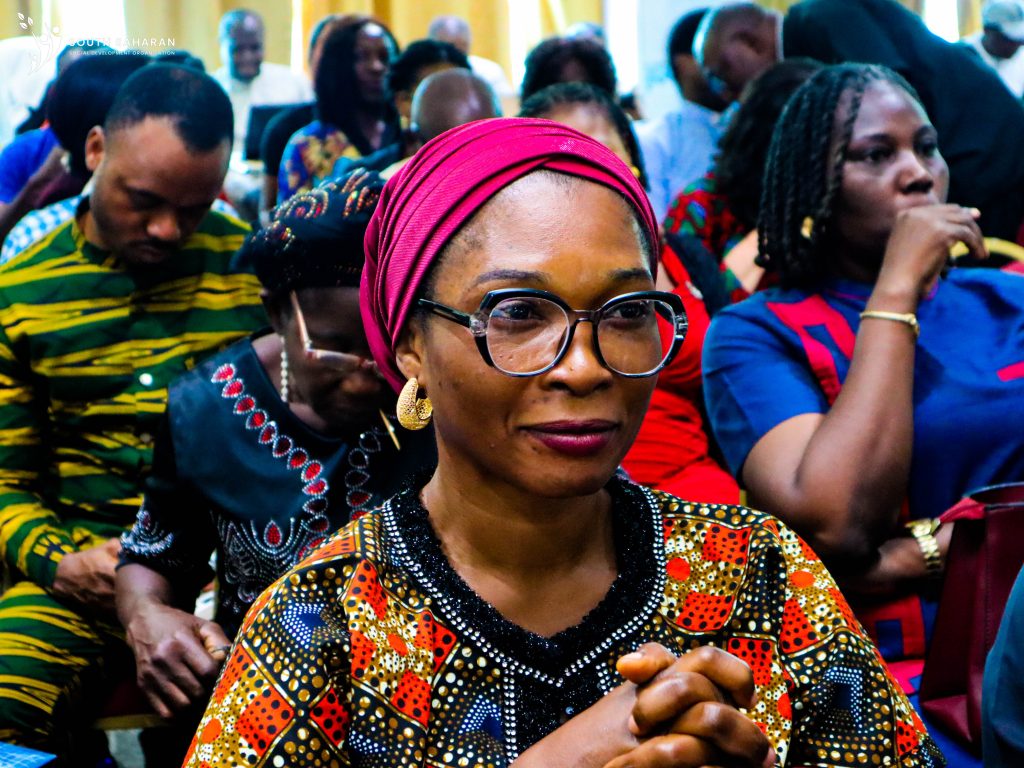
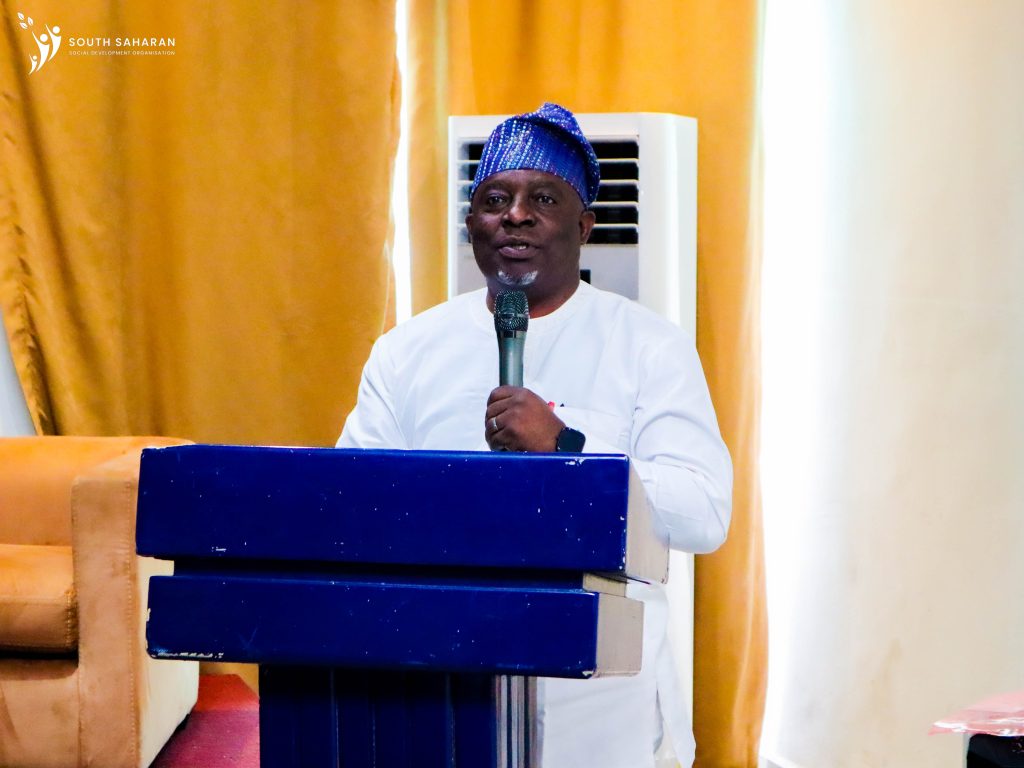
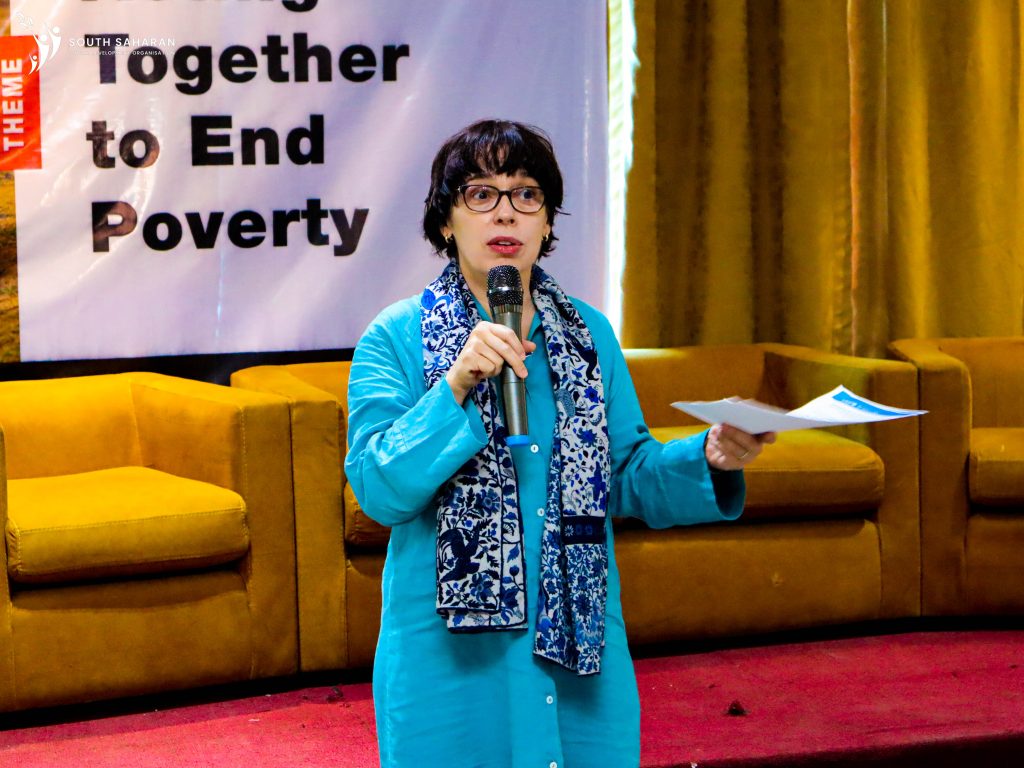
On October 17, 2025, the Institute for Development Studies (IDS), University of Nigeria, Enugu Campus, convened a thought-provoking colloquium to mark the United Nations International Day for the Eradication of Poverty. The event brought together scholars, technocrats, policymakers, and development practitioners to explore this year’s theme: “Acting Together to End Poverty.”
The conversations were rich, honest, and urgent, tackling poverty not only as an economic issue but as a governance, social, and human rights challenge.
SSDO’s Voice in the Room
Representing the South Saharan Social Development Organisation (SSDO), our team shared insights from over a decade of community-driven work aimed at dismantling the structures that keep people especially women and youth trapped in poverty.
We highlighted practical solutions that have transformed lives across Enugu and the South East.
Acting Together, Building Forward
The IDS colloquium reaffirmed a shared commitment among development actors: that poverty eradication is possible when academia, civil society, government, and the private sector work hand in hand.
As one participant noted, “Policies alone cannot end poverty; people can.”
At SSDO, we remain committed to doing our part – empowering communities, amplifying voices, and building systems that enable every person to thrive with dignity.
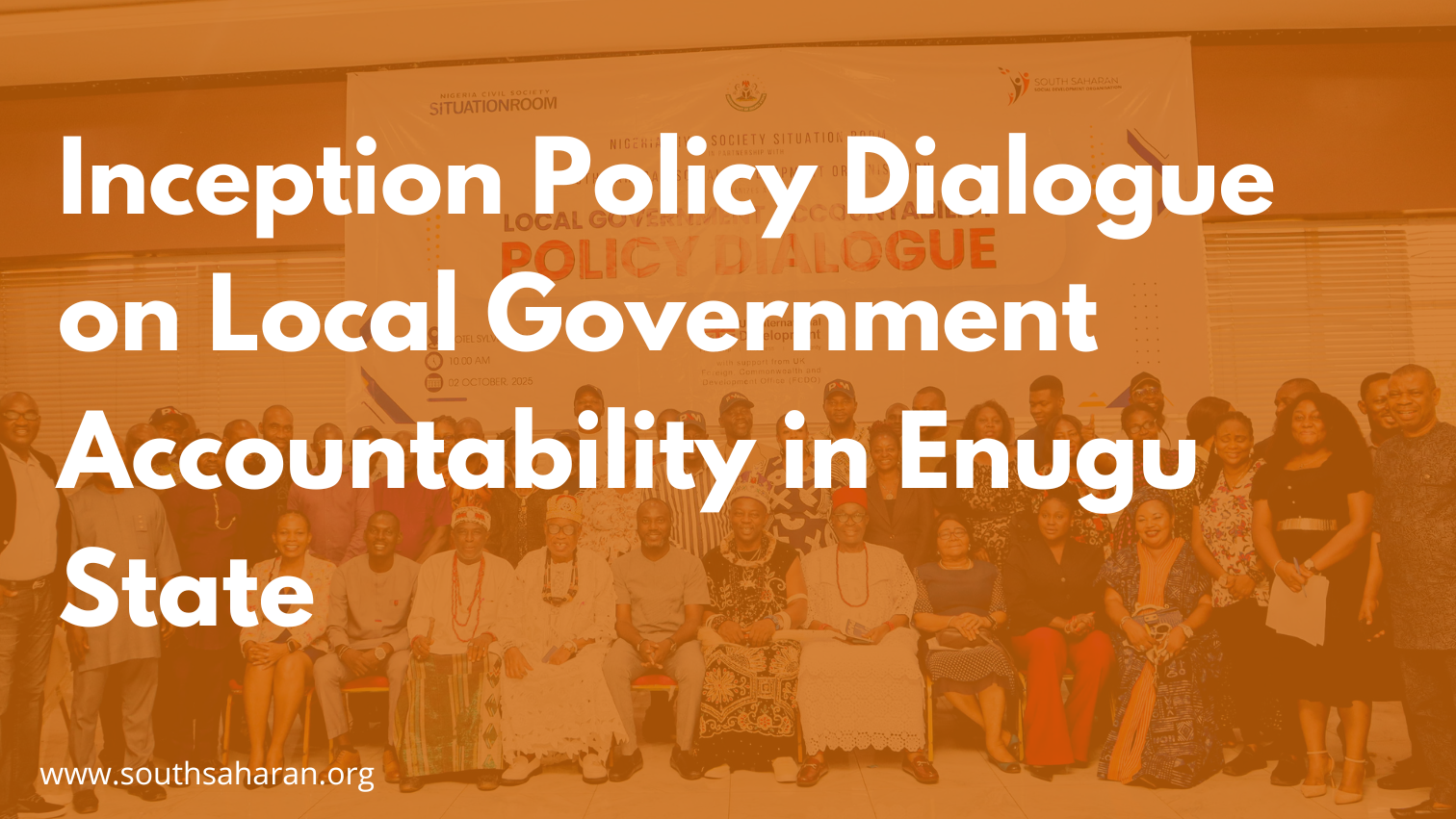
The South Saharan Social Development Organisation (SSDO), in collaboration with the Enugu State Local Government, has convened the Inception Policy Dialogue on Local Government Accountability in Enugu State, marking the first step toward developing the Enugu State Local Government Accountability Framework and Policy.
This Dialogue officially launched the process under SSDO’s Local Government Accountability Index (LAI) Project, supported through a sub-grant from the Nigeria Civil Society Situation Room, implemented by Policy and Legal Advocacy Centre (PLAC) and funded by the UK Foreign, Commonwealth & Development Office (FCDO).
Building a Framework Citizens Can Trust
The session brought together government representatives, civil society organisations, traditional leaders, and development partners to explore how local governance can better serve citizens through transparency, fiscal responsibility, and inclusive decision-making in line with the 2024 Supreme Court ruling on local government fiscal autonomy.
During the Dialogue, SSDO presented the vision of the Local Government Accountability Framework and Policy, introduced the Local Government Accountability Index (LAI) as a tool to objectively measure LGA performance, and engaged stakeholders in shaping the framework’s key priorities.
By the end of the session, participants reached consensus on priority reforms and inaugurated a Technical Working Group (TWG) to guide the next phase of implementation.
From Dialogue to Sustainable Reform
The outcomes of this policy dialogue will guide the development of systems that ensure public funds serve the public good and that local governance works for everyone, especially the most vulnerable.
Through data-driven insights and citizen feedback, the LAI Project aims to track progress, strengthen performance, and enhance trust between the government and the governed.
The Road Ahead
The Dialogue sets the stage for the next phase of the project – piloting the LAI tool in three LGAs, establishing Accountability Committees, and launching a public dashboard to promote real-time transparency.
Through this initiative, SSDO reaffirms its commitment to strengthening governance systems that place citizens at the centre of development and decision-making.
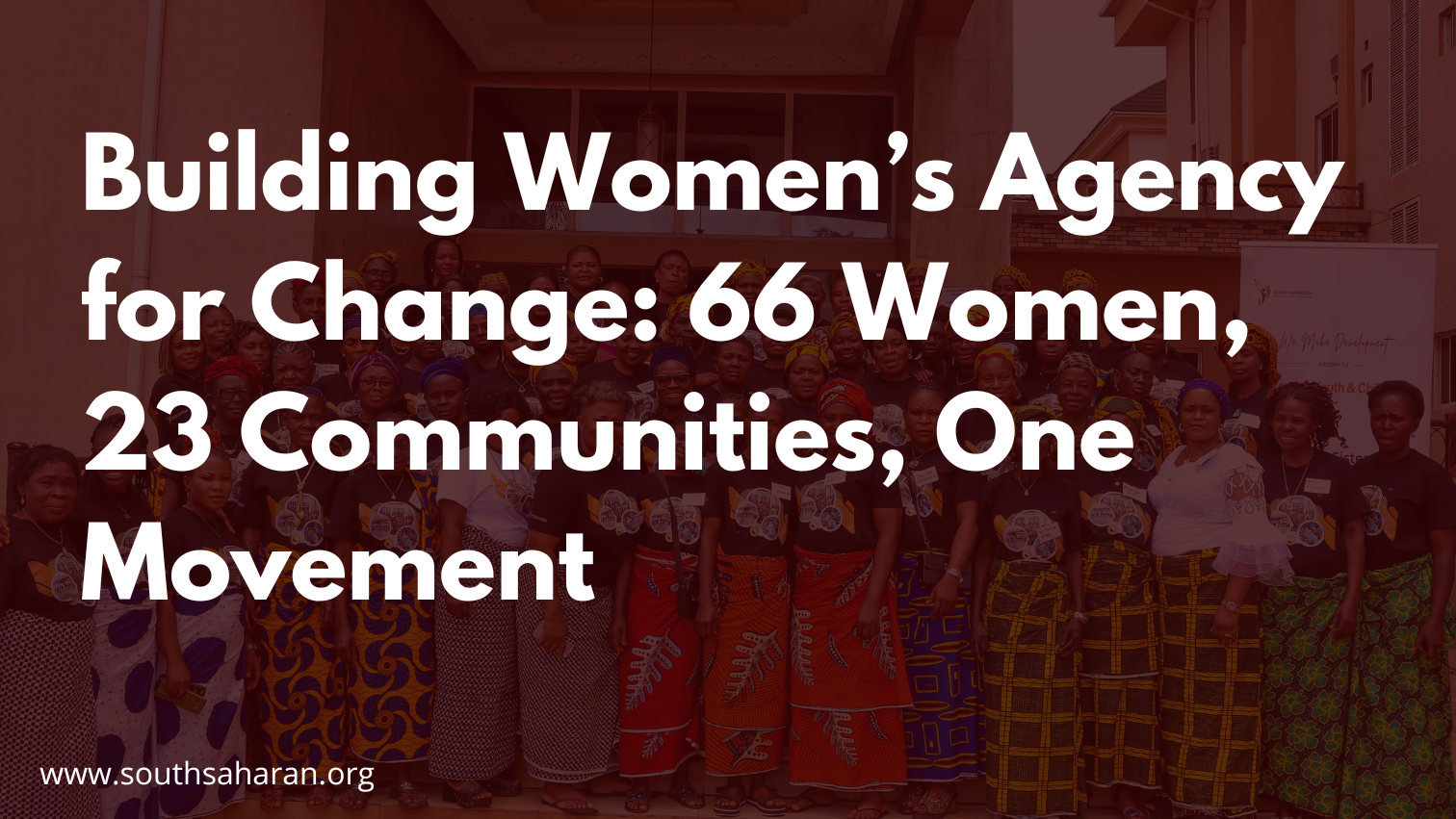
For five powerful days, women from 23 communities across Enugu State gathered with one shared goal – to rise, lead, and transform their communities.
Under the Community Partnership for the Elimination of Gender-Based Violence (ComPEG) Project, supported by the Ford Foundation, South Saharan Social Development Organisation (SSDO) held the Women’s Agency Building Training. to rekindle courage, strengthen networks, and equip women with practical tools for leadership and advocacy.
Rising Against Harmful Practices
The training was born out of deep listening. Before it began, SSDO carried out a baseline assessment to understand the realities women face daily. The findings were stark! Harmful practices like widowhood rites, wife battery, child marriage, and denial of inheritance rights persist across communities. Yet, amid these challenges, the team found something equally powerful: women’s courage.
As Dr. Stanley Ilechukwu, SSDO’s Executive Director, explained during the opening session:
“We saw women already holding families together, already speaking out in small ways, already protecting others. What was missing was stronger agency, stronger networks, and stronger skills to lead change.
And that is exactly what the five-day training set out to build.
Each day unfolded with purpose and passion
On Day 1, women explored their realities, learned about leadership from within, and discovered how collective action can drive social change.
Day 2 deepened their knowledge of women’s rights and protective laws, including the VAPP Law, and gave them hands-on experience drafting community bylaws to challenge harmful norms.
By Day 3, participants learned how to support survivors, link them to help, and use creative storytelling to shift mindsets, culminating in a drama session that filled the room with laughter, emotion, and insight.
Day 4 focused on building economic power for social power, sustaining wellbeing, and using evidence to measure progress.
Finally, on Day 5, the women explored coalition-building, community action planning, and the Sister Guardian Initiative (their own framework for local advocacy and accountability).
Every session ended with renewed determination and applause that echoed with promise.
From Knowledge to Action
Though each woman proudly received a certificate at the end, it was nit just about certificates. It was about confidence, agency, and transformation. The pre- and post-test assessments confirmed that women were thinking differently, speaking boldly, and ready to act. SSDO’s approach to empowerment is deliberate and sustainable – helping women challenge harmful practices one step at a time, turning small wins into lasting change.
The Ripple Effect Begins
The women left not as participants, but as community changemakers, ready to engage traditional leaders, advocate for survivors, and train others in their rights. The seeds planted during thefive days will grow far beyond the training hall, shaping homes, markets, churches, and local decision-making spaces.
Building a just and inclusive society starts with empowering young minds to challenge inequality and drive change.
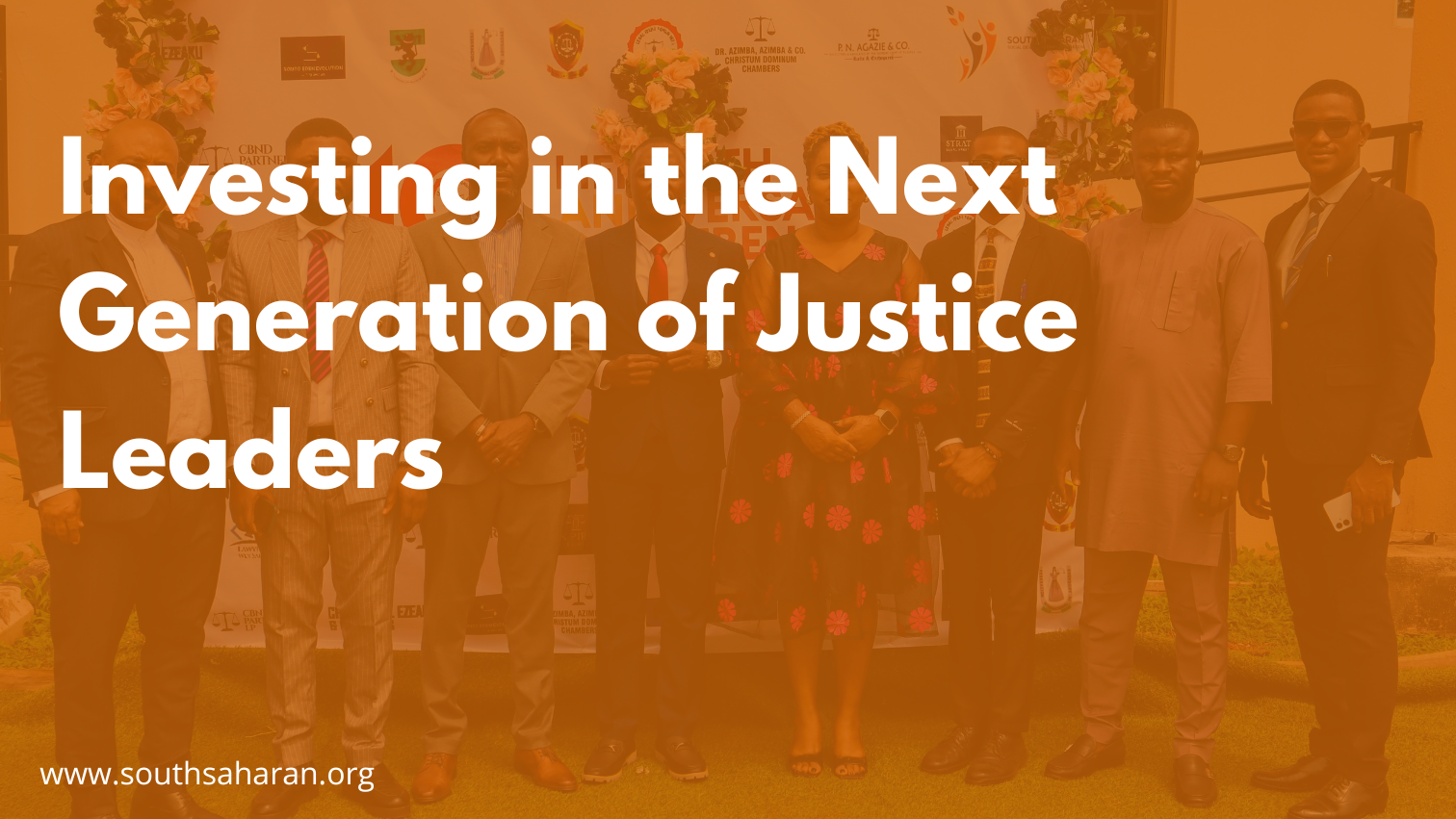
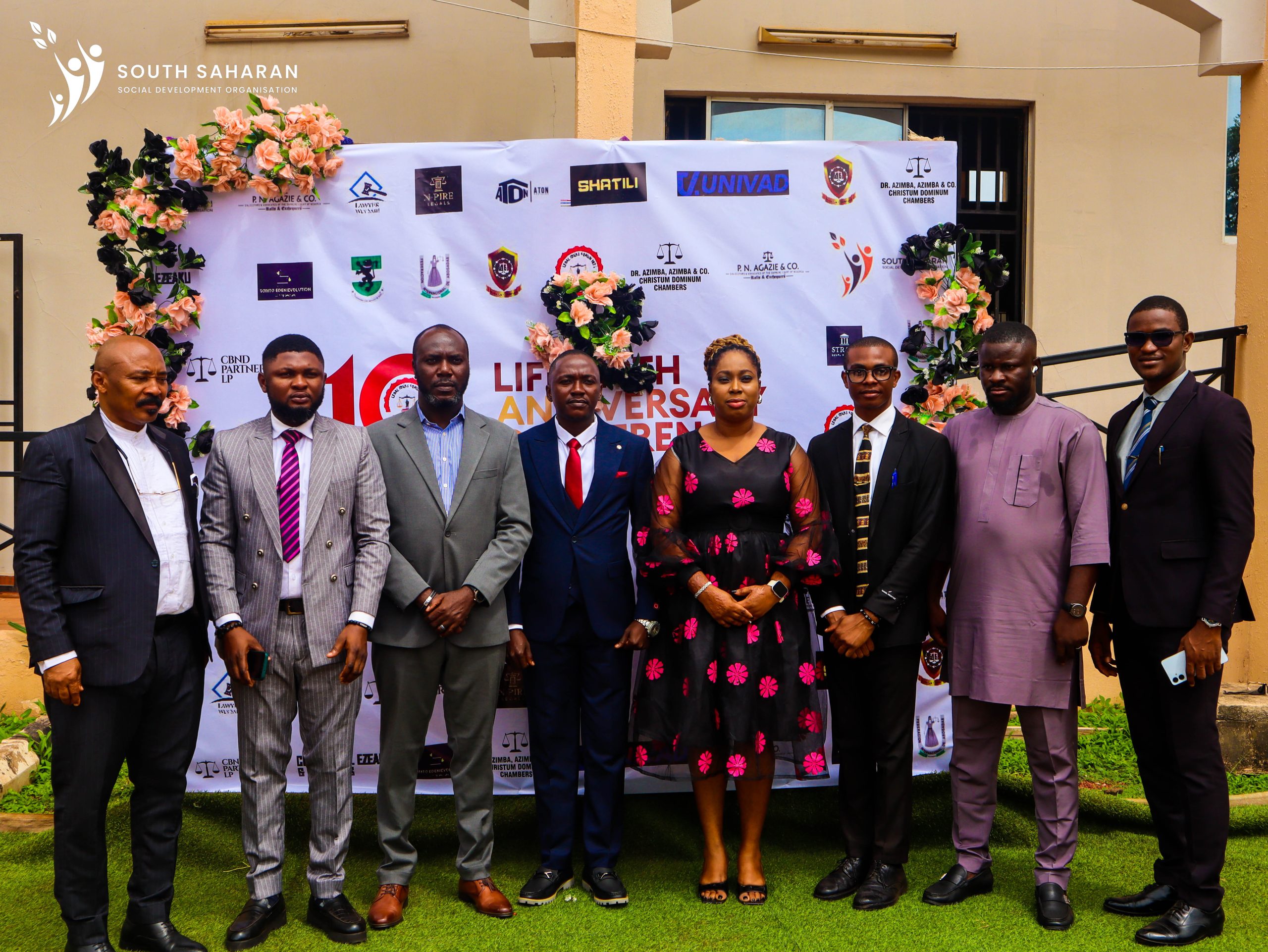
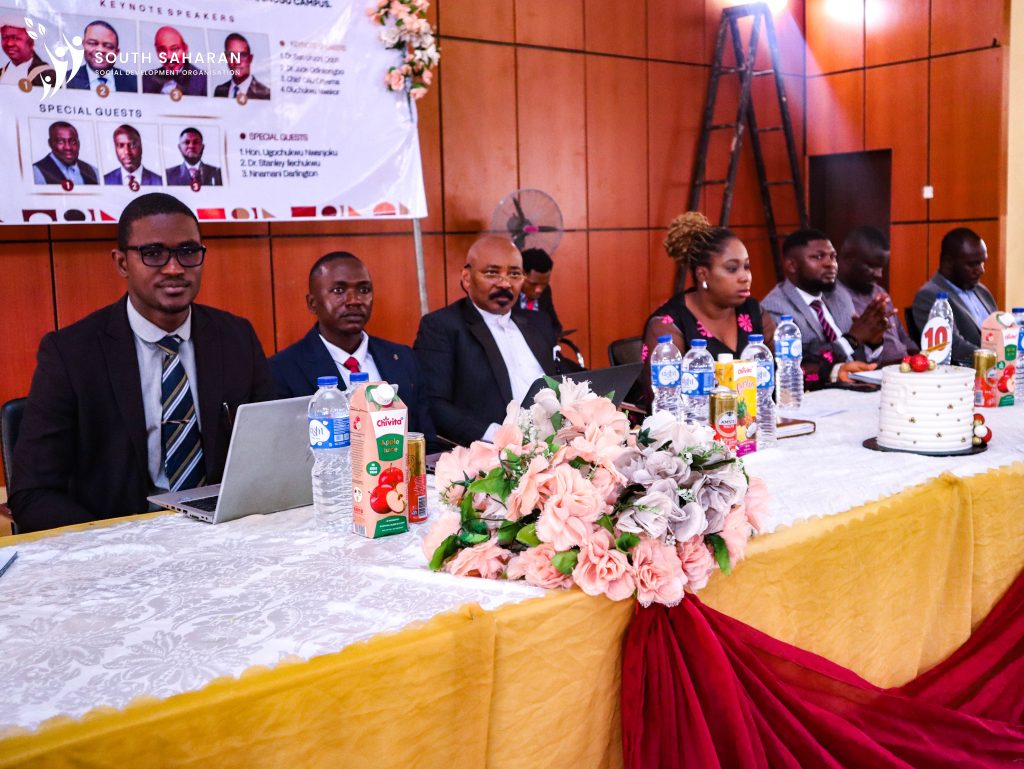
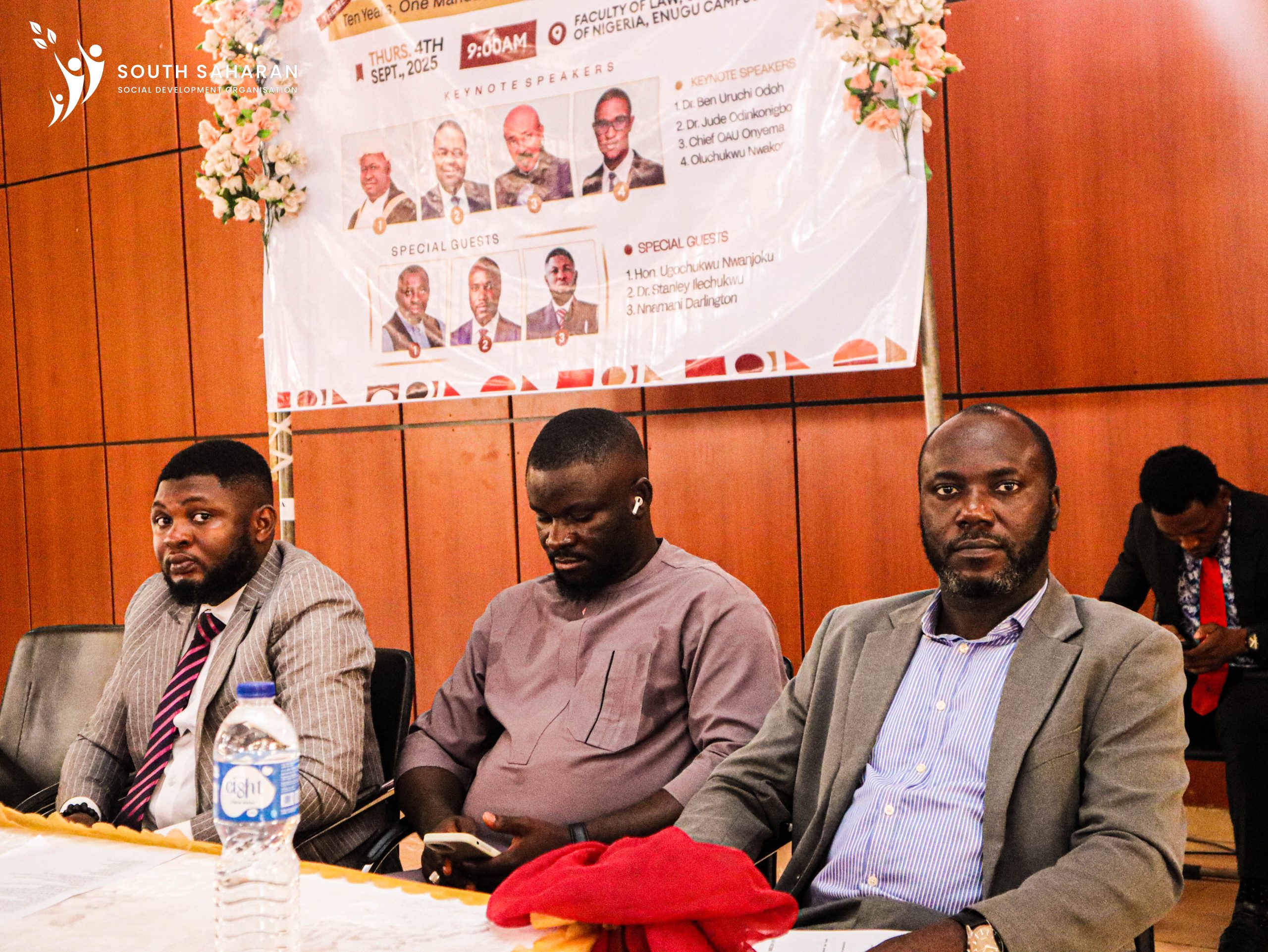
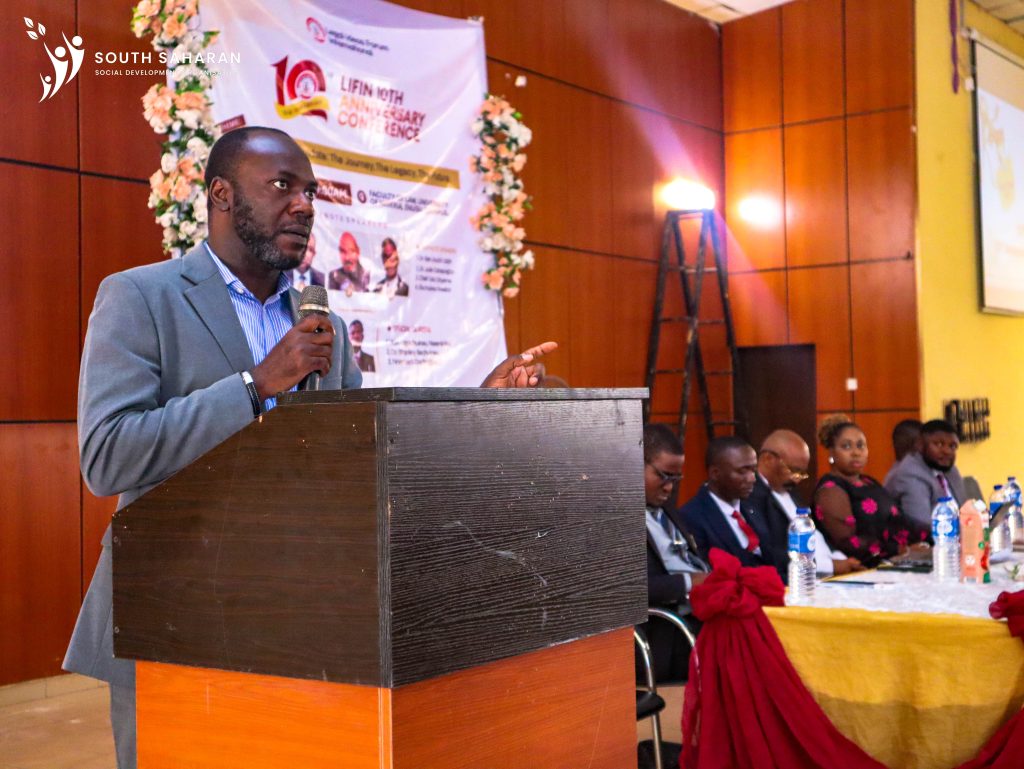
That is why we partnered with Legal Ideas Forum International (LIFIN) to mark their 10th Anniversary, advancing our shared commitment to gender equality, youth empowerment, and ending gender-based violence (GBV).
Championing Gender Justice Through Law
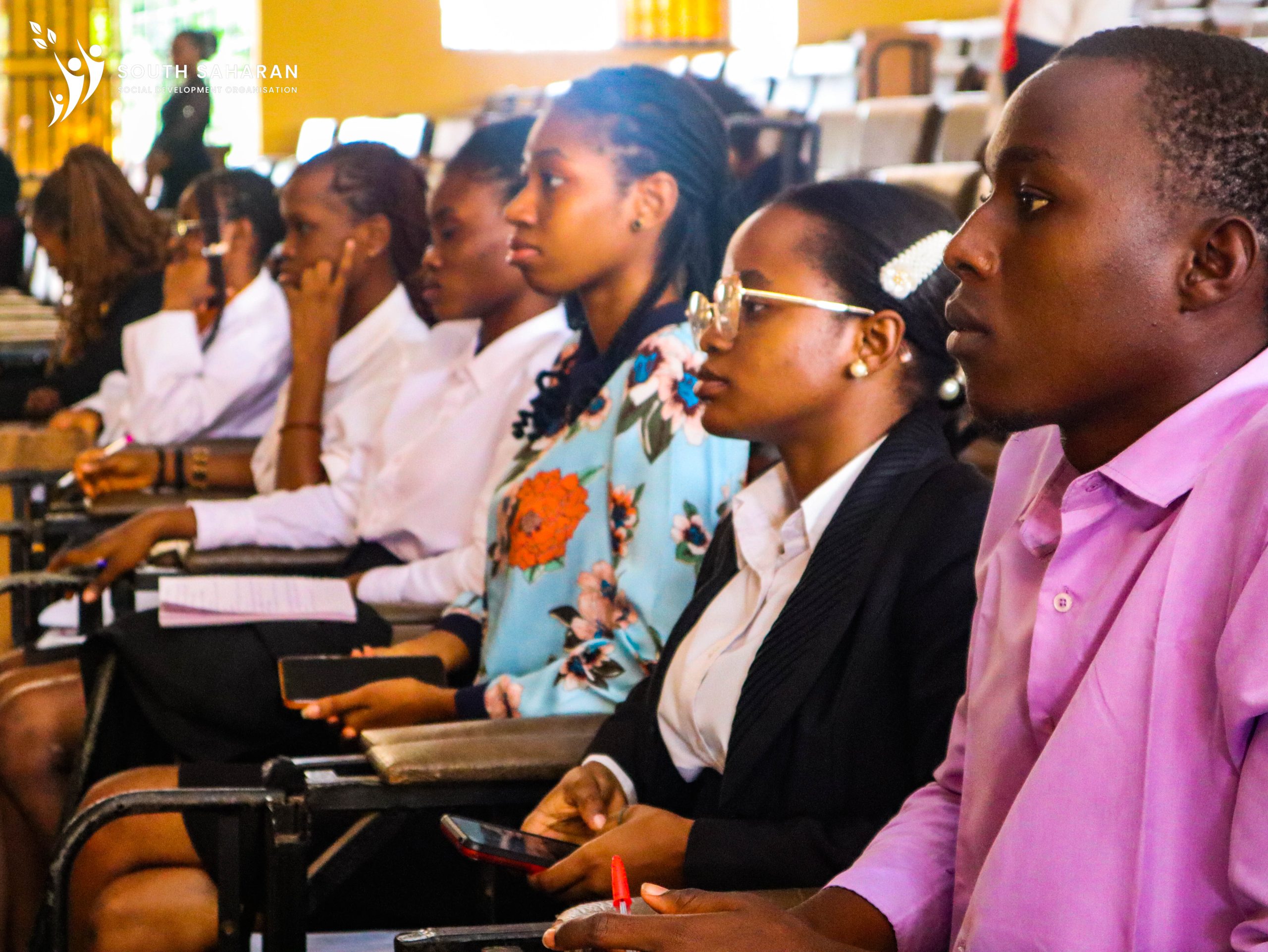
As part of the celebration, law students from universities across Nigeria engaged in thought-provoking activities that spotlighted pressing gender justice issues.
Through the National Essay Competition, they examined the effectiveness of the VAPP Act in addressing GBV, while the Moot Court competition challenged them to debate the exclusion of women from inheriting property under customary law.
Their passion and insights reminded us that the next generation of lawyers hold the power to redefine justice not just in the courtroom, but across communities.
Guiding Young Minds Toward Impact
SSDO’s Executive Director, Dr. Stanley Ilechukwu (M.D), encouraged the participants to “think outside the box” and create legal solutions that uphold fairness, equality, and inclusion.
His message resonated deeply with the students, sparking conversations about how law can become a tool for empowerment and social transformation.
Honouring Partnership and Mentorship
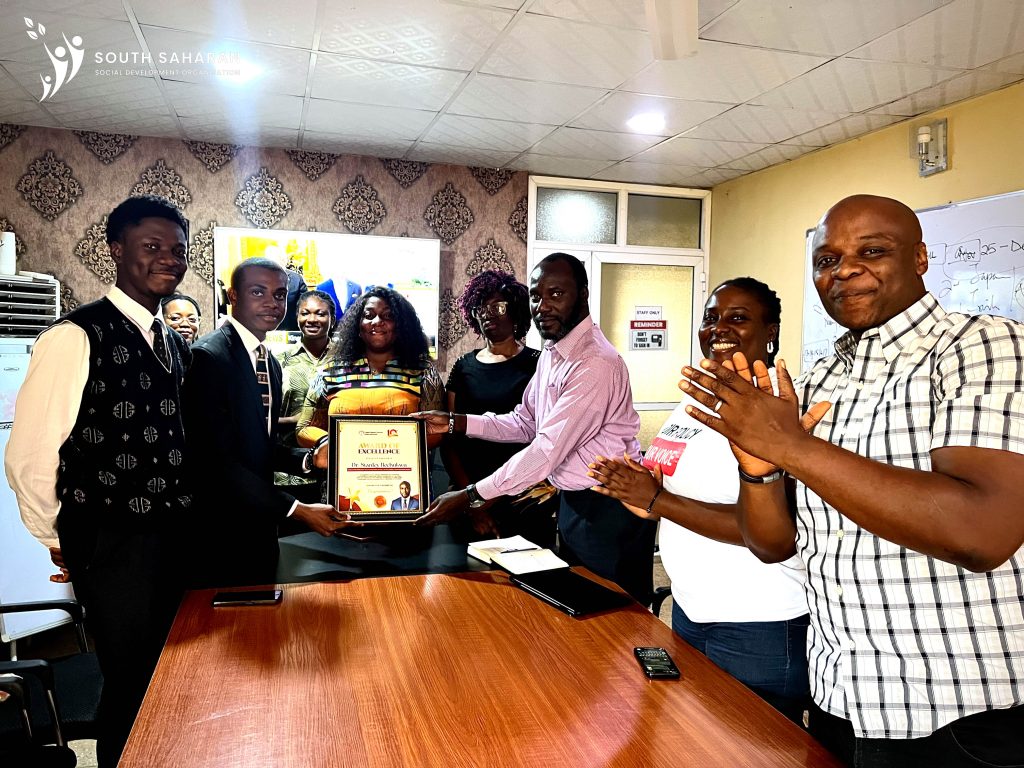
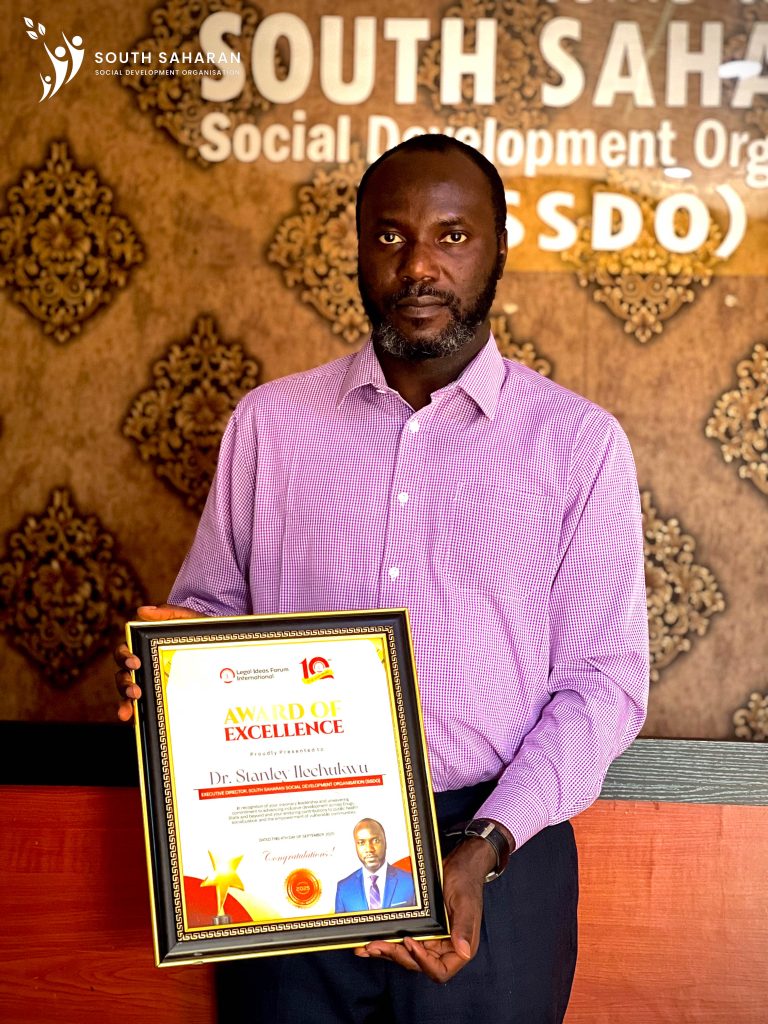
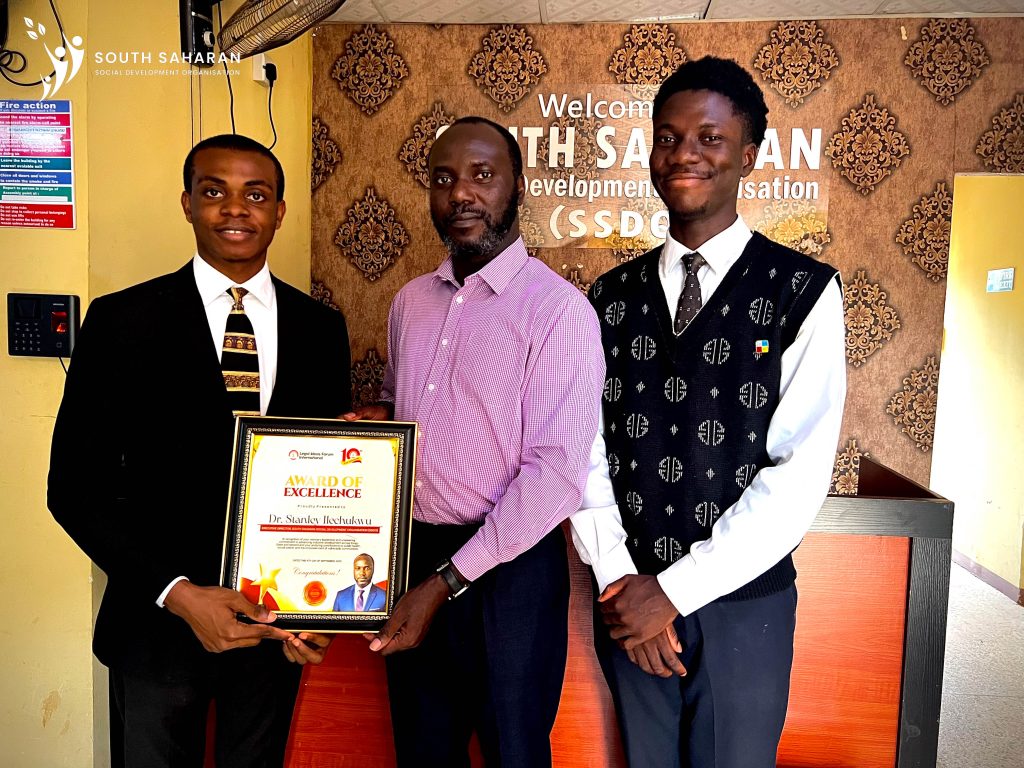
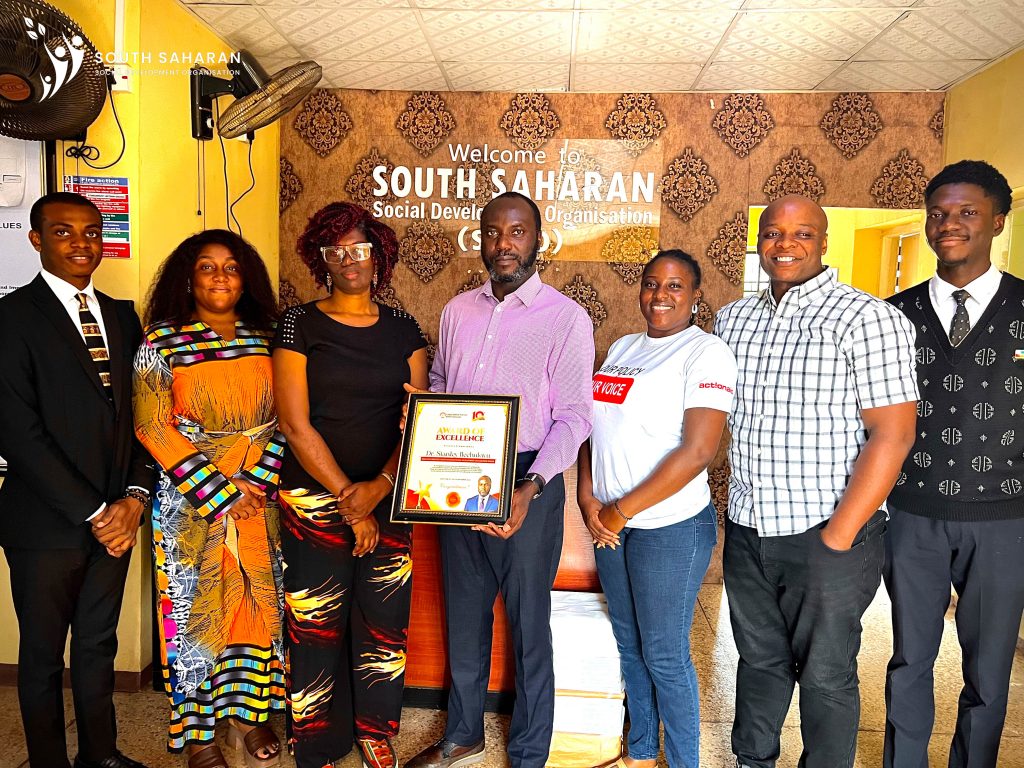
Dr. Ilechukwu received anAward of Excellence from Legal Ideas Forum in recognition of SSDO’s enduring partnership and his invaluable mentorship to young justice advocates.
This honour underscores our shared mission to nurture a new generation of legal minds who will champion gender equality, end GBV, and promote human rights in every sphere of society.
Building the Future of Justice
As SSDO continues to amplify young voices for justice, we remain steadfast in our belief that lasting change begins when youth are empowered to lead.
Together, we are investing not just in education, but in a future where every voice counts, and every person can access justice with dignity.
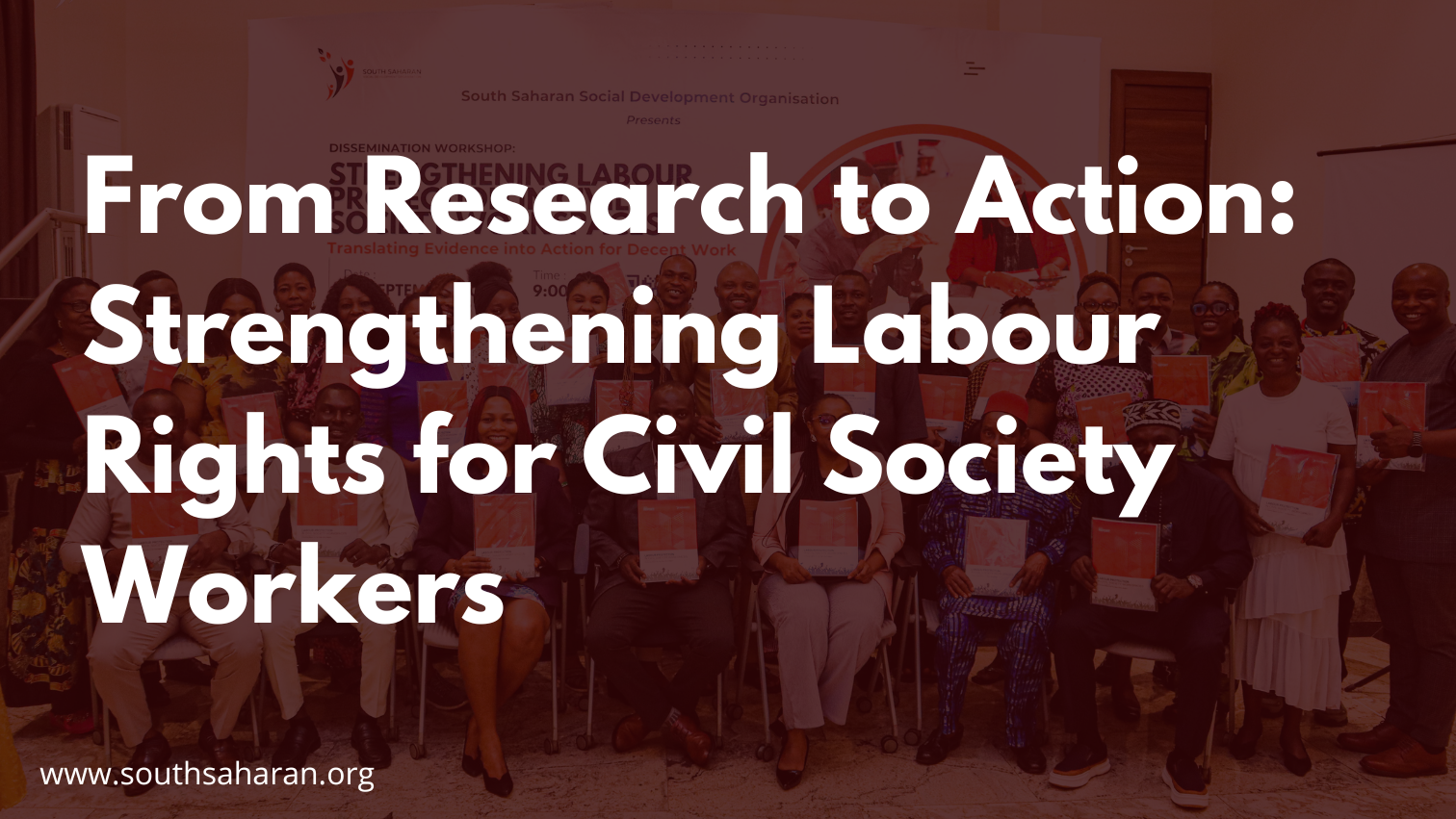
At South Saharan Social Development Organisation (SSDO), we believe that decent work and dignity in labour are fundamental to sustainable development. That’s why, with support from the Ford Foundation, we convened a workshop in Enugu that transformed evidence into action.
Building on Groundbreaking Research
The workshop was part of a multi-country study we conducted across Nigeria, Ghana, and Senegal, exploring key gaps in the civil society labour ecosystem, from employment dynamics to social protection, workplace safety, and worker representation.
Our goal was simple yet vital: to ensure that those who work every day to drive social change also experience fairness, safety, and respect in their own workplaces.
Co-Creating Solutions That Work
Civil society organisations, labour experts, and development partners came together to co-create actionable solutions. Discussions led to practical strategies for: ✅ Expanding social protection for workers ✅ Strengthening fair employment practices ✅ Improving workplace safety ✅ Amplifying worker voices and representation
These conversations were a blueprint for systems that work for everyone.
A Step Toward Dignified Work for All
The dialogue in Enugu marks a significant step in SSDO’s ongoing advocacy for fair, safe, and dignified workplacesacross Nigeria’s civil society sector.
As we move forward, we remain committed to transforming research insights into policies and practices that uphold the rights, safety, and wellbeing of every worker.
Together, we are not just talking about change, we are building it.