SSDO

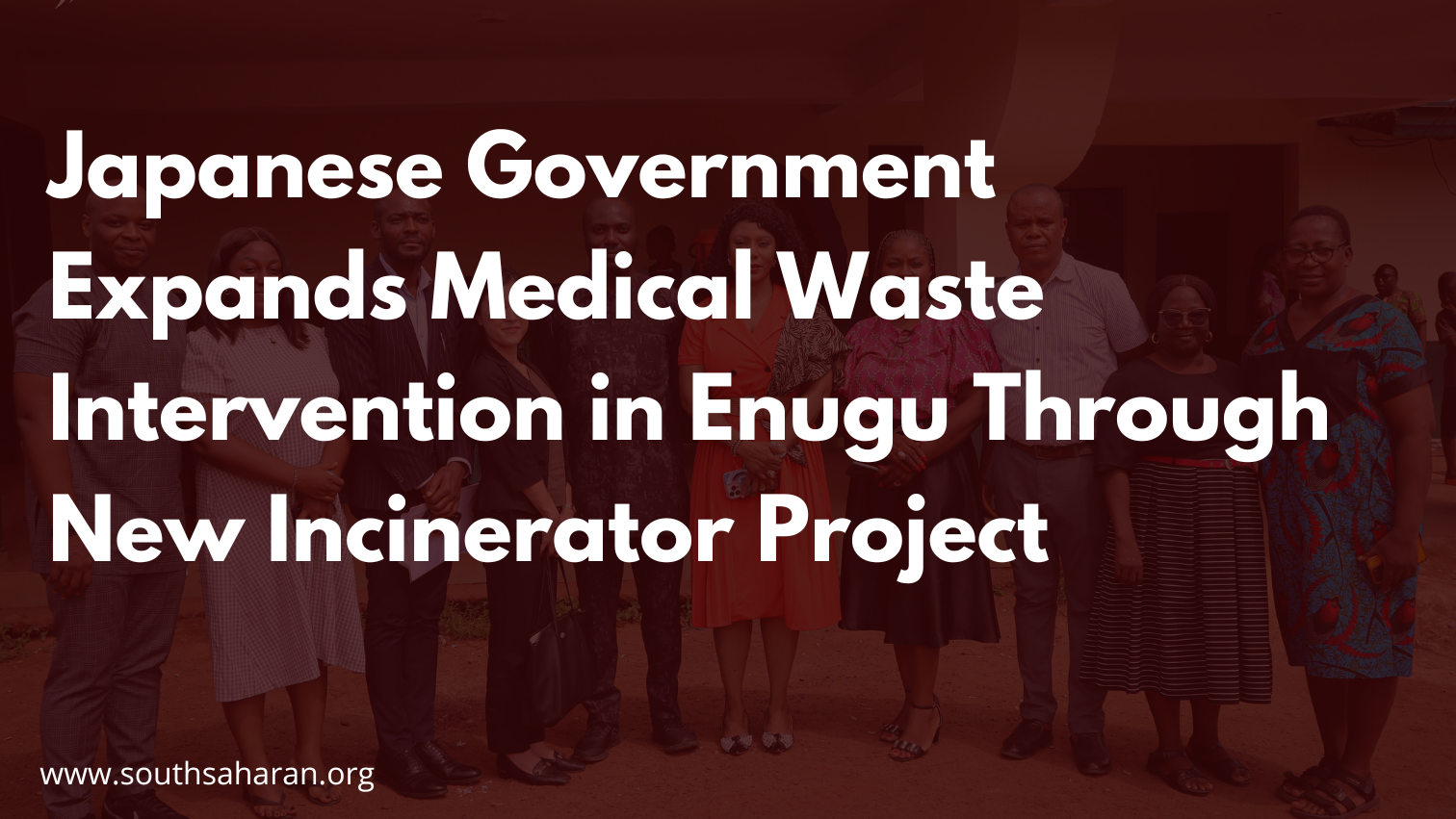
Japanese Government Expands Medical Waste Intervention in Enugu Through New Incinerator Project

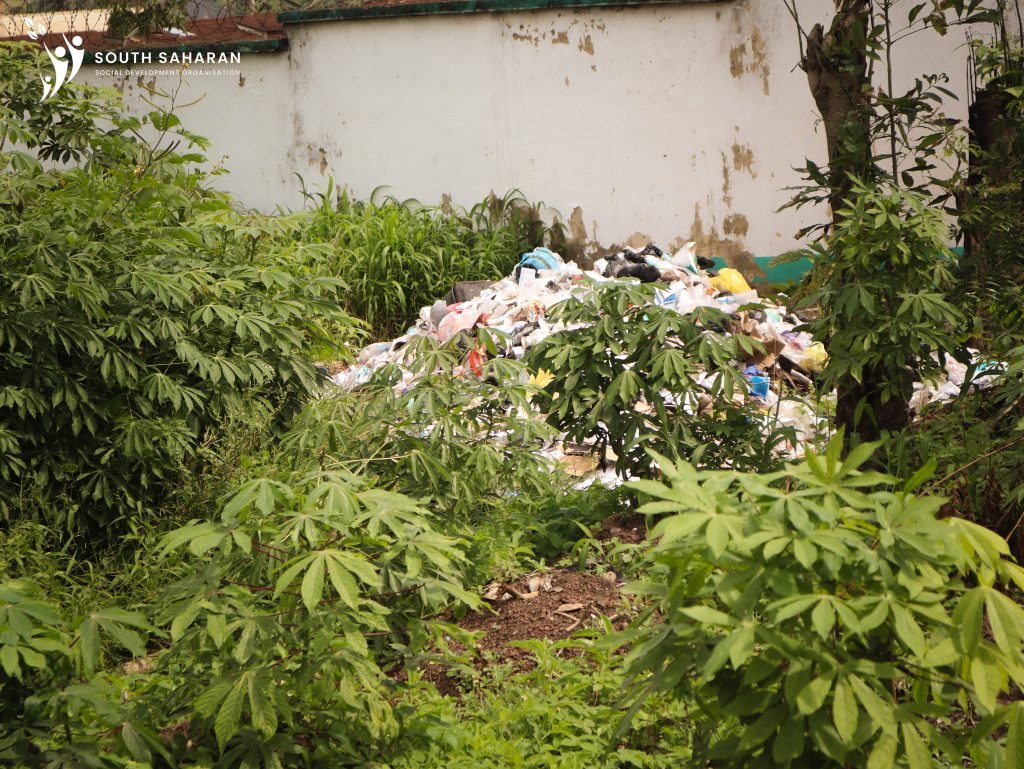
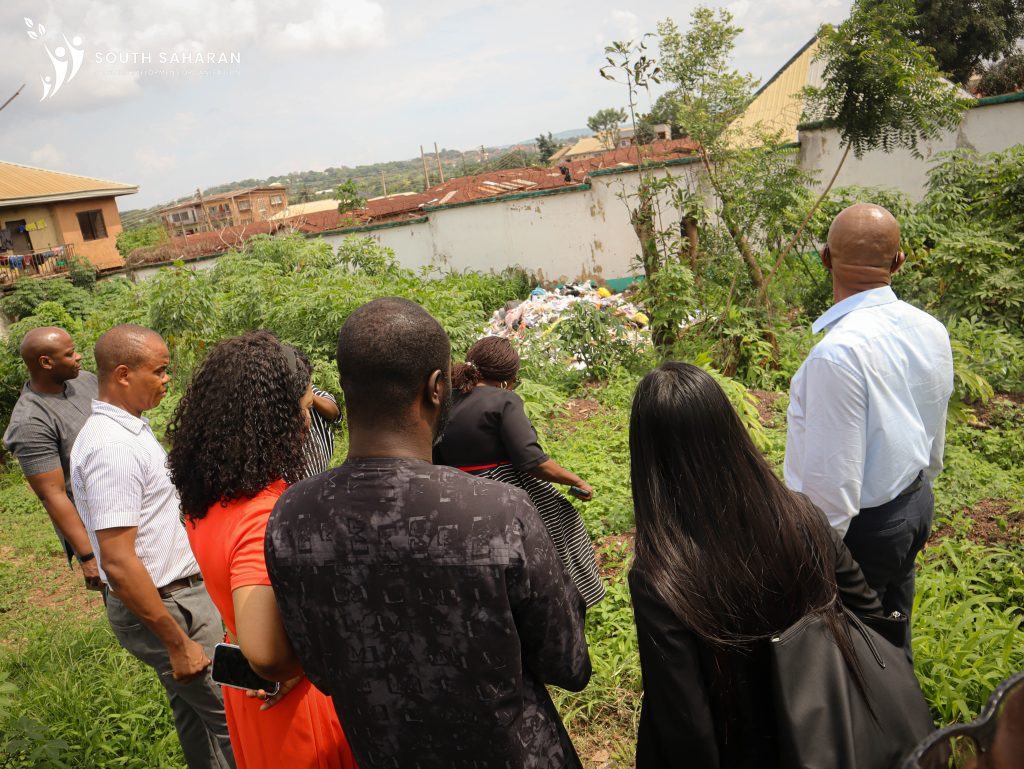
South Saharan Social Development Organisation (SSDO), in partnership with the Embassy of Japan in Nigeria, is set to implement a major health infrastructure project to tackle hazardous waste disposal in Enugu State. Through the Grassroots Human Security Project (GGP), the Japanese Government is funding the installation of a medical waste incinerator at Abakpa Health Centre, strategically positioned to serve both public and private health facilities in Enugu East Local Government Area.

This intervention addresses long-standing challenges around waste management, improves infection control, and strengthens healthcare delivery systems across the LGA.
A Strategic Collaboration for Safer Healthcare

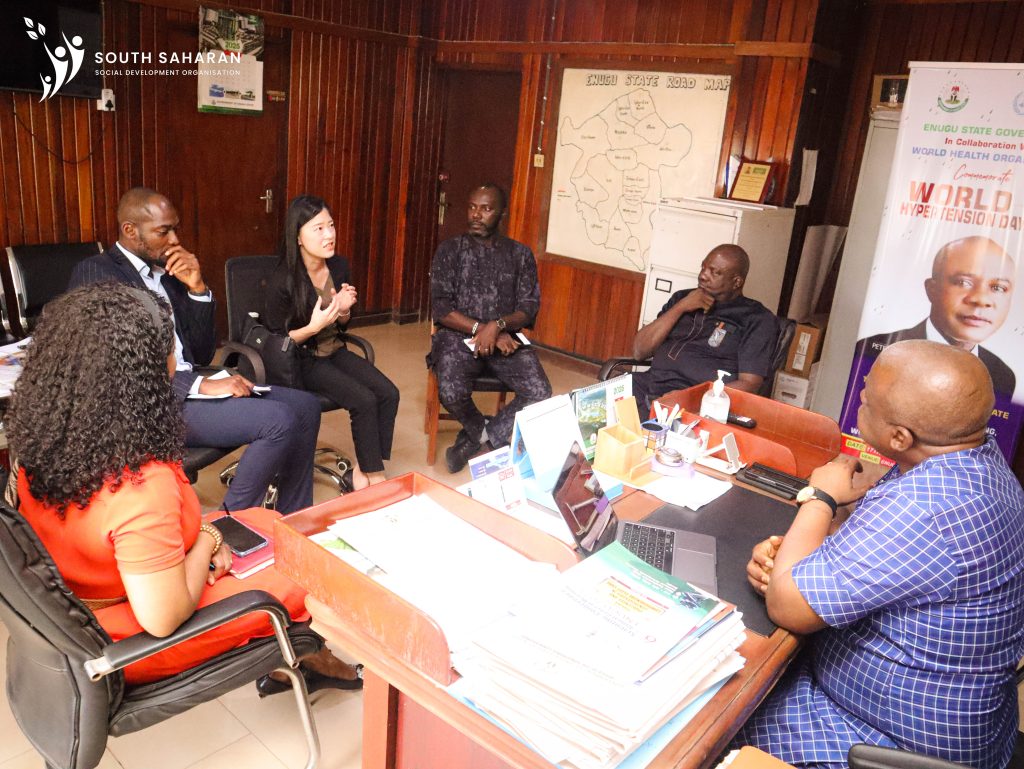
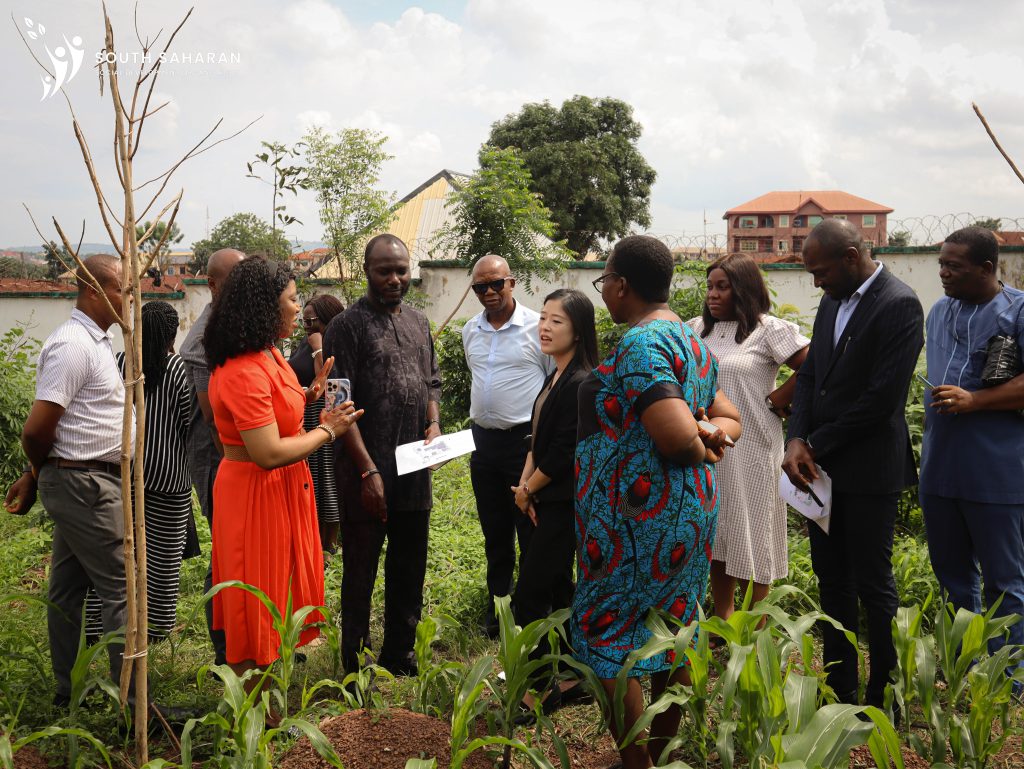
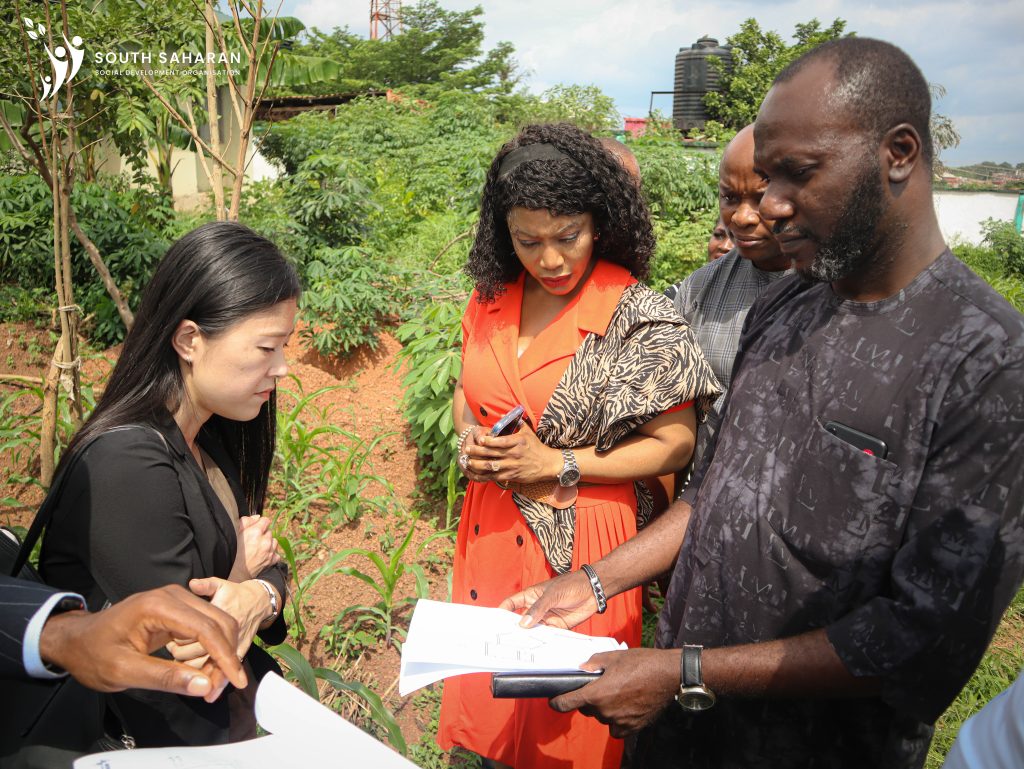
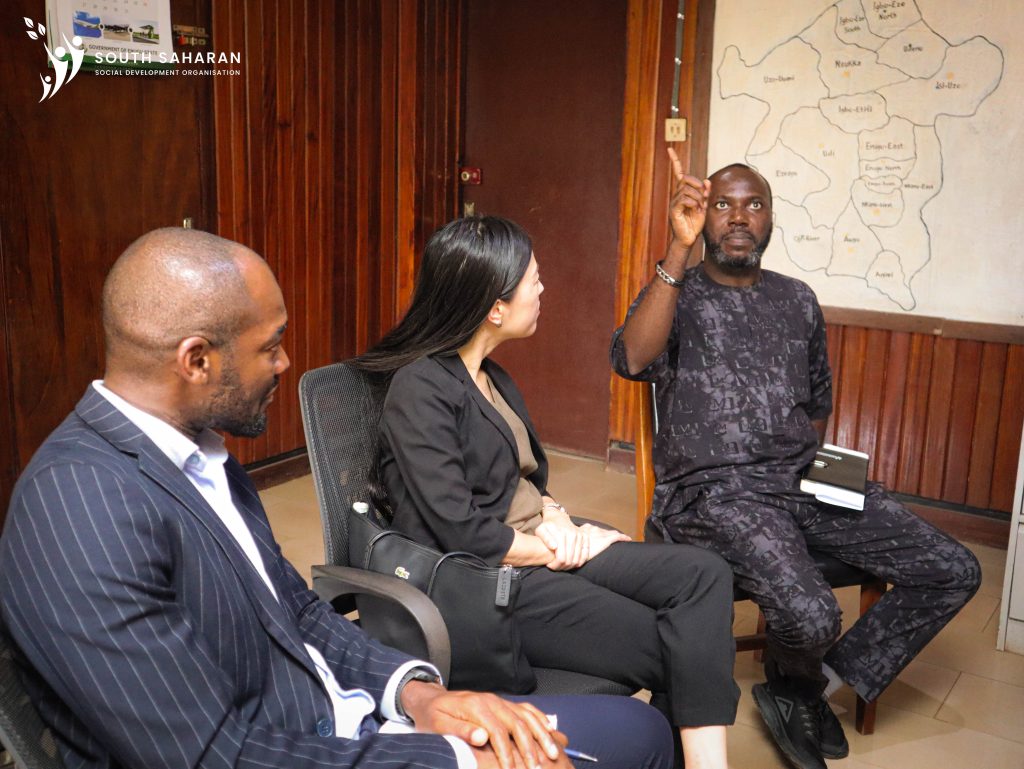
A high-level delegation from the Embassy of Japan in Nigeria, led by GGP Coordinators Wakana Deguchi and Kenechukwu Adibe, visited Enugu to assess the project’s implementation pathway. They were received by SSDO’s leadership, headed by Dr. Stanley Ilechukwu, and welcomed by health stakeholders across the state.

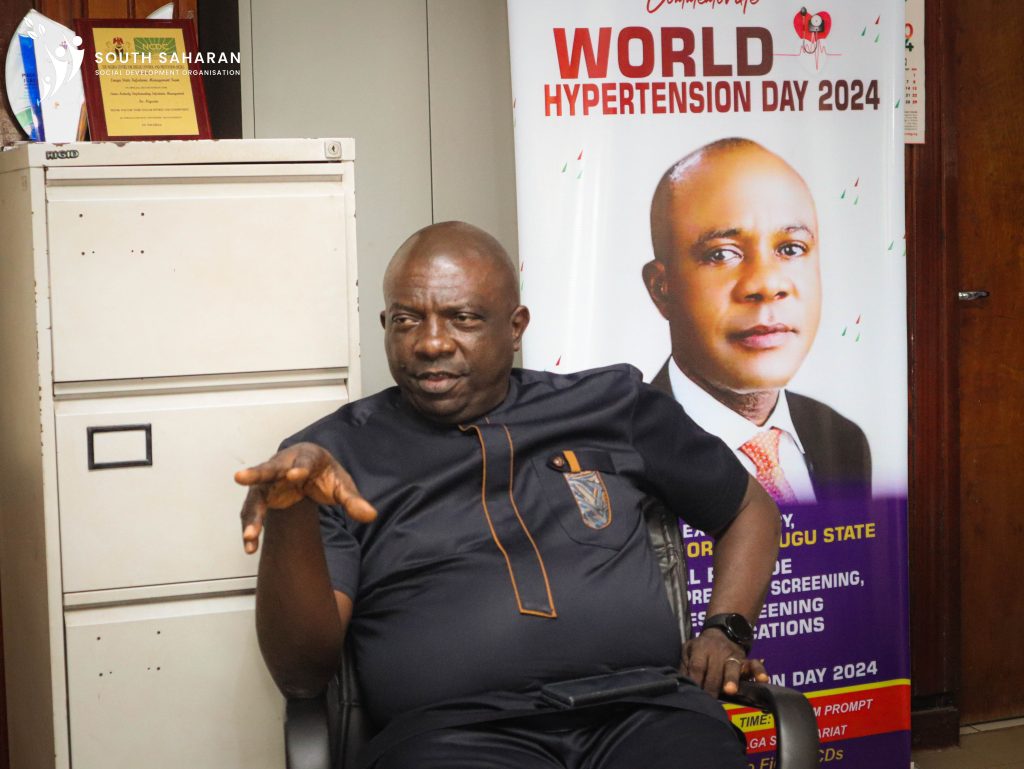
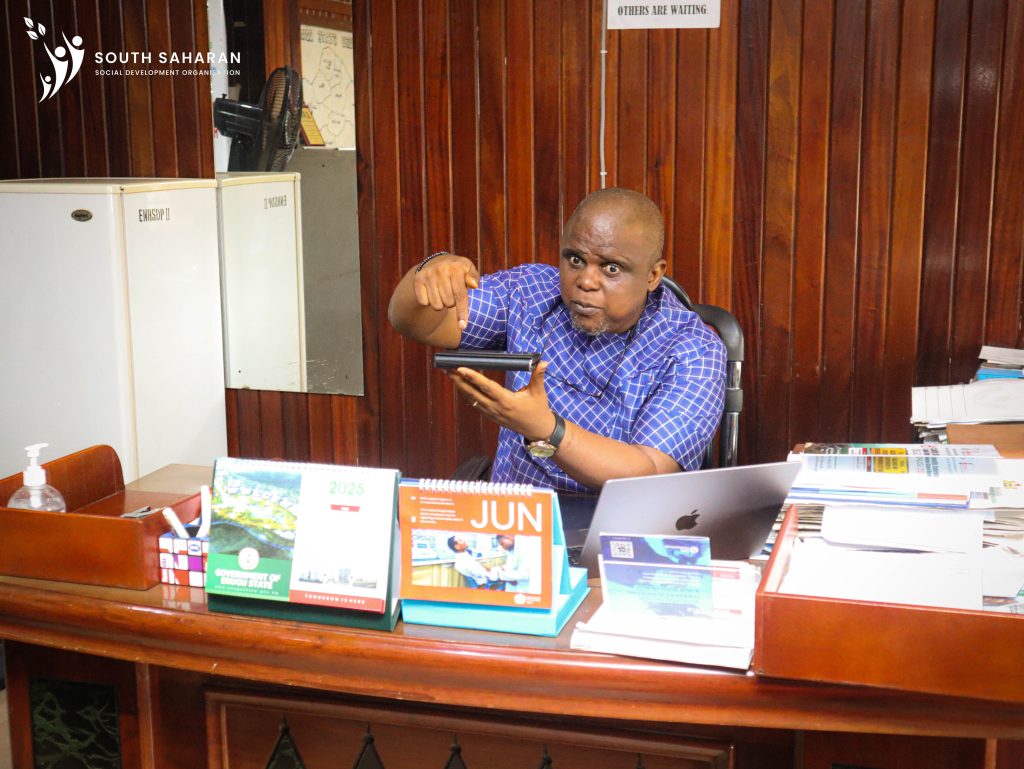
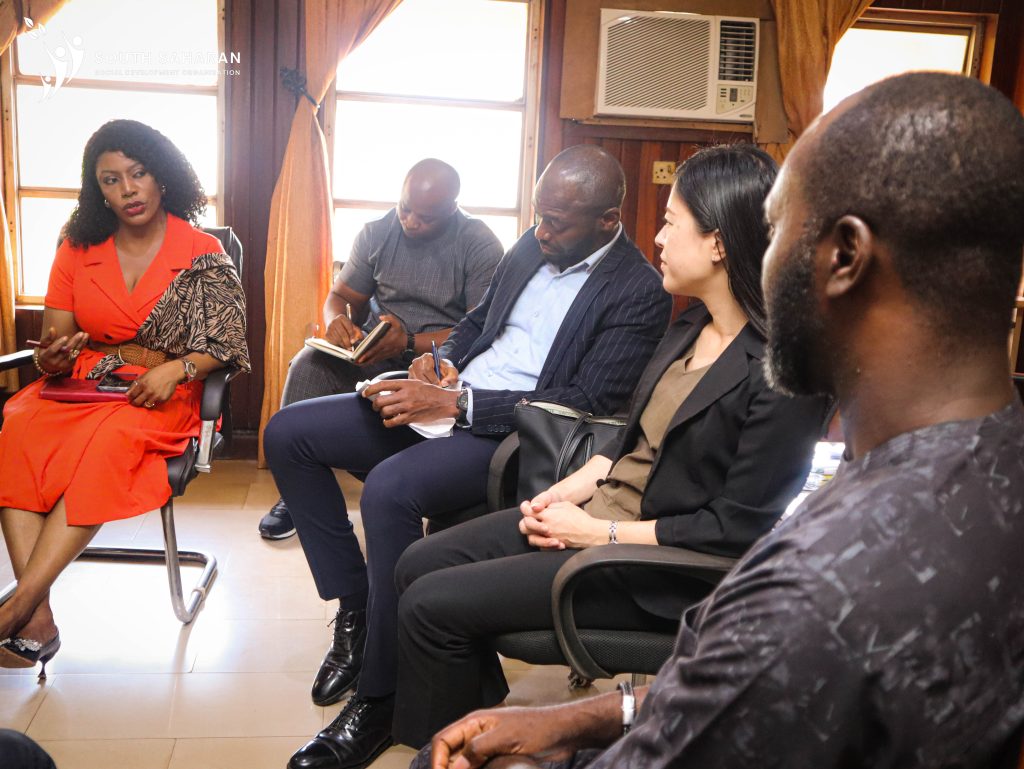
The visit included a courtesy meeting with the Enugu State Commissioner for Health, Dr. Emmanuel Ikechukwu Obi, along with Dr. Ifeyinwa Ani-Osheku, Executive Secretary of the Enugu State Primary Healthcare Development Agency, and Prof. Uche Agu, Hospital Administrator of the Enugu State Health Management Board.

All three expressed strong support for the project, noting that it would relieve facilities of the burden of transporting medical waste long distances to the state’s central cold store for incineration.
Why Abakpa Health Centre?

According to Dr. Ani-Osheku, the decision to site the incinerator at Abakpa Health Centre was strategic. The facility’s central location, heavy patient traffic, and proximity to over 20 other health centers made it the most suitable hub for the project. “This incinerator will not just serve Abakpa,” she noted. “It will offer a safe, accessible, and affordable waste disposal solution to surrounding clinics and hospitals, both public and private.”
Building on Past Success

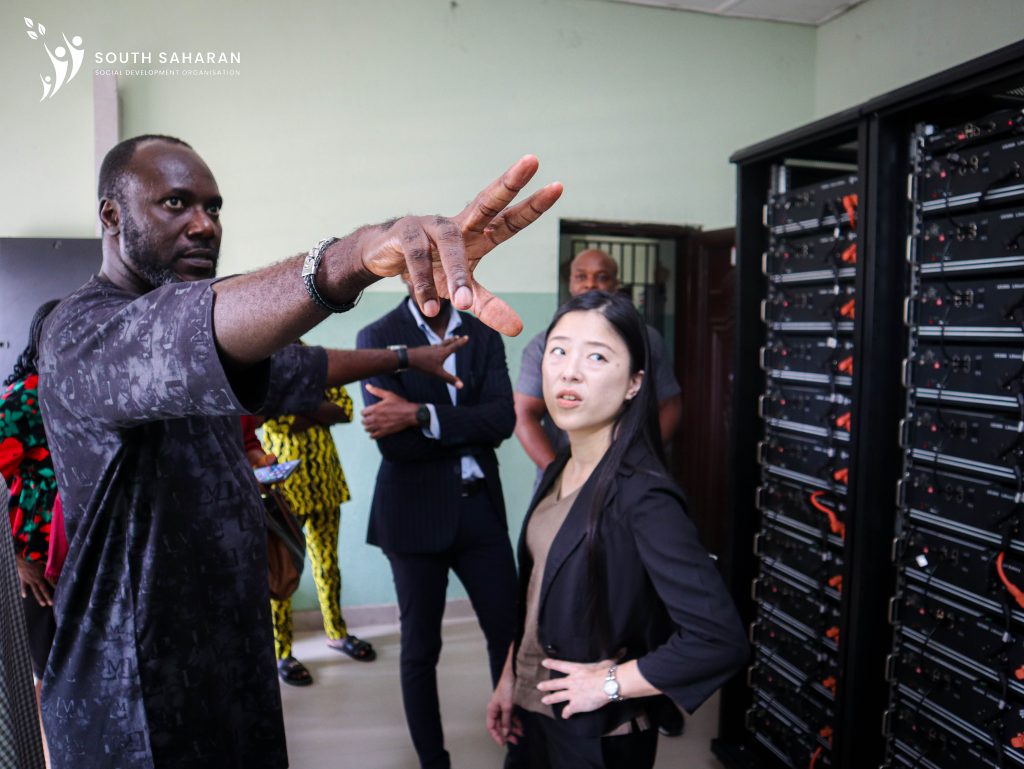
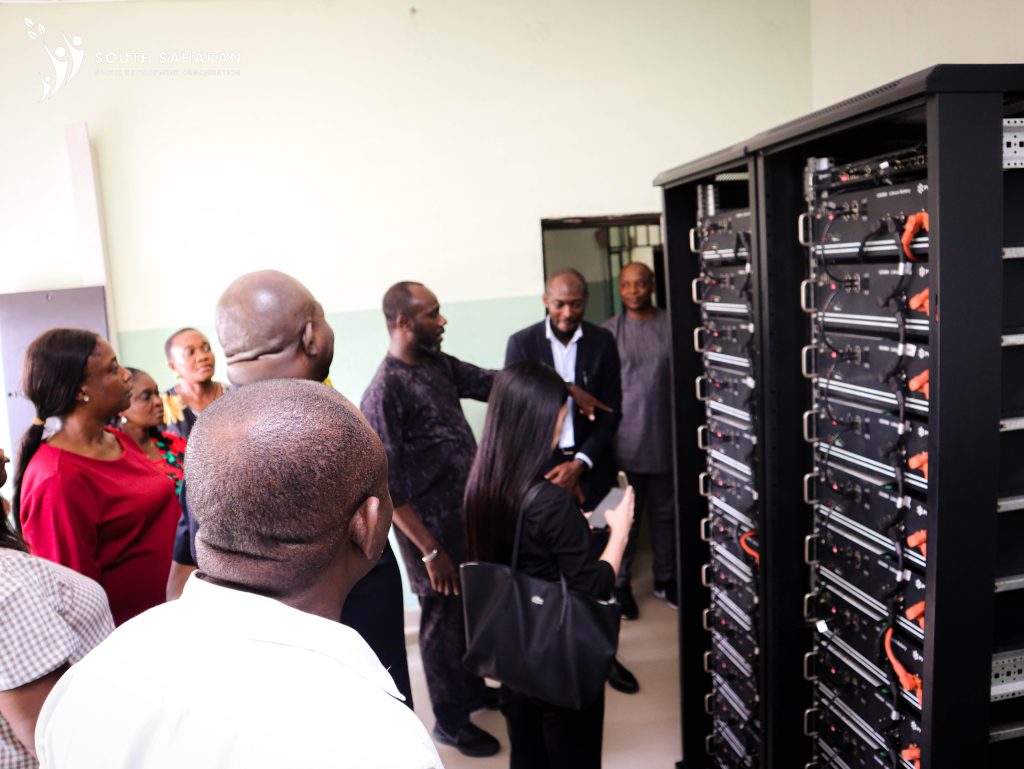
As part of the visit, the team also toured Poly General Hospital, where SSDO and the Embassy of Japan had previously implemented a 56KVa solar power system under a 2020 GGP grant. Completed in 2021, that installation powered by 96 solar panels continues to run the hospital independently of the national grid, ensuring uninterrupted care.

This history of successful partnership set the tone for the current intervention, underscoring a shared commitment to sustainable, impactful development.
A Model for International-Local Partnership

This incinerator project demonstrates what is possible when global support aligns with local knowledge to solve specific, high-impact problems. It reflects SSDO’s commitment to bridging infrastructure gaps, one practical step at a time, and the Japanese Government’s consistent investment in grassroots health and human security.
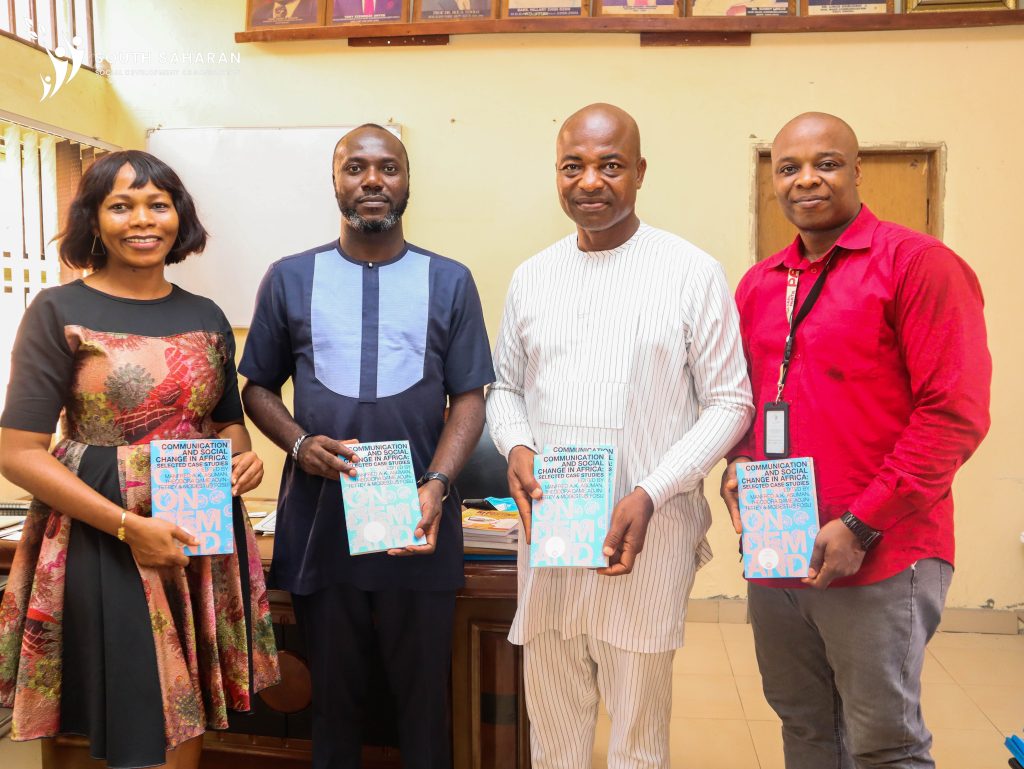
Promoting Knowledge, Celebrating African Voices: SSDO Donates Books on Communication and Social Change in Africa to ESUT

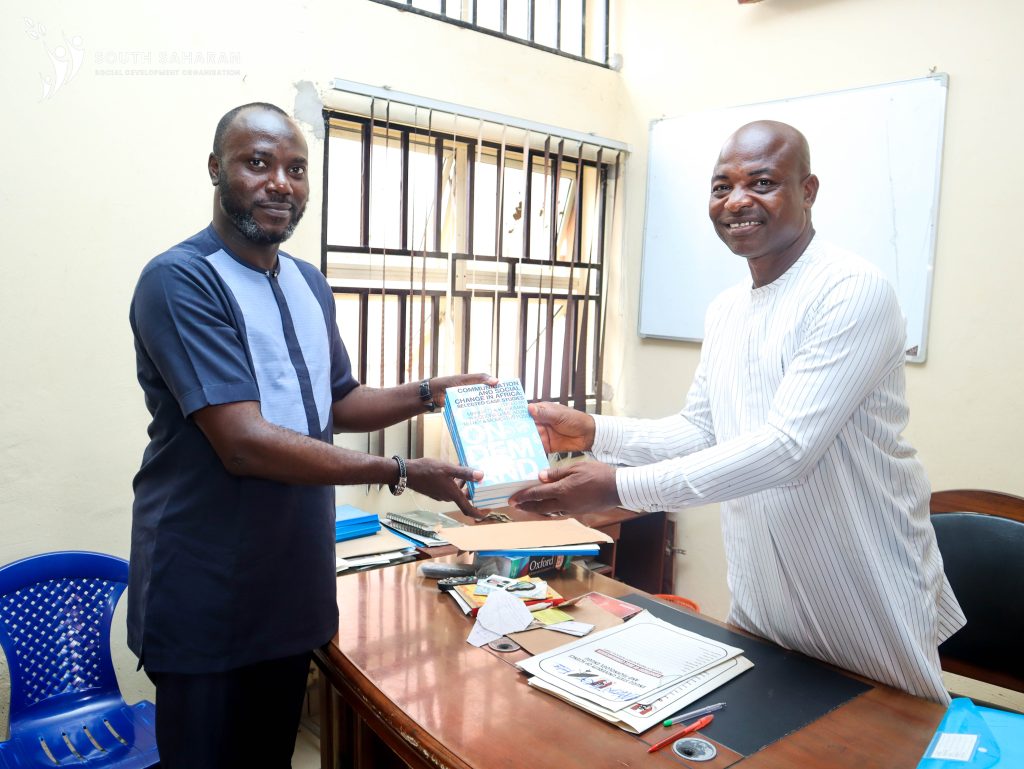
In a bid to deepen access to African-centered knowledge and enrich academic resources, South Saharan Social Development Organisation (SSDO), with support from the development Research and Project Centre (dRPC) and the MacArthur Foundation Nigeria, has donated copies of Communication and Social Change to the Department of Mass Communication, Enugu State University of Science and Technology (ESUT).

This timely donation is part of our ongoing commitment to strengthening institutions of learning through resource sharing, local scholarship, and inclusive development.

A Warm Welcome at ESUT

The SSDO team led by Dr. Stanley Ilechukwu, the Executive Director, was warmly received by Dr. Chidiebere Ezinwa, Head of the Department of Mass Communication, who commended the gesture as a step in the right direction toward promoting indigenous thought leadership and relevant literature for students and researchers alike.

For SSDO, partnerships like this one affirm our belief that knowledge must be accessible, relatable, and rooted in context. African voices must not only be heard but also studied, critiqued, and celebrated within our own academic environments.

Centering Young Minds in African Scholarship

Communication and Social Change offers both practical and theoretical insights that reflect the social realities of our communities. By making this book available to ESUT students, SSDO hopes to contribute to the emergence of a new generation of communicators, media professionals, and researchers who are deeply grounded in local contexts but prepared to engage the world.

We are grateful to dRPC and the MacArthur Foundation for making this knowledge-sharing effort possible, and we look forward to deepening our engagement with institutions that shape the leaders of tomorrow

Building Boys, Securing Futures: SSDO Partners with Genehen Foundation to Host Landmark Conference in Enugu

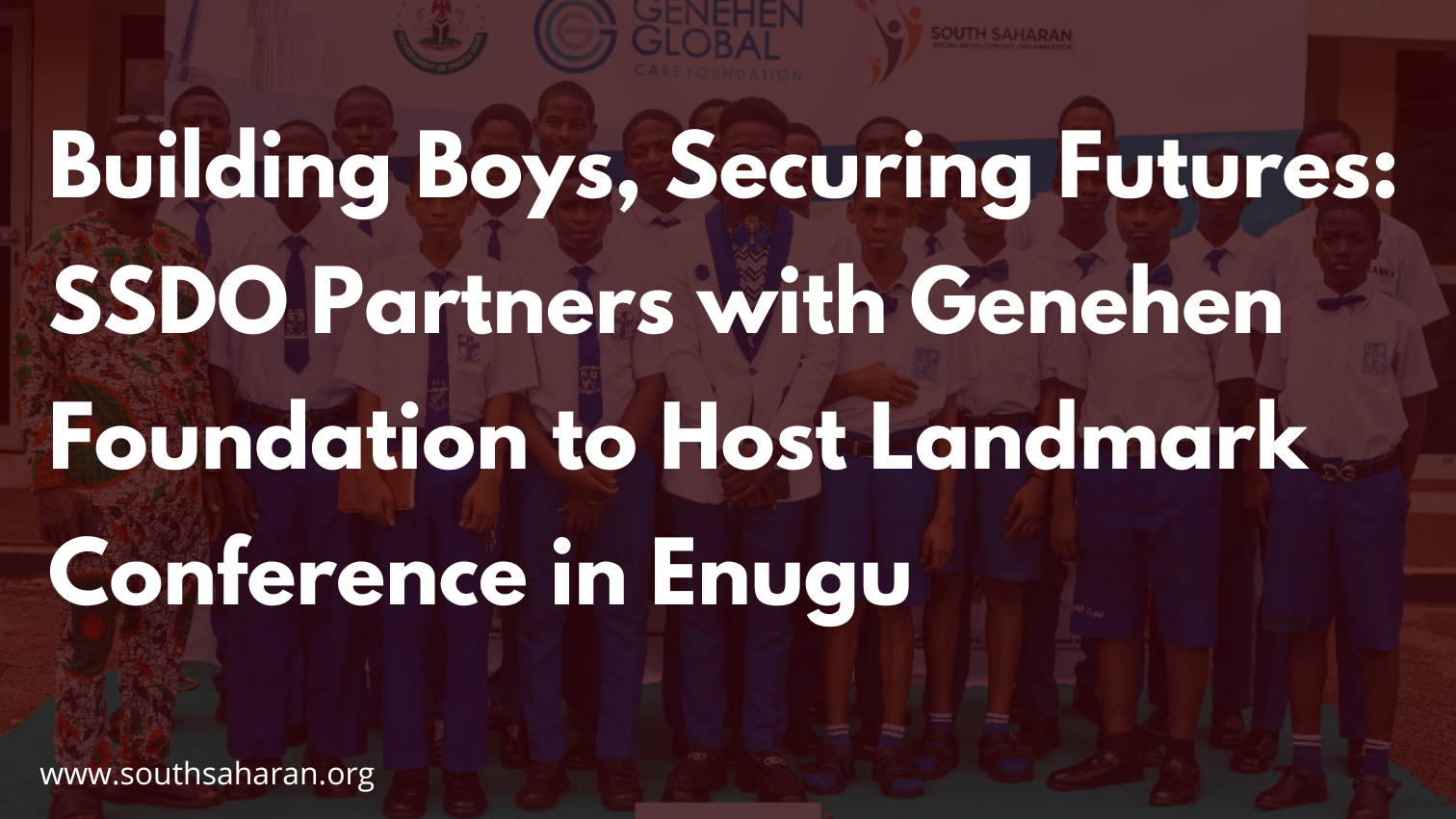
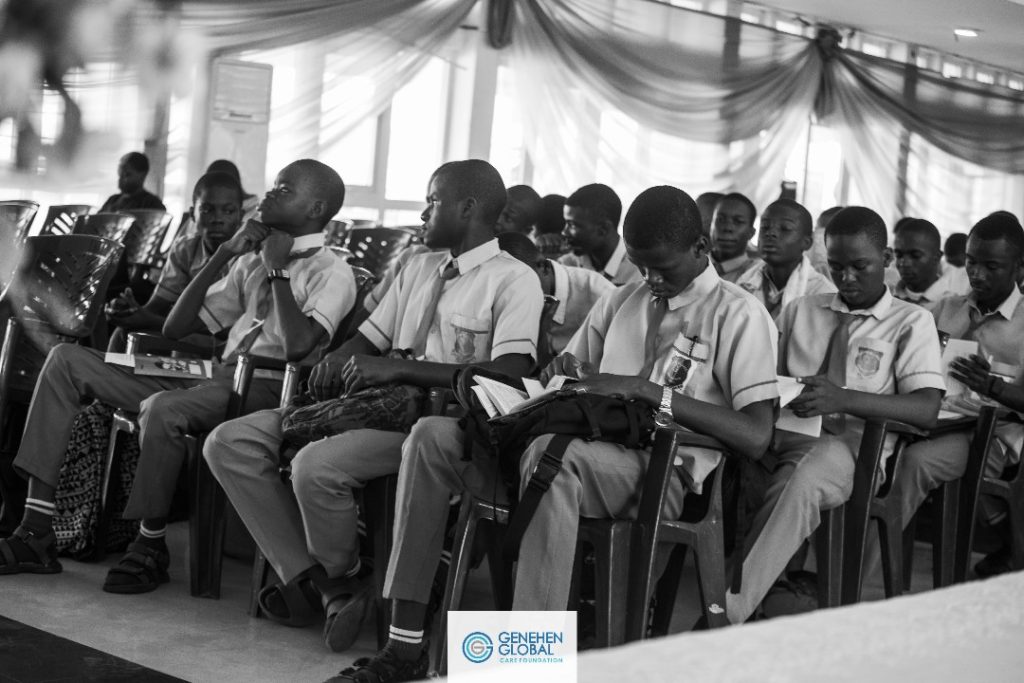
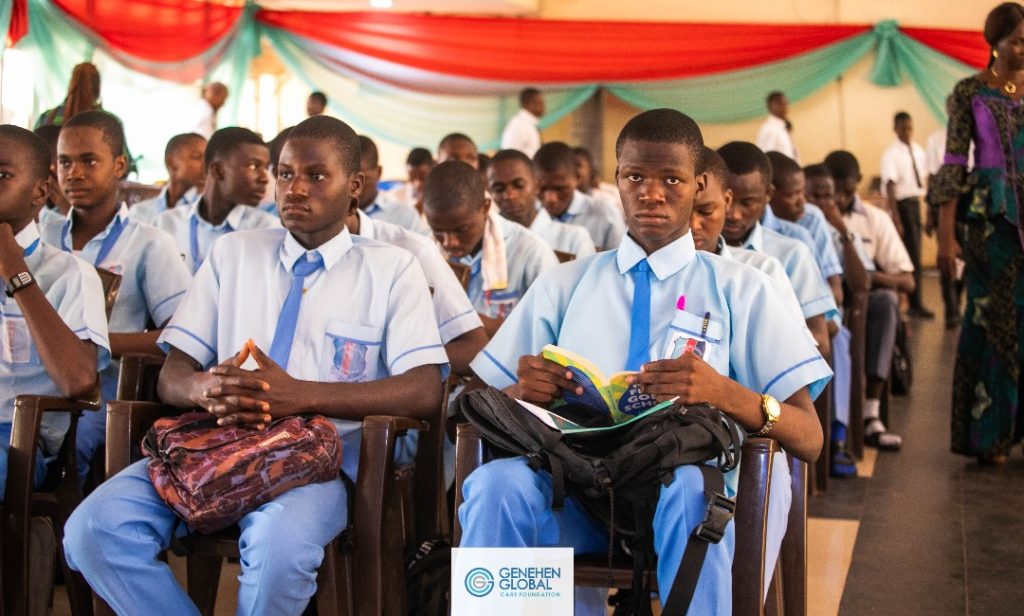
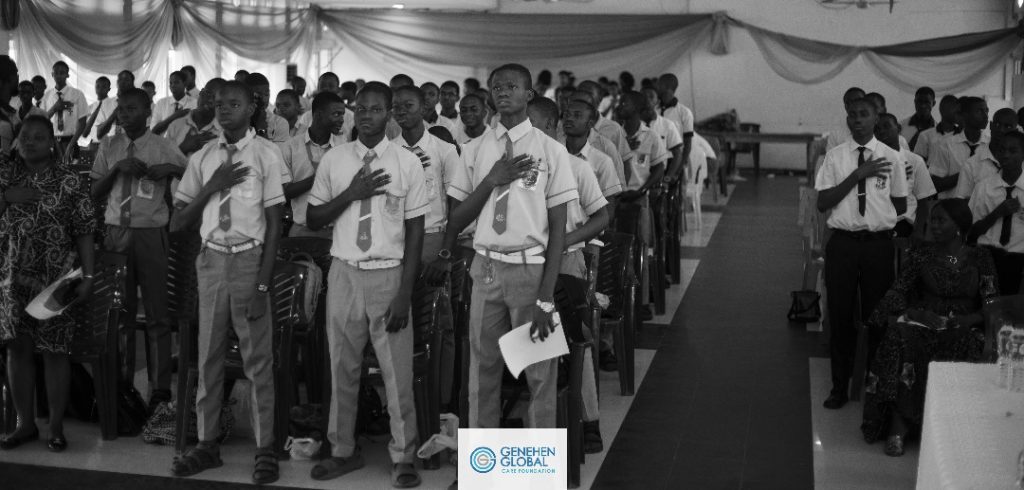
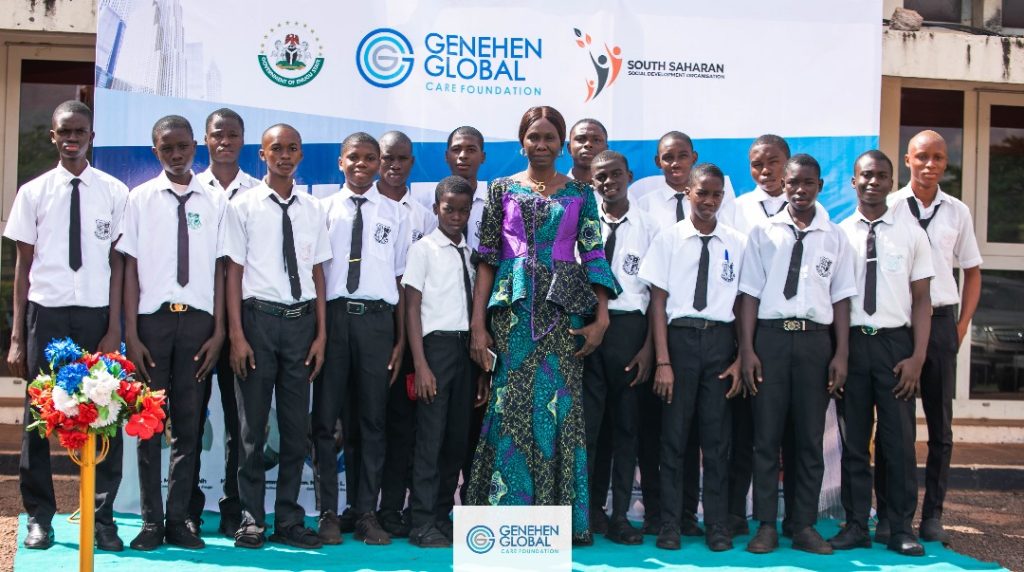
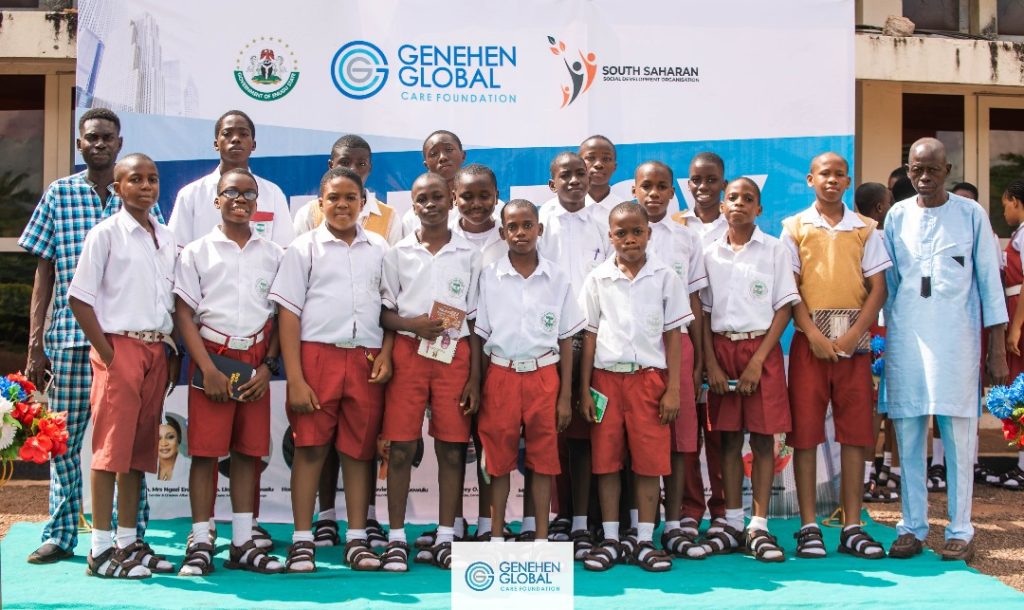
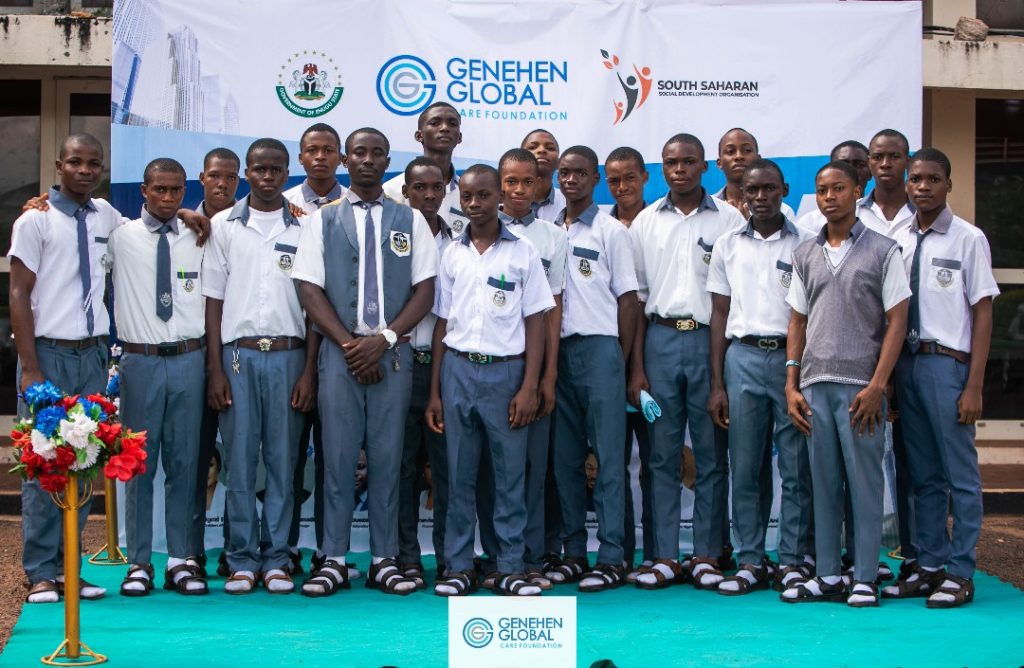
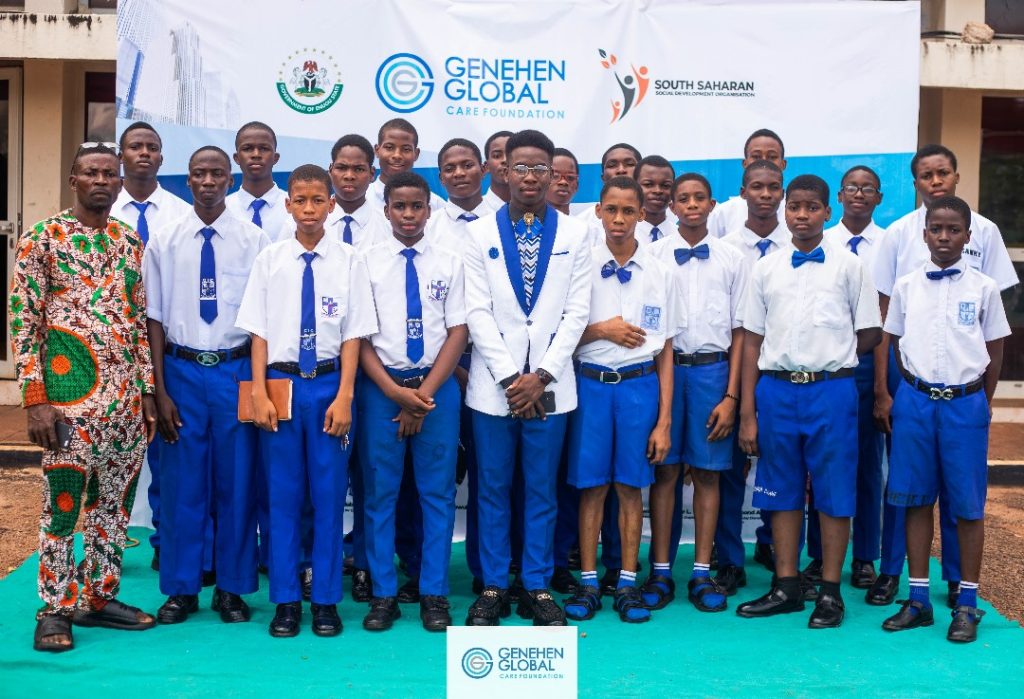
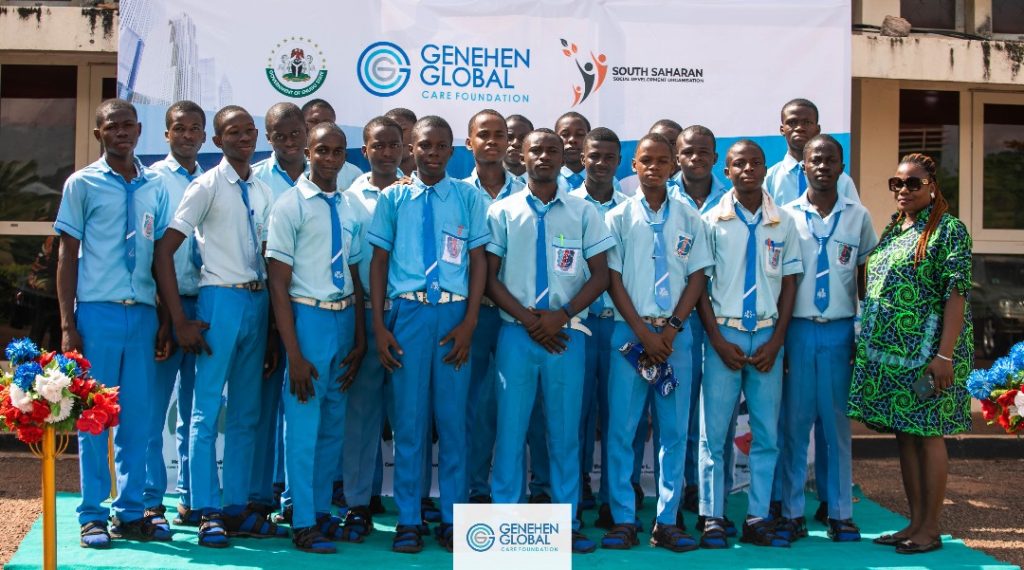
Over 200 boys from public secondary schools across Enugu State gathered at the Main Hall, University of Nigeria, Enugu Campus (UNEC) for a powerful and timely conference themed: “The Boy: His Identity, His Strength, and His Future.”

Organised by Genehen Global Care Foundation in partnership with South Saharan Social Development Organisation (SSDO), the event addressed the rising concerns around rape, defilement, and sexual offences involving minors, not just from a legal standpoint, but through meaningful education and early intervention.

A Timely Response to a Growing Concern

The conference was born out of the growing awareness that many young boys are unaware of the implications of the Violence Against Persons Prohibition (VAPP) Law, a relatively new legislation in Enugu State. Recent findings reveal that boys under 18 are already facing court proceedings for such offences, often without proper understanding of their rights, responsibilities, or the law itself.

In response, the event created space for open discussions around self-worth, responsible decision-making, resilience, and identity formation. Participants were introduced to the VAPP Law and its consequences in a language they could understand and relate to.

Voices, Impact, and Engagement

The conference featured key sessions led by experts and public officials in the fields of education, youth, and gender development. Through stories, practical examples, and dialogue, participants were encouraged to reflect on their values and make conscious, respectful choices in their relationships and communities.

More than just a sensitization event, this gathering sparked critical conversations among boys who rarely get the space to explore who they are, who they’re becoming, and how to contribute positively to society.

SSDO: Driving Social Change with Purpose

SSDO’s support of this initiative aligns with our broader mission to build safer communities through education, prevention, and the inclusion of young people, including boys in the conversation about gender, justice, and accountability.

We are proud to have partnered with Genehen Global Care Foundation to make this event a reality. Together, we are building not just awareness, but a generation of boys equipped with the knowledge, discipline, and self-awareness needed to lead well and live responsibly.

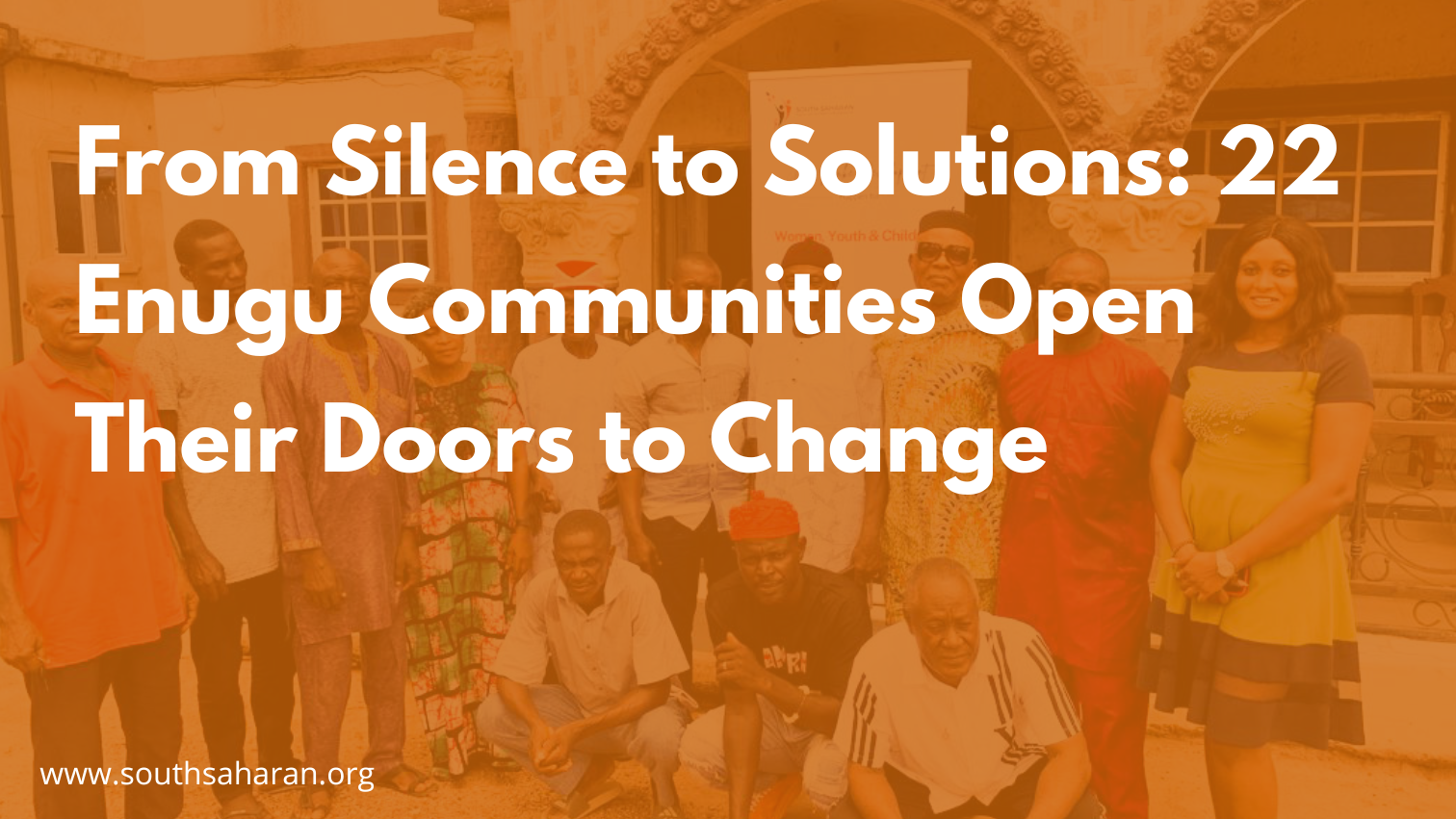
From Silence to Solutions: 22 Enugu Communities Open Their Doors to Change

When a tradition hurts more than it heals, it’s time to ask hard questions.

In Enugu State, our journey toward community-led change is taking shape, one conversation, one community, one honest truth at a time.

SSDO conducted a baseline assessment that revealed deeply troubling statistics:
🔹 22% of women in Enugu State have experienced sexual assault.
🔹 41% were first assaulted from the age of 15.

But the numbers told only part of the story.

Our analysis pointed to a critical connection between gender-based violence (GBV) and harmful traditional practices – practices that are normalized, passed down, and rarely questioned.

To understand the specifics, we launched a Community Needs Assessment across all 17 Local Government Areas, reaching into everyday realities that national data often misses. We asked hard questions, conducted surveys, and listened closely, not to prove a point, but to uncover the truth.

The stories we heard were disturbing yet familiar:

  • Girls married off to trees.
  • Women denied inheritance.
  • Masquerade festivals that limit women’s movement.
  • Young wives punished in silence.

Community Entry: Trust First

As researchers and development workers, we know that change doesn’t happen without consent. That’s why we began the next phase of our work with community entry – a culturally grounded process of introduction and mutual respect.

In the past month, we completed community entry in 22 communities across Enugu State.

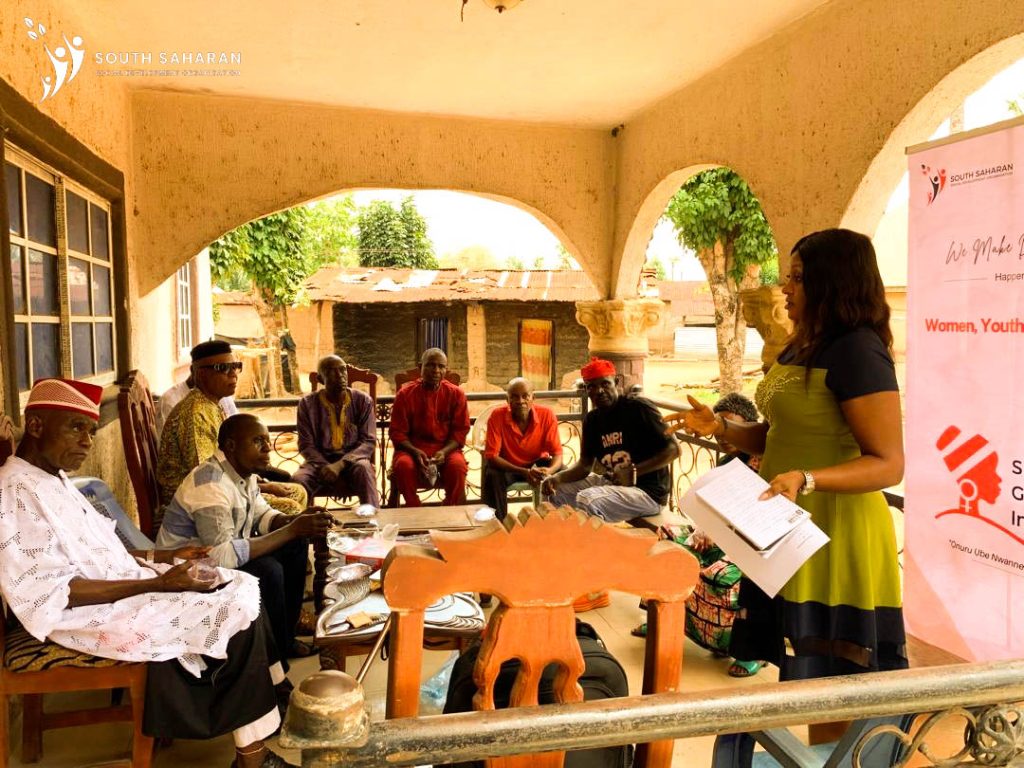
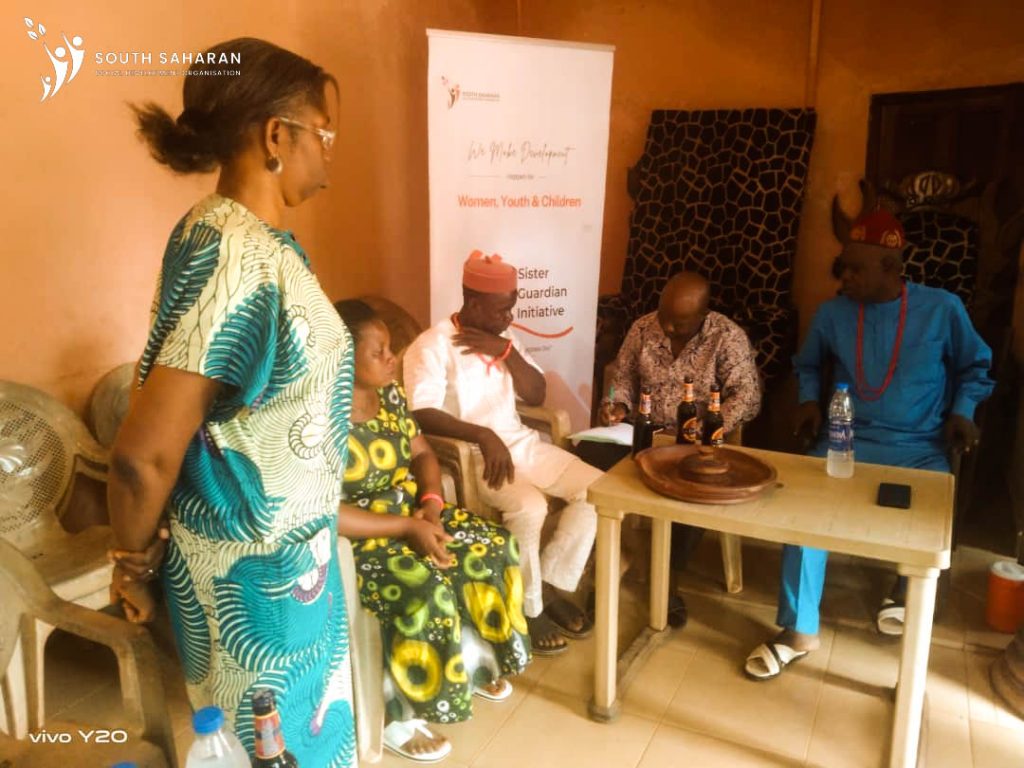
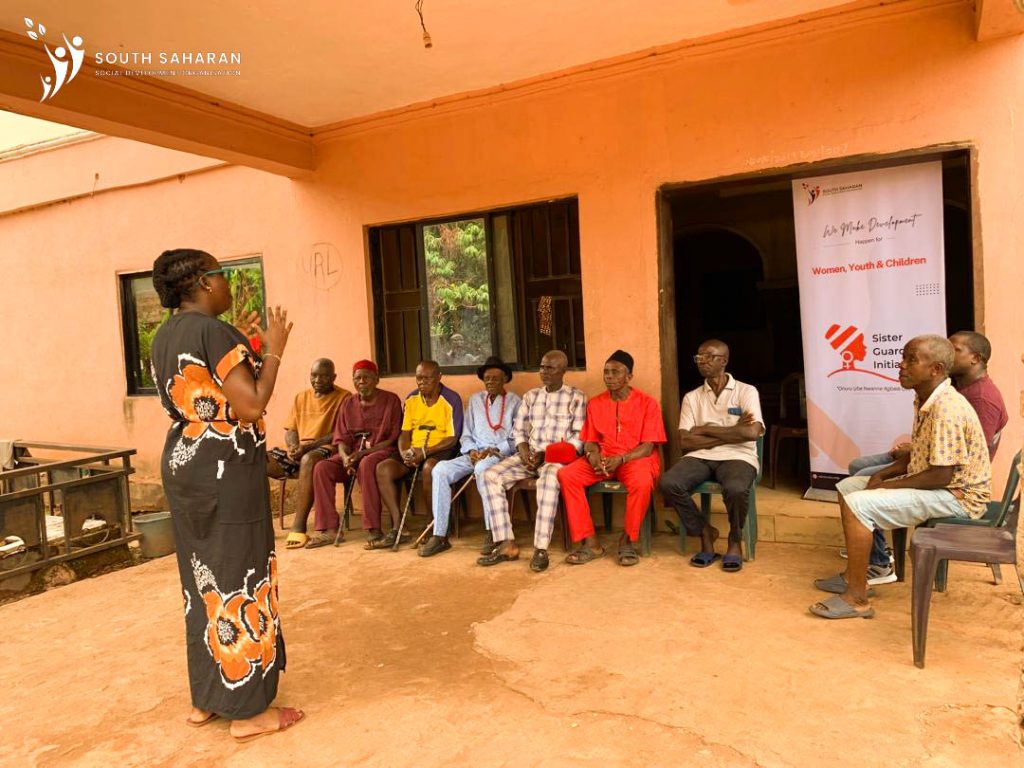
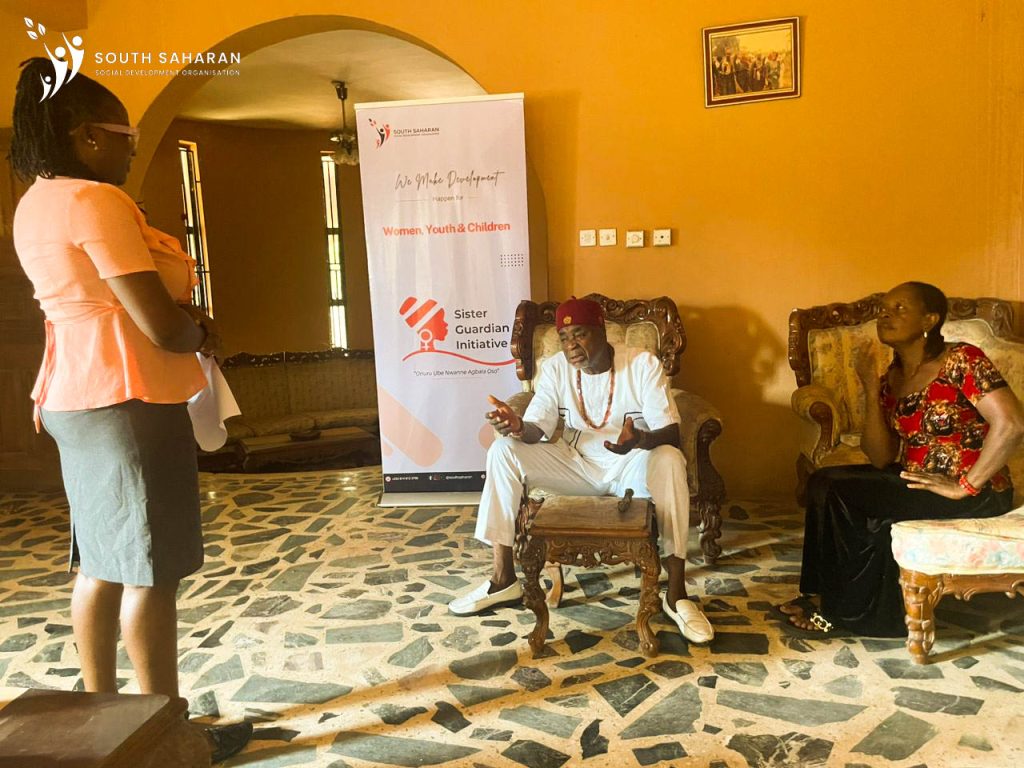
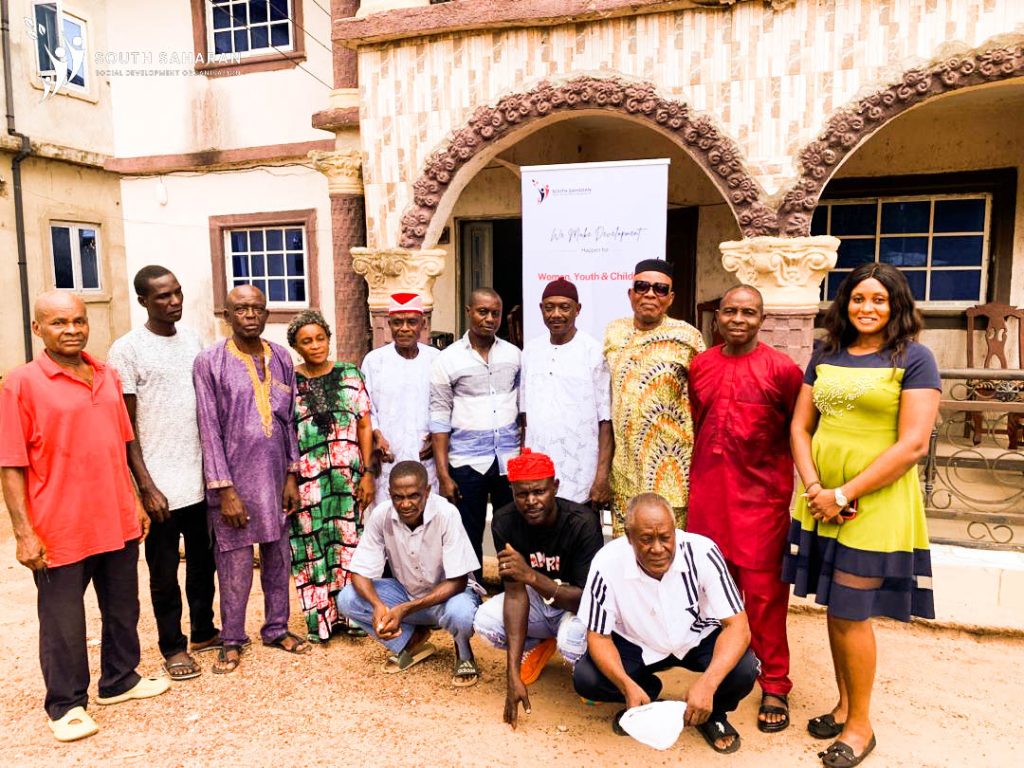
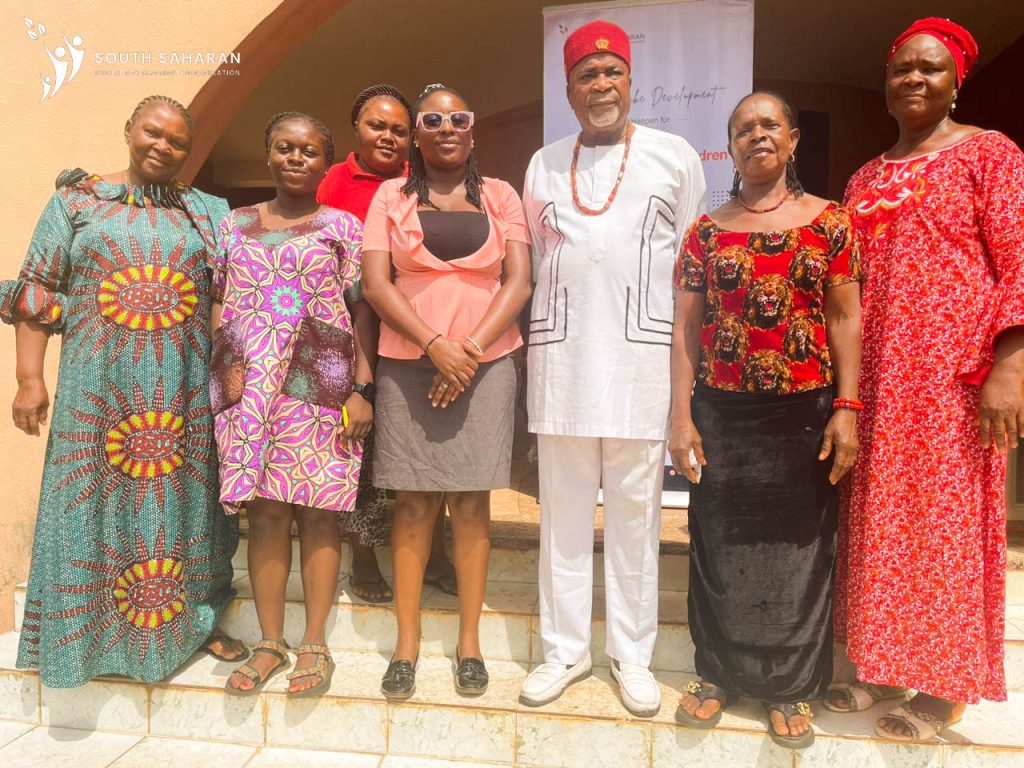
From Ihenyi to Aninri, we sat with traditional rulers, women leaders, town union executives, and community elders. We listened before we spoke. We shared our findings. And we invited communities to lead the conversation about what needs to change and how.

These meetings weren’t always easy. They were filled with honest debate, differing worldviews, and moments of deep cultural reflection. But they were necessary. And they were received with warmth, curiosity, and the kind of openness that signals true readiness for transformation.

What’s Next: Engaging Stakeholders

Now, we move to the next phase: stakeholder engagement.

We are convening the very people who influence cultural norms – traditional rulers, religious leaders, women’s groups, youth reps, and local influencers. These are the gatekeepers and bridge-builders, the ones whose voices carry both legacy and the power to shift it.

Our goal is not to impose, but to collaborate and to shape solutions that protect without erasing culture, and empower without creating division.

Looking Ahead: Building Women’s Agency
Beyond meetings and conversations, we want women in these communities to lead the change.

The final phase of this cycle will focus on building women’s agency; equipping them with tools, knowledge, and confidence to lead step-down activities, raise awareness, and challenge harmful norms from within, because real change doesn’t come from the outside. It comes when women are seen, heard, and supported; not in whispers, but in full voice.

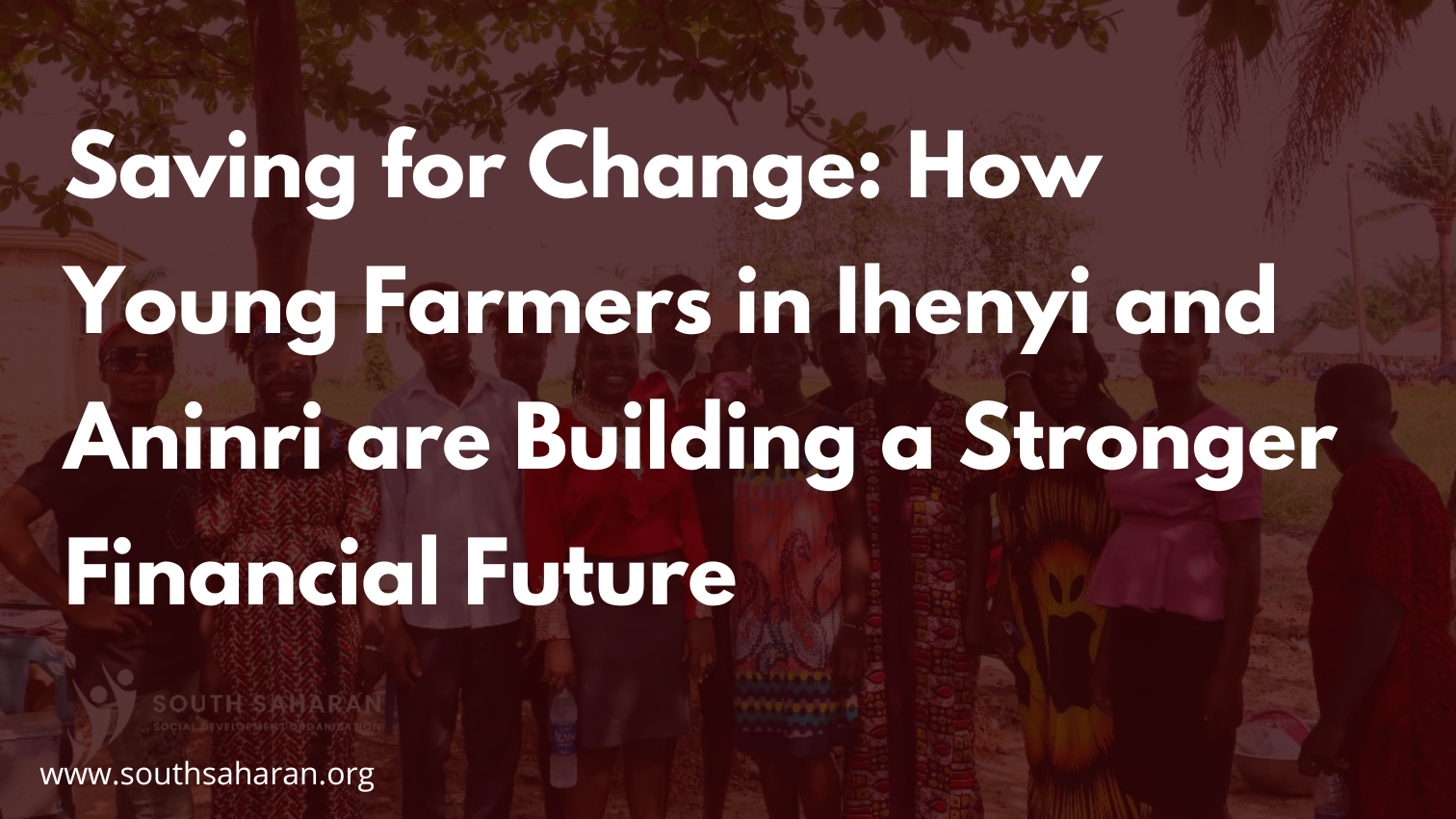
Saving for Change: How Young Farmers in Ihenyi and Aninri Are Building a Stronger Financial Future


In April 2024, South Saharan Social Development Organisation (SSDO), with support from ActionAid Nigeria under the SPA II Project, helped establish Village Savings and Loans Associations (VSLAs) in two rural communities – Ihenyi in Isi Uzo LGA and Aninri LGA, Enugu State.

One year later, the numbers and stories tell a powerful truth: when young people take ownership of their finances, they build more than savings, they build resilience.

A Year of Saving, Lending, and Growing

The Great Farmers VSLA in Ihenyi and the Oganiru VSLA in Aninri recently completed their first full cycle and the outcomes are nothing short of transformative:

  • Zero Loan Defaults: Every loan was repaid in full.
  • Consistent Participation: 51 weekly meetings held in Ihenyi alone; a testament to group discipline.
  • About ₦250,000 profits generated, reinvested to grow internal capital.
  • Social Funds rolled over to support emergencies and future group needs.
  • 72% Female Membership, strengthening gender inclusion.
  • Loans worth over ₦700,000 disbursed.

These are not just outcomes. They are indicators of community-led financial power taking root in rural spaces.


Where the Money Goes, and What It Tells Us

According to recent data from South Saharan Social Development Organisation, a staggering 92% of VSLA loans are invested in agriculture.

That is a powerful statement about what communities value and need.

  • 💼 Small businesses: 4%
  • 📘 Education: 2%
  • 🩺 Healthcare: 2%

This tells us a lot:

✅ Agriculture remains the lifeline of rural livelihoods.

✅ There’s untapped potential to scale access to education, healthcare, and enterprise.

✅ VSLA groups are not just saving, they are transforming lives.

Beyond Money: Strengthening Livelihoods and Solidarity

For most members, agriculture is not just a means to survive, it’s the gateway to dignity, growth, and independence. With every loan invested in seeds, fertilizer, tools, and labour, members are actively reducing food insecurity and improving household income.

More importantly, through collective savings and decisions, the VSLAs are cultivating trust, discipline, and shared purpose – a model for sustainable rural development.

Looking Ahead

The success of the VSLAs is not just a story of numbers, it’s a story of young people rewriting what’s possible for their communities.

SSDO remains committed to strengthening local structures, scaling up this model, and amplifying youth voices across rural Enugu.