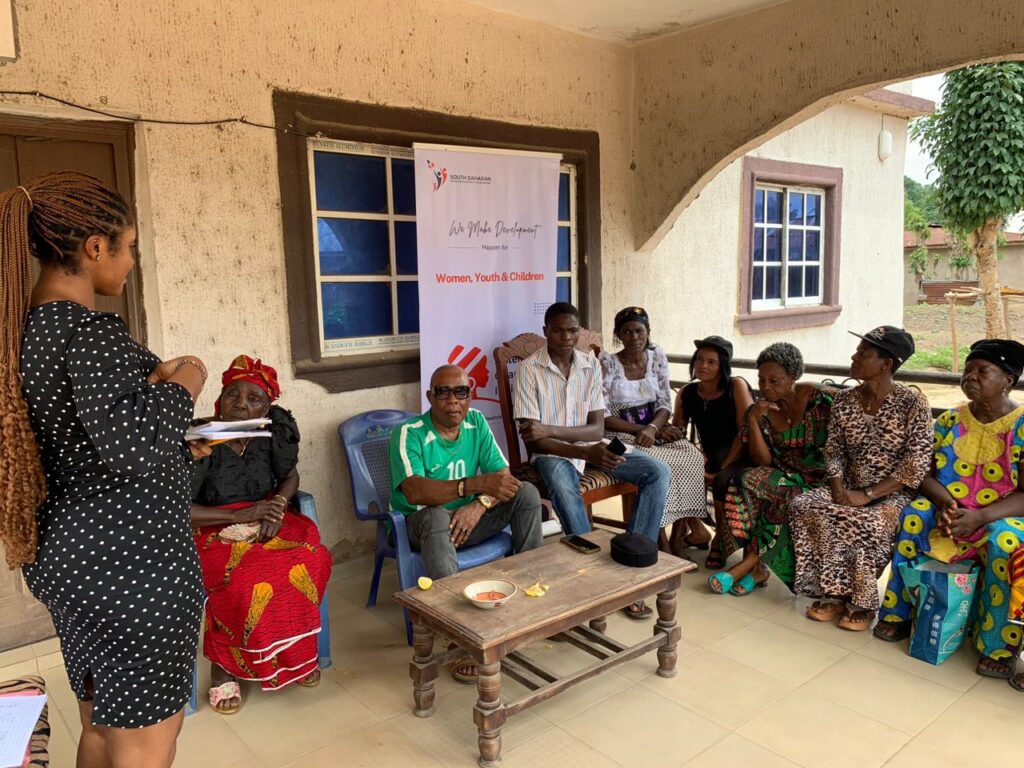
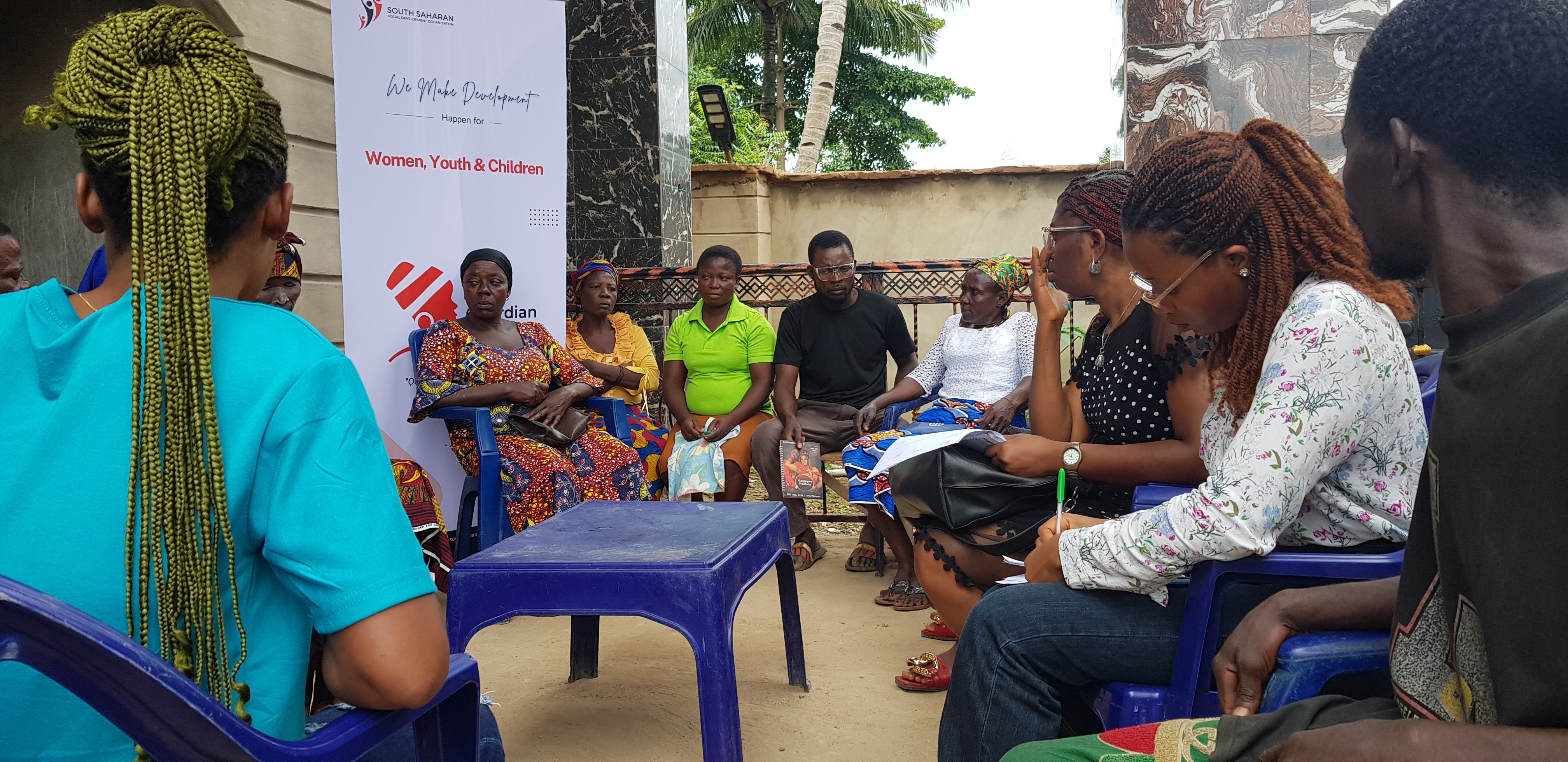
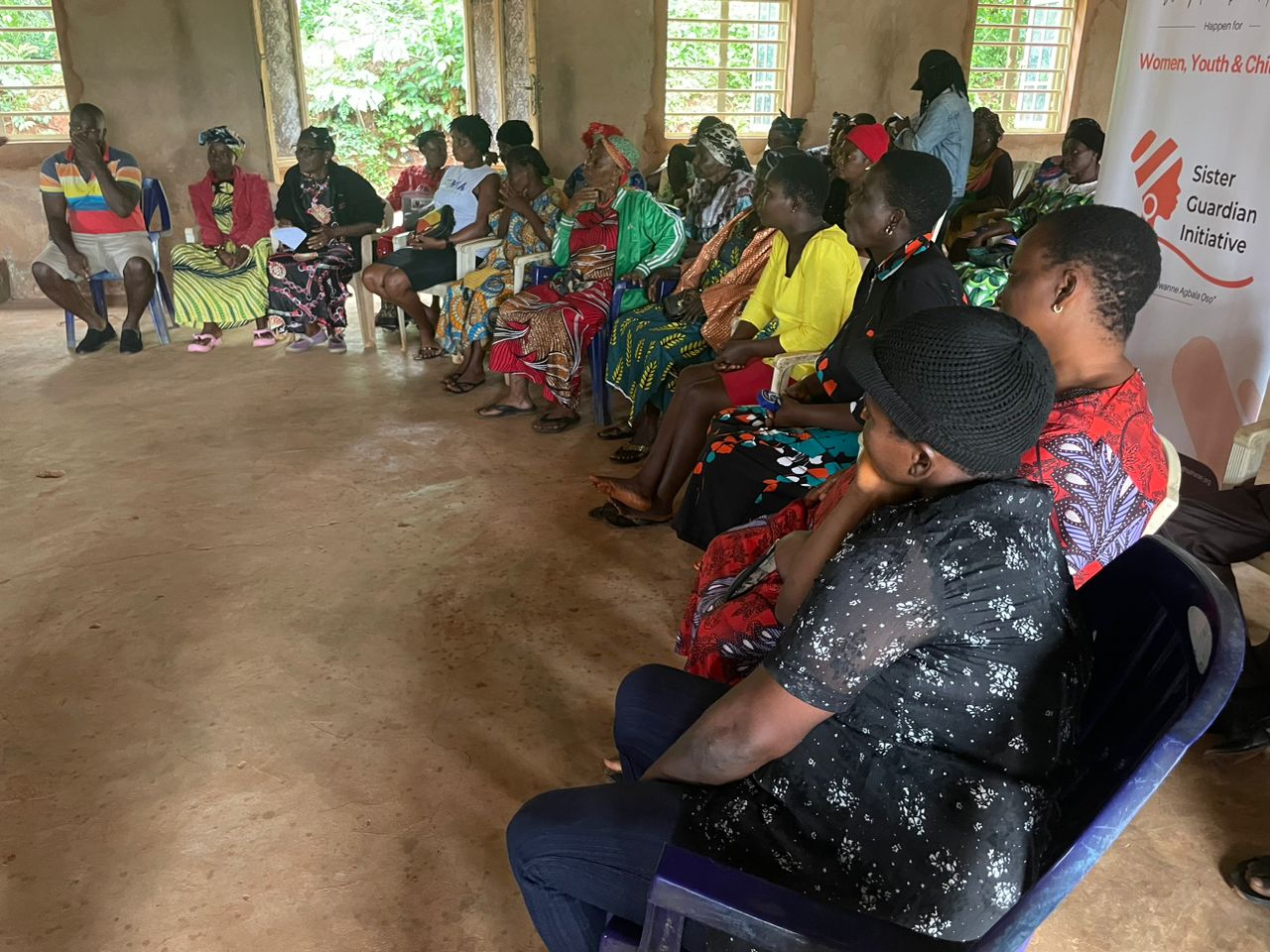
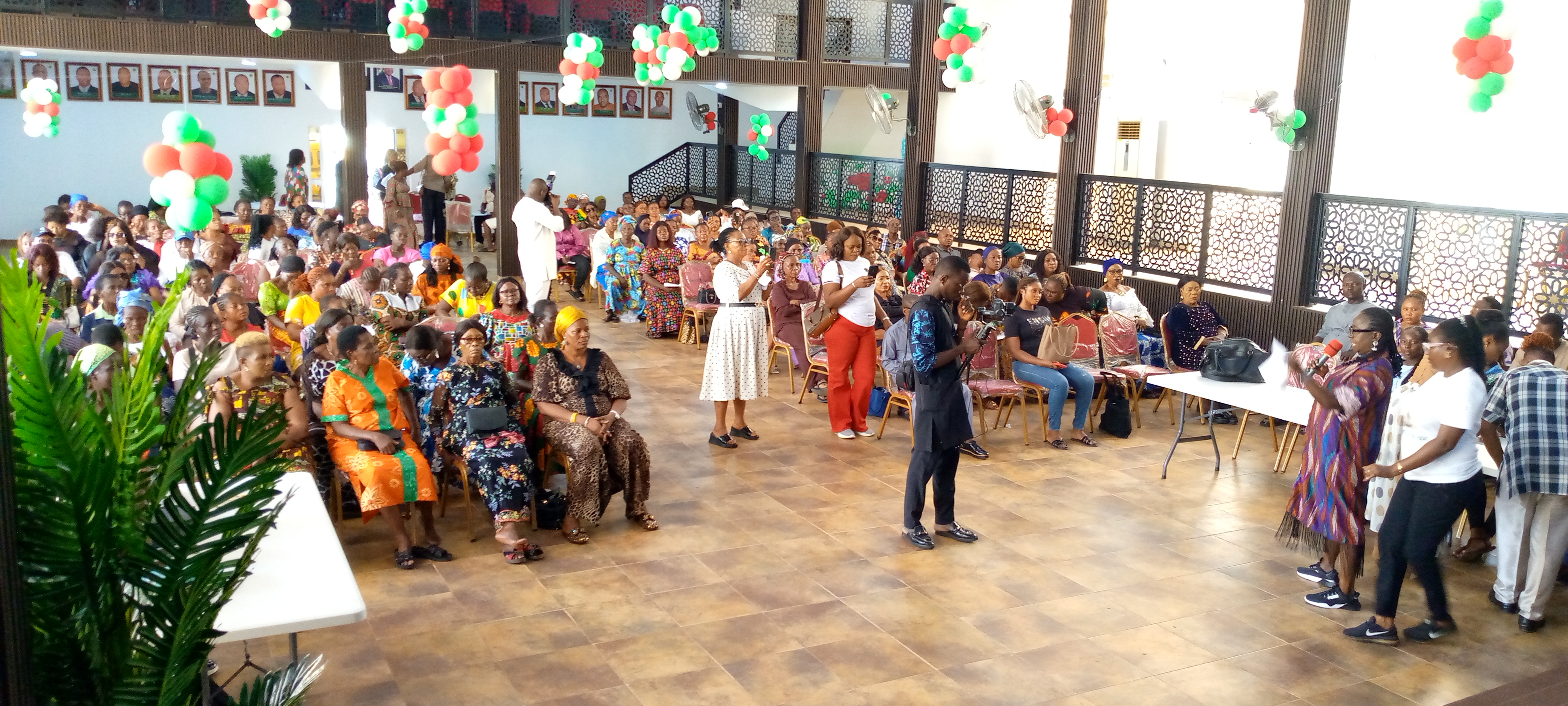
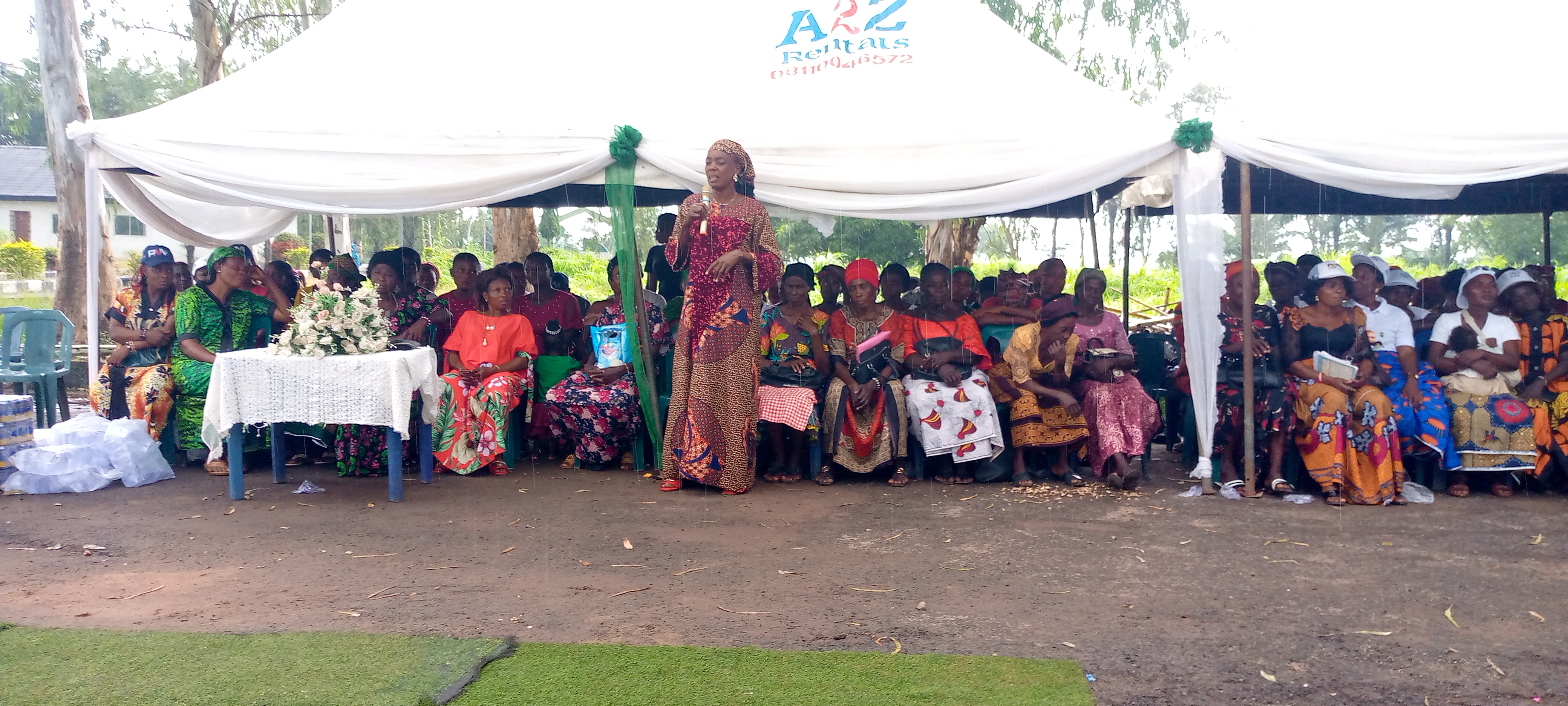
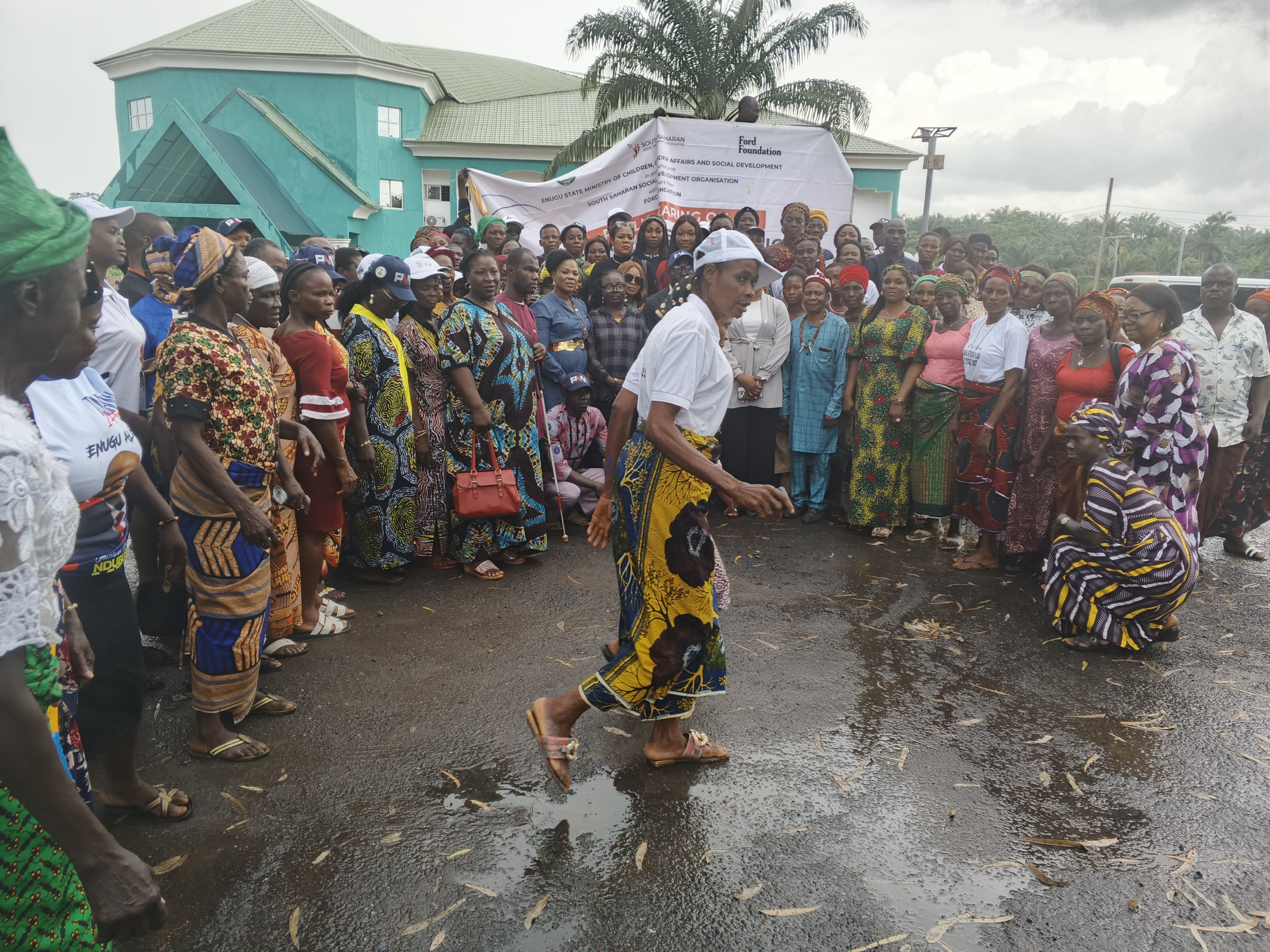
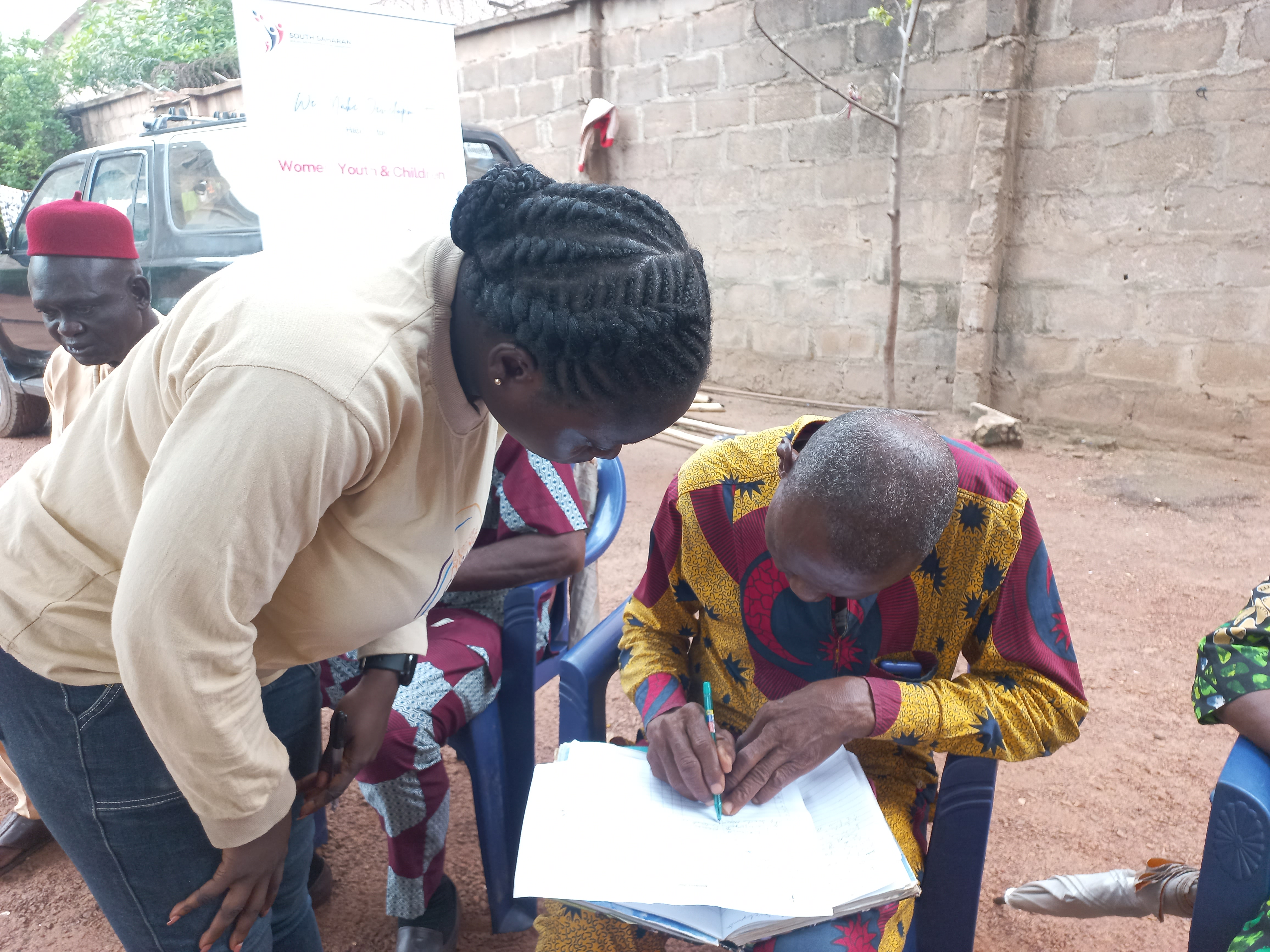
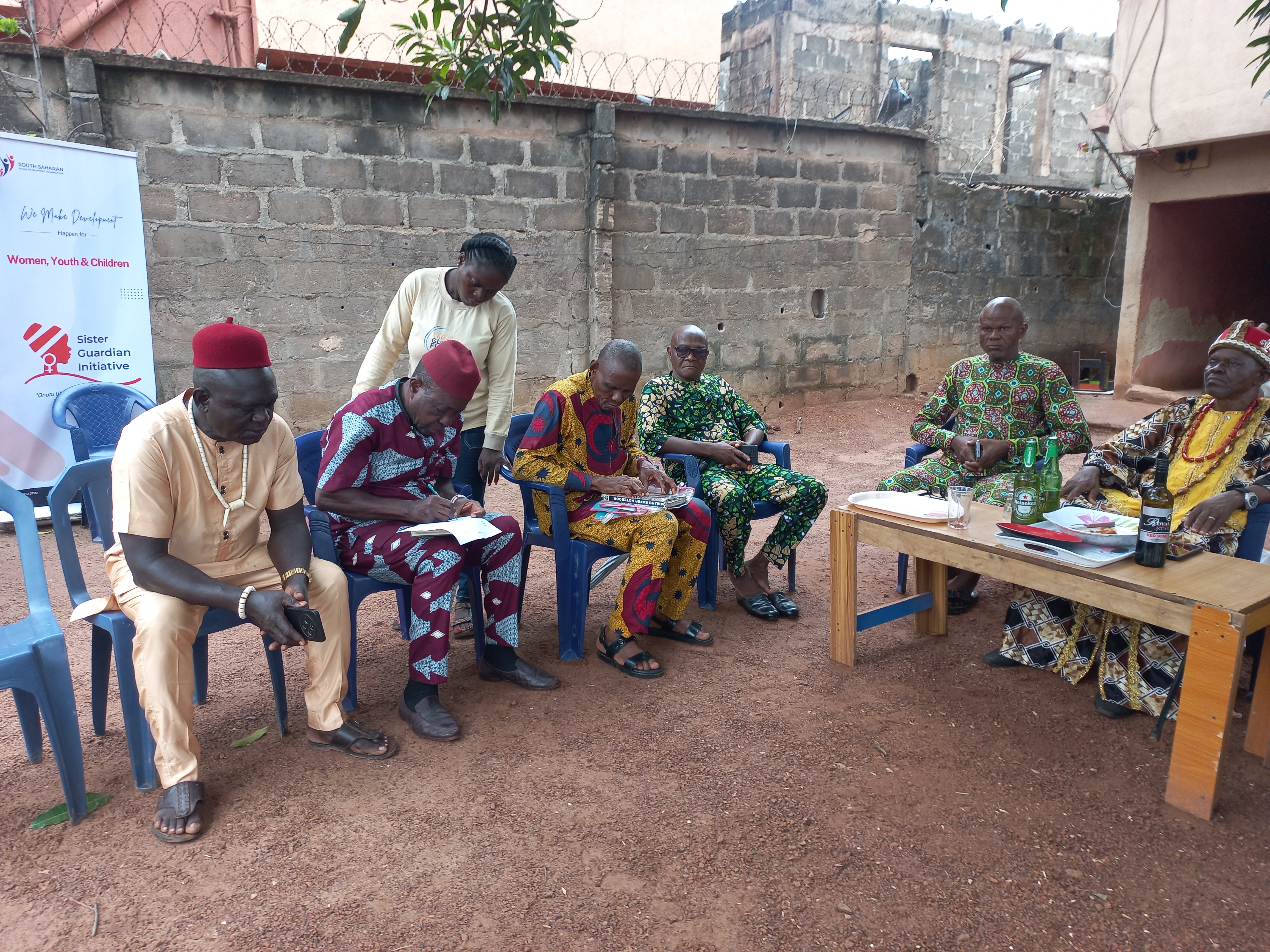
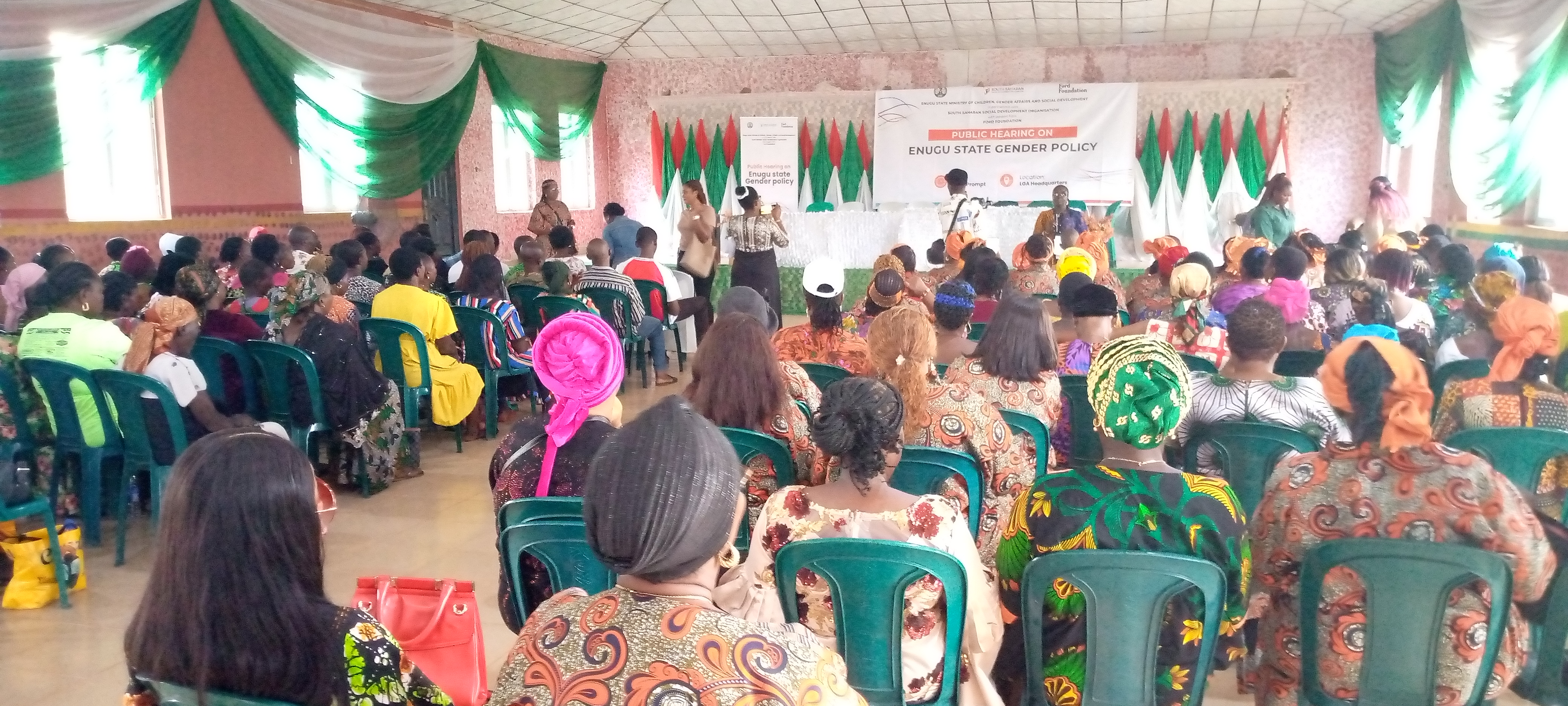
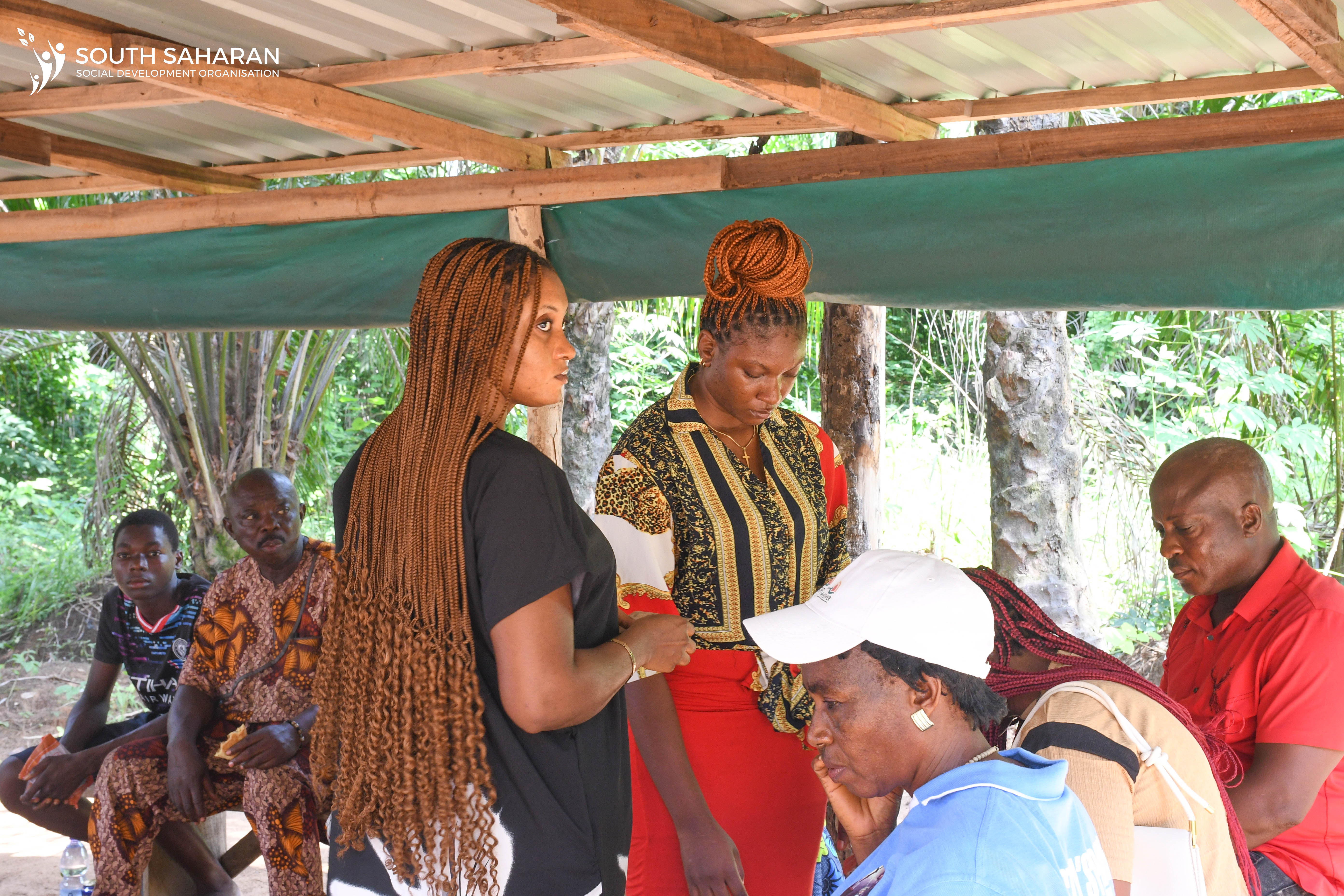
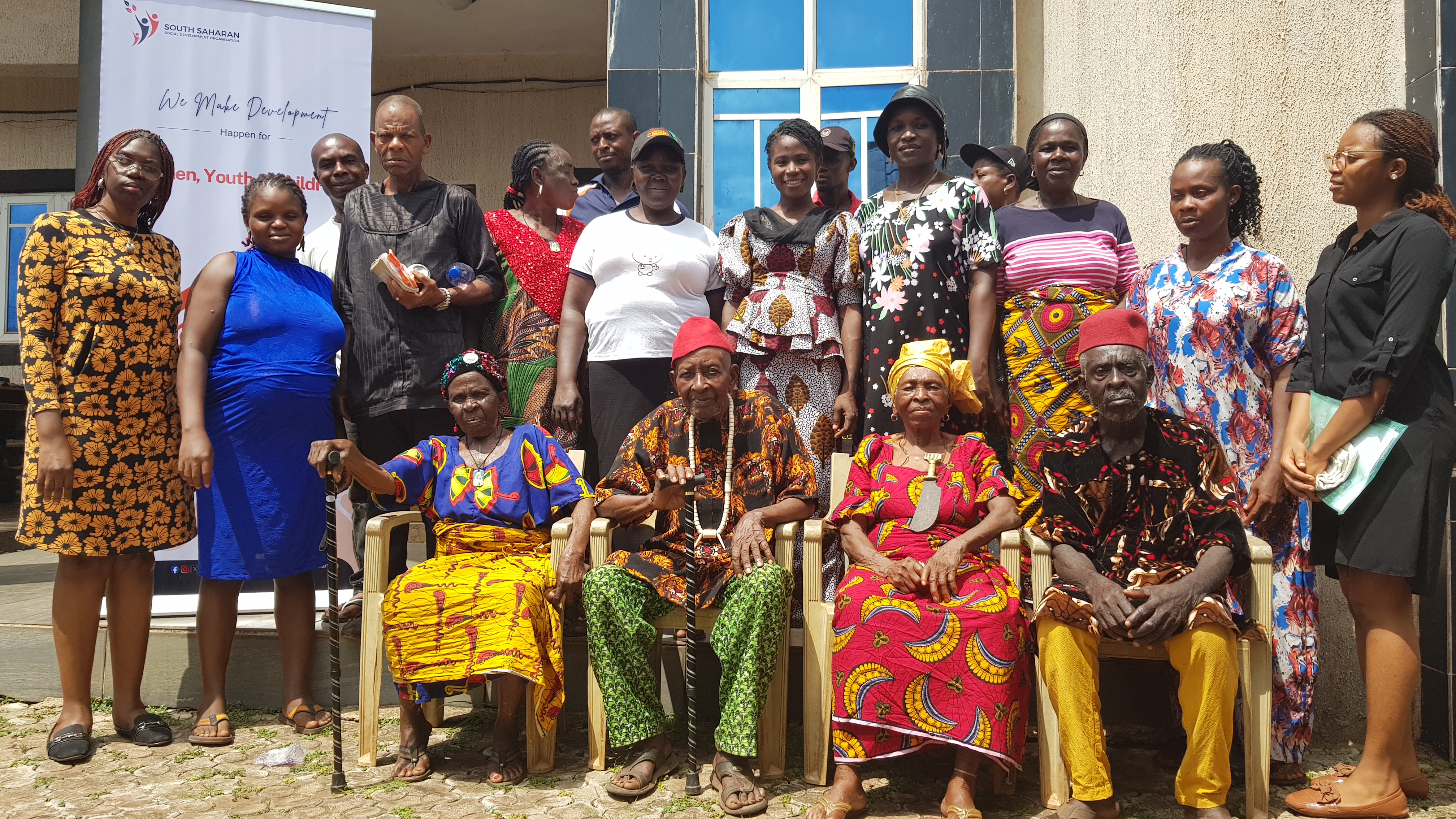
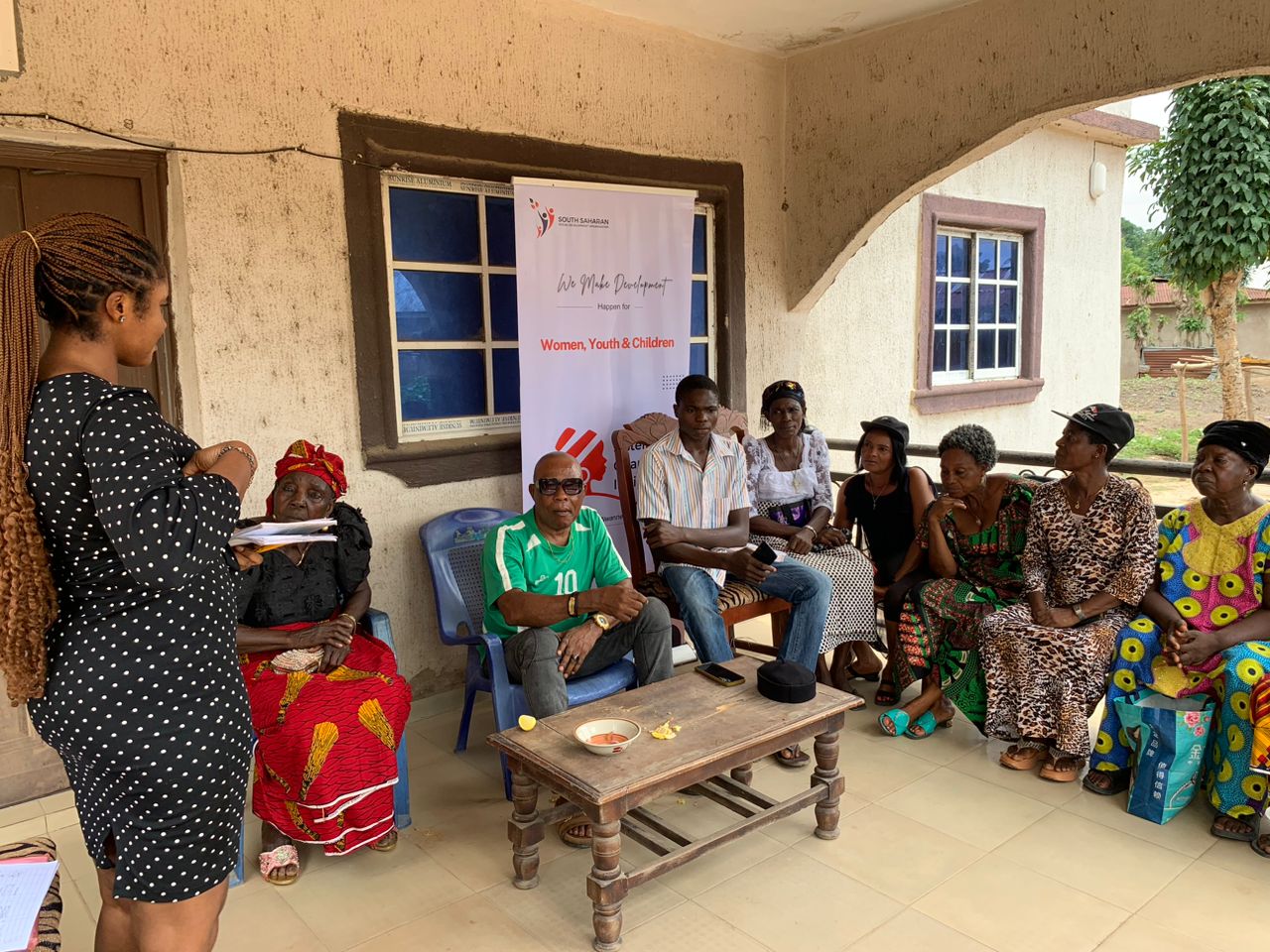
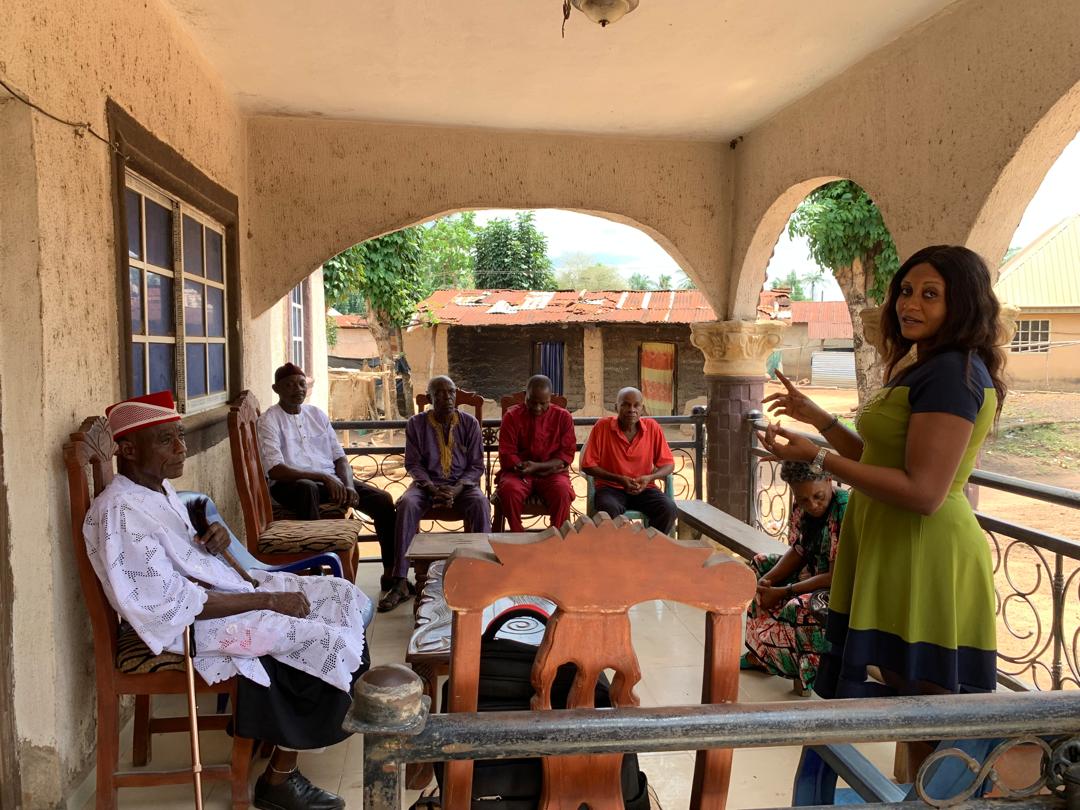
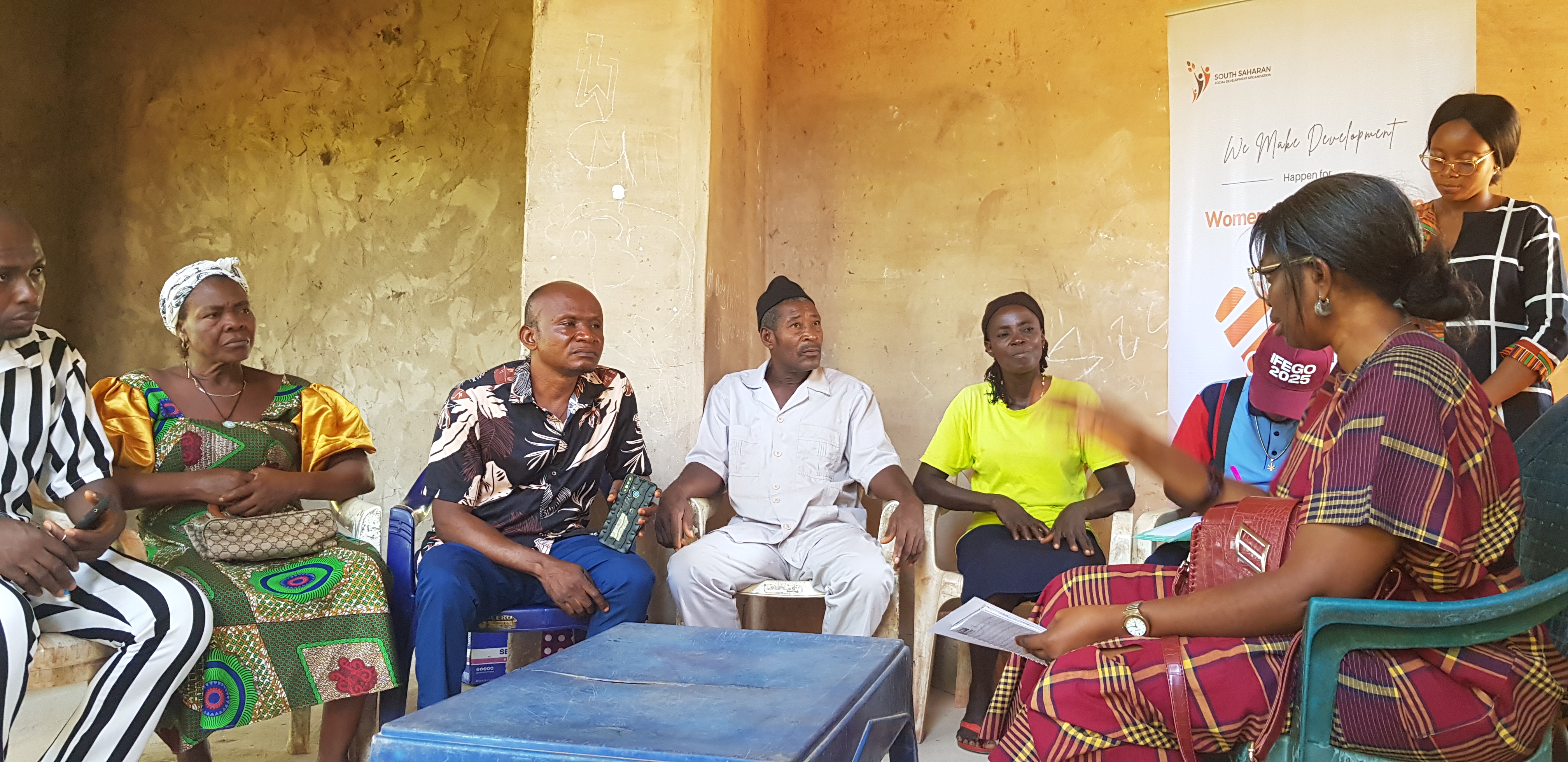
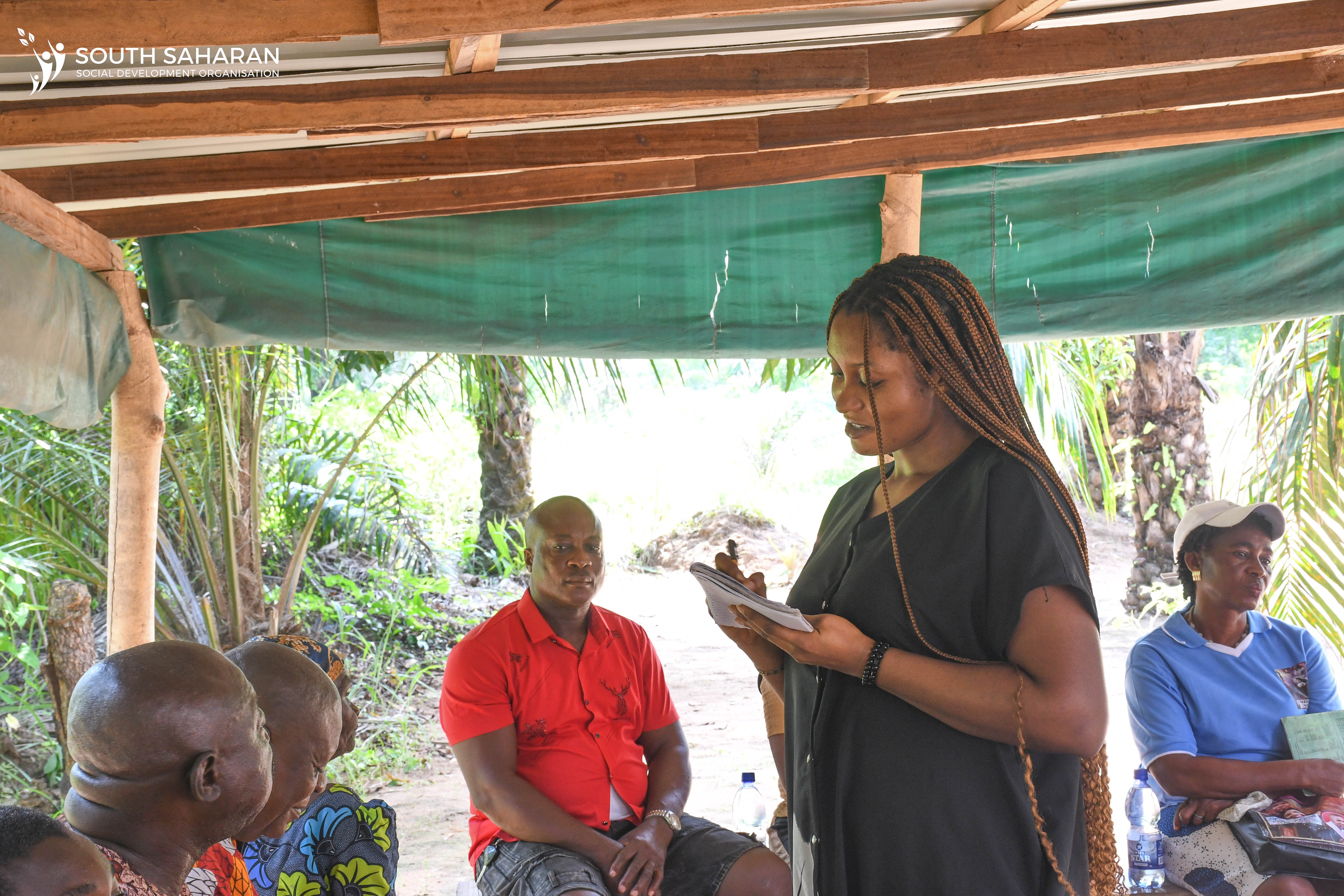
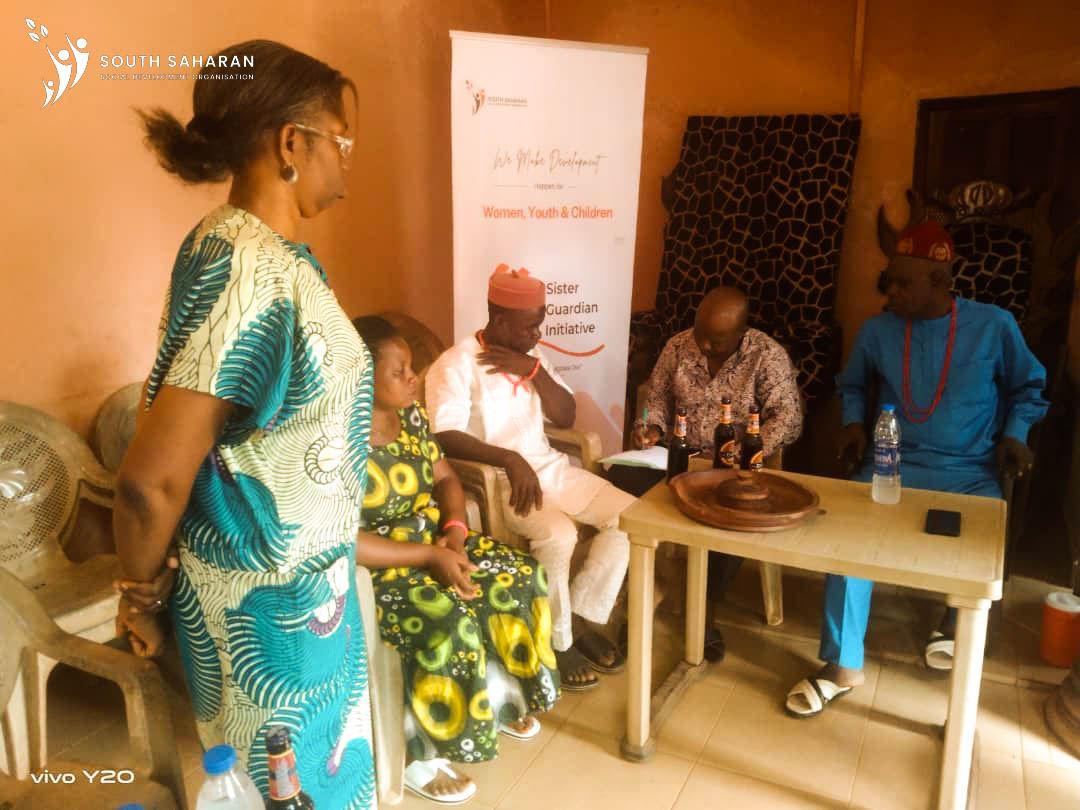
The project was implemented across communities in Enugu State, targeting women and girls in rural areas who are disproportionately affected by gender-based violence (GBV) and harmful traditional practices. These communities continue to experience challenges such as female genital mutilation, child marriage, widowhood rites, and discriminatory inheritance practices, driven by deeply rooted cultural norms, patriarchal structures, and limited awareness of human rights.
Despite the existence of legal frameworks such as the Violence Against Persons Prohibition (VAPP) Act, weak enforcement, limited access to justice, and inadequate survivor support services have allowed GBV to persist. Many women lack the knowledge, confidence, and platforms needed to challenge abuse or seek redress, while traditional institutions often reinforce practices that perpetuate inequality.
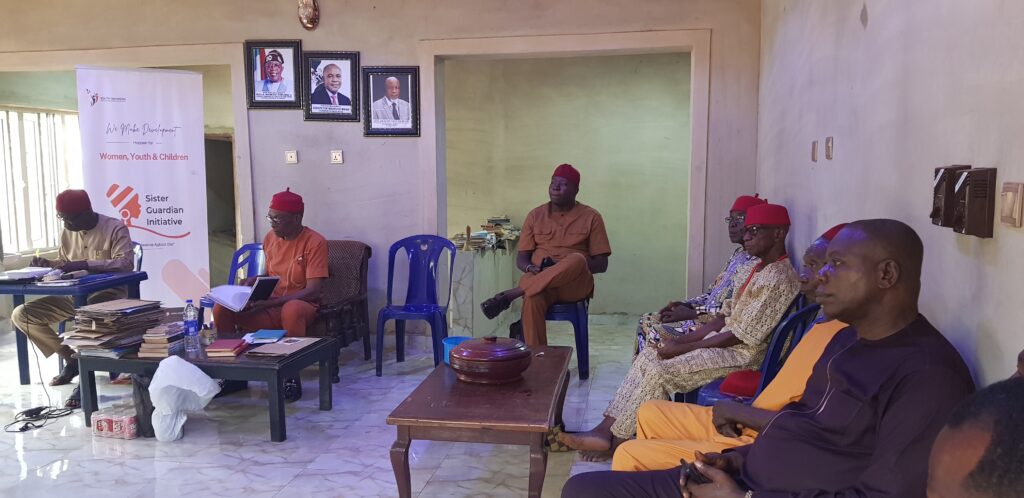
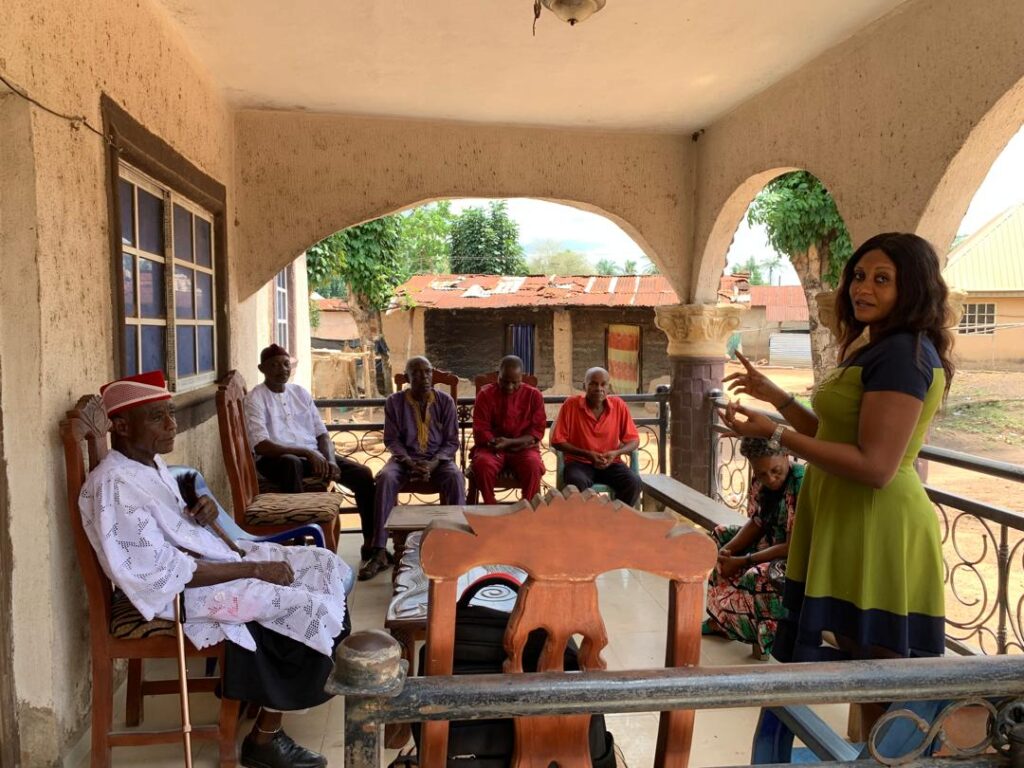
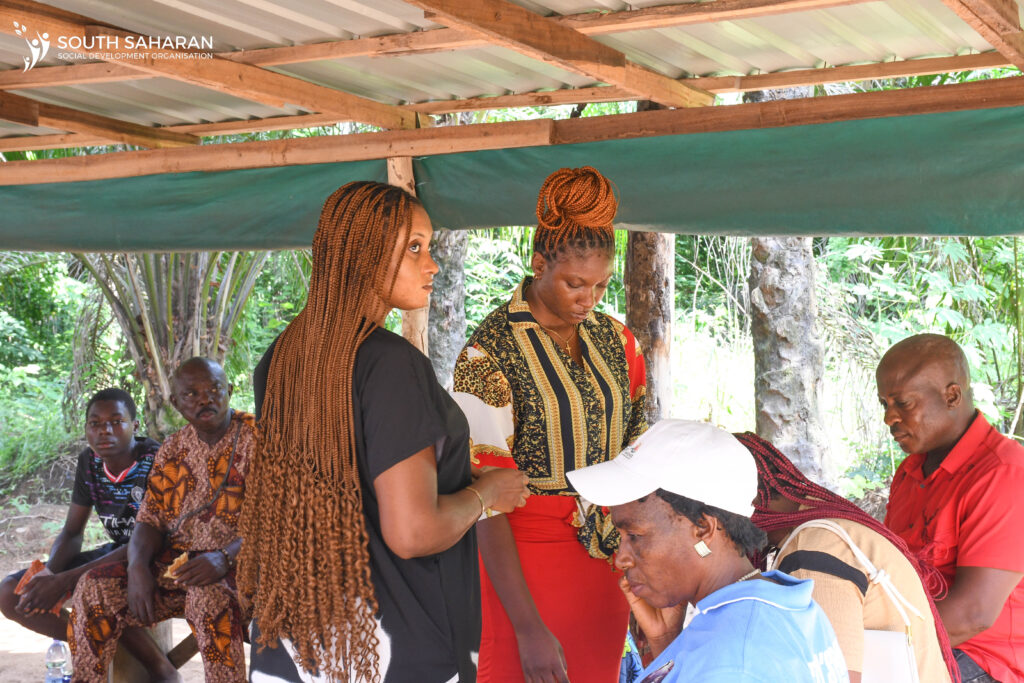
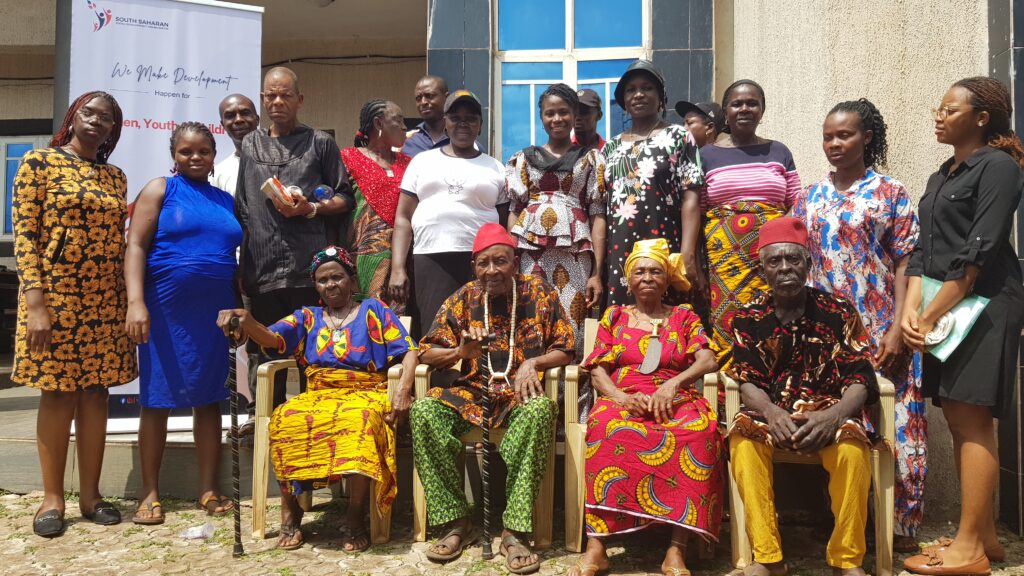
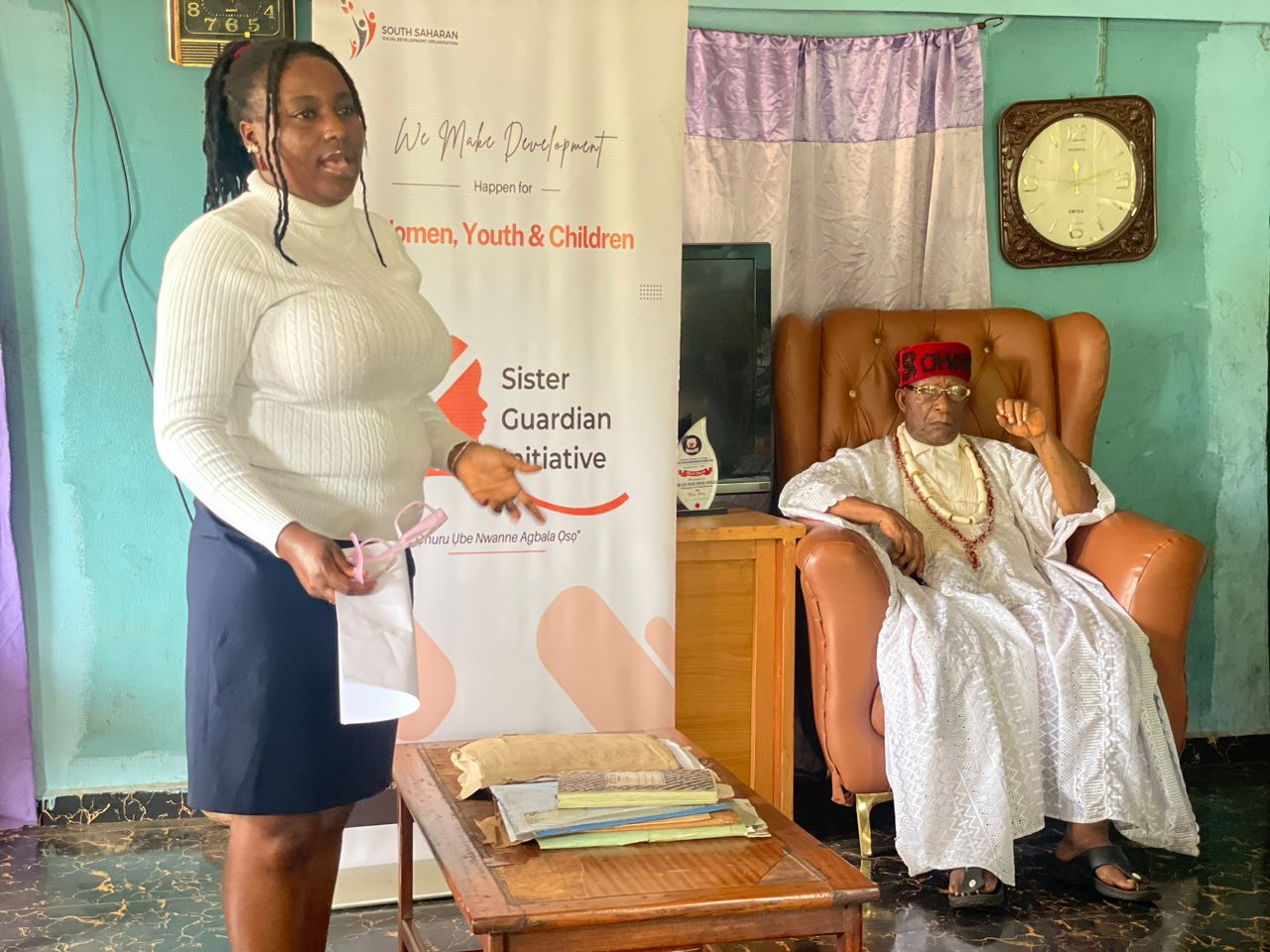
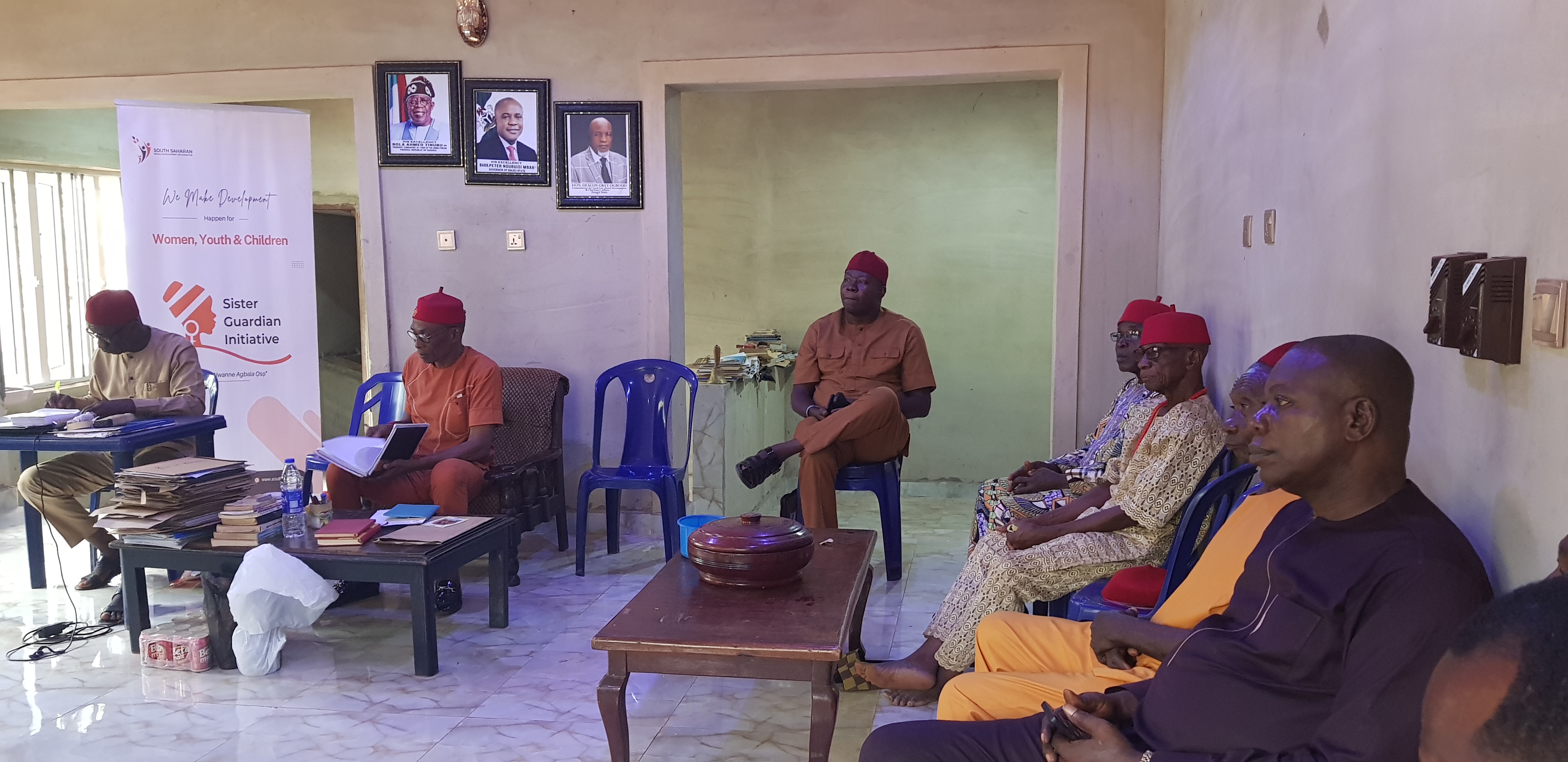
In response, SSDO, with support from the Ford Foundation, implemented a community-driven intervention that combined advocacy, capacity building, psychosocial support, legal referrals, and stakeholder engagement. The project worked closely with women, traditional leaders, community groups, law enforcement agencies, and healthcare providers to strengthen local systems, promote community ownership, improve access to justice, and foster sustainable efforts to eliminate gender-based violence and harmful traditional practices.