SSDO

Local Government Accountability Index (LAI)

Building Trust Through Local Accountability
Location

Enugu

Duration

6 Months

Status

Completed

Tracking Our Collective Impact

We measure success not just in numbers, but in the livelihoods transformed and communities strengthened.

0
Individuals reached through public awareness and digital engagement
0
Fully operational digital accountability dashboard enabling real-time data capture and reporting
0
Trained assessors deployed, with three assessors per LGA
0
stakeholders trained, including civil society organisations, technical experts, and LGA representatives
0
LGAs covered across Enugu State

Project Background

The Local Government Accountability Index (LAI) Project was implemented by the South Saharan Social Development Organisation (SSDO) across the 17 Local Government Areas of Enugu State under PACE Project Component 3, with support from the Policy and Legal Advocacy Centre (PLAC) and funding from the UK Foreign, Commonwealth and Development Office (FCDO). The project responds to challenges such as weak accountability systems, limited transparency, low citizen participation, and inconsistent service delivery at the local government level. Following the 2024 Supreme Court ruling on local government fiscal autonomy, the project established an evidence-based framework for assessing and improving governance performance. It also engaged government institutions, civil society organisations, and citizens to promote stronger oversight, inclusive participation, responsible resource management, and more responsive service delivery.

Project Objective

Develop and institutionalise the Enugu State Local Government Accountability Framework and Policy (LGAFP) as a standard for subnational governance and Strengthen transparency, fiscal accountability, and service delivery across all 17 LGAs.
Design and operationalise the Local Government Accountability Index (LAI) as a uniform and evidence-based performance measurement tool, Promote inclusive citizen participation through structured engagement and feedback mechanisms
Enhance the capacity of civil society to conduct independent monitoring and evidence-based advocacy and Establish a digital accountability system for real-time data capture, verification, and performance tracking

Activities

Comprehensive programs designed to drive long-term change.

Assessments

Trained field teams were deployed across all 17 LGAs from 10 to 20 February 2026. Using the LAI tool, teams conducted structured and evidence-based assessments of governance performance. The exercise generated comparable data across LGAs and identified key systemic gaps, including weak documentation practices, limited citizen engagement, and inconsistencies in financial accountability systems.

Monitoring and Evaluation

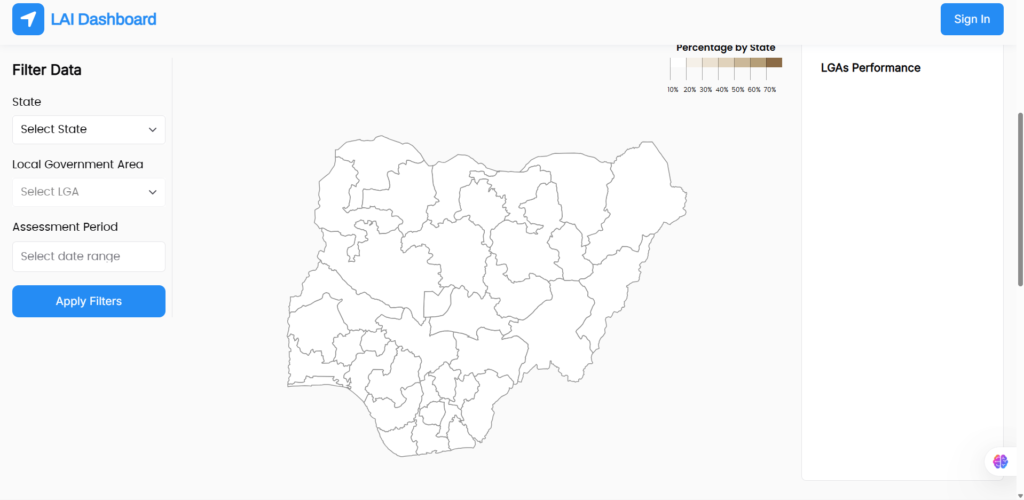
A digital accountability dashboard was established and fully operationalised. The system supports real-time data entry, automated score aggregation, and evidence upload for audit traceability. Standardised verification protocols were introduced to link financial allocations with physical project implementation. These mechanisms strengthened transparency, improved data integrity, and enabled comparative performance analysis across LGAs.

Research and Evidence Generation

The project generated a comprehensive dataset on local governance performance across all LGAs. Evidence was produced across the five accountability pillars, providing insights into transparency, citizen engagement, fiscal practices, service delivery, and institutional effectiveness. A key finding was the prevalence of implementation without documentation, which limits transparency, accountability, and institutional memory.

Capacity Building

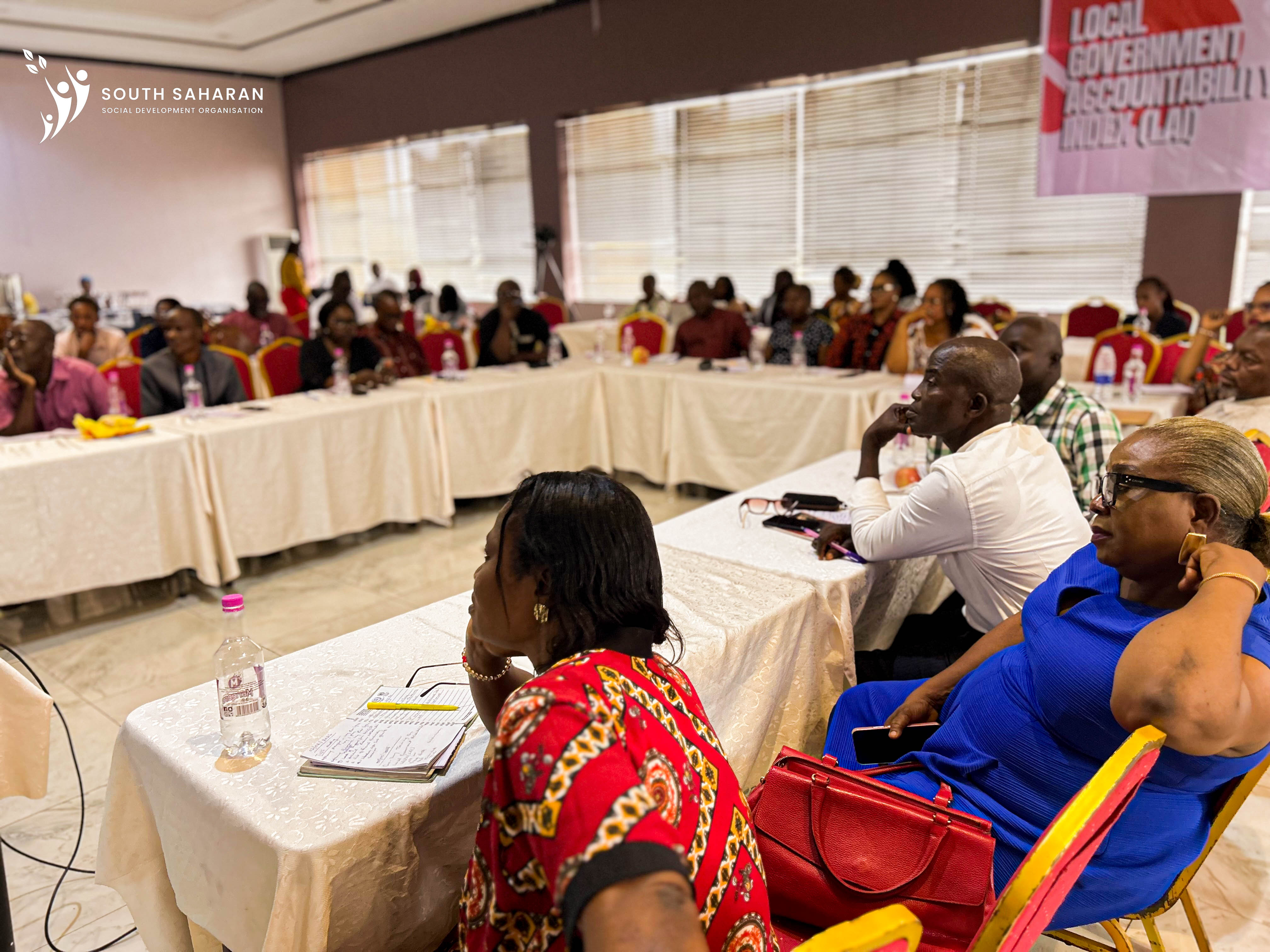
A statewide LAI Assessment Training was conducted on 10 February 2026. Sixty participants from all 17 LGAs were trained on the 5-pillar accountability framework, scoring methodology, evidence verification protocols, and ethical standards. The training ensured consistency, reliability, and credibility in the assessment process.

Advocacy and Stakeholder Engagement

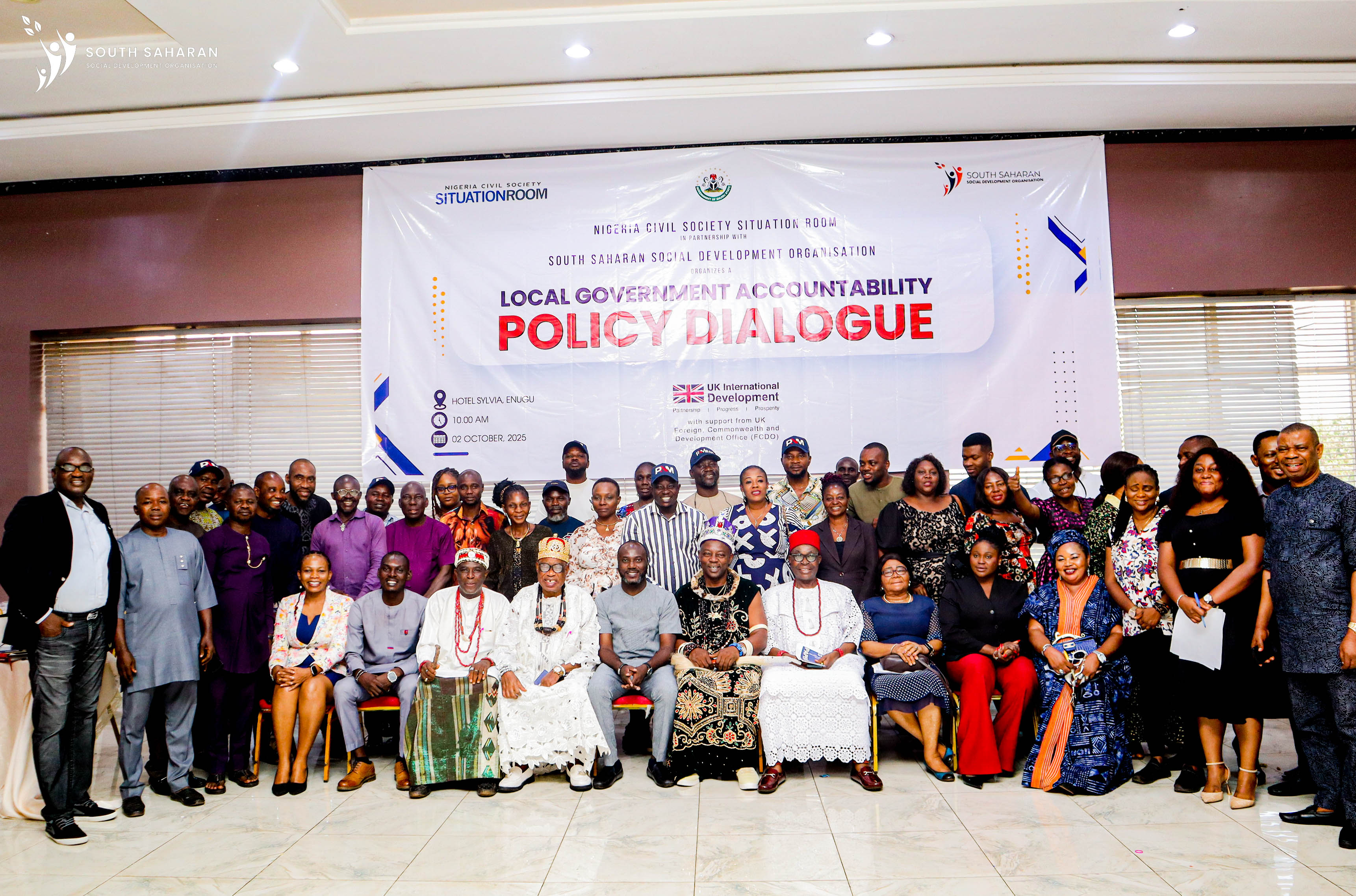
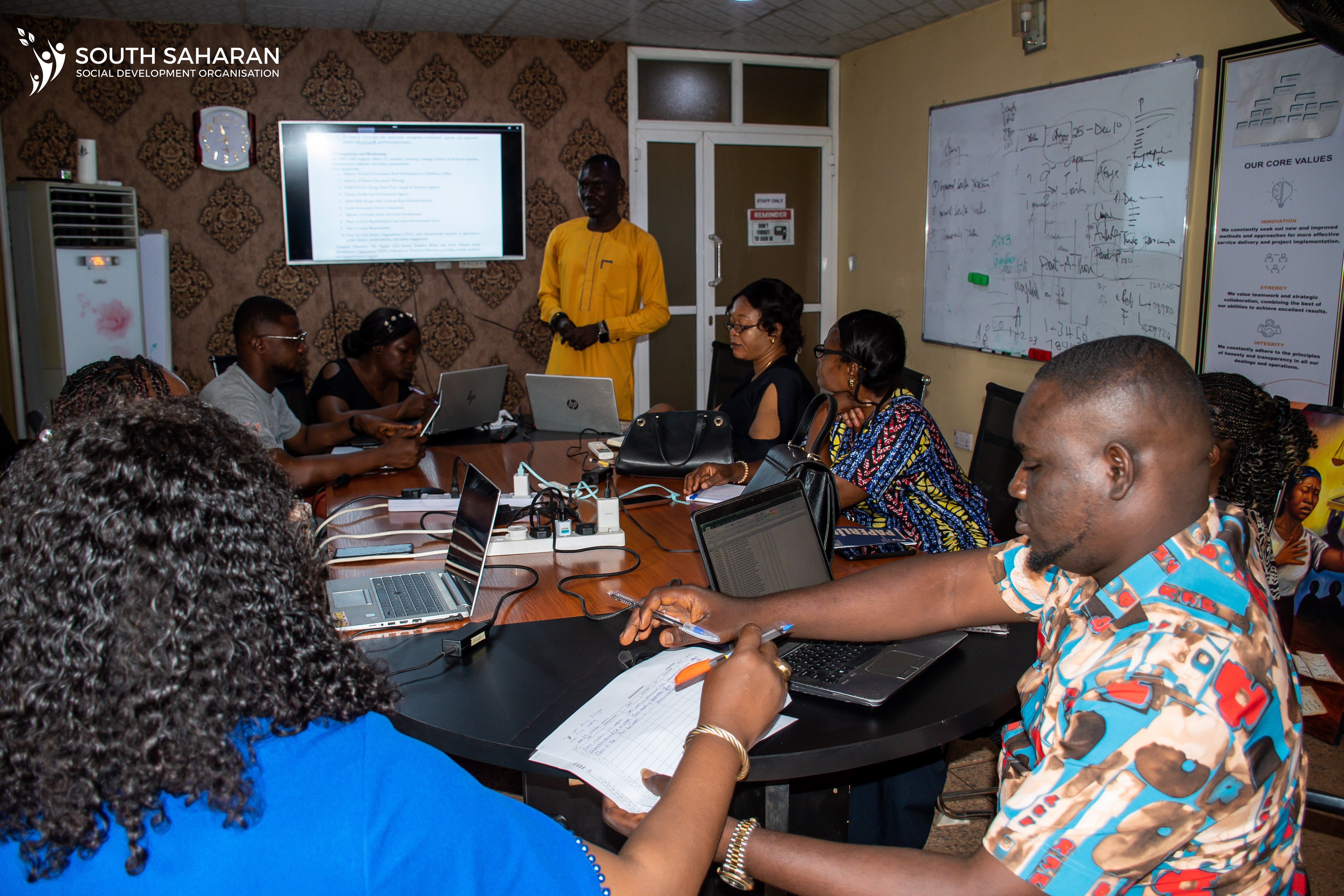
A multi-stakeholder Technical Working Group supported the validation and adoption of the accountability framework. Key state institutions endorsed the LGAFP and LAI frameworks, while civil society organisations were strengthened to promote evidence-based advocacy and inclusive participation of women, youth, and persons with disabilities.

Activity Gallery

Visual highlights from our programs  across activities.

Activity Blog

blog highlights from our programs  across project activities.

No project category found for this project.