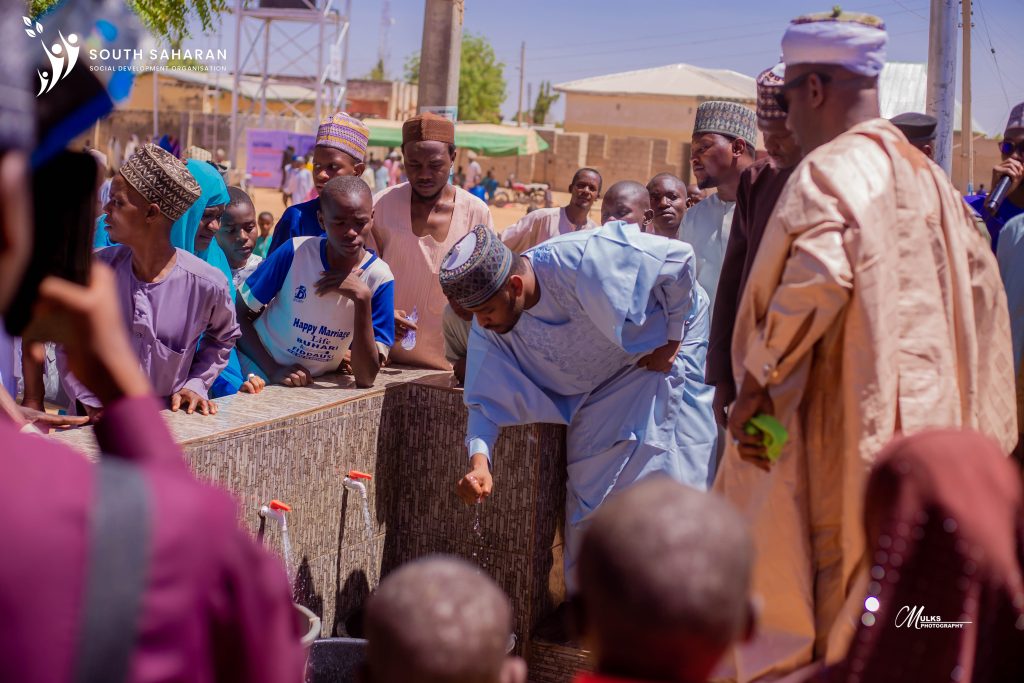
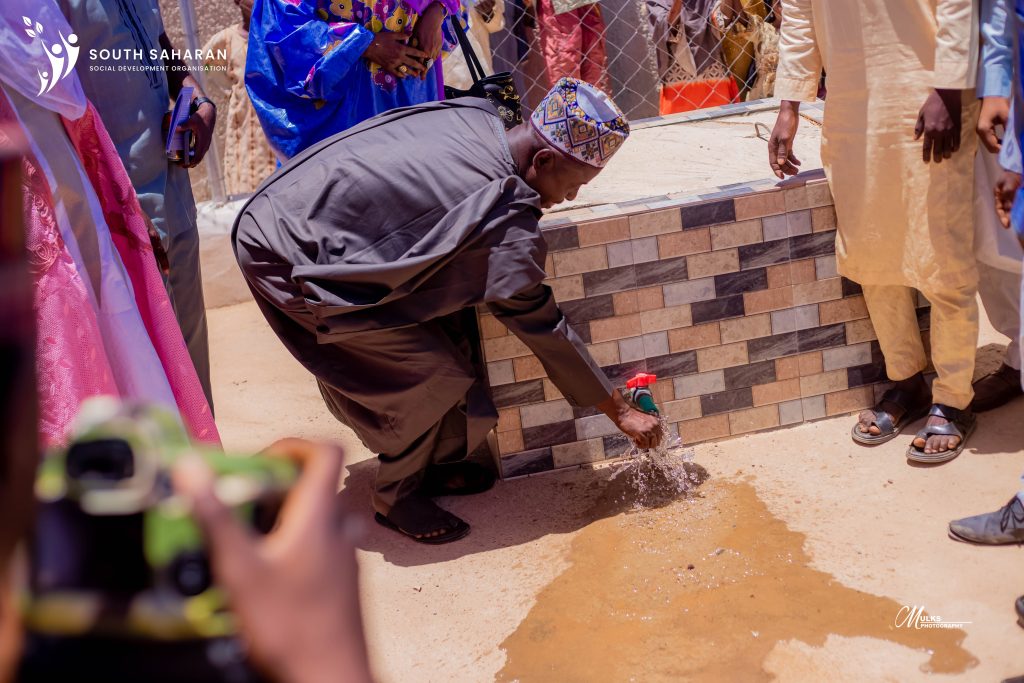
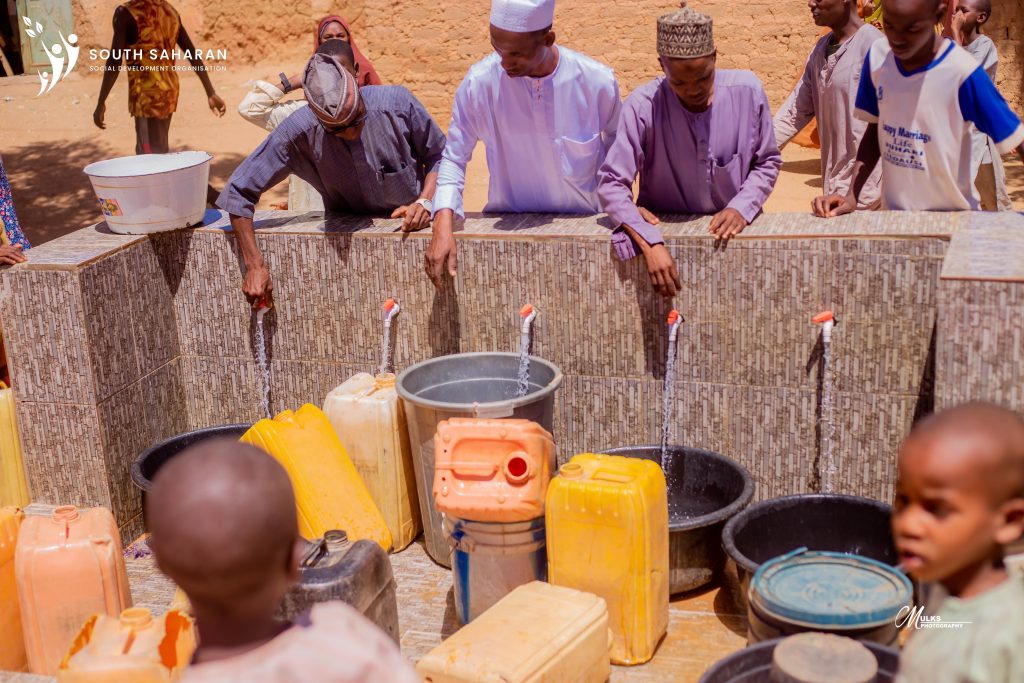
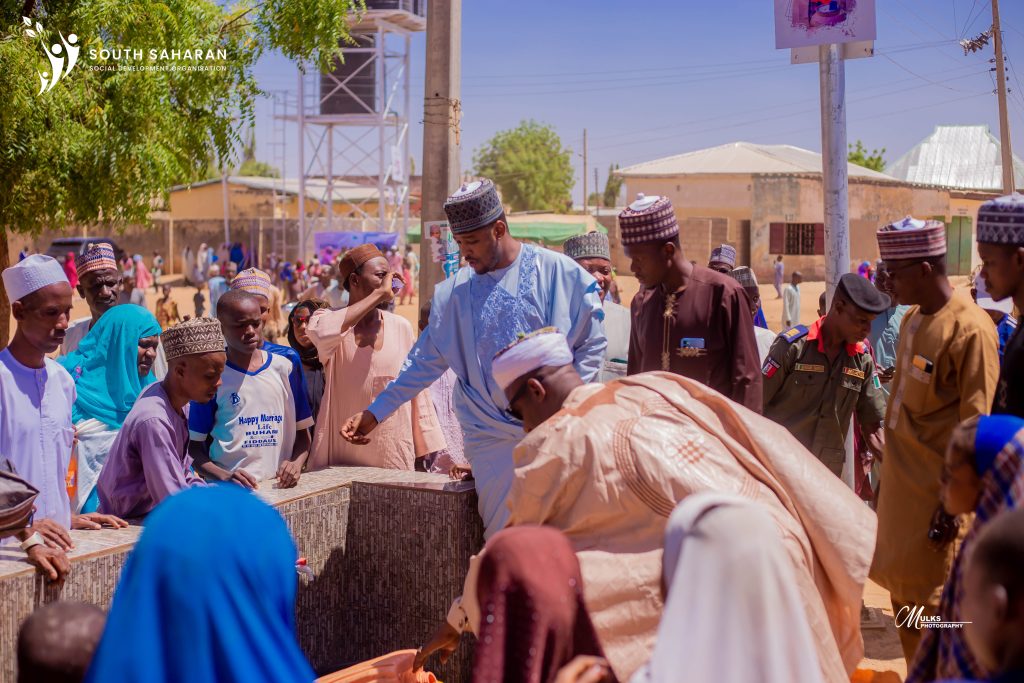
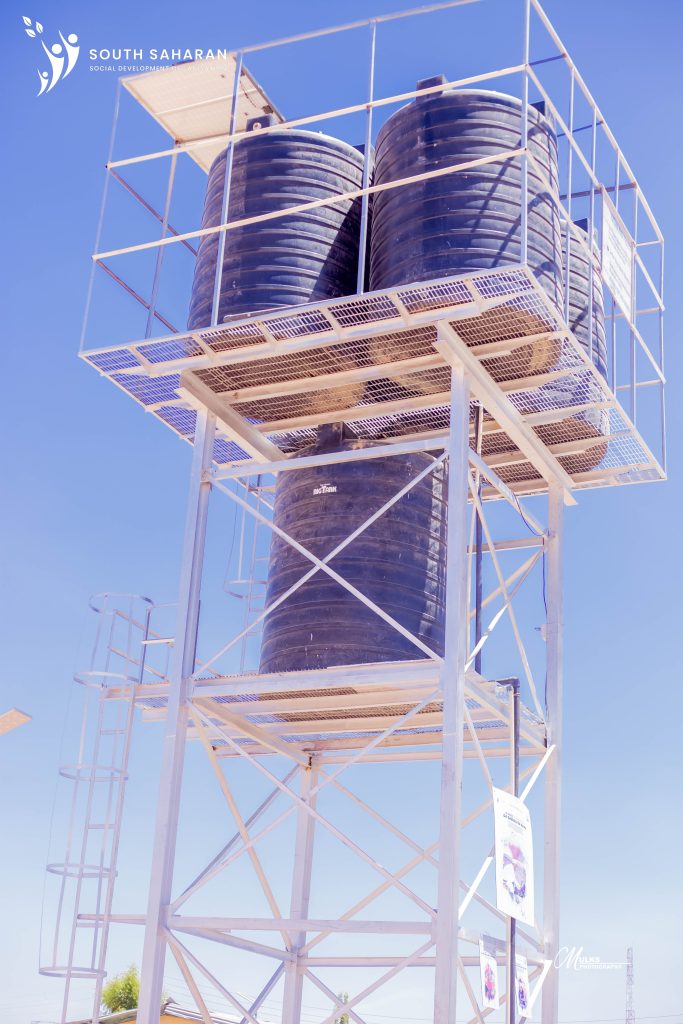
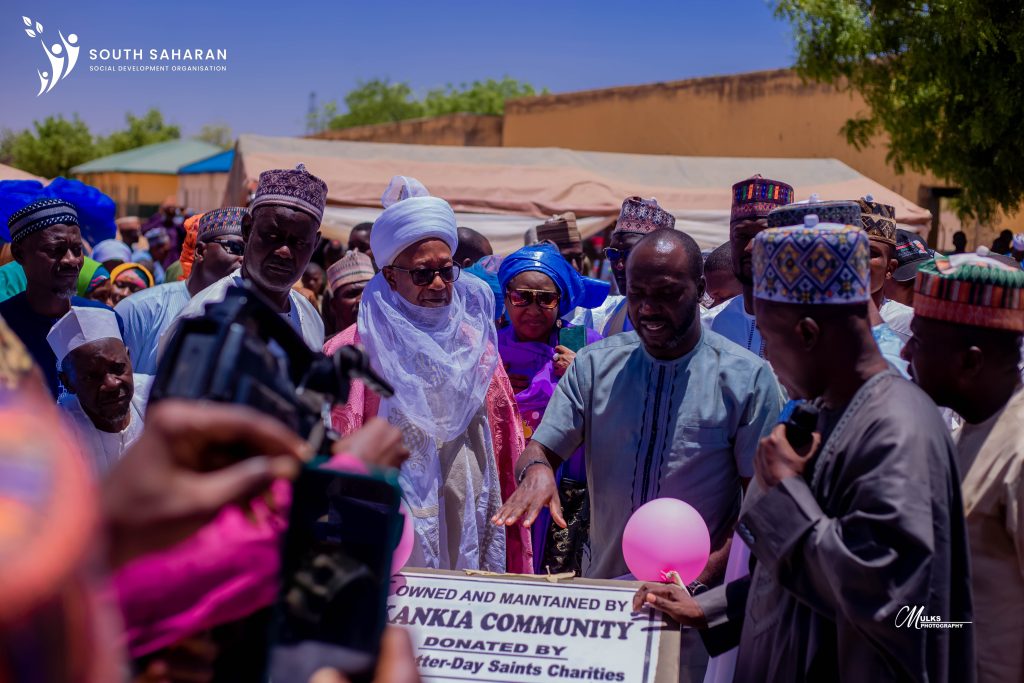
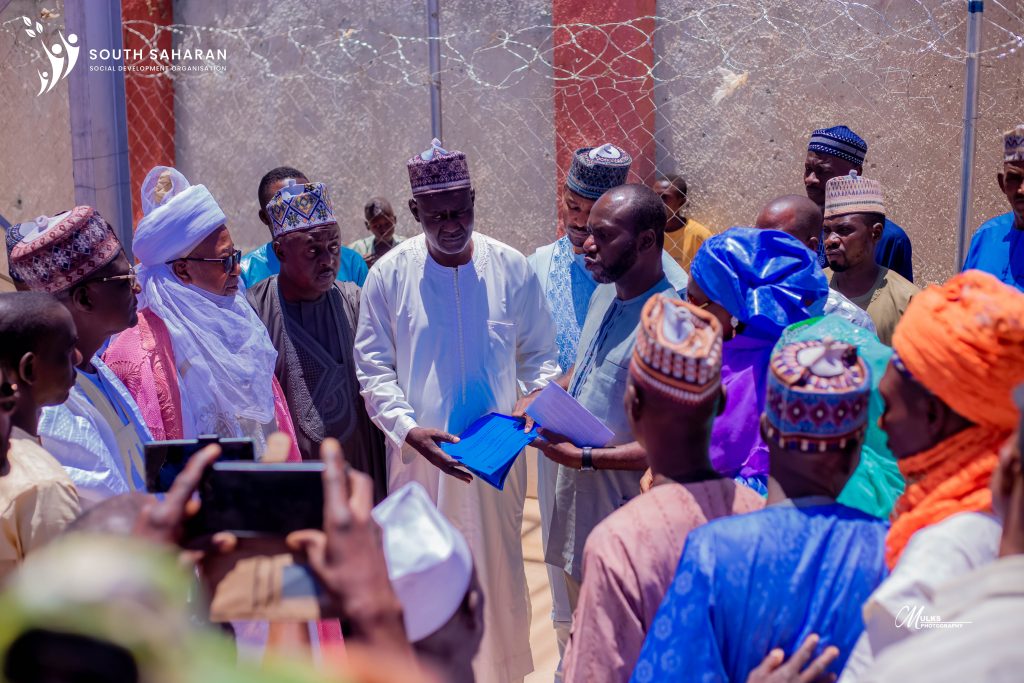
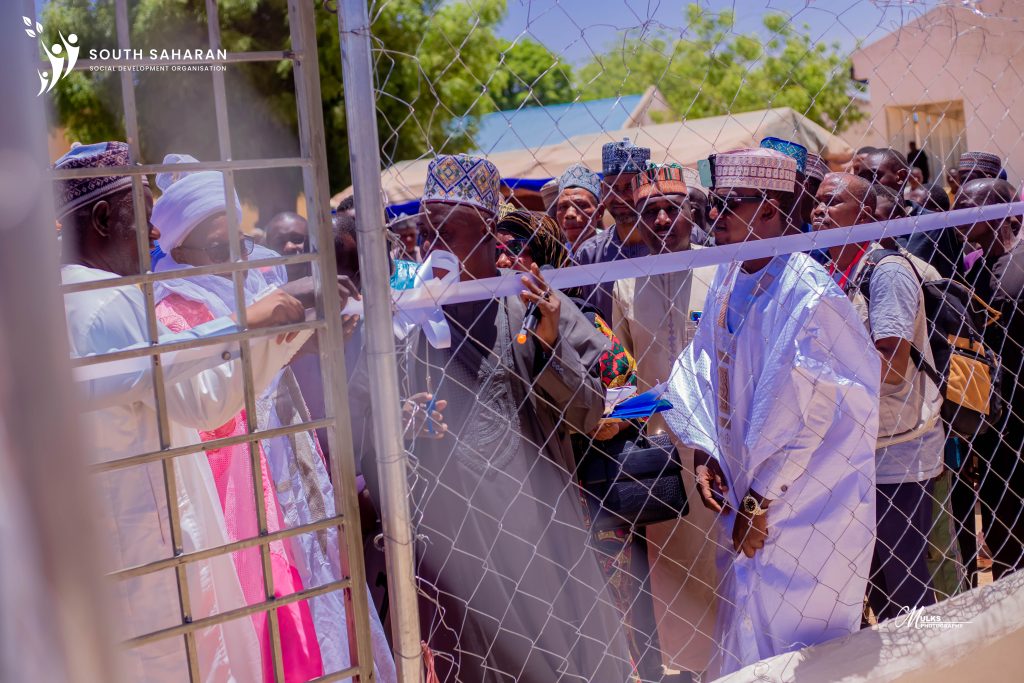
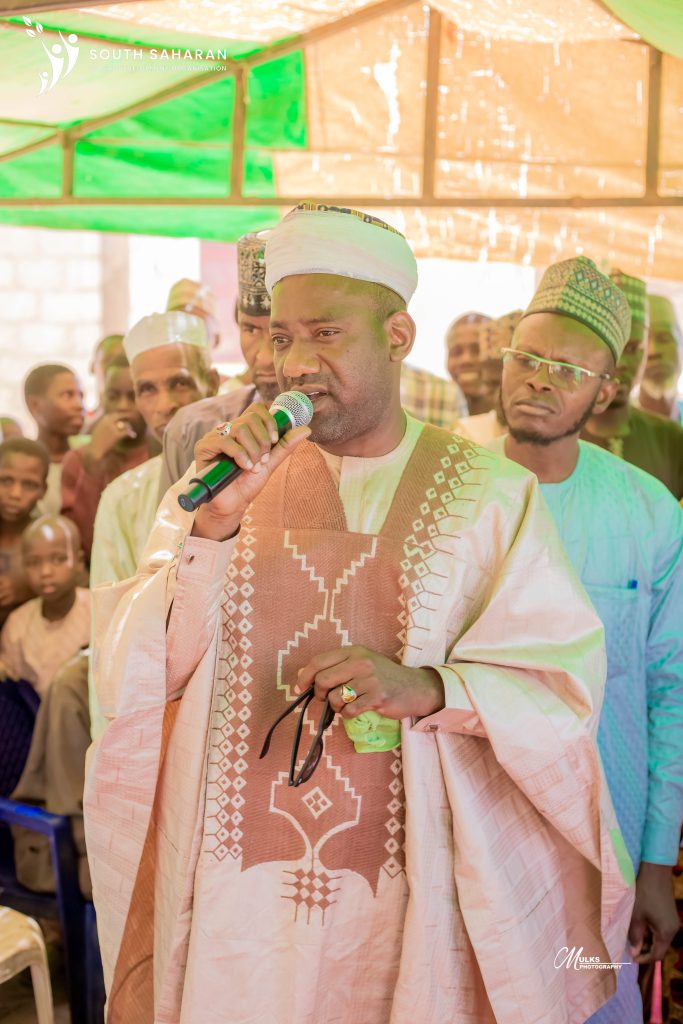
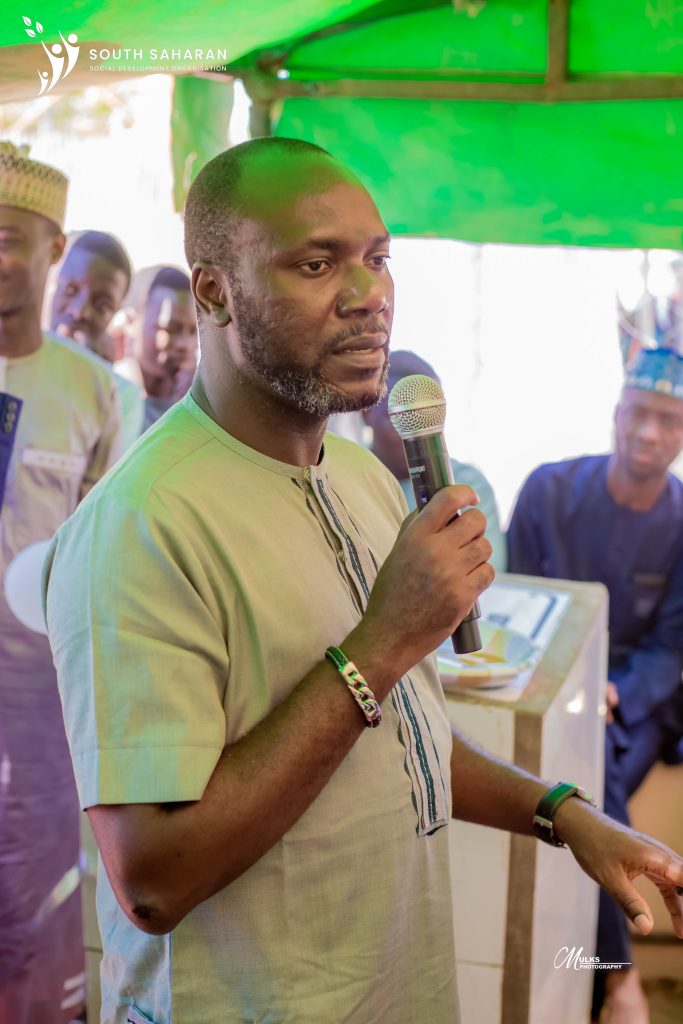
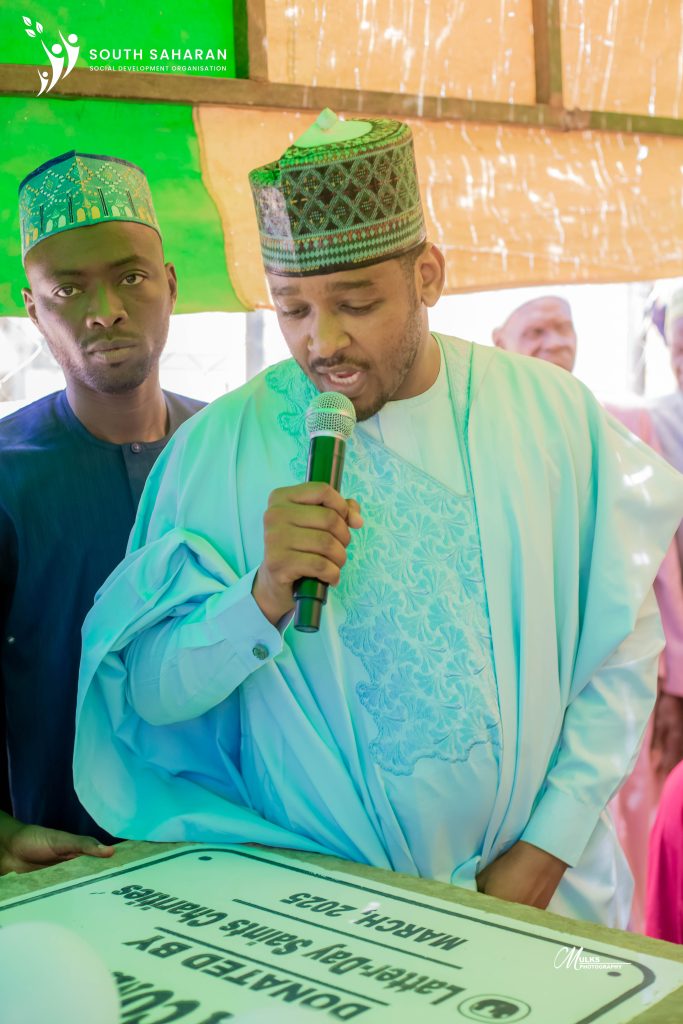
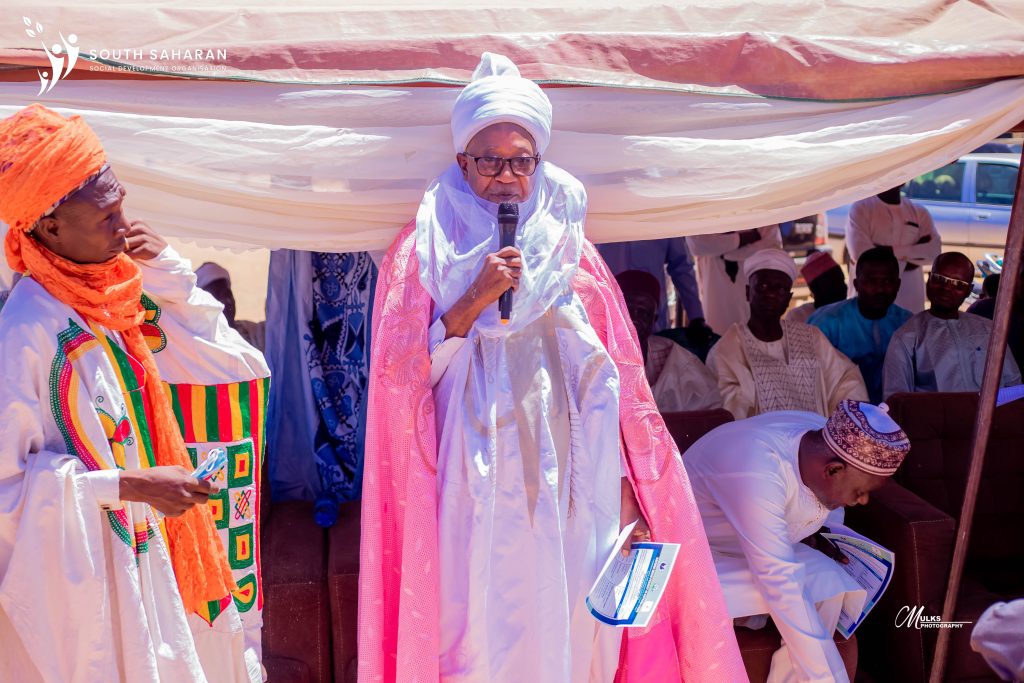
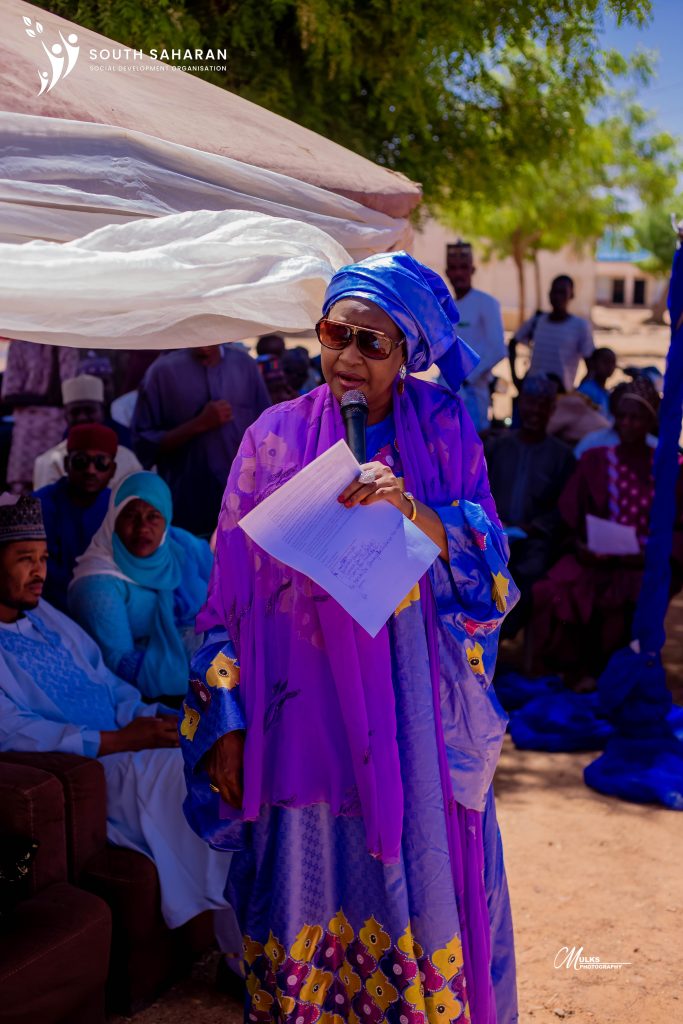
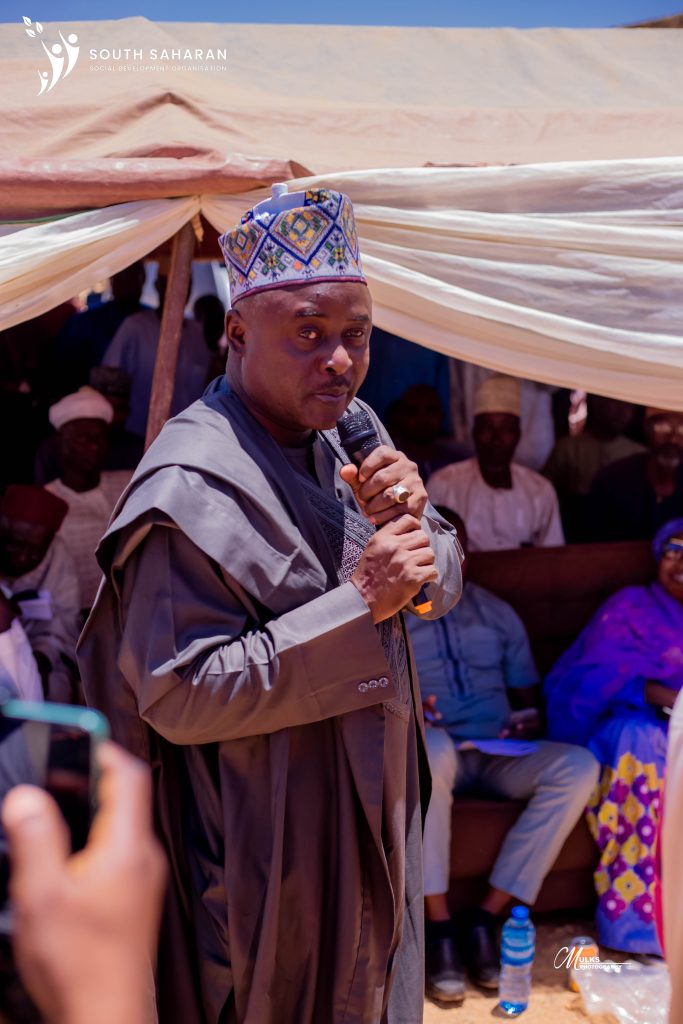
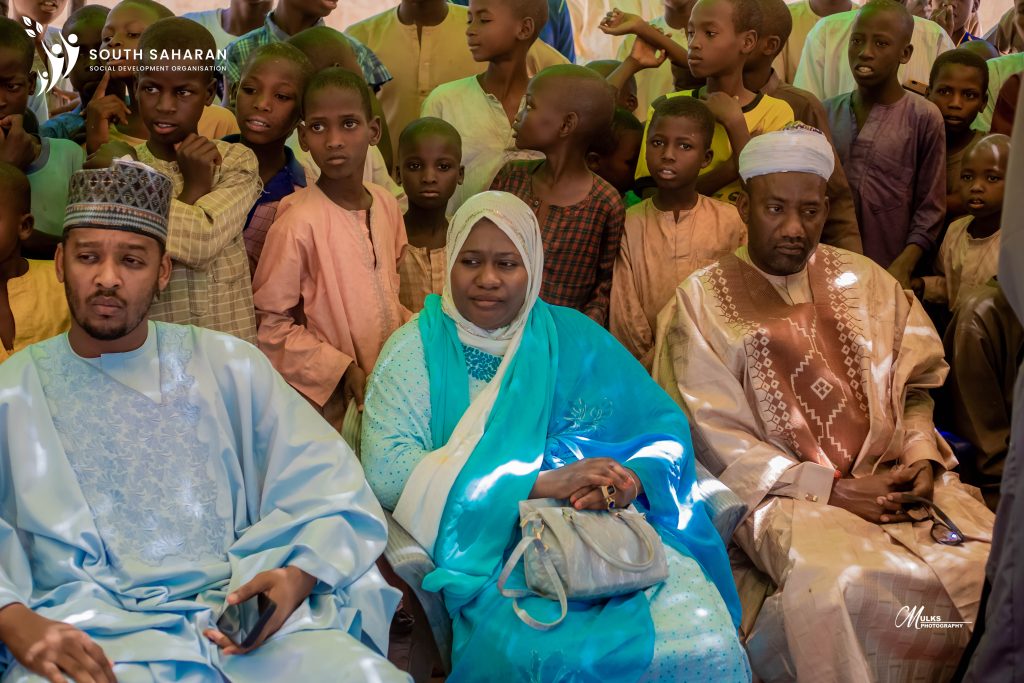
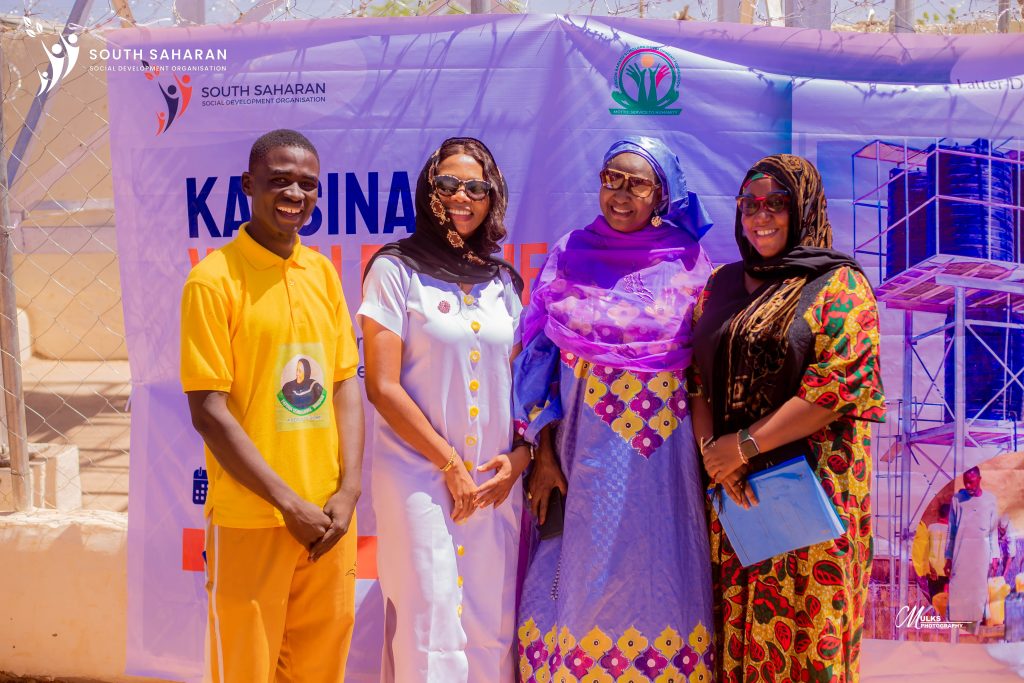
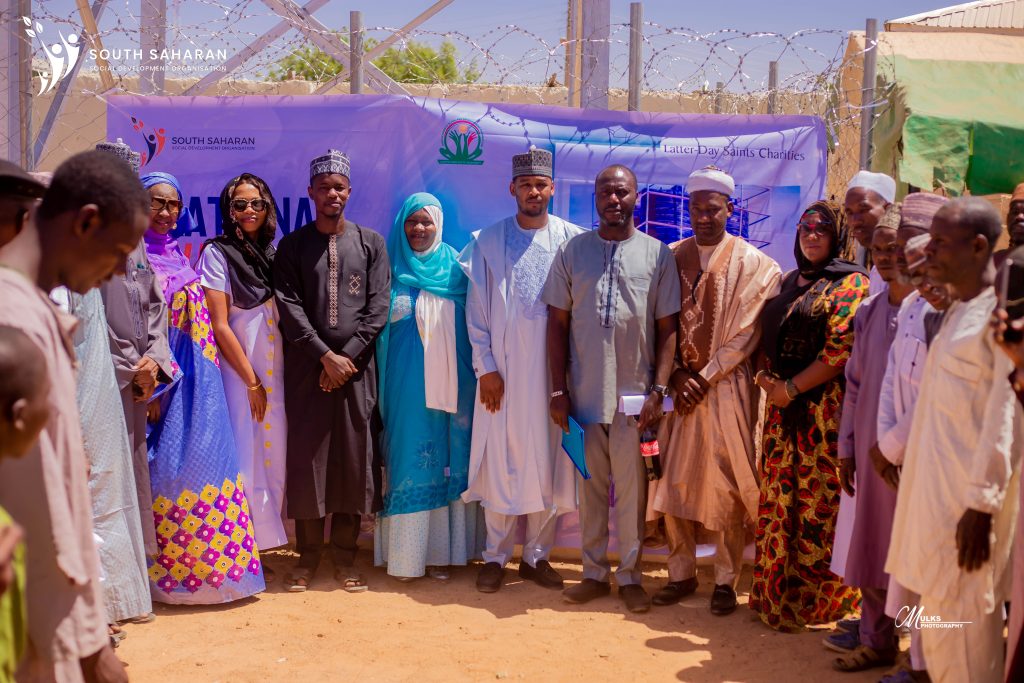
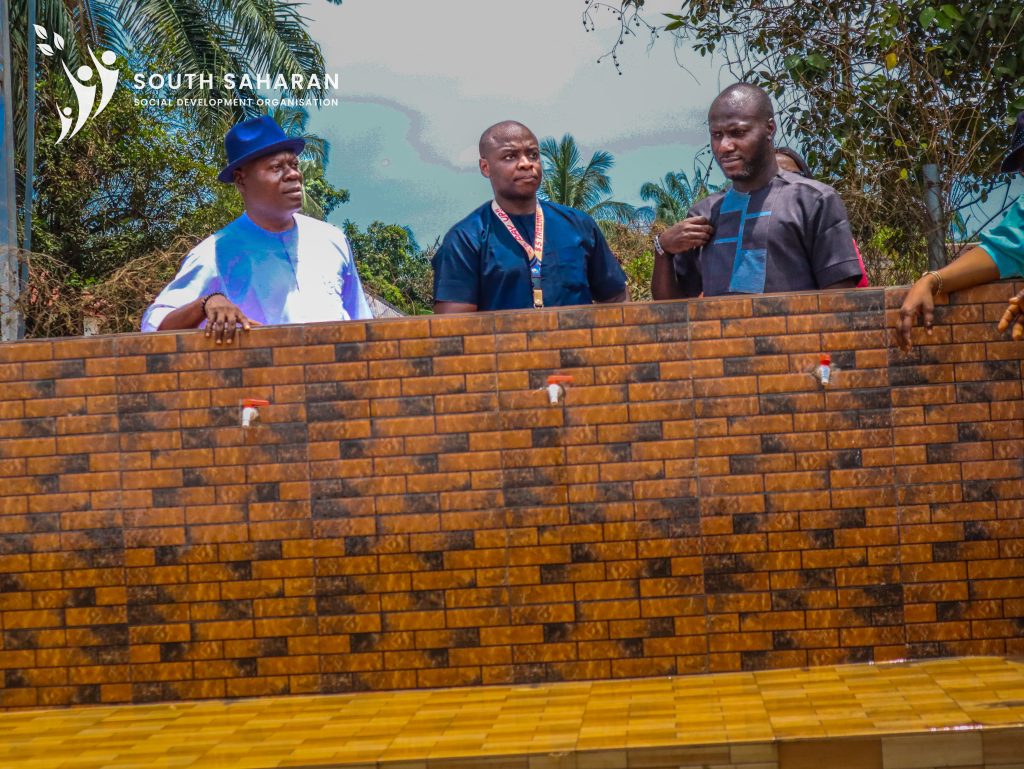
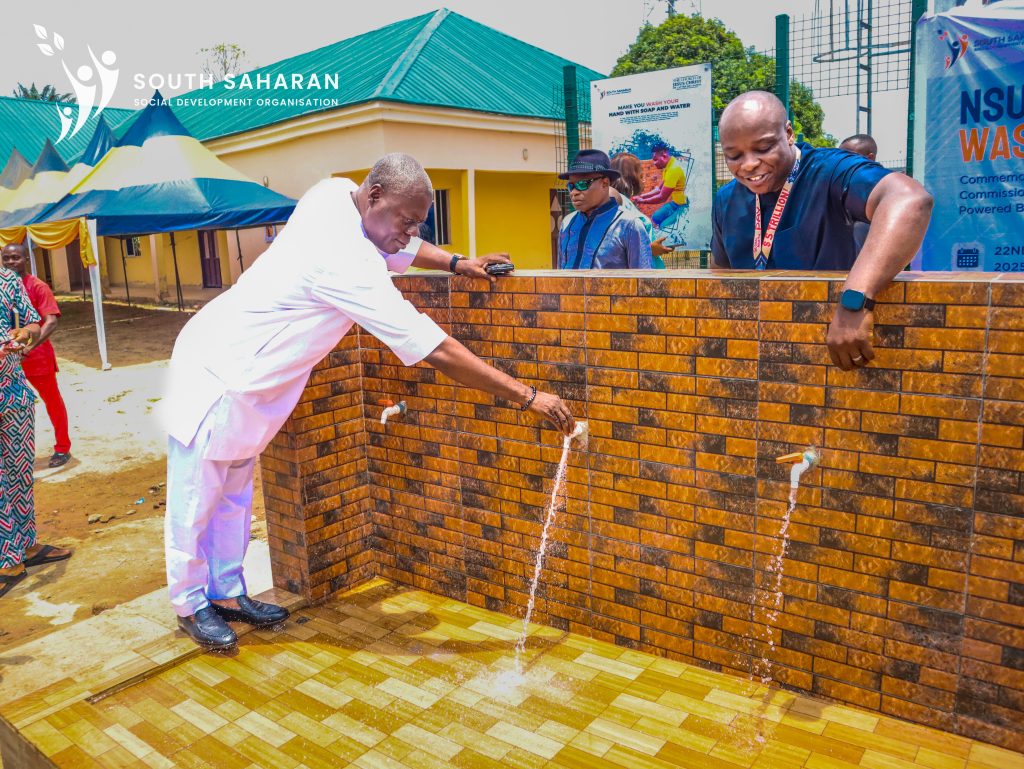
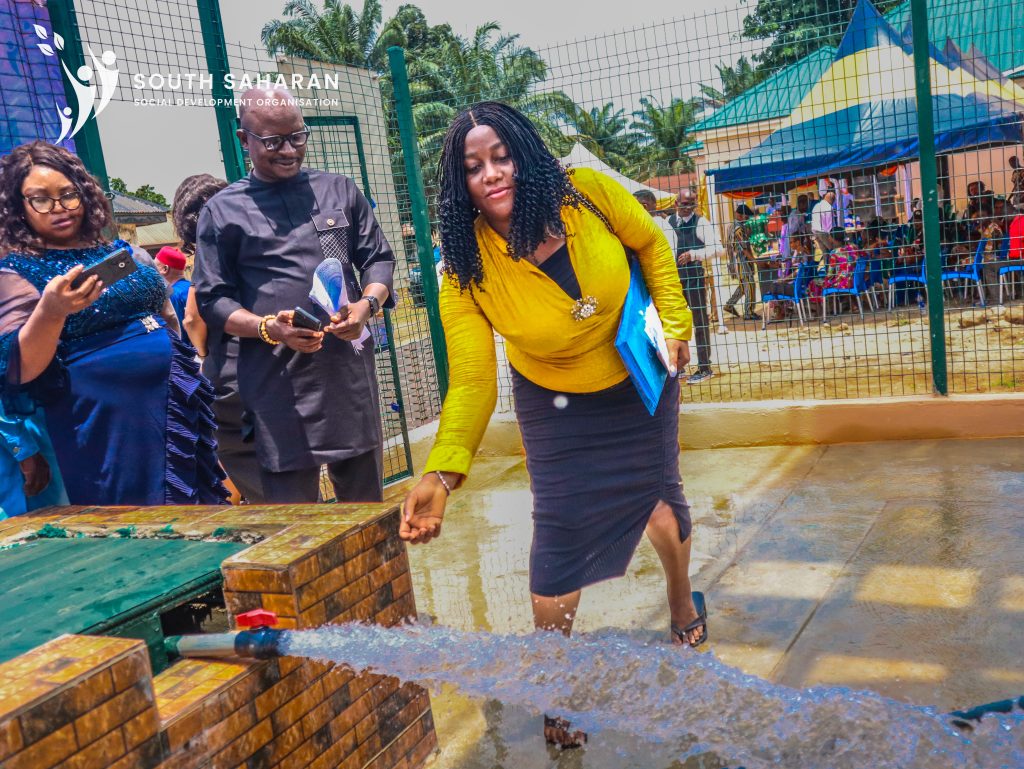
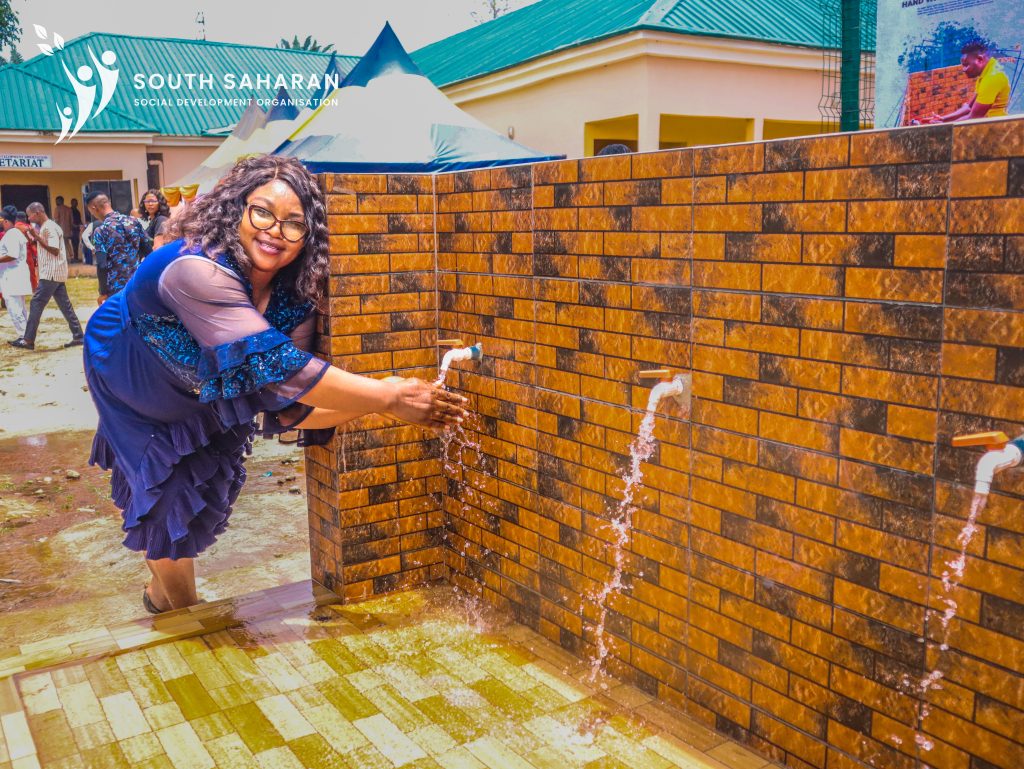
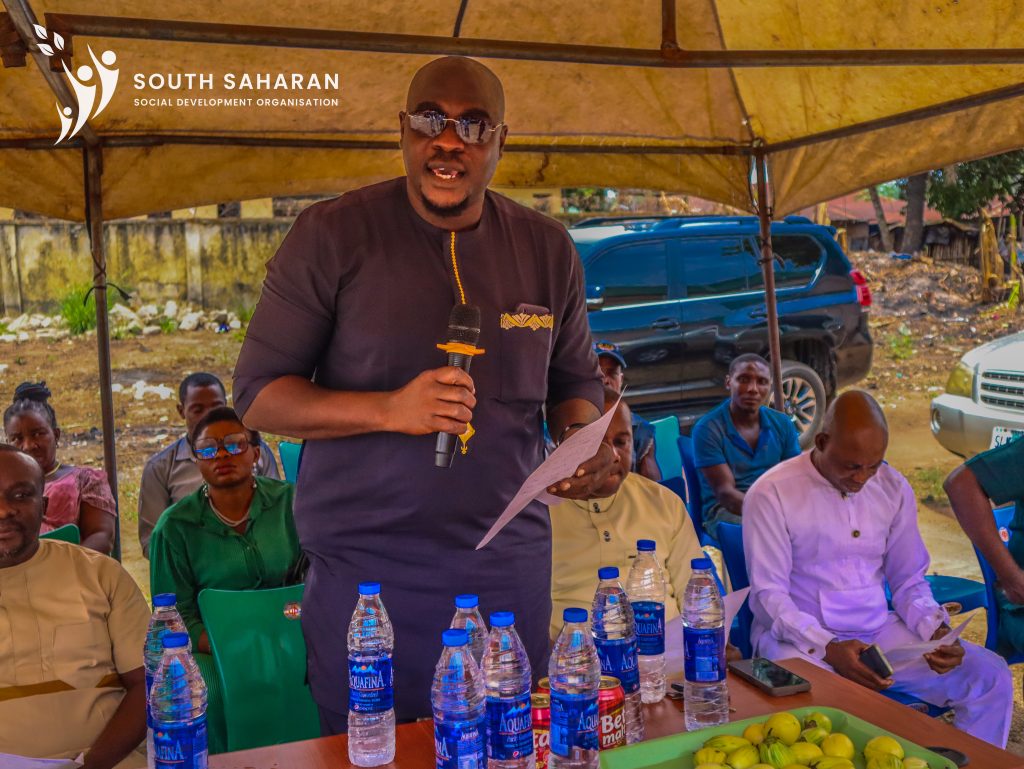
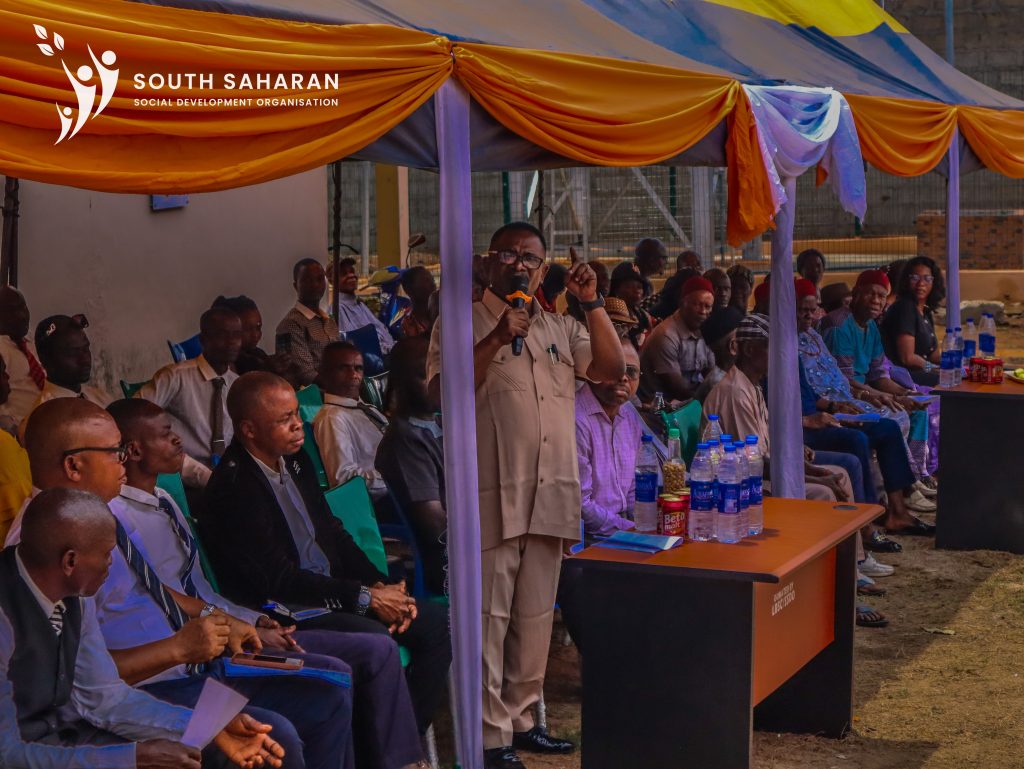
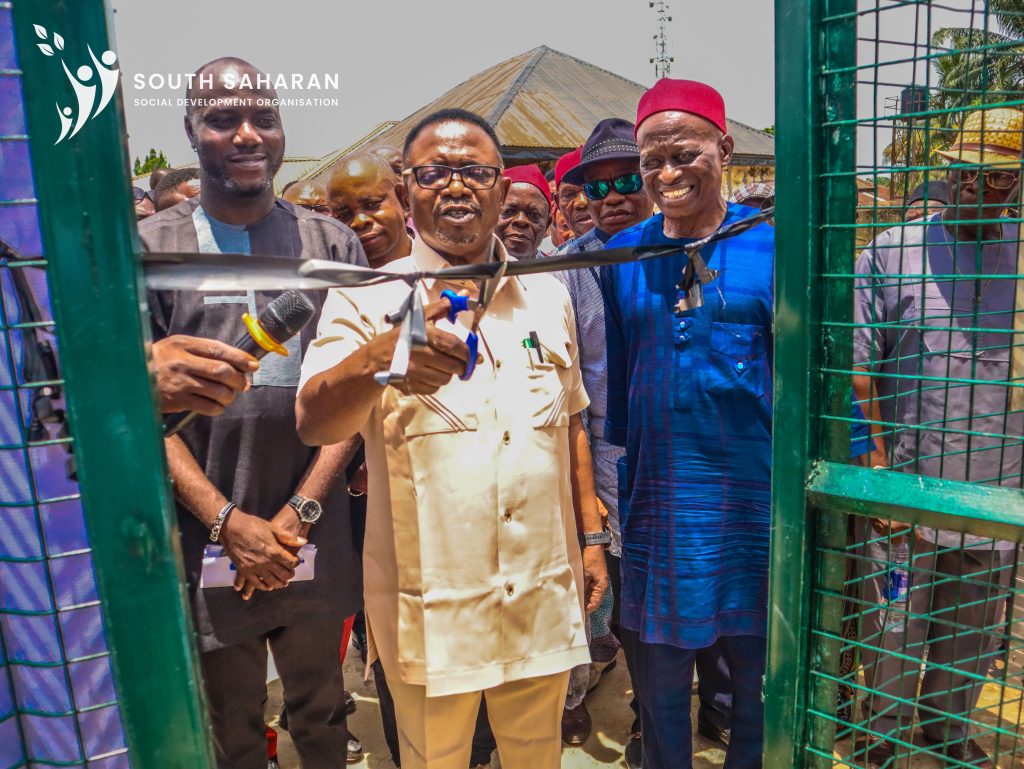
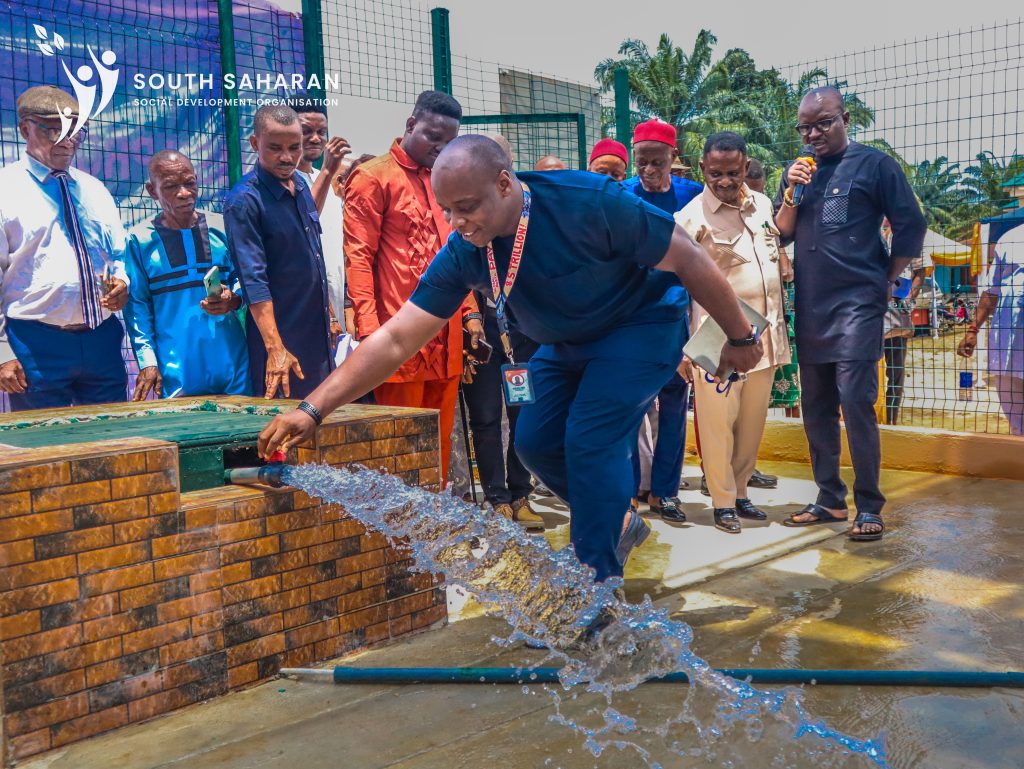
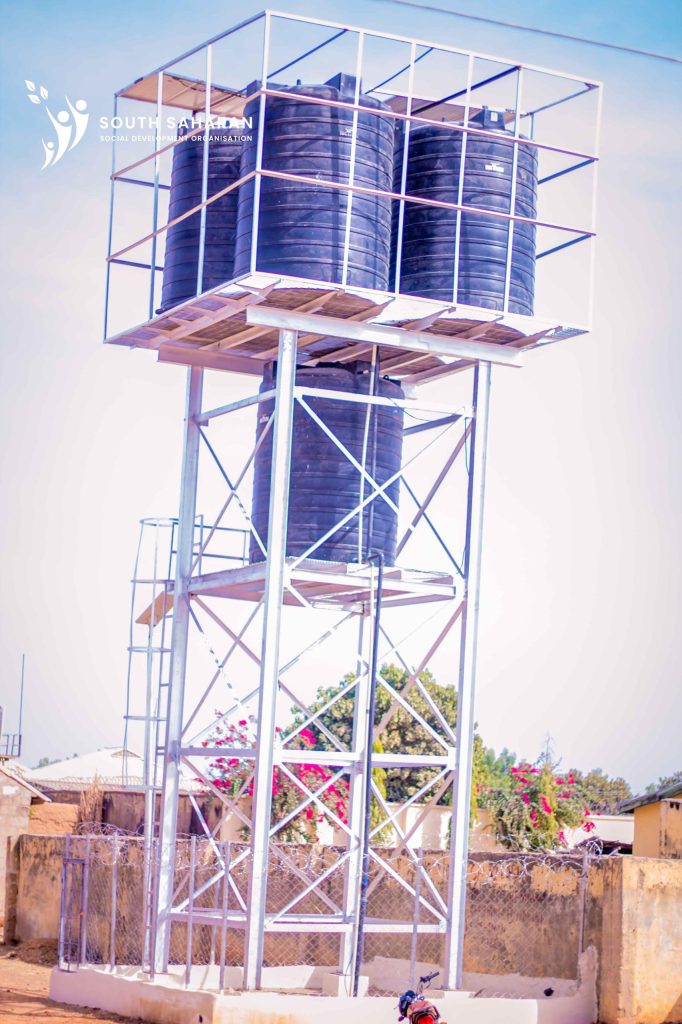
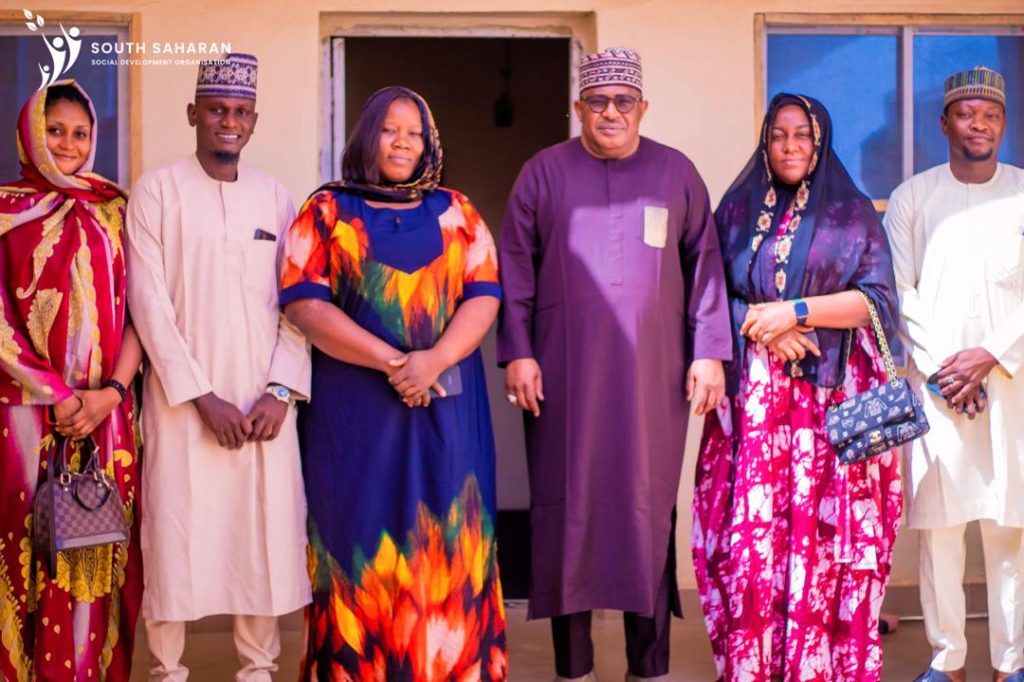
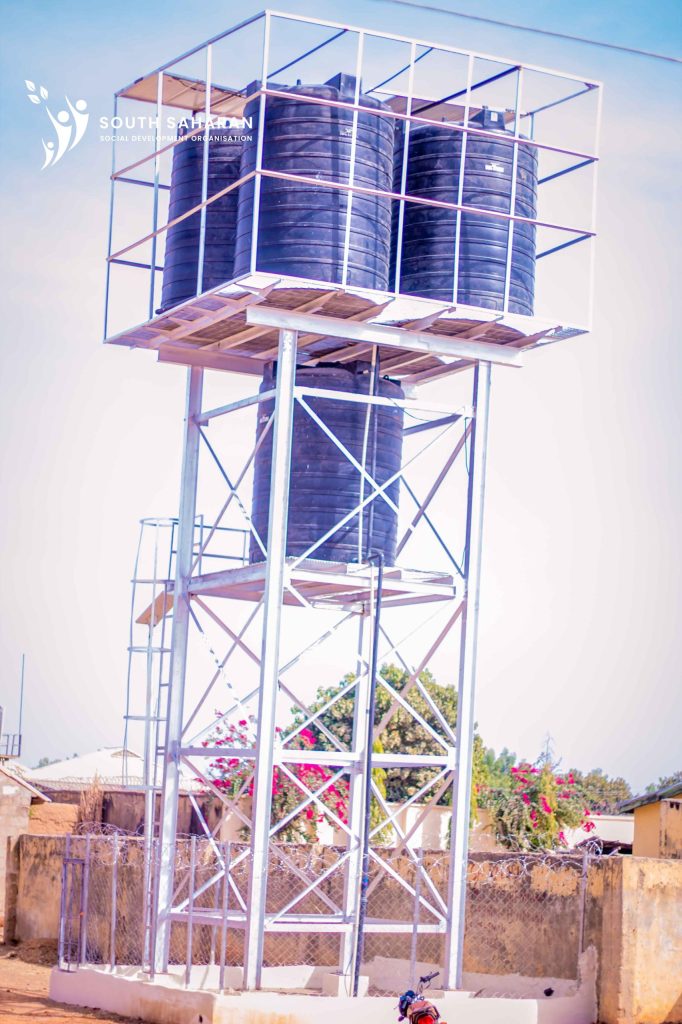
South Saharan Social Development Organisation (SSDO), in partnership with the Katsina State Government and Kiskon Karatu Scholars Development Foundation, and with funding support from Latter-day Saints Charities, has commissioned two 50,000-litre solar-powered boreholes in Kankia and Bindawa Local Government Areas of Katsina State.
A Community Milestone
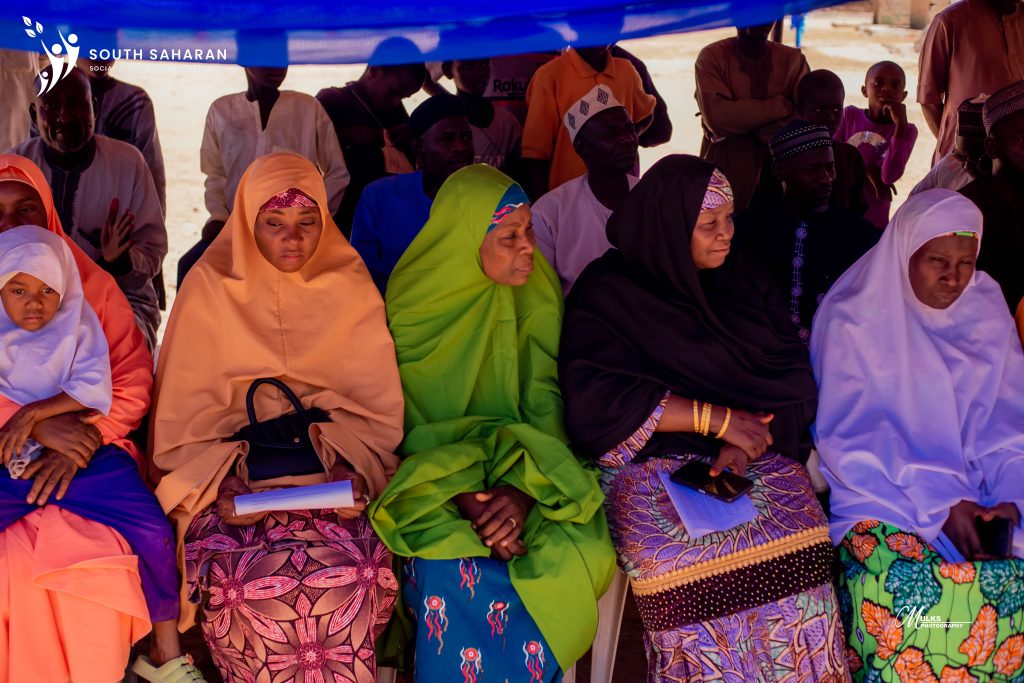
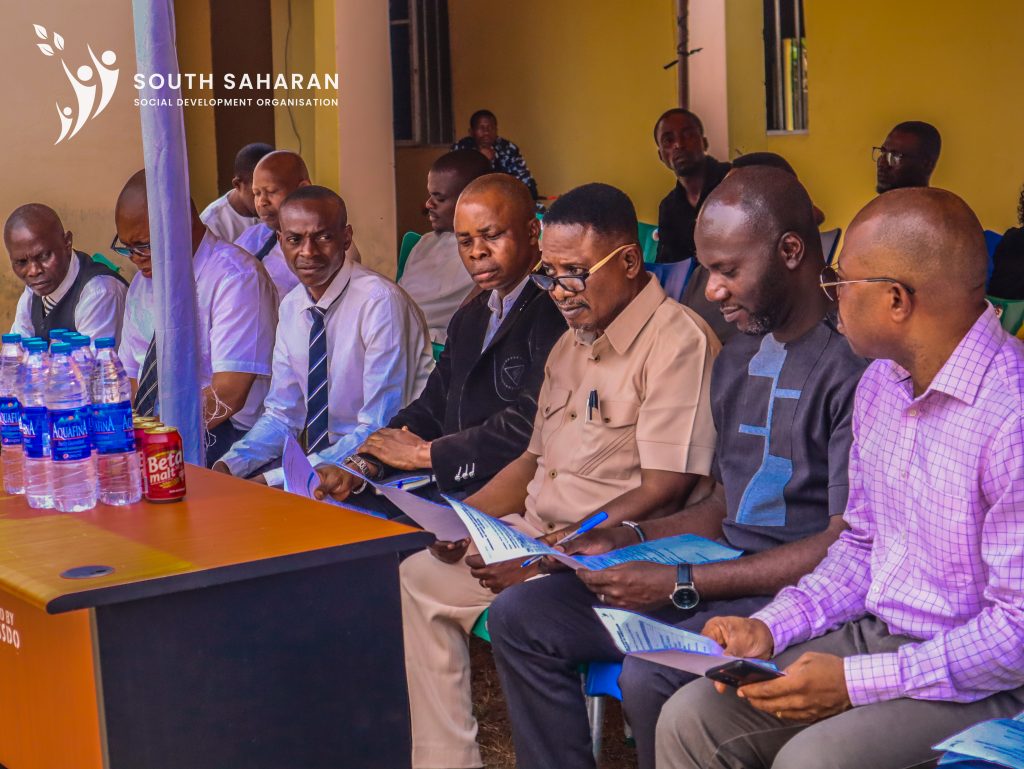
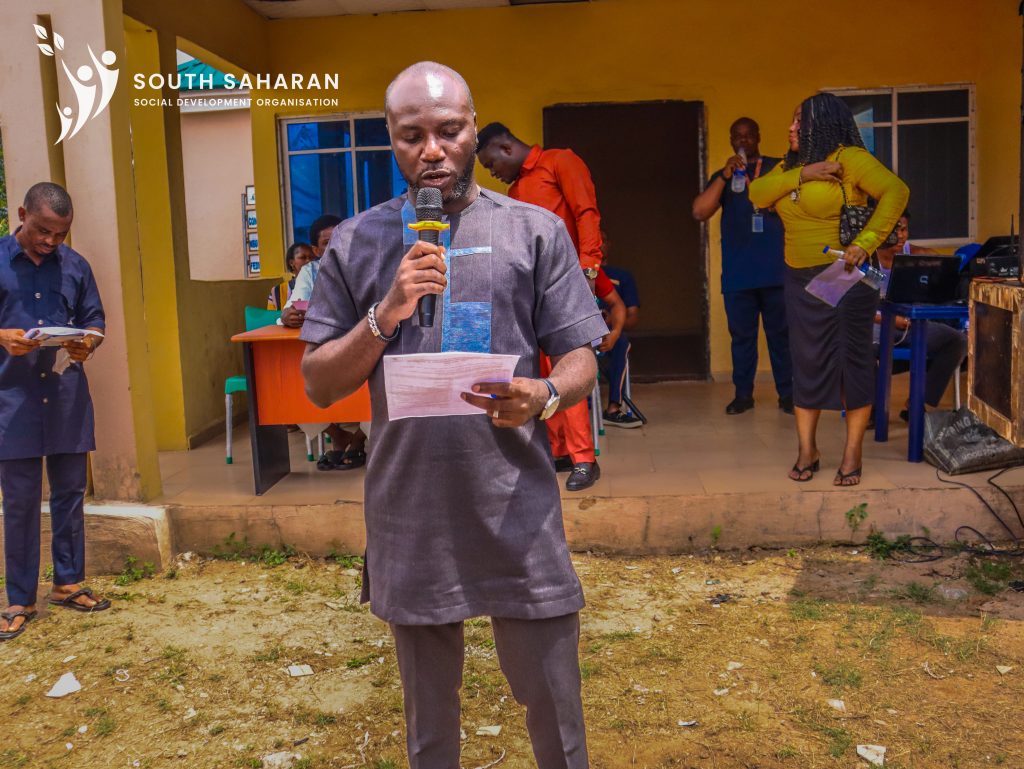
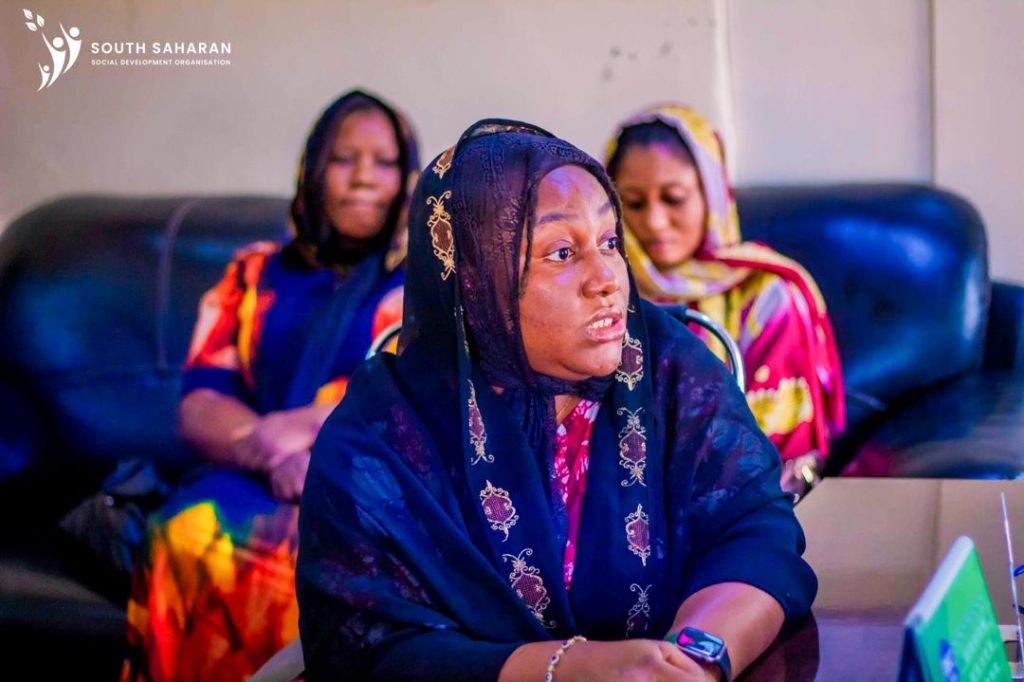
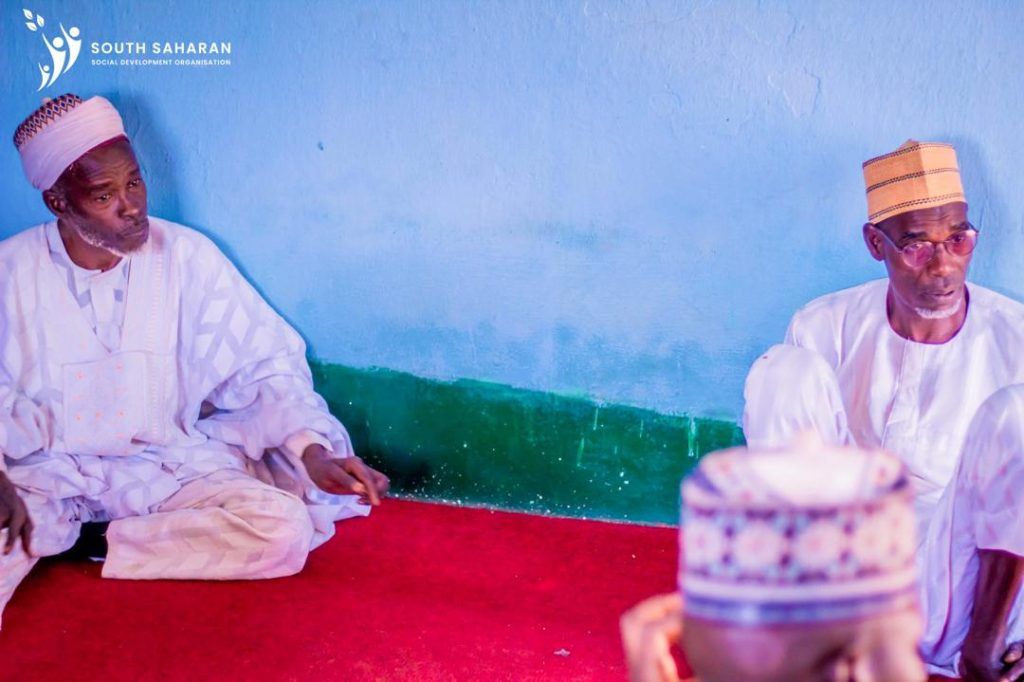
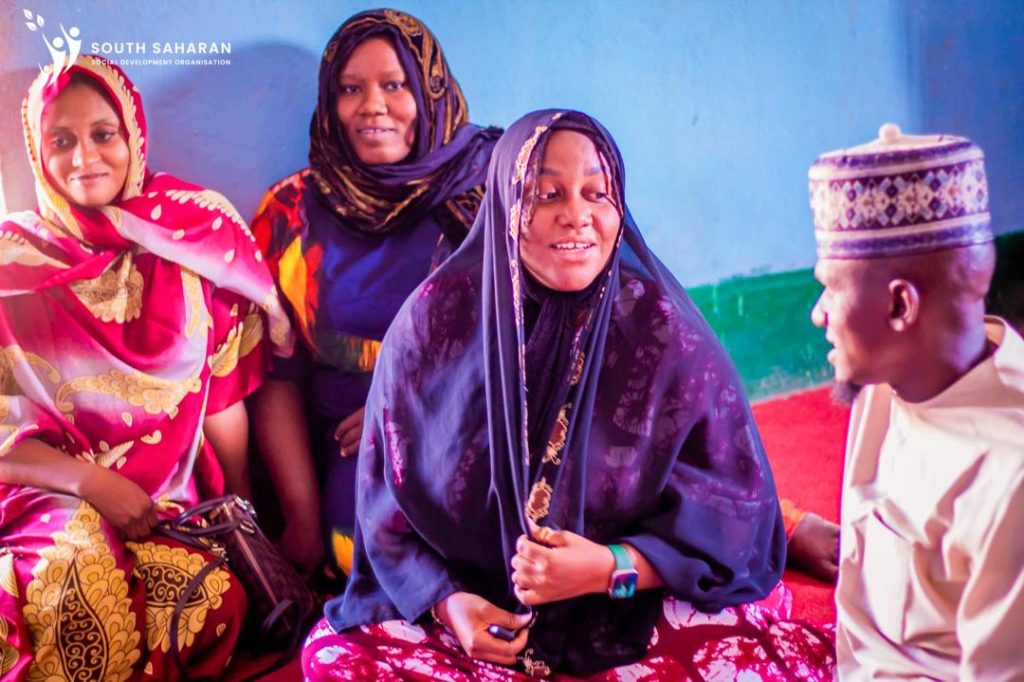
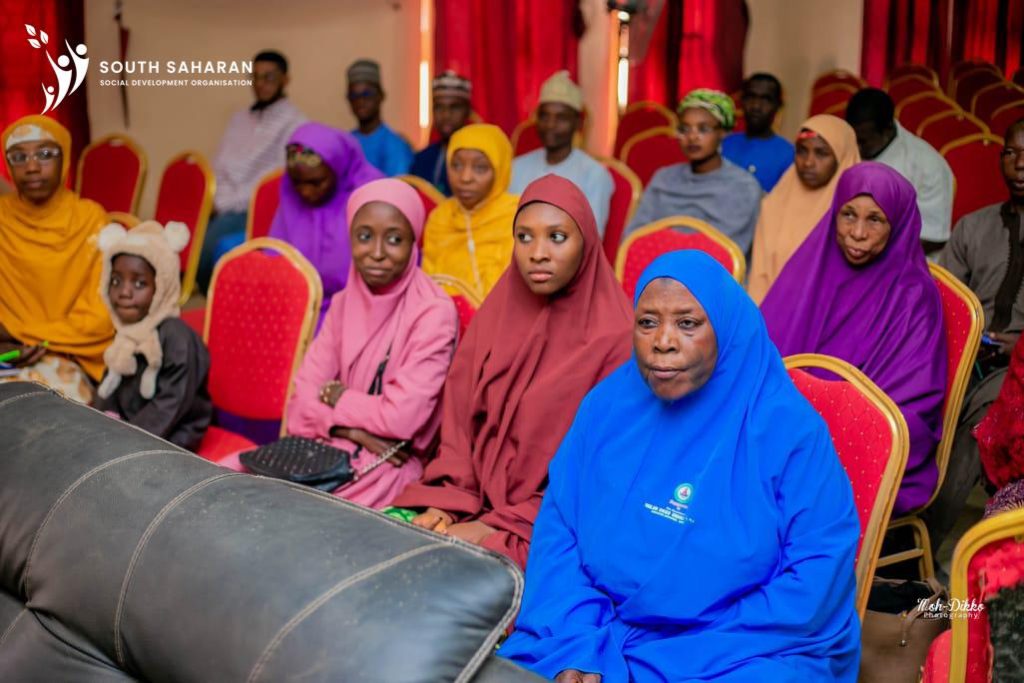
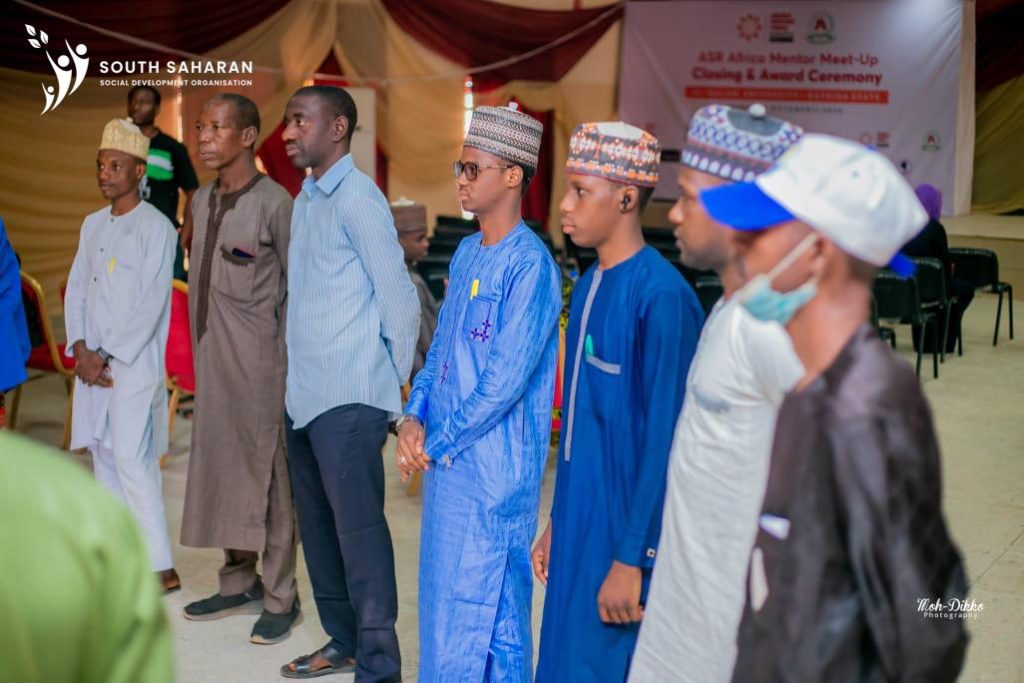
The commissioning ceremonies, held separately in both LGAs, brought together community leaders, government officials, academia, and residents to celebrate this important step towards solving water access challenges in the area. Smiles, applause, and shared gratitude filled the air as attendees witnessed a dream come true for many families.
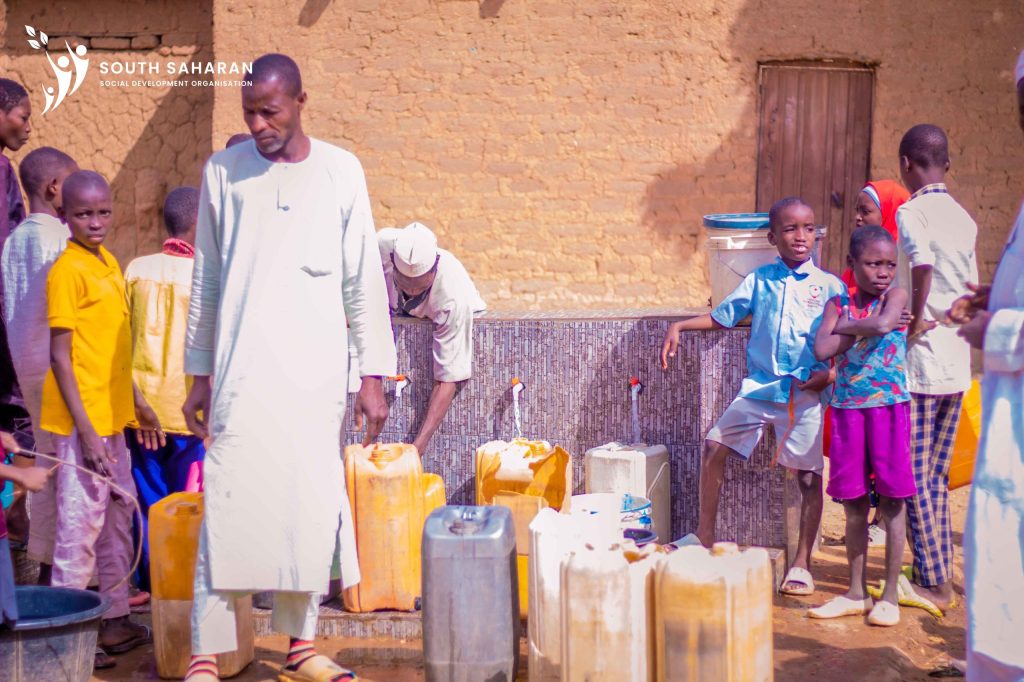
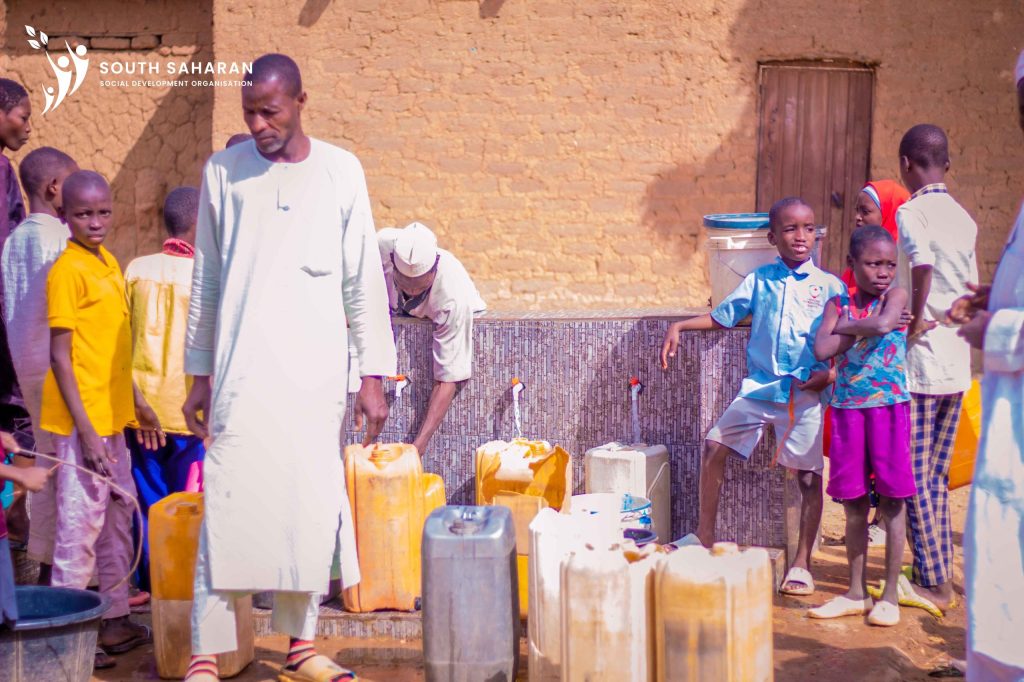
Each borehole, equipped with dual reticulation systems and powered by solar energy, is designed to deliver clean, safe, and reliable water to key locations. With this, thousands of residents will no longer need to walk long distances or rely on unsafe water sources.
Celebrating Progress
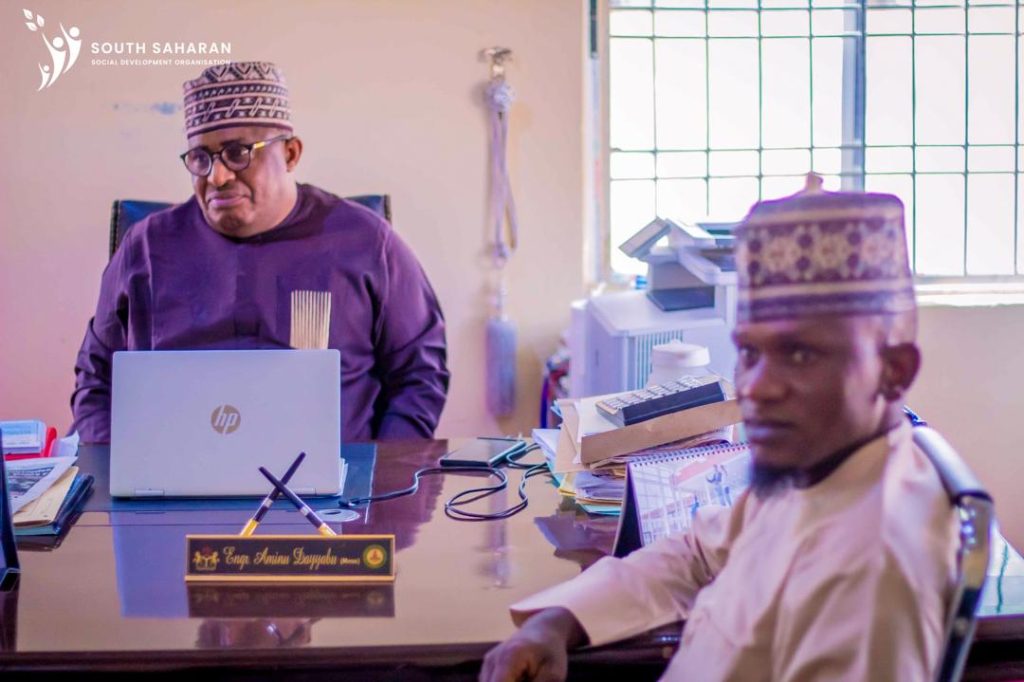
The Honourable Commissioner for Water Resources, Dr. Bishir Gambo Saulawa, commissioned the facilities on behalf of the Katsina State Government. He praised the joint effort that made the project a success and reaffirmed the government’s commitment to expanding access to clean water across rural communities.
Community members also shared their excitement and relief. For them, the boreholes represent not just water, but renewed hope for better living conditions and improved community health.
Building a Healthier Future
This intervention aligns with SSDO’s commitment to advancing development by putting people at the centre of solutions. By working closely with partners and communities, SSDO continues to promote inclusive growth through access to essential services.
Thank you to all who joined the celebrations in Kankia and Bindawa. Together, we are making clean water a reality one community at a time.
At South Saharan Social Development Organisation (SSDO), we recognize that access to safe water is more than just a necessity – it is a fundamental right. Our dedication to creating healthier communities has driven us to implement sustainable water, sanitation, and hygiene (WASH) solutions in underserved areas. One of our latest initiatives, the Nsukwa WASH Project, is making a lasting impact by improving water access and promoting better hygiene practices in Nsukwa, Delta State.
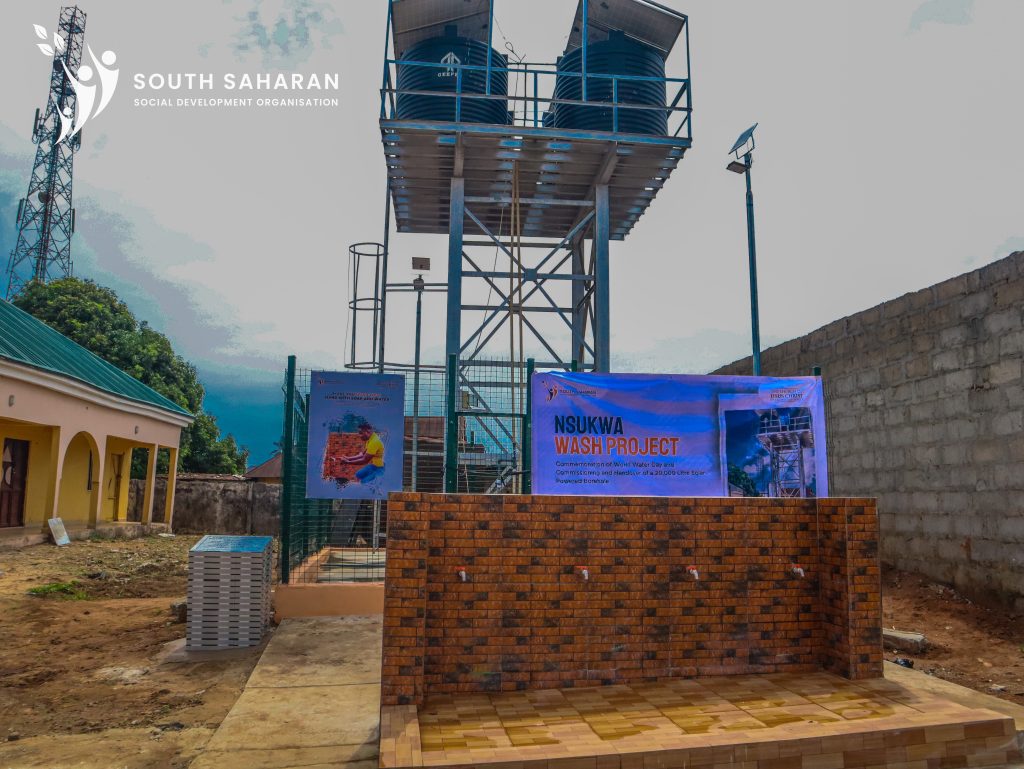
With support from The Church of Jesus Christ of Latter-day Saints, SSDO launched the Nsukwa WASH Project to ensure clean water availability while promoting long-term sanitation and hygiene improvements. This project is designed to empower the community with the resources and knowledge needed to sustain healthy living conditions. A key achievement under this initiative is the installation of a 20,000-litre solar-powered borehole, which now provides residents with a reliable supply of clean water for daily use.
Engaging Traditional Leaders for Sustainable Impact
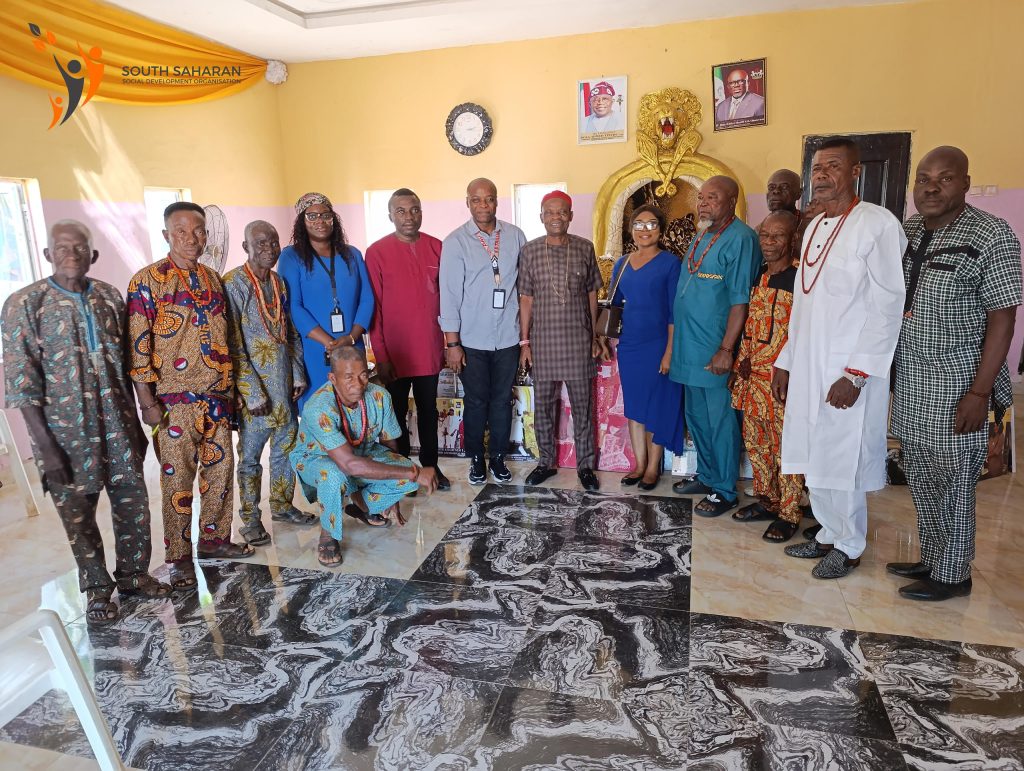
Community leadership plays a crucial role in driving development and ensuring long-term sustainability. Before initiating the WASH Triggering Session in Nsukwa, SSDO met with the Obi of Nsukwa, along with his council members. This engagement helped raise awareness about the importance of proper sanitation and hygiene while securing their commitment to supporting the project. By involving community leaders from the outset, SSDO is fostering local ownership and ensuring that the initiative remains effective for years to come.
Training Volunteer Hygiene Promoters to Champion Health
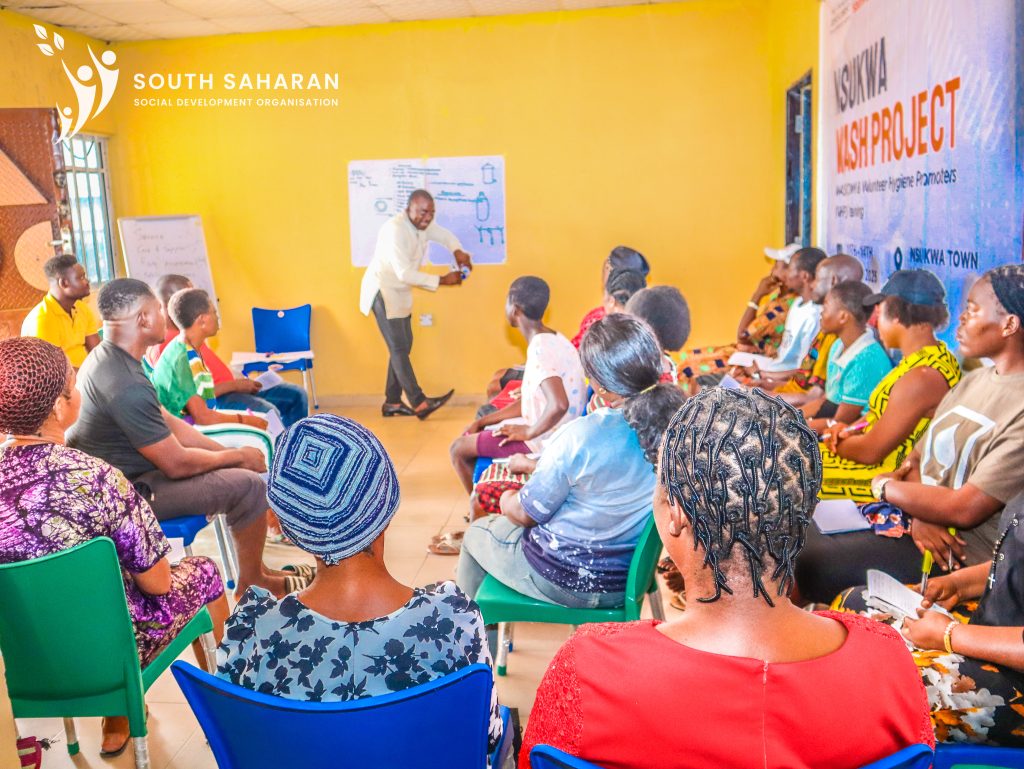
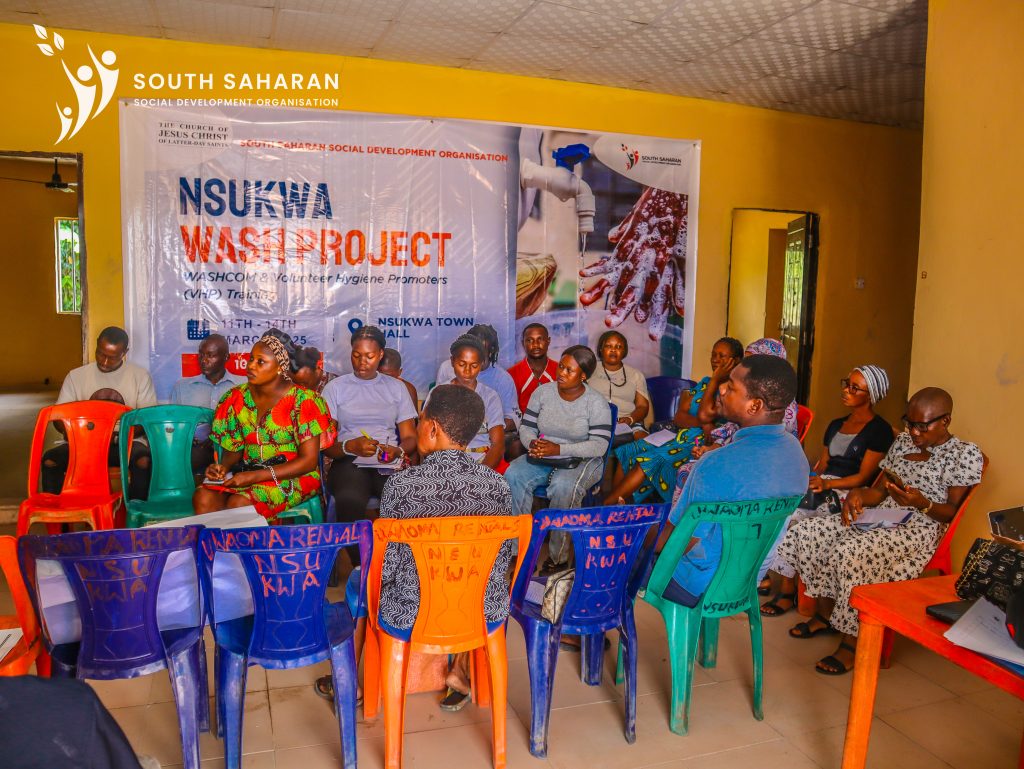
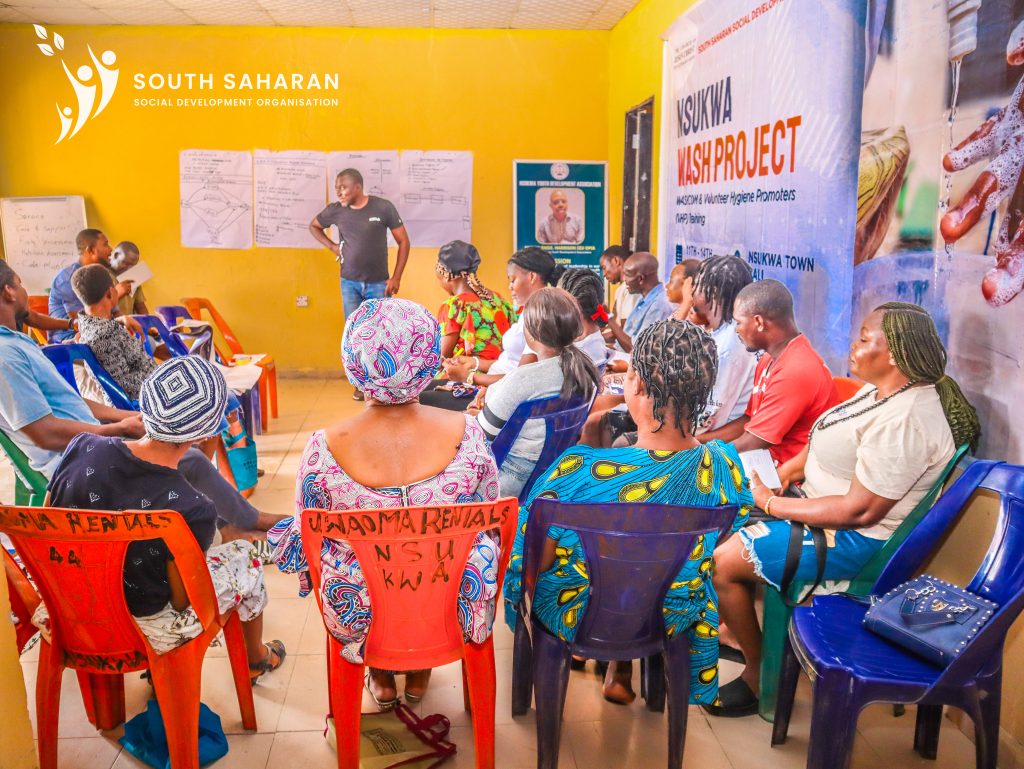
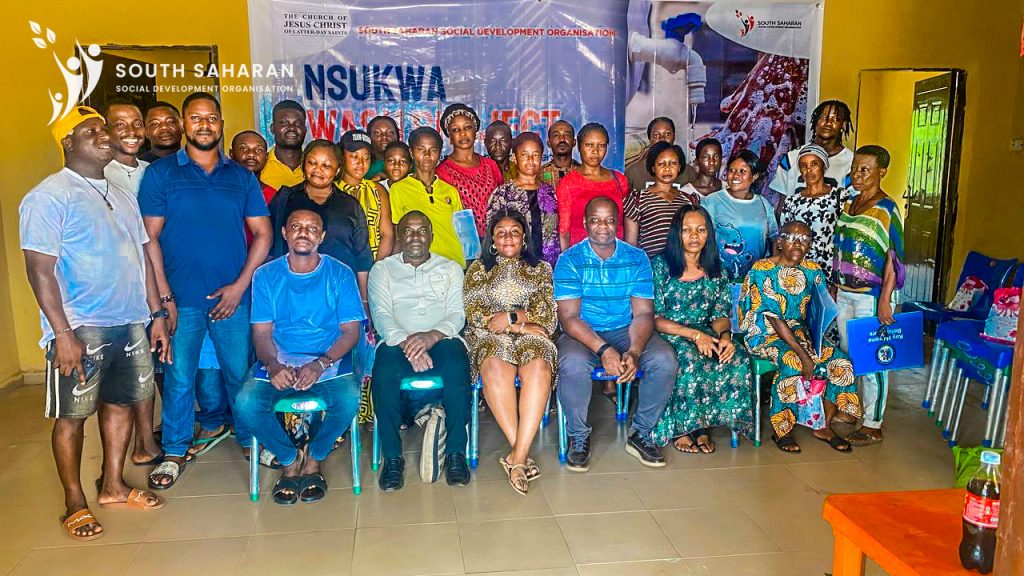
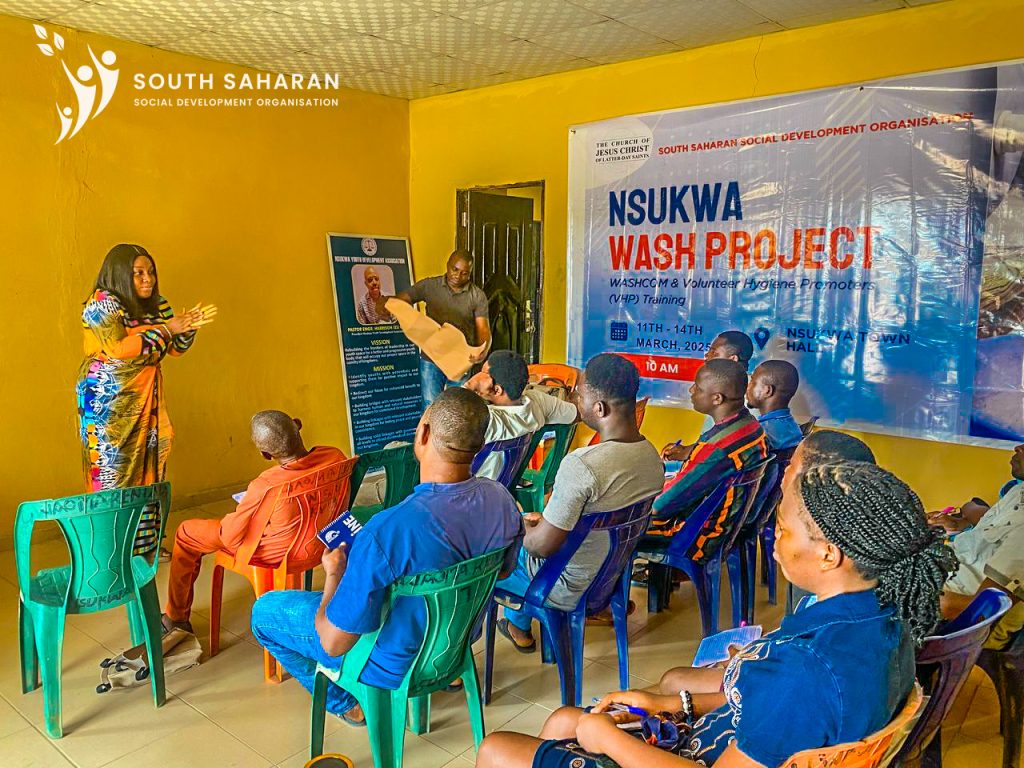
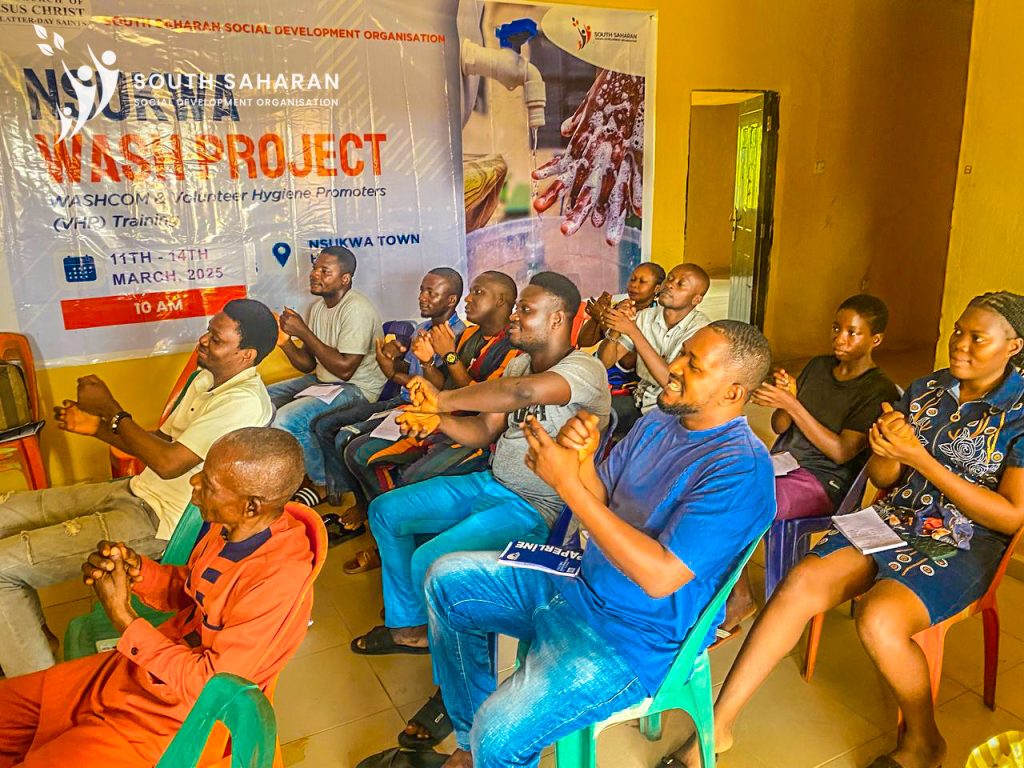
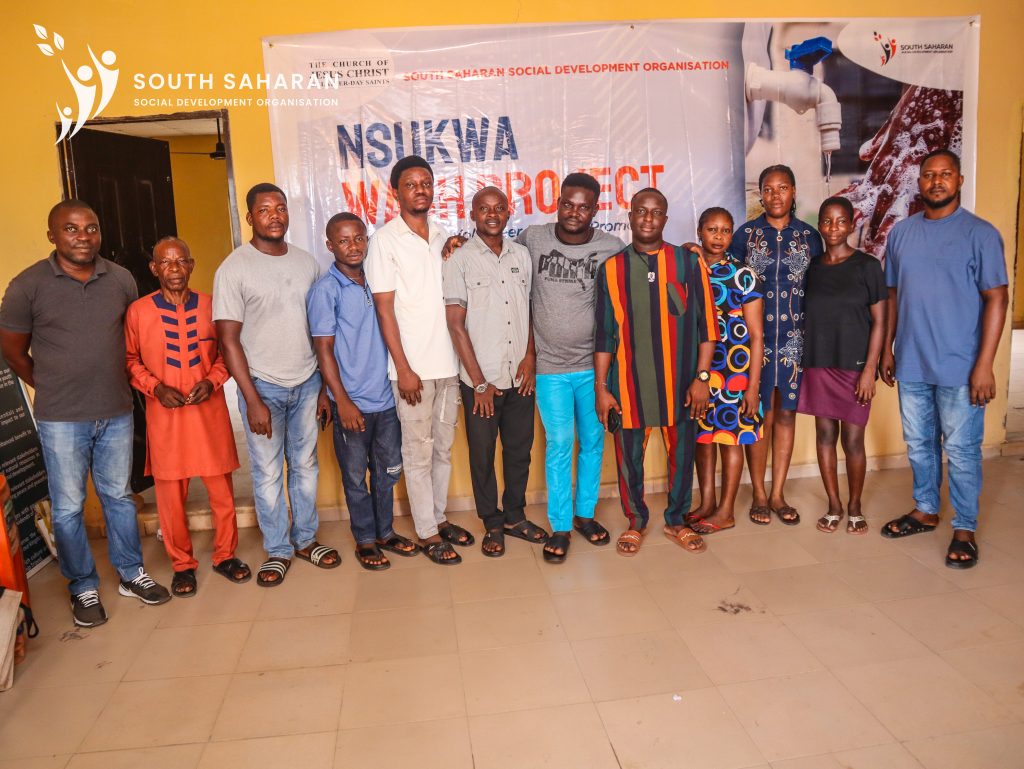
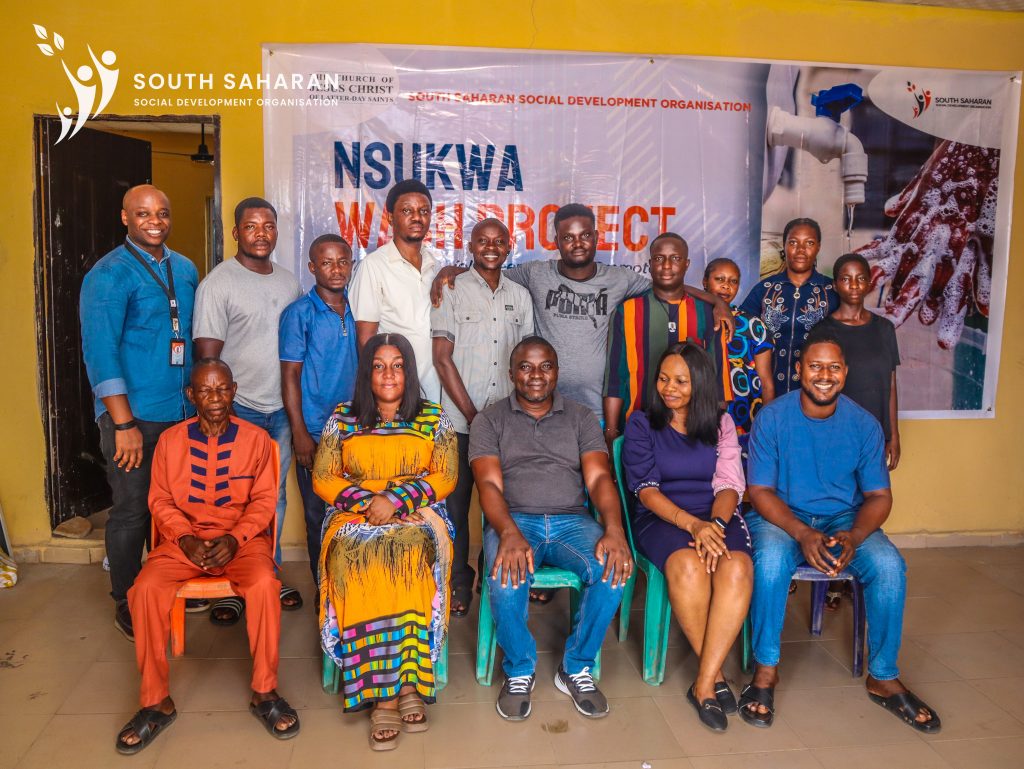
Community participation is essential in creating lasting change, which is why SSDO trained 25 Volunteer Hygiene Promoters (VHPs) from Nsukwa. These individuals received hands-on training in hygiene education, disease prevention, and sanitation management. Now equipped with vital knowledge, they are actively teaching residents about safe handwashing, proper waste disposal, and measures to prevent waterborne diseases.
Through their outreach efforts, these VHPs are helping to instill positive hygiene habits, reducing the risk of illnesses, and improving overall community health. By investing in people, SSDO is ensuring that the benefits of this initiative extend far beyond infrastructure.
Strengthening Community WASH Committees for Sustainability
Maintaining access to clean water requires long-term planning and management. To achieve this, SSDO trained 12 members of the Nsukwa Water, Sanitation, and Hygiene Committee (WASHCOM), providing them with the skills to oversee and maintain the community’s water system. These committee members are now responsible for borehole maintenance, ensuring water quality, and promoting best sanitation practices.
By empowering community-led WASH committees, SSDO is creating a self-sustaining system that guarantees continued water access and better hygiene for future generations.
Celebrating World Water Day with a Life-Changing Borehole
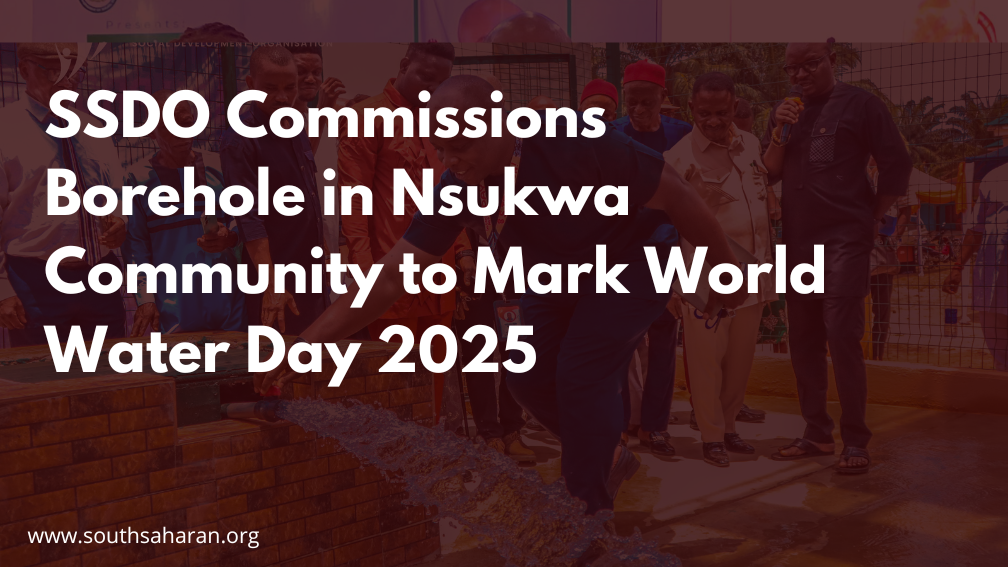
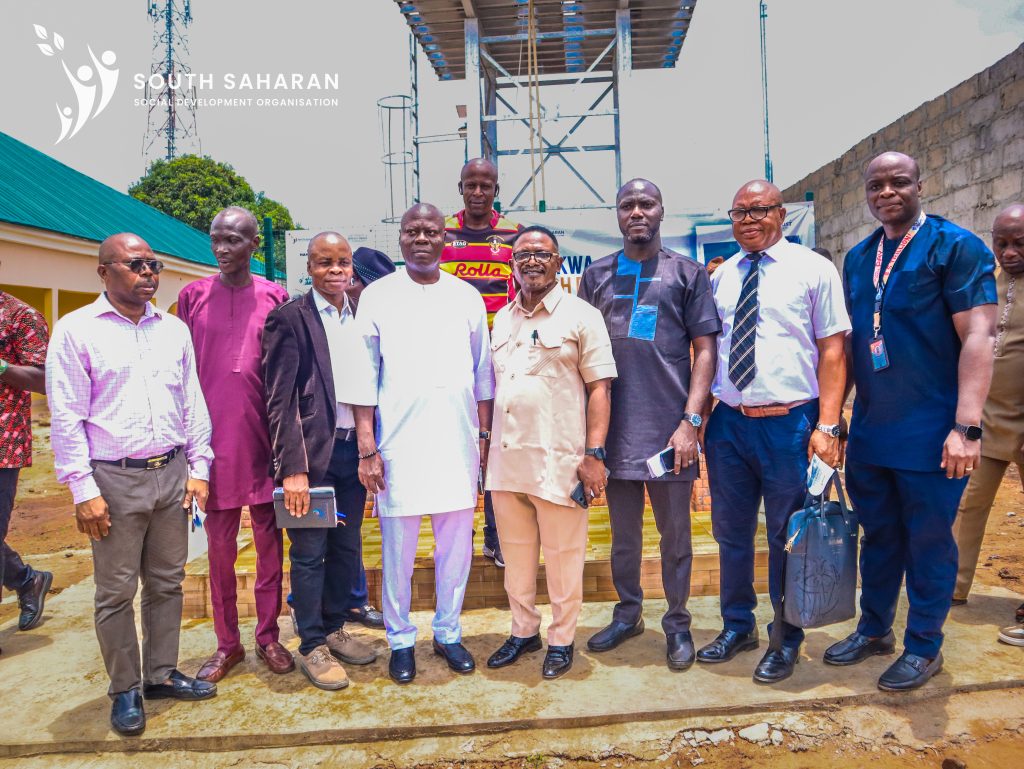
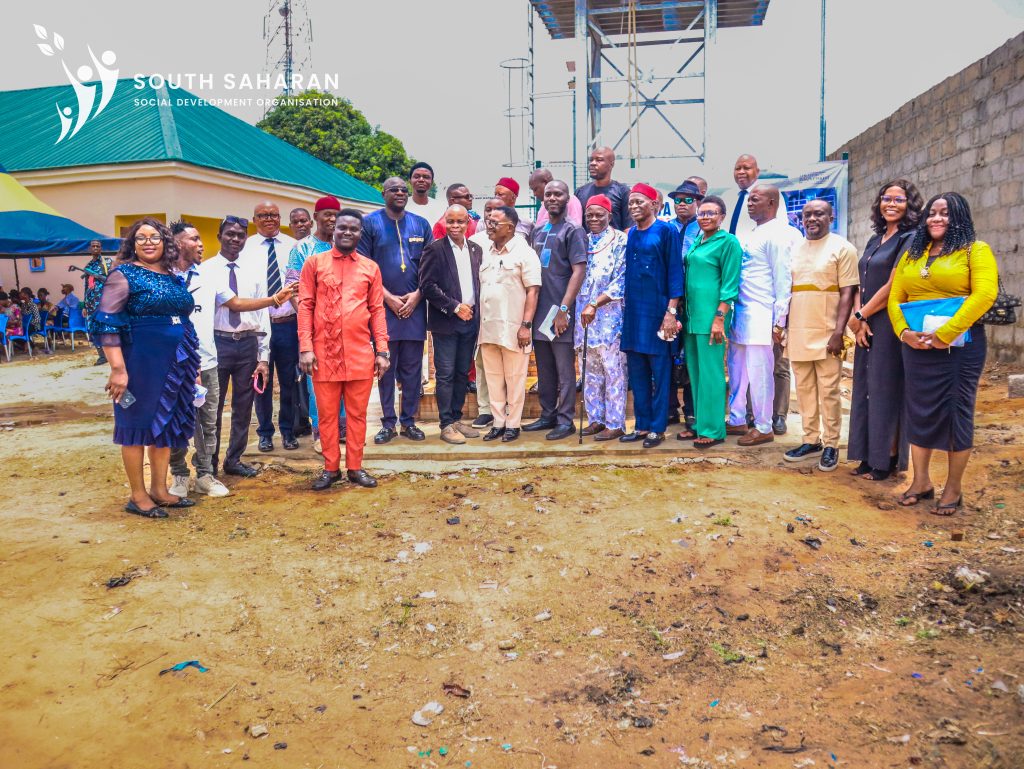
In commemoration of World Water Day 2025, SSDO, with support from The Church of Jesus Christ of Latter-day Saints, constructed a 20,000-litre solar-powered borehole in Nsukwa. Strategically reticulated to key locations within the community, this project has significantly improved access to clean water, benefiting hundreds of residents.
The commissioning ceremony was attended by key government officials, including the Honourable Commissioner for Technical Education, the Honourable Commissioner for Water Resources, and the Leader of the 7th Assembly of Aniocha South LGA. Their presence highlighted the importance of partnerships in addressing critical development challenges and ensuring long-term solutions for water access.
A Future Built on Clean Water and Good Health
The Nsukwa WASH Project is more than just an intervention—it is a movement towards a healthier, more resilient community. Through leadership engagement, hygiene training, and sustainable water infrastructure, SSDO and its partners are paving the way for long-term transformation in Nsukwa.
This milestone would not have been possible without the generous support of The Church of Jesus Christ of Latter-day Saints, as well as the dedication of the Nsukwa community. As we look ahead, SSDO remains committed to expanding our impact, ensuring that more communities gain access to clean water, improved hygiene, and sustainable sanitation systems.
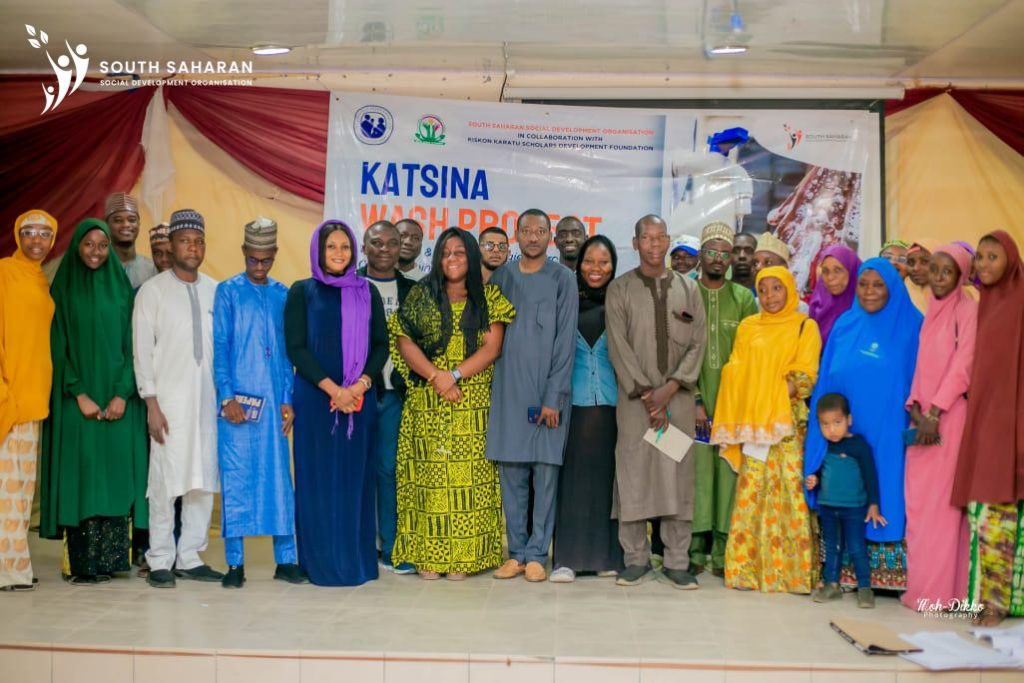
At South Saharan Social Development Organization (SSDO), we firmly believe that access to clean water is not merely a necessity but an inherent human right. Our unwavering commitment to this principle has driven us to initiate transformative projects aimed at providing sustainable water solutions to underserved communities. One such endeavor is the Katsina WASH Project, a collaborative effort designed to bring clean water and improved sanitation to the people of Katsina State.
Introducing the Katsina WASH Project
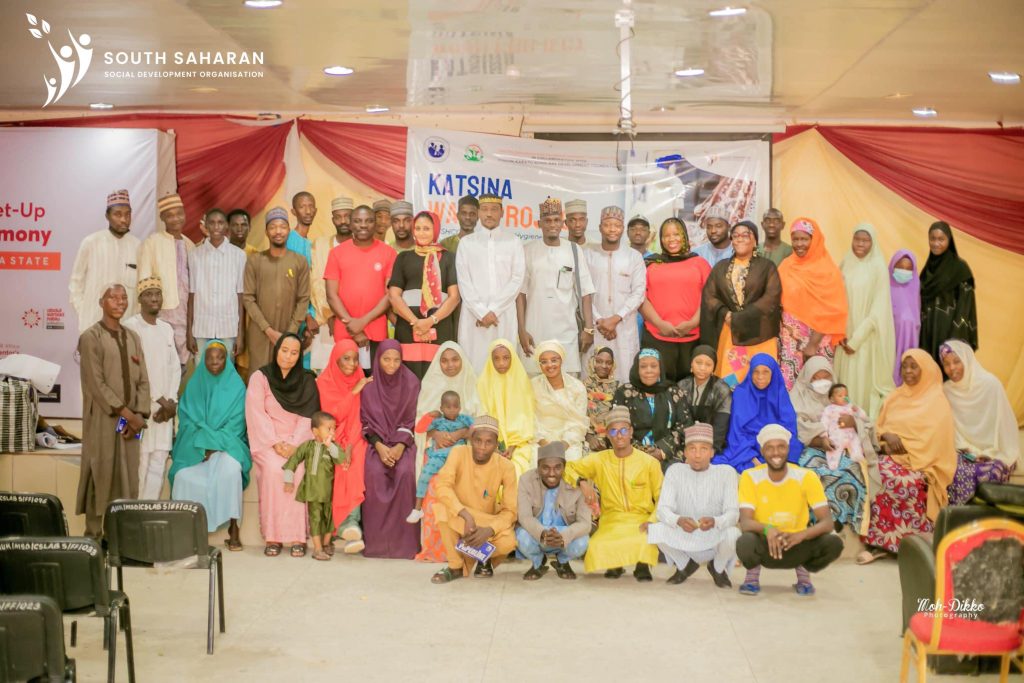
In partnership with Kiskon Karatu Scholars Development and with generous funding from The Church of Jesus Christ of Latter-day Saints, SSDO has launched the Katsina WASH Project. This initiative focuses on delivering reliable access to safe water in two communities within Katsina State: Kankia and Bindawa Local Government Areas (LGAs). By constructing 40,000-litre solar-powered boreholes in these locations, we aim to ensure that residents have a dependable source of clean water, thereby enhancing their overall health and well-being.
Engaging with Government and Community Leaders
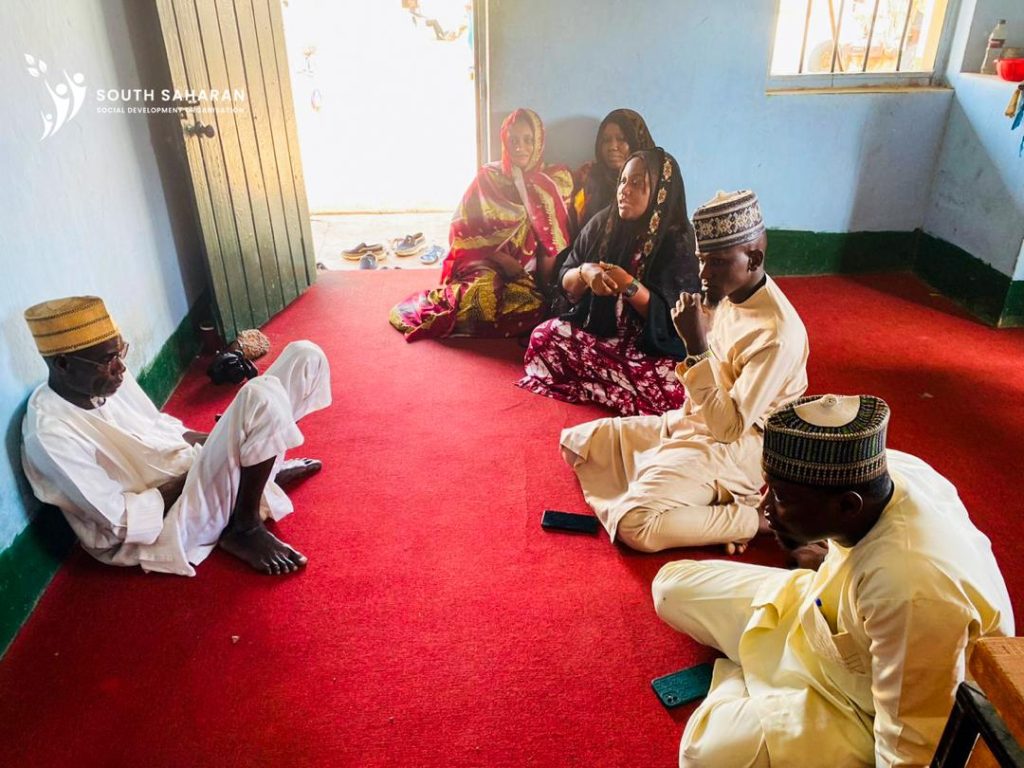
Collaboration with governmental bodies and community leaders is pivotal to the success and sustainability of our projects. Our team met with the Honourable Commissioner for Water Resources in Katsina State to introduce the Katsina WASH Project and discuss avenues for synergy. Additionally, we engaged with key community figures, including the Village Head of Ringin Baushe, Yusuf Gona, to advance the project’s objectives and ensure that the interventions align with the specific needs of the communities.
Our commitment to empowering communities extends beyond infrastructure development. We paid a courtesy visit to the Project Director of the Nigeria Sustainable Urban and Rural Water Supply, Sanitation, and Hygiene (NG-SURWASH) in Katsina State. During this meeting, we discussed our ongoing efforts to improve access to clean water and sanitation in rural areas and shared plans for training Water, Sanitation, and Hygiene Committees (WASHCOM) and Volunteer Hygiene Promoters (VHPs). These initiatives are designed to promote better hygiene practices and ensure the long-term sustainability of the facilities.
Empowering Communities Through Training
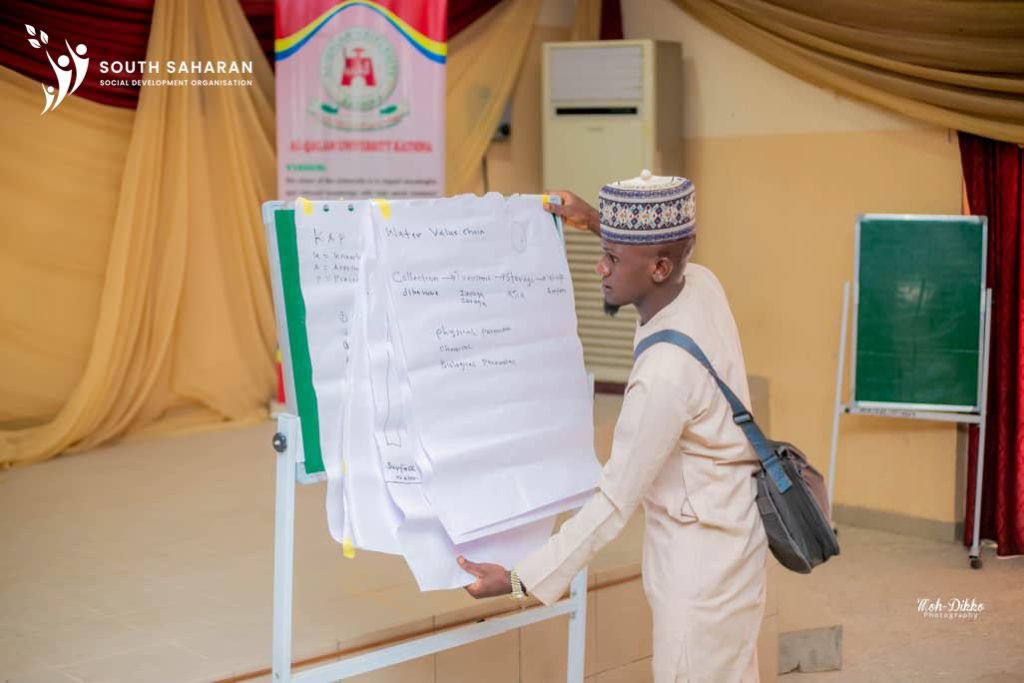
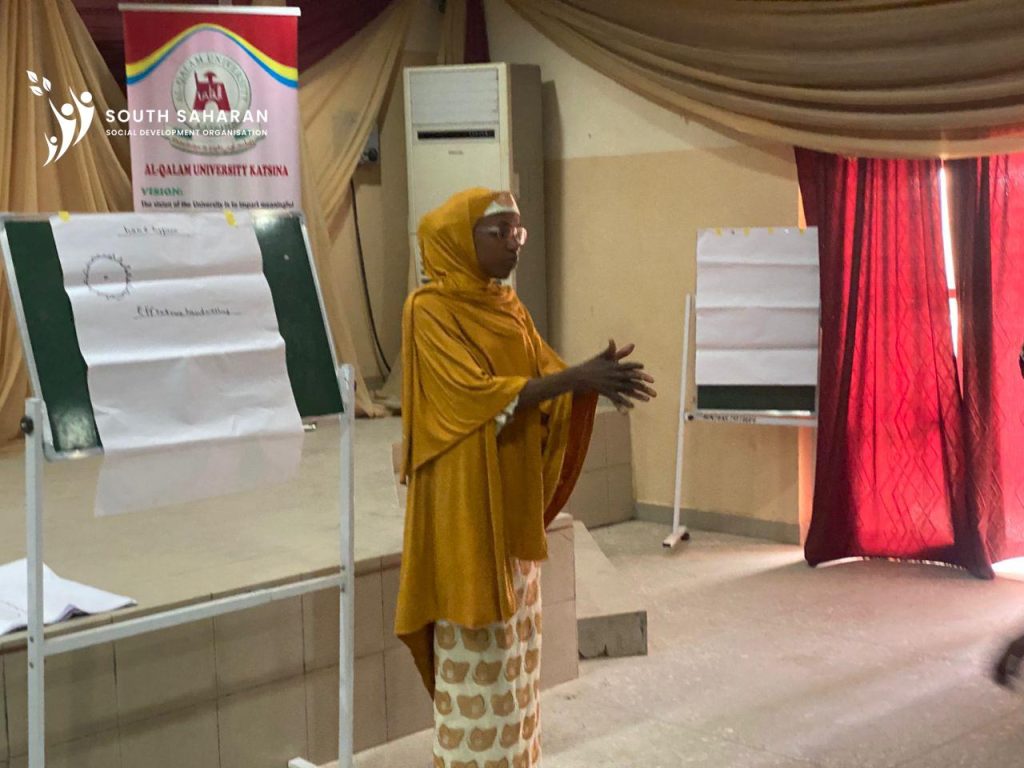
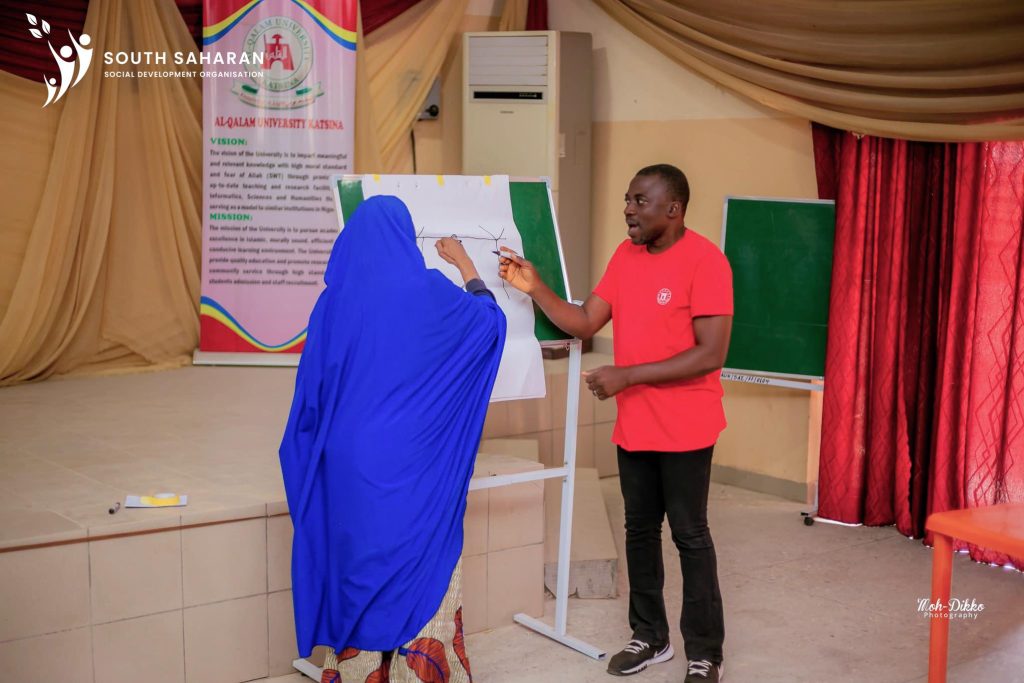
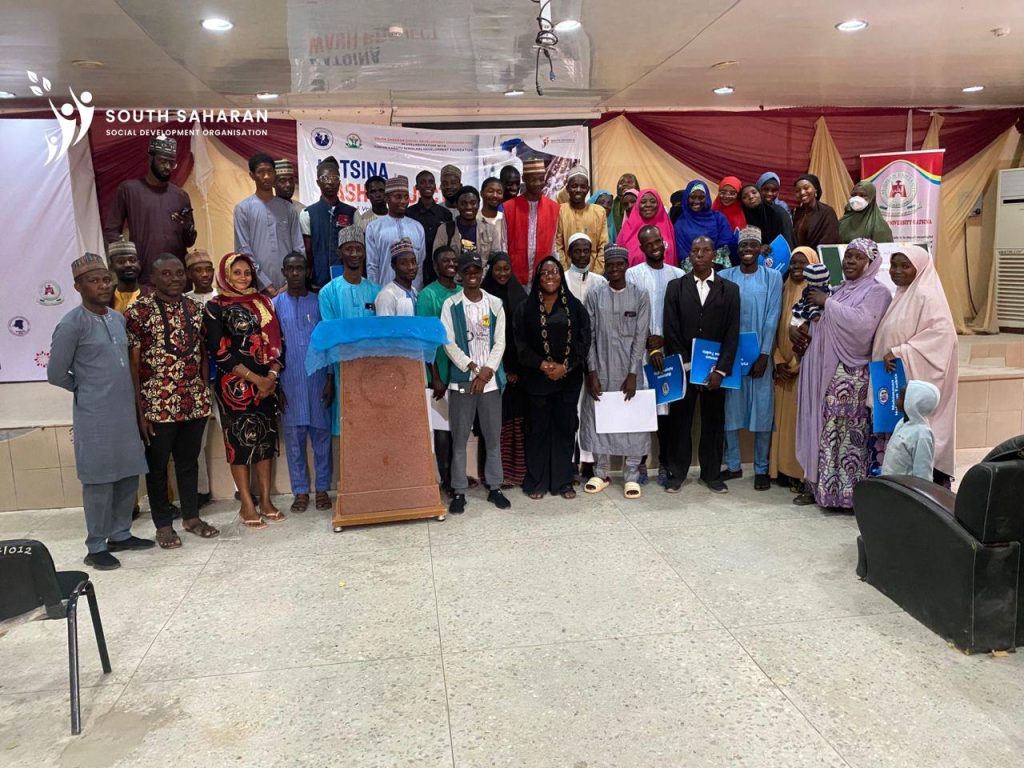
A cornerstone of the Katsina WASH Project is community empowerment through education and capacity building. We equipped 24 WASHCOM members from Bindawa and Kankia LGAs with the skills necessary to manage water schemes, uphold hygiene standards, and sustain access to clean water. These community champions are now empowered to maintain the boreholes and drive lasting change within their communities, fostering stronger, healthier environments.
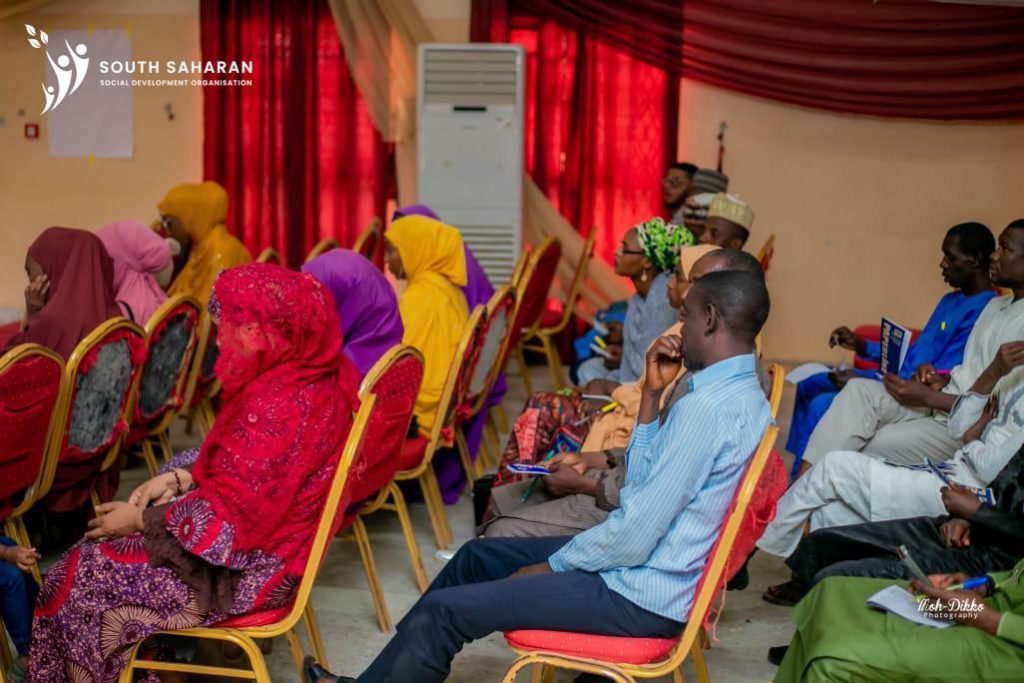
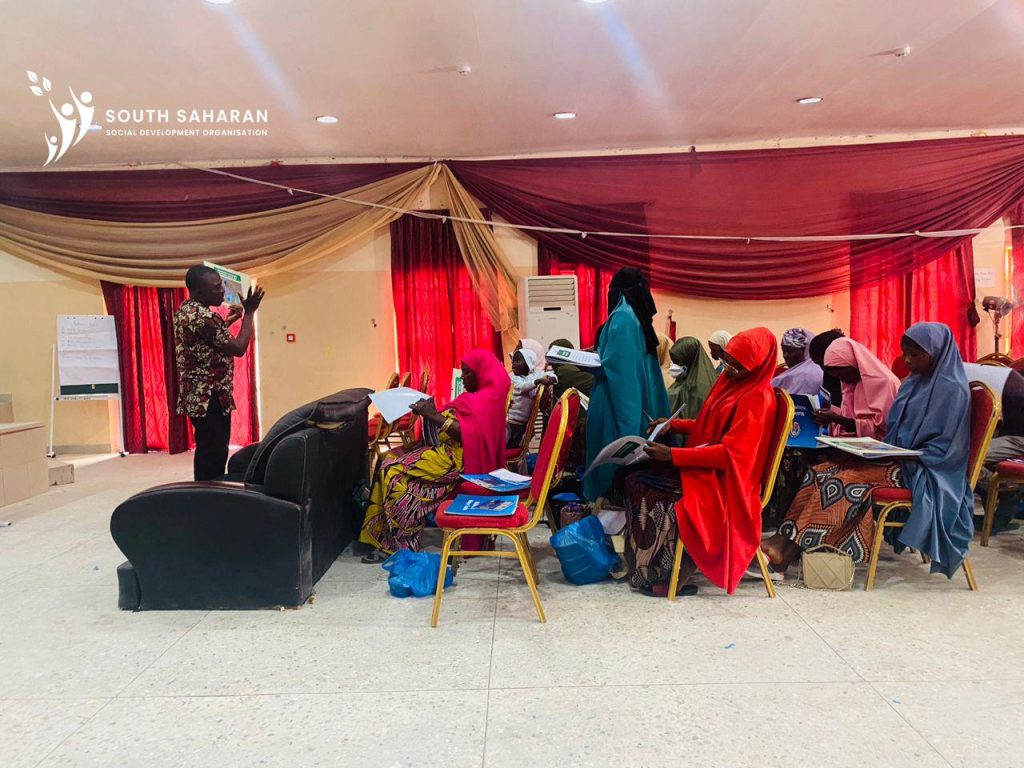
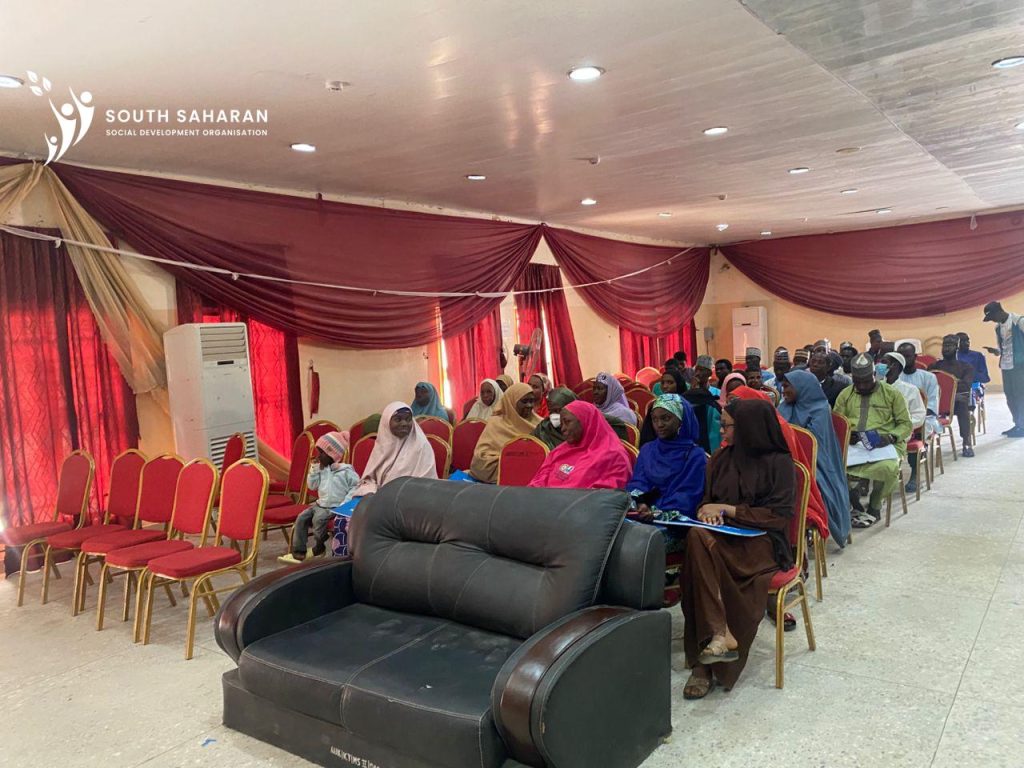
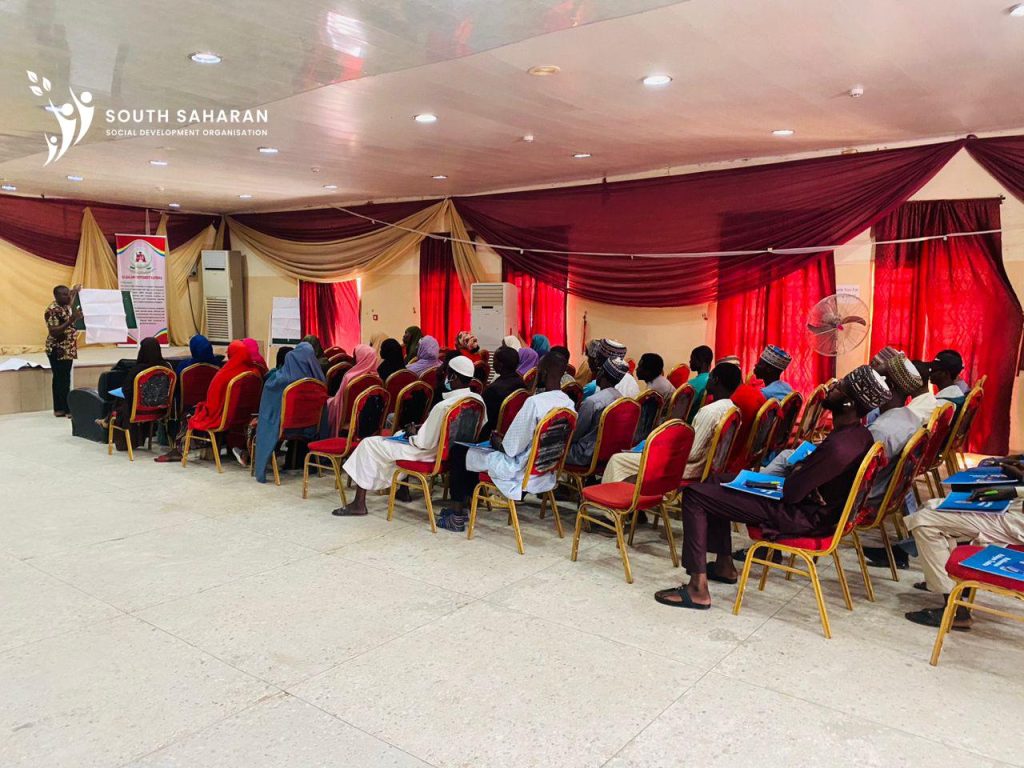
In addition to WASHCOM training, we conducted an intensive two-day training for 50 Volunteer Hygiene Promoters from the two LGAs. This training provided participants with hands-on skills to promote hygiene awareness and improve public health. Through interactive sessions, these volunteers are now equipped to advocate for and implement improved hygiene practices, contributing to the overall well-being of their communities.
Through our comprehensive training programs for WASHCOM members and Volunteer Hygiene Promoters, locals are gaining the knowledge and skills necessary to sustain clean water access and embrace healthier hygiene habits. These efforts ensure that the benefits of the Katsina WASH Project extend far beyond the immediate provision of infrastructure, fostering a culture of sustainability and health consciousness within the communities.
Celebrating Milestones: Completion of the Bindawa Borehole
We successfully completed the borehole in the Bindawa community, a development that has brought immense joy and relief to residents. This life-changing project provides improved access to clean water for daily use, significantly enhancing the quality of life for community members. The success of this initiative would not have been possible without the generous support of The Church of Jesus Christ of Latter-day Saints, whose contributions have been instrumental in turning our vision into reality.
Access to clean water is a fundamental human right that serves as the foundation for health, dignity, and prosperity. The Katsina WASH Project exemplifies SSDO’s commitment to upholding this right by providing sustainable water solutions and empowering communities through education and collaboration. Our dedication to making development happen through education and good governance continues to drive our initiatives, as we strive to create a society where sustainable development is achieved for women, youth, and children.
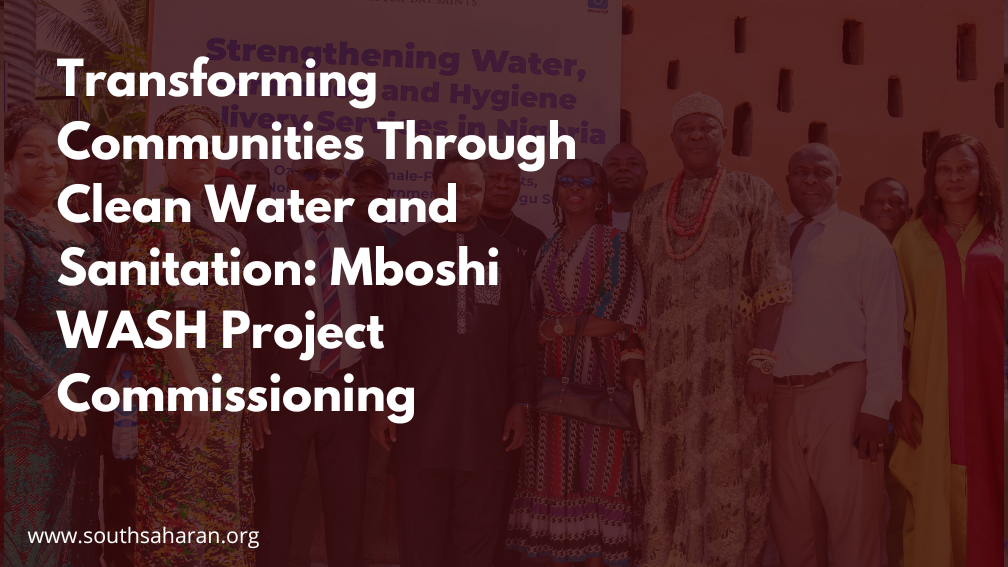
On September 26, 2024, South Saharan Social Development Organization (SSDO), in partnership with WaterAid and the Church of Jesus Christ of Latter-Day Saints, successfully commissioned and handed over key water and sanitation facilities to the communities of Mboshi-Aji and Eke-Ozzi in Igbo-eze North LGA, Enugu State. This significant milestone marks a pivotal moment in the journey toward improving public health, access to clean water, and better sanitation standards in the region.
A Joint Effort to Improve WASH Standards
Access to clean water and adequate sanitation is not just a basic human right but a cornerstone of community health and development. For many rural communities in Enugu State, access to these essential services has remained a challenge for decades, contributing to waterborne diseases, poor hygiene, and a disproportionate burden on women and children.
The LDSC III Project, implemented by SSDO in collaboration with WaterAid and the Church of Jesus Christ of Latter-Day Saints, was designed to address these issues head-on by providing sustainable WASH (Water, Sanitation, and Hygiene) solutions. The newly commissioned facilities are part of a broader effort to promote better health, enhance dignity, and empower women and children, who are often the most affected by inadequate water and sanitation.
Key Facilities Commissioned
At the heart of the project are the following life-changing facilities, which were officially handed over to the Mboshi-Aji and Eke-Ozzi communities:
– A 20,000-liter motorized borehole in Mboshi-Aji: This facility will provide clean and safe drinking water to hundreds of families, reducing the time and effort required to access water and minimizing the risk of waterborne diseases.
– Two female-friendly toilet blocks at Eke Ozzi Market: Designed to address the specific sanitation needs of women and girls, these toilets offer a safe, clean, and dignified space, reducing the public health risks associated with open defecation and improving safety for women in public spaces.
– A solar-powered motorized borehole at Eke Ozzi Market: Harnessing the power of renewable energy, this borehole ensures a consistent and sustainable water supply, even during power outages. The use of solar energy reflects the project’s commitment to environmental sustainability and the efficient use of resources.
A Day of Celebration and Commitment
The commissioning event, held in Igboeze North LGA, was attended by key government officials, community leaders, civil society representatives, and local residents. Distinguished guests included:
– Dr. Felix Nnamani, Honorable Commissioner, Ministry of Water Resources
– Mrs. Chika Mbah, Senior Special Assistant to the Governor on WASH
– Hon. Prince Oguama Solomon, President, Church of Jesus Christ of Latter-Day Saints
– Mr. Solomon Akpanufot, representing WaterAid’s Country Director
– Dr. Stanley Ilechukwu, Executive Director, SSDO
– Traditional leaders and community members, including women, children, and elders.
The day’s events began with a solemn opening prayer, followed by lively performances from local schoolchildren and heartfelt goodwill messages from attending dignitaries. The enthusiasm of the community was palpable as they celebrated the provision of safe water and proper sanitation, resources that will undoubtedly improve their daily lives.
During the site visits, the technical intricacies of the newly installed facilities were explained by project leaders, giving the community a deeper understanding of how to manage and maintain these vital resources. Each handover was marked by a ceremonial transfer of the project keys, symbolizing the community’s ownership of these facilities and their responsibility for sustaining them.
A Broader Impact on Community Health and Gender Equality
While the commissioning of these facilities is a significant milestone, the long-term impact of the LDSC III Project goes beyond just access to infrastructure. The provision of clean water and sanitation is a key factor in improving community health, reducing the incidence of diseases such as cholera, dysentery, and typhoid, which are often linked to poor water quality and sanitation practices.
Moreover, the introduction of female-friendly toilets is particularly impactful for women and girls in the community. These facilities not only promote hygiene and public health but also enhance safety and dignity, particularly for women in public spaces like markets. By addressing their unique needs, the project takes a vital step toward gender equity in WASH service delivery.
A Commitment to Sustainability
A core aspect of the LDSC III Project is its focus on sustainability. The solar-powered borehole at Eke Ozzi Market exemplifies this, using renewable energy to guarantee a reliable water supply without relying on traditional power sources. Additionally, the community’s involvement in the commissioning process ensures that they take full responsibility for the maintenance and upkeep of these facilities.
Dr. Stanley Ilechukwu, Executive Director of SSDO, emphasized the importance of community ownership:
“These projects are not just about infrastructure. They are about empowering communities to take charge of their health, their water, and their future. By working together, we can ensure that these facilities remain functional and continue to benefit generations to come.”
Looking Ahead
As the LDSC III Project concludes its commissioning phase, the future looks brighter for the Mboshi-Aji and Eke-Ozzi communities. The successful handover of these WASH facilities is a powerful testament to the impact that strategic partnerships between civil society, government, and local communities can achieve.
SSDO remains committed to fostering development and improving living conditions in underserved communities through sustainable projects. With the continued support of partners like WaterAid and the Church of Jesus Christ of Latter-Day Saints, SSDO will keep championing initiatives that make a lasting difference in the lives of vulnerable populations.
Conclusion
The commissioning of the LDSC III water and sanitation facilities is more than just an infrastructural achievement – it is a step toward building healthier, more resilient, and empowered communities. By ensuring access to clean water and proper sanitation, SSDO and its partners are helping create a foundation for sustainable development, one community at a time.
South Saharan Social Development Organization, in partnership with WaterAid Nigeria, organized a community engagement event under the Latter-Day Saints Charity Project (LDSC) III.
The project’s goal is to improve access to clean water and hygienic sanitation in communities of Enugu state.
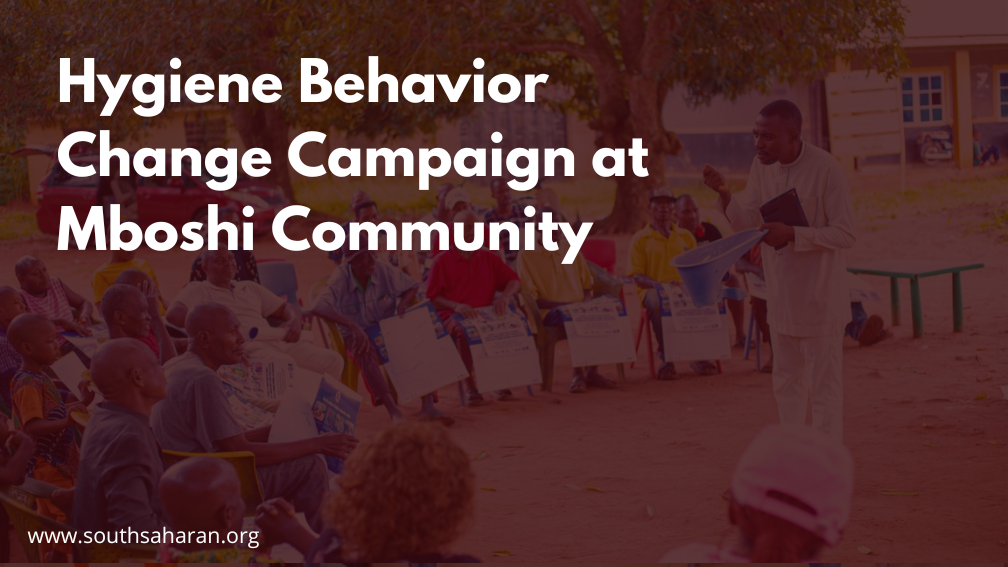
The event marked the fourth phase of the Hygiene Behavioral Change (HBC) campaign, a crucial component of the larger LDSC III project.
The campaign took place at the Community Primary School Mboshi-Aji, with active participation from various demographics within the community.
During the community event, hygiene behavioral change jingles were broadcasted via a public address system to promote sensitization and adoption of improved hygiene practices among community members.
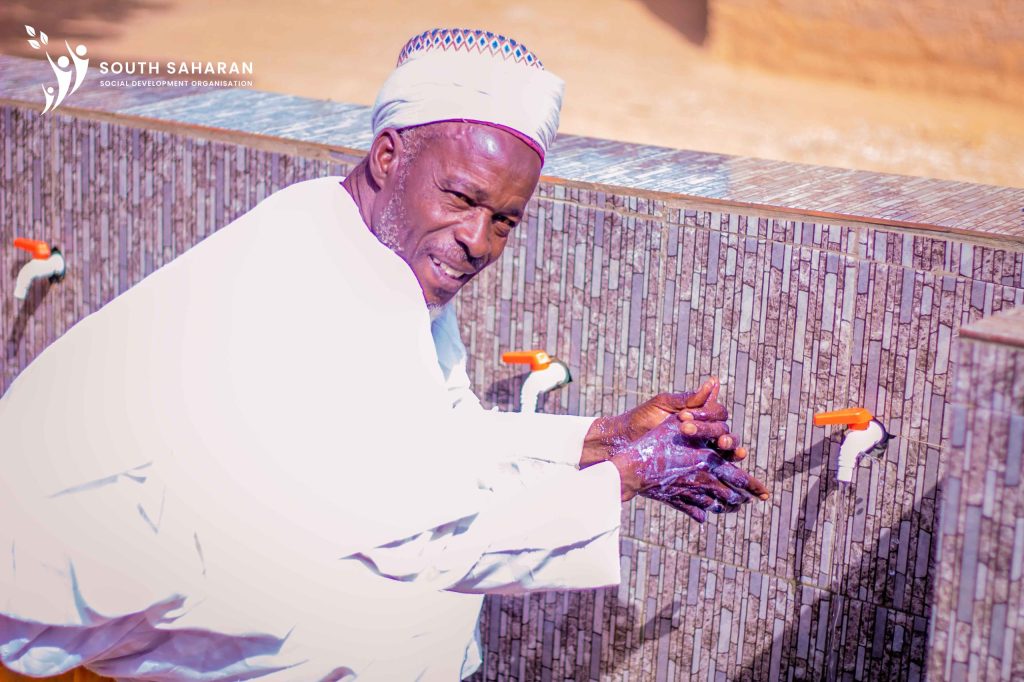
It was an avenue to teach hygiene education. This encompassed proper handwashing techniques, practices, and sanitation and waste management.