Poverty is more than the absence of income. It is the absence of dignity, opportunity, and choice.
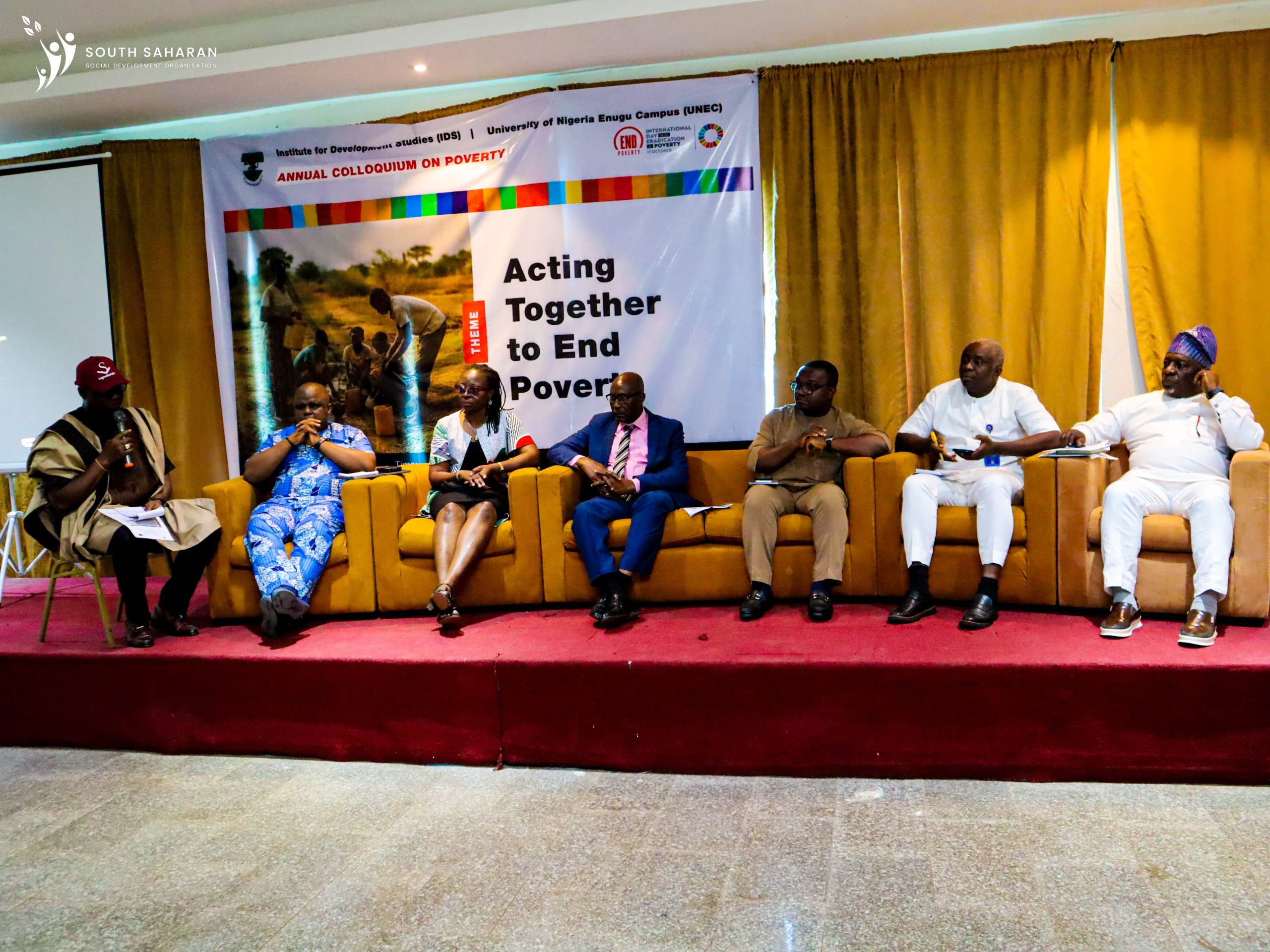
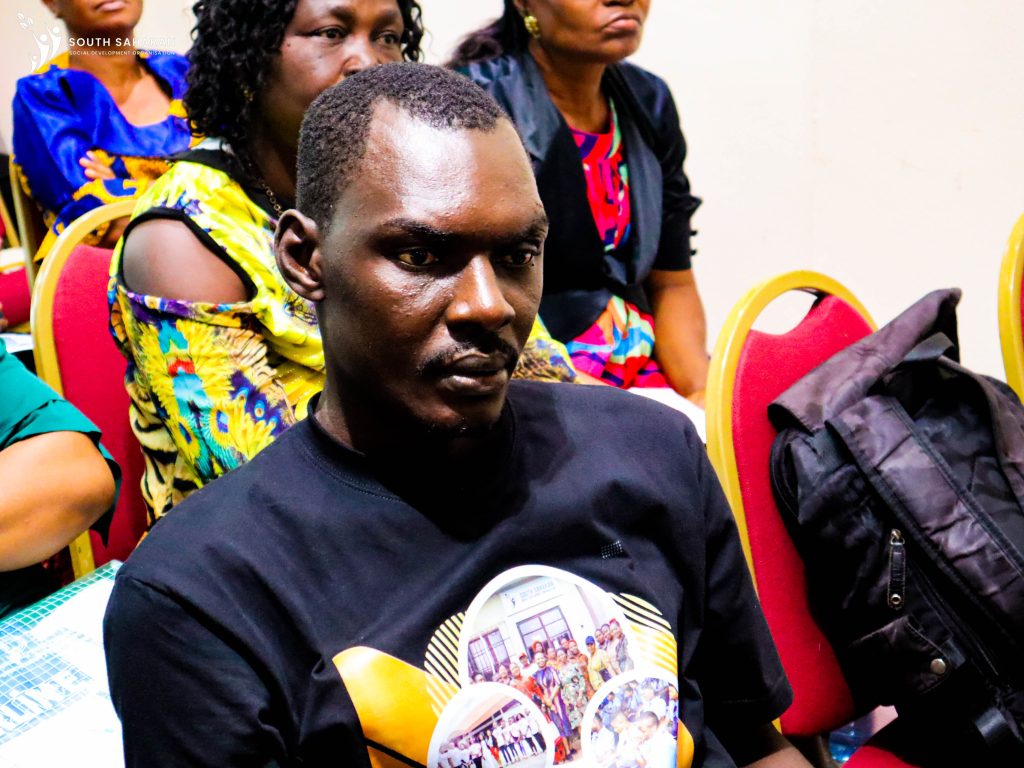
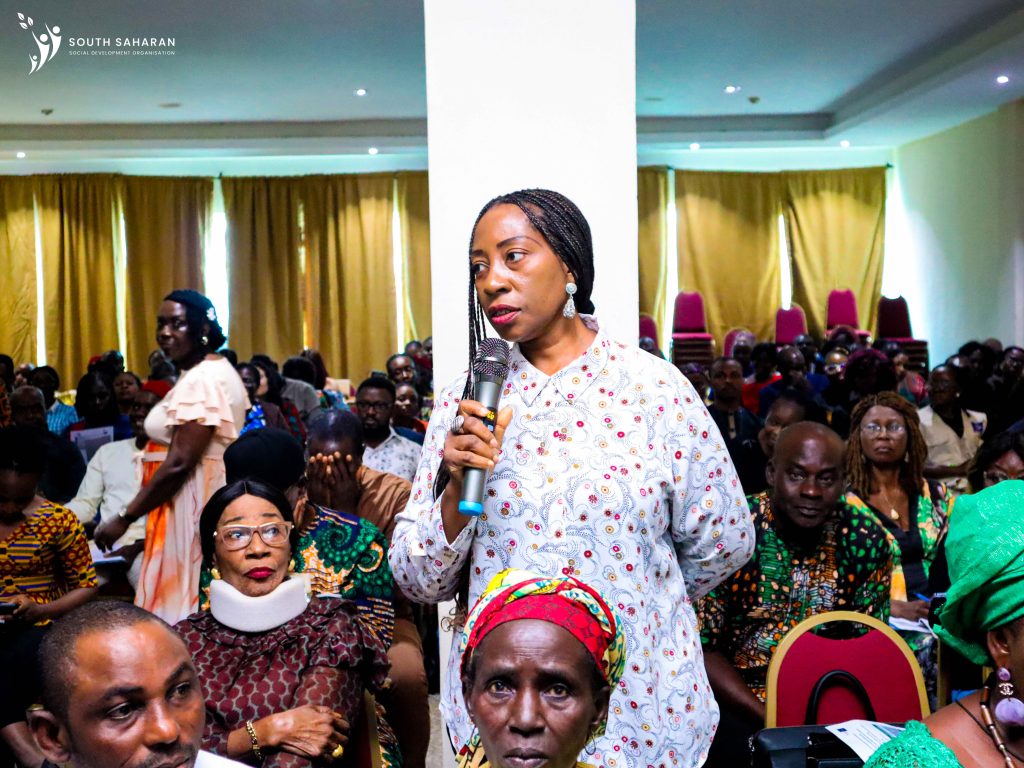
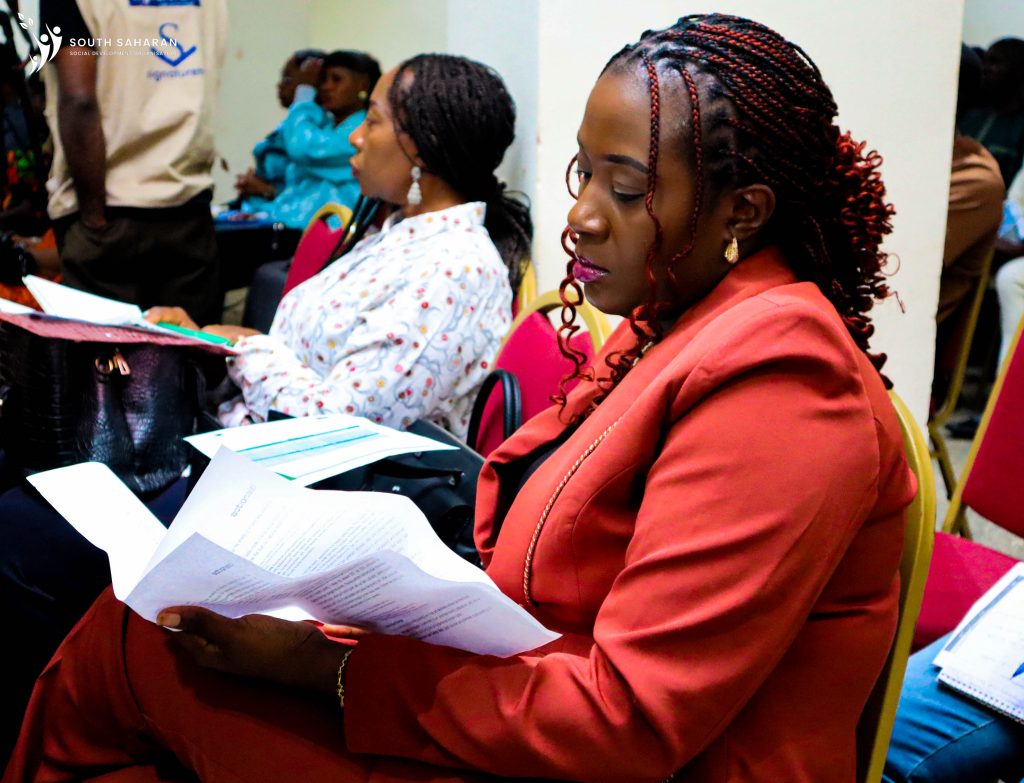
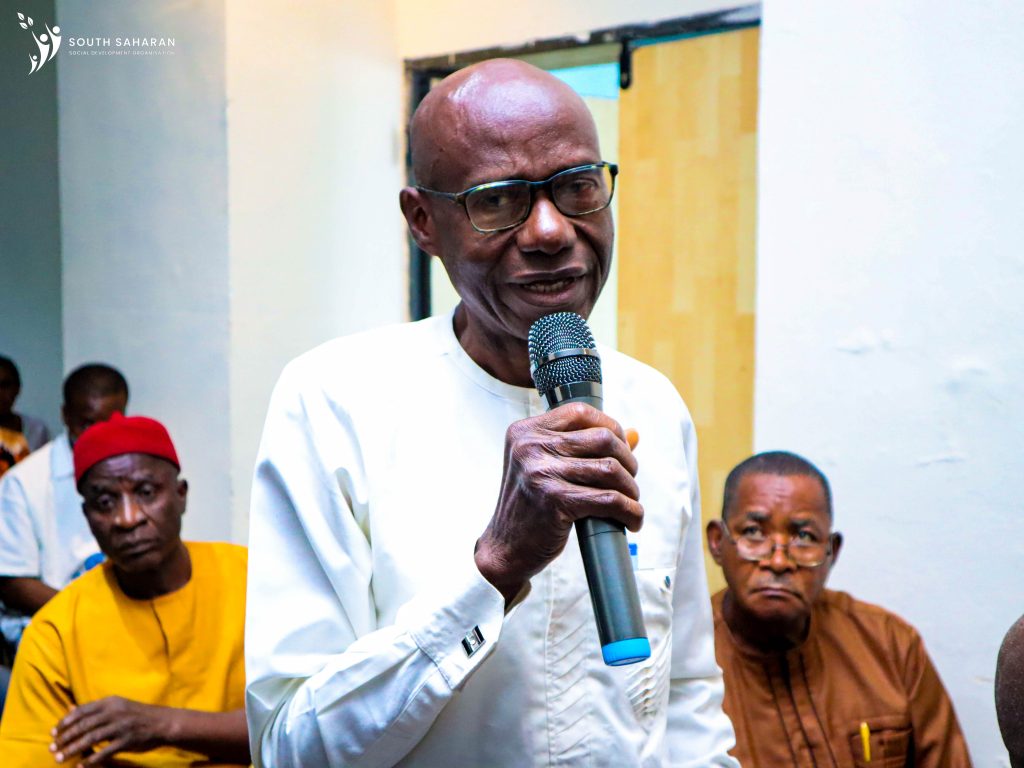
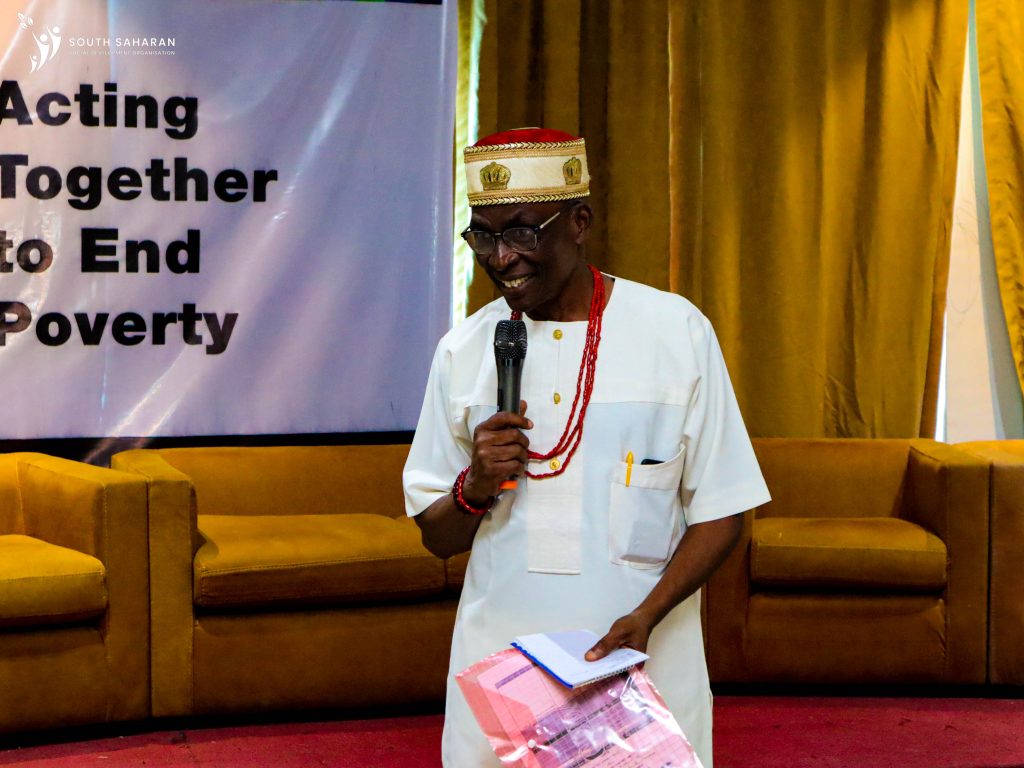
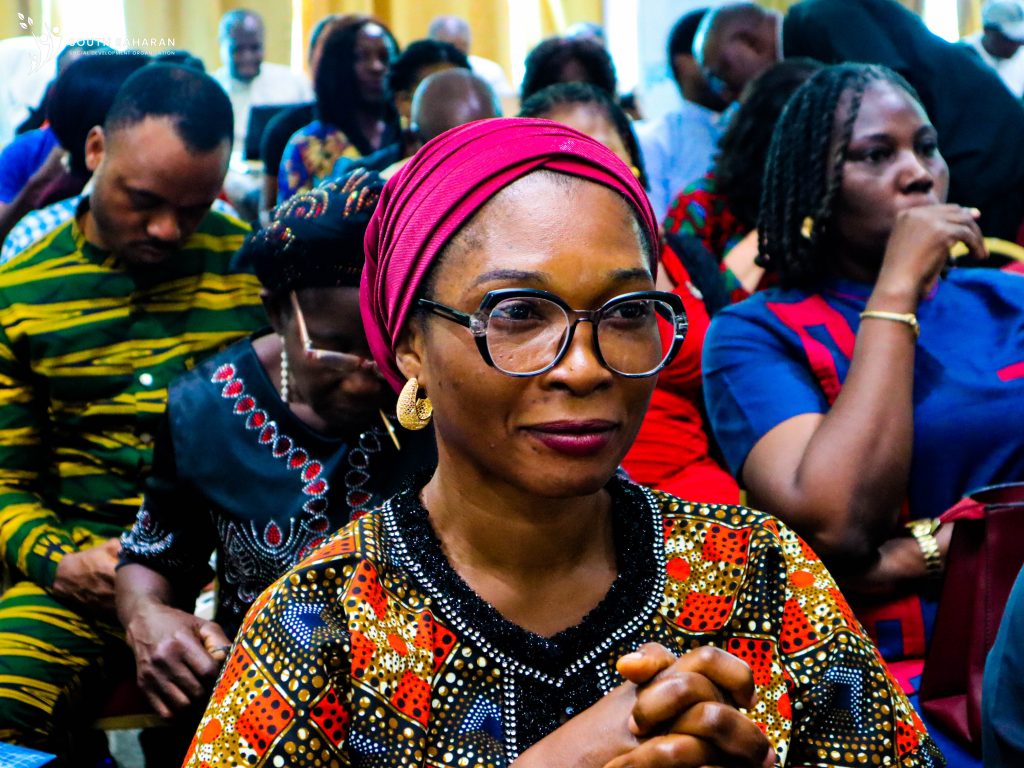
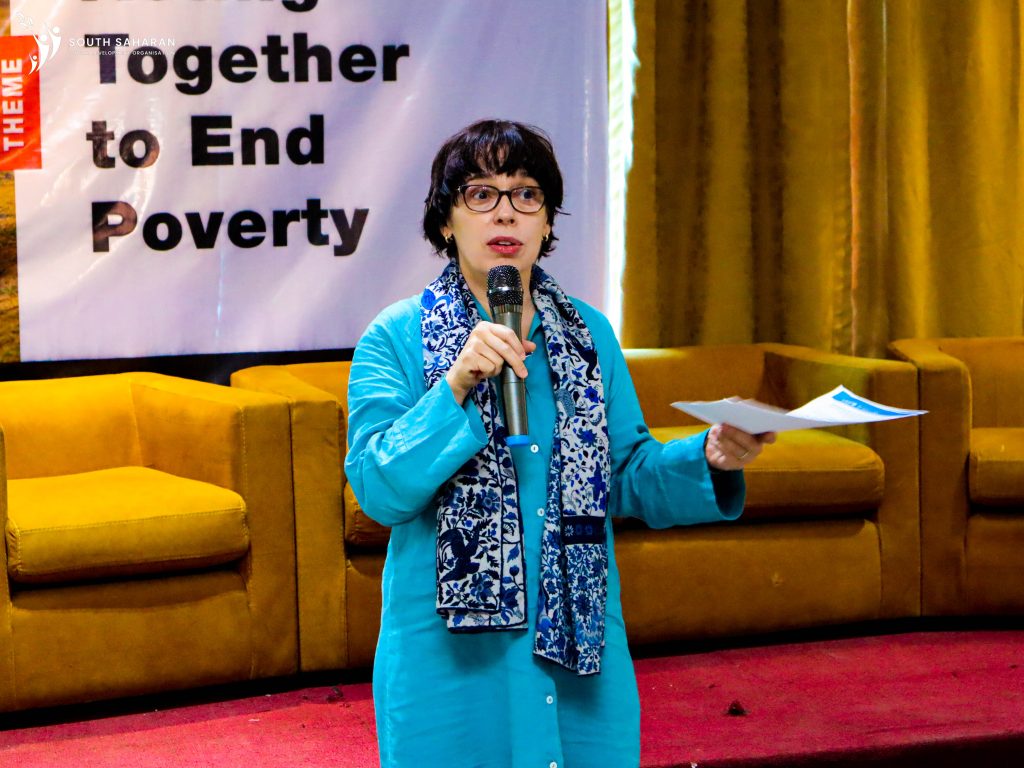
On October 17, 2025, the Institute for Development Studies (IDS), University of Nigeria, Enugu Campus, convened a thought-provoking colloquium to mark the United Nations International Day for the Eradication of Poverty. The event brought together scholars, technocrats, policymakers, and development practitioners to explore this year’s theme: “Acting Together to End Poverty.”
The conversations were rich, honest, and urgent, tackling poverty not only as an economic issue but as a governance, social, and human rights challenge.
SSDO’s Voice in the Room
Representing the South Saharan Social Development Organisation (SSDO), our team shared insights from over a decade of community-driven work aimed at dismantling the structures that keep people especially women and youth trapped in poverty.
We highlighted practical solutions that have transformed lives across Enugu and the South East.
Acting Together, Building Forward
The IDS colloquium reaffirmed a shared commitment among development actors: that poverty eradication is possible when academia, civil society, government, and the private sector work hand in hand.
As one participant noted, “Policies alone cannot end poverty; people can.”
At SSDO, we remain committed to doing our part – empowering communities, amplifying voices, and building systems that enable every person to thrive with dignity.
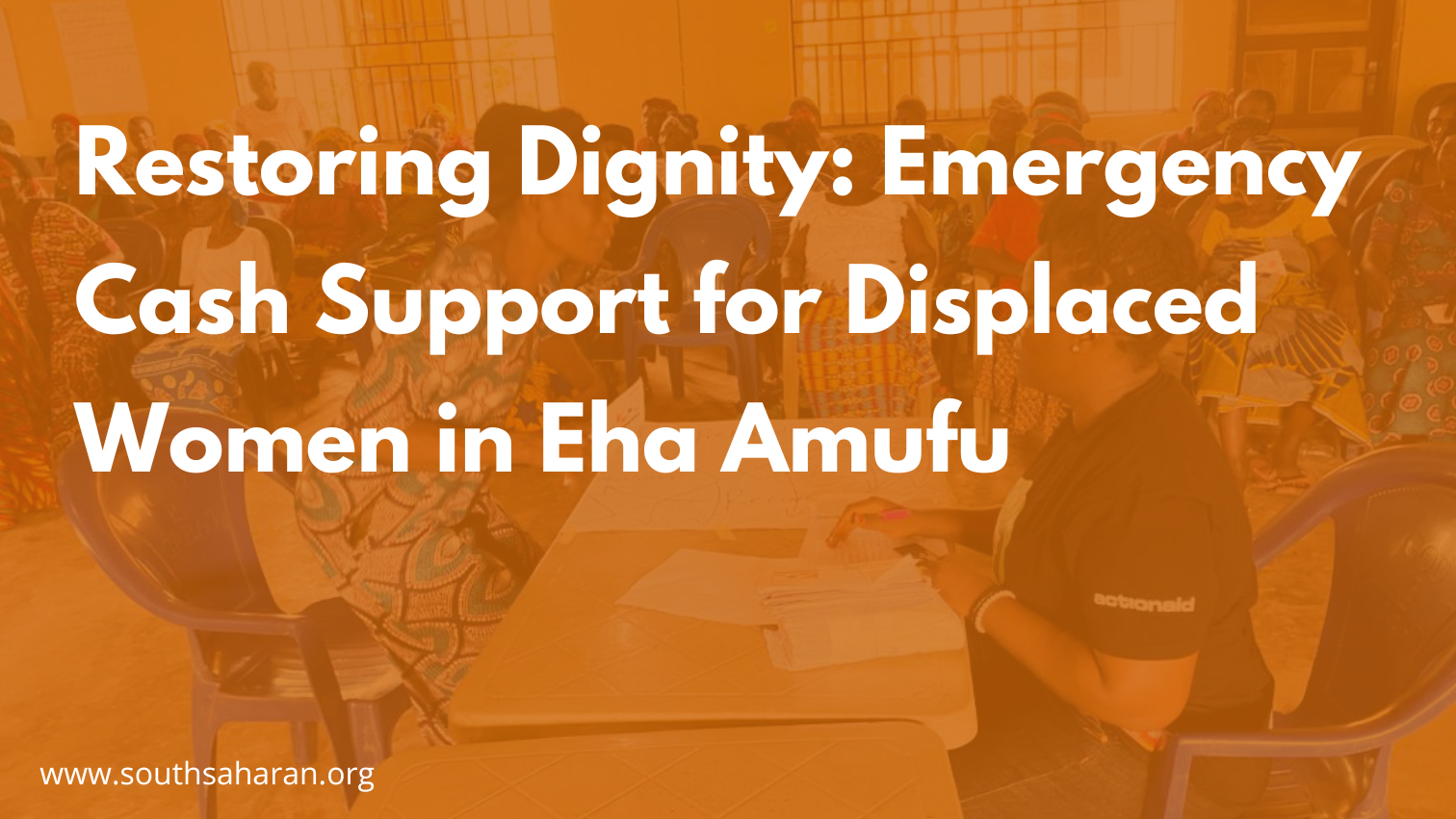
In the wake of the herder-farmer crisis in the Eha Amufu area of Isi Uzo LGA, many families, especially women, were left vulnerable, uprooted, and unsure of where to turn. Homes were lost. Livelihoods were disrupted. Safety became uncertain.
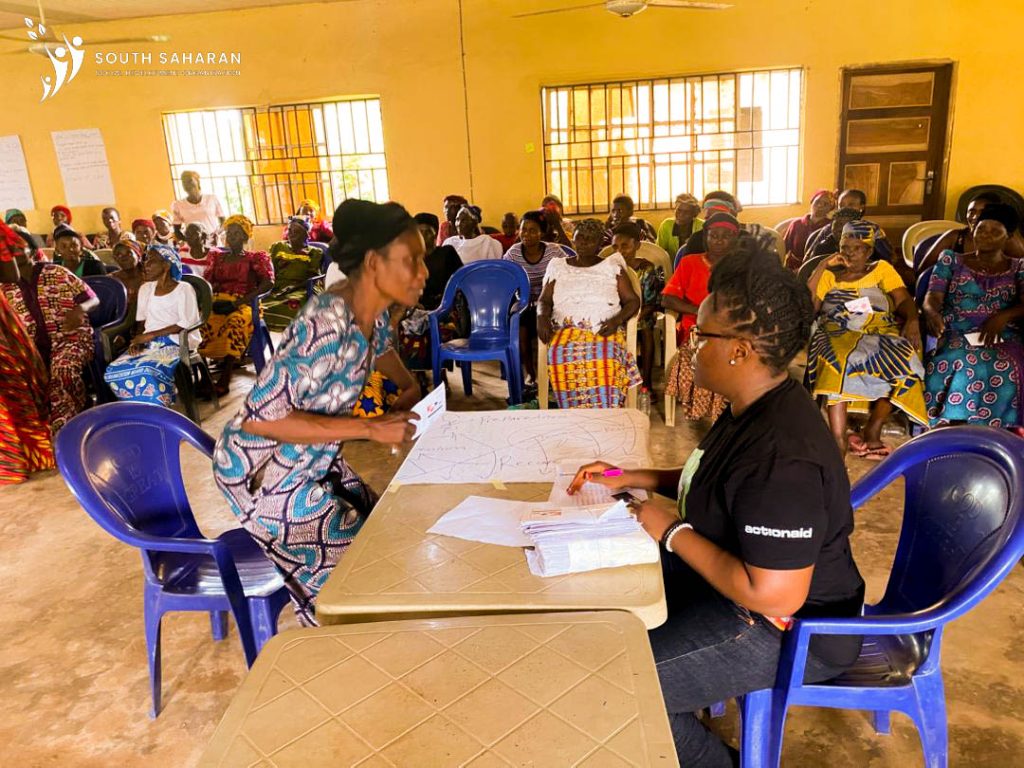
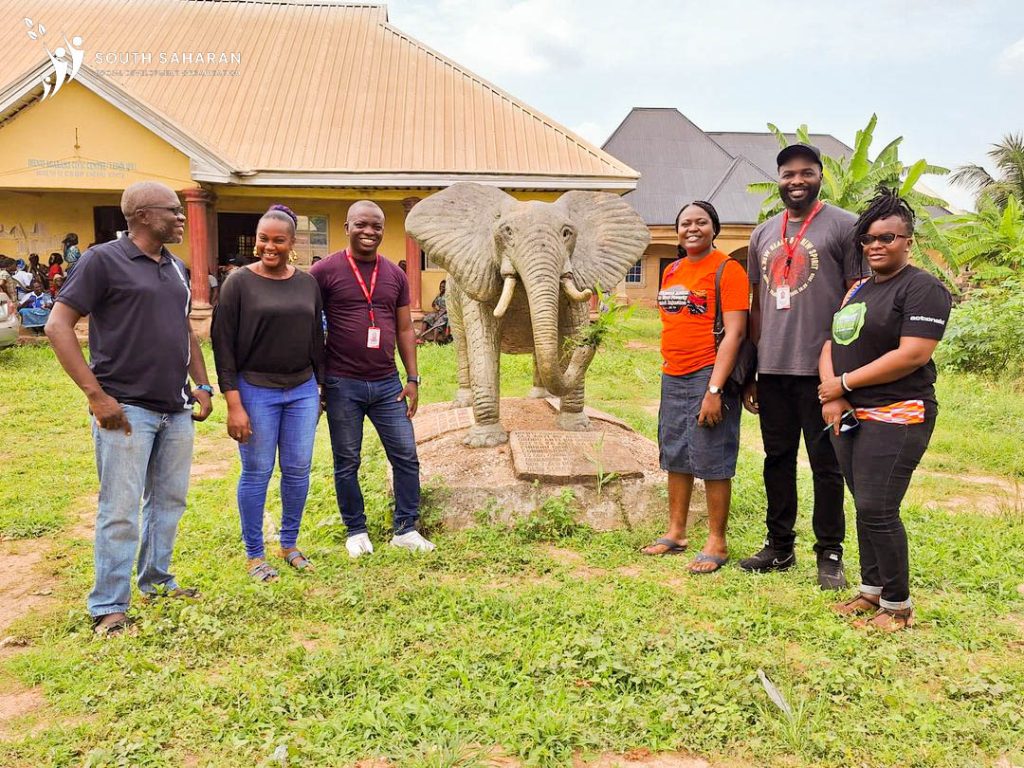
In response to this humanitarian need, South Saharan Social Development Organisation (SSDO), in partnership with ActionAid Nigeria, the State Emergency Management Agency (SEMA), and other stakeholders, launched an emergency cash transfer program to support women affected by the crisis.
Supporting Women, Rebuilding Lives
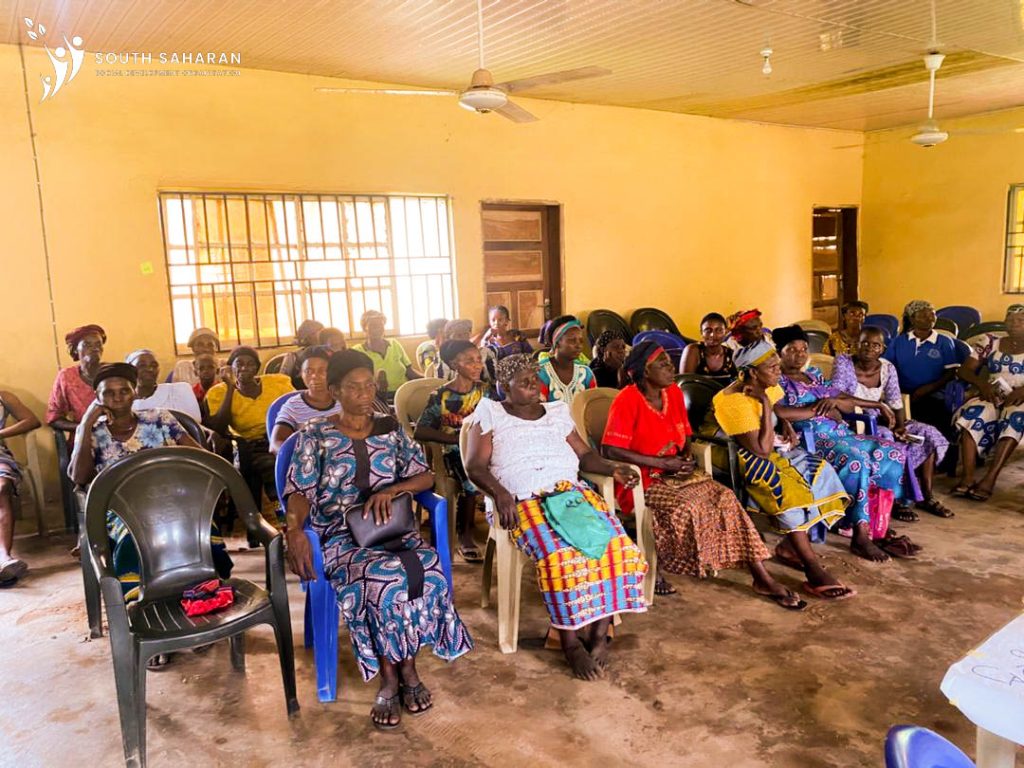
The initiative provided direct financial assistance to over 200 displaced women, enabling them to meet immediate needs such as food, clothing, healthcare, and basic shelter. Beyond the cash, the support served as a lifeline, restoring a sense of control and dignity to women who had lost so much.
From Crisis to Courage
Each woman reached through this intervention has a unique story of loss—but also of resilience. For many, this support meant the beginning of healing, and a chance to start over with hope.
This response reflects SSDO’s commitment to people-centered recovery, especially in emergencies. By listening, acting swiftly, and working with trusted partners, we ensure that no one is left behind, even in the most challenging times.
Partnership in Action
We are grateful to ActionAid Nigeria for leading this response under the Strategic Partnership Agreement (SPA II) project, and to SEMA and all local actors who played a role in identifying, reaching, and supporting affected women.
Together, we are showing that when we act with empathy and urgency, recovery is possible, and dignity can be restored.
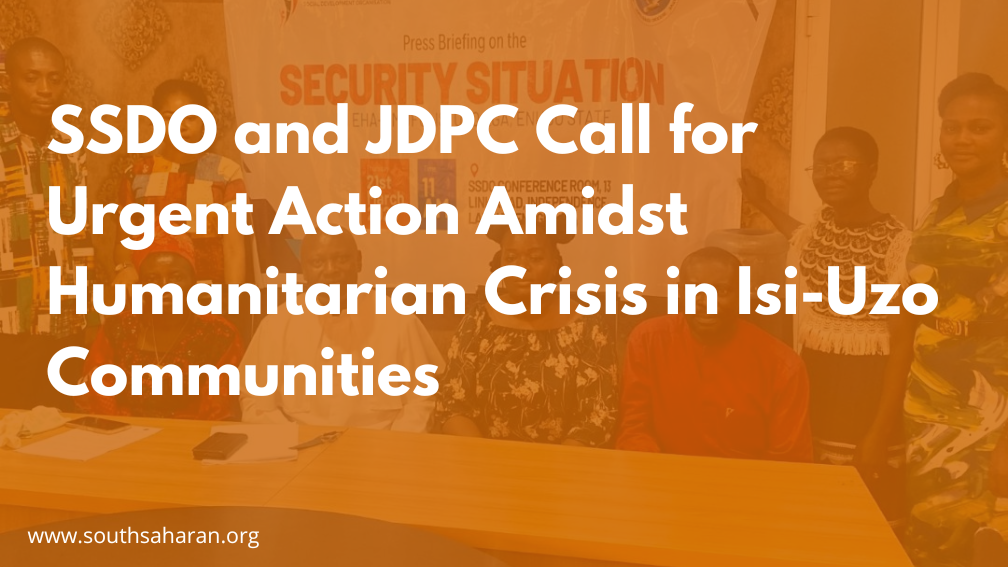
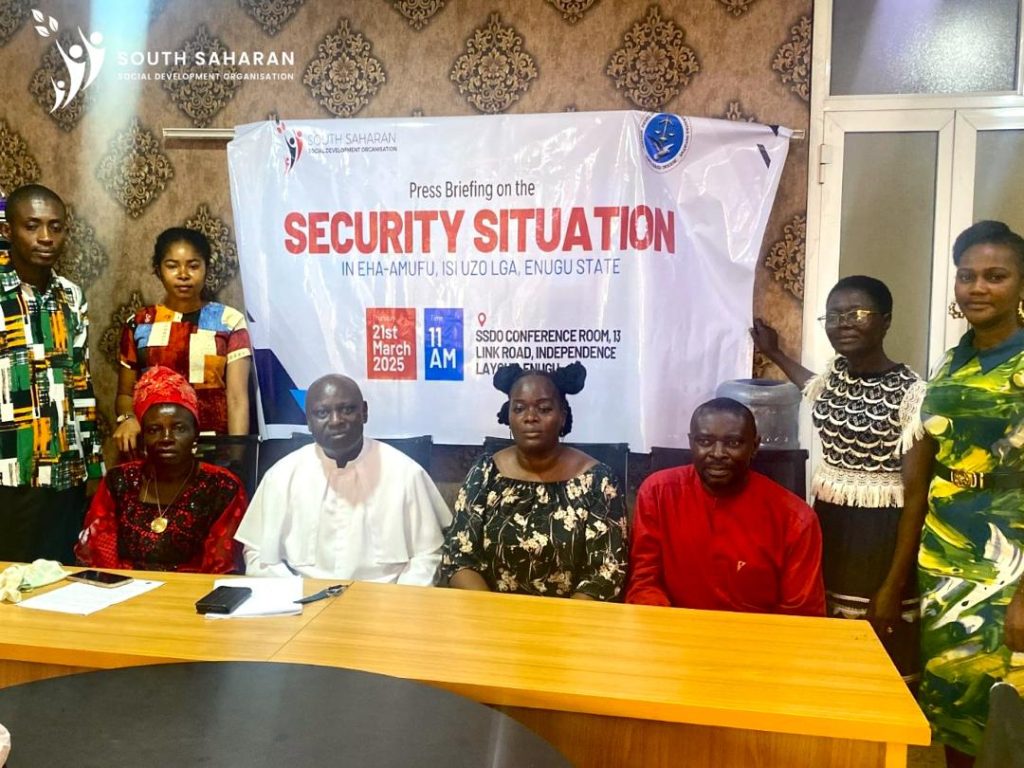
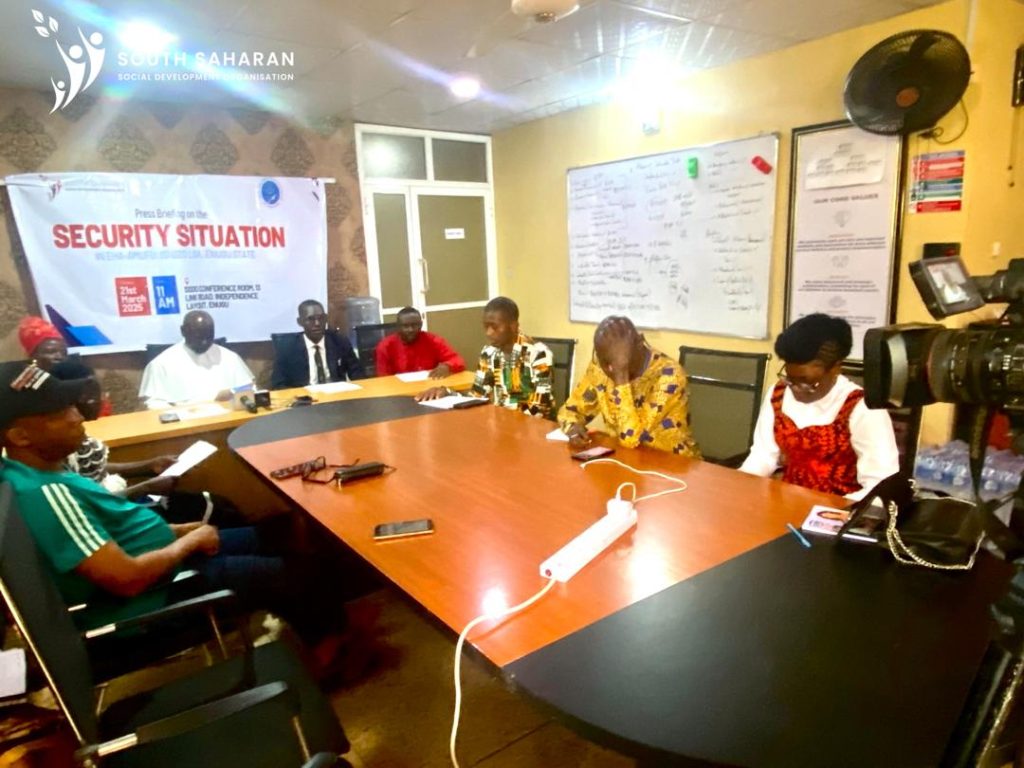
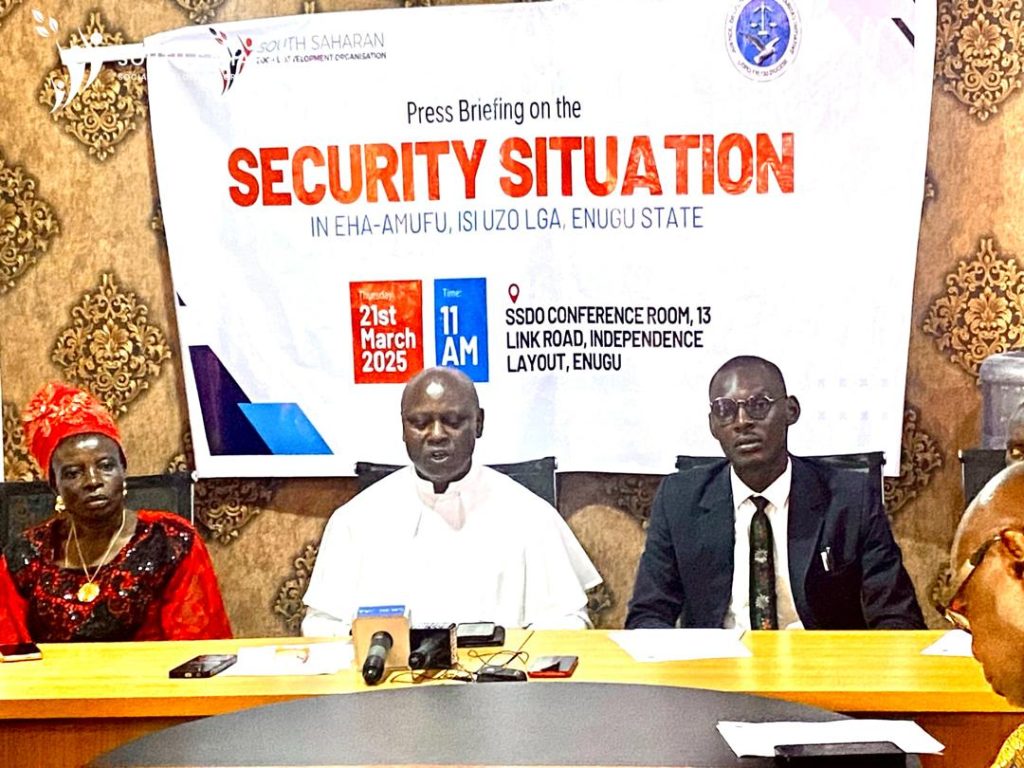
In response to the escalating crisis in the Abor Isiala and Ihenyi communities of Isi-Uzo Local Government Area, Enugu State, the South Saharan Social Development Organisation (SSDO) and the Justice Development and Peace Commission (JDPC) convened a joint press conference to shed light on the dire situation and appeal for immediate intervention.
A Deepening Humanitarian Crisis
The recent surge in violence has had devastating consequences for the residents of these communities. Reports indicate that over 300 individuals have been directly affected, with 20 lives tragically lost. The disruption has forced 1,064 children out of school, depriving them of their right to education and a stable future. Furthermore, numerous women have suffered brutal assaults, exacerbating the already critical humanitarian situation.
Voices from the Ground
Dr. Stanley Ilechukwu, Executive Director of SSDO, emphasized the severity of the situation, stating, “The continued violence in Eha-Amufu is not just a security issue; it is a humanitarian crisis affecting women and children the most.” His remarks underscore the profound impact on the most vulnerable segments of the population, highlighting the urgent need for comprehensive support and protection.
A Pattern of Recurrent Violence
This crisis is not an isolated incident but part of a troubling pattern of recurrent violence in these communities. Both SSDO and JDPC have documented multiple instances where residents have faced similar hardships, indicating a systemic issue that demands sustained attention. The organizations are calling upon the government to implement lasting solutions that address the root causes of the conflict and prevent future occurrences.
A Call to Action
In solidarity with the affected communities, SSDO and JDPC are committed to amplifying their voices and advocating for justice. They urge the government, civil society organizations, and international partners to:
Promote Community Dialogue: Engage local leaders and stakeholders in dialogue aimed at fostering peace and reconciliation.
Provide Immediate Relief: Deliver essential aid, including food, medical care, and psychological support to those affected.
Ensure Security: Deploy adequate security personnel to protect residents and prevent further attacks.
Facilitate Education Continuity: Implement measures to enable displaced children to continue their education without undue disruption.
The crisis in Isi-Uzo Local Government Area is a poignant reminder of the urgent need for collaborative efforts in addressing humanitarian emergencies. It is imperative that all stakeholders come together to restore peace, provide relief, and work towards sustainable solutions that will prevent such tragedies in the future.
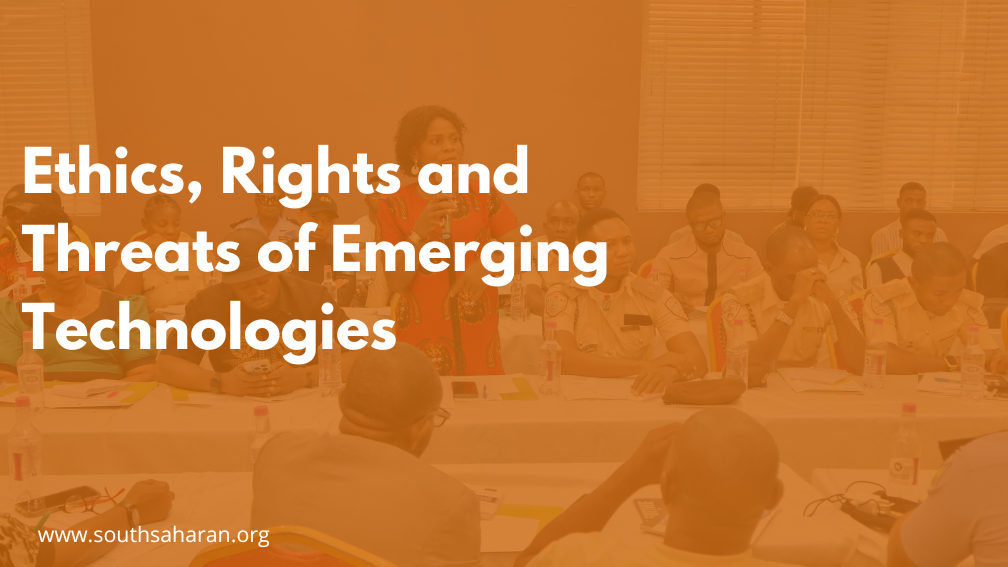
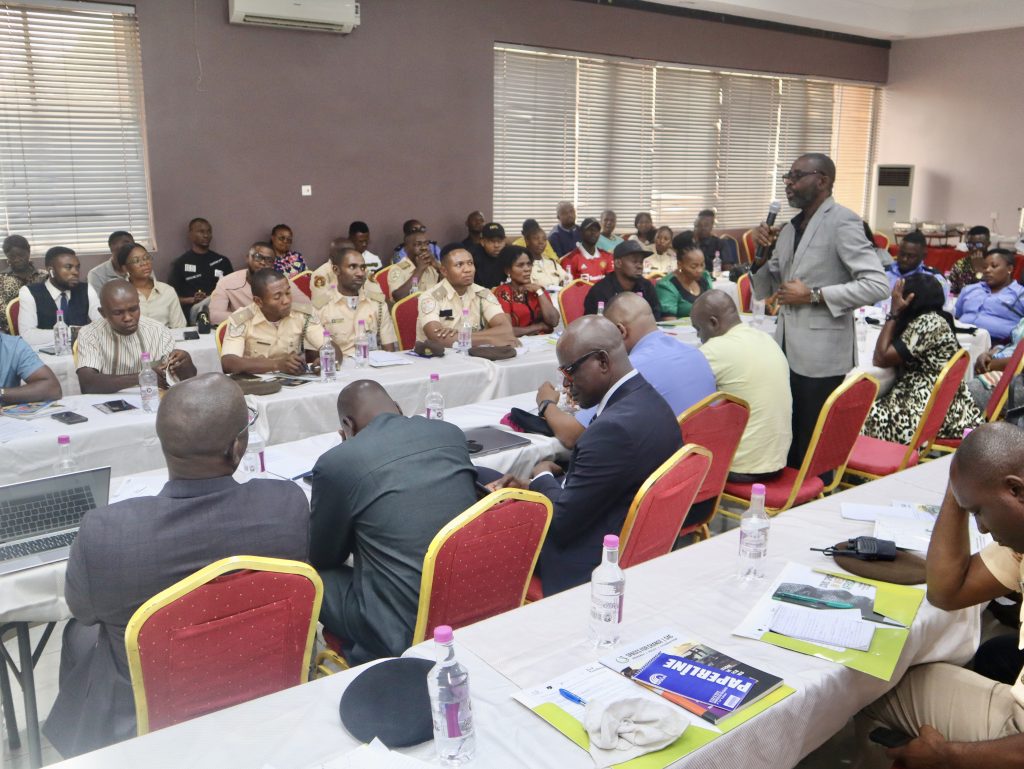
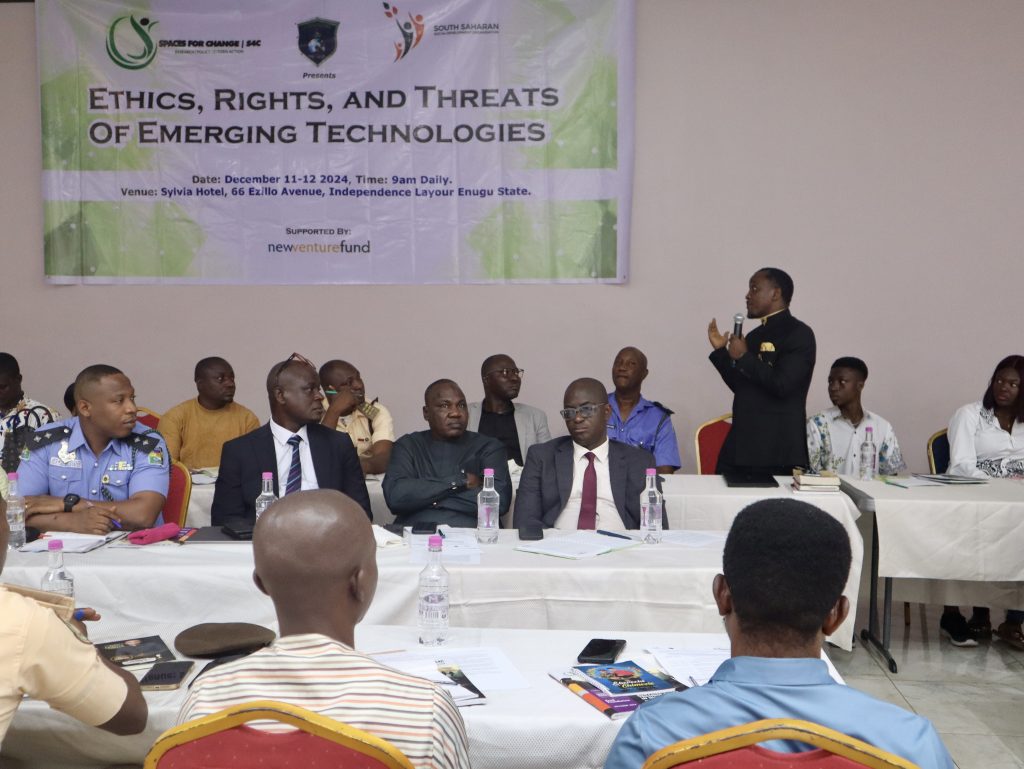
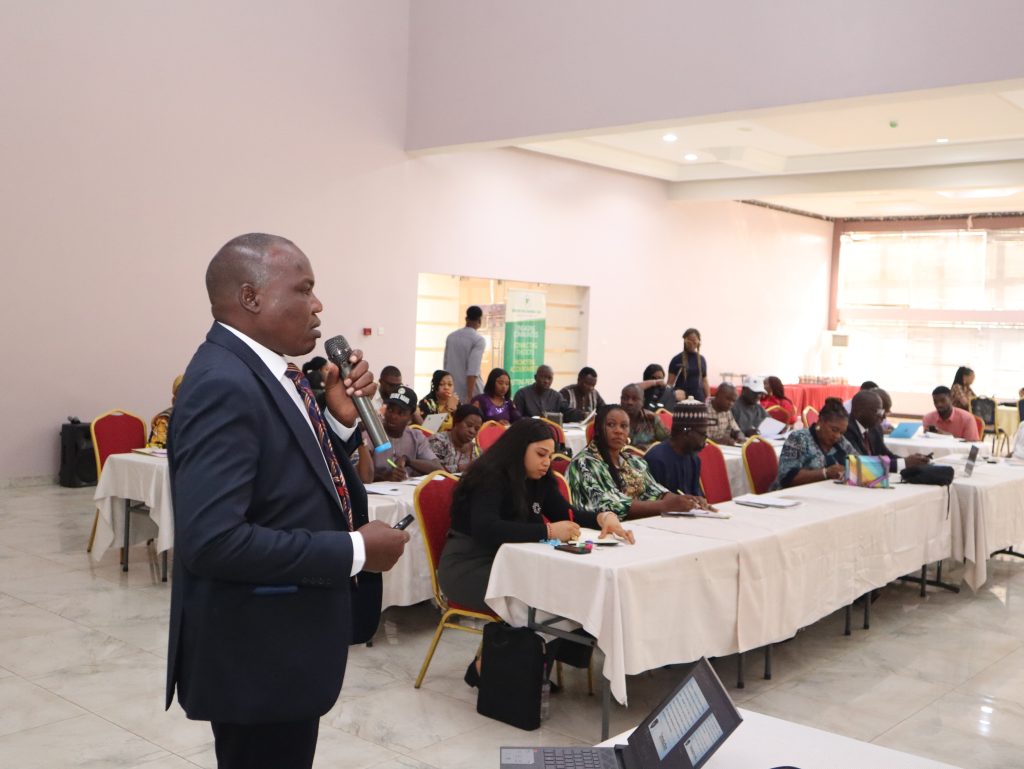
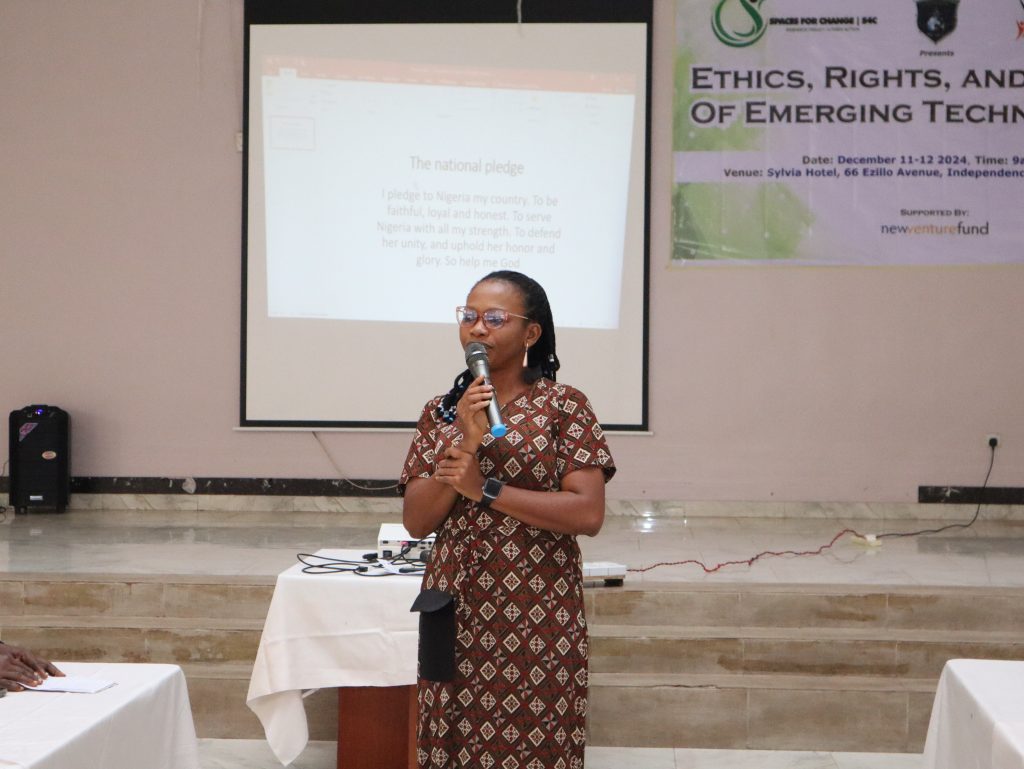
In an era where emerging technologies shape every aspect of our lives, the importance of understanding their ethical implications, rights, and associated threats cannot be overstated. On December 11th, and 12th, 2024, we hosted a groundbreaking 2-day workshop in Enugu State, Nigeria, to explore these critical issues. With the invaluable support of our partners – Spaces for Change, New Fund Ventures, Nigerian Cybercrime Center, and the Ford Foundation – the event brought together leading experts, policymakers, security stakeholders, and private consultants to engage in meaningful discussions and promote actionable insights.
Day 1 Highlights: Exploring Digital Rights and Emerging Threats
The first day of the workshop set a strong foundation for the discussions to come. Dr. Amanin Akpabio, from the Faculty of Law at the University of Uyo, Akwa Ibom State, began the event with a compelling session on Digital Human Rights. He delved into the foundational principles of human rights in the digital age, highlighting the risks of unchecked technological advancements and advocating for policies that prioritize human dignity and freedom. Dr. Akpabio also addressed the growing trend of digital authoritarianism and its implications for democracies worldwide.
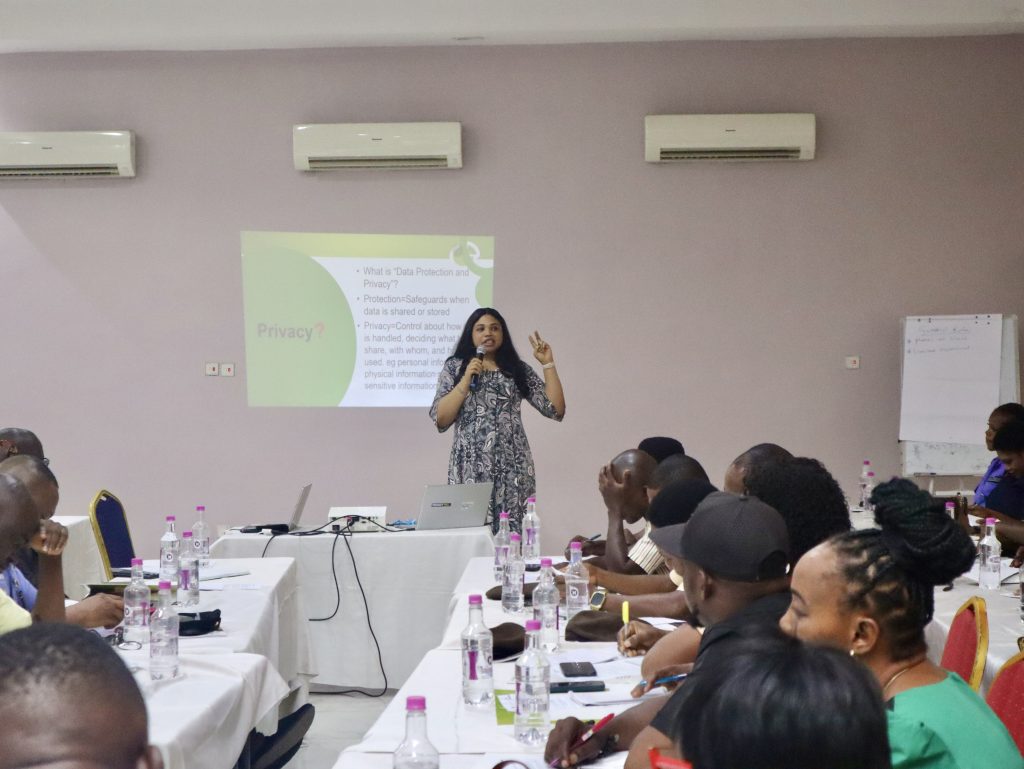
Adaobi Nwankwo, Head of Innovation at the National Data Protection Commission, followed with an enlightening session on Privacy Laws. She provided a comprehensive overview of data protection frameworks, explaining how privacy rights are codified in Nigerian law and international treaties. Her presentation included case studies on data breaches and their societal impacts, offering practical recommendations for strengthening privacy protections at both individual and organizational levels.
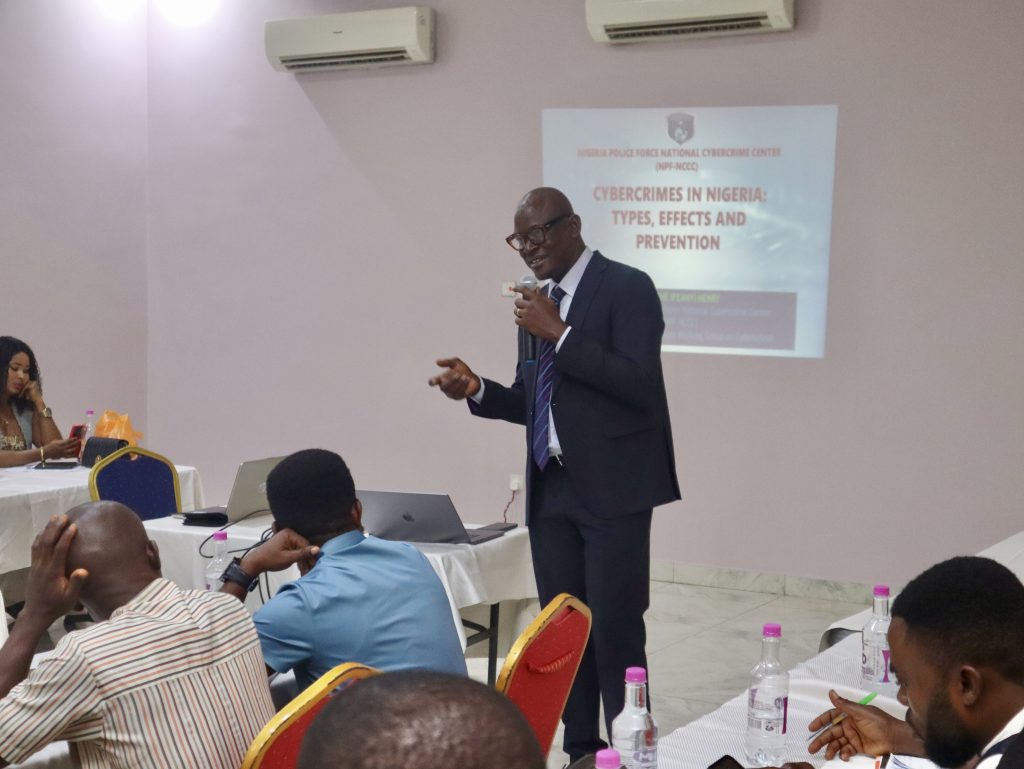
The issue of cybercrime was tackled by CSP Odandinma, Assistant Director of Administration at the Nigerian Cybercrime Center. His session provided an in-depth look at the Types, Effects, and Prevention Strategies related to cybercrime in Nigeria. Using real-world examples, CSP Odandinma illustrated the financial, emotional, and societal toll of cybercrimes, such as phishing scams, ransomware, and identity theft. He emphasized the need for public awareness campaigns and the adoption of advanced forensic tools to combat these threats.
Lotanna Nwobodo, a private legal consultant, led a thought-provoking discussion on Surveillance Technology and its implications for civic space. He unpacked the dual-edged nature of surveillance tools, which can be instrumental in maintaining security but also pose significant risks to privacy and freedom of expression. Nwobodo called for the establishment of clear legal frameworks to govern the use of surveillance technologies, ensuring transparency and accountability in their deployment.
To wrap up the day, Mrs. Victoria Ibezim-Ohaeri, Executive Director of Spaces for Change, delivered an eye-opening exploration of Dual-use Technologies. She elaborated on the ethical dilemmas posed by technologies like drones, AI-powered systems, and facial recognition tools, which can serve both civilian and military purposes. Her session stressed the importance of public participation in decision-making processes related to these technologies to ensure their responsible use.
Day 2 Highlights: Advanced Strategies and Collaborative Insights
The second day of the workshop built on the momentum of Day 1, diving deeper into actionable strategies for addressing the threats posed by emerging technologies.
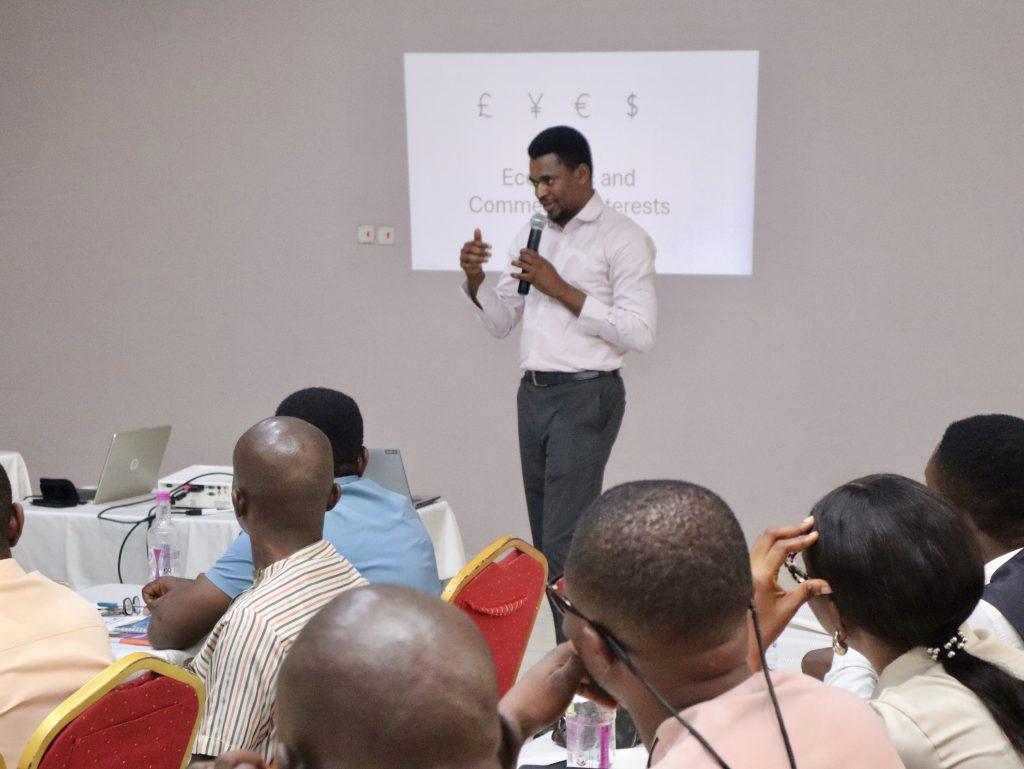
ACP Mohammed Abdullahi kicked off the day with an insightful presentation on Curbing Specific Cybercrimes in Nigeria, focusing on detection, punishment, and prevention. He provided a detailed analysis of the legal and technical measures available to law enforcement agencies, emphasizing the need for international cooperation to address cross-border cybercrime. His session also included a roadmap for implementing community-based initiatives to enhance cybersecurity awareness.
Lotanna Nwobodo returned with two engaging sessions: Cybersecurity and Human Rights and The Proliferation of New Technologies: Mapping Harms, Incidents, and Victims. He examined the intersection of cybersecurity and human rights, shedding light on how overly stringent cybersecurity measures can inadvertently suppress freedoms. His second session provided a framework for identifying and documenting the harms caused by emerging technologies, particularly their disproportionate impact on marginalized communities.
Adaobi Nwankwo’s expertise once again took center stage with sessions on Applying Safeguards in law Enforcement and Cybercrime Investigations and Basic Data Protection Strategies. She shared actionable tips on incorporating privacy considerations into investigative processes, ensuring compliance with legal standards while maintaining operational effectiveness. Her second session outlined practical steps for individuals and organizations to protect their data, including encryption, secure password practices, and regular audits.
Mrs. Victoria Ibezim-Ohaeri concluded the workshop with a powerful session on Advocacy Strategies for Improved Protection of Digital Rights. She highlighted successful advocacy campaigns that have led to significant policy changes and provided participants with tools to mobilize stakeholders, build coalitions, and sustain momentum for digital rights initiatives. Her session emphasized the critical role of storytelling in raising public awareness and influencing policymakers.
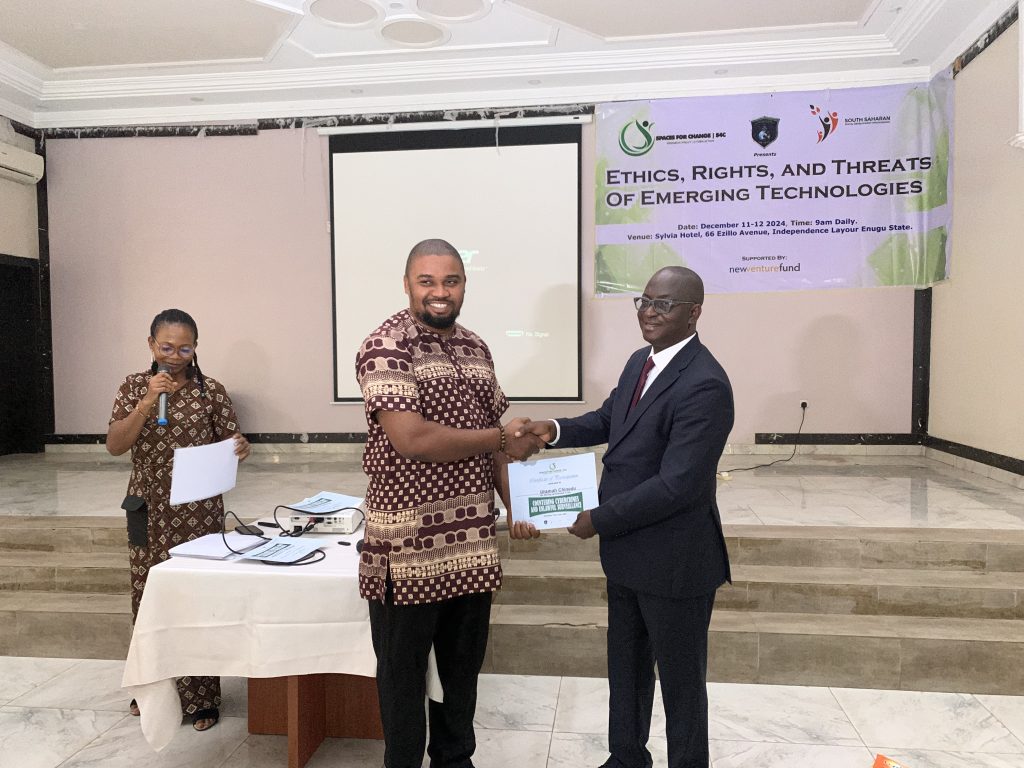
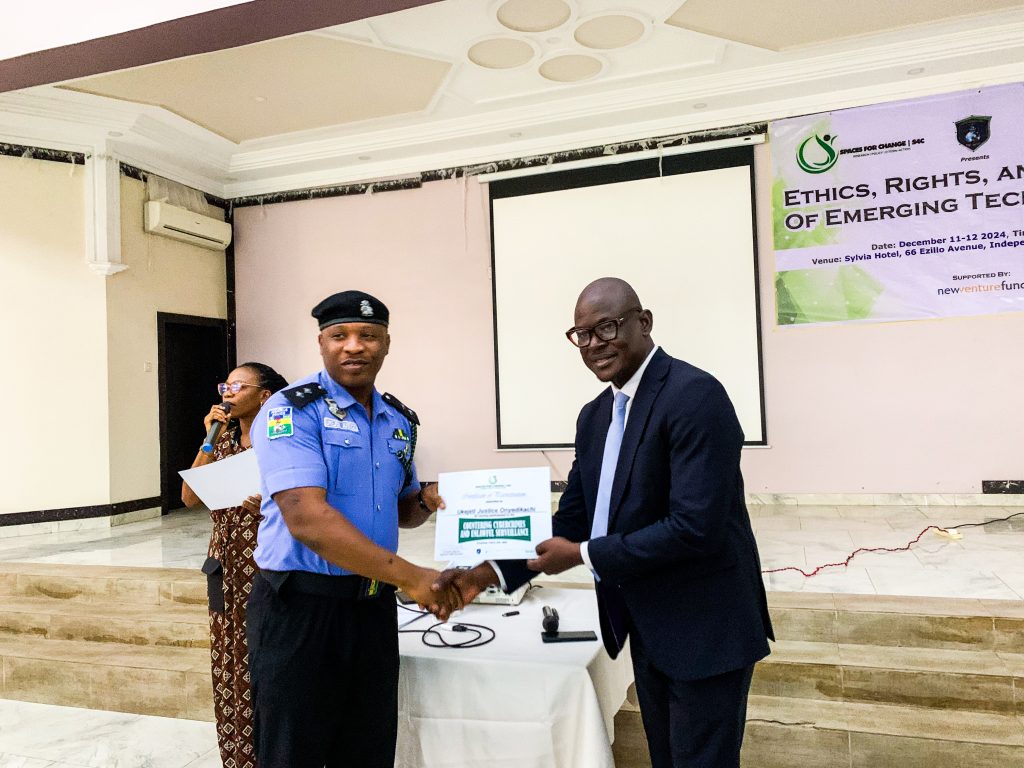
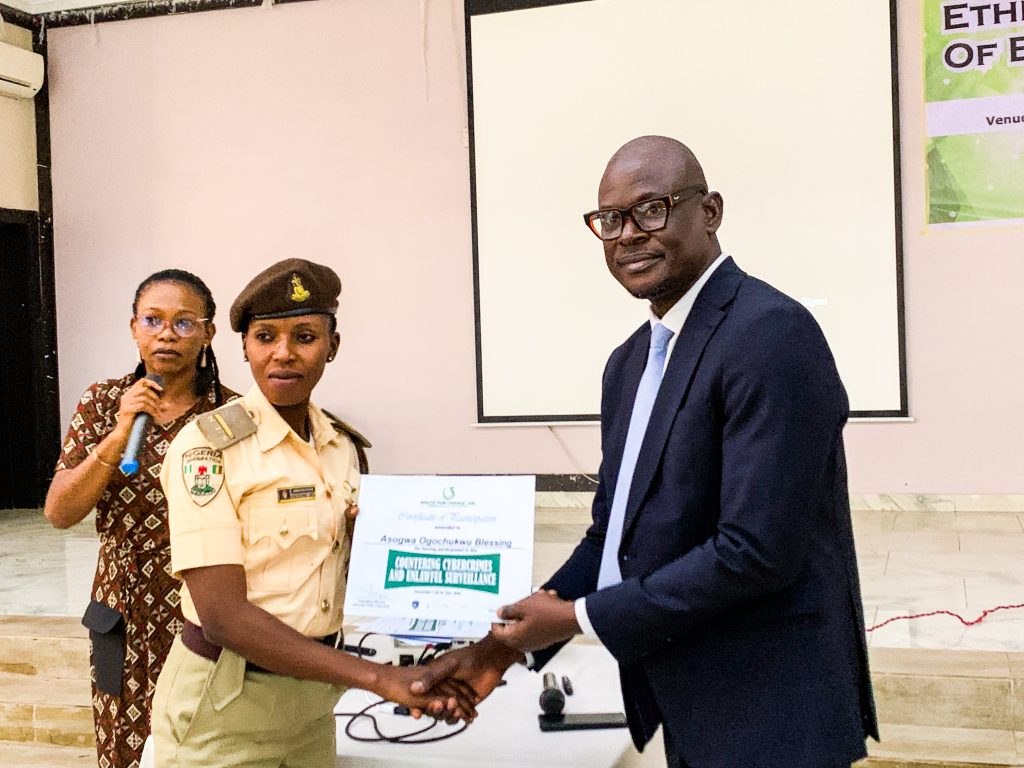
As a testament to their active participation and engagement, all attendees were awarded certificates of completion at the end of the workshop. This recognition underscores their commitment to fostering a future where technology serves as a force for good, guided by ethics, respect for rights, and vigilance against threats. Together, we can build a safer and more equitable digital landscape.
Key Stakeholders and Collaborative Dialogue
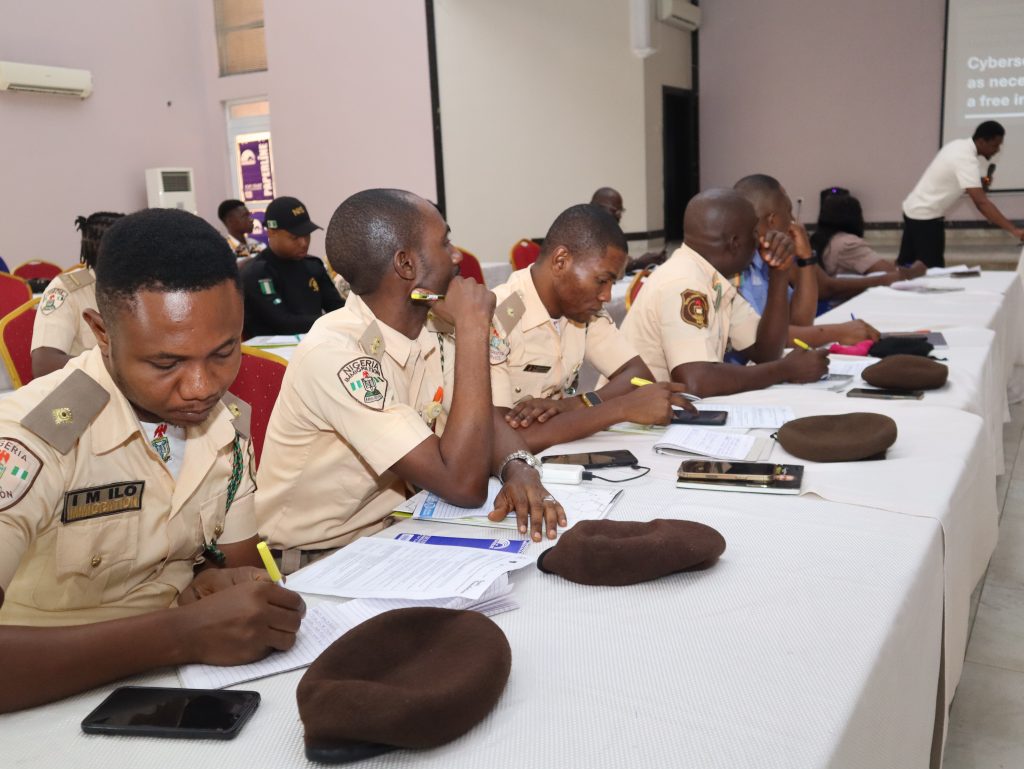
The workshop’s success was amplified by the participation of key security stakeholders, including representatives from the Nigerian Police, Road Safety, Immigration, Civil Defence, and private consultants. Their diverse perspectives enriched the conversations and emphasized the importance of cross-sector collaboration in addressing the challenges posed by emerging technologies.
A Heartfelt Thank You to Our Partners
A Heartfelt Thank You to Our Partners
This transformative workshop would not have been possible without the support of our dedicated partners: Spaces for Change, New Fund Ventures, Nigerian Cybercrime Center, and the Ford Foundation. Their commitment to advancing ethical technology practices and safeguarding digital rights played a pivotal role in making this event a resounding success.
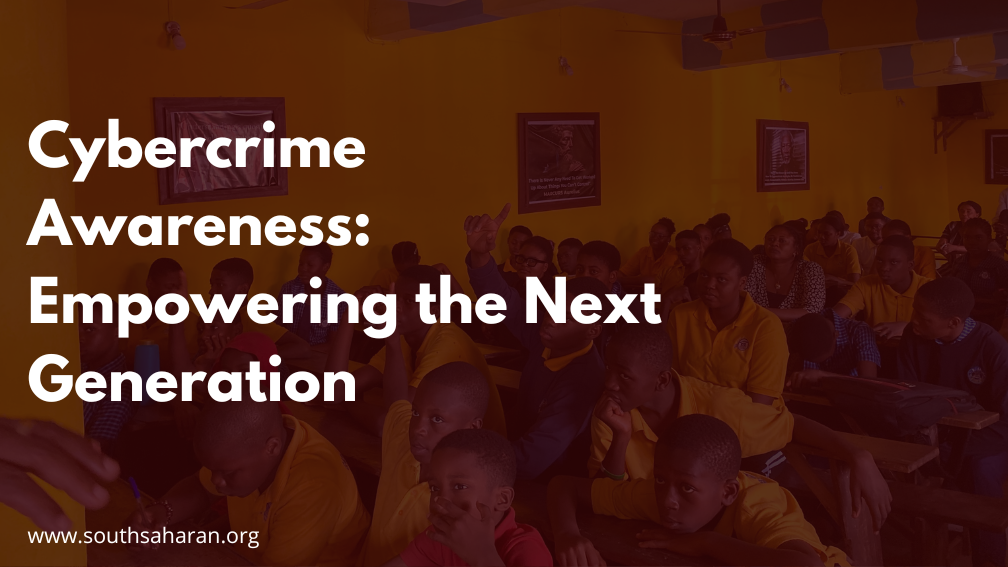
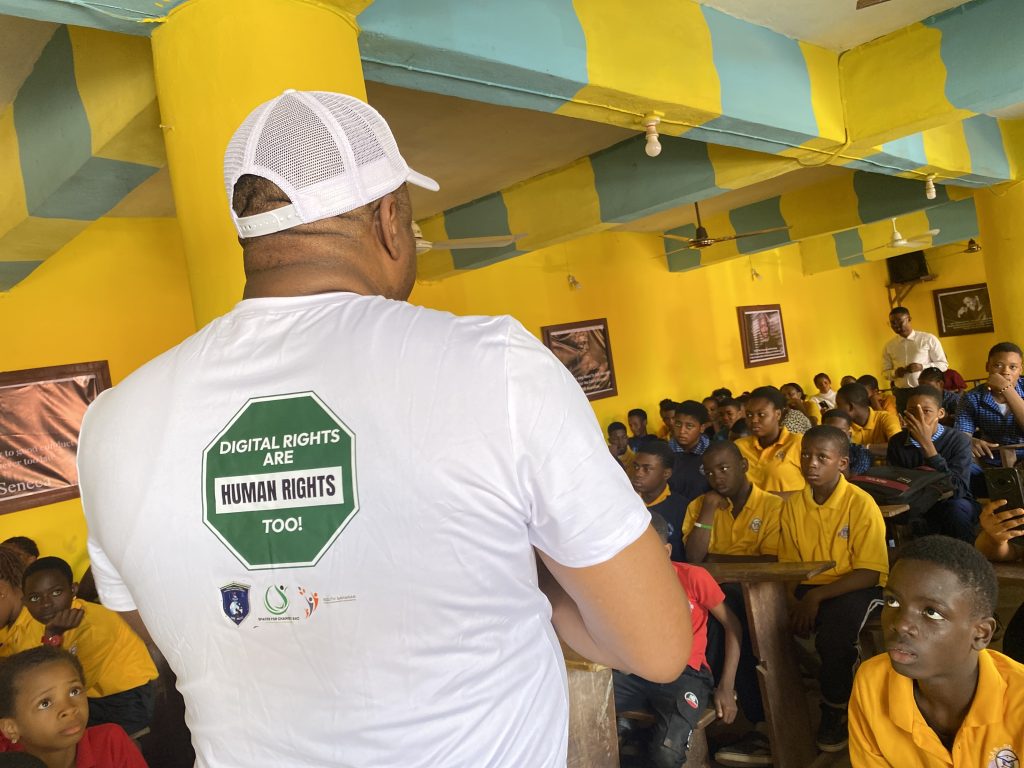
In today’s digital age, cybercrime has become a pervasive threat that affects individuals, communities, and nations worldwide. As we commemorate Human Rights Day, it is essential to recognize that digital rights are also human rights. To combat this menace, it is crucial to educate the next generation on the importance of cybersecurity and the dangers of cybercrime.
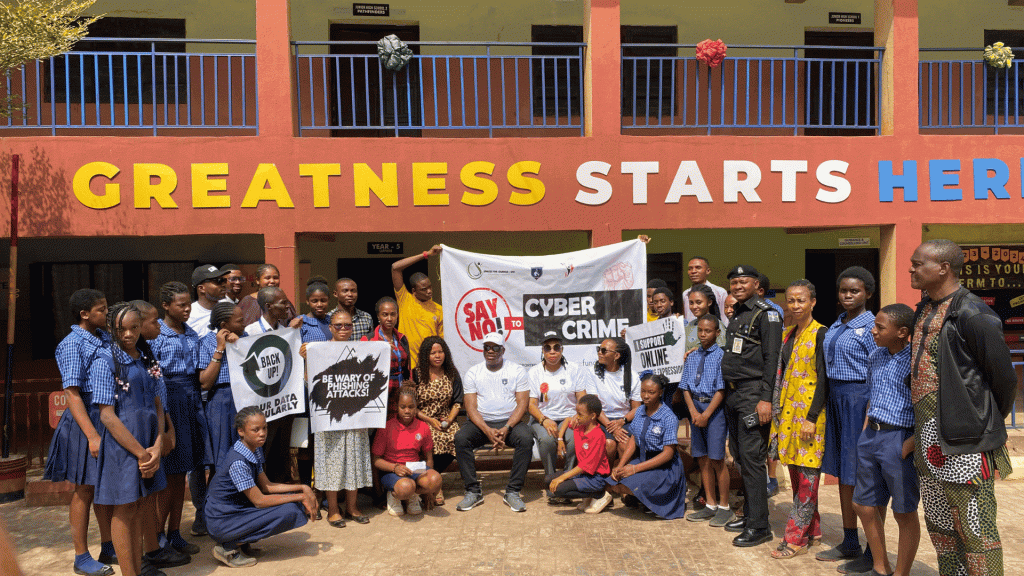
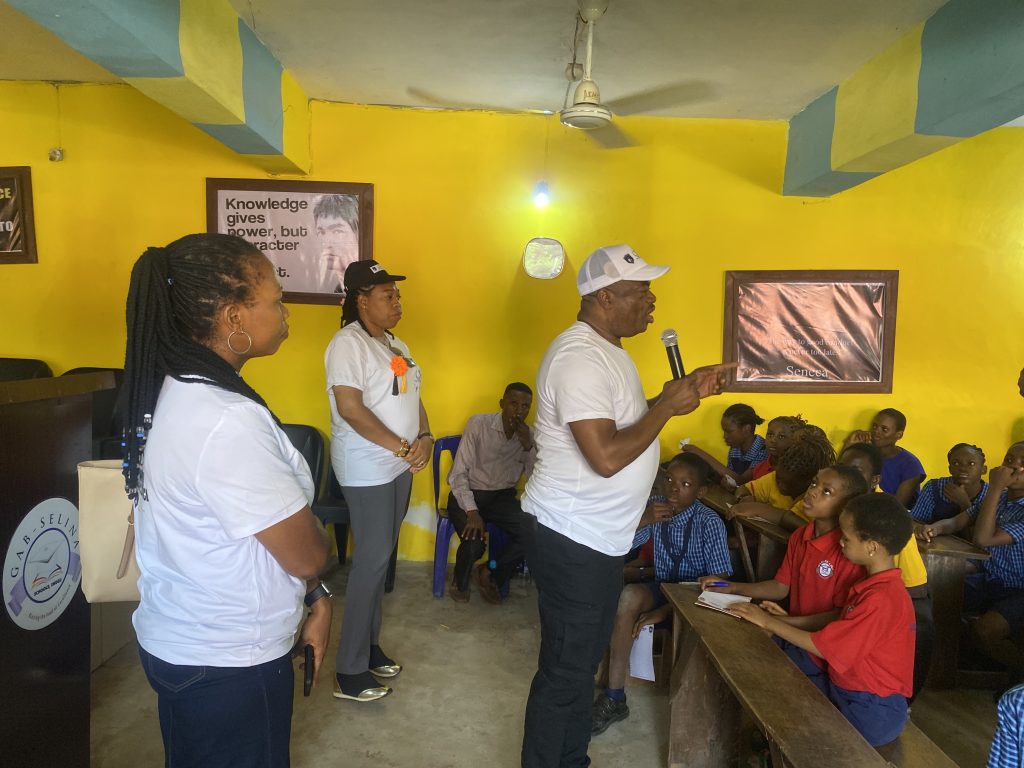
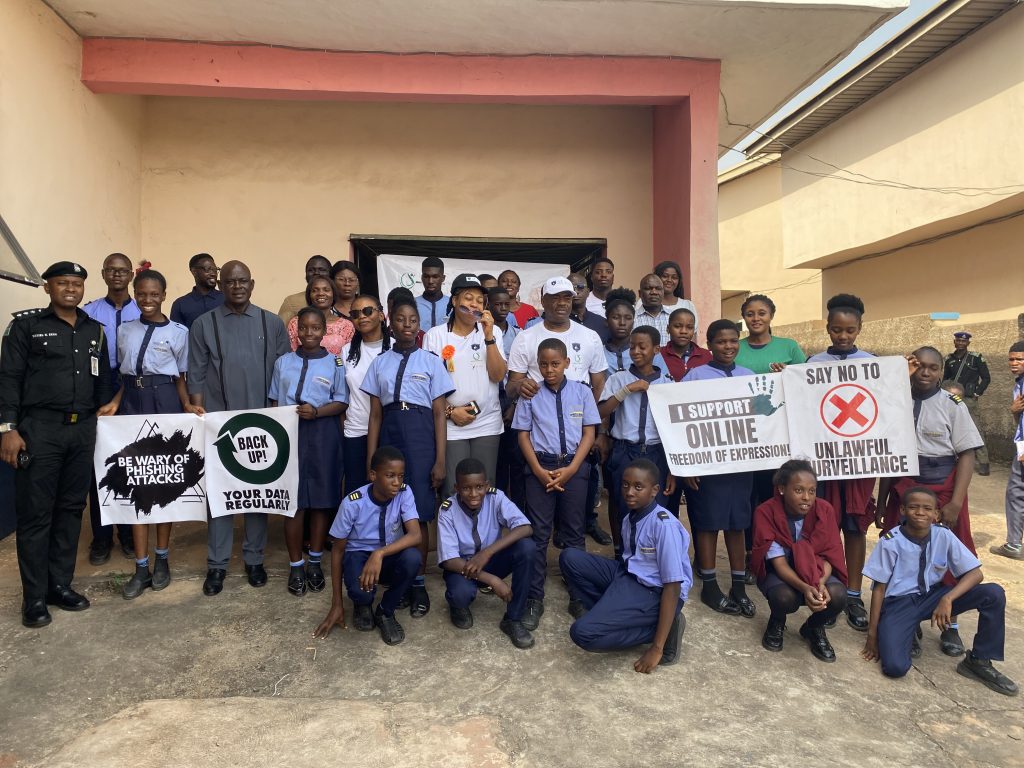
We embarked on an awareness campaign to Gabselina Schools and The Spirit of Daniel Academy, both in Enugu State, to empower students with the knowledge and skills necessary to protect themselves online. We were honored to have CP Uche Ifeanyi Henry, Director of the Nigerian Police Force’s National Cyber Crime Centre, Abuja, and Chairman of the Interpol African Working Group on Cyber Crime, share his expertise with the students.
CP Uche Ifeanyi Henry emphasized the importance of protecting oneself online and offline, particularly highlighting the vulnerabilities of the female gender. It was a critical message that resonated deeply with the students. As a seasoned expert in cybercrime, CP Henry’s insights and expertise provided a comprehensive understanding of the importance of cybersecurity and the dangers of cybercrime.
Understanding Cyber Space and Cyber Security
CP Henry began by explaining the concept of cyber space and its relationship with cyber security. He defined cyber space as the online environment where individuals interact, communicate, and access information. He then emphasized the importance of cyber security, highlighting the measures individuals can take to protect themselves online, such as using strong passwords, keeping software up-to-date, and being cautious when sharing personal information.
The Dangers of Cyber Crime
CP Henry also delved into the dangers of cybercrime, explaining the various types of cyber threats, including phishing, social engineering, and malware. He emphasized the importance of being aware of these threats and taking steps to prevent them. He also highlighted the consequences of cybercrime, including identity theft, financial loss, and emotional distress.
Sextortion: A Growing Concern
One of the most critical topics CP Henry addressed was sextortion. He explained that sextortion is a form of cybercrime where individuals are coerced into sharing explicit images or videos. He emphasized the importance of being cautious when sharing personal information online and the need to report any incidents of sextortion to the authorities.
Empowering the Next Generation
CP Henry’s message was not only informative but also empowering. He encouraged the students to take control of their online presence, to be mindful of their digital footprint, and to report any incidents of cybercrime to the authorities. He also emphasized the importance of promoting cybersecurity awareness and education, and encouraged the students to share their knowledge with their peers and communities.
The Importance of Cybersecurity Awareness
Empowering the next generation against cybercrime requires a collective effort from individuals, organizations, and governments. By promoting cybersecurity awareness and educating ourselves and others on the risks associated with online activities, we can reduce the likelihood of falling victim to cybercrime.
Stay safe online! Cybersecurity awareness is key to preventing cybercrime. Let’s work together to educate ourselves and others, promoting a safer digital community for all.