Healthcare workers are the backbone of an effective healthcare system. Health officials are often front liners providing essential services at the community level. Based on the sensitivity of their jobs, they are frequently exposed to infections and diseases.
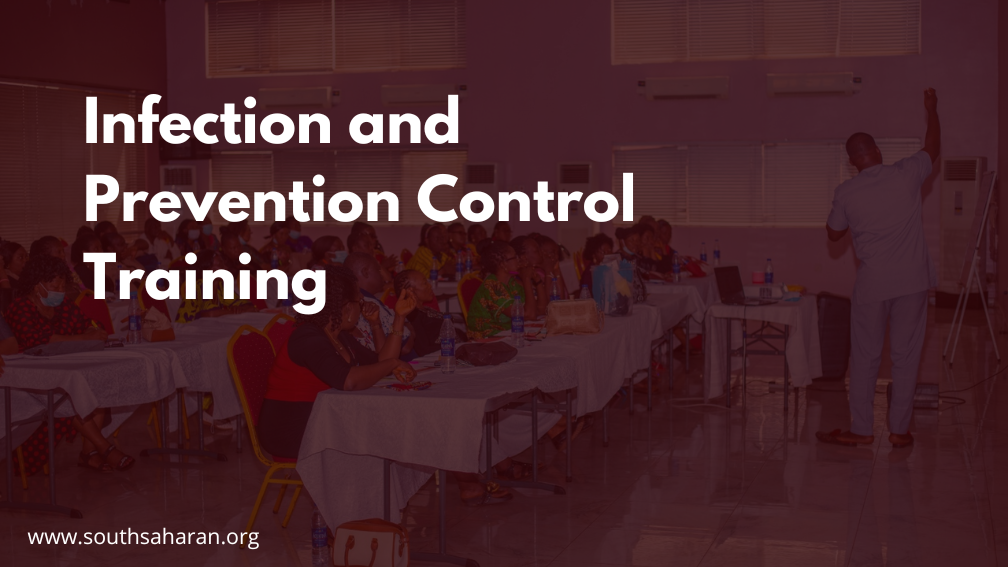
Understanding the constant risk healthcare workers are exposed to, WaterAid Nigeria and South Saharan Social Development Organization saw the need to organize a training workshop to strengthen the capacity of about 100 healthcare workers in Enugu State on infection and prevention control (IPC).
The training, which was held on the 19th and 20th of January, 2023, had health officials from different healthcare facilities and agencies in attendance. Three resource persons facilitated the training: University of Nigeria Teaching Hospital IPC specialist Dr. Onyekachi Ugwa, Enugu State Epidemiologist Dr. Ezeudu Chinyere, and Water and Sanitation Hygiene Consultant Jessica Ezeime.
The workshop covered topics such as environmental cleaning and disinfection, disease transmission, and precautions. Participants were better equipped on how to protect themselves and avoid being a source of infection to patients.
To support the efforts of the government to halt the spread of infectious diseases such as Diarrhea, cholera, coronavirus, and other WASH-related diseases; and consolidate on the gains and wins from previous projects in Enugu state, WaterAid Nigeria and South Saharan Social Development Organization (SSDO) conducted a practical training on Hygiene Behavior Change.
The training was designed to prepare facilitators for the community-based campaign under the Hygiene Behavior Change Coalition (HBCC) Phase II project. It covered behavior change analysis, theory of change, hand washing, food hygiene, safe use of water, and covid-19 vaccine uptake. A community session manual was used to teach the participants about the best approaches for community entry, program implementation, and creative approaches to achieve behavior change.
OBJECTIVES OF THE TRAINING
To acquaint facilitators with WaterAid’s Hygiene Behavior Change Approach
To introduce the Clean Family Campaign (Clean family, Happy family), its rituals and themes, as well as the key behaviors the campaign is trying to reinforce through surprises, fun, and exciting, attractive, and engaging games.
Train facilitators on the designed HBC intervention package for the HBCC II project and develop plans to roll out the pre-testing of the developed HBC tools in 8 communities in Igboeze North LGA.
Conduct Pre-test intervention package for community events 1,2,3 & 4 in selected communities and Household settings and collate feedback in terms of facilitation and content of the manual.
To improve the content of the manual and enhance the facilitation of the community events with information gathered from the events’ pre-testing activities.
The training sessions also focused on the following points.
Ensured everyone understands hygiene and its importance.
Participants understood that a creative/innovative process is more likely to change behavior.
Understood the key elements of the universal behavior change approach.
Deliver – implementing the intervention as developed; minimize the difference between the designed ideal intervention and the actual implementation in real life.
Community entry strategy and how to implement it according to design
Making sessions participatory and interesting for community members
SSDO collaborated with CSO partners who have been part of the HBC implemented in Bauchi State to train the facilitators to have an in-depth understanding of the final HBC Package developed for the HBCC II project to be implemented at community and household levels. The participants were also guided to practically understand the finalized packages through explanations, group simulation/rehearsal, and plenary presentation towards behavior change that will prevent and control the spread of infectious diseases like COVID-19, Diarrhea, Cholera, Lassa fever, among others, and bring dignity.
After the training, participants conducted a pre-test intervention in different communities and households to properly internalize the approach and collect feedback from the communities in a truly participatory monitoring and evaluation process. Participants include members of the Igbo-Eze WASH unit, the State Ministry of Health Epidemiology Unit, the Office of the State Director of Public Health, Primary Healthcare Development Agency, among others.
The HBCC II project is funded by the Foreign, Commonwealth and Development Office (FCDO) and Unilever to combat new Covid-19 variants through hygiene behavior change, rehabilitation, and construction of Handwashing Facilities (HWFs) and support for increased COVID vaccine uptake in Bauchi and Enugu states.
Do you know that handwashing is critical to preventing illness, especially infectious diseases? Proper handwashing can reduce the rate of diarrhea by 40 percent and respiratory infection by 20 percent. Interestingly, 50 percent of food-related illnesses are caused by poor hand hygiene.
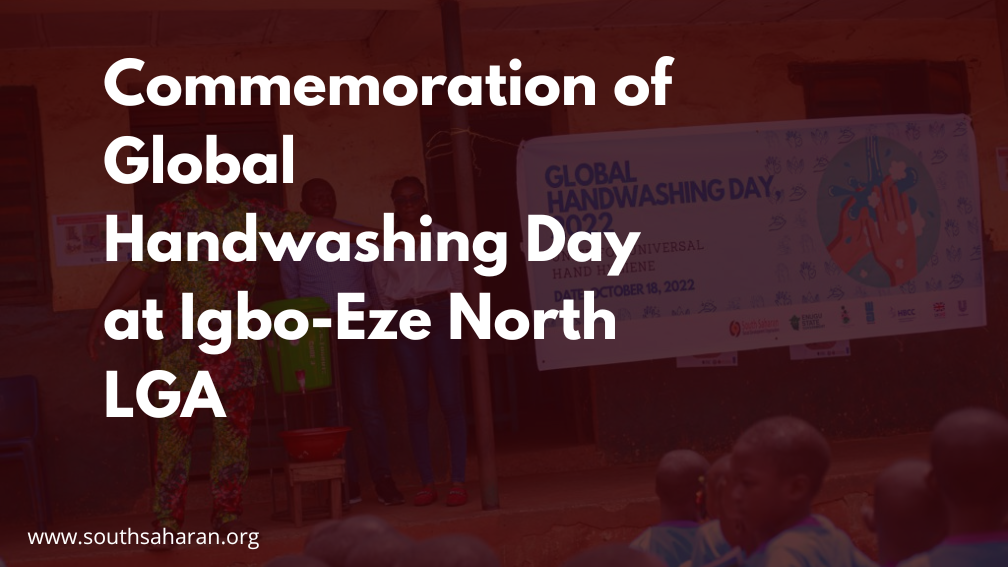
The 15th of October is recognized the world over as Global Handwashing Day. a day dedicated to increasing advocacy and awareness of the importance of handwashing with soap as an effective way to prevent diseases and saves lives.
The theme of this year’s commemoration is tagged ‘Unite for Universal Hand Hygiene.’ WaterAid in partnership with South Saharan, the Ministry of Water Resources, and the Enugu State Universal Basic Education Board (ENSUBEB) commemorated the Global Handwashing Day at two schools: Township School 1 Ogrute and Community Primary School Ugwu-Amufie both in Igboeze North LGA.
The pupils were taught the six critical times to wash their hands, alongside the techniques for handwashing; this session was facilitated by a representative from the state Ministry of Water Resources. Handwashing buckets and liquid soaps were presented to the two schools to also promote hand hygiene in the schools.
The Environmental Health Clubs that had been established and trained by the WASH Unit of the Local Government were inaugurated by the visiting team.
The representatives from the ENSUBEB and the schools’ administration appreciated the team and reassured the team of their continuous support towards hand hygiene and general hygiene promotion. Through this activity, 174 students were reached in total: 100 Females and 74 Males.
This outing is one of the key deliverables for the HBCC II project that will ensure the promotion of hygiene behaviour change to improve personal hygiene.
To ensure a holistic and cross-cutting project intervention, beneficiaries and stakeholders must be involved. They should have their say in evaluating the most pressing needs they have.
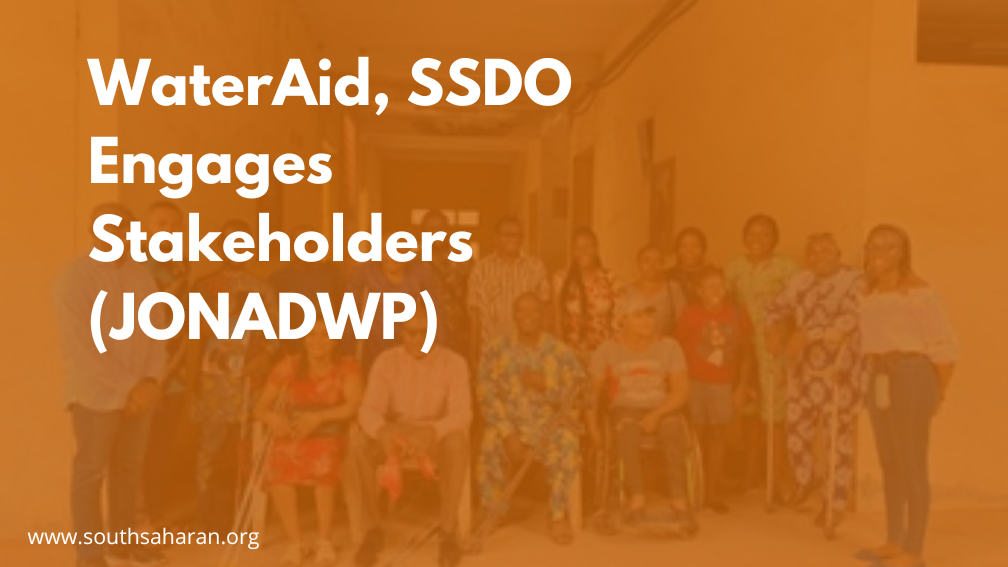
South Saharan Social Development Organization, SSDO, in partnership with WaterAid Nigeria, organized a stakeholder meeting with the Joint National Association of Persons with Disability (JONAPWD) at the Ministry of Gender Affairs and Social Development.
The meeting aimed to strengthen the relationship between WaterAid, SSDO, and JONAPWD by including them in project implementation and monitoring. And also to continue facilitating disability-friendly facilities going forward.
Stakeholders present include executive members of JONAPWD, WaterAid Monitoring Evaluation Accountability and Learning Officer, SSDO WASH Program Lead and Associate, WASH media, and a sign translator.
From all indications, Nigeria, like most low and middle-income countries, is not adequately prepared to manage the devastating viral impact of the coronavirus disease. It poses a danger to the population’s health and exacerbates poverty and inequality, especially with the discovery of new variants.
About 60 million people in Nigeria lack access to basic water supply services, and 167 million people lack basic handwashing facilities. Worse still, 70,000 children under five die yearly from diseases caused by poor access to water, decent toilets, and good hygiene services. These figures show that Nigeria is still a long way from achieving Sustainable Development Goal 6 (clean water and sanitation).
There’s been a huge covid-19 vaccine hesitancy in Nigeria. It has been attributed to several factors, such as the efficacy of the vaccines, side effects, and negative sociocultural norms. The National Primary Health Care Development Agency notes that only 10 million people have been fully vaccinated, representing 9 percent of the population.
This situation exposes the populace to new and more aggressive variants of the Covid-19 variant. Against this background, WaterAid Nigeria and South Saharan Social Development Organization, SSDO, are intervening to curb the spread of the virus.
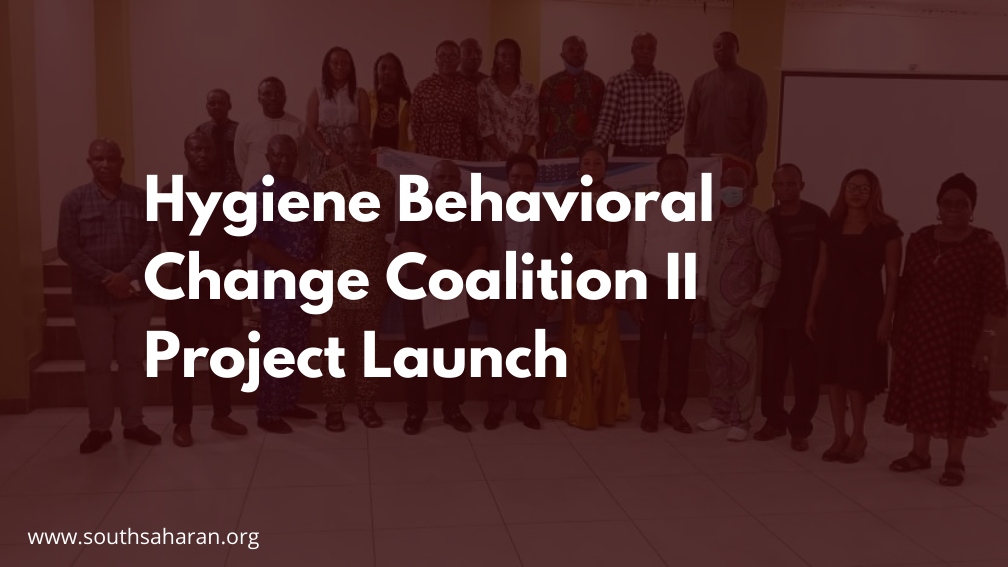
This birth the Hygiene Behavior Change Coalition II Project. The project is designed to complement the Clean Nigeria Campaign to promote hygiene using a behavior-centered approach. The project will be implemented in Enugu and Bauchi states and was launched today in Enugu state. It aims to combat new Covid-19 variants, increase vaccine uptake, and improve personal hygiene.
The project will undertake its intervention, emphasizing hygiene education that focuses on key hygiene behaviors—respiratory hygiene, handwashing, physical distancing, food hygiene, water storage, and vaccine uptake. In partnership with key government institutions, our approach to improving hygiene behavior and vaccine uptake in urban and rural communities includes a mix of hygiene education and vaccine uptake promotion.