SSDO

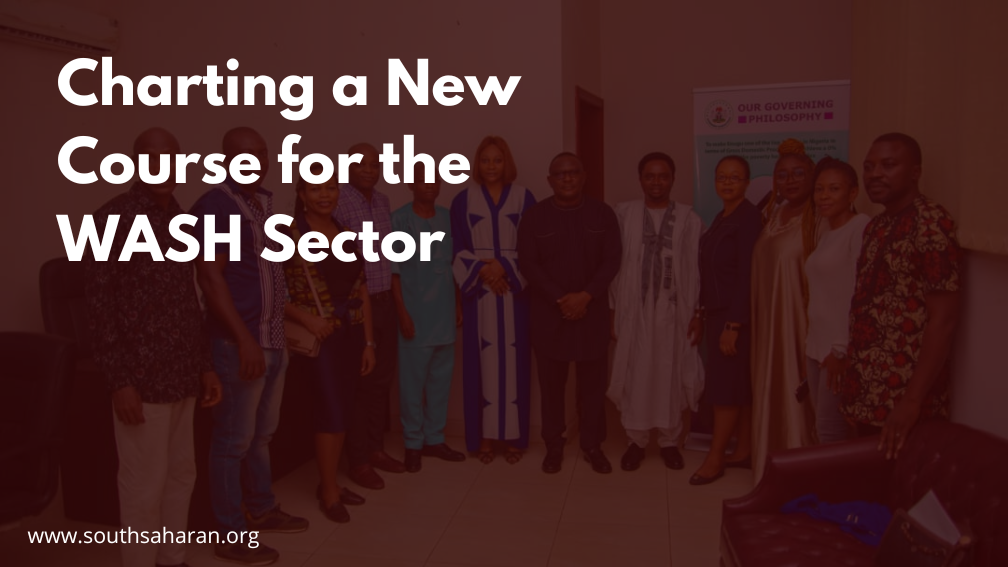
Charting a New Course for the WASH Sector

Enugu State’s WASH Stakeholders paid a courtesy visit to the newly appointed Commissioner for Water Resources, Dr. Felix Nnamani. The delegation, led by WaterAid Nigeria, included South Saharan Social Development Organization, SSDO, and various CSOs. 

The team used the opportunity to discuss and agree on a roadmap for partnership with the state government to deepen WASH service delivery in Enugu State. And shared insights into the team’s initiatives.  

Key issues brought to the notice of the commissioner include: 

– Implementation of the Enugu State Water Sector Law 2021. 

– Declaring a state of emergency in the sanitation sector to fast-track the Open Defecation Free Vision 2025. 

– Sustainability and strengthening of the WASH Sector Partnership Forum. 

These and more were discussed during the meeting. Representing SSDO were the Head of Programs, Udochukwu Egwim, and the Finance and Admin Manager, Amaka Okoye. SSDO is committed to improving access to WASH facilities for residents of Enugu state. 

Breaking the Stigma and Myth Around Menstruation

Did you know that over 37 million women and girls of reproductive age in Nigeria lack access to menstrual hygiene products due to a lack of funds? Period poverty is a global problem but is more prevalent in developing countries. Today, girls are still stigmatized and excluded because of a normal bodily function. 

Menstrual Hygiene Day (MHD) is held annually on the 28th of May to highlight the importance of menstrual care and raise awareness about the issues faced by those who don’t have access to sanitary products.

Understanding this challenge, South Saharan Social Development Organization, in partnership with WaterAid Nigeria, is playing its part in changing the narrative. To commemorate Menstrual Hygiene Day this year under the theme, “Making Menstruation a Normal Fact of Life by 2030”, the team organized a menstrual hygiene management education program at Government Secondary School Abakaliki Road, Enugu.

The introduction and overview of menstruation were facilitated by Mrs. Cheta the Adolescent focal person at UNTH. She started by asking the students questions on menstruation and then stated the meaning of menstruation, also known as a woman’s period, as a natural process that occurs in the reproductive system of females which is also a regular part of a woman’s life, typically starting during puberty and continuing until menopause. While menstruation is a normal biological phenomenon, it is often accompanied by a range of physical and emotional experiences that can vary from person to person.

She went further to explain that menstruation has been both a topic of curiosity and a subject shrouded in stigma and taboo. Cultural beliefs, religious practices, and societal attitudes have influenced the way menstruation is perceived and discussed. However, in recent years, there has been a growing movement, such as sensitizing both males and females to break the silence surrounding menstruation and promote open conversations about this natural bodily function. Therefore, she encouraged the students, especially the girls, to embrace their womanhood and have open conversations when needed.

The school outreach was an opportunity to raise awareness and promote proper menstrual hygiene practices among female students. Male students were also sensitized as brothers, future fathers and uncles so they know what to do to help out. They were taught not to stigmatize or mock their female counterpart. The engagement increased knowledge and understanding of menstrual hygiene, debunked myths and misconceptions, and challenged stigmas surrounding menstruation.

Students were engaged in a participatory and inclusive approach as they demonstrated how to use sanitary pads properly, and wrong notions were corrected. Sanitary pads were shared among the female students, ensuring they had access to essential menstrual hygiene products.

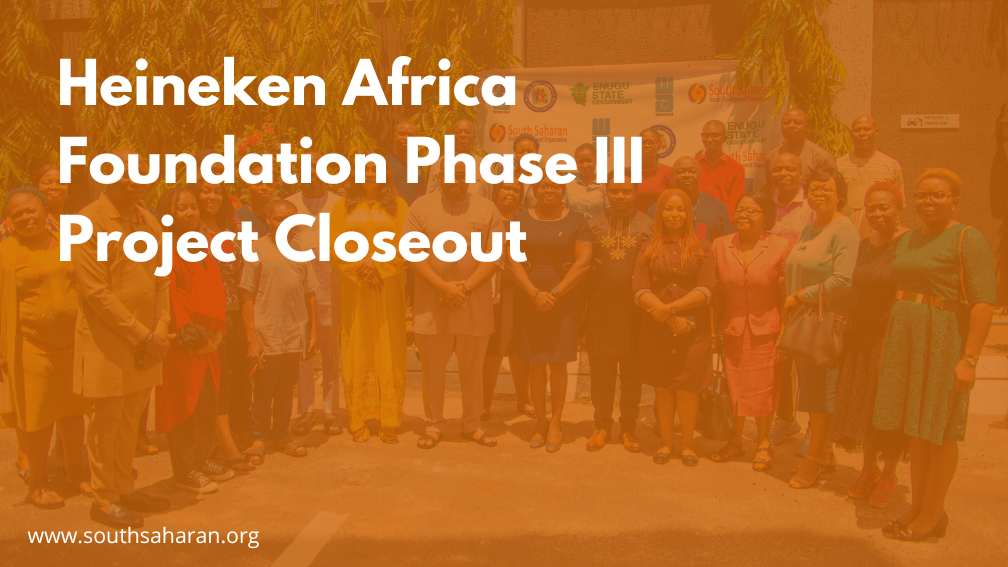
HEINEKEN AFRICA FOUNDATION (HAF) PHASE III PROJECT CLOSEOUT

South Saharan Social Development Organization, in partnership with WaterAid Nigeria, successfully completed the implementation of the HAF III project and closed out the project.

The project complemented the results of the first and second phases to drive hygiene promotion in response to COVID-19 using a behaviour-centered design approach leveraging the mass media, advocacy, and community-based approach to reach its target audience. As well as advocating for Water, Sanitation and Hygiene (WASH) prioritization.

The project successfully installed five handwashing facilities in schools across the state, established health clubs in 30 schools, and organized sensitization programs, radio and TV jingles, and a hygiene behavior campaign in Igbo-Eze North LGA that reached over 5,000 people.

Certificates and awards were presented to the following stakeholders: Nigeria Breweries, JONAPWD, GHARF, Heroine Women Foundation, Ministry of Water Resources, Ministry of Health, Ministry of Education, and the Igbo Eze North LGA WASH unit.

Dignitaries present include Special Adviser to the Governor on Water Resources, Hon. Dubem Onyia, Corporate Affairs Manager (East Region) Nigerian Breweries, Joy Egolum, and Permanent Secretary Ministry of Health Enugu, Dr. Ifeanyi Agujiobi.

SSDO, WaterAid Nigeria Commemorates World Water Day 2023

Enugu’s topography posits a perennial water scarcity challenge. This has led to a drastic water price hike, affecting residents’ daily lives. This scarcity affects the return of farmers, causes women and girls to walk long distance, and affect children’s education. 

About half of the state’s residents lack access to basic water services. This poor access increases poverty, poor health, and stunted growth for children. We call on stakeholders to accelerate change to solve the water and sanitation crisis.

This scarcity results in inadequate sanitation and poor hygiene practices. People hence result to open defecation and recycling dirty water. Using this contaminated water increases the risks of cholera, diarrhoea, dysentery, and typhoid. 

As we commemorate #WorldWaterDay, under the theme, “Accelerating the change to solve the water and sanitation crisis,” we draw the attention of stakeholders and the government to the perennial water scarcity Enugu residents face.

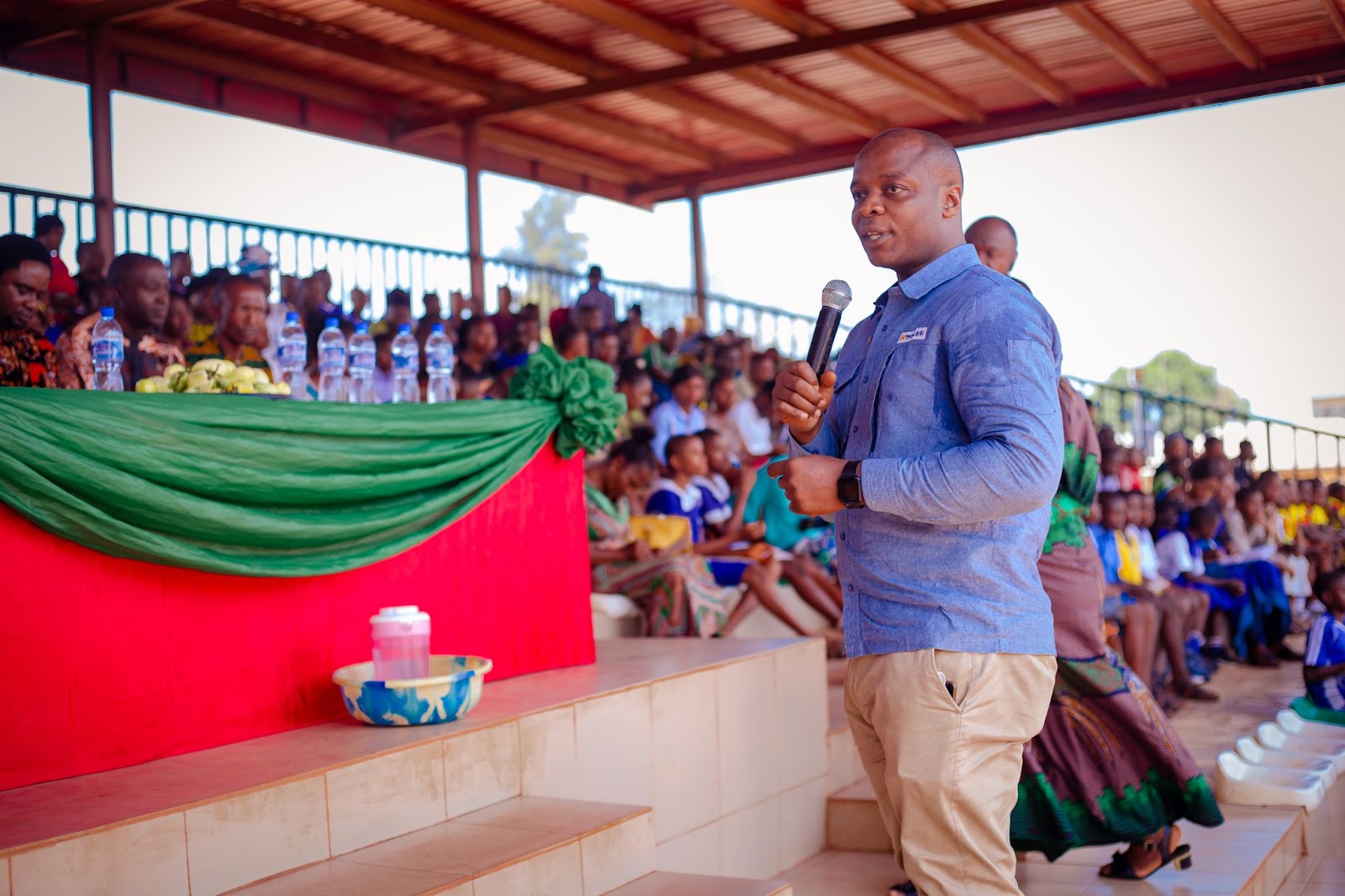
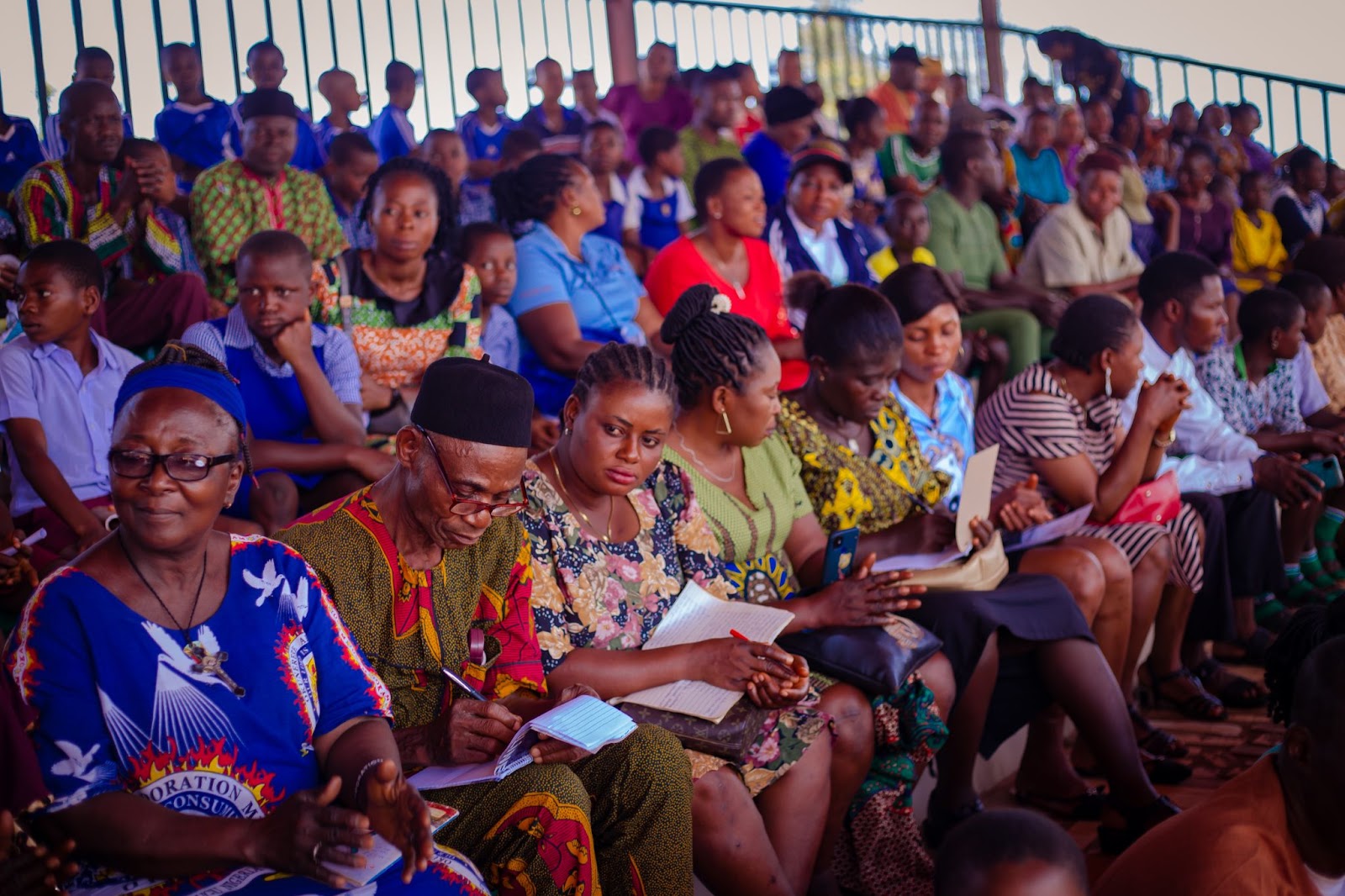
Understanding this challenge, South Saharan Social Development Organization, in partnership with WaterAid Nigeria, Enugu State Universal Basic Education Board (ENSUBEB), Small Town Unit-Ministry of Water Resources, and Igboeze North LGA WASH Unit, commemorated World Water Day in Igbo-Eze North LGA through a community stakeholder engagement.

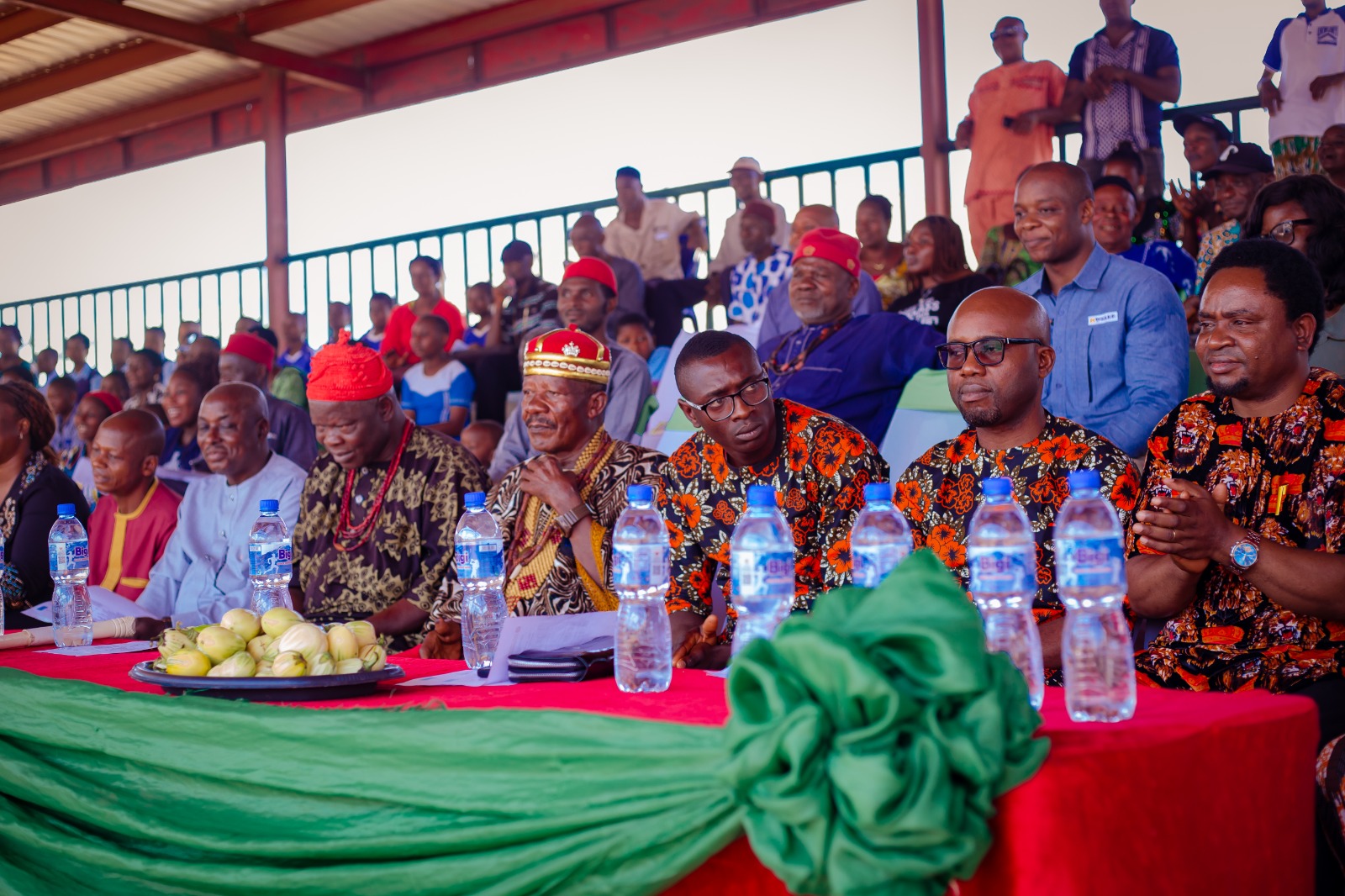
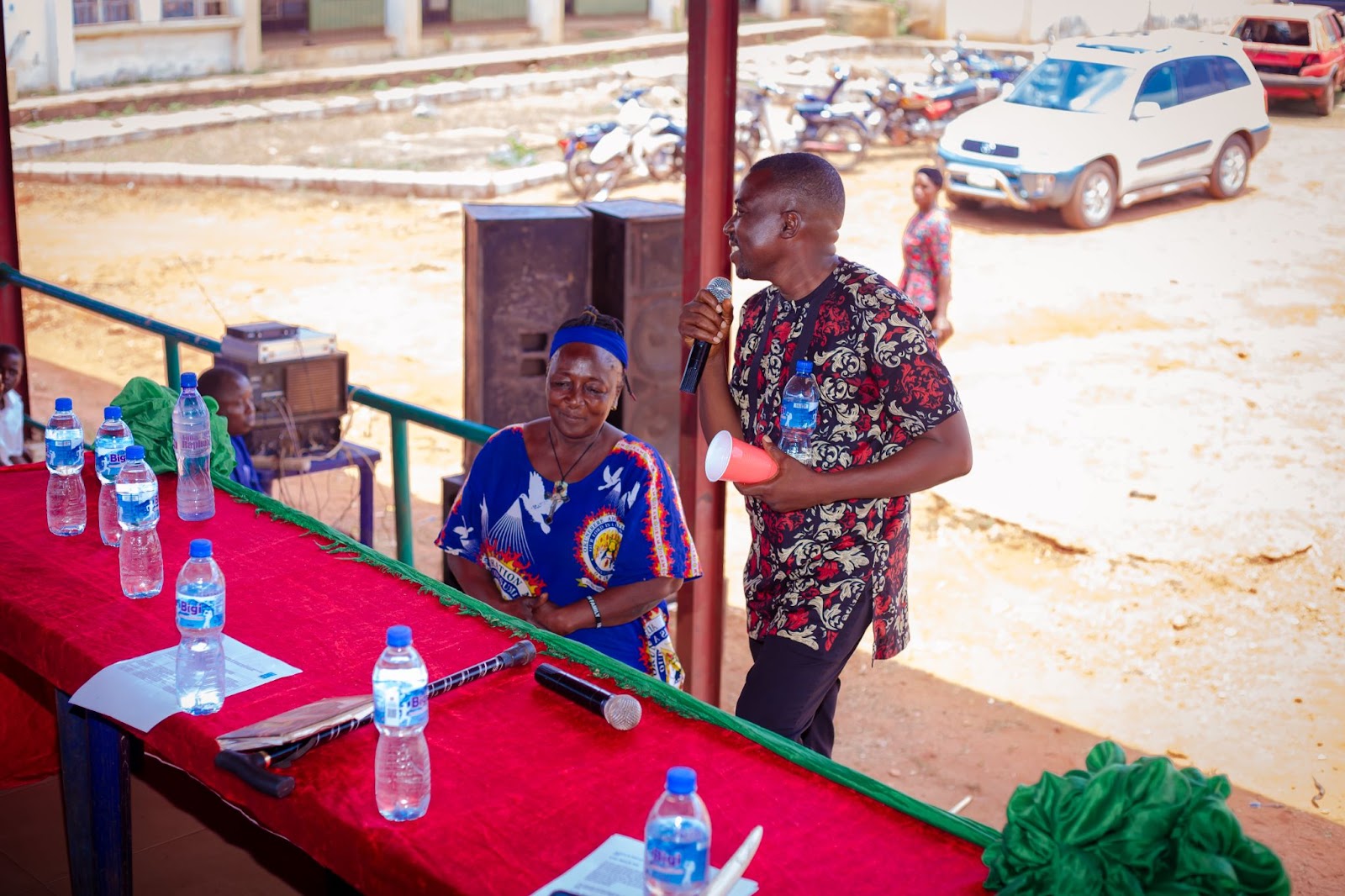
The event aimed to trigger schools and community members on the effects of Open Defecation and raise awareness on hygiene through the Hygiene Behavioral Change exercises. Dignitaries present include commissioners from different ministries, council chairs, traditional rulers, president generals, and community and women leaders. Going forward, this sensitization engagement will help eliminate open defecation and improve the personal hygiene of the community members. 

SSDO, WaterAid Nigeria Installs Handwashing Facilities in Schools Across Enugu State

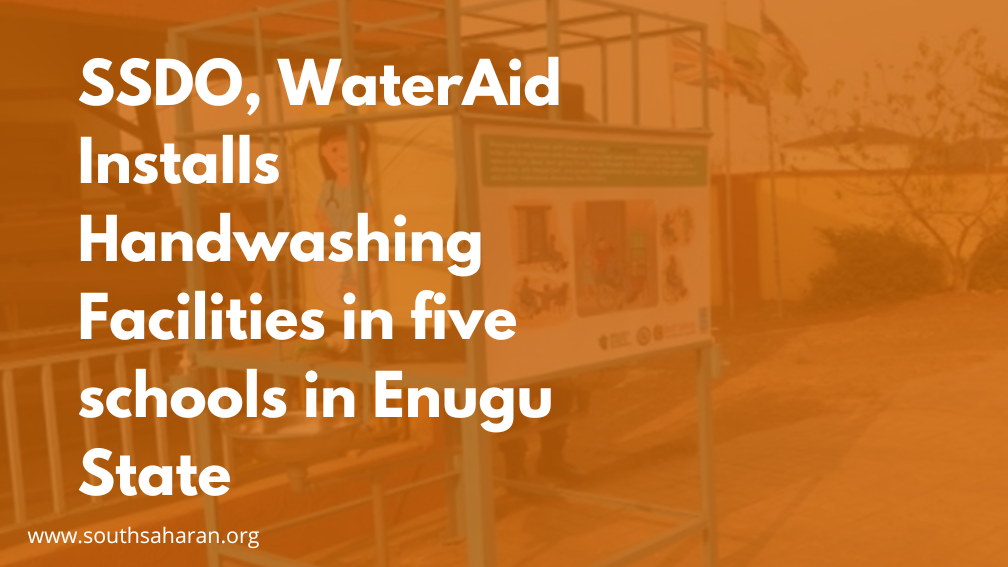
South Saharan Social Development Organization, SSDO, in partnership with WaterAid Nigeria, installed five permanent Handwashing facilities (HWFs) in schools across Enugu State as part of the role out plans for the Heineken African Foundation (HAF) phase III project to combat new Covid-19 variants through hygiene behavior change campaign, and support WASH advocacy in Enugu state.

In order to ensure the sustainability and ascertain the functionality of the facilities, the team organized an assessment and monitoring exercise across the five new facilities and the forty rehabilitated facilities in public places under the Hygiene Behavior Change Coalition Phase II project.

To further buttress the hygiene behavior change messaging and guarantee the sustainability of the newly installed handwashing facilities, SSDO and WaterAid Nigeria, under the HAF III project, organized an operation, maintenance, and hygiene training for school teachers where the facilities were installed.