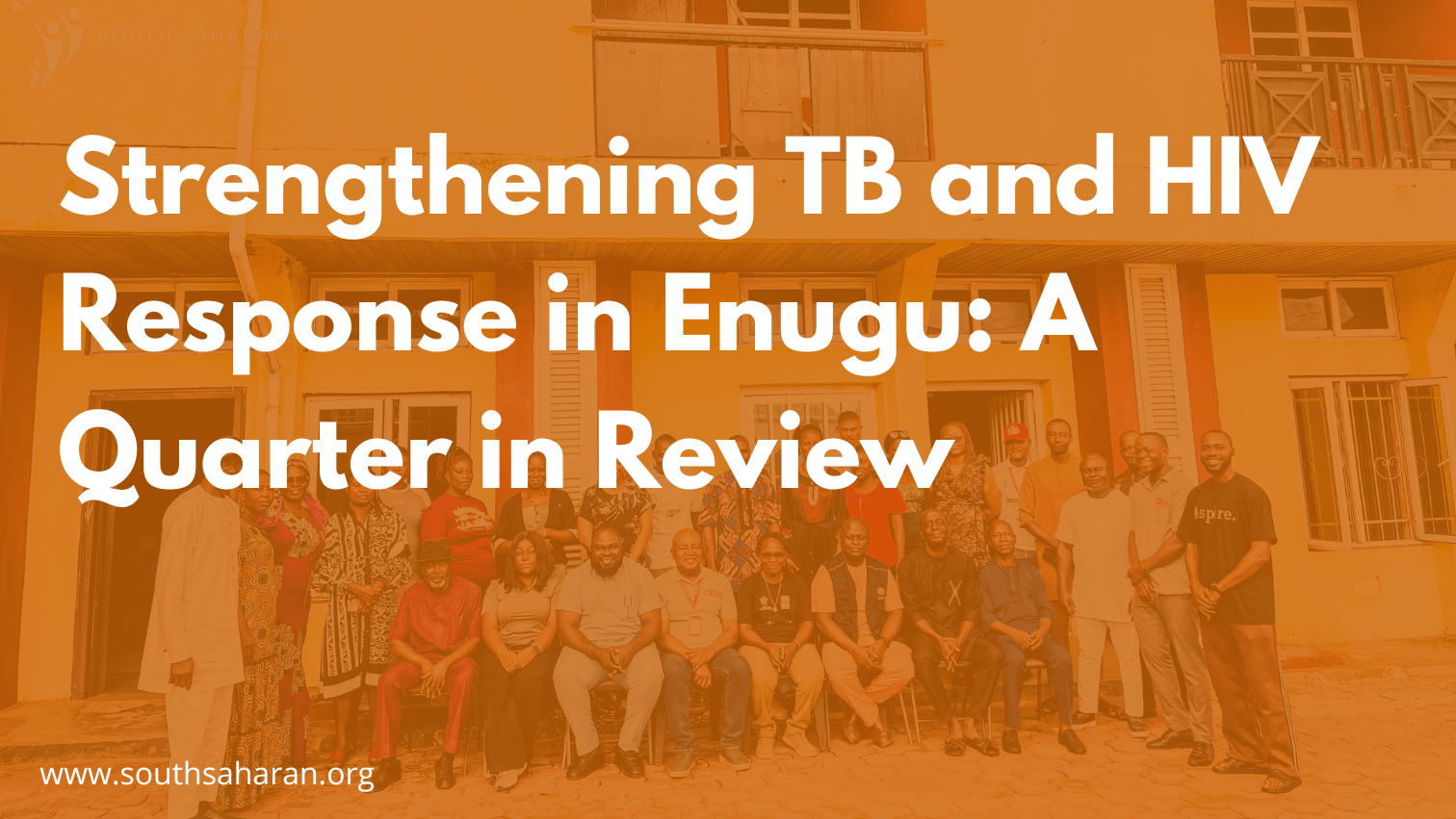
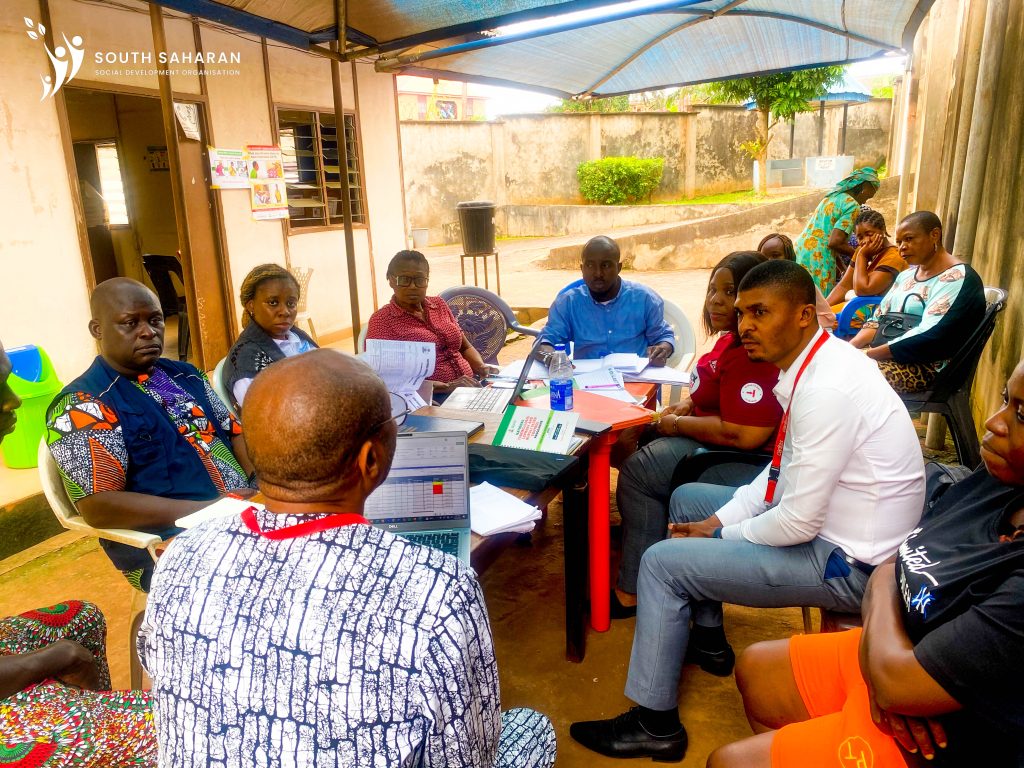
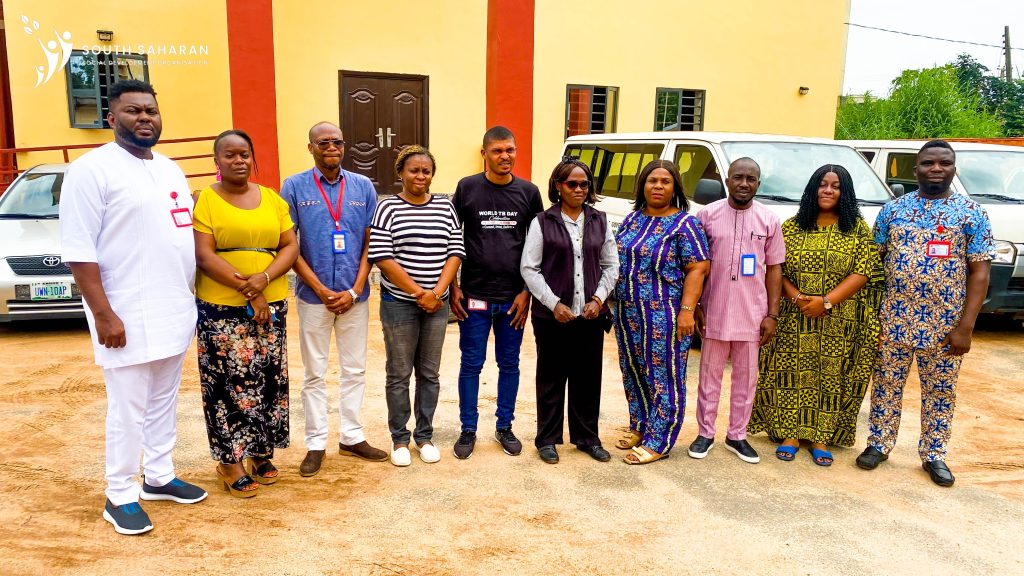
At South Saharan Social Development Organisation (SSDO), we believe that progress is best measured in lives touched and systems strengthened. Recently, the Enugu State chapter of the National Tuberculosis and Leprosy Control Programme (NTBLCP) convened partners and stakeholders for its quarterly review meeting. It was a moment to reflect, learn, and chart new paths forward in the fight against TB and HIV.
Our Contribution This Quarter
As an implementing partner, SSDO proudly shared key milestones achieved in the last three months:
13,003 people screened for TB, with 228 patients placed on treatment to begin their recovery journey.
3,450 pregnant women screened for HIV and Syphilis, ensuring early detection and care, with 19 women linked to ART and ANC services.
16 patients battling drug-resistant TB supported and managed, with adherence to treatment and regular OPD visits. 💪🩺
Why It Matters
Behind every number is a person, a family, a community. Screening means early detection. Treatment means hope restored. Care means healthier mothers, stronger households, and safer communities. These are the building blocks of a healthier Enugu.
The Road Ahead
Quarterly reviews like this not only highlight achievements but also sharpen strategies. Together with NTBLCP and other partners, we are reinforcing health systems, ensuring no patient is left behind, and bringing the vision of TB and HIV-free communities closer to reality.
At SSDO, our commitment remains clear: building resilient communities, one intervention at a time. 🌟
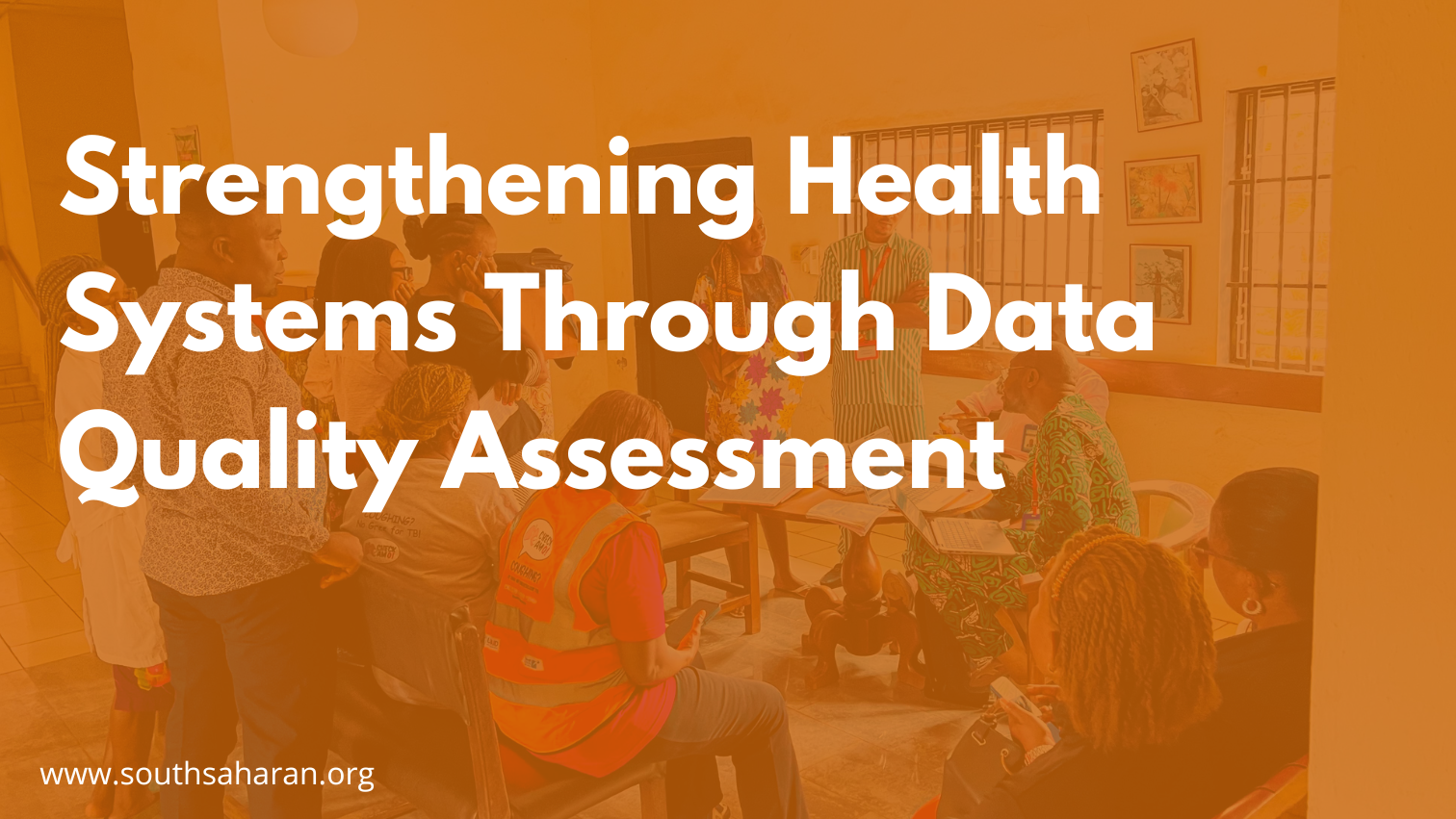
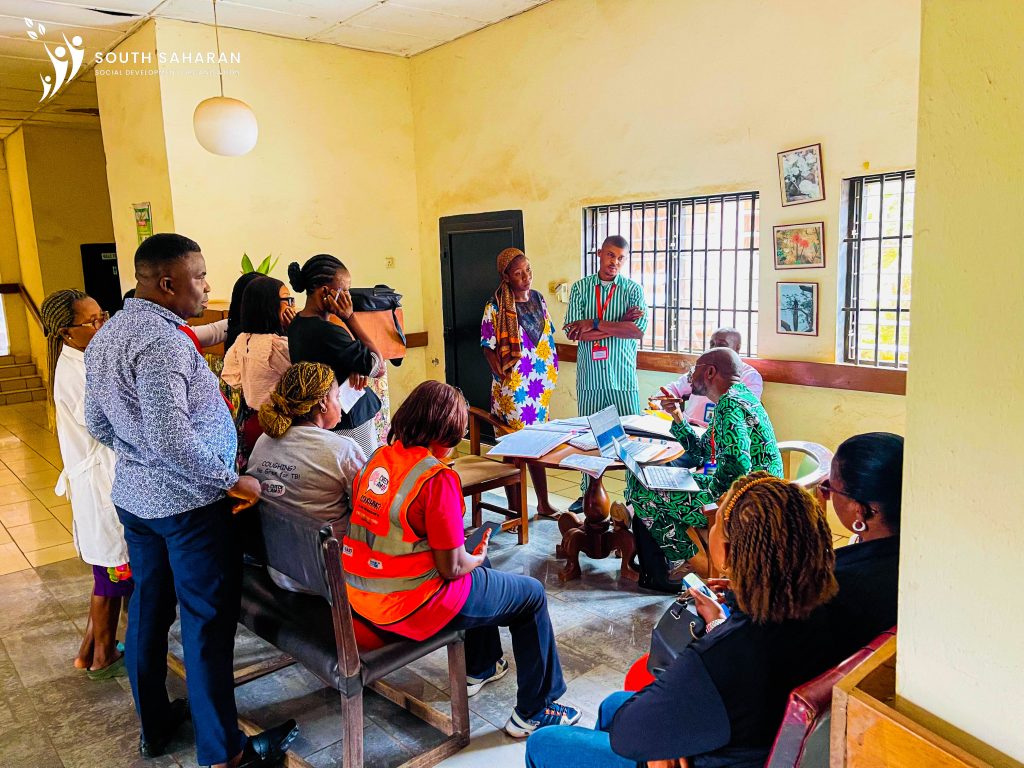
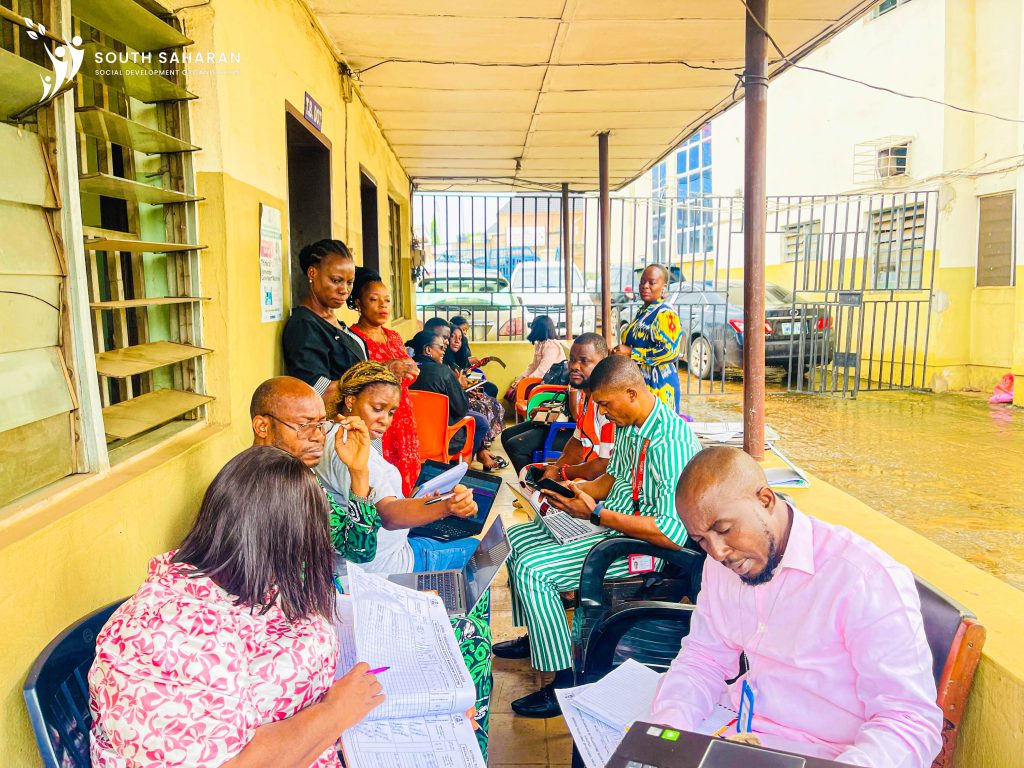
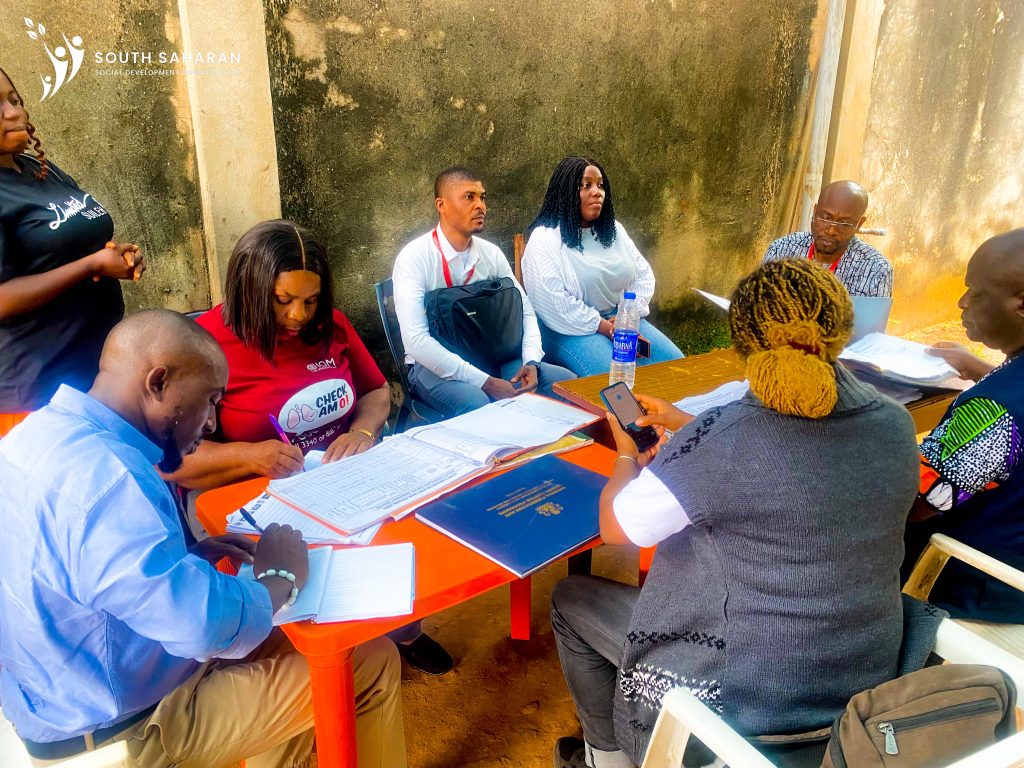
The Institute of Human Virology Nigeria (IHVN) and the National TB and Leprosy Control Programme (NTBLCP), together with partners including Caritas Nigeria, South Saharan Social Development Organisation (SSDO), STBLCP, SASCAP, and others, moved across Enugu North, Enugu East, and Nkanu West to carry out a TB/HIV Data Quality Assessment (DQA).
Why Data Matters
Behind every number in a health record is a real person seeking care, a family waiting for answers, and a community hoping for healthier outcomes. Accurate data is therefore about life-saving decisions, and not just statistics. That is why this assessment was so critical: to ensure that what is recorded in health facilities truly reflects the realities of patients and the services they receive.
What We Saw In The Field
From busy public hospitals to small private clinics and even traditional birth centres, the team worked hand in hand with health workers. We reviewed records, asked hard questions, and identified where the gaps are. What emerged was clear. There is progress, but there is also much work to be done to strengthen reporting, build staff capacity, and improve data accuracy.
Beyond Numbers: Building Stronger Systems
Fixing data gaps is not about filling forms correctly. It is about building stronger systems that can track, respond, and save lives. With the support of all partners and the commitment of local health workers, the work in Enugu is setting the stage for more reliable health information and, ultimately, better services for people affected by TB and HIV.
The mission continues. Together, we are building healthier communities where no one is left behind.
Christian is a farmer and proud father of three children who lives in Aninri. He works tirelessly, cultivating the land and selling the farm products to support his family. The town is a farming community and serves as the main source of Christian’s family income.
However, his life took an unexpected turn when he contracted tuberculosis. This debilitating illness brought everything to a halt, leaving him unable to carry out even the simplest tasks without assistance. He was confined to the bed for several months, plagued by symptoms such as rapid breathing, persistent coughing, and constant dizziness.
“I am the breadwinner of my family. But when the illness started, I couldn’t take care of my kids anymore. It was a challenging time for me and my loved ones.”, he shared.
Christian’s health further deteriorated, and he was always feeling tired and struggled with weight loss. “At a point, I couldn’t recognize people. It was so bad, I thought I had lost my sight.”, he said. He couldn’t go to the farm anymore, and his wife, who works in Benue, had to step in as the breadwinner to support the family.
He also had a major concern that restrained him from going to the hospital: the financial implications on his household. “I worried that if I went to the hospital, I wouldn’t be able to afford the transportation cost required to visit the clinic frequently. Christian’s fear is one reason why many tuberculosis patients wallow in silence.
“Fortunately, during my darkest hours, the TBLS (Tuberculosis LGA Supervisors) from our local government visited me. Witnessing the severity of my condition, she immediately stepped in to assist my family in transporting me to the hospital for prompt medical attention. It was a turning point in my journey toward recovery.”
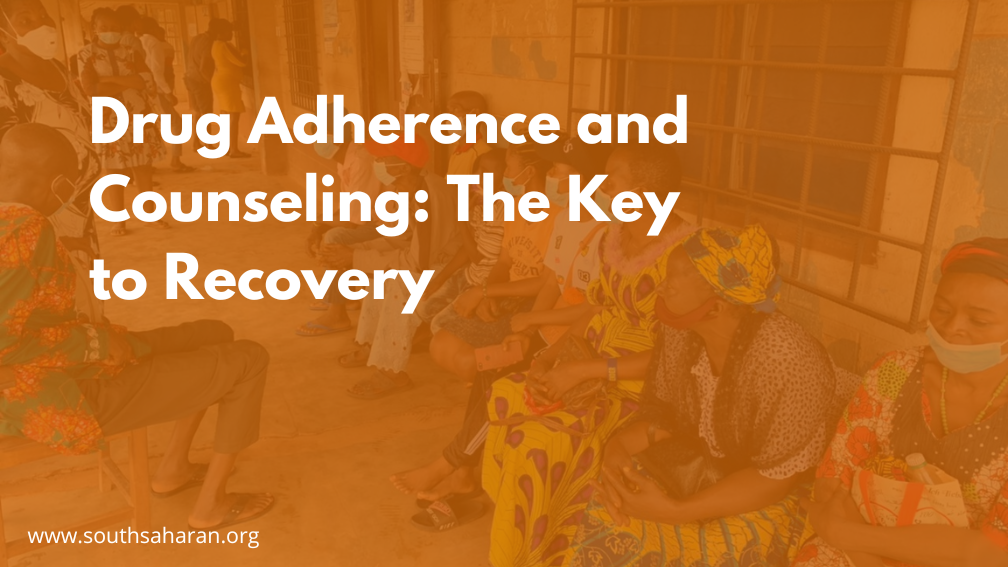
South Saharan Social Development Organization, in partnership with Association for Reproductive and Family Health (ARFH) and the Enugu State Tuberculosis and Leprosy Control Unit with funding from Global Fund, identified the tuberculosis hotspots in the state and is responding by linking patients to care. The project supports DR-TB patients on their road to recovery by providing adherence counseling and supporting project beneficiaries financially.
This way, beneficiaries adhere to treatment and don’t miss the Out Patient Department (OPD) clinic. The initiative also provides on-site training to treatment supporters and executes routine household visits to beneficiaries to ensure adherence.
This support played a crucial role in aiding Christian’s recovery. “Recognizing the challenges I faced in accessing healthcare and adhering to treatment, SSDO extended its support by providing a monthly transport allowance.”
“This allowance helped cover transportation costs to and from the clinic, ensuring that I could attend my outpatient department (OPD) visits without any financial burden.”
We understand that tuberculosis beneficiaries need support systems on the journey to recovery. The project went above and beyond by providing transport allowance to my dedicated treatment supporter. This enabled the treatment supporter to accompany him during medical appointments and assist him in adhering to his medication regimen.
“Their presence, encouragement, and emotional support played a vital role in this challenging period of my life, and SSDO’s assistance ensured that they could fulfill this role effectively.”, Christian further elucidated.
Since commencing treatment in September and faithfully adhering to prescribed medications, Christian’s health has improved significantly. He has regained his strength and independence with his treatment supporter’s unwavering support and encouragement, who ensures he takes his medications regularly. Now, he can walk and has resumed farming activities.
“I can once again venture out to the farm, engaging in the work I love so much. The constant struggle with rapid breathing and persistent coughing has subsided, allowing me to resume my normal activities without needing constant assistance.”
“I also no longer struggle to recognize people. I am glad I didn’t lose my sight. Farming would have been impossible.” Christian can now cater to his family’s needs as he once did. Thus improving their socioeconomic status.
“I am deeply grateful for the financial assistance provided by SSDO (South Saharan Social Development Organization) that has helped cover the costs of transportation for my visits to the clinic for outpatient department (OPD) visits.”
Christian’s journey to overcome tuberculosis has been arduous, but thanks to the collective efforts of the TBLS, his treatment supporter, and the psychosocial support from SSDO, he is gradually reclaiming his life and pursuing his passion for farming.
“I am filled with hope for the future, knowing that I have a strong support system backing me every step of the way.”
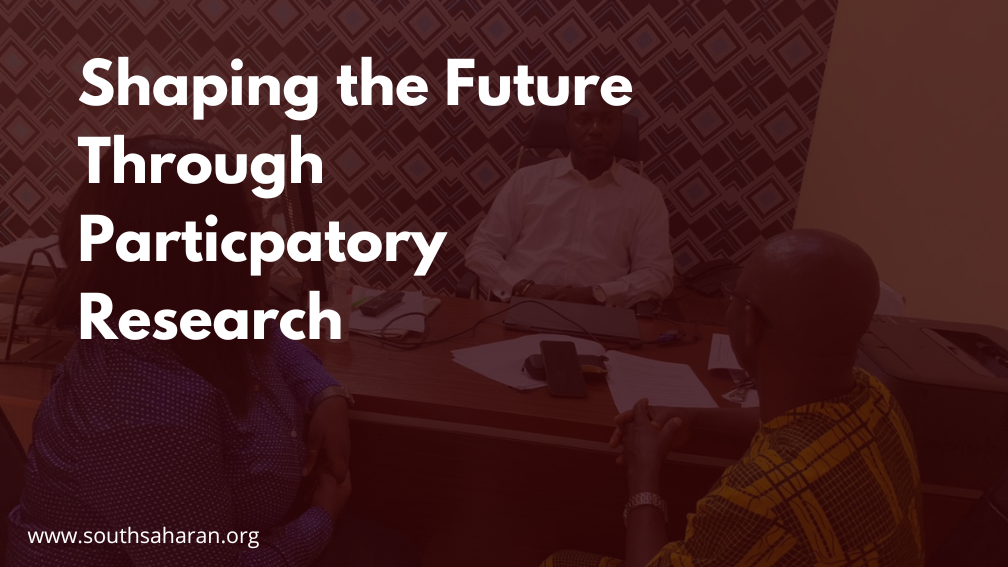
The success of any intervention or project requires extensive research and feasibility studies. Understanding this, The National Tuberculosis and Leprosy Control Programme (NTBLCP) conducted research on gender-related issues in the Tuberculosis program in Enugu state.
This will help to identify the pressing challenges and ascertain the need assessment of beneficiaries in the program. The research was conducted through an interview by the NTBLCP research lead, Alobu Isaac. He interviewed South Saharan Social Development Organization’s Executive Director, Dr. Stanley Ilechukwu and the DR-TB project lead, Obianuju Ezeike.
The research feedback also focused on persons with disabilities and how the program will better serve their needs. Ensuring the program is well-rounded and inclusive.
Research shows that Nigeria ranks high among the high-burden countries for Tuberculosis and has a low detection rate. It is estimated that there are 460,000 new cases and around 245,000 deaths occur annually. Nigeria is one of the eight countries that accounts for 86 percent of all TB cases in the world.
Understanding this crisis, South Saharan Social Development Organization, in partnership with Association for Reproductive & Family Health-ARFH and the Enugu State Tuberculosis and Leprosy Control Unit, is playing its part through The Global Fund Community Drug-Resistant Tuberculosis (DR-TB) project in reducing this epidemic in Enugu state.
The project supports DR-TB patients on their road to recovery. As well as ensures beneficiaries adhere to treatment and don’t miss the Out of Patient Department (OPD) clinic. The initiative also provides on-site training to treatment supporters and executes routine household visits to beneficiaries to ensure adherence.
There are currently 26 beneficiaries on the project. Every month, SSDO’s health officer provided adherence counselling and conducts household visits to beneficiaries. The project also provides monthly transport support to the patients and their treatment supporters.